
The Khairwar tribe represents one of India’s fascinating indigenous communities, with a rich cultural heritage that spans centuries. This guide is perfect for students, researchers, anthropologists, and anyone curious about India’s diverse tribal populations and their unique way of life.
Thank you for reading this post, don't forget to subscribe!The Khairwar people have maintained their distinct identity despite modern pressures, creating a compelling story of tradition meeting change. You’ll discover their ancient origins and how historical events shaped their community over time. We’ll also explore their vibrant cultural practices, from traditional festivals to unique customs that set them apart from other tribal groups.
Origins and Historical Background of the Khairwar Tribe
Ancient roots and early settlements in central India
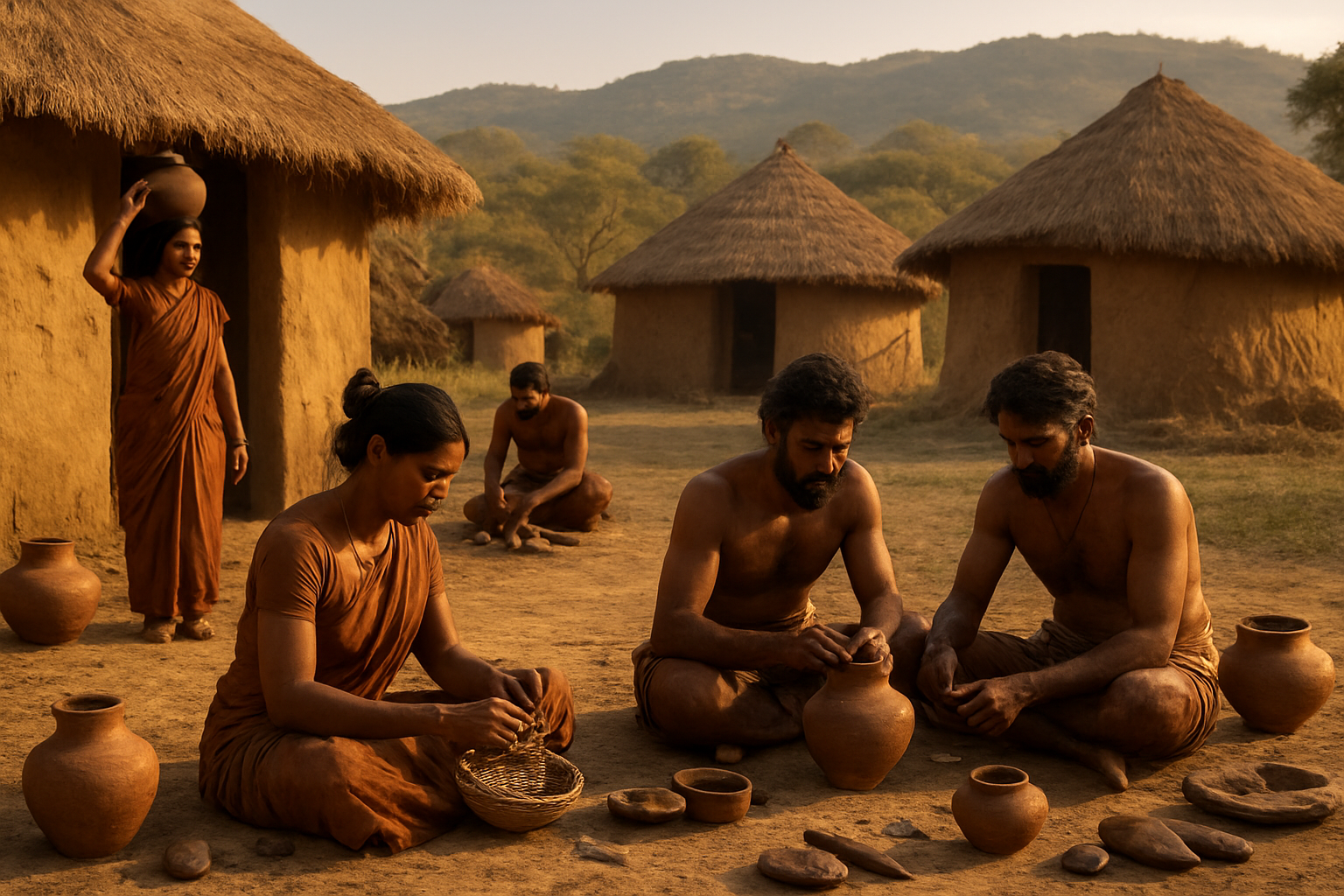
The Khairwar tribe traces its origins back thousands of years to the heart of central India, where dense forests and fertile river valleys provided the perfect sanctuary for early tribal communities. Archaeological evidence suggests that the ancestors of the Khairwar people were among the indigenous groups that inhabited the region long before the arrival of Indo-Aryan settlements. These early communities developed a deep understanding of the local ecosystem, establishing semi-permanent settlements near water sources and areas rich in natural resources.
The name “Khairwar” itself holds linguistic significance, derived from the Sanskrit word “Kshatra,” which relates to the warrior class, though the tribe’s actual social structure differed significantly from the rigid caste hierarchies that emerged later. Ancient texts and oral traditions passed down through generations speak of the Khairwar people as skilled hunters, gatherers, and later, cultivators who maintained a harmonious relationship with their forest environment.
Migration patterns across Madhya Pradesh and Uttar Pradesh
Over centuries, the Khairwar tribe gradually spread across the central Indian landscape, following river systems and seasonal migration routes that connected different ecological zones. Their movement patterns were primarily influenced by the availability of resources, changing climatic conditions, and interactions with other tribal and non-tribal communities.
The major migration corridors included:
- Northern routes: Movement along the Yamuna and its tributaries into present-day Uttar Pradesh
- Eastern pathways: Following the Narmada river system deeper into Madhya Pradesh
- Central highlands: Establishing settlements in the Vindhya ranges and surrounding plateaus
- Western movements: Gradual expansion toward the borders of present-day Rajasthan
These migrations weren’t random wanderings but strategic movements that allowed different branches of the Khairwar tribe to establish distinct regional identities while maintaining cultural connections through trade, marriage alliances, and shared festivals.
Connection to historical kingdoms and regional dynasties
The Khairwar tribe maintained complex relationships with various historical kingdoms and regional dynasties that ruled central India. Unlike some tribal communities that remained isolated, the Khairwar people often served as intermediaries between forest-based economies and settled agricultural kingdoms.
During the Gupta period (4th-6th centuries CE), many Khairwar communities established tributary relationships with local rulers, providing forest products, military support during conflicts, and serving as guides through difficult terrain. The Chandela dynasty particularly valued their knowledge of the region’s geography and their skills in guerrilla warfare tactics.
Under the Delhi Sultanate and later the Mughal Empire, the Khairwar tribe adapted to changing political landscapes. Some tribal leaders received land grants and administrative positions, while others maintained their autonomy in remote forest areas. This flexibility helped preserve their cultural identity while allowing for selective integration with broader political systems.
Evolution from nomadic to settled agricultural communities
The transformation of the Khairwar tribe from primarily nomadic groups to settled agricultural communities represents one of the most significant shifts in their historical development. This transition occurred gradually over several centuries, driven by multiple factors including population growth, environmental changes, and increased contact with agricultural societies.
The shift happened in stages:
Early phase: Semi-nomadic lifestyle combining seasonal hunting and gathering with small-scale cultivation of indigenous crops like millets and pulses.
Intermediate phase: Establishment of permanent villages with mixed economy – continuing forest-based activities while expanding agricultural practices.
Settled phase: Full adoption of sedentary agriculture, though many communities retained their deep knowledge of forest resources and continued practicing traditional crafts.
This evolution wasn’t uniform across all Khairwar communities. Some groups in remote mountainous areas maintained nomadic or semi-nomadic lifestyles well into the modern era, while others in river valleys adopted intensive agriculture much earlier. The diversity in settlement patterns created the rich cultural variations we see within the Khairwar tribe today, where different sub-groups maintain distinct dialects, customs, and economic practices while sharing a common ancestral heritage.
Cultural Identity and Traditional Practices
Unique Customs and Rituals That Define Tribal Heritage
The Khairwar tribe maintains a rich tapestry of customs passed down through generations. Their marriage ceremonies follow ancient traditions where the groom’s family performs the “tilak” ritual, marking the bride’s forehead with vermillion while elders recite ancestral prayers. Birth celebrations involve the “jatakarma” ceremony, where newborns receive blessings from village shamans who predict their future paths.
Coming-of-age rituals hold special significance in Khairwar society. Young men undergo initiation ceremonies that test their courage and wisdom, while young women participate in traditional weaving competitions that showcase their skills to potential mothers-in-law. These practices strengthen community bonds and preserve cultural knowledge.
Traditional Occupations and Craftsmanship Skills
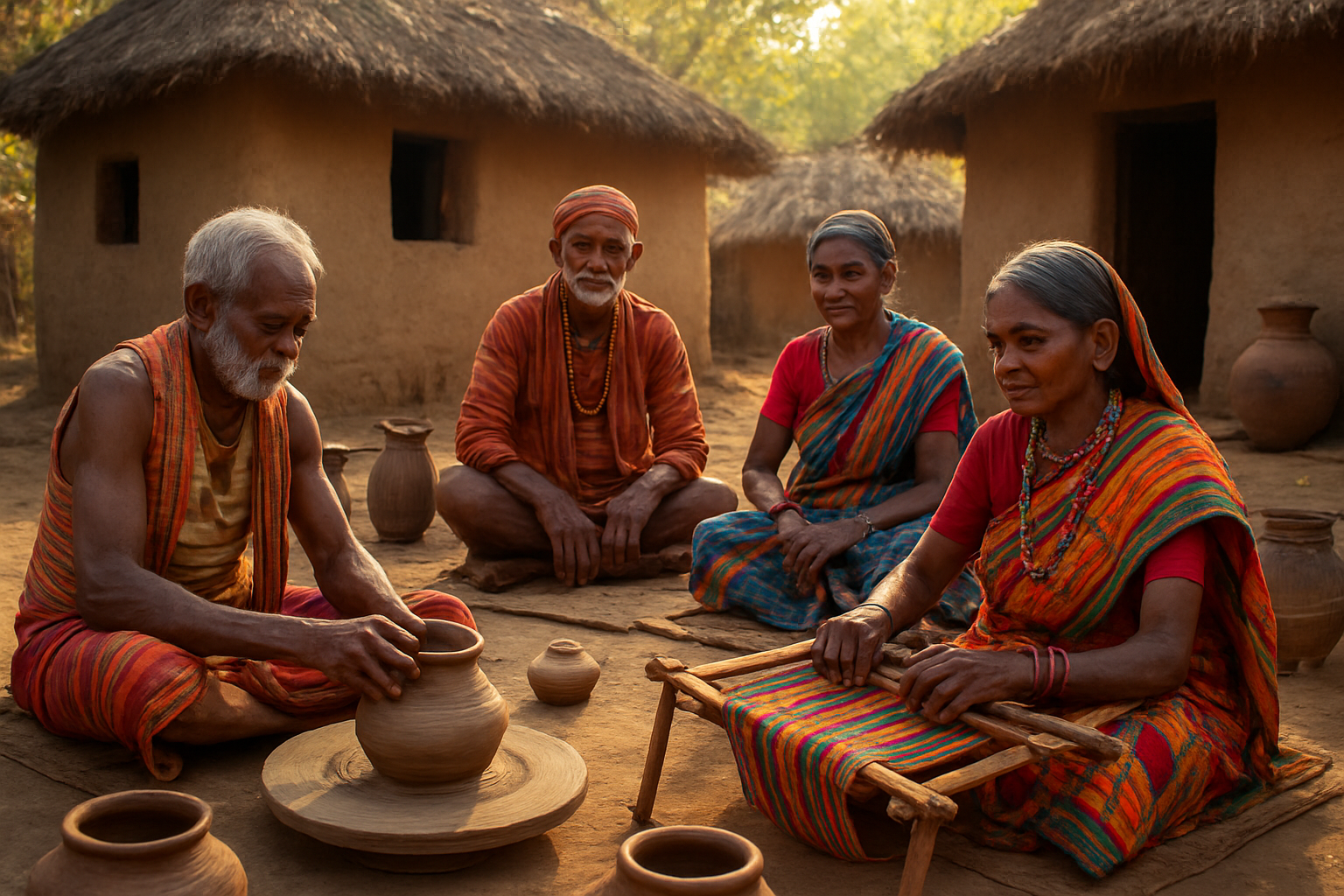
Historically, the Khairwar people excelled in various traditional occupations that shaped their identity. Many worked as skilled weavers, creating intricate textiles using hand-operated looms. Their cotton and silk fabrics featured distinctive geometric patterns that became their trademark in local markets.
Agriculture formed another cornerstone of Khairwar livelihood. They developed unique farming techniques suited to their regional climate, cultivating crops like millet, wheat, and pulses. Some community members specialized in pottery, crafting earthenware vessels with decorative motifs that reflected their artistic heritage.
Metalworking also flourished among certain Khairwar families. They forged agricultural tools, jewelry, and ceremonial items using traditional techniques. These artisans passed their knowledge through apprenticeships, ensuring skills remained within family lines.
Folk Music, Dance, and Storytelling Traditions
Music and dance form the heartbeat of Khairwar cultural expression. Their folk songs, known as “geet,” tell stories of love, harvest seasons, and heroic ancestors. Musicians play traditional instruments like the dhol, tabla, and flute during village gatherings.
Dance performances vary by occasion and season. The “ghoomri” dance celebrates successful harvests, with participants wearing colorful costumes and moving in circular formations. Women perform graceful “kajri” dances during monsoon season, their movements mimicking falling rain.
Storytelling traditions keep oral history alive. Village elders gather children around evening fires, sharing tales of brave warriors, clever princesses, and magical creatures. These stories carry moral lessons and historical accounts that might otherwise be forgotten.
Sacred Festivals and Religious Ceremonies
The Khairwar tribe celebrates numerous festivals that blend Hindu traditions with their indigenous beliefs. Diwali holds special meaning, but they add unique elements like community bonfires where families share traditional sweets and exchange handmade gifts.
Harvest festivals bring entire villages together. During “Pongal” celebrations, families prepare special rice dishes using the first grains of their crop. They decorate their homes with mango leaves and offer prayers to agricultural deities for continued prosperity.
Religious ceremonies often take place at sacred groves where ancient trees are worshipped as divine spirits. The community believes these natural temples protect their villages from harm and ensure good fortune for future generations.
Social Structure and Community Organization
Clan System and Family Hierarchies Within the Tribe
The Khairwar tribe operates through a well-defined clan system that forms the backbone of their social organization. Each clan, known as “gotra,” traces its lineage back to common ancestors and maintains distinct identities through specific totems and ancestral stories. These clans regulate marriage alliances and determine social relationships within the broader Khairwar community.
Family hierarchies follow a patriarchal structure where the eldest male typically holds decision-making authority. Extended families often live in close proximity, creating compound-like settlements where multiple generations share resources and responsibilities. The family head, or “mukhiya,” commands respect and oversees major decisions affecting the household’s welfare.
Age plays a crucial role in determining social standing. Elderly members receive reverence for their wisdom and experience, while younger generations are expected to seek guidance from their elders. Women, though traditionally holding supportive roles, often wield significant influence in domestic matters and child-rearing decisions.
Marriage Customs and Kinship Relationships
Marriage within the Khairwar tribe follows strict exogamous rules, prohibiting unions within the same clan or gotra. This practice strengthens inter-clan relationships and maintains genetic diversity within the community. Arranged marriages remain common, with families negotiating alliances that benefit both sides economically and socially.
The marriage process involves elaborate rituals and ceremonies that can span several days. Bride price, or “daj,” is customarily paid by the groom’s family to the bride’s family, often including livestock, grains, and household items. These exchanges cement relationships between families and ensure the bride’s acceptance into her new household.
Kinship terminology reflects the tribe’s complex social relationships. Different terms exist for maternal and paternal relatives, emphasizing the importance of both lineages. Cross-cousin marriages are sometimes preferred, as they strengthen existing family bonds and keep property within related families.
Leadership Roles and Decision-Making Processes
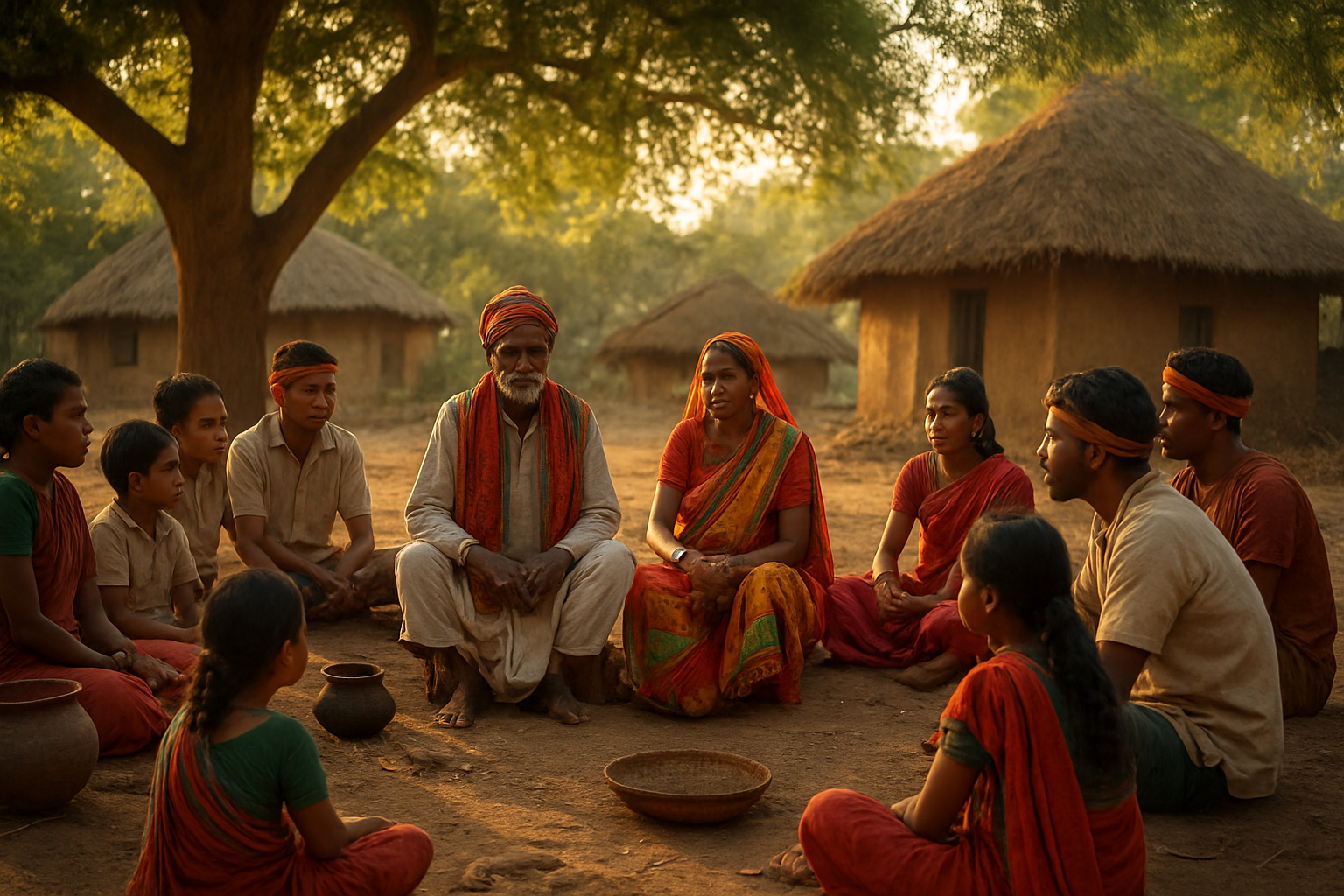
Traditional leadership among the Khairwar follows a council-based system where respected elders form decision-making bodies. The village headman, chosen for his wisdom and conflict-resolution skills, mediates disputes and represents the community in external affairs. These leaders don’t hold absolute power but rather facilitate consensus-building among community members.
Decision-making processes involve extensive consultation and discussion. Important matters affecting the entire community are debated in open assemblies where adult males can voice their opinions. Women participate indirectly through their male relatives, though their input is often sought privately before major decisions.
The council system addresses various issues including resource allocation, conflict resolution, and adherence to traditional customs. Punishments for social transgressions are decided collectively, ranging from fines to temporary ostracism. This democratic approach ensures that leadership remains accountable to community needs and maintains social harmony within Khairwar settlements.
Current Population and Geographic Distribution
Primary Settlement Areas Across Indian States
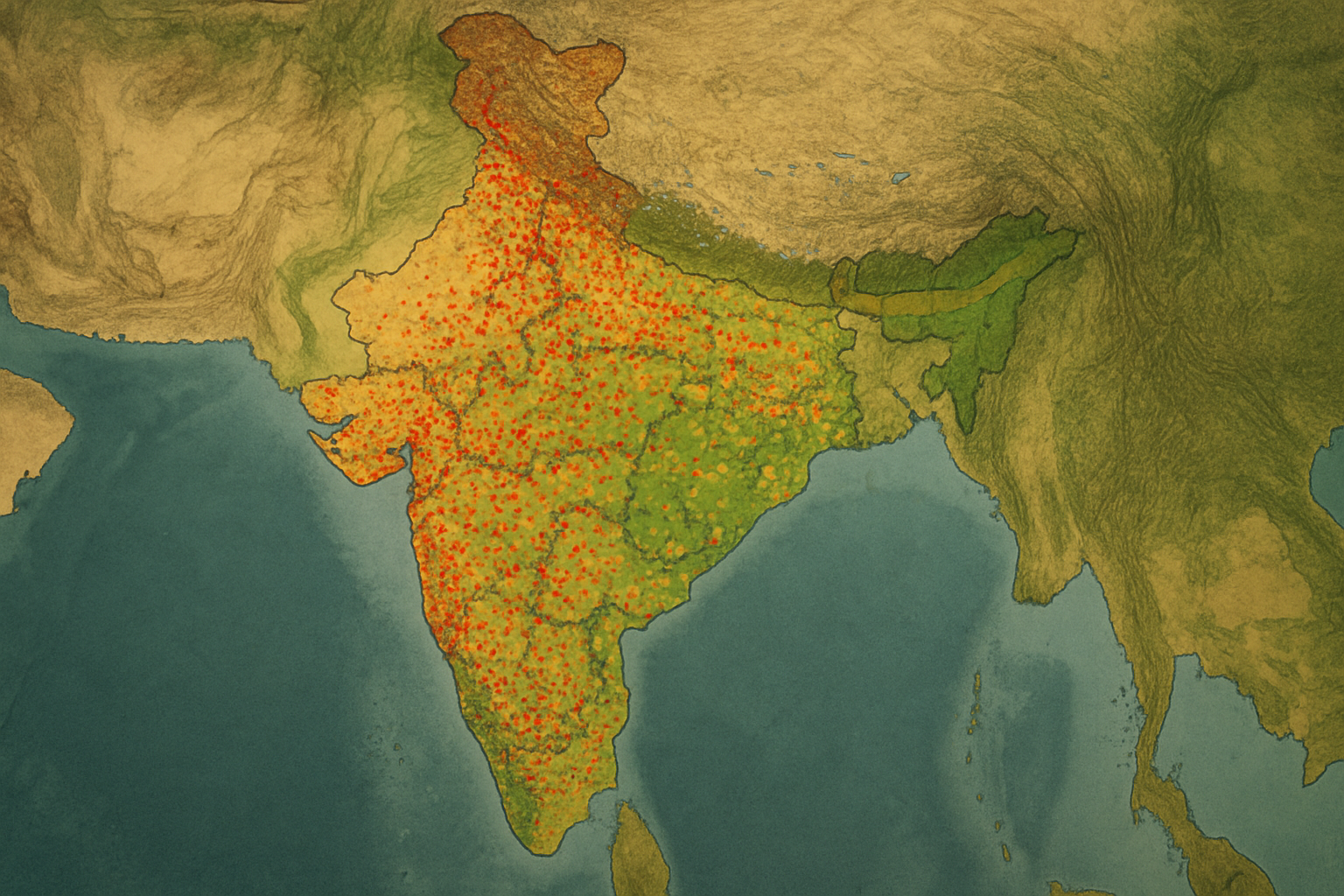
The Khairwar tribe maintains a concentrated presence across central and northern India, with their largest populations found in Uttar Pradesh, Madhya Pradesh, and Bihar. In Uttar Pradesh, the Khairwar community predominantly inhabits the districts of Mirzapur, Sonbhadra, and Varanasi, where they have established strong cultural roots over generations. Madhya Pradesh hosts significant Khairwar populations in Rewa, Satna, and Sidhi districts, particularly in the Vindhyan region where the terrain supports their traditional lifestyle.
Bihar’s Khairwar communities are primarily located in the southern districts, including Rohtas and Kaimur, where they continue to practice their ancestral customs. Smaller populations also exist in parts of Jharkhand and Chhattisgarh, reflecting historical migration patterns and administrative boundary changes over time.
The tribe’s settlement pattern typically follows river valleys and forest edges, reflecting their traditional dependence on natural resources and agriculture. Many Khairwar villages are situated near the Ganges and its tributaries, which provide water for irrigation and support their farming activities.
Population Statistics and Demographic Trends
Current estimates suggest the Khairwar tribe comprises approximately 1.2 million people across India, making them one of the more populous scheduled tribes in the region. The 2011 Census data indicates steady population growth, though exact figures vary due to classification challenges and administrative reporting differences between states.
Demographic analysis reveals a young population structure, with nearly 35% of Khairwar individuals under the age of 15. This youth bulge presents both opportunities and challenges for community development. The literacy rate among the Khairwar tribe stands at approximately 45%, showing gradual improvement from previous decades but still lagging behind national averages.
Gender ratios within Khairwar communities remain relatively balanced, with slight variations across different regions. Rural areas tend to maintain more traditional population structures, while urban settlements show changing demographic patterns influenced by employment opportunities and educational access.
Birth rates among the Khairwar community remain higher than national averages, reflecting traditional family structures and limited access to family planning resources in remote areas.
Urban Migration Patterns and Rural Communities
Urban migration among the Khairwar tribe has accelerated over the past two decades, driven primarily by economic opportunities and educational prospects. Young Khairwar adults increasingly migrate to cities like Delhi, Mumbai, Kolkata, and regional urban centers for employment in construction, domestic work, and small-scale commerce.
This migration creates a dual community structure where elderly members and young children often remain in traditional villages while working-age adults spend months or years in urban areas. Seasonal migration patterns are particularly common, with many returning to their villages during agricultural seasons or religious festivals.
Rural Khairwar communities continue to form the cultural backbone of the tribe, maintaining traditional practices, languages, and social structures. These villages serve as repositories of Khairwar customs, folk songs, and traditional knowledge systems that urban migrants often seek to preserve and pass down to their children.
The economic impact of urban migration is significant, with remittances from urban workers supporting rural families and funding community development projects like school buildings and healthcare facilities.
Interaction with Neighboring Tribal Groups
The Khairwar tribe shares geographic spaces with several other tribal communities, creating complex inter-group relationships. In Uttar Pradesh and Madhya Pradesh, they frequently interact with Gond, Kol, and Baiga tribes, sharing similar socio-economic challenges and cultural practices.
These interactions often result in cultural exchange, intermarriage, and collaborative efforts for community development. Joint celebrations of festivals and shared participation in local markets strengthen bonds between different tribal groups while maintaining distinct identities.
Khairwar communities also interact with non-tribal populations, particularly in areas where their settlements border mainstream agricultural communities. These relationships range from cooperative farming arrangements to employment partnerships, though occasional tensions arise over land rights and resource access.
Political representation and advocacy efforts increasingly involve coalition-building with other tribal groups, as Khairwar leaders recognize the strength that comes from unified voices in addressing common challenges like land alienation, educational access, and healthcare provision.
Challenges Facing the Khairwar Community Today
Economic Difficulties and Livelihood Sustainability
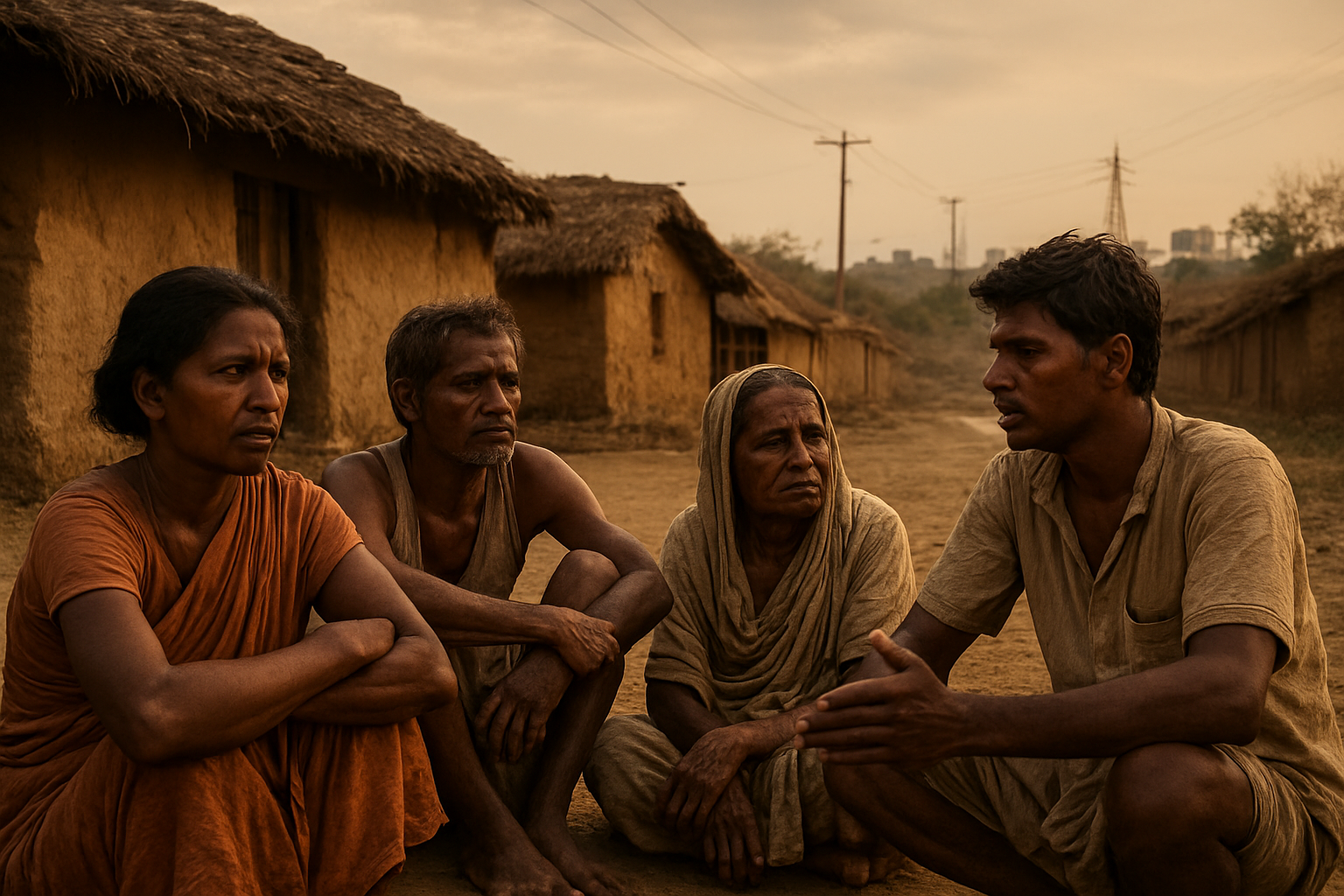
The Khairwar community faces serious economic challenges that threaten their traditional way of life. Many families still depend on agriculture and small-scale farming, but climate change has made rainfall unpredictable, leading to crop failures and reduced harvests. Traditional occupations like cattle rearing and forest-based activities have become less profitable as land becomes scarce and environmental regulations tighten.
Most Khairwar families struggle to find steady employment outside their villages. Limited access to credit facilities makes it difficult to start businesses or invest in modern farming techniques. Women in the community often resort to daily wage labor or working in brick kilns, earning minimal income under harsh conditions. The lack of marketable skills and technical training keeps the community trapped in a cycle of poverty, making it hard for them to break free from economic dependence.
Educational Barriers and Access to Modern Facilities
Educational opportunities remain extremely limited for the Khairwar Tribe. Many villages lack proper schools, forcing children to walk long distances just to attend basic classes. High dropout rates plague the community, especially among girls who are often pulled out of school to help with household work or get married at young ages.
Teacher shortages and poor infrastructure make learning difficult even when schools exist. Many educators don’t speak the local dialect, creating communication barriers that discourage students from continuing their studies. The absence of higher education institutions nearby means that even motivated students have few options for advanced learning.
Basic healthcare facilities are scarce in Khairwar settlements. Families often travel hours to reach the nearest hospital or clinic. Clean drinking water and proper sanitation remain major concerns in many villages, leading to frequent health problems that further impact children’s ability to attend school regularly.
Cultural Preservation in Rapidly Changing Society
The Khairwar community watches their ancient traditions slowly fade as younger generations move to cities for work. Traditional songs, dances, and storytelling practices that once passed knowledge from elders to children are disappearing. Language erosion poses another serious threat, with many young people preferring Hindi or regional languages over their native tongue.
Urbanization and modernization pressure the community to abandon traditional practices that seem outdated. Sacred rituals and festivals lose their significance when families scatter across different locations for employment. The breakdown of joint family systems means that cultural knowledge isn’t being shared as effectively as before.
Social media and modern entertainment have captured the attention of young Khairwar people, who sometimes view their heritage as backward. This creates a generational divide where elders feel frustrated about losing their cultural identity while youth struggle to balance tradition with modern aspirations.
Government Recognition and Reservation Benefits
The Khairwar community continues fighting for proper recognition under India’s reservation system. While some regions classify them as Scheduled Castes or Other Backward Classes, inconsistencies across different states create confusion about their official status. This uncertainty prevents many families from accessing benefits they deserve.
Bureaucratic hurdles make it difficult to obtain necessary documentation for reservation benefits. Many Khairwar people lack proper birth certificates or caste certificates, which are essential for accessing government schemes. Complex application processes and corruption in local offices often prevent genuine beneficiaries from receiving help.
Even when benefits are available, poor implementation at the ground level means resources don’t reach intended recipients. Scholarship programs, housing schemes, and employment opportunities meant for the Khairwar Tribe often get diverted to others due to lack of awareness or administrative failures within the community.
Efforts Toward Development and Empowerment
Educational initiatives and literacy programs
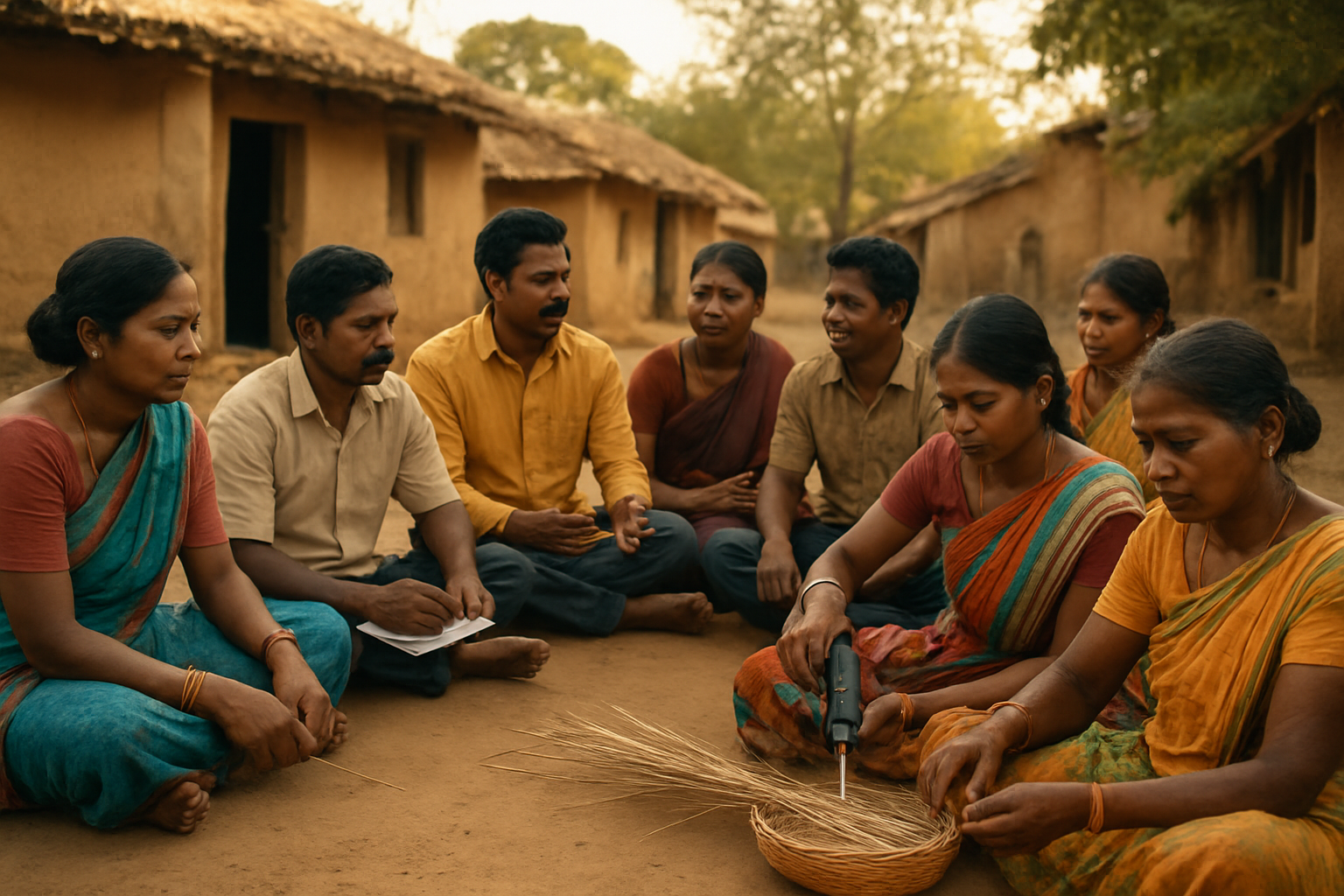
The Khairwar tribe has seen remarkable progress through targeted educational programs designed to bridge the gap between traditional knowledge and modern learning. Government and non-governmental organizations have established mobile schools that reach remote Khairwar settlements, bringing basic literacy and numeracy skills directly to communities. These programs often incorporate the local dialect and cultural elements to make learning more accessible and meaningful.
Adult literacy campaigns have proven particularly effective, with evening classes allowing working community members to develop reading and writing skills. Women’s literacy circles have emerged as powerful spaces where Khairwar women not only learn to read and write but also discuss community issues and develop leadership skills. Several states have implemented mother-tongue education initiatives, recognizing that children learn better when instruction begins in their native language before transitioning to regional languages.
Scholarship programs specifically for Khairwar students have opened doors to higher education opportunities previously out of reach. These initiatives include mentorship programs where educated Khairwar individuals guide younger students through their academic journey. Digital literacy programs have also gained momentum, teaching community members to navigate technology and access online educational resources.
Economic development projects and skill training
Skill development programs tailored to Khairwar communities focus on both traditional crafts and modern employment opportunities. Handicraft training centers have been established to refine and market traditional Khairwar pottery, weaving, and metalwork skills. These centers provide quality control training, design innovation workshops, and direct market linkages to urban consumers and export markets.
Agricultural modernization projects have introduced sustainable farming techniques, improved seed varieties, and water conservation methods to Khairwar farmers. Training in organic farming practices has proven particularly successful, as it builds upon traditional ecological knowledge while meeting modern market demands for chemical-free produce.
Vocational training institutes offer courses in carpentry, masonry, electrical work, and motor mechanics, providing Khairwar youth with employable skills. Self-help groups have flourished within communities, offering microcredit facilities and business training for small enterprises. Women’s collectives have successfully launched food processing units, tailoring cooperatives, and livestock management projects.
Financial literacy workshops teach community members about banking, insurance, and government schemes designed for tribal communities. These programs help Khairwar families access benefits they’re entitled to and make informed decisions about savings and investments.
Cultural preservation and documentation efforts
Cultural documentation projects have become essential for preserving Khairwar heritage for future generations. Anthropologists and community elders work together to record oral histories, traditional songs, and folk tales that carry the tribe’s collective memory. Video documentation of traditional ceremonies, festivals, and rituals ensures these practices remain accessible even as communities experience social change.
Language preservation initiatives include creating written scripts for the Khairwar dialect and developing educational materials in the native tongue. Digital archives store traditional knowledge about medicinal plants, agricultural practices, and craftsmanship techniques that might otherwise be lost as older generations pass away.
Community museums established within Khairwar settlements showcase traditional tools, clothing, and artifacts while educating both tribal youth and outsiders about their rich heritage. Cultural festivals organized by and for the Khairwar community celebrate traditional arts, music, and dance while fostering pride in tribal identity.
Collaborative research projects between universities and Khairwar communities document traditional ecological knowledge, particularly regarding forest management and biodiversity conservation. These efforts recognize the tribe’s sophisticated understanding of natural systems and their potential contributions to environmental sustainability discussions.
The Khairwar tribe stands as a testament to India’s rich tribal heritage, carrying forward centuries of unique traditions, social customs, and cultural practices that have shaped their distinct identity. From their historical roots to their intricate community organization, the Khairwar people have maintained their cultural essence while navigating the complexities of modern life. Their traditional practices and social structures continue to play a vital role in preserving their community bonds, even as they face the reality of changing times and evolving geographic distributions.
Today’s Khairwar community confronts significant challenges that threaten their cultural survival and economic stability. However, the ongoing development initiatives and empowerment programs offer hope for a brighter future. Supporting these efforts means recognizing the value of tribal diversity in India’s cultural landscape. We must actively advocate for policies that protect their rights, promote education within their communities, and create sustainable livelihood opportunities that honor their traditional knowledge while opening doors to modern progress.
