
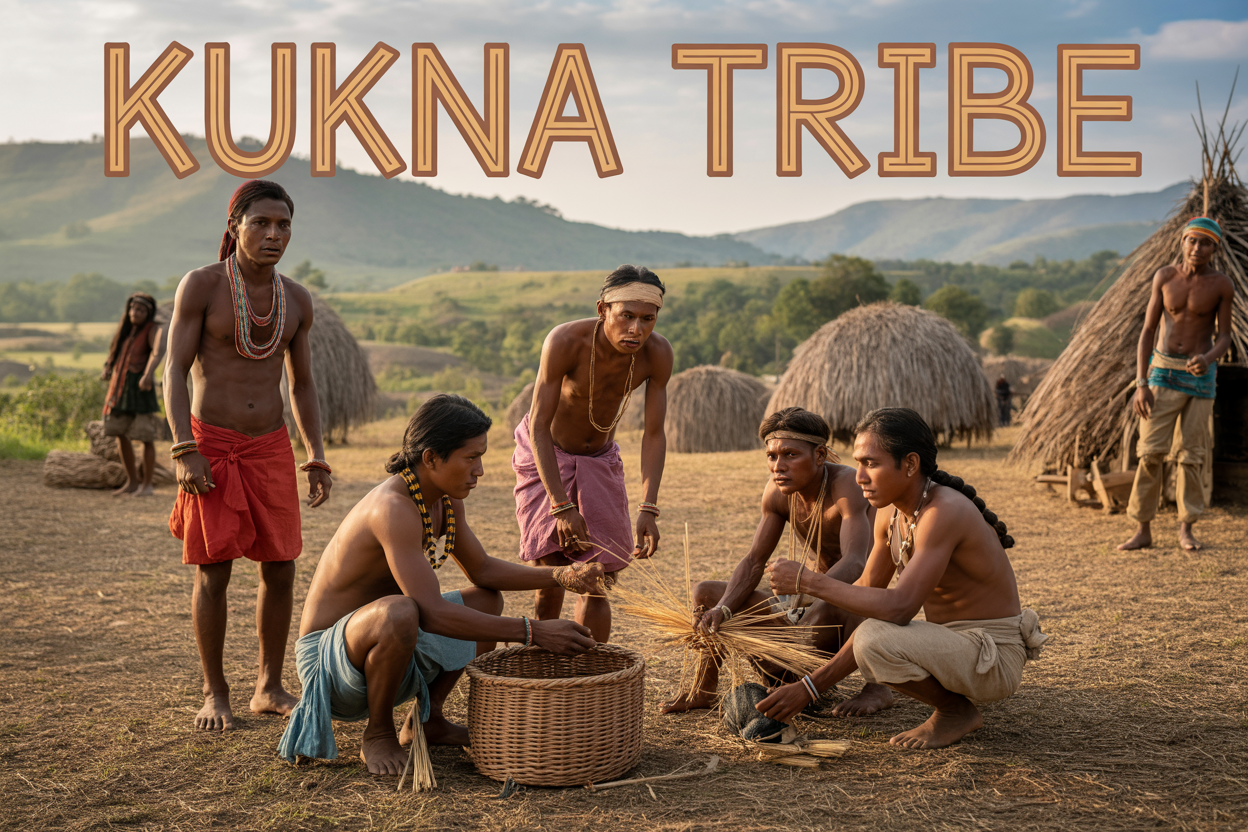
The Kukna Tribes represents one of India’s distinctive indigenous communities, primarily found in the hilly regions of Maharashtra and Gujarat. This guide is perfect for researchers, students, anthropology enthusiasts, and anyone curious about India’s rich tribal heritage who wants to understand the Kukna people’s unique way of life.
Thank you for reading this post, don't forget to subscribe!The Kukna community has maintained their cultural identity across generations despite facing modern pressures. Their story reveals fascinating insights into traditional Indian tribal society and the challenges indigenous groups face today.
We’ll explore their origins and how they settled in their current homeland, examining the geographic factors that shaped their lifestyle. You’ll also discover their traditional social structure and cultural practices that define Kukna identity, plus learn about their customary occupations and how they’ve adapted their economy over time.
Origins and Historical Background of the Kukna People
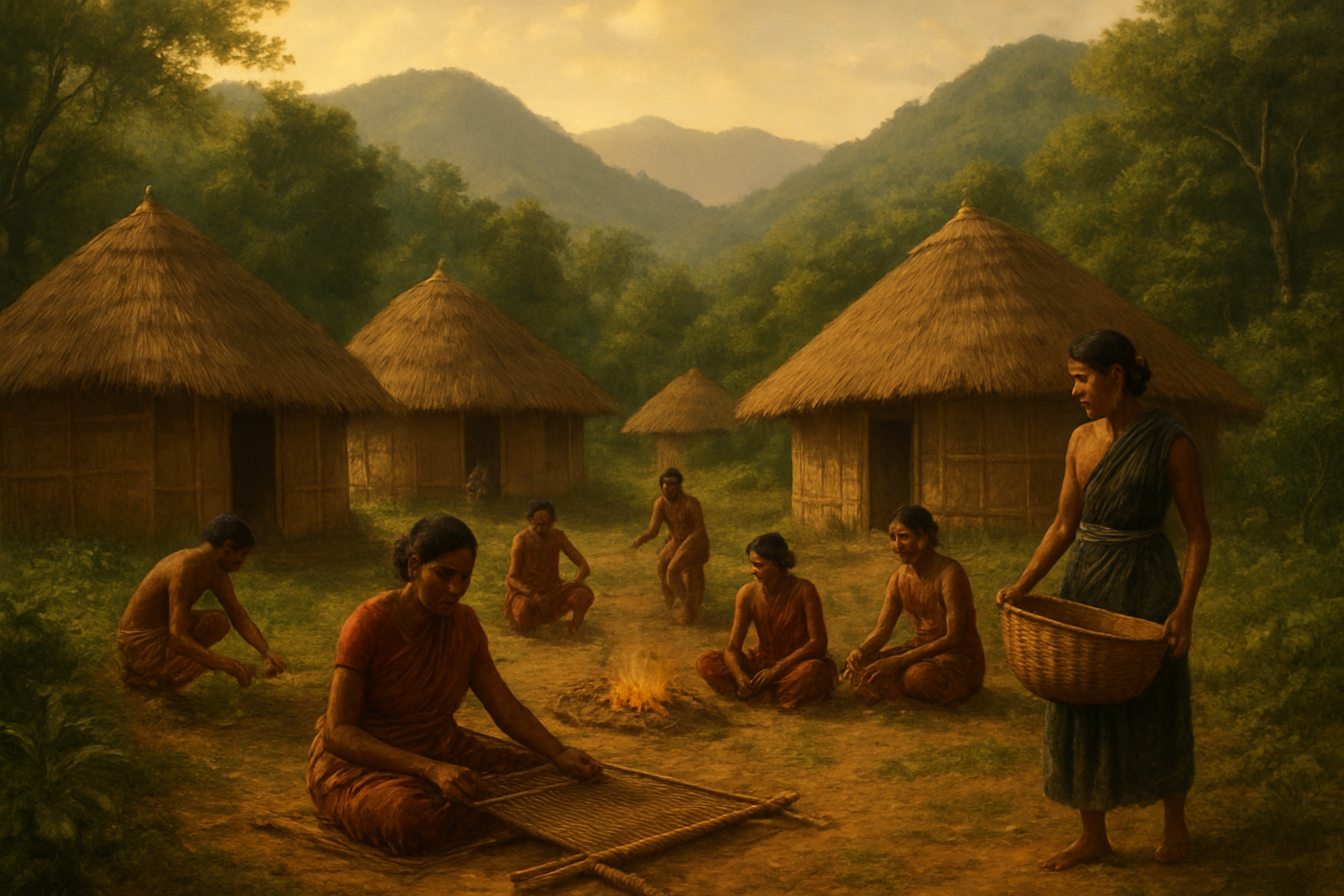
Ancient settlement patterns in Maharashtra and Gujarat regions
The Kukna people trace their roots to the rugged terrain straddling the borders of Maharashtra and Gujarat, where they established their earliest communities over centuries ago. Archaeological evidence and tribal oral histories point to their original settlements in the hilly regions of the Western Ghats, particularly around the Dangs district of Gujarat and the adjoining areas of northern Maharashtra.
These early settlements were strategically chosen for their natural defenses and abundant resources. The Kukna established villages on hilltops and in forest clearings, taking advantage of water sources and fertile valleys for their subsistence needs.
Their settlement pattern reflected a deep understanding of the local ecosystem, with communities scattered across the landscape in a way that minimized resource competition while maintaining social connections.
The traditional village structure of the Kukna featured clusters of homes built from locally available materials – bamboo, mud, and thatch – arranged in family groups called “pals.” Each settlement typically housed 15-20 families, with larger communities forming networks connected by well-worn forest paths that served as trade and communication routes.
Migration stories and tribal legends passed through generations
Kukna oral tradition preserves fascinating migration narratives that explain their journey to present-day territories. According to their folklore, the ancestors of the Kukna people originated from the northern regions of India and gradually moved southward due to various pressures including conflicts with other groups and search for better hunting grounds.
One prominent legend speaks of a great leader named Bhima who led the Kukna through treacherous mountain passes and dense forests to reach the safety of the Western Ghats. This story emphasizes themes of courage, unity, and divine protection that remain central to Kukna identity today.
Another significant narrative describes how the tribe split into different groups during their migrations, with some settling in Gujarat while others continued into Maharashtra. These stories explain the slight dialectal and cultural variations observed among different Kukna communities today, while reinforcing their shared heritage and common identity.
The tribal elders, known as “Bhagats,” serve as the keepers of these stories, passing them down through elaborate storytelling sessions during festivals and community gatherings. These oral histories not only preserve the tribe’s past but also reinforce social bonds and cultural values across generations.
Connection to broader Bhil tribal confederation
The Kukna share deep historical and cultural connections with the larger Bhil tribal confederation, one of India’s most prominent indigenous groups. Linguistic analysis reveals that Kukna dialects belong to the Bhili language family, indicating shared ancestral origins and centuries of cultural exchange.
Traditional practices, religious beliefs, and social customs show remarkable similarities between the Kukna and other Bhil subgroups. Their worship of nature deities, particularly forest and mountain spirits, mirrors broader Bhil spiritual traditions. The Kukna also participate in pan-Bhil festivals and maintain kinship ties with neighboring Bhil communities through intermarriage and trade relationships.
However, the Kukna have developed distinct characteristics that set them apart within the Bhil confederation. Their specific agricultural techniques, unique artistic expressions, and particular social customs reflect adaptations to their specific geographical environment and historical experiences.
This balance between shared Bhil identity and distinct Kukna characteristics demonstrates the dynamic nature of tribal cultural evolution.
Evolution from hunter-gatherers to settled agricultural communities
The transformation of Kukna society from nomadic hunter-gatherers to settled agricultural communities represents one of the most significant developments in their history. This transition occurred gradually over several centuries, driven by environmental changes, population growth, and external influences.
Initially, the Kukna relied heavily on hunting wild game, collecting forest products, and practicing shifting cultivation. They moved seasonally following animal migrations and the availability of wild resources. Men specialized in hunting and fishing, while women gathered fruits, roots, and medicinal plants from the forest.
The shift toward settled agriculture began as the Kukna developed more sophisticated farming techniques and discovered crops well-suited to their mountainous environment.
They began cultivating rice in terraced fields, growing millet on hillsides, and developing kitchen gardens near their homes. This agricultural knowledge combined traditional forest wisdom with innovations learned through contact with neighboring farming communities.
Today’s Kukna communities represent a successful blend of their hunting-gathering heritage and agricultural adaptation.
Many families still supplement their farming income with forest products and maintain hunting skills for ceremonial purposes, while embracing modern agricultural techniques to improve their livelihoods. This evolution demonstrates the Kukna people’s remarkable ability to adapt while preserving essential elements of their cultural identity.
Geographic Distribution and Traditional Homeland
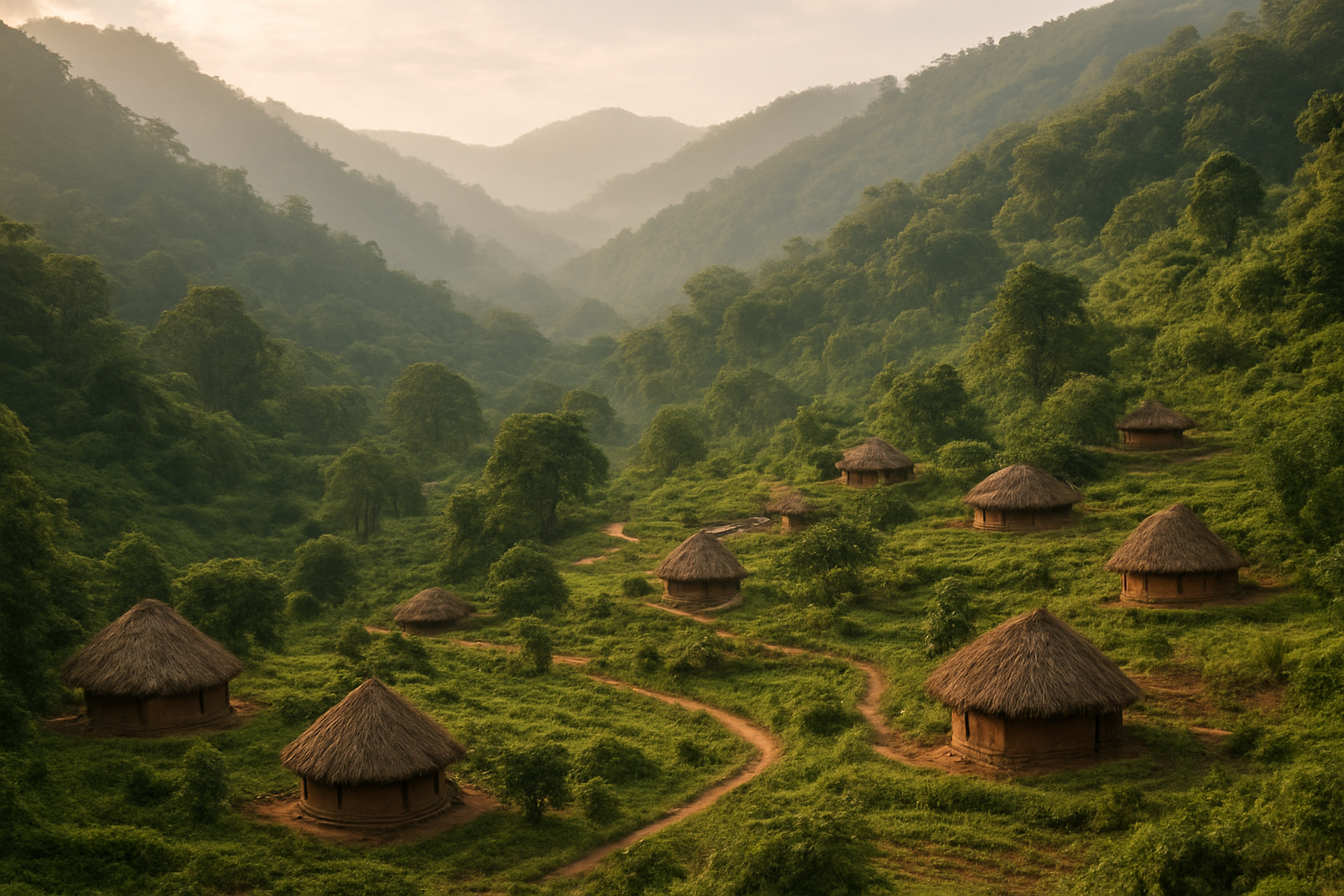
Primary settlements across Nashik and Dhule districts
The Kukna tribe predominantly inhabits the hilly regions spanning across Nashik and Dhule districts in Maharashtra, with smaller populations extending into Gujarat’s border areas.
Their settlements cluster primarily in the Western Ghats’ foothills, where they’ve established villages that blend seamlessly with the natural landscape.
Major concentrations exist in talukas like Surgana, Kalwan, and Peint in Nashik district, while Akkalkuwa, Nandurbar, and Shahada in Dhule district house significant Kukna populations.
These communities typically choose elevated locations for their villages, taking advantage of natural water sources and defensible positions.
Village sizes range from small hamlets of 20-30 families to larger settlements housing over 200 families. The scattered nature of their settlements reflects their traditional preference for maintaining close-knit community bonds while ensuring adequate access to forest resources and agricultural land.
Adaptation to hilly terrain and forest environments
The Kukna people have developed remarkable skills for thriving in challenging mountainous terrain. Their traditional houses, built using locally available materials like bamboo, mud, and thatched roofs, are specifically designed to withstand monsoon rains and strong winds common in hilly areas.
The architecture reflects generations of adaptation, with raised platforms protecting homes from flooding and strategic positioning to maximize natural ventilation.
Their deep understanding of forest ecosystems enables them to navigate dense woodlands with ease. The Kukna have developed intricate knowledge of:
- Flora identification: Recognizing hundreds of plant species for food, medicine, and construction
- Seasonal patterns: Understanding flowering, fruiting, and harvesting cycles
- Wildlife behavior: Coexisting peacefully with forest animals while protecting their crops
- Water management: Locating natural springs and creating efficient irrigation systems
This environmental expertise allows them to sustainably harvest forest products without depleting resources, maintaining ecological balance across generations.
Seasonal migration patterns for agriculture and work
Traditional Kukna lifestyle involves strategic seasonal movements based on agricultural cycles and employment opportunities. During monsoon months (June to September), families remain in their permanent villages to cultivate their small landholdings, growing crops like rice, millet, and vegetables in terraced fields carved into hillsides.
Post-harvest periods see many Kukna families migrating to plains areas for wage labor. Common migration patterns include:
| Season | Activity | Destination | Duration |
|---|---|---|---|
| October-December | Sugarcane cutting | Nashik plains | 2-3 months |
| January-March | Construction work | Urban centers | 2-4 months |
| April-May | Pre-monsoon preparation | Home villages | Return home |
These migrations serve dual purposes – supplementing agricultural income and maintaining connections with broader economic networks. Entire families often move together, creating temporary settlements near work sites. Children’s education and healthcare access remain ongoing challenges during these migration periods, though some families are now adopting patterns where only adult members migrate while children stay in villages.
Modern transportation improvements have modified traditional migration routes, with many Kukna now accessing work opportunities previously beyond their reach while maintaining stronger ties to their ancestral lands.
Cultural Practices and Social Structure
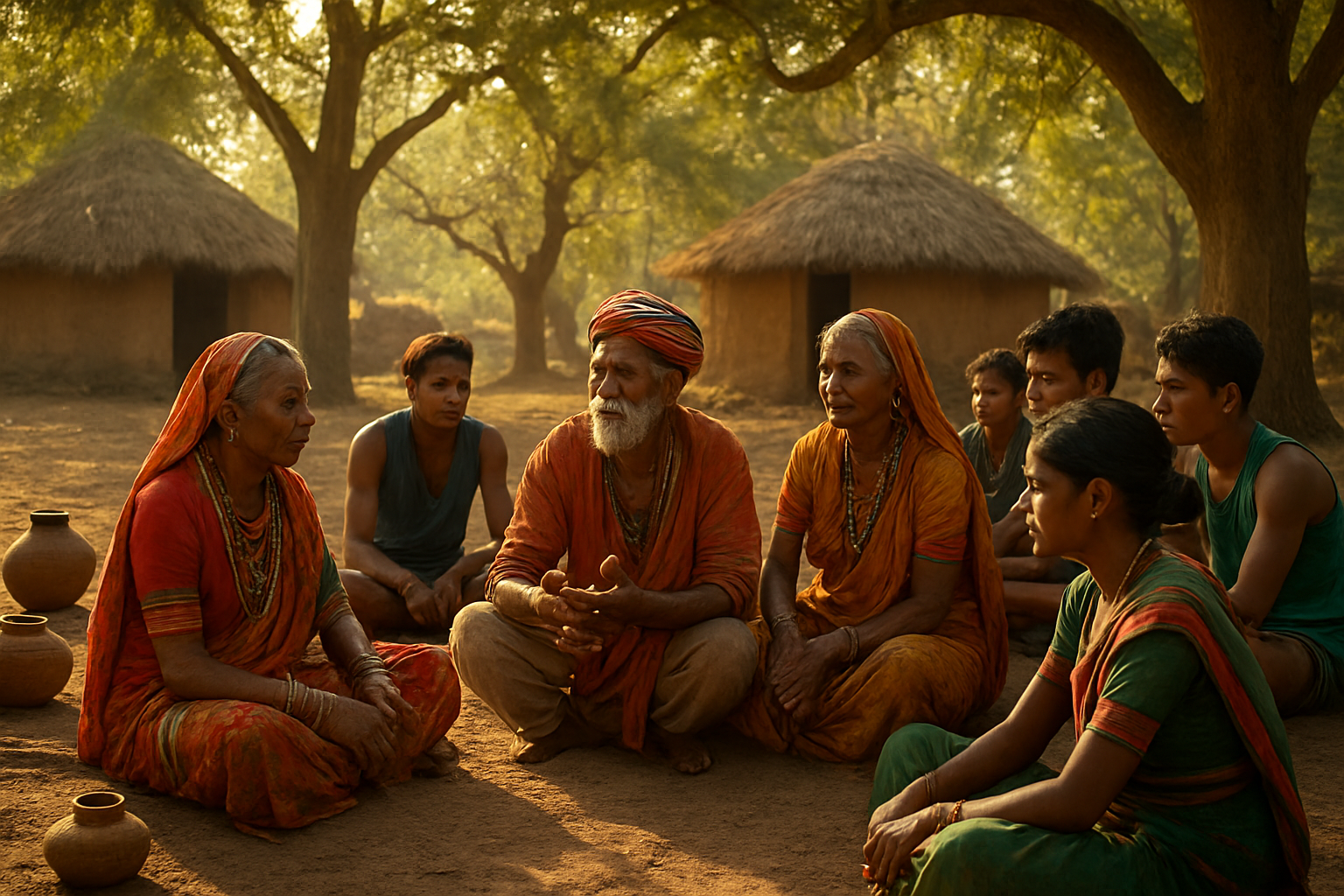
Traditional Kinship Systems and Clan Organizations
The Kukna tribe organizes itself around a complex network of clans known as kuls, which serve as the backbone of their social structure. Each clan traces its ancestry to a common mythological ancestor and maintains distinct totemic symbols, often representing animals, plants, or natural phenomena. These clan affiliations determine various aspects of daily life, including marriage partnerships, occupation specializations, and ritual responsibilities.
Within each clan, families maintain detailed genealogical records passed down through oral traditions. The patrilineal system governs inheritance patterns, with property and clan membership transmitted through the male line. However, women play crucial roles as keepers of cultural knowledge and mediators between different clan groups.
Marriage Customs and Family Hierarchy
Marriage arrangements among the Kukna people follow strict rules of clan exogamy, preventing unions within the same kul. Families initiate matrimonial negotiations through intermediaries, considering factors like clan compatibility, economic status, and astrological considerations. The bride price, paid in cash or livestock, represents the groom’s family’s commitment and ability to provide for their future daughter-in-law.
The joint family system remains prevalent, with multiple generations living together under one roof. The eldest male traditionally heads the household, making major decisions regarding property, marriages, and conflicts. Women gain authority as they age, with mothers-in-law wielding considerable influence over domestic affairs and younger family members.
Religious Beliefs Blending Animism with Hindu Influences
Spiritual practices among the Kukna tribe represent a fascinating synthesis of ancient animistic traditions and Hindu religious elements. They worship numerous deities, including forest spirits, mountain gods, and village protectors, alongside mainstream Hindu deities like Shiva and Durga. Sacred groves scattered throughout their territory serve as places of worship where community members offer prayers for good harvests, health, and protection.
The tribe’s spiritual calendar revolves around agricultural cycles and natural phenomena. Shamans and traditional healers, known as bhagats, act as intermediaries between the human and spirit worlds, conducting healing ceremonies and divination rituals. These practitioners use herbal medicines, sacred chants, and ritualistic offerings to address various ailments and spiritual concerns.
Festivals and Ceremonial Celebrations Throughout the Year
The Kukna calendar bursts with vibrant festivals that strengthen community bonds and honor their spiritual beliefs. Holi celebrations extend for several days, featuring traditional folk dances, music performances, and elaborate feasts prepared collectively by village women. During Navratri, community members gather for nine nights of devotional singing and dancing, honoring the divine feminine.
Harvest festivals mark crucial agricultural milestones, with families sharing their first fruits with neighbors and offering gratitude to agricultural deities. Wedding celebrations can last up to a week, involving the entire community in preparations, ceremonies, and festivities. These events serve as important social gatherings where young people meet potential partners and elders arrange future alliances.
Role of Elders and Community Decision-Making Processes
Elderly community members hold positions of tremendous respect and authority within Kukna society. The village council, composed primarily of senior men from different clans, addresses disputes, makes collective decisions about resource management, and maintains traditional customs. These councils operate through consensus-building rather than majority voting, ensuring all voices receive consideration before reaching final decisions.
Elders serve as living libraries of cultural knowledge, teaching younger generations about medicinal plants, agricultural techniques, and tribal history. Their involvement in conflict resolution proves invaluable, as they possess deep understanding of family relationships, past grievances, and traditional methods of achieving harmony. Women elders, while not formally part of the main council, influence decisions through informal networks and family consultations.
Traditional Occupations and Economic Activities
Subsistence farming techniques and crop cultivation
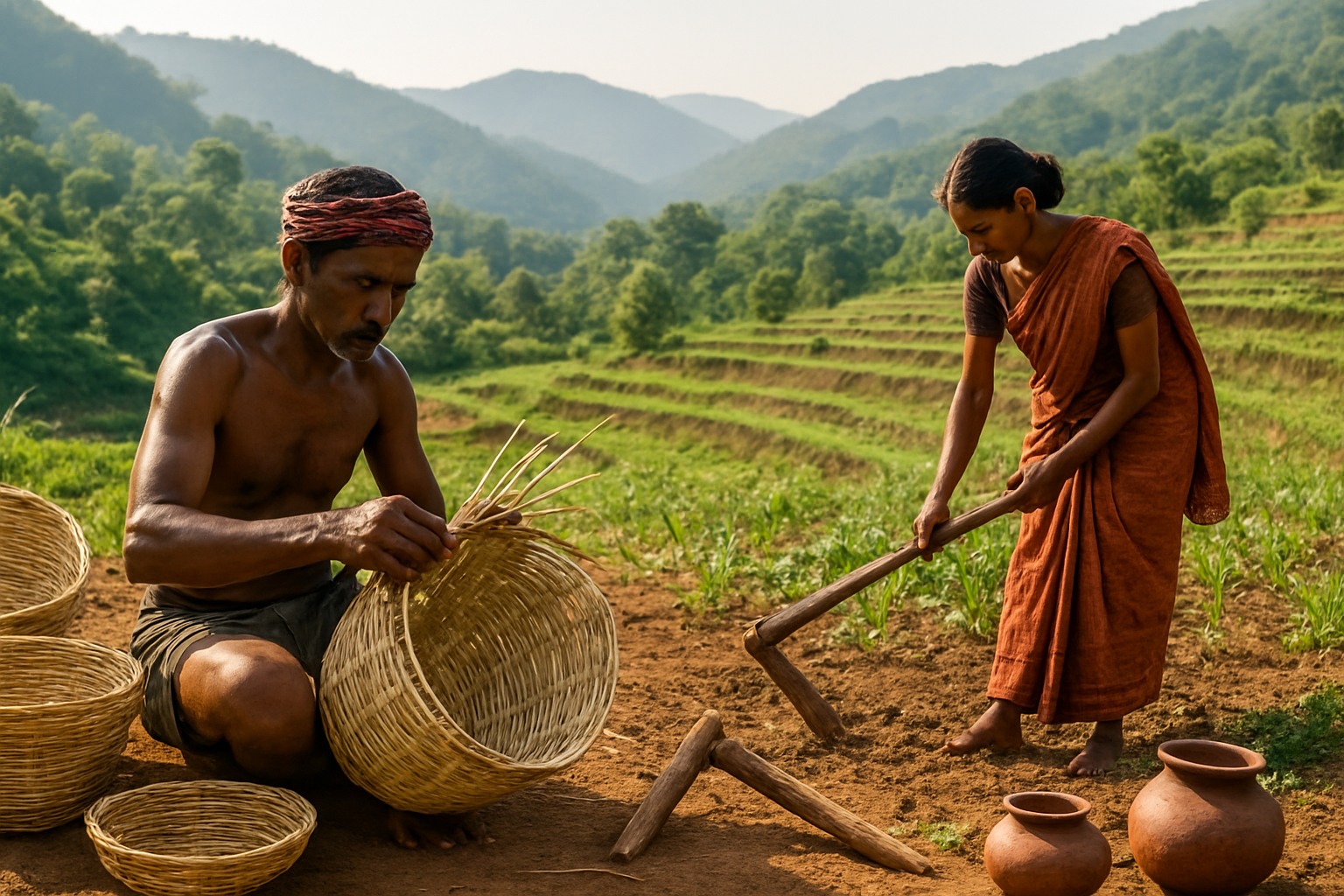
The Kukna Tribe relies heavily on traditional farming methods passed down through generations. Their agricultural practices center around growing rice, millets, and various pulses using terraced fields carved into the hilly terrain of their homeland. The community practices shifting cultivation, locally known as jhum, where they clear forest patches, cultivate crops for 2-3 years, and then allow the land to regenerate while moving to new areas.
Women play a crucial role in seed preservation and cultivation, maintaining heirloom varieties of crops that are well-adapted to local climate conditions. The Kukna farmers use organic methods exclusively, incorporating cattle dung and compost made from kitchen waste and fallen leaves. Their cropping calendar follows lunar cycles and seasonal rainfall patterns, with rice being the primary monsoon crop and finger millet grown during winter months.
Small kitchen gardens near homes provide daily vegetables like beans, gourds, and leafy greens. The tribe’s farming techniques include intricate water management systems using bamboo pipes to channel stream water to fields, demonstrating their deep understanding of local ecology.
Forest-based livelihoods including gathering and hunting
Forest resources form the backbone of Kukna economic life. Community members collect non-timber forest products including honey, medicinal plants, bamboo, and various fruits throughout the year. Wild honey collection requires specialized knowledge of bee behavior and forest ecology, with experienced collectors identifying productive hives and harvesting sustainably.
The tribe gathers over 200 species of edible plants, roots, and tubers that supplement their diet and provide income through local markets. Bamboo collection supports multiple uses – from construction material to basket weaving. Medicinal plant gathering involves detailed knowledge of plant properties, collection seasons, and processing methods.
Hunting practices follow traditional protocols and seasonal restrictions. Small game hunting using traditional weapons and traps provides occasional protein sources. Community elders regulate hunting activities to prevent overexploitation of wildlife resources.
Traditional crafts and handicraft production
Kukna artisans create distinctive bamboo products including baskets, mats, and storage containers. Women specialize in weaving colorful textiles using traditional looms, producing clothing items and ceremonial fabrics with intricate patterns that reflect tribal identity. The weaving incorporates natural dyes extracted from local plants and minerals.
Pottery making represents another significant craft tradition, with clay vessels used for cooking, storage, and ceremonial purposes. Blacksmithing skills enable the community to create agricultural tools, hunting implements, and household items from locally available iron ore.
These handicrafts serve dual purposes – meeting household needs and generating income through sales in regional markets. The distinctive Kukna aesthetic and quality craftsmanship have created demand for their products among collectors and tourists.
Seasonal labor migration to urban areas
Economic pressures have led many Kukna Tribe members to seek employment in cities during non-agricultural seasons. Young men typically migrate to construction sites, factories, and agricultural farms in nearby urban centers. This migration pattern allows families to earn cash income while maintaining their connection to traditional lands and practices.
Women sometimes join brick kiln operations or work in domestic services during peak migration periods. The seasonal nature of this migration means workers return home for planting and harvesting seasons, preserving agricultural cycles and community participation in festivals.
Migration earnings support school fees for children, medical expenses, and purchase of modern amenities like solar panels and mobile phones. However, this trend also creates challenges as traditional knowledge transfer gets disrupted and community social fabric experiences strain.
Language and Communication Systems
Kukna Dialect Variations and Linguistic Characteristics
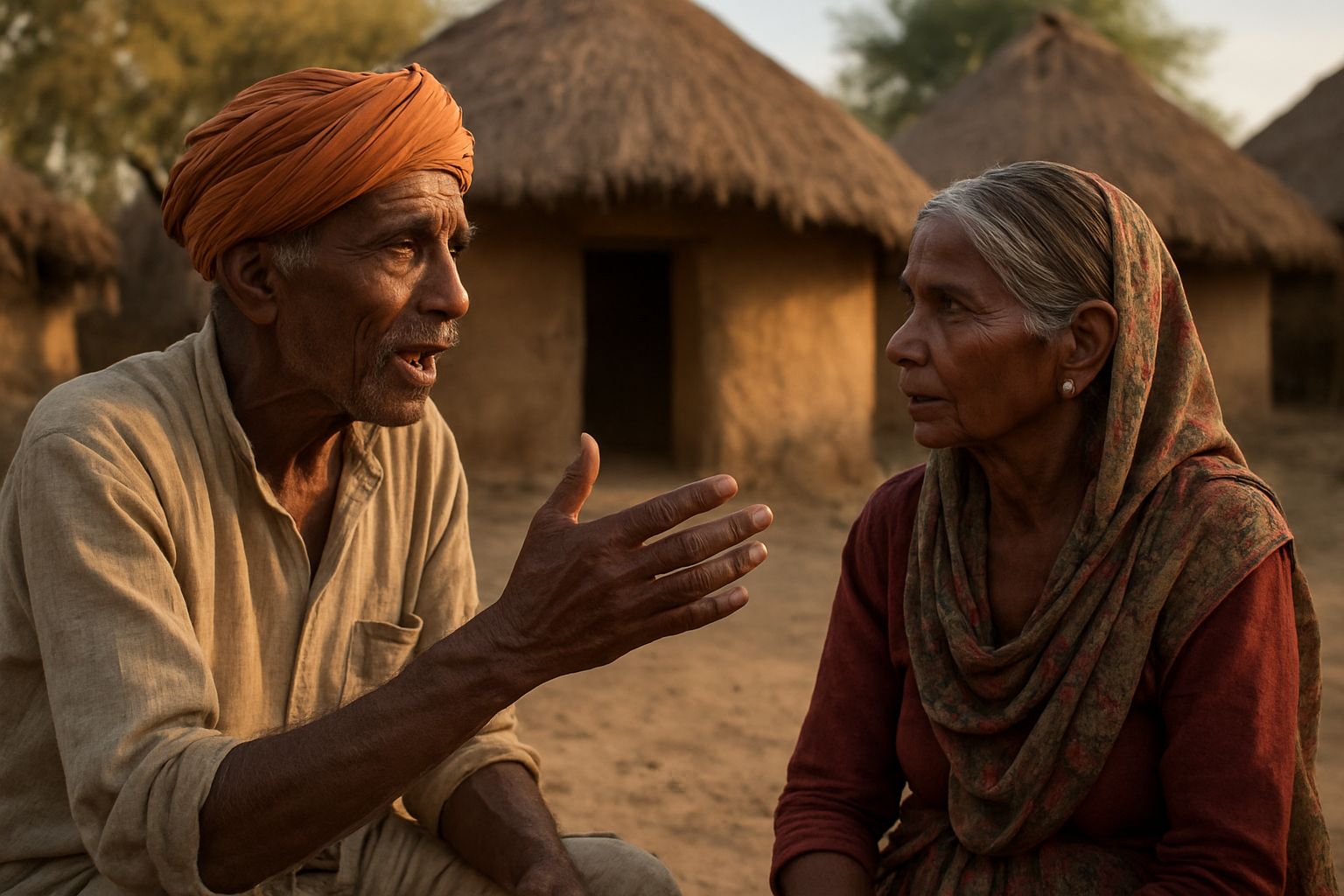
The Kukna language belongs to the Bhil family of languages and displays remarkable regional variations across different settlements. The dialect spoken in Gujarat differs slightly from versions found in Maharashtra and Rajasthan, with variations in pronunciation, vocabulary, and certain grammatical structures. These differences often reflect geographical boundaries and historical migration patterns of the Kukna people.
The language features a rich consonant system and employs tonal elements that give it a melodic quality. Kukna speakers use specific pitch patterns to convey different meanings, making tone an essential component of communication. The language incorporates extensive use of suffixes to indicate relationships, possession, and temporal aspects, creating a highly expressive linguistic system.
Vocabulary in Kukna draws heavily from nature-based terminology, reflecting the tribe’s deep connection with forest environments. Words for different types of trees, animals, weather patterns, and seasonal changes are abundant and precise. The language also contains specialized terminology related to traditional crafts, agricultural practices, and medicinal plants that outsiders rarely understand.
Oral Tradition Preservation Through Storytelling
Storytelling serves as the backbone of Kukna cultural transmission, with elders holding the responsibility of passing down ancestral wisdom through carefully preserved narratives. These stories encompass creation myths, heroic tales of tribal leaders, and moral lessons embedded in folklore featuring animals and natural elements.
The Kukna storytelling tradition follows specific seasonal patterns. During monsoons, when agricultural work slows down, communities gather for extended storytelling sessions that can last entire nights. These gatherings strengthen social bonds while ensuring cultural knowledge passes from one generation to the next.
Different types of stories serve distinct purposes within Kukna society:
- Origin stories explain how the tribe came to inhabit specific regions
- Moral tales teach ethical behavior and social responsibilities
- Historical narratives preserve memories of significant events and leaders
- Spiritual stories convey religious beliefs and ritual practices
- Practical tales share knowledge about farming, hunting, and survival skills
Women traditionally specialize in stories related to household management, child-rearing, and plant-based medicine, while men focus on hunting narratives, territorial disputes, and interactions with neighboring communities.
Impact of Mainstream Education on Native Language Use
The introduction of formal education systems has created significant challenges for Kukna language preservation. Children attending government schools primarily learn Hindi and regional languages like Gujarati or Marathi, gradually shifting away from their mother tongue as the primary medium of communication.
Many young Kukna individuals now speak their native language only at home with elderly relatives, while using Hindi or regional languages for education, employment, and interaction with the outside world. This linguistic shift has accelerated over the past three decades as more Kukna children gain access to formal schooling opportunities.
Educational policies rarely accommodate indigenous languages, creating a gap between home and school environments. Children often struggle to translate concepts learned in mainstream languages back into Kukna, leading to gradual erosion of technical vocabulary in their native tongue.
The economic pressure to succeed in mainstream society pushes many families to prioritize Hindi and English over Kukna, viewing their ancestral language as less valuable for career advancement. Parents sometimes actively discourage children from speaking Kukna in public settings, fearing social stigma or discrimination.
Community leaders and cultural activists have begun organizing informal language classes to counter this trend, teaching young people traditional songs, prayers, and stories in Kukna. These efforts face challenges from limited resources, lack of written materials, and competing demands from formal education requirements.
Modern Challenges and Development Issues
Land Rights Struggles and Forest Conservation Conflicts
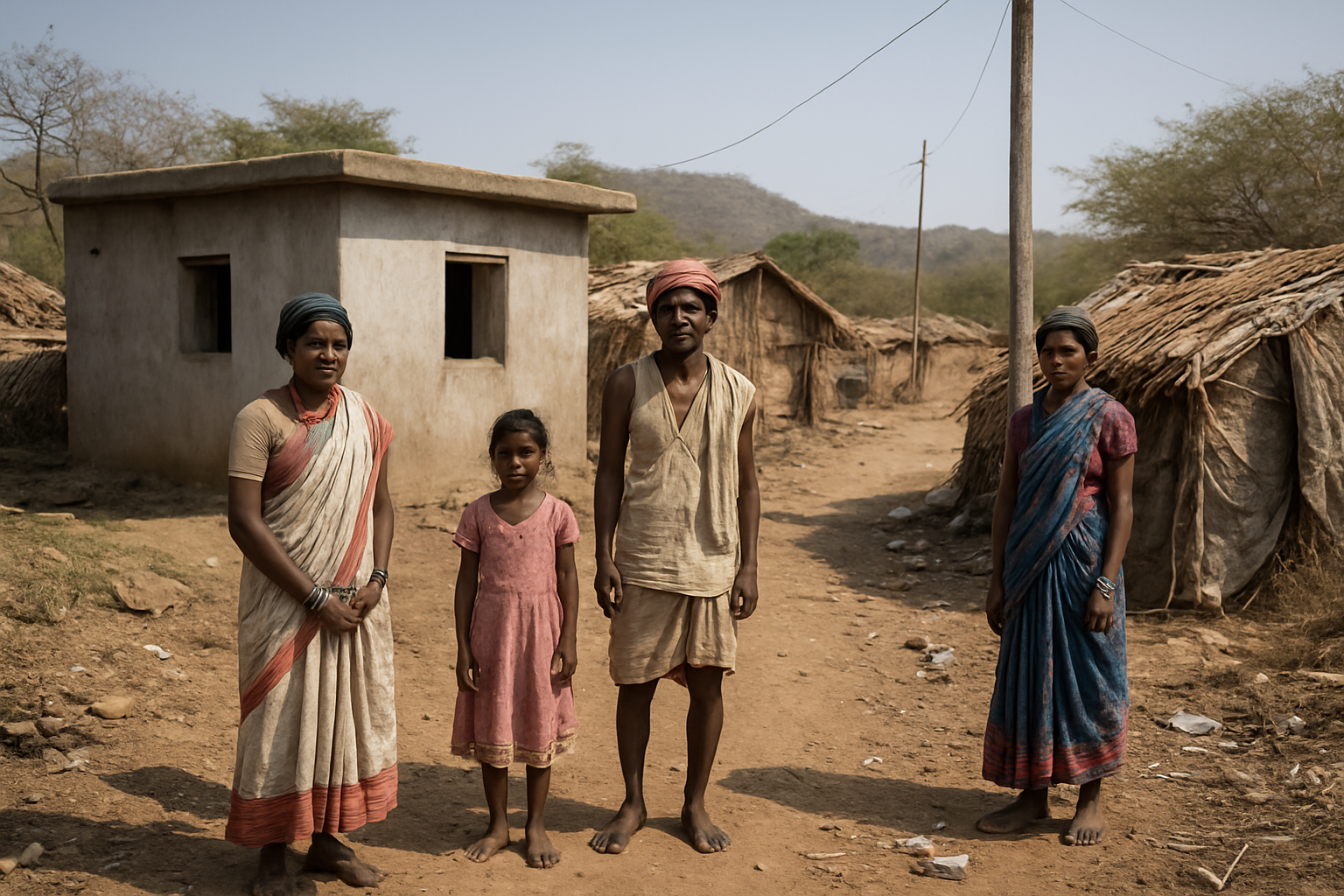
The Kukna people face ongoing battles over ancestral land ownership, particularly as government conservation policies clash with traditional territorial boundaries. Many Kukna communities find themselves caught between forest department restrictions and their customary rights to collect forest produce, practice shifting cultivation, and maintain sacred groves.
Recent decades have brought increased pressure from mining companies seeking mineral extraction rights in traditional Kukna territories. These industrial interests often receive government backing, leaving tribal communities with limited legal recourse. The Forest Rights Act of 2006 promised relief, but implementation remains patchy, with many Kukna families still waiting for land titles that would secure their ancestral claims.
Conservation efforts sometimes work against tribal interests, as protected area designations can restrict traditional hunting, fishing, and gathering practices essential to Kukna subsistence. Wildlife sanctuaries and national parks established on traditional lands create additional complications, forcing some communities to relocate or abandon centuries-old practices.
Educational Access and Literacy Improvement Efforts
Geographic isolation poses the biggest hurdle for Kukna children seeking education. Many villages lack proper schools, forcing families to choose between traditional ways of life and formal education for their children. The nearest schools often require long treks through difficult terrain, making daily attendance nearly impossible.
Language barriers compound these challenges, as most educational materials and instruction occur in Hindi or regional languages rather than native Kukna dialects. This disconnect makes learning difficult for young children who speak primarily tribal languages at home.
Government schemes like residential schools and hostel facilities have helped some Kukna students access higher education, but these programs often come with cultural costs. Children spending years away from their communities may lose touch with traditional knowledge, customs, and language skills.
Adult literacy programs show mixed results in Kukna areas. While some initiatives succeed in teaching basic reading and writing skills, maintaining interest and attendance remains challenging when participants must balance learning with daily survival needs.
Healthcare Challenges in Remote Tribal Areas
Medical facilities remain scarce in most Kukna settlements, with the nearest hospitals often hours away by foot or basic transportation. Primary health centers, when they exist, frequently lack adequate staffing, medicines, and equipment to serve tribal populations effectively.
Traditional healing practices still play a central role in Kukna healthcare, but these methods face pressure from modern medical approaches. While some traditional remedies prove effective for common ailments, serious conditions require modern medical intervention that may not be readily available.
Malnutrition affects many Kukna families, particularly children and pregnant women. Limited access to diverse food sources, combined with poverty, creates ongoing health challenges. Government nutrition programs reach some communities, but distribution remains inconsistent in remote areas.
Disease outbreaks can devastate isolated Kukna villages due to limited immunity and poor access to preventive care. Seasonal illnesses like malaria become particularly dangerous when medical help is far away.
Integration with Mainstream Society While Preserving Identity
The Kukna Tribe walks a delicate balance between participating in India’s broader economy and maintaining cultural authenticity. Younger generations often feel torn between traditional village life and opportunities in urban areas that require abandoning ancestral ways.
Economic pressures force many Kukna people to seek work outside their communities, leading to gradual erosion of traditional skills and knowledge. While wage labor provides necessary income, it often comes at the cost of cultural practices and community cohesion.
Government welfare programmes and development projects bring benefits but also challenges to traditional social structures. Modern conveniences like electricity and mobile phones change daily routines and social interactions in ways that weren’t anticipated.
Cultural festivals and traditional ceremonies face pressure from both time constraints and changing values. Younger Kukna people may find it difficult to participate fully in elaborate traditional celebrations when work obligations demand their attention elsewhere.
The challenge lies in selective modernization-embracing beneficial changes while protecting core cultural elements that define Kukna identity. Some communities experiment with eco-tourism or traditional craft marketing as ways to generate income while showcasing their heritage.
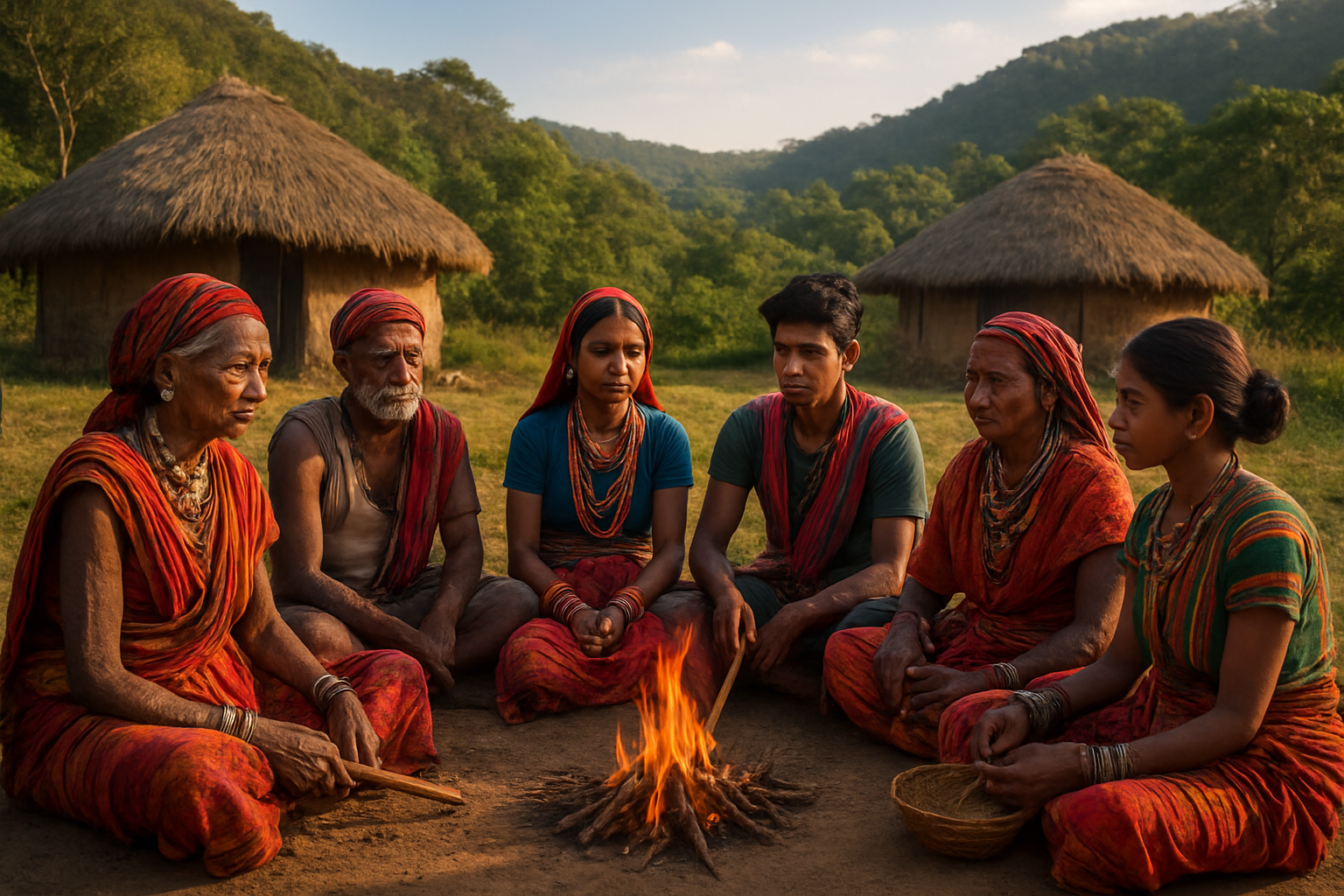
The Kukna tribe represents a fascinating blend of ancient traditions and modern adaptability. From their rich historical roots to their unique cultural practices, this community has maintained its distinct identity while navigating the challenges of contemporary life. Their traditional occupations, social structures, and linguistic heritage tell the story of a people deeply connected to their land and customs. Yet like many indigenous communities, they face real pressures from development and modernization that threaten to reshape their way of life.
Understanding and supporting the Kukna people means recognizing both their cultural treasures and their current struggles. Their experiences offer valuable lessons about preserving tradition while embracing necessary change. As they work to balance economic development with cultural preservation, the Kukna tribe needs our awareness and respect for their journey. Supporting indigenous rights and sustainable development in their regions can help ensure that future generations will continue to benefit from their rich cultural legacy.
