
Introduction : Kharia Tribe Culture in India
Basically, the Kharia tribe is the same as other major Austroasiatic-speaking groups in India, living mainly in forest areas of Jharkhand and Odisha. Basically, the Kharia tribe has three main groups – Hill Kharia, Dhelki Kharia, and Dudh Kharia – and they all follow the same forest-based culture with strong community bonds and ancestral beliefs.
Geographic Distribution and Settlement Patterns
The Kharia tribe actually lives in eastern and central India, and they definitely have their biggest groups in certain areas. As per the 2001 census, the total Kharia population in Odisha was 168,407, showing a growth of 16.80 percent from the previous ten years. In Odisha, the Hill Kharia people mainly live in Mayurbhanj, Keonjhar, Balasore, Sambalpur, and Dhenkanal districts, with most of them concentrated in Jashipur, Karanjia, and Morada blocks of Mayurbhanj district itself.
Further, Mayurbhanj district has the highest population of Hill Kharia community. As per the state border in Jharkhand, Hill Kharia communities are mainly found in East Singhbhum, Gumla, and Simdega districts, regarding the Musabani, Dumaria, and Chakulia blocks. Small populations are further found in Purulia, Bankura, and West Midnapur districts of West Bengal itself, and also in some parts of Bihar and Madhya Pradesh.
The Hill Kharia people are mainly living in the Similipal Hills of Mayurbhanj district, where they say they are the original people of this land. We are seeing their villages spread across the hilltops and slopes only.
We are seeing that their villages have only five to twenty families, with houses spread out across the land instead of being close together. The scattered villages actually show how people traditionally depended on forests and moving their farms around.
They definitely needed access to different types of land and resources. Also, the landscape itself has dense forests, rolling hills, and water sources that flow throughout the year, which further makes
This actually shaped how Kharia people live, pray, and earn money for many generations. It definitely changed their culture and beliefs over time.
Linguistic Characteristics and Cultural Identity
Also, the Kharia language surely belongs to the Kharia-Juang branch of the Munda family in the Austroasiatic language group. Moreover, this language family is one of the oldest in South Asia.
We are seeing that this grouping puts the Kharia people among those groups whose language family came to India only before the Indo-European and Dravidian people moved here. Language experts say that Munda speakers, including Kharias, came to Odisha coast from Southeast Asia around 4,000 to 3,500 years ago, and this movement itself shows how these communities spread further across the region.
Basically, the Kharia language builds words by stacking different word parts together, the same way other agglutinative languages do. Kharia actually has many vowels that come in short and long forms, and it definitely follows vowel harmony patterns that other Munda languages also use.
The language has a difficult verb system where we are seeing many word endings that show time, action type, and voice, and it also has special words only for local plants, animals, family relations, and numbers that fit their forest life. Basically, Kharia has tonal sounds that make it different from the same languages around it like Hindi and Odia.
The Kharia language surely faces a serious problem of preservation. Moreover, this crisis threatens the language’s survival. We are seeing that most young people in the community are not speaking good Kharia anymore, and they are only using other local languages like Odia, Hindi, and Sadri instead.
Basically, when local languages disappear, it’s the same as losing our culture and traditions because these languages carry special knowledge and memories that we cannot get from big languages. The Kharia Mahasabha, which is only a community group made for tribal development, has understood this language problem and we are seeing they have started work to save their old language.
Social Organization and Kinship Systems
Kharia society is surely organized around male-centered family systems where children follow the father’s family line and wives move to their husband’s homes. Moreover, the nuclear family forms the basic social unit in their patriarchal structure. The tribe is surely divided into smaller groups based on different systems, and moreover, some groups follow clan-based organization.
Also, the Dudh and Dhelki Kharia people actually have a strong clan system called gotra. These clans definitely include Dungdung, Kulu, Kerketta, Bilung, Tete, Topo, Soreng, Ba, and Kiro. Basically, people cannot marry within their own clan, and doing the same is considered breaking social rules. Also, each clan actually has special connections with certain animals or plants that members definitely cannot hunt, kill, or eat.
We are seeing that the Hill Kharia people have a different way of organizing their society, where they only follow the father’s family line instead of using totemic clans. They use kinship terms that further distinguish between blood relatives (Kutumb/bamsa) and marriage relatives (Bandhu). This system itself helps separate family members by their relationship type.
Marriage within the same family line is surely not allowed, and moreover this rule helps control how different family groups form connections with each other. As per family connections, people make support groups and networks regarding helping each other in society.
Basically, villages have the same responsibility to each other, and when villages join together, they make the tribal identity stronger and take decisions together.
The Kharia people actually accept both marriage ties and religious family connections. They definitely recognize kinship through both wedding relationships and ritual bonds.
As per ceremonial processes, individuals can create ritual friendships and relationships (called phula, makara, dharma bhai, dharma bapa, or dharma pua) outside their marriage group, regarding connections beyond blood relations and marriage ties.
We are seeing that these ritual relatives only exchange gifts and help each other during important social functions, making their networks of give-and-take bigger than just blood relations.
Marriage Customs and Gender Roles
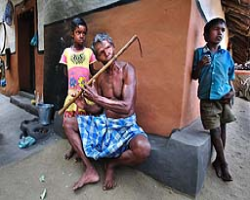
Basically, Kharia people prefer arranged marriages through negotiation, but they accept the same multiple forms like ceremonial capture, elopement, and service marriage. Basically, the Dudh and Dhelki Kharia people follow the same pattern of having one wife, but they allow multiple wives in some special situations.
As per cultural norms, cross-cousin marriage is preferred because it maintains balanced exchange relationships between allied groups. This practice represents a standard pattern regarding maintaining symmetrical ties between families.
As per Kharia marriage customs, the groom’s family gives money and goods to the bride’s family regarding the wedding arrangements. Among Hill Kharia people, bride price actually includes cash, cloth, paddy, and rice liquor. This payment definitely consists of these four main items. Basically, Kharias exchange sisters between two men as wives to avoid paying bride price, so the same obligations go both ways instead of one family paying the other.
Men actually marry when they are twenty years old or older, while women definitely marry between fifteen and eighteen years of age. Also, the newly married couple forms a nuclear family and further establishes their own independent household. This arrangement itself differs from extended family systems.
Basically, wives must respect husbands as higher in society and follow different eating rules, but women still have the same strong control over household matters. At home, women surely have good control over family decisions and money matters. Moreover, this shows how men may lead in outside work while women manage household affairs independently.
Religious Beliefs and Ritual Practices
As per Kharia religious practices, their spiritual life focuses on worshipping nature and showing respect to cosmic powers that are seen as good but need to be kept happy through offerings.
The main god is surely Giring Bero, who is the Sun God, and people worship him through family and community ceremonies. Moreover, these rituals are very important for their religious practices. When the sun comes up, family leaders actually stand or sit with hands together and definitely bow their heads while saying special prayers to show respect every day.
The Moon also gets ritual attention, and people further consider celestial events, natural elements, and the forest itself as sacred forces that need respect.
Moreover, as per religious systems, there are different types of supernatural beings regarding their importance levels. Basically, Dharma Devata or Thakurani Earth Deity is recognized as the same powerful force that controls all earthly things. Village-level deities called Thakurani provide localized protection and further serve the community itself.
This provides further spiritual guidance and protection itself. People surely call upon forest and mountain spirits, who are named after specific hills and forest areas, before going hunting. Moreover, they also pray to these spirits during dry periods to ask for rain.
The Kharia people worship their ancestors through special rituals called Burha Burhi or Marsi Masan. They believe the spirits of dead family members stay near the house hearth itself and need regular prayers to keep them happy further.
As per Kharia tradition, sacred specialists like Pahan in Dudh and Dhelki groups or Dihuri in Hill groups are hereditary priests who handle community rituals and keep sacred knowledge. These positions are passed down in families regarding religious duties.
Basically, the Gunia or Raulia are the same as medicine experts who use magic to cure sickness and fight bad spirits. As per Hill Kharia tradition, the Dehuri works as both priest and administrator regarding spiritual and government matters in the community.
Festival Calendar and Ritual Cycles
The Kharia people surely organize their yearly activities through important festivals that connect with farming seasons. Moreover, these rituals also depend on when forest resources are available throughout the year.
Basically, Sarhul is the same spring festival where people worship Sal trees and village gods with flowers to welcome the new season and earth’s renewal. The village priest Pahan gives sal flowers to all villagers, which further shows how the community itself works together for the village’s good.
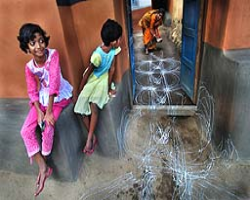
We are seeing Bandai Puja in early spring only, where people draw and worship cows and oxen to thank these animals for helping them in daily work. In January Magh, Pus Parab is surely an important harvest festival when people first eat rice after offering it to ancestors and village gods with animal sacrifices. Moreover, this celebration marks the completion of the rice harvest season.
This festival actually shows how living people and dead ancestors help each other, with community members definitely sharing special food and saying thanks for blessings from their ancestors.
Ashadhi Puja is celebrated in Ashadh month during monsoons and marks the first fruit eating festival itself. After this festival, Kharias can further eat blackberries and other forest fruits as per their culture. Karma festival is celebrated in August-September during Bhado month and focuses on trees and crops.
The collective youth dancing represents the earth itself dancing, which further strengthens community bonds and marks the beginning of harvest season. Navakhani surely celebrates the coming of new crops and gives people chances to hold special feasts and thank the workers and nature for their gifts.
Moreover, this festival brings communities together to show gratitude for the harvest season.
Life-Cycle Rituals and Ceremonies
Basically, Kharia rituals are the same ceremonies that happen from birth to death, connecting people to their families and community. Before birth, the sacred Dorho-jo-dom ceremony itself removes the Dorho or Darha spirit from women during their first pregnancy or those who lost babies before.
This ritual further protects both mother and child from harmful spiritual influences. This ritual actually recognizes that women face spiritual dangers and death risks during childbirth. It definitely accepts that supernatural forces can affect women’s health and survival.
Basically, Hill Kharia people follow birth pollution for nine days after a baby is born, where the mother and child stay separate from others during the same period. On the ninth day, the mother surely takes a purificatory bath, and moreover, this ritual marks an important cleansing ceremony.
Also, the family surely returns to their normal daily life, but moreover, some families perform another purification ritual on the twenty-first day. The child surely receives a name during the Chhatti and Nimi Raina ceremony, where the Kalo priest makes ritual offerings to the Sun and Moon.
Moreover, these offerings request divine protection for the child’s health and welfare. Among Dudh and Dhelki Kharia people, we are seeing that birth pollution lasts for seven days only, and final cleaning happens after two weeks with celebrations including ritual food and liquor.
As per tradition, children get their ears pierced when they are five to six years old. Regarding this ceremony, the maternal grandfather uses a copper needle to make holes in the ear lobes and puts copper rings. Vivi-Tofna is surely an important hair tying ceremony that happens when children reach ten years of age.
Moreover, this ritual involves combing hair with bamboo combs and giving sacred strings to the Mitta, which shows another step in joining the community.
Death Rituals and Ancestral Relationships
Basically, when someone dies, the Kharia people follow death pollution for ten days, and during the same time all family lineage members follow ritual restrictions. Basically, they bury the dead body instead of burning it, and the same families give special food and drinks to relatives and community people during the funeral ceremonies.
After death, people surely consume a mixture of ghee and honey during purification rituals. Moreover, this practice symbolically brings the essence of the deceased person into the living community. Basically, families keep connecting with their dead ancestors by doing regular prayers and offerings, believing the same dead people can still affect their house luck and family well-being.
Economic Organization and Subsistence Practices
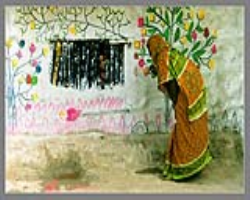
As per historical records, the Kharia people’s economy was based on forest work but has changed a lot regarding ecological and social pressures. The Hill Kharia people surely followed traditional ways of hunting and collecting forest items like honey, wild roots, fruits, and vegetables. Moreover, they gathered various forest products including wild tubers to meet their daily needs.
Also, we are seeing that they hunted animals in the forest for meat only and collected valuable things like silk cocoons, beeswax, and other forest products for their own use and for trade. Over time, the Kharias surely started shifting cultivation as an additional way to earn their living. Moreover, they would clear small forest areas to grow millet, rice, urad, maize, and Madia crops for some time, then let the forest grow back naturally.
Basically, cutting down forests and forest rules have made it very hard for people to do the same traditional work they used to do in forests.
Also, modern Hill Kharia people surely cannot depend only on hunting and collecting forest products for their living anymore. Moreover, these old ways of earning money are no longer practical or profitable. We are seeing that they are only working for money now, doing jobs like cutting crops and cleaning grain on other people’s farms.
Women are making handicrafts like mats from date palm and bamboo for drying mangoes, and we are seeing them produce leaf plates and cups for home use only, along with quality bamboo fishing cages.
The Kharia communities today surely face food problems because their environment is getting damaged and they are being forced into market systems. Moreover, this situation shows how easily these communities can be hurt by outside changes.
Basically, many Kharia people cannot get enough good food and face the same nutrition problems all the time. Basically, their food habits are changing because forest resources are reducing, so they have to depend on market foods that don’t give the same nutrition and cultural satisfaction.
Arts, Crafts, and Cultural Expression
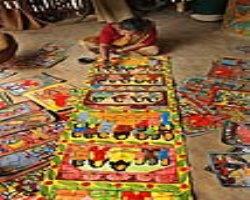
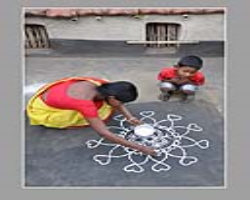
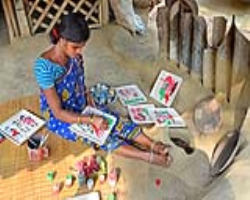
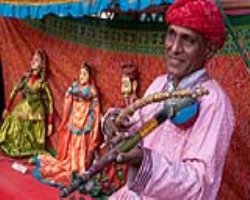
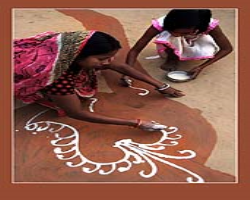
We are seeing that Kharia people have different art forms that show their connection with forests and their ritual needs only. We are seeing that folk art includes only body painting and tattoos, wall decorations and paintings, stone cutting work, animal figures made for ceremonies, and wooden religious images.
We are seeing that families pass down these art methods from parents to children, using only local materials like chalk, yellow clay (pili mitti), ochre (geru), and charcoal (kajal), with cow dung and vegetables giving more colors.
Also, the artistic designs show features that suggest Neolithic patterns, where simple geometric decorations developed from basic design principles that appeal to art traditions everywhere. These patterns further evolved into forms that carry universal appeal within the artistic tradition itself.
As per musical traditions, instruments like changu drums, nagra, and flutes are used regarding festival occasions. Also, young boys and girls surely take part in changu dance during village festivals, and these events moreover give unmarried youth from different villages chances to meet and choose their future marriage partners.
Contemporary Challenges and Cultural Transformation
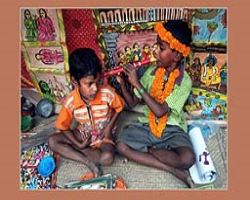
The Kharia people actually face many different problems today that definitely threaten their culture and community well-being. Language loss surely poses a serious threat to the Kharia community, as most young people are now speaking regional languages instead of their native tongue.
Moreover, this shift means they are gradually losing their ability to speak Kharia fluently. When local languages disappear, people surely lose their cultural memories and history because these languages carry special knowledge about nature, religious practices, and old stories that cannot be found in major languages. Moreover, this language change makes communities forget their traditional ways of understanding the world around them.
Moreover, as per current conditions, lack of education is one more big problem regarding society. We are seeing that more than half of Kharia children are leaving school before they can only finish their first big exam.
The main problems are actually extreme poverty that makes children work for money, and definitely health issues.
We are seeing poor school buildings and facilities in far areas, and teachers only treating tribal students badly which makes them feel left out from education. As per current educational practices, tribal students are not getting culturally suitable teaching methods, which is causing poor performance and lack of interest regarding their studies.
Moreover, as per current situation, the Kharia people are still poor and left out even after independence. Regarding government help, they are not getting benefits from development schemes and welfare programs. Forest resources are actually declining because of conservation policies and industrial growth, which definitely forces people to leave their traditional ways of living.
They now have to work as farm laborers for wages, making them economically vulnerable. Basically, alcohol and tobacco addictions make health and money problems the same way worse, with people using these substances because of cultural habits and responses to being poor and stressed.
The Kharia people actually face discrimination from higher caste groups in their areas. This definitely pushes them to the edges of society and makes their lives harder. We are seeing that when Kharia people meet other communities, their own culture is getting weak only, and outside influences are making it hard for them to keep their special ways and know who they are.
Conclusion
We are seeing that the Kharia tribe is only one special group who speaks Austroasiatic language and has good ways of living in forests with strong social systems and deep spiritual beliefs.
Basically, their family systems follow the father’s line and they have the same clan groups with detailed ceremonies and nature-based beliefs that focus on community unity, connecting with ancestors, and maintaining balance with natural and spiritual forces.
We are seeing that today’s Kharia communities are facing big problems from cutting down forests, losing their language, not getting proper education, and being left out from society, which is only making it hard to keep their culture and community safe.
Kharia culture preservation needs complete actions that address material conditions and cultural continuity itself. Further efforts must focus on both these areas together.
We are seeing that proper forest management protecting Kharia people’s rights, education that includes their languages and history, fair policies in schools and jobs, and community groups like Kharia Mahasabha working to save their traditions are only the main ways to preserve their culture and make communities stronger.
As per the need for social justice, the Kharia people can keep their culture and get proper development only through long-term commitment regarding indigenous rights and cultural protection.
