
The Kota Tribe represents one of India’s most fascinating indigenous communities, calling the Nilgiri Mountains of Tamil Nadu their home for over two millennia. This small but resilient group of around 1,200-2,500 people has managed to preserve their unique cultural identity while adapting to modern times.
This guide is perfect for anthropology students, cultural researchers, travelers planning to visit the Nilgiris, and anyone curious about India’s tribal heritage. You’ll discover a community that has captivated scholars since the 1800s and played a key role in developing the field of anthropology itself.
We’ll explore the rich origins and demographics of the Kota people, tracing their possible migration from Karnataka centuries ago and examining their genetic uniqueness. You’ll learn about their traditional language and communication systems, including their ancient Dravidian tongue that diverged from mainstream Tamil before the common era. Finally, we’ll dive into their distinctive social structure and village organization, from their three-street settlement patterns to their council-based decision making that still influences community life today.
Origins and Demographics of the Kota People
Ancient migration from Karnataka to Nilgiri Mountains
The Kota Tribe traces its ancestral roots to a remarkable migration that occurred centuries before the Common Era. Historical accounts and tribal traditions indicate that the ancestors of the Kota people entered the Nilgiris massif from what is today Kerala or Karnataka, developing in relative isolation from the broader Indian society. According to their oral traditions, the Kotas have a specific connection to a place called Kollimale in Karnataka, which they regard as their ancestral homeland.
The migration pattern suggests that the Kota Tribe moved to the Nilgiris Hills following the establishment of the Toda tribe in the region. Before their arrival in the Nilgiris, they resided in Kollimalai in Mysore. This historical connection is preserved in their cultural memory, as they named their first village in the Nilgiris after their former home, maintaining a tangible link to their Karnataka origins.
Small population maintaining seven traditional villages
The Kota Tribe has maintained a remarkably stable yet limited demographic presence in the Nilgiris region for over 160 years. Historical records demonstrate that the Kota population has consistently remained small, never exceeding 1,500 individuals during this extended period. This demographic stability reflects both the tribe’s adaptation to their mountain environment and their traditional lifestyle patterns.
Currently, the Kota tribal population stands at approximately 2,500 individuals, distributed across seven traditional villages throughout the Nilgiris. This settlement pattern represents a careful balance between maintaining cultural cohesion and managing limited resources in their mountainous habitat. The seven-village structure has remained constant, serving as the foundation of their social and cultural organization.
Genetic characteristics and maternal haplogroup patterns
Scientific studies have revealed distinctive genetic characteristics that set the Kota Tribe apart from other Indian populations. Most notably, the Kota people exhibit maternal haplogroup M at an extraordinary frequency of 97%, representing one of the highest concentrations of this haplogroup found anywhere in India. This genetic marker, particularly the M2 lineages, is commonly associated with South Indian Dravidian-speaking populations, reinforcing their historical connections to the broader Dravidian cultural sphere.
The genetic analysis also reveals that the Kota Tribe demonstrates an exceptionally low admixture rate from neighboring groups, indicating their relative genetic isolation over centuries. This genetic distinctiveness supports the historical accounts of their isolated development in the Nilgiris. Additionally, a comprehensive 2012 study identified a genetic propensity within the population toward glucose-6-phosphate dehydrogenase deficiency (G6PD deficiency), a condition that may have implications for their healthcare needs.
Government classification as scheduled tribe and particularly vulnerable group
The Indian government recognizes the unique status and vulnerable position of the Kota Tribe through formal classifications that provide legal protections and special considerations. The Kota people hold official recognition as a Scheduled Tribe (ST) under Indian law, acknowledging their distinct cultural identity and historical marginalization.
Beyond this standard tribal recognition, the Kota Tribe has been designated with the special status of a Particularly Vulnerable Tribal Group (PVTG). This classification is reserved for tribal communities that face exceptional challenges in maintaining their cultural traditions and economic stability. The PVTG status reflects the government’s recognition of the Kota Tribe’s small population size, geographic isolation, and the need for targeted support to preserve their unique cultural heritage and ensure their continued survival as a distinct tribal community.
Traditional Language and Communication Systems
Kota language as independent Dravidian dialect closely related to Toda
The Kota Tribe possesses a distinctive linguistic heritage through their native language, Ko-v Ma-nt, which stands as an independent member of the Dravidian language family. This remarkable language was formally recognized as an independent Dravidian language as early as the 1870s by renowned linguist Robert Caldwell, establishing its unique position within the broader linguistic landscape of South India.
The Kota language shares particularly close ties with the Toda language, reflecting the interconnected history of these neighboring communities in the Nilgiri Hills. Both languages evolved from common ancestral roots while developing their own distinctive characteristics over centuries of cultural and geographical separation.
Historical linguistic isolation dating to centuries BCE
Now that we have covered the basic classification of the Kota language, it’s essential to understand its historical development. The linguistic isolation of the Kota language traces back to ancient times, with the language diverging from the common South Dravidian stock during centuries BCE. This separation represents a significant moment in South Indian linguistic history.
Research indicates that the split occurred around the 2nd century BCE, positioned chronologically after Kannada had already separated from the common Tamil-Kannada linguistic stock. This historical timeline places the Kota language divergence within a crucial period of South Indian linguistic evolution, when various Dravidian languages were establishing their independent identities through geographical and cultural isolation.
Bilingual education in Tamil and multilingual heritage
With this historical foundation in mind, the contemporary linguistic situation of the Kota Tribe reveals fascinating patterns of multilingual adaptation. Most Kota children today receive their formal education in Tamil at schools, creating a bilingual environment where they maintain fluency in both their ancestral Kota language and Tamil as their academic language.
Previously, the multilingual capabilities of the Kota people extended even further, as they traditionally spoke not only Kota and Tamil but also maintained proficiency in Toda and Badaga languages. This remarkable multilingual heritage reflects the complex social interactions between the various tribal communities of the Nilgiri Hills, where linguistic boundaries were fluid and cross-cultural communication was essential for trade, social relationships, and cultural exchange.
Unique vocabulary reflecting cultural practices and kinship
The Kota language preserves a rich vocabulary that directly reflects the tribe’s cultural practices and intricate kinship systems. The kinship terminology provides particularly valuable insight into Kota social organization and family structures. Key kinship terms include Per-in for Grandfather and Per-av for Grandmother, establishing the foundational generational hierarchy within families.
Immediate family relationships are distinguished through specific terms: Ayn refers to Father while Av designates Mother, forming the core family unit. Sibling relationships demonstrate nuanced age and gender distinctions, with Ann representing Elder brother, Kada-l indicating Younger brother, Kadas for Younger sister, and Akken denoting Elder sister. Extended family connections are maintained through terms like Mamn for Uncle and Memm for Aunt, showcasing the importance of broader kinship networks in Kota society.
This specialized vocabulary system not only facilitates precise communication about family relationships but also reinforces cultural values regarding respect for elders, gender roles, and the significance of extended family connections within Kota tribal structure.
Social Structure and Village Organization
Seven-village settlement pattern with three-street system
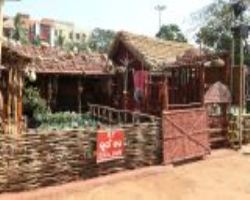
The Kota Tribe’s distinctive settlement pattern reflects their carefully organized social framework, with communities distributed across seven relatively large nuclear villages. Six of these villages are located in the Nilgiris district of Tamil Nadu, while one village is positioned in Wayanad district, Kerala. Each village, known as Kokkal, follows a traditional linear pattern that demonstrates the Kota people’s systematic approach to community organization.
The architectural layout of each village features two or three localities called ‘Keri’, which translates to ‘street’, with the standard configuration including three kerrs per village. This three-street system creates clearly defined residential areas that serve both practical and social functions within the community structure. The linear arrangement facilitates communication and interaction while maintaining distinct family groupings essential to Kota social organization.
Exogamous clan structure preventing intermarriage within kerris
The Kota Tribe maintains strict marriage regulations rooted in their street-based clan system. People residing within the same kerr (street) are prohibited from intermarrying, a practice designed to prevent parallel cousin marriages and maintain genetic diversity within the community. This exogamous structure ensures that marriage alliances form across different streets and villages, strengthening inter-community bonds.
Despite the restriction on same-street marriages, the Kota people prefer to marry within their own village when possible. They practice both types of cross-cousin marriages, including unions between a man and his father’s sister’s daughter, as well as marriages with the mother’s brother’s daughter. Importantly, no social hierarchy exists among the inter- and intra-village kerrs, reflecting the egalitarian principles that guide Kota social organization.
Democratic governance through village headmen and council meetings
Each Kota village operates under the leadership of a headman called Goethgarn or gotga-rn, also known as pittakar. The democratic nature of their governance system is exemplified by the special role of the Goethgarn from Menad village, who serves as the head of all seven villages, providing unified leadership across the entire Kota community.
Dispute resolution and community decision-making occur through formal meetings called kuttim or “kut,” where village elders gather to address various issues. These councils handle decisions regarding festivals, community problems, and matters specific to Kota cultural requirements. While the village kut manages local cultural affairs, regular judicial matters are addressed through the Indian judicial system, demonstrating the tribe’s integration with modern governance while preserving traditional practices.
Women’s enhanced status in marriage choices and economic participation
Women within the Kota Tribe enjoy considerably enhanced status compared to many traditional societies, particularly in matters of marriage and economic participation. They possess greater autonomy in choosing their marriage partners and maintain the right to divorce, reflecting progressive attitudes toward women’s personal agency.
Economic participation extends across multiple domains, with women actively engaged in various income-generating activities. They hold specialized roles in cultivation, manage domestic responsibilities, and participate in social functions. Notably, pottery-making is exclusively women’s work among the Kota people. Women also hold significant spiritual influence through special roles such as Pembacol—women who become possessed during flute music and are consulted for important village decisions. Additionally, wives of Kota priests play crucial ritual roles, further emphasizing women’s integral position in both spiritual and practical aspects of community life.
Religious Beliefs and Spiritual Practices
Non-anthropomorphic male and female deities worship
The Kota tribe maintains a distinctive religious system centered around the worship of non-anthropomorphic deities. Their pantheon consists of two primary male deities – A-yno-r, Doda-ynor, kuna-yno-r, Kamati-cvara, and Kamatra-ya – alongside a central female deity known as Amno-r or the mother goddess, also called Kamatiswari. The Kota belief system holds that the mother goddess was married to two brother gods, creating a divine family structure that reflects their understanding of cosmic relationships.
What distinguishes the Kota religious practice from many other traditions is their deliberate rejection of anthropomorphic representations. They do not worship images of any sort, maintaining a purely symbolic approach to divine worship that emphasizes spiritual essence over physical form.
Temple complexes with silver disk representations
The Kota tribe has developed a unique system of deity representation through silver disks housed in carefully constructed temple complexes. These deities are worshipped exclusively in the form of silver disks at specific temples, creating a distinctive visual and spiritual focus for their religious practices.
The recognized place of worship in each village consists of a large square area, methodically walled with loose stones and containing two pent-shaped sheds. These temple complexes are strategically located in separate sacred areas adjacent to the main Kota settlement, maintaining the spiritual separation between everyday life and religious practice while ensuring accessibility for community worship.
Specialized priest roles and possession rituals
The Kota religious system operates through a sophisticated hierarchy of specialized priests who serve as intermediaries between the community and their deities. The head priest, known as mundika-no-n, holds the highest religious authority and is typically accompanied by headmen called gotga-rn. These crucial positions belong to particular families (kuyt) and are traditionally passed from father to son, ensuring continuity of religious knowledge and practice.
The mundika-no-n receives essential assistance from the navya-navkaru, who serves a unique spiritual function as a medium for divine communication. Through this individual, the god (so-ym) communicates directly with the people during possession rituals, creating a direct channel between the divine and human realms that forms the cornerstone of Kota spiritual practice.
Integration of Hindu elements into traditional belief system
While the traditional religion of the Kota tribe remains distinct from mainstream Hinduism, significant changes have occurred since the 1940s that have reshaped their religious landscape. Many mainstream Hindu deities have been adopted into their belief system, and Tamil-style temples have been constructed alongside their traditional worship spaces.
This religious evolution has led to a complex identity where some Kotas now consider themselves Hindus, while maintaining their traditional practices. Historians have identified that these deities may have ancient roots in proto-Shaivism and proto-Shaktism, suggesting deep historical connections between Kota religious traditions and broader South Indian spiritual movements that predate formal Hinduism.
Economic Activities and Artisan Skills
Traditional craftsmanship in pottery, metalwork, and carpentry
The Kota Tribe has built its cultural identity around exceptional artisan skills that have been passed down through generations. The very name ‘Kota’ reflects their mastery in pottery, with ‘Ko-v’ meaning ‘male potter’ and ‘ko-ty’ referring to ‘female potter’. Women hold exclusive responsibility for pottery making and basket weaving, demonstrating a clear gender-based division of traditional crafts.
Their craftsmanship extends far beyond pottery to encompass a diverse range of skilled trades. Kotas excel as blacksmiths, goldsmiths, and silversmiths, creating both utilitarian items and ceremonial objects. During important seed sowing ceremonies, skilled smiths craft votive items including axes and gold ornaments within the main temple, highlighting the spiritual significance of their metalwork.
The community’s artisan expertise also includes carpentry, leather working, rope-making, and umbrella-making. These diverse skills positioned the Kotas as essential service providers within the Nilgiri Hills ecosystem. However, modernization has significantly impacted these traditional practices, with currently only a few families continuing to rely on these ancestral skills as their primary means of livelihood.
Agricultural cultivation of millet, vegetables, and cash crops
Agriculture forms a crucial component of the Kota Tribe’s economic foundation. As dedicated agriculturalists, they cultivate a diverse array of crops that sustain both subsistence and commercial needs. Millet serves as their primary staple grain, complemented by various vegetables and pulses that provide essential nutrition for the community.
The Kotas have successfully adapted their agricultural practices to include profitable cash crops, demonstrating their ability to balance traditional farming with market demands. Their crop portfolio includes potatoes, wheat, amaranth, samai, korali, mustard, and onions. This diversification has enabled them to participate more actively in regional markets while maintaining food security.
Musical instrument making and ceremonial performance services
The Kota Tribe’s reputation as skilled musicians and instrument makers has established them as indispensable participants in regional ceremonial life. They produce sophisticated musical instruments including double-reed instruments called kol, frame drums known as tabatk or tambattai, and cylindrical drums called Dobar and Kinvar. Their brass horns (kob) and curved horns crafted from buffalo horn showcase their metallurgical and crafting expertise.
Historically, Kotas supplied battle drums during periods of warfare, demonstrating their instruments’ importance beyond ceremonial contexts. Today, they maintain symbiotic relationships with neighboring communities, particularly providing musical services for Toda and Badaga festivals and funerals. In exchange for their performance services, they receive buffalo flesh and rice as payment, perpetuating traditional economic partnerships.
Modern employment in government and private sectors
The transformation of Kota society accelerated significantly during the British colonial period when improved educational opportunities began enhancing their socio-economic status. This educational advancement has fundamentally altered their economic landscape, reducing dependence on traditional service-based occupations.
Contemporary Kotas have successfully diversified into modern professions, finding employment as agriculturalists, doctors, bankers, and postmasters. Government and private sector positions have become increasingly common, reflecting their educational achievements and adaptability. This transition represents a significant departure from their historical role as specialized artisans and service providers, though many continue to maintain cultural connections to their traditional economic activities.
Cultural Traditions and Ceremonial Life
Music and Dance Performances During Festivals and Rituals
Music and dance performances form the cornerstone of Kota Tribe ceremonial life, deeply woven into their festivals and ritual practices. Specific villages within the Kota community have gained recognition for their distinctive artistic specializations – some are renowned for their women’s exceptional song and dance traditions, while others are celebrated for their instrumental music prowess.
The spiritual dimension of these performances is particularly evident in the ritual possession ceremonies where women participate in trance-like states accompanied by flute music, known as Pembacol. These possessed women serve as spiritual consultants, and their guidance is highly valued by the community members seeking divine intervention or spiritual counsel.
The Kota dance repertoire encompasses several traditional forms, each carrying specific cultural significance. The dance types include Kalcoose aat, Thiriganaat, Pippaalaat, and Koinaat, performed during festivals and life cycle rituals. A strict cultural protocol governs these performances – men always dance before women, establishing a hierarchical order in ceremonial proceedings. During larger festivals, an entire day is specifically dedicated to women’s singing and dancing, highlighting the important role women play in preserving and transmitting cultural traditions.

Funeral Ceremonies with Green and Dry Burial Practices
The Kota Tribe maintains distinctive funeral rites that reflect their complex spiritual beliefs about death and the afterlife. Their funeral practices involve two distinct ceremonial phases, each serving specific cultural and religious purposes.
The first ceremony, known as the “Green funeral,” involves the immediate cremation of the deceased. This initial rite addresses the immediate spiritual needs of the departed soul and provides closure for the grieving family and community members.
The second phase, called the “dry funeral,” represents a more elaborate and spiritually significant ceremony. This involves the exhumation of buried bones and includes the sacrifice of semi-wild buffaloes as offerings to ensure the deceased’s peaceful transition to the afterlife. However, this traditional practice has become less common in contemporary times, likely due to changing social conditions and external influences on tribal customs.
Seasonal Festivals Honoring Rain Gods and Agricultural Cycles
The agricultural calendar deeply influences Kota ceremonial life, with seasonal festivals marking crucial periods in their farming cycles. Central to these celebrations are prayers offered to rain gods, known as kakakaku kana-bado, reflecting the community’s dependence on monsoon rains for successful crop cultivation.
The Kota also honor their titular deities, called Kamatra-ya, during these seasonal observances. These festivals strengthen community bonds while ensuring divine favor for agricultural prosperity.
During seed sowing ceremonies, a particularly sacred ritual takes place within the main temple where smiths craft votive items. This practice demonstrates the integration of different community roles in religious observances, with artisan skills serving spiritual purposes.
Traditional Food Practices Centered Around Millet and Local Ingredients
Italian millet, locally called vatamk, serves as the cornerstone of traditional Kota cuisine and holds special significance in ceremonial contexts. This grain is primarily served during ceremonial occasions, maintaining its sacred status within the community’s food culture. For daily consumption, however, rice has become the preferred staple grain.
Traditional meals feature udk, a sambar-like preparation made from locally available pulses, vegetables, and tamarind juice. This dish showcases the tribe’s ability to create flavorful, nutritious meals using indigenous ingredients.
The Kota diet includes various protein sources such as eggs, chicken, and mutton, supplemented by locally grown vegetables and beans. Notably, beef consumption is uncommon within the community, likely reflecting cultural or religious dietary preferences that distinguish their food practices from neighboring communities.
Housing and Settlement Patterns
Traditional Thatched Hut Construction with Mud and Brick Walls
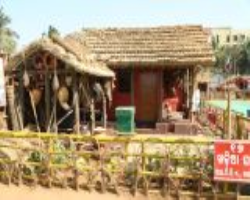
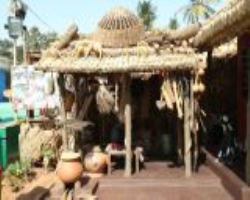
The Kota Tribe constructs their homes, known as ‘pai’, using traditional materials and techniques that have been passed down through generations. These dwellings feature distinctive thatched roofs that provide excellent protection against the elements while maintaining optimal temperature control throughout the year. The walls are constructed using a combination of mud and brick, creating sturdy structures that can withstand seasonal weather changes while remaining cost-effective and environmentally sustainable.
The construction process reflects the tribe’s deep understanding of local materials and architectural principles. The mud and brick walls offer excellent insulation properties, keeping the interiors cool during hot weather and warm during cooler periods. The thatched roofing system, crafted from locally available materials, demonstrates the Kota people’s resourcefulness and connection to their natural environment.
Functional Room Divisions for Living, Cooking, and Bathing
The interior layout of Kota houses demonstrates remarkable functionality and organization. Each pai is thoughtfully divided into specific living areas, with the front room serving as the primary living and sleeping space. This front room features a raised platform designed for both sitting and sleeping, along with a pounding hole that serves practical daily purposes.
Adjacent to the front room, positioned to the right, lies the kitchen area equipped with a traditional wood stove for cooking family meals. The strategic placement of the kitchen ensures proper ventilation while maintaining easy access to the main living area. The back room is specifically designated for bathing purposes, providing privacy and convenience for personal hygiene routines.
Each room within the pai has distinct names and designated functions, reflecting the Kota Tribe’s systematic approach to domestic organization. The walls feature carefully constructed crevices designed to hold oil lamps, providing illumination during evening hours. Additionally, the rafters serve dual purposes as both structural elements and storage spaces, maximizing the utility of the limited indoor space.
Sacred Spaces and Temple Complexes Adjacent to Villages
The spiritual architecture of the Kota Tribe is characterized by carefully planned sacred spaces that complement their residential settlements. Each village features recognized places of worship consisting of large square areas enclosed by walls constructed from loose stones. Within these sacred enclosures stand two distinctive pent-shaped sheds that serve specific ceremonial functions.
These temple complexes are strategically located in separate sacred areas adjacent to the main Kota settlement, creating a clear distinction between residential and spiritual spaces. This separation reflects the tribe’s reverence for religious practices while maintaining the sanctity of their worship areas. The positioning of temples near but separate from living quarters demonstrates the integrated yet respectful relationship between daily life and spiritual observance.
Linear Village Layout Following Ancient Cow Footprint Legend
The settlement pattern of Kota villages, known as Kokkal, follows a fascinating linear arrangement rooted in ancient tribal legend. According to traditional beliefs, this distinctive layout was determined by a sacred black cow that served as a divine guide for the Kota people. The cow led the tribe to suitable settlement locations, marking each village site with its hoof prints.
These legendary cow footprints hold profound significance beyond mere settlement planning, serving as moral centers of gravity within Kota communities. The footprint locations become focal points for essential cultural activities, including music performances, traditional dancing, and religious rituals. This ancient legend continues to influence modern village organization, demonstrating how spiritual beliefs and practical settlement needs intertwine within Kota Tribe culture.
The linear pattern creates organized communities that facilitate social interaction while maintaining order and accessibility throughout the village. This arrangement reflects the tribe’s ability to blend mythological guidance with practical urban planning principles, resulting in settlements that serve both functional and spiritual purposes for generations of Kota families.
The Kota tribe stands as a remarkable example of cultural resilience and adaptation in the modern world. Despite their small population of approximately 2,500 individuals spread across seven villages in the Nilgiri Mountains, they have successfully maintained their unique linguistic heritage, traditional craftsmanship, and spiritual practices while embracing educational and economic opportunities. Their transformation from traditional service providers to diverse professionals in government and private sectors demonstrates their ability to evolve without losing their cultural identity.
The story of the Kota people offers valuable insights into how indigenous communities can navigate the challenges of modernization while preserving their ancestral wisdom. Their continued practice of traditional arts like pottery, blacksmithing, and music-making, alongside their active participation in contemporary society, serves as an inspiring model for other tribal communities. As custodians of ancient Dravidian linguistic traditions and unique cultural practices, the Kotas remind us of the importance of protecting and celebrating India’s diverse tribal heritage for future generations.
