
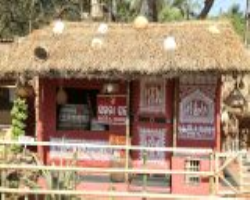
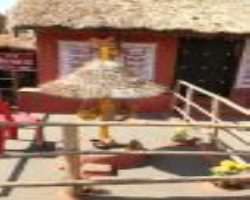
The Toda tribe stands as one of India’s most fascinating indigenous communities, living in the rolling hills of Tamil Nadu’s Nilgiri Mountains for over a thousand years. This guide is perfect for anthropology students, cultural enthusiasts, and travelers wanting to understand this remarkable pastoral society before visiting the region.
The Toda people have maintained their distinct identity through centuries of change, creating a culture unlike any other in India. We’ll explore their ancient origins and how they’ve survived as a small but resilient community in the Western Ghats. You’ll discover their unique social customs, including their famous polyandrous marriage system and the sacred role of buffalo herding in their daily lives. We’ll also look at their iconic barrel-shaped huts and temple architecture, plus examine how they’re working to preserve their traditions while adapting to the modern world.
Origins and Historical Background of the Toda People
Ancient Settlement Patterns in the Nilgiri Hills
The Toda tribe established their presence in the Nilgiri Hills thousands of years ago, creating distinctive settlement patterns that reflect their deep connection to the landscape. These indigenous people chose elevated plateaus and grasslands between 1,800 and 2,600 meters above sea level, areas perfectly suited to their pastoral lifestyle. Their settlements, called “munds,” typically consisted of small clusters of families living in barrel-shaped huts scattered across the rolling hills.
Archaeological surveys reveal that Toda settlements followed specific geographic preferences. They favored locations near sacred groves, water sources, and expansive grazing lands for their buffalo herds. The strategic positioning of these settlements allowed for optimal management of their livestock while maintaining access to the spiritual sites that formed the backbone of their religious practices.
The settlement pattern also demonstrates remarkable environmental adaptation. Toda villages were positioned to take advantage of the Nilgiri Hills’ unique microclimate, with homes built to withstand monsoon rains and cool temperatures. Each settlement maintained careful boundaries with neighboring tribal territories, creating a complex network of land use agreements that persisted for generations.
Archaeological Evidence and Timeline of Toda Civilization
Archaeological investigations in the Nilgiri Hills have uncovered evidence suggesting the Toda tribe’s presence dates back at least 1,000 years, though some researchers propose much earlier origins. Stone circles, burial sites, and ancient temple foundations provide tangible links to their past, revealing a sophisticated understanding of construction techniques and religious architecture.
Excavations near traditional Toda settlements have yielded pottery fragments, metal tools, and ceremonial objects that help reconstruct their historical timeline. Carbon dating of organic materials from archaeological sites indicates continuous occupation of specific areas for several centuries, supporting theories of long-term settlement stability.

The most significant archaeological discoveries include:
- Ancient dairy complexes with stone-lined floors and drainage systems
- Burial mounds containing artifacts that shed light on traditional funeral practices
- Temple foundations showing architectural evolution over time
- Stone tools and implements revealing technological development
These findings challenge earlier assumptions about the Toda tribe’s isolation, suggesting they maintained sophisticated cultural practices and technological knowledge throughout their history.
Migration Theories and Genetic Studies
Several theories attempt to explain the origins of the Toda people, each supported by different types of evidence. The most widely accepted theory suggests they migrated to the Nilgiri Hills from Mediterranean or Middle Eastern regions, possibly during ancient trade route expansions. This theory draws support from their distinctive physical features and cultural practices that differ markedly from other South Indian populations.
Genetic studies conducted in recent decades have provided new insights into Toda ancestry. DNA analysis reveals unique genetic markers that set them apart from neighboring populations while showing distant connections to Mediterranean and Central Asian groups. These studies indicate the Toda tribe represents an ancient population that has maintained genetic isolation for many generations.
Alternative theories propose:
- Local evolution from indigenous Dravidian populations
- Multiple migration waves from different source regions
- Admixture with various ancient trading communities
Recent genomic research suggests the Toda people carry genetic signatures consistent with an ancient founder population that arrived in the Nilgiris and remained relatively isolated, allowing unique genetic and cultural traits to develop and persist.
Early Contact with Other Hill Tribes
The Toda tribe’s interactions with other Nilgiri Hill tribes created a complex web of relationships that shaped the region’s cultural landscape. The three main tribal groups – Toda, Badaga, and Kota – developed intricate systems of trade, marriage alliances, and ritual exchange that lasted for centuries.
Historical accounts describe how each tribe speciali in different economzesic activities. The Toda focused on buffalo herding and dairy production, the Kota worked as artisans and musicians, while the Badaga engaged in agriculture. This specialization created natural trading relationships where Toda dairy products were exchanged for Kota metalwork and Badaga grain.
Marriage customs reveal the extent of intertribal relationships. While the Toda maintained strict endogamous practices within their own community, they established ritual kinship ties with other tribes through ceremonial exchanges and shared religious observances. These connections helped maintain peace and facilitated resource sharing during difficult periods.
The arrival of British colonial administrators in the 19th century documented these established tribal relationships, providing valuable historical records of how the Toda tribe functioned within the broader Nilgiri Hill community. These early ethnographic accounts remain crucial sources for understanding traditional Toda society before modern influences transformed their way of life.

Unique Cultural Traditions and Social Structure
Sacred Buffalo Herding Practices
The Toda tribe’s relationship with their sacred buffalo forms the cornerstone of their cultural identity. These aren’t ordinary cattle – they’re considered divine beings worthy of reverence and careful protection. The Toda people maintain strict protocols around buffalo care, with specific families designated as hereditary keepers who pass down ancient herding knowledge through generations.
Buffalo herding among the Toda follows intricate seasonal patterns, with dedicated grazing areas across the Nilgiri hills. The animals live in specially constructed stone enclosures called “mund,” which serve both practical and spiritual purposes. Each herd has its own priest-dairyman, known as a “palol,” who performs daily rituals before milking and maintains the sacred dairy temple.
The milk from these buffalo holds extraordinary significance – it’s used in religious ceremonies, offered to deities, and consumed only by specific members of the community based on their clan status. The entire process, from grazing to milking to processing, follows age-old customs that have remained virtually unchanged for centuries.
Traditional Polyandry Marriage System
Polyandry – one woman marrying multiple men – represents one of the most distinctive aspects of Toda social organization. This practice typically involves brothers sharing a single wife, creating complex family structures that serve both economic and social functions within their mountain community.
The eldest brother usually takes the lead in courtship and marriage negotiations, while younger brothers automatically become co-husbands. This system helps preserve family lands and buffalo herds within single units, preventing the fragmentation of resources that could threaten family survival in the harsh mountain environment.
Children born into polyandrous families belong to the husband who performs a specific bow-and-arrow ceremony during pregnancy. This ritual determines paternity and establishes the child’s place within the clan structure. The system also provides social security, ensuring that widows and children receive protection from multiple male family members.
Clan Organization and Leadership Hierarchy
Toda society operates through a sophisticated clan system that divides the community into distinct groups with specific roles and responsibilities. The two primary divisions are the Teivaliol (higher clans) and Kota (lower clans), each maintaining separate social spheres and marriage restrictions.
Within these broad categories, numerous sub-clans exist, each traced through patrilineal descent and associated with particular buffalo herds and sacred sites. Leadership traditionally falls to elder males who demonstrate wisdom in buffalo management, ritual knowledge, and conflict resolution skills.
The clan system dictates marriage partners, occupational roles, and participation in religious ceremonies. Higher-ranking clans maintain exclusive rights to certain buffalo breeds and temple duties, while all clans contribute to community decision-making through council meetings held in sacred groves.
Disputes between clans are resolved through traditional mediation processes, often involving ritual exchanges and ceremonial feasts that restore harmony within the community.

Seasonal Festivals and Ceremonial Rituals
Toda ceremonial life revolves around seasonal cycles that honor their buffalo, ancestors, and mountain spirits. The most significant celebration is the annual buffalo blessing ceremony, where entire herds receive ritualistic attention from priests who chant ancient prayers and offer sacred foods.
Harvest festivals mark important transitions in the agricultural calendar, featuring traditional dances performed by men wearing distinctive ceremonial dress – white cotton shawls with red and black borders. These gatherings strengthen clan bonds and provide opportunities for young people to meet potential marriage partners.
Funeral rites among the Toda involve elaborate two-stage ceremonies. The first occurs immediately after death, while the second “dry funeral” takes place months or even years later, allowing time for proper preparation of ceremonial items and gathering of dispersed family members.
Sacred grove ceremonies honor the spirits believed to protect Toda lands and buffalo. These rituals require specific offerings, chanted prayers in the Toda language, and participation from designated clan representatives who maintain oral traditions passed down through countless generations.
Traditional Architecture and Sacred Temples
Distinctive Barrel-Vaulted Huts Construction
The Toda tribe’s architectural masterpiece lies in their iconic barrel-vaulted huts, known locally as “dogles.” These remarkable structures feature a distinctive curved roof that resembles an upturned boat, creating an instantly recognizable silhouette across the Nilgiri Hills. The construction technique involves bending bamboo or wooden frames into graceful arcs, which are then covered with layers of dried grass and reeds.
What makes these huts truly special is their ingenious design that perfectly adapts to the mountain environment. The curved shape allows monsoon rains to slide off easily, while the low-profile structure helps withstand strong winds common at high altitudes. Each hut typically measures about 12-18 feet in length and 6-9 feet in width, with a single entrance that requires people to crawl through – a design feature that helps retain heat during cold mountain nights.
The construction process follows ancient techniques passed down through generations. Toda builders use no nails or modern fasteners, instead relying on intricate knotting and weaving methods to secure the framework. The walls are made from interwoven bamboo or wooden planks, creating natural insulation that keeps the interior comfortable year-round.
Sacred Dairy Temples and Their Significance
The Toda people have elevated dairy work to a sacred art form through their specialized temple-dairies called “ti.” These aren’t ordinary buildings – they’re holy spaces where the daily rituals of buffalo care and milk processing take on profound spiritual meaning. Each ti serves as both a functional dairy and a sacred temple, reflecting the Toda tribe’s deep reverence for their buffalo herds.
These temple-dairies are constructed using the same barrel-vaulted technique as residential huts but with stricter ritual requirements. Only certain men, known as palol, can enter these sacred spaces to perform the daily milking and butter-making ceremonies. The architecture itself reinforces this sanctity – the entrance is deliberately small and positioned to control access, while the interior layout follows precise traditional specifications.

The ti buildings are strategically placed near grazing areas and water sources, demonstrating the Toda people’s sophisticated understanding of livestock management. Each structure contains specific areas for different dairy activities, including designated spots for milking, churning, and storing dairy products. The sacred nature of these buildings means they undergo regular purification rituals and are rebuilt according to strict ceremonial protocols when needed.
Building Materials and Eco-Friendly Techniques
Toda architecture represents one of the world’s most sustainable building traditions, using exclusively local materials harvested from the surrounding grasslands and forests. The primary materials include bamboo poles, dried grass, reeds, and wooden planks – all renewable resources that have minimal environmental impact. This approach demonstrates the Toda tribe’s deep ecological wisdom developed over centuries of mountain living.
The grass used for thatching comes from specific highland varieties that grow abundantly in the Nilgiris. Toda builders carefully select and harvest this grass during particular seasons to ensure maximum durability and water resistance. The bamboo framework comes from local groves, and builders choose poles based on age, flexibility, and strength characteristics that only experienced craftsmen can identify.
The construction techniques themselves are remarkably eco-friendly. No concrete, steel, or synthetic materials enter the building process. Instead, the Toda people use natural binding agents like plant fibers and traditional knotting methods that allow structures to flex with environmental changes. When buildings reach the end of their lifespan, every component returns harmlessly to the earth, leaving no environmental footprint.
These sustainable practices aren’t just environmentally conscious choices – they’re practical solutions developed through generations of experience with the local climate and available resources. The Toda building methods create structures that stay cool in summer, warm in winter, and dry during monsoons, all while using materials that cost nothing and require minimal processing.
Religious Beliefs and Spiritual Practices
Buffalo Worship and Animal Sanctity
The Toda tribe holds deep reverence for water buffalo, considering them sacred beings central to their spiritual and economic life. These majestic animals aren’t just livestock—they’re divine creatures that connect the earthly realm with the sacred. Each buffalo has its own name, lineage, and spiritual significance, with some herds being so sacred they can only be tended by specific families or priests.
The Toda people believe buffalo possess souls and maintain elaborate rituals around their care, milking, and eventual death. Sacred dairies called “ti” serve as temples where only designated individuals can handle the buffalo milk. The dairy priests, known as “palol,” undergo strict purification rituals and maintain celibacy during their service periods. When a sacred buffalo dies, the entire community mourns, and funeral rites mirror those performed for humans.
Ancestor Veneration Traditions
Ancestor worship forms the backbone of Toda spiritual life, with deceased family members continuing to play active roles in daily affairs. The Toda tribe believes ancestors reside in specific locations and influence everything from buffalo health to family prosperity. Elaborate funeral ceremonies transform the deceased into powerful ancestral spirits who guide and protect their descendants.
Memorial stones called “pulli” mark sacred spots where ancestors are believed to dwell. Families regularly visit these sites to seek blessings, offer prayers, and maintain spiritual connections with their forebears. The Toda people perform special rituals during festivals and important life events to honor ancestors, ensuring their continued benevolence and protection.
Sacred Groves and Natural Worship Sites
Nature worship permeates every aspect of Toda religious practice, with specific groves, rocks, and water sources holding profound spiritual significance. These sacred spaces, called “shola,” remain untouched by human interference and serve as dwelling places for deities and spirits. The Toda tribe designates certain trees as divine entities, believing they house powerful forces that govern natural phenomena.
Mountain peaks, especially in the Nilgiri Hills, are considered abodes of gods and receive regular worship through offerings and prayers. Sacred pools and streams hold healing properties, and the Toda people perform purification rituals at these water bodies during religious ceremonies. These natural worship sites connect the community to their environment, reinforcing their deep ecological consciousness.
Ritual Ceremonies for Life Events
Birth, marriage, and death ceremonies among the Toda tribe involve elaborate rituals that strengthen community bonds and maintain spiritual balance. Birth ceremonies welcome newborns into the spiritual community through naming rituals that connect children to their ancestral lineage and sacred buffalo herds. The child’s first haircut becomes a significant event involving the entire village.
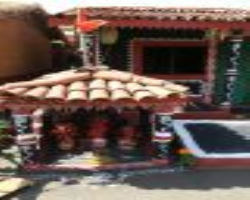
Marriage ceremonies span several days and include buffalo exchanges, ritual dances, and elaborate feasts that unite two families spiritually and socially. The Toda people perform specific rituals to ensure the couple’s prosperity and fertility, invoking ancestral blessings and divine protection. Death ceremonies are perhaps the most complex, involving multiple stages of rituals that guide the deceased’s soul to the ancestral realm while providing comfort to the living community members.
Modern Challenges and Cultural Preservation
Population Decline and Demographic Concerns
The Toda tribe faces a critical demographic crisis that threatens their very existence as a distinct cultural community. With a population hovering around 1,600 individuals, the Toda represent one of the most endangered tribal communities in India. Their numbers have remained relatively stagnant over the past several decades, raising serious concerns about genetic diversity and long-term survival.
The small population size creates a bottleneck effect, where limited marriage options within the community lead to increased intermarriage with neighboring groups. While this helps prevent genetic issues associated with inbreeding, it also dilutes traditional Toda cultural practices and linguistic heritage. Young Toda people increasingly marry outside their community, and their children often grow up with limited exposure to authentic Toda customs and language.
Demographic studies reveal an aging population structure, with fewer young families choosing to maintain traditional lifestyles. The birth rate has declined as younger generations delay marriage and childbearing while pursuing education and careers outside the Nilgiri Hills. This demographic shift creates a generational gap where elderly Toda elders possess deep cultural knowledge that younger members may never fully inherit.
Economic Pressures and Livelihood Changes
Traditional Toda society centered around buffalo herding and dairy production, creating a sustainable economic model that supported their unique social structure for centuries. However, modern economic pressures have forced dramatic changes in their livelihood patterns. The sacred buffalo herds that once numbered in thousands have dwindled to fewer than a hundred animals today.
Competition from commercial dairy operations and changing market demands have made traditional Toda dairy practices economically unviable. Many Toda families have abandoned buffalo herding entirely, seeking employment in tourism, government services, or migrating to urban areas for better opportunities. This shift away from their ancestral occupation disrupts the entire social fabric that revolved around buffalo care and dairy rituals.
The introduction of a cash economy has created new dependencies and altered traditional value systems. Where once wealth was measured in buffalo ownership and ritual knowledge, success now depends on formal education and monetary income. This economic transformation pressures Toda youth to choose between preserving their cultural identity and achieving financial stability.
Government Conservation Efforts
The Indian government has implemented several initiatives to protect and preserve Toda culture, recognizing their status as a particularly vulnerable tribal group. The Tribal Sub-Plan provides financial assistance for education, healthcare, and infrastructure development within Toda settlements. Special scholarship programs encourage Toda students to pursue higher education while maintaining connections to their cultural roots.
Land rights protection represents a crucial aspect of government conservation efforts. The Forest Rights Act of 2006 helps secure traditional grazing grounds and settlement areas for the Toda community. However, bureaucratic delays and complex legal procedures often limit the effectiveness of these protective measures.
Cultural documentation projects receive government funding to record Toda songs, stories, and traditional practices before they disappear. Audio-visual archives preserve the Toda language and oral traditions, creating valuable resources for future generations. The Anthropological Survey of India conducts ongoing research to understand and document Toda cultural practices in detail.
Tourism Impact on Traditional Lifestyle
The Nilgiri Hills’ popularity as a tourist destination brings both opportunities and challenges for the Toda community. Tourism provides alternative income sources through handicraft sales, cultural demonstrations, and hospitality services. Some Toda families operate homestays, offering visitors authentic experiences while earning supplementary income.
However, unregulated tourism creates significant pressures on Toda sacred sites and traditional practices. Visitors often disturb religious ceremonies and show little understanding of cultural sensitivities surrounding Toda temples and rituals. The commercialization of Toda culture for tourist consumption sometimes leads to superficial representations that miss the deeper spiritual and social meanings.
Tourism development has altered the physical landscape of Toda territories. Hotel construction and road development fragment traditional grazing areas and disrupt migration patterns of their sacred buffalo herds. The influx of outsiders also introduces new social dynamics and lifestyle expectations that challenge traditional Toda values and social structures.
Educational Initiatives for Cultural Continuity
Educational programs play a vital role in ensuring Toda cultural survival while preparing young people for modern challenges. The Toda Language Preservation Project works with community elders to develop teaching materials and curricula that incorporate traditional knowledge systems into formal education frameworks.
Local schools now include Toda language classes and cultural education programs that teach children about their heritage alongside mainstream subjects. These initiatives help maintain linguistic competency and cultural awareness among younger generations who might otherwise lose connection with their ancestry.
University partnerships create research opportunities that benefit both academic institutions and the Toda community. Students and scholars work collaboratively with Toda elders to document traditional ecological knowledge, particularly regarding medicinal plants and sustainable land management practices. These educational exchanges help preserve valuable knowledge while providing Toda people with new skills and perspectives for navigating contemporary challenges.
The Toda tribe stands as one of India’s most fascinating indigenous communities, with their rich history stretching back centuries in the Nilgiri Hills. Their unique social customs, distinctive barrel-vaulted temples, and deep spiritual connection to buffalo herding create a cultural tapestry unlike any other. From their intricate embroidered shawls to their sacred dairy rituals, every aspect of Toda life reflects generations of wisdom and tradition.
Today, this remarkable community faces the same pressures many indigenous groups encounter worldwide – modernization, declining population, and the challenge of keeping ancient practices alive in a rapidly changing world. Supporting Toda cultural preservation efforts and learning about their way of life helps ensure that future generations can appreciate their incredible contributions to human diversity. Their story reminds us that protecting indigenous cultures isn’t just about preserving the past – it’s about maintaining the rich variety of human experience that makes our world truly extraordinary.
