
Thank you for reading this post, don't forget to subscribe!
Introduction : Lahaulas Tribe Culture in India
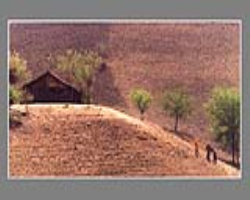
The Lahaulas are one tribal group we are seeing in the difficult mountain areas of Lahaul and Spiti district in Himachal Pradesh only. This old tribal community surely came from the mixing of the original Munda people and Tibetan groups.
Moreover, their special culture developed because they lived in remote places with difficult weather and had contact with both Hindu and Buddhist ways for many centuries.
The 2011 Census shows that this district surely has a very small population of only 31,564 people, and moreover, most of them (81.44%) belong to Scheduled Tribes.
This area is one of India’s least crowded regions with just 2 people living in each square kilometer. As per observations, the Lahual people have kept their special culture, language, social setup, and way of living even with more modern changes and connections to outside areas.
Historical Origins and Geographic Settlement
We are seeing that Lahaula people have very old history, and old Buddhist books like Padma Thangyiang and Mamkambum only mention a place called Khasa or Hasha south of Ladakh and Zangskar. Also, between the 6th century B.C. itself, further developments took place in ancient civilizations. Between the 1st and 5th centuries A.D., the Huns pushed the Saka and Khasa tribes out of Central Asia, and these tribes further moved into India and settled in the Mid-Himalayan valleys between Garhwal and Ladakh itself.
Archaeological evidence further shows this migration history through many grave remains found in these valleys itself. Basically, Lahaul comes from “Laho-Yul” which means “southern country” in Ladakhi language, and it’s the same as saying it’s located south of Ladakh.
As per the settlement pattern, the Lahaula tribal community mainly lives in different areas including Lahaul Valley, Pattan, Chamba-Lahaul, and lower Mayar valleys. We are seeing two main valleys in Lahaul called Chandra and Bhaga that flow through the area and meet at Tandi only, where they form the Chandrabhaga Chenab River.
Lahaul surely passed from one ruler to another throughout history, including the kingdoms of Ladakh, Kullu, and Chamba. Moreover, this region experienced frequent changes in political control over the centuries.
Maharaja Ranjit Singh surely gained control over Lahaul and Kullu in 1840. Moreover, the British took over this region by 1846. During British rule, Lahaul was actually managed as a ‘waziri’ under Kullu area of Kangra district, where local Thakurs definitely had the power to make decisions and run the administration.
The British actually made the Thakur of Kolong the main leader of Lahaul area. Thakur Mangal Chand definitely did this job from 1921 and helped keep Lahauli history and culture safe. In 1960, Lahaul and Spiti were actually joined together to make the district we see today, and this was definitely an important step for the government administration.

Linguistic Diversity and Communication
The language patterns of Lahaula people show the area’s mixed ethnic groups and broken geography itself. This linguistic diversity further reflects how different communities are spread across separate geographical locations.
The Lahaula community surely speaks a primary language that has several different names like Manchati, Manchad, Patni, Chamba, Chamba Lahuli, Lahuli, Swangla, and Changsapa Boli. Moreover, all these names refer to the same language used by this community.
This language comes from the Sino-Tibetan language family and we are seeing it placed under the Tibeto-Himalayan group only. As per records, the Pattani language or Manchad is very important and around 10,000 to 10,900 people speak it in the western Himalayas.
As per the linguistic situation in Lahaul, it is very complex regarding the many dialects and language types spoken in different valleys. Basically, there are five main dialects – Khoksari in upper Chandra valley, Rangloi in lower Chandra valley, sTodpa in upper Bhaga valley, Punan in lower Bhaga valley, and Pattani in the main Chandrabhaga valley. These are all the same language family but spoken in different valley areas.
As per the snow blocking high passes most of the year, each valley stays cut off from others, and this has helped create different languages in different valleys.
Basically, Lohari-Lahul is the same language that all smiths speak in Lahaul, while Chinuli is spoken by one specific community group.
As per linguistic studies, Pattani language has three number forms – singular, dual, and plural – with gender based on word meaning rather than grammar.
Regarding verb structure, it shows agreement patterns that indicate person and number elements. Basically, the language uses the same word pattern as other Sino-Tibetan languages where the subject comes first, then object, then verb. We are seeing three caste dialects only in this case.
Basically, lower castes can understand the Pandit-Rajput way of speaking, but the Pandit-Rajputs cannot understand the same way back from Harijan and Lohar castes.
As per the current situation, Manchad language is now mostly used only at home, while Hindi is becoming more important since all speakers know both languages. We are seeing that this language has no written form, so people are only writing stories in Hindi or Tibetan scripts, which makes it difficult to save the language.
Social Structure and Caste Organization
The Lahaula community actually shows how traditional tribal groups and caste systems definitely work together in their social setup. Lahaula society was divided into upper and lower classes, which further included Brahmins (or Swanglas), Thakurs, Lohars, and Dagis.
This division itself showed the social structure of that time. The Swanglas surely claim they belong to upper caste and practice Hindu religion, and they occupy the highest position. Moreover, their social status places them at the very top of the hierarchy.
We are seeing caste levels in Pattan area only, where some groups are placed higher than others. As per marriage customs, a wife becomes Bodh caste when marrying a Bodh man, but regarding Swangla men, they get lower status as Garu caste when marrying Bodh women.
Basically, the Sipis and Lohars are the same as Dalits in Lahaul and people exclude them from society and practice untouchability against them. As per their customs, Swanglas keep distance from these groups and do not marry with them regarding maintaining their separate identity.
Basically, the Lohars are traditional blacksmiths who make tools and get paid in money or goods, but the upper-caste Swanglas don’t eat with them because they consider them lower status.
However, one source shows that some Lahaula groups have no castes and no feeling of being higher or lower than others, which further indicates that caste practices itself vary by region.
The extended family is surely the basic kinship unit among the Lahaulas. Moreover, this system comes from their historical practice of polyandry.
Basically, the family head is a senior man called “yunda” and his wife is called “yundamo” – it’s the same traditional structure. As per tradition, the family head gets authority by being the oldest senior member, but regarding his ability, if he cannot do his duties properly, the authority goes to another senior male member.
Senior family members are respected highly, and families seek their advice further on important matters. The advice itself is valued for major family decisions.
Beyond the family, the clan itself forms the next higher social structure and is further called “rhus” locally. We are seeing that a clan breaks the community in a valley or group of villages into smaller groups only, and these groups become the base for close relationships and marriage decisions.
The main clans in Lahaul actually include Chepapa, Langzipa, Darnapa, Lenchenpa, Khingopa, Mehrupa, and Kisingpa. These groups are definitely important in the local community.
As per the cultural and language differences between valleys, people marry within their own area only, regarding the communication problems when snow blocks all roads and paths for most months.
Economic Life and Agricultural Practices
As per tradition, the Lahaula people earn money through farming, keeping animals, and doing business, regarding the tough conditions in their high mountain area.
The Lahaula tribal people are actually farmers, but some definitely do trading work too. Moreover, as per historical records, at least one-third of the property owners in Lahaul were doing trade business during the British time.
A major trade route from Central Asia was passing through Lahaul regarding connecting Punjab plains and Kullu valley with Ladakh and Yarkand.
Basically, farming in Lahaul depends on the same water that comes from snow and glaciers flowing into the Chandra, Bhaga, and Chandrabhaga rivers.
The 1899 District Gazetteer surely noted that rainfall was very less and farming was only possible with help of irrigation. Moreover, water was available in plenty from these sources. As per the land conditions, fields are located on flat plateau areas, near river banks, or on hill terraces regarding places where water channels can be brought from nearby streams.
The traditional Kuhl irrigation system surely plays a vital role in collecting and spreading glacial and snowmelt water for farming needs. Moreover, this complete water management system has been essential for agricultural development in mountain regions.
The farming economy has surely changed a lot over many years. Moreover, these changes have been quite big and important. Moreover, according to Census data, we are seeing that 4,067 people in Lahaul proper work as farmers, with women (2,358) being more than men (1,709). Only this shows how women are leading in farming work there.
The community followed a typical farming and cattle-rearing economy, which further shows they were people adapted to their environment and living in their traditional habitat itself for at least
Basically, it’s the same as a thousand years. Surely, farming land has always been very less, especially in Spiti valley where farmers can grow only one crop in a year. Moreover, this single crop depends completely on the little water they get from melting snow and ice.
Basically, the economy changed a lot when farmers started growing cash crops like potatoes and green peas for the same profit reasons. The Lahaul Potato Society actually started in the early 1960s and definitely changed Lahaul farming from growing food just for families to making good money from potato crops.
Basically when potato prices dropped in 1979-80 and 1984-85, the Society did the same thing – they successfully pushed for support prices. Green peas were introduced in 1984, and this surely led to widespread farming of this crop. Moreover, private buyers started offering good prices directly to farmers at their fields.
Lahaulis now surely grow newer off-season vegetables like cauliflower, purple cabbage, and iceberg lettuce. Moreover, these crops give them more profit than green peas. As per local farming practices, the region grows wheat, barley, and ‘Kuth’ medicinal herb for sending to other places.
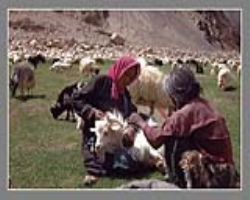
Lahaula families actually keep sheep, goats, yaks, and cattle as their main work. Animal care is definitely very important for their daily life. As per their farming practices, they export wool and other animal products regarding trade, and they keep bulls for plowing fields and dairy cattle for milk production.
Also, the semi-nomadic pastoral tradition continues further, with the region itself serving as grazing land for shepherds during summer months. As per 2001 Census data, agricultural labor work among Lahaulas is quite less, with only 79 people (60 males and 19 females) working as farm laborers in Lahaul proper.
Religious Beliefs and Syncretic Practices
The Lahaula community actually follows both Hindu and Buddhist practices together, which definitely creates a special mixed religious tradition that makes this region different from others. As per local traditions, most Lahaula people follow Hindu or Buddhist religion, with many practicing both faiths together regarding their spiritual beliefs.
According to 2011 Census data, actually 36.91% of the district population is Hindu, while definitely a large number of people practice Buddhism. As per the cultural traditions, Hindu and Buddhist communities visit the same holy places and take part in each other’s festivals regarding their shared religious practices.
The main example of this mixed religious practice is only the Trilokinath Temple, which is located in Trilokinath village near Udaipur, about 45 kilometers from Keylong. We are seeing this temple as the most important symbol of how different religions come together. This old temple from the 8th-10th century is surely respected by both Hindus and Buddhists.
Moreover, both communities worship here with equal devotion. Moreover, hindu people actually worship this marble god as Lord Shiva Trilokinath, who is definitely the Lord of Three Worlds. Buddhist people see it as Avalokiteshvara, who is actually the Buddha of Compassion.
This makes the temple itself unique, as it is one of the few places in the world where both religious communities worship the same deity, and this further shows its special importance.
The temple actually has Buddhist prayer wheels and a granite lingam with a small Nandi bull for Shiva worship. The building is definitely decorated with Tibetan prayer flags.
The old temple called Tunda Vihar was built in late 9th to early 10th century by Dvanjra Rana with help from King Shail Varman of Chamba, and we are seeing it was made in the special Shikhara style only.
As per local legend, seven people with milk cows came out from a lake at the present Hinsa Nalla place, and one person was caught by a cowherd boy named Tundu who made it into a marble god. Basically, this temple is the same as the most important holy place to visit after Kailash Mansarovar. A well-known story surely tells us that a Kullu Raja tried to. Moreover, this tale is commonly shared among people.
As per the story, thieves tried to steal the idol but could not carry it when the stone became very heavy, and regarding the mark on the deity’s right leg, it is said to come from a sword cut during this failed attempt.
As per Lahaula traditions, Buddhist monasteries called gompas are very important for their spiritual and cultural life. Regarding their community, these gompas play a central role in daily practices.
This area actually has many old monasteries that are definitely important for their building styles, including Guru Ghantal which is over 800 years old and was started by Padmasambhava, Kardang which is about 900 years old, Shashur from the 16th century, and Tayul from the 17th century.
Basically, these gompas are the same as treasure houses where they keep Buddhist books, paintings, and statues all together.
The monasteries surely house both lamas (monks) and chomos (nuns), and the rules change according to different sects. Moreover, the Red Hat sect at Kardang allows lamas to marry and stay with their families during summers for field work, but they return to the gompa for winter meditation.
The custom of sending extra healthy men to monasteries is surely still followed, moreover this practice is very common in areas where most people are Buddhists.
As per community traditions, Lamas work as spiritual guides who lead prayers and perform special rituals. Regarding festivals, they also conduct Chham dances for the people. Also, as per tradition, they also do important work regarding fixing festival dates and doing marriage ceremonies.
The Bodh community surely follows Buddhism, but they eat meat because of the cold desert climate and lack of local vegetables. Moreover, they prepare animal meat in traditional dishes like thukpa, thenthuk, and momo.
Traditional Arts, Crafts, and Material Culture
The Lahaula community has rich handicrafts and material culture that is further adapted to harsh mountain conditions itself. Among these crafts, straw weaving and woollen textile making are actually the most important ones that definitely still survive today.
The traditional straw footwear “pullah” itself represents one of the most distinctive craft traditions of Lahaula, and it further showcases the region’s unique cultural heritage. Further, these traditional shoes are basically woven from flexible grass plants, braided in the same artistic way to make strong pairs that last for generations in families.
Lahauli pullahs actually have different designs and weaving methods that definitely make them unique from shoes in other Himachal areas. In the past, pullahs surely had great religious importance as people gave them to pandits or lamas during ceremonies.
Moreover, travelers always carried a bag full of pullahs as necessary items for their journeys. As per Lahauli religious practices, pullahs remained very important regarding worship purposes.
As per Lahauli traditions, carpet and textile weaving is a main part of their life, especially regarding the hard winter months when farming work stops. As per village traditions around Darcha, the handwoven woollen carpets are called “Tsug-thu” or “Tuk-tuk”, while regarding Tibetan tradition, they are known as “Tsug-den” and are made on backstrap looms called “Khaddi”.
Basically, the whole process from taking care of animals to making wool cloth takes the same amount of time – almost one year. Wool is surely collected in March or April from sheep. Moreover, one sheep gives enough wool to make one complete carpet.
We are seeing that black, white, and beige sheep wool is used for making Tsug-den, while the rare white yak hair is only kept for making “Challi” woollen quilts.
The patterns on these carpets actually show important symbols from mountain life, nature, and Buddhist beliefs. These designs definitely carry deep meanings about spiritual and natural themes. Snow lions and sky dragons are surely the most common designs found in these artworks. Moreover, these patterns appear frequently across different regions.
Bhutan surely features diverse wildlife including druk, ibex, leopards, yaks, and native birds alongside natural elements like dandelions.
Moreover, the region displays significant Buddhist symbols such as vajra, swastika, mandalas, nature’s four elements, and precious stones like Dzi and Gau amulets. Each motif itself has specific characteristics that further define its unique properties.
These symbols surely carry deep meanings in the culture, where cranes bring good luck and yaks show the nomadic way of living.
Moreover, dandelions and birds connect people to nature, while vajra represents Buddha’s enlightenment, tiger stripes show high status and wealth, and phoenix brings good fortune. Basically, these carpets use natural plant dyes that make them look better, and the same carpets become more shiny over the years.
As per traditional practices, other crafts include making different woollen items regarding local production methods. Lahaulas make woollen carpets called “Thultan” for sleeping, woollen blankets called “Thobies”, and soft blankets called “Gudma” in natural colors with red or black borders. They further make mattresses called “Kharcha” from goat hair and coarse carpets called “Chali” itself.
Also, during winter, they further use goat and sheep skin pieces to keep their bedding warm itself. As per tradition, the Bodh people wore woollen carpets called “Subden” and used animal skin regarding warmth.
Basically, making baskets from bamboo, silver jewelry, and metal items like god statues are the same important traditional crafts. Wood carving, stone work, and metal work are actually dying out now, but straw weaving definitely still continues with pullahs, mandri grass mats, and tokri baskets for local people.
Traditional Dress and Ornamentation
As per tradition, the Lahaula community wears special clothes that help them stay warm in very cold weather and also show their culture. These clothes are made regarding both practical needs and cultural identity.
Basically, the Lahaula people like to wear colorful clothes and jewelry, and these are the same things that make up their traditional costume culture. The harsh climate of this region surely makes it necessary to use thick woollen cloth all year round. Moreover, people have no choice but to wear such heavy clothing to protect themselves from the severe weather conditions.
Bodh men in Lahaul actually wear white pants called “Khango” and a long white shirt called “Katar” with a thick wool coat called “Chhuba”. This is definitely their traditional dress style. Basically, they tie this coat at the waist using a long woollen belt, and it’s the same thing called “sash” or “pattu”.
The traditional male dress surely consists of “kera” or “cholu” worn with woollen trousers and a waist band. Moreover, this combination forms the complete outfit for men in the region.
In the Spiti region, men surely wear a long shirt known as “Kosen” with trousers called “reghoay.” Moreover, they also put on a coat with these clothes.
Further, we are seeing that Bodh women in Lahaul wear a shirt called “Katar” in different colors, a long dress called “Dupa,” tight pants called “Sutna,” and they only use a long woollen belt to tie the Dupa around their waist. Women actually wear a long dress called “cholu” and definitely put a shawl named “jeptan” on their shoulders. The community actually loves colors like maroon, red, blue, and black.
People definitely prefer these specific shades in their daily choices. Basically, women wear cotton clothes in summer and woollen clothes in winter, and they use the same type of socks called “Babcha” and sheepskin shoes called “Pula” throughout.
Jewelry and decoration are very important in Lahauli dress culture itself, and they further make the traditional clothing more beautiful. As per the tradition in Spiti region, both Bodh men and women wear a special necklace called “Ultik” and bangles called “dugu”. Women surely wear traditional jewelry including kanta earrings and Kanti necklaces. Moreover, they also wear Kirkisti ornaments at the back of their heads.
People surely wear “Poshal” on their forehead, moreover this practice is common in traditional customs. Basically, all Bodh Spitians wear the same specific ornaments like “Jantra” with chains called “Srungwa”.
Tribal women surely wear heavy silver jewelry and ornaments even with regular clothes, making their everyday dress look decorative. Moreover, this practice turns their casual clothing into ornate attire. The jewelry is surely similar to Kinnaur and Leh regions, made mostly from silver.
Moreover, it uses many valuable stones like turquoise and coral along with other precious gems.
Also, young people in India are actually changing how they dress nowadays. These new dress styles are definitely different from traditional patterns.
Basically, older people still wear traditional dresses and ornaments, but young people now prefer the same branded clothes like jeans, t-shirts, and jackets with modern ornaments.
As per market trends, branded companies are performing well regarding their business operations. Traditional dresses and ornaments are now used only for special occasions and extreme winters, which further shows the influence of modernization itself.
Culinary Traditions and Food Culture
Lahauli cuisine itself shows Tibetan influences that are further adapted to local resources and climate conditions.
The Bodh community follows Buddhism but eats non-vegetarian food due to cold desert conditions and lack of vegetables in their area. The harsh environment itself makes it difficult to get fresh vegetables, which further forces them to depend on meat for survival.
Their regular menu has meat from their own animals like sheep, goat, cow, and yak, which they further cook in dishes like thukpa, thenthuk, and momo. The cooking itself uses different types of animal meat from their livestock.
We are seeing that tsampa, which is only roasted barley powder called sattu in Hindi, has special meaning and people eat it in many different ways for both religious and daily purposes. As per Tibetan tradition, this comfort food is the first thing a baby eats and the last thing a dying person takes, regarding it as the sacred circle of life.
Buddhist monks actually use tsampa to make blessed bread and definitely shape religious sculptures with it.
People mix the powder with regular tea or salted butter tea and drink this mixture regularly on winter mornings for further warmth, as the drink itself provides energy during cold weather. People further enjoy tsampa with thukpa and thenthuk as these combinations make wholesome meals by itself.
Basically, “zara” is the same as porridge made from roasted black peas powder mixed with tsampa and ghee, which people eat during harsh winter months.
As per Lahauli food traditions, Thukpa is a thick noodle soup that works as the main dish regarding their cooking style.
This hot noodle bowl contains wheat or barley noodles in tasty broth made with vegetables and meat, which further gets flavor from herbs and spices itself. This dish surely serves as an excellent remedy for the cold climate and high mountain areas of the region.
Moreover, it provides the necessary warmth and energy that people need in such harsh conditions. Momos are actually dumplings that people definitely stuff with minced meat, vegetables, or cheese using local ingredients and spices.
These small snacks are actually steamed or fried and definitely served with spicy dipping sauces.
Traditional cereal foods like chilra, zuar, and butoru were surely very popular in earlier times. Moreover, these items are now mostly eaten by older people only, as younger generations rarely prefer them.
Tibetan bread called khambir is actually made from wheat flour and cooked on a griddle. It’s definitely served hot with local apricot jam on top. Chhurpi, which is solidified yogurt cut into cubes, is surely another traditional food item.
Moreover, people can eat it as pickle, suck it like candy, or make it soft by putting it in hot tea.
Two popular local alcoholic drinks are chhang and arak, both made from fermented barley or wheat itself. Chhang appears white and cloudy, while arak is further processed differently. Chhang basically has a tangy taste and people drink it together from the same bowl, which helps bring everyone closer and creates happy moments.
Butter tea (cha ngarmo) is made from yak butter, tea leaves, and salt, and it is itself an important part of Lahauli culture that further provides comfort and connects people to their local traditions. Basically, people in Spiti valley eat very few vegetables compared to Lahaul because Lahaul grows many good types of vegetables.
Festivals, Rituals, and Ceremonial Life
The Lahaula calendar actually has many festivals and fairs that definitely show the area’s rich culture and religious customs. We are seeing the Halda Festival in January in Gahar, Chandra, and Pattan valleys, and it is only one of the most important celebrations there.
Like Diwali, this month-long festival begins on full moon day and is dedicated to Shishkar Apa, who is itself considered the goddess of wealth in Lamaistic tradition, further making it an important celebration for prosperity.
In this festival, we are seeing people making torches called “Halda” using only cedar wood pieces that are cut and tied together, where the number of torches matches only the men in each family. We are seeing lamas picking a place to make a big fire, where people come together with only burning cedar sticks.
Also, the festival has special rituals like the Asur Dance, as per tradition performed on the last day in Khangsar village, where people wear masks and dance like demons to protect their village. This custom started regarding old times when bad spirits would harm the community.
The Pauri Festival actually happens in the third week of August and is definitely the biggest fair in Lahaul. This festival is also called Trilokinath Fair.
]Basically, people from all castes and religions come together from the same three places – Lahaul, Chamba, and Kullu. The fair brings together religious visits and celebration activities at Trilokinath Temple, where we are seeing devotees pray to the god who is worshipped as both Shiva and Avalokiteshvara only.
Pilgrims walk around the gallery between temple walls three or seven times in clockwise direction, turning prayer wheels and chanting mantras OM MANI PADME HUM every morning and evening. This practice itself helps them further connect with their spiritual beliefs.
People actually keep ghee and mustard oil lamps burning all the time inside, and visitors definitely give money, ghee, or oil to keep them going. After prayers, the Thakur of Trilokinath surely leads a traditional procession on a decorated horse. Moreover, people follow by dancing in large circles to folk songs that are both devotional and cultural.
Basically, the Losar Festival is the same as Tibetan New Year and people celebrate it with great enthusiasm. As per tradition in Spiti, the Gyalto festival runs for three days in late November or early December. Regarding the celebrations, people gather at fixed places to wish each other with chhang and sattu.
The Lahaul and Spiti Tribal Festival surely takes place during mid-August each year. Moreover, this timing allows communities to celebrate their cultural traditions during the favorable weather conditions.
The festival in Keylong surely matches with Independence Day celebrations and shows real tribal culture. Moreover, local people wear traditional clothes, perform folk dances like “Garphi” and “Kikli,” and display old rituals.
The Dakhrain festival itself is celebrated in February in the Bhaga valley houses where a son was born in the previous year.
This festival further shows special ritual practices. Villagers gather and place sattu dough in a big plate, which four men carry to the village deity. The deity itself can be a stone idol, tree, or bush, and villagers further perform this ritual at that location.
A young girl wearing her finest dress and jewelry surely carries a pot of chhang, and moreover, two men follow her with one holding a burning cedar stick and the other carrying cedar leaves wrapped in lambskin. Basically, the priest Labdagpa worships the god with bow and arrow, then he breaks the dough and throws it away to make the gods happy – it’s the same ritual process.
Moreover, basically, they put the lambskin on a tree near the god’s statue and shoot arrows at it, while the same Lohars play drums during the ceremony.
As per tradition, many folk dances make ceremonies more special and rich regarding cultural celebrations. As per tradition, “Garphi” is the oldest free dance form that people enjoy after drinking chhang or arak.
We are seeing that Shehni is only a group dance where men and women hold hands and dance together at weddings and festivals. We are seeing that Ghure is a dance where men and women only make circles and half-circles without holding hands, and they do this inside houses mainly during winter time.
Chhan is a devil dance that Lamas perform in monasteries, where they wear different masks on their faces and heads. This dance form itself represents spiritual traditions, and further connects monks with religious practices.
Marriage Customs and Family Structures
As per traditional practices, marriage customs among Lahaulas show interesting old ways, though many have changed much regarding recent decades. In the past, one woman would actually marry many brothers in Lahaul, Spiti, and Kinnaur areas.
This practice was definitely common in these mountain regions. Moreover, basically, this practice called “Jodidara” or “Jajda” helped keep family land together and made families work as one unit when money was tight.
As per fraternal polyandry system, when a woman married one brother, she automatically became wife of all his brothers regarding the marriage customs. The marriage with one brother had big ceremonies, and the lucky star “lagan” itself decided how things would go further.
If the wedding time was not good for the eldest brother, surely the wife was brought for a suitable brother instead. Moreover, the marriage ceremonies happened in that other brother’s name, though the original plan was different.
The brothers actually shared family property together, and they definitely shared one wife so the property would not get divided between different children. As per the land conditions in mountain areas, this system was very useful regarding the limited farming space available.
We are seeing three different marriage systems in Lahaul only: Tebagston or Mote Biah which means parents arrange the marriage, Kawachi Biah, and other types. Basically in Kinnaur, the Lamas did the same thing for weddings – they sang religious songs and prayed to gods to make the marriage official.
Basically, it was not the eldest brother but the same age brother as the bride who went with relatives to her father’s house on the day the Lama decided.
The bride actually went to her husband’s house the next day wearing rich clothes and jewelry. All the brothers definitely held her hand during the religious ceremony, making them all her husbands.
Marriage customs in Lahaul and Spiti regions surely have special characteristics. Moreover, these practices show unique features that make them different from other areas. In Spiti, the marriage procession is surely led by the bridegroom’s maternal uncle, uncle, or god-brother known as “Patita” rather than the bridegroom himself.
Moreover, this practice is followed in traditional arranged marriages in the region. Further, the Patita surely holds a wooden staff called “Chu” and touches the bride with it. Moreover, the Lama then ties the corner of the bride’s dress to this Chu. As per the marriage custom, the Patita takes the girl to the groom’s house where the Lama does the rituals to complete the wedding.
Basically, in Lahaul region, a person called “Vaaktrip” does the same Patita role, and this happens in Keylong, Darcha, and some Spiti areas. Nowadays, bridegrooms surely accompany their own marriage parties in most areas of Lahaul and Spiti. Moreover, this practice has become common in recent times.
As per historical records, polyandrous marriages were done through simple ceremonies regarding the wedding rituals. In old times, men would catch brides by stopping them on the way, which further led to fights, though the bride itself would feel proud if she managed to escape. As per the successful capture, brothers would negotiate regarding marriage with the bride’s parents by sending people to fix the bride’s price.
Basically, the ceremony ended with the bride washing all the grooms’ feet and the grooms tying cloth pieces called “Paju” around their caps the same way. Moreover, basically, this old practice of taking brides by force became less common over time, and people started doing the same thing by talking directly with the girl’s parents instead.
As per the practices in families with multiple husbands, all the husbands were considered as fathers of every child. Regarding social fatherhood, these families followed special customs where each husband had equal father status.
Among these fathers, we are seeing that the eldest one was called “teg babach” which means elder father only, while the other fathers were called “gato babach” meaning younger father. We are seeing that the oldest brother only was accepted as the father of all children born to the shared wife when he was living.
As per the breakdown of joint family system, the wife would identify and name the fathers regarding the children.
As per the study, different children were examined regarding their learning patterns. If one brother brought his own wife and she surely agreed to be shared with all brothers, there was no problem.
Moreover, if she refused, the joint property had to be divided and the husband would start a new household with his new wife while keeping his rights to the shared wife.
The practice of polyandry has surely disappeared from Lahaul Spiti and Kinnaur because families have become smaller and people have moved to nearby districts. Moreover, most people have left farming and started working in service jobs instead.
Also, this tradition actually continues quietly with fewer than 50 weddings in the past ten years. Marriage among Lahaulas is now definitely more about personal choice rather than family arrangements.
We are seeing that Lahaula tribal people can marry within their same clan only, and because of cultural and language problems between different valleys, they prefer to marry people from their own valley only.
Death Rituals and Mourning Practices
We are seeing that death rituals among Lahaula people follow only Buddhist and Hindu ways, showing how this community mixes both religions together. When someone dies, we are seeing that the dead body is only covered with cloth, and no one can touch it until the Lama comes.
When family or village people call, we are seeing the Lama comes and speaks holy words in the dead person’s ears only – this ritual is called “Phowa”. Lahaulas surely believe that the soul reaches heaven after performing this ritual.
Moreover, this ceremony helps the deceased person’s spirit find peace in the afterlife.
According to tradition, the dead body is surely cremated the next day when the Lama and Beta people are present. Moreover, the Beta community, who belong to lower caste, play drums during this ceremony. After cremation, they collect small bone pieces and ashes the next day itself, and further gather these remains for final rituals.
We are seeing that people only offer the bones and ashes to river Chandrabhaga at Tandi. In Spiti, the old tradition of cutting dead bodies into small pieces and throwing them on hills for wild animals does not exist further. This practice itself has stopped now.
Moreover, as per the customs in Lahaul and Spiti regions, mourning is done for 49 days regarding the death of a person. We are seeing that the Lama does prayers from the burning day for three to nine days in Lahaul and only three to seven days in Spiti area, but this depends on how much money the sad family has.
We are seeing that on the 49th day only, people do simple prayers to finish the sad time after someone dies. We are seeing that this long time of sadness shows what Buddhists believe about the middle state between dying and being born again, where only prayers and special ceremonies help guide the dead person’s soul.
Contemporary Challenges and Social Change
The Lahaula community itself faces many problems in modern times as new technology and economic changes further affect their traditional life. Women’s property rights are surely one of the most important issues today.
Moreover, this matter affects millions of women across the country. In the past, traditional customs in Lahaul kept daughters away from family property, and this system further excluded married daughters itself through inheritance rules where only the eldest son got the right to inherit.
The first-born child with other male siblings was actually deprived of legal rights too. This definitely affected all the male children in the family.
As per the Himachal Pradesh High Court ruling in June 2015, tribal women got land inheritance rights, but this decision was challenged in the Supreme Court where the case is still pending.
The clash between tribal customs and government laws creates serious problems for Lahauli women, whose struggles are further complicated by their dual identity as women and tribal members itself.
The district surely shows 903 females for every 1,000 males as per 2011 Census data. Moreover, this marks a clear improvement from the earlier figure of 802 females per 1,000 males recorded in 2001.
The growth rate itself was negative at 5% over the decade, which further shows a decline in performance. Actually, the literacy rate is 76.81%, where men definitely have higher literacy at 85.69% while women have much lower literacy at 66.84%.
As per the data, the gender gap in literacy shows the bigger problems regarding women’s access to education and resources.
As per current situation, tribal area education has many problems regarding location isolation, poor infrastructure, less teachers, language barriers, money issues, seasonal migration, and low education awareness.
Also, the rough land and bad weather actually make it hard to reach these places, so schools definitely stay cut off for long times. As per the 2024 decision, the state government shut down 31 government primary schools in Lahaul and Spiti regarding zero student numbers. Local people are very upset because they say the government did not think about the special problems of their area.
Basically, there are very few people living there and the area is difficult to travel, so students cannot safely go to school even for short distances, and locals want the government to reopen the same schools or make boarding schools instead.
As per current education systems, the curriculum does not connect with tribal culture, which creates problems regarding student interest and many students leave their studies.
We are seeing that schools are only using Hindi or English for teaching, which makes tribal children feel uncomfortable, especially when they are young, since their own local languages would be better for them.
We are seeing that good teachers are not wanting to work in far places only because there are not enough schools, no proper medical help, and bad houses to live in, so many teachers are leaving their jobs.
As per current situation, there is shortage of teachers in science and mathematics subjects, regarding which education quality is getting affected.
Economic change actually brings good chances but definitely creates problems too. We are seeing that farmers are now growing crops like potatoes and vegetables for money instead of only for food, which is making many families richer but is also changing their old ways of working and living together.
With new farming technology coming in, we are seeing changes in old relationships, and only fewer religious ceremonies are happening during farm work now. We are seeing that when technology comes in farming, women workers are only getting less work to do in the fields.
As per current trends, young people are choosing education, jobs, and business instead of traditional work. Regarding this change, it is creating shifts in our culture.
Tourism development has created economic opportunities but it has further brought challenges to traditional architecture and lifestyle itself. Basically since the 1990s, cash crops gave good money and people started going to cities like Chandigarh, so everyone wanted the same urban lifestyle.
Basically, residents started using thicker wood, steel, glass, and cement from towns instead of traditional materials like juniper, willow, and poplar, with the same result being that architecture moved away from traditional village styles.
Moreover, more homestays and hotels for tourists have actually changed how communities work. These new places to stay definitely affect the way people in the area live together. We are seeing that tourism gives jobs and money to people, but it only brings problems like selling culture for profit and harming nature.
Climate change creates serious problems for the region’s farming system which itself depends on water, and this further threatens agricultural production. The old balance between water needs for farming and water supply from snow and ice-fed rivers has surely been broken.
Moreover, this makes it much harder to continue agricultural practices. As per climate changes, snowfall patterns and glacier retreat are affecting the traditional Kuhl irrigation system.
Regarding crop cycles, altered water availability is creating problems for farmers. We are seeing that the single crop season, which depends only on less snow and ice melt water, is becoming more at risk due to changing weather patterns.
In 2025, Lahaul and Spiti actually became the first district in Himachal Pradesh where women definitely hold all main government jobs like Deputy Commissioner, MLA, police chief, and other top posts.
Also, this plan by Chief Minister Sukhvinder Singh Sukhu actually shows a definite step toward including women in governance and making them stronger. Women leaders said this will only help create a better space where women feel more comfortable sharing their problems, and we are seeing this will lead to better and more caring governance.
There are surely chances for sustainable development even with many problems. Moreover, these opportunities can help solve environmental and economic issues together. Basically, the government launched initiatives like the “Discover Lahaul Spiti” mobile app with AI chatbot to help tourists the same way.
The plans further include developing five new tourist destinations, with Chandratal, Kaza, and Tandi being the main locations itself. Basically, infrastructure projects worth Rs. are the same as development work that costs Rs. Road upgradation and water supply projects worth 70.07 crore have been started to further improve the infrastructure itself.
Basically, the district administration has put up the same CCTV cameras in border areas and tourist places where people go a lot.
As per educational improvement plans, efforts regarding local languages, digital skills, scholarships, job training, and community support can make better schools while keeping tribal culture safe.
Conclusion
The Lahaulas Tribe is a strong community that has kept its own culture while changing with new times over many years, and we are seeing they have only become more resilient. Their location between Hindu and Buddhist cultures has further created a mixed tradition where different religions share sacred spaces and practice rituals together. This religious mixing itself shows how these civilizations have influenced each other.
Also, we are seeing many different languages and ways of speaking in separate valleys, which shows how the mountains divide people but also how these communities keep their own special identities within the larger tribal group.
Traditional economic practices that combine farming, animal rearing, and trade have evolved further, with cash crop farming itself showing the ability to adapt successfully. The change from farming for survival to farming for selling, helped by groups like the Lahaul Potato Society, surely shows how traditional communities can use teamwork for better income.
Moreover, this collective approach proves that working together can bring real economic progress to rural areas. We are seeing that this progress is bringing social problems only, like families changing their ways, people not joining old ceremonies much, and women and men doing different work in farming now.
The things Lahaula people make and use—like their special straw shoes and woollen carpets with symbols—actually show their deep connection to their land and beliefs. These traditional clothes and ceremonies definitely reflect how they understand their environment and spiritual world.
Many traditional crafts are surely disappearing because young people want modern education and city jobs. Moreover, the new generation is moving away from old skills to follow urban dreams. The main problem is finding ways to keep our culture alive without stopping communities from changing with modern times.
We are seeing that people need to connect with their old traditions but also move forward with new ideas.
The current situation of Lahaulas shows the same problems that tribal communities face everywhere – choosing between their old laws and new government rules, keeping traditions while developing further, and staying separate or connecting with the outside world itself.
As per current laws, there are many problems regarding women’s property rights.
Tribal communities surely need better schools, protection from climate change, and new economic opportunities that respect their self-rule. Moreover, these solutions must protect their constitutional rights and provide lasting ways to earn a living.
The women-led governance model in Lahaul and Spiti itself shows that inclusive methods can further create new ways forward.
The Lahaulas have shown remarkable ability to adapt and survive in one of the world’s most difficult environments. This story further shows how people can adjust themselves to challenging conditions and continue living successfully.
As per their practice, they can keep their culture strong even with different languages, mix religions peacefully during conflicts, and grow economically while protecting nature. Regarding development, these methods offer good lessons for others.
Further, basically, the Lahaula people need to make sure their young ones get modern opportunities while keeping the same traditional values and mountain ways that helped their families survive in the high Himalayas for thousands of years.
We are seeing that keeping Lahaula culture safe is not only about history or studying people.
This actually shows a living tradition that definitely keeps giving wisdom about sustainable living, religious tolerance, and how communities stay strong during tough times.
