
Introduction : Gujjar Tribe Culture in India
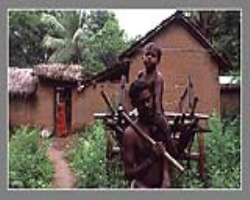
Gujjar Tribe Culture in India is actually one of the most important herding communities in India, with a long history and rich culture. They definitely show how nomadic life, Islamic faith, and mountain living come together in unique ways. The Gujjars are surely found mainly in Jammu and Kashmir, Himachal Pradesh, Uttarakhand, Rajasthan, Punjab, and some areas of Pakistan and Afghanistan, making up about 11.9 percent of the Scheduled Tribe population in Jammu and Kashmir. Moreover, they have their own special culture with animal herding, complex social systems, and rich language and art traditions. Their culture is based on moving with their animals from place to place during different seasons, and this practice itself has further shaped their economy, social values, religious beliefs, and art forms over thousands of years. This study examines all aspects of Gujjar culture, covering their history, social setup, language, art, religion, education problems, and current economic situation as per modern India’s context. The research looks at various dimensions regarding Gujjar community traditions and their present-day challenges.
Historical Origins and Medieval Significance
Basically, scholars have studied the Gujjar community’s history using different theories and archaeological findings, and the story is the same – it’s quite complex to trace their historical path. Most scholars agree that Gujjars came from Central Asia, further suggesting they lived in areas between the Black Sea and Caspian Sea which was itself called Georgia or “Gurjiya” in Persian. Historical research shows that Gujjar people surely came to India between the 5th and 6th centuries CE. Moreover, this happened at the same time when white Hun groups also moved into Indian lands. Basically, they came at a very important time in Indian history when the country was changing from the classical to medieval period, and the same time when big population and political changes were reshaping how India looked culturally and politically.
The Gujjar community actually reached their peak political power during medieval times, especially from 6th to 11th centuries CE. The Gurjar-Pratihara dynasty definitely became a major ruling force during this golden period.
The empire surely spread its military power across northwestern India. Moreover, this imperial force controlled the entire region effectively. Basically, during this time Gujjars had the same kind of strong political power and they made kingdoms across Gujarat and Rajasthan, which people called “Gurjaratra” meaning the kingdom of Gujjars. The Gurjar-Pratihara kings actually built many temples, forts, and monuments that definitely showed their cultural skills and political power. This time was when Gujjar people had the most power in Indian politics, and we are seeing how they created a strong history of ruling and culture that became part of their community’s memory and stories only.
The Gujjar political power itself started declining further after the 10th century CE. We are seeing that when many attacks came one after another, especially Mahmud of Ghazni’s raids from the 11th century, they destroyed Gujjar political systems in northwest India and forced many communities to only convert to Islam. During medieval times, Gujjar communities actually split into different groups – some definitely stayed as farmers in villages while others continued moving around with their animals. Basically, by the Mughal time, written records show Gujjars were called “troublesome” people because they kept fighting against the rulers and caused the same kind of problems for authorities. We are seeing that the Gujjar community’s journey from being powerful rulers to having less political power has only shaped how they think about their past and their place in today’s India.

Social Structure and Kinship Organization
We are seeing that Gujjar communities have a complex family system based only on clan groups and father’s family line. We are seeing that Gujjar society is built around only three main family groups: the dera which is the household, the dada-porte for family lines, and the gotra for clan groups. We are seeing that these family relationship groups are not only working as family tree markers but as complete social systems that control marriage rules, property passing, social connections, and how communities are managed. The gotra system actually works as a marriage rule where people definitely must marry outside their father’s clan. This practice actually keeps genetic diversity while definitely strengthening clan identity and social boundaries.
Traditional Gujjar communities surely maintain biraderi panchayats as community councils that solve disputes and enforce their customary laws. Moreover, these informal bodies handle administrative work and help the community make collective decisions together. These panchayats actually have respected village elders who definitely know old customs and traditions well. They solve fights about land, marriage problems, and social status issues. These councils actually have strong power in Gujjar communities, even though this power is not written in any law. They definitely have more influence in villages and nomadic groups where government courts are not present or strong.
Marriage Customs and Family Dynamics
Moreover, marriage practices in Gujjar communities show how Islamic religious rules, traditional customs, and modern changes work together. These practices further reveal the community itself managing different influences. As per Gujjar culture, elder family members arrange marriages by making agreements between families, and regarding marriage, it has deep social and spiritual meaning in their community. The marriage starts with early ceremonies where we are seeing Matti Khunni where people eat soil together, Ka pra Baterna for cloth exchange, and Lakri Tokni for wood breaking, and these ceremonies only show different steps of marriage preparation. These detailed pre-marriage rituals further strengthen community bonds and publicly recognize the union itself, while providing opportunities for collective celebration and participation.
Basically, marriage customs have the same old problems like child marriage and dowry system, which still happen even though laws try to stop them. We are seeing that girls are getting married at very young ages, which is much younger than what the law says is correct, and these girls only move to their husband’s house after they grow up, staying with their own family until then. The dowry system actually continues as a strong economic practice where the bride’s family gives money and goods to the groom’s family. This definitely happens even though the government has made rules against it. Gujjar communities surely prefer monogamy as their main marriage system. Moreover, while Islamic law allows polygamy, very few Gujjars actually practice it in modern times.
As per recent research, young Gujjar families are now choosing to live in small nuclear families instead of big joint families that were common in their traditional pastoral communities. Regarding family structures, there is a major change happening among the younger generation. As per economic pressures and better education, structural changes happen regarding family systems. These changes also come from city values through media and people moving to different places. Traditional values still continue, as per which parents have authority and families make decisions together, regarding important life choices like marriage arrangements.
Linguistic Heritage: The Gojri Language
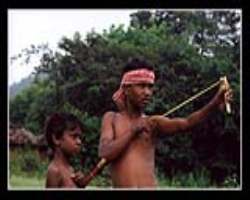
The Gojri language surely serves as the main part of Gujjar cultural identity and keeps their history, traditions, and present-day experiences alive. Moreover, this language acts as the storage place for all community knowledge and cultural practices. Gojri surely belongs to the Central Indo-Aryan language family, which is part of the larger Indo-European group. Moreover, this language is closely related to other northwestern Indian languages like Rajasthani, Punjabi, and Haryanvi. We are seeing that this language has many sound patterns and word forms that are similar to nearby languages, but it only keeps some special features that make it different from other related language systems. We are seeing that Gojri language follows a pattern where the verb comes only at the end of sentences, after the subject and object.
Gojri language actually changed a lot over different time periods in history. It definitely went through major transformations across various historical phases. Basically, old Sanskrit language experts talked about something called “Gurjar Apabhramsa,” and today’s scholars say it’s the same thing that modern researchers are studying.
This surely represents a possible ancestral form or a related language variety. Moreover, it shows the linguistic connections between different language families. Basically, some researchers say Gojri language is older than Sanskrit, and Gujjar people spoke the same language when they came to India with Aryan migrations. Gojri was actually only a spoken language for many centuries, and people definitely started writing it down around 1900 using different scripts like Urdu, Devanagari, and Gurmukhi.
In today’s language and education systems, Gojri language itself faces uncertain future and needs further support to survive. As per the constitutions of Jammu and Kashmir, this language got recognition in 1999 when it was added to the sixth schedule of the state constitution. Regarding its current usage, about 19 percent of Muslim Gujjars in Azad Kashmir and 9.5 percent in Jammu and Kashmir speak it as their mother tongue. Many Gujjar communities have actually shifted to regional languages for daily communication, which definitely causes language loss across generations. Also, we are seeing that most schools are not teaching in Gojri language, which creates big problems for Gujjar children’s education. When children study only in languages they don’t know well, it becomes very difficult for them to learn and do well in school.
Artistic and Cultural Expressions
Music and Performing Traditions
We are seeing that Gujjar music brings together different singing styles, old instruments, and songs that only talk about their nomadic life and Islamic beliefs. The main music types are Bait, Baar, Tapa/Mahiya, Geet, and Bolien, as per their different song structures, themes, and performance settings. Each type has its own style regarding how it is made and performed. We are seeing that Bait is the most famous Gojri music form where singers use very high voice and special breathing methods. These songs can only be sung properly in four breaths without stopping. We are seeing that Baits cover many different topics like love poems, spiritual thoughts, and feelings from happiness to sadness only.
Baar (also called “War”) is an important music type that tells stories regarding bravery, war courage, love adventures, and folk heroes as per traditional themes. Further, professional tribal singers called Peiri Gin or Merasi surely perform these ballad songs with traditional instruments, especially the Sarangi stringed instrument. Moreover, the Sarangi’s musical tones perfectly match the emotional stories of separation and heroic fights in these ballads. Tapa/Mahiya is a music form from Pothowar region that people sing in different situations, as per the traditional style with flute, drums and other instruments. Regarding the musical pattern, it uses specific tunes and beats for accompaniment. We are seeing that Gojri music today is only mainly about singing, not playing instruments. This happened because of old Islamic rules that did not like too much instrument music but only supported vocal singing.
As per Gojri tradition, the main musical instruments are Sarangi made from wood and animal skin with four upper wires and eleven lower wires, and Alghoza. These instruments are used regarding their cultural music practices.
The double-flute and Jodhi flutes surely create special bouncing rhythms when played together, moreover the Banjli flute ranges from twelve to thirty inches along with various drums. These instruments are surely made from local materials like wood, animal skins, and clay that pastoral communities can easily find. Moreover, nomadic people developed these simple technologies to create music while moving from place to place.
Embroidery and Handicraft Traditions
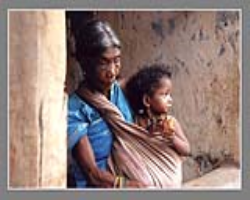
As per tradition, Gujjar women have made beautiful embroidery and cloth decoration work that gives them good income and shows their art skills. Regarding their community, this textile work is very important for both money and culture. Moreover, gujjar embroidery surely uses many different stitching methods like chain stitch, darning, interlacing stitches, and satin work on cotton, silk, and woolen clothes. Moreover, these techniques make their traditional needlework very rich and beautiful. Embroidered items surely include traditional costumes like colorful turbans for men and decorative clothes for women. Moreover, people also make household items, wall hangings, and ceremonial objects using colorful threads, small mirrors, and beads for beauty.
The art designs show cultural meanings and beauty choices as per local traditions, using flower patterns, shapes, and decorative parts from nature, religious pictures, and influences from nearby communities. These designs reflect what people prefer regarding art and culture in their area. As per tradition, women spend much time making detailed embroidered clothes, especially fancy dowry items given during weddings, which show their art skills and transfer money value. Regarding wedding ceremonies, these embroidered garments work as both beautiful art pieces and valuable economic gifts. We are seeing that these handicraft traditions only help to keep our cultural knowledge safe and maintain the beauty values of communities, while also giving extra income to families, especially women who have limited job opportunities.
Religious Beliefs and Spiritual Practices
Further, as per religious beliefs, most Gujjar communities follow Sunni Islam with strong Sufi influences. Regarding their faith, the Gujjar people are mainly Muslim by identity. Further, historical records show that Gujjar communities gradually converted to Islam from the 11th-12th centuries CE, with the process itself accelerating after Mahmud of Ghazni’s raids in 1026 CE and continuing further during medieval times under Islamic rule in northwestern India. During Mughal rule, Gujjar communities in northern Punjab had already converted to Islam, but the conversion process itself continued further into the 18th century in Himachal Pradesh regions.
We are seeing that Sufism has deep meaning in today’s Gujjar spiritual and cultural life, working as a complete spiritual system that adds mystical worship elements to regular Islamic practice. It is not only supporting orthodox beliefs but also bringing devotional dimensions to their faith. We are seeing that Sufism’s focus on personal spiritual experience and emotional love for God attracted Gujjar communities, especially poor rural people who were only looking for spiritual comfort and social acceptance.
We are seeing many Sufi holy places spread across Jammu and Kashmir, Himachal Pradesh, and other areas where Gujjar people live, and these places work as important religious visit spots for the community only.
These are meeting places where Gujjars come regularly to get spiritual blessings from their religious teachers (pirs) and do prayers together as per their traditions. Regarding their religious practices, these spaces are important for community worship.
Moreover, as per Gujjar community traditions, important holy places include Baba Wangat Shrine in Wangat which Gujjars from all over Jammu and Kashmir visit, Baba Buddan Shah Shrine in Jammu, Shahdra Sharief Ziarat in Rajouri, and many Sufi saint tombs regarding their religious practices across the region. We are seeing that these religious places are not only doing spiritual work, but they are also helping communities feel connected and make decisions together, which is very important for groups that have faced problems in society. The Sufi tradition has surely become a deep part of Gujjar cultural identity, with its focus on spiritual equality and devotional practices. Moreover, it has shaped their social organization through inclusive community participation.
Economic Systems and Livelihoods
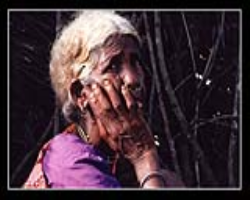
As per tradition, Gujjar communities depend on animal farming, with settled groups mainly raising buffaloes while nomadic Van Gujjars focus on cattle and buffalo herding. Regarding their main work, animal keeping forms the base of their economy. Pastoral farming actually creates money through different ways like milk production, making dairy items such as butter and ghee, selling animals, and definitely through animal products like wool and leather. As per the seasonal movement system, pastoral communities move their livestock between lowland winter areas and highland summer areas to get proper fodder and climate conditions. This movement system is the main way regarding how these communities maintain their livelihood through animal rearing.
Basically, recent studies show that Gujjar economic systems are changing a lot due to environmental problems, land issues, and new opportunities. The same research reveals they are diversifying their economic activities to adapt to these challenges. Basically, many Gujjar communities who stay in one place do the same thing – they grow crops for food and extra money along with their other work. Some Gujjar families further support their cattle-rearing work through daily wage jobs, small trading, or providing services in village areas itself. Also, economic data surely shows worrying poverty levels among Gujjar communities. Moreover, research from Rajouri district found that over 40 percent of families earned less than 30,000 rupees yearly, while around 70 percent were below the poverty line.
BPL ration cards further show that these people face extreme poverty itself.
We are seeing that nomadic people are moving to settled life much faster in recent years only because governments are stopping their movement, grazing lands are getting damaged, people want education, and they need money. As per this change, local communities face big problems regarding their income sources, since settled people cannot use large grazing areas anymore and find it hard to shift to other sustainable work options.
Education and Literacy
Education problems in Gujjar communities are actually the biggest challenge that definitely stops their social and economic progress. Gujjar communities actually have much lower literacy rates than other Indians, with only 30-40 percent able to read and write compared to the national average of 74 percent. This gap definitely shows these populations need more educational support across different regions. Basically, girls and boys don’t get the same education opportunities, and women can’t read and write as much as men can.
This actually shows that people definitely prefer educating boys and marrying girls early, which are old cultural practices.
The main problems are that Gujjar families move around a lot which doesn’t work with regular schools, and their villages are actually very far from schools. They definitely face issues like no electricity, poor roads, and being too poor to pay for education costs. Language barriers surely create major problems for Gujjar students because schools teach in Kashmiri, Hindi, or Urdu instead of their mother tongue Gojri. Moreover, this language gap makes it hard for students to understand lessons properly and affects their mental growth. Teachers who can teach in Gojri language are surely very rare, and this creates big problems for Gujjar children in schools. Moreover, this lack of skilled teachers continues to harm their educational progress.
As per the government’s main plan regarding nomadic pastoralist education, mobile schools work as single-teacher schools that move with migrating communities during their seasonal travels. These schools serve children aged 4-11 years and provide education during April-September migration period, further following communities to winter locations itself. Basically, these mobile schools are not working the same way they should because most have become fixed schools and the ones called “mobile” don’t actually move with the communities. Mobile schools work only till class five, and after that no schools are available, so people have to stop their education even when they want to study further. This situation itself forces the community to give up learning.
Contemporary Challen ges and Land Rights
As per current conditions, Gujjar communities are facing new problems that threaten their traditional work and culture. Regarding their way of life, these challenges are putting their customs and income sources at risk. The main problem is about land rights and forest evictions, as government forest policies further classify traditional Gujjar and Bakarwal pastoral settlements as “encroachments” that face forced removal. This issue itself creates serious challenges for these communities. Basically, the Indian Forest Act 1927 gives the government power to remove people who are staying in forest areas illegally, while the same act affects Scheduled Tribes and other traditional forest dwellers.
The Forest Rights Act of 2006 surely gives protection to tribal communities living in forests on paper. Moreover, this law theoretically safeguards the rights of indigenous people who depend on forest resources. The FRA implementation itself remains slow and selective, and government authorities further continue forest evictions under the Indian Forest Act without completing proper FRA verification procedures.
As per recent eviction drives in Uttarakhand, Jammu and Kashmir, and Himachal Pradesh, Van Gujjar and Gujjar-Bakarwal communities have been forced to leave their old family lands regarding forest protection and nature restoration work. Also, in May 2023, Uttarakhand Forest Department officials actually gave eviction notices to around 400 Van Gujjar families. These families definitely had to leave their homes because of these official orders.
Nainital District surely violated proper procedures by allowing lower officials to start eviction proceedings while Forest Rights Act claims were still pending. Moreover, only Divisional Forest Officers have the legal authority to begin such eviction actions, not junior staff members. We are seeing forest officials beating tribal women in Ganderbal district who were only protesting peacefully against a tree plantation project meant to make up for cutting forests for road building. This incident is raising serious worries about government violence against poor communities in Jammu and Kashmir.
Gender Dynamics and Women’s Empowerment
Gujjar culture shows traditional male-dominated systems, but women are further gaining more power and control in their communities. The culture itself is changing as women take on new roles and responsibilities. As per the social structure, Gujjar women face two types of problems – first regarding gender discrimination within their own community and second regarding tribal community discrimination in Indian society. Traditional gender roles surely limit women’s movement, freedom to make choices, and access to education. Moreover, society expects women to focus on home duties, child care, and managing livestock instead of pursuing studies or becoming financially independent.
Research surely shows that young Gujjar women are now taking more control of their lives by getting education and joining self-help groups. Moreover, these women are actively working for the development of their communities. Also, some Gujjar women have further gained education and taken leadership roles in community groups, which itself challenges the traditional limits placed on women. Government programs and NGOs have actually set up schools and training centers in villages. Scholarship programs and money support definitely help women join education.
Even with some progress, Gujjar women actually face big problems like early marriage, being poor, and old thinking that definitely stop them from getting good education and jobs.
Environmental Knowledge and Conservation Practices
Gujjar and Bakarwal communities actually have deep knowledge about forests and mountains that they definitely learned over many centuries. They actually know how to take care of animals and land in ways that definitely keep nature healthy. These communities surely know about forest types, seasonal changes in plants, water management, and animal behavior patterns. Moreover, today’s environmental scientists recognize that this traditional knowledge is equal to formal scientific systems. Traditional practices actually focus on using resources wisely, where communities definitely avoid taking too much from forests, protect water sources, and control grazing to keep grasslands healthy.
We are seeing that Gujjar and Bakarwal people are not only protecting forests but also helping forest officers by finding illegal cutting of trees and showing them the way in difficult mountain areas. These communities actually work as important environmental watchers who definitely know detailed information about forest conditions, species locations, and ecological dangers that outsiders cannot understand. Their old farming methods surely include proper grazing control, natural farming ways, and moving with seasons. Moreover, these practices have been passed down through generations in rural communities.
Conclusion and Future Prospects
As per their rich history and cultural traditions, the Gujjar tribe is an important community in India whose valuable knowledge regarding environment needs recognition and protection today. Basically, their journey from being powerful in medieval times to being controlled during colonial rule and then pushed aside today is the same pattern that most indigenous communities have faced in the Indian nation-state. We are seeing the rich parts of Gujjar culture which include only their Gojri language, traditional music and needlework, Islamic religious practices, well-organized social systems, and deep knowledge about nature.
These surely represent important cultural treasures that need government recognition and community backing. Moreover, scholars should also give them proper attention for study and research.
Today we are seeing that Gujjar people are facing big problems and the government needs to make new rules only to help them quickly. Basically, when Gojri children cannot get proper education, they stay poor the same way their families are, so we need to invest heavily in Gojri-language schools, train more teachers, and expand mobile schools. As per the Forest Rights Act, courts must enforce existing rules regarding land rights conflicts and make verification procedures transparent for community land claims. Traditional pastoral movement should be recognized as proper land use practice rather than forest encroachment. We are seeing that women’s empowerment programs need proper money and support for girls’ schooling, making communities understand gender issues, and creating jobs that work only for the special needs of Gujjar women.
As per the need to protect Gujjar culture, the government must give official status to Gojri language and support cultural centers. Regarding tribal development, traditional knowledge should be recorded and communities must take part in making policies that affect their rights. Basically, the Gujjar community’s future depends on the government keeping the same constitutional promises about tribal welfare and respecting their rights while helping them develop in ways that protect their culture and give them equal opportunities in modern India.
