

The Lakher Tribe, also known as the Mara people, represents one of Northeast India’s fascinating indigenous communities with a rich cultural heritage spanning centuries. This guide is perfect for students, researchers, cultural enthusiasts, and anyone curious about tribal communities in the Indian subcontinent.
The Lakher people have maintained their unique identity despite modern challenges, preserving traditions that offer valuable insights into indigenous ways of life. Their story reveals how small communities adapt while holding onto their cultural roots.
We’ll explore the origins and historical background of the Lakher people, tracing their ancestral journey and early settlements. You’ll also discover their traditional social structure and community organization, learning how they’ve organized their society for generations. Finally, we’ll examine their cultural practices and belief systems, uncovering the rituals, customs, and spiritual traditions that continue to shape their daily lives today.
Origins and Historical Background of the Lakher People
Ancient migration patterns and settlement in the Chittagong Hill Tracts
The Lakher people trace their ancestral journey to the broader waves of Tibeto-Burman migration that swept through Southeast Asia centuries ago. Archaeological evidence and linguistic analysis suggest that the Lakher Tribe originally moved southward from the Tibetan plateau, following river valleys and mountain passes that led them into what is now the Chittagong Hill Tracts region.
Their settlement patterns reveal a deliberate choice of highland territories, particularly in areas that offered both defensive advantages and fertile valleys for cultivation. The Lakher established their communities primarily in the mountainous regions between present-day Bangladesh and Myanmar, creating a network of villages that maintained cultural continuity while adapting to local geographic conditions.
The migration wasn’t a single event but rather a gradual process spanning several generations. Different clans arrived at different times, each bringing unique traditions that eventually merged to form the distinctive Lakher cultural identity. These early settlers demonstrated remarkable adaptability, learning to navigate the complex terrain of the hill tracts while maintaining their traditional agricultural practices.
Tribal genealogy and connection to other Mizo communities
The Lakher Tribe shares deep genealogical roots with other Mizo communities, forming part of the larger Chin-Kuki-Mizo family tree. Linguistic studies reveal that Lakher dialects belong to the Kuki-Chin branch of Tibeto-Burman languages, showing clear connections to neighboring tribes like the Chakma, Marma, and various Chin groups.
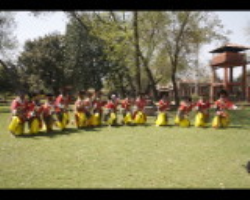
Traditional clan structures within Lakher society reflect these broader connections. Major clans include:
- Sailo clan – Connected to Mizo royal lineages
- Hmar clan – Sharing ancestry with Hmar communities
- Lushai clan – Linked to Lushai tribal groups
- Ralte clan – Associated with merchant and trader families
Marriage alliances and trade relationships historically strengthened these intertribal connections. The Lakher maintained a complex web of relationships that allowed for cultural exchange while preserving their distinct identity. Clan elders still recite genealogies that trace lineages back twelve to fifteen generations, connecting individual families to specific migration routes and settlement areas.
Colonial encounters and British administrative records
British colonial administrators first documented the Lakher Tribe in the late 19th century during survey expeditions in the Chittagong Hill Tracts. These early records, while often biased by colonial perspectives, provide valuable insights into traditional Lakher society before significant external influence.
The 1872 and 1881 British census reports mention Lakher settlements, though population counts were often incomplete due to the tribe’s remote locations. Colonial officials noted the Lakher’s sophisticated agricultural terracing systems and their reputation as skilled craftspeople, particularly in bamboo work and traditional weaving.
British administrative policies significantly impacted Lakher communities. The introduction of the Circle Chief system attempted to formalize traditional leadership structures, sometimes creating conflicts between appointed officials and hereditary leaders. Land revenue systems imposed by colonial authorities disrupted traditional land-use patterns, forcing many Lakher families to adapt their agricultural practices.
Military recruitment during both World Wars saw many Lakher men serving in British Indian forces, exposing them to wider world influences while creating economic opportunities for their families back home.
Traditional oral histories and cultural legends
Lakher oral traditions preserve rich narratives about their origins, migration journeys, and cultural heroes. These stories, passed down through generations during evening gatherings and festivals, serve as both entertainment and historical records .
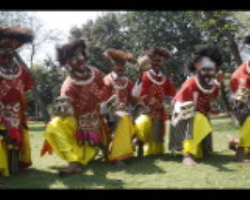
The creation myth tells of seven brothers who descended from the sky to establish the first Lakher settlements. Each brother founded a different clan, explaining the tribal subdivision system that continues today. The youngest brother, according to legend, possessed magical abilities and established the shamanic traditions still practiced in some communities.
Migration stories often feature a great flood that forced the ancestors to move from their original homeland. These narratives describe a journey across seven rivers and through nine mountain passes, with specific landmarks that elderly Lakher can still identify in the contemporary landscape.
Heroes and cultural figures appear prominently in Lakher folklore. Tales of brave warriors who defended villages against raids, wise women who mediated disputes, and skilled hunters who provided for their communities during difficult times continue to influence cultural values and social expectations.
The oral tradition also includes detailed agricultural calendars, medicinal plant knowledge, and weather prediction methods, demonstrating how storytelling served practical purposes beyond entertainment. These narratives encoded essential survival information in memorable formats that could be accurately transmitted across generations.
Geographic Distribution and Traditional Homeland
Primary settlements in Bangladesh and Myanmar border regions
The Lakher Tribe calls the remote hills along the Bangladesh-Myanmar border their home, creating a unique cross-border community that spans both nations. Most Lakher settlements cluster in the Bandarban district of Bangladesh’s Chittagong Hill Tracts, particularly around areas like Thanchi and Rowangchhari upazilas. These villages sit nestled in valleys between steep hills, often positioned strategically near water sources and fertile patches of land.
Across the border in Myanmar, Lakher communities establish themselves in Chin State’s southern regions. The tribal boundaries don’t recognize political borders – families and clans maintain connections across both sides, creating a cultural bridge that predates modern national boundaries. Villages typically house between 20 to 100 families, with larger settlements serving as centers for trade and social gatherings.

Village organization and territorial boundaries
Each Lakher village operates under a well-defined social structure with clear territorial boundaries marked by natural features like ridges, streams, and specific trees. The village headman, known locally as the chief, oversees land distribution and settles disputes between families. Traditional boundaries extend beyond the immediate settlement to include jhum cultivation areas, hunting grounds, and sacred forests.
Village territories often encompass multiple micro-environments – from valley bottoms suitable for wet rice cultivation to steep slopes designated for shifting agriculture. Community members respect these boundaries, which pass down through generations via oral tradition and collective memory. When new families join a village, the existing community formally recognizes their land rights through traditional ceremonies.
Environmental adaptation to hilly terrain
Living in steep, mountainous terrain shapes every aspect of Lakher daily life. Houses built on stilts adapt perfectly to sloped ground while preventing flooding during monsoon seasons. Traditional bamboo and wood construction techniques allow buildings to flex with strong winds and minor earth movements common in hilly areas.
The Lakher people developed sophisticated terracing systems for cultivation on steep slopes, preventing soil erosion while maximizing agricultural space. They construct intricate bamboo water channels that direct rainwater and spring water to terraced fields below. Their deep knowledge of local flora includes identifying plants that stabilize soil and provide food, medicine, and materials for daily use.

Footpaths connecting villages wind strategically along ridgelines and valleys, avoiding dangerous slopes while providing the shortest routes between communities. These ancient trails reflect generations of accumulated knowledge about safe travel through challenging terrain.
Seasonal migration patterns for agriculture
The Lakher agricultural calendar revolves around seasonal movements between different elevation zones and cultivation areas. During dry months, families move to higher elevations where they prepare new jhum fields through controlled burning and clearing. This seasonal migration allows soil in lower areas to rest and regenerate.
Wet season brings families back to valley settlements where they tend to established rice paddies and maintain permanent crops like fruit trees and vegetables. Some families maintain temporary shelters in distant cultivation areas, spending weeks away from main villages during critical planting and harvesting periods.
These migration patterns also align with hunting seasons and forest product collection. Groups venture into deeper forest areas during specific months when certain animals are abundant or when valuable plants reach maturity. The timing of these movements gets passed down through generations, creating a sophisticated calendar that balances agricultural needs with environmental sustainability.
Social Structure and Community Organization
Clan System and Kinship Networks
The Lakher Tribe operates within a sophisticated clan-based social framework that shapes virtually every aspect of community life. Each clan, known as upa, serves as the primary social unit, with members tracing their lineage through patrilineal descent. These clans are exogamous, meaning marriage within the same clan is strictly prohibited, which encourages genetic diversity and strengthens inter-clan bonds.
Kinship networks extend far beyond immediate family, creating intricate webs of relationships that provide social security and mutual support. The Lakher recognize several categories of relatives, each carrying specific obligations and privileges. Cousins from the mother’s side often play special roles in ceremonies and decision-making processes, while paternal relatives hold authority in matters of inheritance and clan identity.
The clan system also determines social status and access to resources. Each clan has its own sacred sites, traditional stories, and ceremonial responsibilities. Members proudly wear clan symbols during festivals and important gatherings, reinforcing their collective identity and ancestral connections.

Traditional Leadership Roles and Village Councils
Village governance among the Lakher follows time-honored patterns of leadership that blend democratic principles with traditional authority. The village chief, called Upa, typically comes from the founding clan of the settlement and serves as the primary decision-maker for community affairs.
The village council consists of clan elders, respected warriors, and accomplished hunters who meet regularly to discuss important matters. These councils operate through consensus-building rather than majority rule, ensuring that all voices are heard before reaching decisions. The elders’ wisdom carries significant weight, particularly in settling disputes and interpreting customary laws.
Specialized leadership roles include the Bawi (priest-mediator), who handles religious ceremonies and communication with spirits, and the Tlangval (war leader), who organizes defense and hunting expeditions. Women leaders, though less formally recognized, wield considerable influence in domestic affairs and agricultural activities.
Age-Grade Societies and Gender-Based Responsibilities
The Lakher organize their society through age-grade systems that clearly define roles and expectations at different life stages. Young men pass through distinct phases: childhood helpers, adolescent learners, warrior-hunters, married householders, and finally village elders. Each stage comes with specific duties, privileges, and ceremonial recognition.
Young Lakher men join age-grade societies around puberty, where they learn essential skills like hunting, warfare, and traditional crafts. These groups foster lifelong friendships and create support networks that extend into adulthood. Women have parallel age-grade systems focusing on agricultural knowledge, textile production, and child-rearing practices.
Gender roles are clearly defined but complementary. Men handle hunting, warfare, and heavy construction work, while women manage agriculture, food preparation, and textile production. Both genders participate in religious ceremonies, though certain rituals remain gender-specific. The division of labor ensures community survival while maintaining cultural traditions.
Inter-Tribal Relationships and Alliances
The Lakher maintain complex relationships with neighboring tribes through marriage alliances, trade partnerships, and mutual defense agreements. These connections serve both practical and cultural purposes, providing access to resources not available in their immediate territory while facilitating cultural exchange.
Traditional alliance systems involve formal agreements between villages or clans from different tribes. These pacts often include provisions for safe passage, trade privileges, and mutual assistance during conflicts. Marriage exchanges between tribes strengthen these bonds, creating kinship networks that cross tribal boundaries.
Trade relationships with other tribes allow the Lakher access to materials like salt, metals, and specialized crafts. These economic ties often evolve into deeper cultural connections, with communities sharing festivals, adopting new techniques, and sometimes forming military alliances against common threats.
Conflict resolution between tribes follows established protocols involving elder mediation and compensation payments. The Lakher prefer diplomatic solutions over warfare, recognizing that maintaining peaceful relationships serves everyone’s long-term interests. These traditions continue to influence how the tribe navigates modern inter-community relations.
Cultural Practices and Belief Systems
Animistic Traditions and Spiritual Rituals
The Lakher Tribe maintains deep-rooted animistic beliefs that shape every aspect of their spiritual worldview. They believe spirits inhabit natural elements like trees, rocks, rivers, and mountains, creating a sacred landscape where the physical and spiritual worlds intertwine. Village shamans, known as “Thiampui,” serve as intermediaries between the human and spirit realms, conducting healing rituals and divination ceremonies using traditional herbs, chants, and sacred objects.
Spirit appeasement rituals occur regularly, especially before hunting expeditions, agricultural activities, or when someone falls ill. The Lakher people offer rice wine, chicken, and other food items to ancestral spirits and nature deities. They believe these spirits can bring prosperity or misfortune, making proper ritual observance essential for community wellbeing.
Seasonal Festivals and Ceremonial Celebrations
The Lakher calendar revolves around agricultural cycles and spiritual observances that strengthen community bonds. Chapchar Kut, their most significant festival, celebrates the end of jhum cultivation season with three days of dancing, feasting, and storytelling. During this time, entire villages gather to share traditional delicacies and perform ancient dances that have been passed down through generations.
Mim Kut marks the harvest season, when families honor deceased relatives by preparing special meals and visiting ancestral burial sites. Pawl Kut celebrates the completion of harvest storage, featuring elaborate bamboo decorations and community competitions. These festivals serve as cultural preservation mechanisms, ensuring younger generations learn traditional practices while fostering social cohesion.
Traditional Music, Dance, and Oral Literature
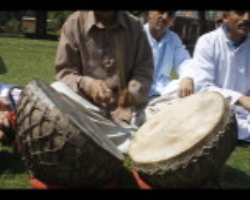
Music and dance form the heartbeat of Lakher cultural expression. Traditional instruments include bamboo flutes, drums made from animal hide, and gongs that accompany ceremonial performances. The Cheraw dance, performed during festivals, involves dancers stepping rhythmically between bamboo poles, demonstrating agility and cultural grace.
Their oral tradition preserves historical narratives, moral teachings, and creation myths through elaborate storytelling sessions. Elders recite epic tales during evening gatherings, ensuring cultural knowledge transfers to younger generations. These stories often feature heroic ancestors, supernatural encounters, and moral lessons that guide social behavior and ethical decision-making.
Sacred Sites and Religious Taboos
The Lakher landscape includes numerous sacred groves, hilltops, and water sources considered spiritually powerful. These sites remain protected through traditional conservation practices and religious taboos that restrict human activities. Certain forests are designated as spirit dwellings where hunting, logging, or loud noises are strictly prohibited.
Religious taboos govern daily life, including dietary restrictions during ceremonial periods, behavioral codes around sacred sites, and specific rituals for life transitions. Breaking these taboos is believed to bring misfortune to individuals and their families, making community enforcement crucial for maintaining spiritual harmony.
Marriage Customs and Family Traditions
Lakher marriage customs blend romantic choice with family approval, creating unions that strengthen clan relationships. Traditional courtship involves young men performing songs and demonstrating skills to potential partners during community gatherings. Families negotiate bride prices using livestock, traditional textiles, and agricultural products.
Wedding ceremonies span multiple days, featuring elaborate rituals that symbolize the union of two families. The bride’s family prepares traditional foods while the groom’s family provides ceremonial items and entertainment. Marriage establishes complex kinship networks that determine inheritance rights, social responsibilities, and community obligations for generations to come.
Economic Activities and Livelihood Strategies
Jhum cultivation and agricultural techniques
The Lakher Tribe has practiced jhum cultivation, also known as shifting cultivation, for generations as their primary agricultural method. This traditional farming system involves clearing small patches of forest land, burning the vegetation to create nutrient-rich ash, and cultivating crops for two to three years before allowing the land to regenerate naturally over 10-15 years.
Rice stands as the staple crop, grown alongside millet, maize, and various vegetables like pumpkins, beans, and chilies. The Lakher people have developed sophisticated techniques for selecting optimal sites based on soil quality, slope orientation, and forest composition. They carefully time their agricultural calendar with monsoon patterns and lunar cycles, demonstrating deep understanding of local ecological conditions.
Women typically handle seed selection and storage, while men focus on land preparation and forest clearing. The community employs crop rotation and intercropping methods that maintain soil fertility and reduce pest problems. Traditional tools include the dao (machete), wooden ploughs, and bamboo implements crafted locally.
Traditional crafts and handicraft production
Lakher artisans excel in bamboo and cane work, creating essential household items like baskets, mats, fish traps, and storage containers. The intricate weaving patterns passed down through generations serve both practical and aesthetic purposes, with each family often specializing in specific craft types.
Women demonstrate exceptional skill in textile production, weaving colorful traditional garments using backstrap looms. They create distinctive patterns that identify clan affiliations and social status within the community. The dyeing process uses natural materials from forest plants, producing vibrant reds, blues, and yellows that characterize Lakher textiles.
Blacksmithing represents another important craft, with skilled artisans forging agricultural tools, hunting implements, and ceremonial items. The knowledge of iron working techniques remains closely guarded within specific families, passed from father to son through apprenticeship.
Pottery making, though less common, provides cooking vessels and storage jars essential for daily life. The clay comes from specific riverbank locations, and the firing process requires careful temperature control using traditional kilns.
Forest-based resources and hunting practices
The dense forests surrounding Lakher villages provide abundant natural resources that form the backbone of their subsistence economy. The tribe maintains extensive knowledge of forest ecology, identifying hundreds of plant species for food, medicine, construction materials, and craft production.
Hunting remains a culturally significant activity, though its economic importance has diminished over time. Traditional hunting methods include the use of crossbows, spears, and elaborate trap systems designed for specific animals. Wild boar, deer, and various birds constitute the primary game animals, while fishing in streams and rivers supplements protein intake.
The Lakher people practice sustainable harvesting techniques, taking only what they need and allowing wildlife populations to regenerate. Certain forest areas remain off-limits during breeding seasons, demonstrating their commitment to conservation practices developed over centuries.
Non-timber forest products like honey, medicinal plants, wild fruits, and construction materials contribute significantly to household economies. Bamboo harvesting follows strict seasonal guidelines to ensure continued availability for future generations.
Modern economic adaptations and challenges
Contemporary economic pressures have forced many Lakher families to diversify their livelihood strategies beyond traditional practices. Government restrictions on jhum cultivation and forest access have created significant challenges, pushing communities toward settled agriculture and alternative income sources.
Education initiatives have opened new employment opportunities in government services, teaching, and healthcare, though these jobs often require migration to urban areas. Some young people work in neighboring states or countries, sending remittances back to support their families.
Small-scale enterprises like poultry farming, fish cultivation, and vegetable production have emerged as viable alternatives to traditional practices. Tourism development in the region offers potential income through cultural performances, handicraft sales, and homestay programs.
However, the transition brings challenges including loss of traditional knowledge, cultural erosion, and increased dependence on market economies. Limited access to credit, poor transportation infrastructure, and lack of technical training hinder successful economic adaptation efforts. The Lakher Tribe continues to balance preserving their cultural heritage while adapting to modern economic realities.
Contemporary Issues and Cultural Preservation
Population decline and community sustainability
The Lakher Tribe faces significant demographic challenges that threaten their long-term survival as a distinct cultural group. Census data shows a steady decline in population numbers over recent decades, with younger generations increasingly migrating to urban areas for better educational and economic opportunities. This exodus leaves behind aging communities where traditional knowledge holders struggle to find willing successors.
Several factors contribute to this population decline. Limited healthcare access in remote tribal areas results in higher mortality rates, while economic hardships push families to seek livelihoods elsewhere. The smaller community size also creates challenges in finding marriage partners within the tribe, leading some to marry outside their cultural group.
Community leaders have started implementing various strategies to address sustainability concerns. They organize annual gatherings to bring scattered families together, maintain connections with urban migrants, and create economic incentives for young people to return to their ancestral lands.
Educational challenges and language preservation
Educational access remains a major hurdle for the Lakher community. Remote locations mean children often travel long distances to reach schools, and many educational institutions lack teachers familiar with tribal culture and language. This disconnect creates barriers to learning and contributes to higher dropout rates.
The Lakher language faces particular threats as younger generations become more fluent in dominant regional languages like Hindi or Bengali. Without formal writing systems or standardized curricula, the language relies entirely on oral transmission. When elders pass away without adequately transferring their linguistic knowledge, entire vocabularies and cultural concepts disappear.
Recent initiatives include:
- Development of basic literacy materials in the Lakher language
- Training programs for bilingual teachers
- Documentation of oral traditions and folklore
- Creation of audio recordings featuring native speakers
- Integration of cultural content into school curricula
Government policies and tribal rights advocacy
The Lakher Tribe navigates complex relationships with various government levels, from local administrative units to national policy frameworks. Recognition as a scheduled tribe provides certain constitutional protections and benefits, but accessing these rights often proves challenging due to bureaucratic hurdles and geographic isolation.
Land rights represent a particularly contentious issue. Traditional territories overlap with forest conservation areas, leading to conflicts over hunting, gathering, and agricultural practices that have sustained the community for generations. Government forest policies sometimes restrict activities that the Lakher consider essential to their cultural identity.
Advocacy groups work to ensure the tribe’s voice reaches policy-making circles. They lobby for:
- Improved representation in local governance structures
- Recognition of traditional ecological knowledge in conservation planning
- Better implementation of tribal development schemes
- Protection of customary land tenure systems
- Inclusion in decision-making processes affecting their territories
Cultural documentation and heritage conservation efforts
Recognizing the urgency of preserving their cultural heritage, the Lakher community has embraced various documentation projects. These efforts aim to record traditional practices, stories, songs, and rituals before they fade from collective memory.
Academic researchers collaborate with tribal elders to create comprehensive ethnographic records. Video documentation captures ceremonial dances, traditional crafts, and healing practices, while audio recordings preserve the nuances of spoken language and oral literature.
Technology plays an increasingly important role in these conservation efforts. Digital archives make cultural materials accessible to community members living in distant locations, helping maintain connections to ancestral traditions. Social media platforms allow younger Lakher individuals to share cultural content and engage with their heritage in contemporary contexts.
Community-led museums and cultural centers serve as focal points for preservation activities. These spaces display traditional artifacts, host cultural events, and provide venues for intergenerational knowledge transfer. Local artisans receive support to continue producing traditional crafts, ensuring these skills survive into future generations.
International organizations also contribute through funding and technical expertise, helping establish sustainable frameworks for long-term cultural preservation.
The Lakher people represent a fascinating example of how indigenous communities maintain their identity while adapting to modern challenges. Their rich cultural heritage, from ancient origins to complex social structures, shows the depth of human diversity in Northeast India. The tribe’s traditional economic activities and spiritual beliefs have shaped their community for generations, creating a unique way of life that deserves recognition and respect.
Today, the Lakher tribe faces the same pressures many indigenous groups encounter worldwide – balancing modernization with cultural preservation. Supporting their efforts to maintain their language, customs, and traditional knowledge isn’t just about protecting one community. It’s about preserving the incredible variety of human experience and wisdom that makes our world richer. Learning about groups like the Lakher people reminds us that every culture has valuable lessons to offer about community, sustainability, and living in harmony with the natural world.
