
The number of migrant workers in India has gradually declined slightly after Covid-19. Ever wonder how those with barely any formal education managed to organize massive resistance movements against colonial powers? While we’re busy doom-scrolling, India’s freedom fighters were creating underground networks of political education despite British censorship.
Thank you for reading this post, don't forget to subscribe!These freedom fighters of India didn’t just pick up weapons; they picked up pens, pamphlets, and poetry to spread ideas of liberation. Their grassroots education efforts turned villages into hotbeds of resistance thinking.
But here’s what history books rarely tell you: the most dangerous person to colonial powers wasn’t the one with the gun – it was the one teaching others to read manifestos.
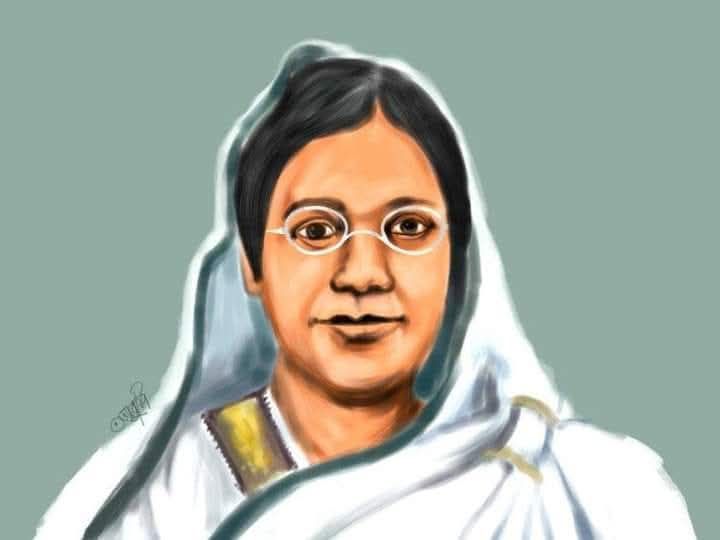
Begum Royeka
The Feminist Trailblazer
Ever heard of someone who fought patriarchy in the 1800s with nothing but a pen and fierce determination? That’s Begum Rokeya for you. Born in 1880 in present-day Bangladesh, she shattered every glass ceiling that existed for Muslim women at that time.
Literary Warrior
Rokeya’s writings weren’t just stories – they were revolutionary manifestos. Her sci-fi novella “Sultana’s Dream” (1905) imagined a world where gender roles were flipped, with men confined to domestic spaces while women ran society. Pretty bold for Victorian-era writing, right?
She didn’t stop there. Through her magazine “Motichur,” she tackled issues like:
- Women’s right to education
- The absurdity of purdah (female seclusion)
- Economic independence for women
Educational Pioneer
Words weren’t enough for Rokeya. She put her beliefs into action by founding:
- The Sakhawat Memorial Girls’ School (1911)
- The Muslim Women’s Association (1916)
Her schools taught practical skills alongside traditional subjects. She’d often go door-to-door convincing reluctant parents to send their daughters to school.
When critics claimed education would corrupt women, Rokeya fired back: “If men can maintain their faith despite education, why can’t women?”
Sarojini Naidu
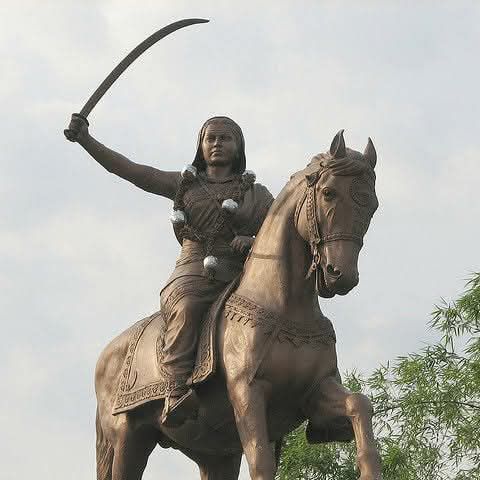
Kittur Rani Chennamma
The First Female Freedom Fighter Who Challenged the British
Ever heard of the queen who fought the British a good 40 years before the 1857 revolt? Kittur Rani Chennamma wasn’t just any ruler – she was a badass who refused to bow down when everyone else did.
Born in a small village in Karnataka in 1778, Chennamma wasn’t exactly born with a silver spoon. She learned archery, horse riding, and sword fighting from a young age – skills that would later make her a formidable opponent to the British.
When her husband died in 1816, Chennamma took over the reins of Kittur. She wasn’t just filling in – she was a ruler with vision who understood politics better than most men of her time.
The Battle That Defined Her Legacy
The real drama started in 1824. When her adopted son was denied the throne by the British under the Doctrine of Lapse (basically their excuse to grab kingdoms), Chennamma didn’t just write angry letters – she went to war.
With an army of just a few thousand, she defeated the British forces in the first round of battle and even captured British officers. Pretty impressive for someone the history books often forget to mention!
Though she eventually lost after a second attack (thanks to British treachery and not her lack of courage), her resistance became a symbol for future freedom fighters. She spent her final days as a prisoner but never gave up her dignity or pride.
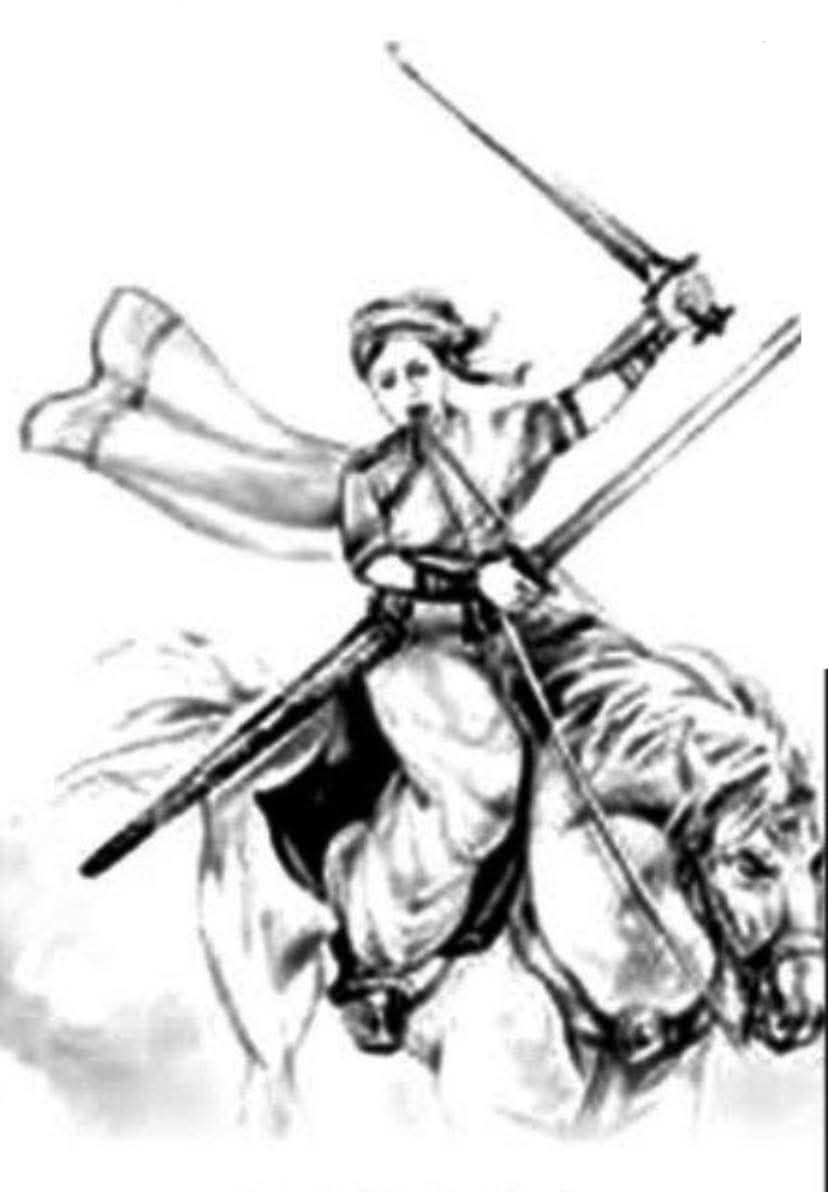
Jhalkari Bai
Jhalkari Bai was a woman we don’t talk about enough. Born into a poor Kori family in Jhansi in the 1830s, she grew up to become one of the most fearless warriors in India’s fight for freedom.
You know what’s wild? She looked almost identical to Rani Laxmibai of Jhansi. This uncanny resemblance would later play a crucial role in India’s rebellion against British rule.
The Warrior Who Fooled the British
As a child, Jhalkari showed remarkable courage. Stories tell of her confronting a tiger that threatened her village. After marrying Puran Kori, she joined the women’s wing of Rani Laxmibai’s army, quickly rising through ranks.
Her biggest moment came during the 1857 revolt. When British forces surrounded Jhansi fort, Jhalkari came up with a brilliant plan. She disguised herself as the Queen and rode out to face the British, giving the real Rani time to escape with her son.
Legacy of Literacy and Leadership
Despite her humble origins, Jhalkari was educated enough to understand military strategy and politics. She used her literacy not just for personal advancement but to serve her kingdom and people.
The British never realized they’d been tricked until it was too late. Jhalkari faced General Hugh Rose with the same dignity and fire as the queen herself would have shown.
Her story reminds us that freedom fighters came from all backgrounds. While the history books might give her just a footnote, her intelligence, bravery, and sacrifice were monumental in India’s struggle for independence.
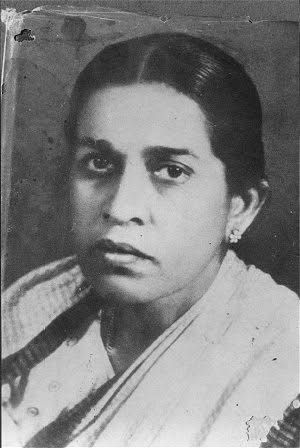
Umabai Kundapur
The Silent Warrior of Freedom
Umabai Kundapur wasn’t your typical revolutionary. While many freedom fighters made headlines with fiery speeches, she worked behind the scenes, building networks that became the backbone of India’s independence movement.
Born in 1892 in Karnataka’s Mangalore district, Umabai stepped into the freedom struggle after becoming a widow at just 25. Rather than retreating into the shadows as society expected, she channeled her grief into something powerful.
She didn’t just join the movement—she transformed it. When Gandhi put out the call for volunteers, Umabai delivered. She built a women’s wing of the Hindustani Seva Dal, recruiting thousands of women who’d never imagined themselves as freedom fighters.
Her Educational Legacy
What made Umabai special was her focus on literacy. She believed freedom meant nothing if people couldn’t read or write. While organizing protests, she simultaneously set up schools in remote villages. These weren’t just any schools—they were revolutionary spaces where girls sat alongside boys, learning not just reading and writing but also how to question authority.
Her Mahila Ashram in Wardha became a sanctuary where women learned everything from basic literacy to political organizing. Many of India’s first female politicians cut their teeth in Umabai’s classrooms.
The British authorities didn’t know what to make of her. She wasn’t giving inflammatory speeches they could arrest her for—she was simply teaching women to read. Yet this quiet revolution terrified them more than any protest.
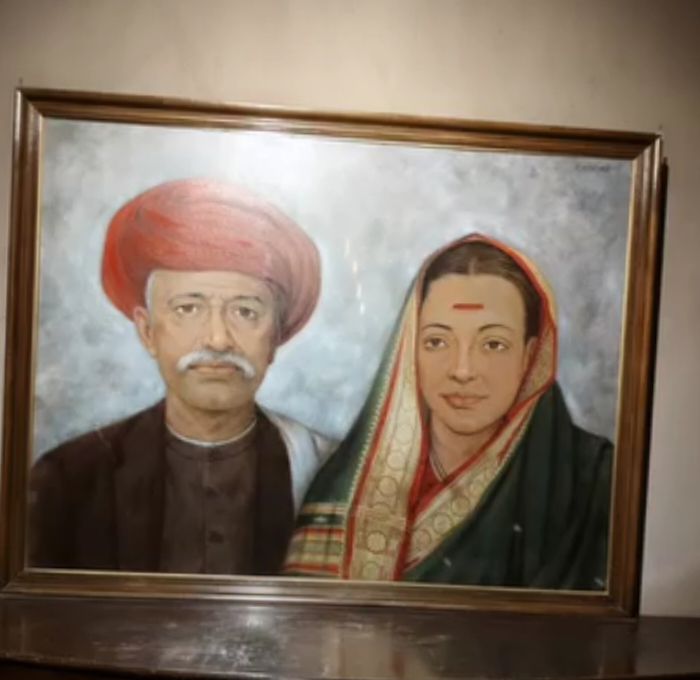
Savitri Bai Phule
When most people think of India’s freedom fighters, a few big names come to mind. But Savitri Bai Phule? She was fighting for freedom long before the independence movement even kicked into high gear.
Pioneer of Women’s Education
Born in 1831, Savitri Bai wasn’t just any freedom fighter. She was India’s first female teacher who dared to believe that girls deserved an education too. Can you imagine the courage it took? This was a time when educating women was considered so offensive that people would throw cow dung at her as she walked to school.
But she didn’t quit. She just carried an extra sari to change into.
Social Revolutionary
Savitri didn’t stop at education. She opened wells for “untouchables” when they weren’t allowed to drink from common water sources. She established a care center for pregnant rape victims and widows when society had abandoned them.
Her poetry? Absolutely revolutionary. In her collection “Kavya Phule,” she wrote:
“Go, get education
Be self-reliant, be industrious
Work, gather wisdom and riches”
Husband-Wife Liberation Team
Together with her husband Jyotirao Phule, Savitri established the Satyashodhak Samaj (Truth-Seekers Society) in 1873, fighting against caste discrimination and promoting rational thinking.
She died while caring for plague patients in 1897, but her legacy lives on in every Indian girl who walks freely to school today.
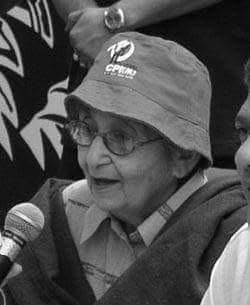
Capt Laxmi Sehgal
Capt. Lakshmi Sehgal wasn’t just any freedom fighter. She was a revolutionary who shattered glass ceilings while fighting for India’s independence.
Born in 1914 to a family of lawyers, Lakshmi Swaminathan (her maiden name) broke conventions right from the start. She became a doctor when most women weren’t even allowed basic education. But treating patients wasn’t enough for her fiery spirit.
The Commander of the Rani of Jhansi Regiment
When most women were confined to supportive roles, Lakshmi stepped up to lead. In 1943, she met Subhas Chandra Bose in Singapore, who was forming the Indian National Army (INA). Impressed by her conviction, Bose requested her to form a women’s regiment.
And boy, did she deliver!
The Rani of Jhansi Regiment became one of the first all-female combat units of its kind in Asia. Under her leadership, these women trained in combat, strategy, and medical support.
Beyond the Freedom Struggle
After independence, Lakshmi didn’t just fade into obscurity. She married Colonel Prem Kumar Sehgal, a fellow INA officer, and continued practicing medicine in Kanpur.
Her clinic became a sanctuary for the poor. She charged minimal fees and often treated patients for free. The revolution, for her, wasn’t just about political freedom—it was about human dignity.
In 2002, at 87, she ran for President of India. Though she lost to APJ Abdul Kalam, her candidacy symbolized her lifelong commitment to challenging the status quo.
She died at 97, still actively seeing patients until her final days. Captain Lakshmi wasn’t just literate—she was a visionary who used her education to light the path for generations of Indian women.
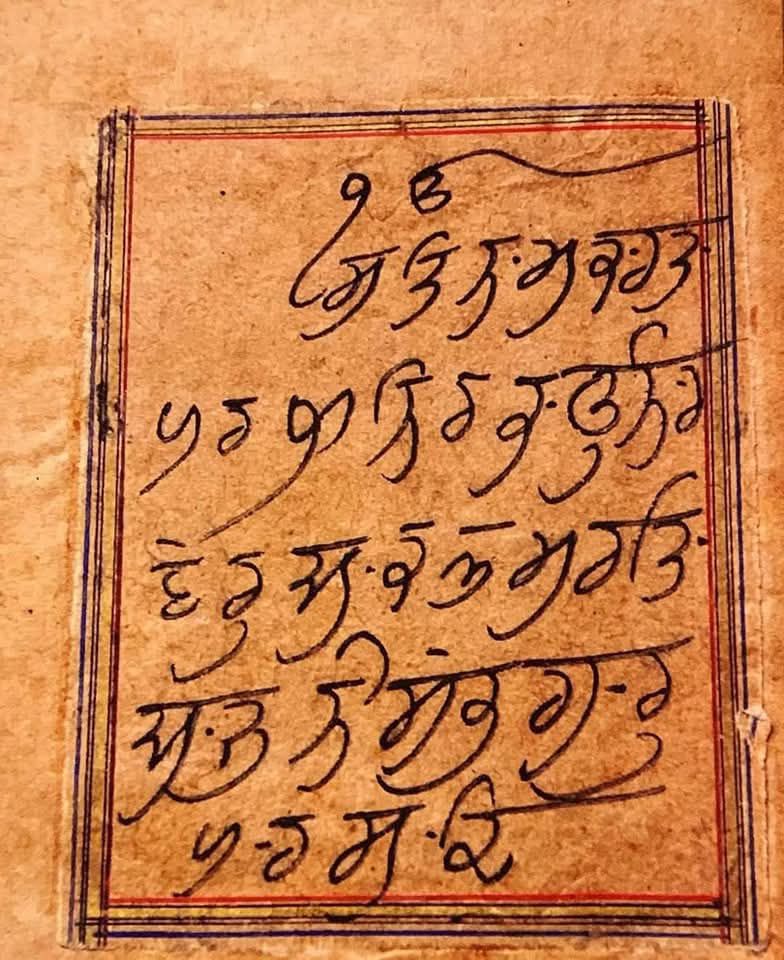
Moolmati
Ever heard of Moolmati? Probably not. But she was one of the unsung heroines of India’s freedom struggle who wielded words as her weapon.
Moolmati wasn’t born into privilege. As a woman in early 20th century India, education wasn’t exactly handed to her on a silver platter. But somehow, she got literate – and that changed everything.
She came from a family of freedom fighters in Uttar Pradesh. While her husband and sons were actively involved in the independence movement, Moolmati found her own way to contribute. She didn’t just support from the sidelines – she jumped right in.
What made her exceptional was how she used her hard-earned literacy. Moolmati wrote and distributed revolutionary pamphlets that spread awareness about British exploitation and called for swaraj (self-rule). In a time when most women couldn’t read or write, her ability to craft persuasive, patriotic literature was nothing short of revolutionary.
The British authorities didn’t take kindly to her activities. They raided her home multiple times, but Moolmati remained undeterred. She continued her writing campaign, often working under pseudonyms to avoid detection.
Her contribution shows how literacy became a powerful tool in the freedom struggle. Without firing a single shot, Moolmati’s words ignited minds and stirred hearts toward independence. Her story reminds us that revolution isn’t just about dramatic confrontations – sometimes it’s about the quiet power of putting pen to paper.
Uda Devi
The Fearless Warrior of 1857
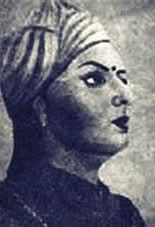
Uda Devi wasn’t just any freedom fighter. She was a fierce warrior who took up arms during the 1857 rebellion and showed extraordinary courage when most women were confined to domestic roles.
Born into a Dalit family in Awadh, Uda Devi refused to accept the limitations society placed on her. When the British East India Company’s oppression became unbearable, she approached Begum Hazrat Mahal, the wife of Nawab Wajid Ali Shah, and requested permission to form a women’s battalion.
Talk about breaking barriers! She didn’t just join the fight—she led it.
The Sniper of Sikandar Bagh
On November 16, 1857, during the battle at Sikandar Bagh in Lucknow, Uda Devi showed tactical brilliance that would impress any military strategist. She climbed a pipal tree, positioned herself perfectly, and took down numerous British soldiers with her expert marksmanship.
British officers were baffled by the precision of shots coming from above. When they finally located the source and shot her down, they were shocked to discover it was a woman warrior.
One British officer reportedly saluted her body in respect for her extraordinary valor.
Legacy That Lives On
Uda Devi’s story was nearly erased from mainstream history books, but her memory lived on through oral traditions in Dalit communities. Today, statues honor her courage, and an annual memorial event celebrates her sacrifice every November.
Her literacy may not be documented in historical records, but her strategic thinking and leadership absolutely required a sharp, educated mind.
Janaky Athi Nahappan
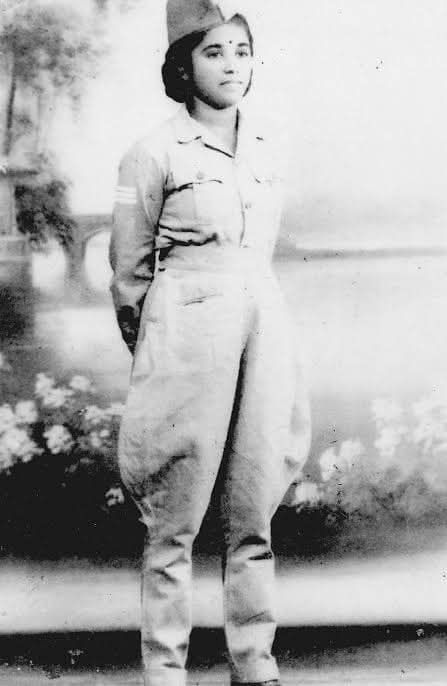
Janaky Athi Nahappan wasn’t just any freedom fighter. She was a firebrand who changed the course of Malaysian history after being deeply inspired by India’s independence movement.
Born in 1925 in Malaya, Janaky’s life took a dramatic turn when she attended one of Gandhi’s speeches in Singapore at just 16 years old. That moment lit a spark in her that never went out.
“I was so moved by his philosophy and approach,” she later recalled. “I immediately donated my gold earrings to his cause.”
But Janaky didn’t stop at donations. She joined the Indian National Army under Subhas Chandra Bose, becoming one of the few women in the Rani of Jhansi Regiment. Talk about courage!
After India’s independence, she turned her attention to Malaysia’s own freedom struggle. She helped found the Malaysian Indian Congress (MIC) in 1946 and worked tirelessly to unite the Indian community while pushing for Malaysian independence.
What made Janaky unique was her dual fight – against colonial rule and for women’s rights. She established the MIC’s women’s wing and mentored countless female activists.
Her education from Kinsey Memorial School gave her the tools to draft proposals, deliver speeches, and debate policy – skills that proved crucial when she became a senator in 1962.
Until her death in 2014, Janaky remained a towering figure in Malaysian politics. Her life shows how literacy and education empowered her to transform not just her life but an entire nation’s destiny.
Ammu Swaminathan
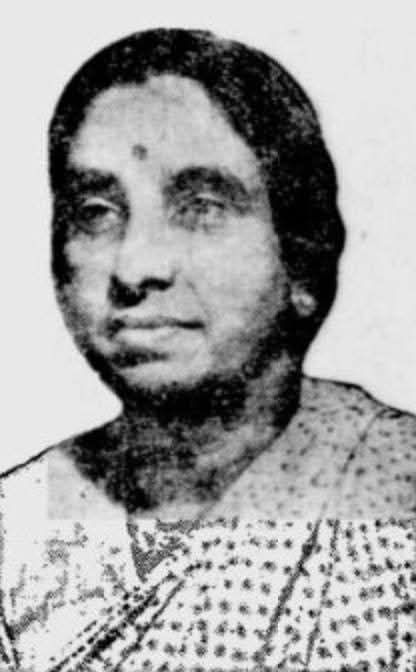
Ammu Swaminathan was a force of nature in India’s freedom struggle. Born in 1894 to a traditional family in Kerala, she defied societal norms from an early age. While many women of her time remained confined to domestic roles, Ammu pursued education and developed a sharp political consciousness.
Early Activism
The turning point in Ammu’s life came when she married P. Swaminathan, moving to Madras (now Chennai). Rather than settling into a conventional life, she threw herself into social reform movements. By the 1920s, she was actively participating in the independence movement, inspired by Gandhi’s call for women to join the struggle.
What made Ammu exceptional was her fearlessness. When most women hesitated to challenge authority, she openly confronted British officials. During the Civil Disobedience Movement, she was arrested multiple times – but prison only strengthened her resolve.
Literary Contributions
Despite limited formal education, Ammu was remarkably articulate. She wrote powerful pamphlets highlighting British exploitation and calling for women’s participation in the freedom struggle. Her writings were straightforward yet persuasive, reaching ordinary Indians who might otherwise have remained disconnected from national politics.
She also established educational institutions for girls, understanding that literacy was a pathway to empowerment. These schools became centers for nationalist thought, where young women were encouraged to question colonial rule.
After independence, Ammu continued her political journey as a member of the Constituent Assembly and later as a Member of Parliament. Her daughter, Captain Lakshmi Sahgal, followed in her footsteps as a revolutionary, showing how Ammu’s literacy and activism created a legacy that extended beyond her own remarkable life.
Matangini Hazra
The Fearless Grandmother of India’s Freedom Struggle
Ever heard of a 80-year-old grandmother who faced British bullets with nothing but a flag in her hands? That’s Matangini Hazra for you – a woman who didn’t let age, poverty, or illiteracy stop her from becoming a revolutionary.
Born in 1869 to a poor family in Bengal, Matangini couldn’t read or write, but she understood oppression perfectly well. Widowed at an early age with no children, she could have lived a quiet life. Instead, she jumped headfirst into the independence movement when she was already in her 50’s.
What made her extraordinary? She didn’t just participate – she led from the front. During the Salt Satyagraha, while others her age were resting at home, she was getting arrested for making salt.
Her most defining moment came during the Quit India Movement in 1942. Picture this : a 80-year-old woman leading thousands of protesters toward the Tamluk police station. British officers ordered her to stop. She refused. They shot her. She fell, but clutched the national flag tighter, shouting “Vande Mataram” until her last breath.
The British thought they’d killed a troublemaker. They didn’t realize they’d created a legend – “Gandhi Buri” (Old Lady Gandhi), as locals called her.
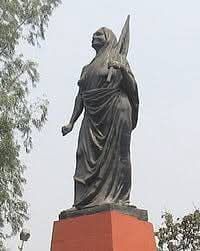
Today, statues of Matangini stand tall in Kolkata and Tamluk. She proved that revolution has no age limit, and courage needs no formal education.
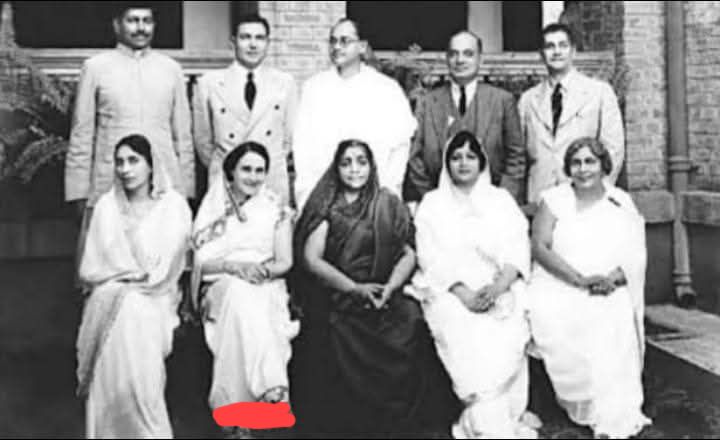
Nellie Sengupta
Nellie Sengupta stood out as a remarkable freedom fighter who wielded her literacy and intellect against British colonial rule. Born in England as Edith Ellen Gray in 1886, she defied convention by marrying Indian nationalist leader Jatindra Mohan Sengupta and making India her home.
Her Journey to Indian Nationalism
What makes the Nellie’s story so compelling? She wasn’t born into the struggle—she chose it. After moving to India in 1909, she immersed herself in the country’s culture and politics. Her husband’s deep involvement in the independence movement became her cause too.
When her husband was imprisoned for his political activities, Nellie didn’t sit quietly at home. She stepped up and took his place in the political arena. Talk about commitment to the cause!
Literary and Political Contributions
Nellie’s command of language became her weapon. She edited revolutionary publications and wrote powerful articles that inspired thousands to join the freedom movement. Her writings exposed British atrocities and advocated for complete independence when many still hesitated to demand such a bold step.
Legacy Beyond Independence
After independence, Nellie continued her public service as a member of the West Bengal Legislative Assembly. She dedicated her later years to social welfare projects, focusing particularly on women’s education and refugees displaced during Partition.
Nellie died in 1973, leaving behind a legacy that proves the power of conviction. She remains one of the most striking examples of how literacy, combined with unwavering dedication, could transcend boundaries of nationality and gender in India’s freedom struggle.
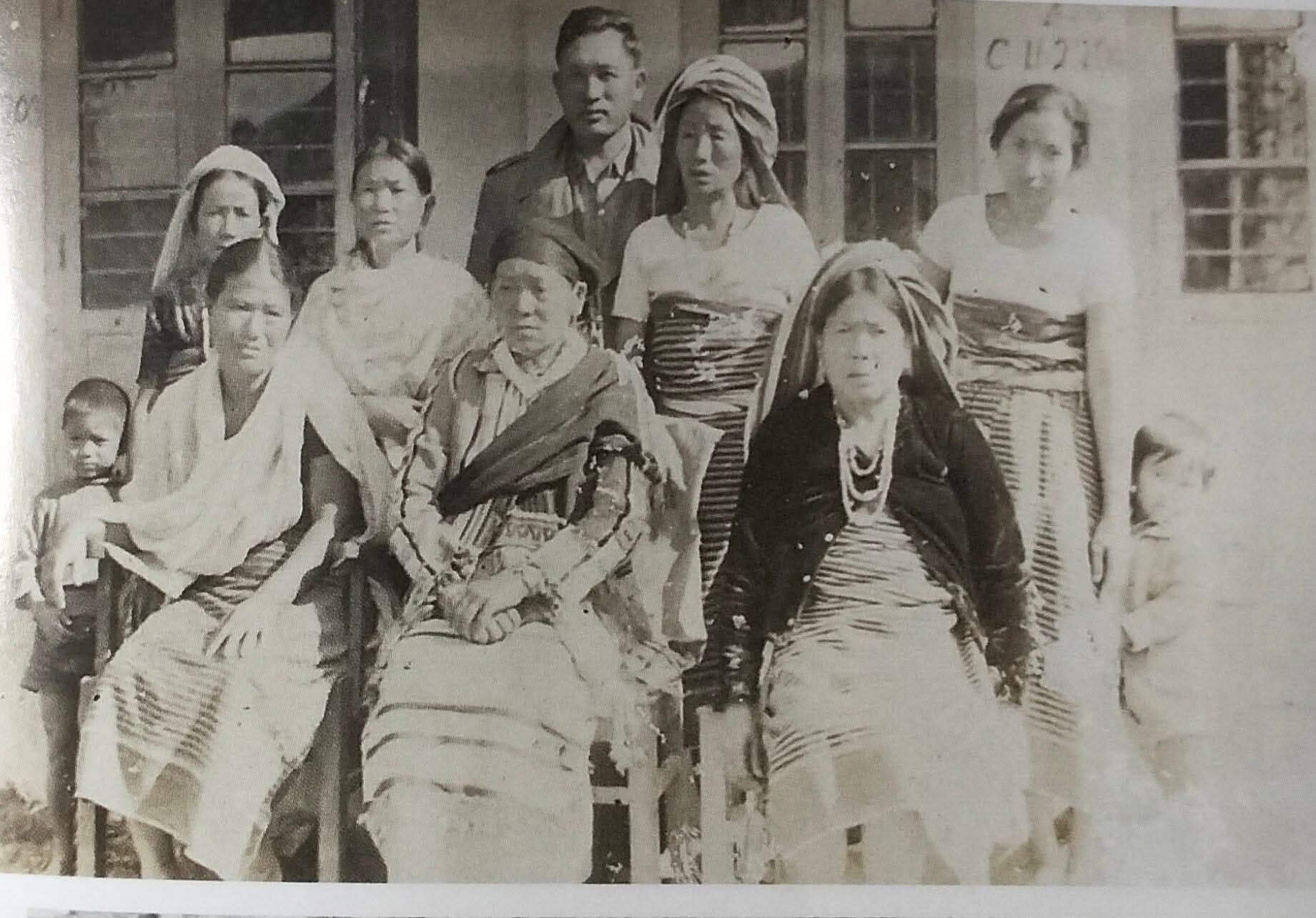
Rani Gaidinliu
Rani Gaidinliu wasn’t your average freedom fighter. At just 13 years old, she joined the Heraka religious movement against British rule in Manipur. Think about that—while most kids were playing games, she was challenging an empire.
By 16, she was leading guerrilla operations against colonial forces. The British were so threatened they put a bounty on her head. How many teenagers can say they were considered that dangerous to an imperial power?
When they finally captured her in 1932, Jawaharlal Nehru heard about this young rebel and gave her the title “Rani” (queen). He wasn’t wrong—her courage was genuinely royal.
She spent 14 years in prison. Fourteen years! Released only after India gained independence in 1947, she never stopped fighting for her people’s cultural and religious autonomy.
What’s remarkable about Gaidinliu is she had no formal education, yet understood political resistance deeply. She learned to read and write in prison, turning confinement into an opportunity for growth.
Her legacy lives on in the Northeast, where she’s revered as a spiritual guide and freedom fighter. The Indian government honored her with a commemorative stamp in 1996 and a coin in 2015.
Gaidinliu’s story proves you don’t need fancy degrees to change history—just unshakable conviction and courage that outweighs your circumstances.
Sucheta Kriplani
Freedom Fighter and Political Pioneer
Sucheta Kriplani wasn’t just any freedom fighter—she broke barriers as India’s first woman Chief Minister. Born in 1908 to a Bengali family, she grew up surrounded by revolutionary ideas that shaped her future activism.
What made Sucheta stand out? Her exceptional education. After graduating from Kinnaird College in Lahore, she became a professor at Banaras Hindu University. But teaching wasn’t enough when her country needed liberation.
In 1939, she joined the Indian National Congress and quickly became a trusted colleague of Mahatma Gandhi. Unlike many women of her era who stayed in the background, Sucheta jumped headfirst into the struggle, participating in the Quit India Movement and facing arrest for her defiance.
Her most iconic moment? Standing beside Jawaharlal Nehru on August 15, 1947, leading the singing of “Vande Mataram” as India finally gained independence.
But Sucheta wasn’t done after independence. She transformed from freedom fighter to politician, serving in the Constituent Assembly and helping shape India’s constitution. Her political rise continued until 1963, when she made history as Chief Minister of Uttar Pradesh.
As CM, she handled a 62-day strike by state employees with remarkable steadiness. No caving to pressure, no unnecessary force—just principled leadership that resolved the crisis while maintaining essential services.
Her life story proves education can be a revolutionary act. Through her writings, speeches, and political career, Sucheta used her literacy not just for personal advancement but to help birth a nation.
Conclusion
India’s freedom struggle wasn’t just fought on the battlefields—it was waged with pens, poems, and powerful words. The literate freedom fighters we’ve explored transformed India’s independence movement through their intellectual contributions.
These educated revolutionaries understood something crucial: freedom required not just physical resistance but also mental liberation. They awakened national consciousness through newspapers, books, speeches, and educational reforms.
What makes their story so remarkable? They faced brutal colonial suppression yet persisted. They used their privilege of education to speak for millions who couldn’t. They bridged ancient Indian wisdom with modern democratic ideals, creating a vision for an independent India that would stand proudly on the world stage.
Their legacy extends far beyond August 15, 1947. The educational institutions they founded continue shaping minds today. Their writings remain required reading in schools and universities. Their philosophical frameworks—from Gandhi’s non-violence to Tagore’s internationalism—continue influencing global movements for justice.
Perhaps most importantly, they remind us that resistance takes many forms. Some freedom fighters picked up weapons, but others wielded words that proved equally powerful in the long run.
In today’s information age, their example feels particularly relevant. They show us how knowledge, critically applied, becomes a force for transformation—a lesson as vital now as it was during India’s struggle for independence.
Literate freedom fighters in India made profound sacrifices while leveraging their education to advance the independence movement. From Abadi Bano Begum, who witnessed the trauma of the 1857 revolt firsthand, to remarkable women like Begum Royeka, Sarojini Naidu, and Savitri Bai Phule, these educated patriots used their knowledge to challenge colonial rule through various means. Women such as Kittur Rani Chennamma, Jhalkari Bai, and Captain Laxmi Sehgal demonstrated exceptional courage alongside their intellectual contributions.
These freedom fighters’ legacies extend far beyond independence, as they laid the foundation for education as a tool for social transformation in India. Their stories remind us that literacy empowered ordinary individuals to become extraordinary revolutionaries, using words alongside weapons in the struggle for freedom. Their examples continue to inspire generations of Indians to use education as a means to create positive change and uphold the democratic values they fought to establish.
