
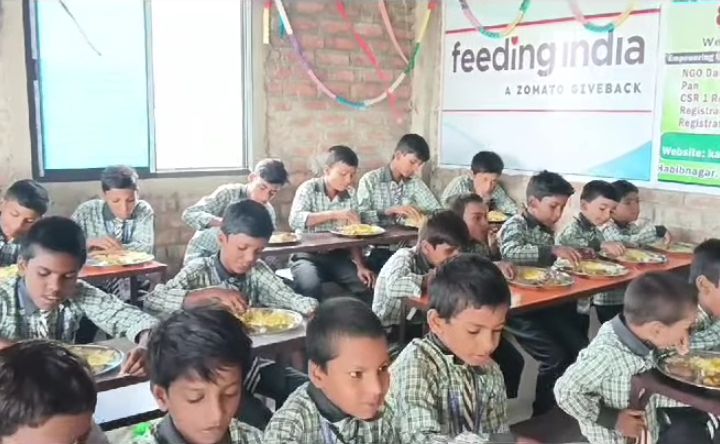
Ever wondered what happens to the 2 million children living on India’s streets when the rest of us go home at night? While we tuck our kids into bed, these children battle hunger, abuse, and a future that seems written in invisible ink.
This post explores how NGOs are becoming lifelines for India’s street children, transforming vulnerability into possibility through innovative programs.
The role of NGOs to develop the street children in India goes beyond providing temporary shelter—it’s about creating sustainable pathways to education, healthcare, and dignity. These organizations work where government systems often can’t reach.
But here’s what most people don’t understand about these NGOs’ approach: it’s not charity that’s creating the biggest impact. It’s something entirely different…
What is NGOs in Street Children
Understanding NGOs Working with Street Children
NGOs (Non-Governmental Organizations) are private, voluntary organizations that operate independently from government control. When it comes to street children in India, these organizations serve as lifelines, filling critical gaps where government services fall short.
Most NGOs working with street children in India focus on providing immediate relief and long-term rehabilitation. They’re not just handing out food and clothes – they’re creating sustainable paths for these kids to escape life on the streets.
Key Functions of Street Children NGOs
These organizations typically provide:
- Shelter and basic necessities: Safe spaces where children can sleep, eat, bathe, and receive medical care
- Education opportunities: From non-formal bridge courses to formal school enrollment
- Skill development: Training that helps older children secure employment
- Counseling services: Addressing trauma and psychological issues common among street children
- Reintegration support: Helping children reconnect with families when possible
The Ground Reality
NGOs working with street children often operate under tough conditions. With limited resources and overwhelming need, they stretch every rupee to its maximum potential. Many rely on a mix of local donations, international funding, and dedicated volunteers.
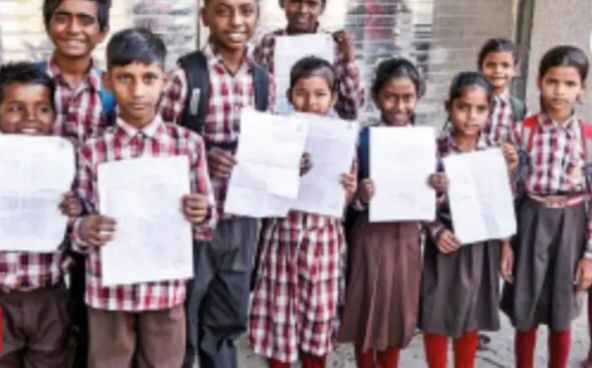
What makes these NGOs truly special is their deep connection to the communities they serve. The best ones don’t just drop in with solutions – they listen to the children, understand their unique challenges, and involve them in designing interventions that actually work.
Understanding the Issue of Street Children
The Hidden Crisis
Ever walked past a child begging at a traffic signal and wondered about their story? India’s streets are home to an estimated 1.8 million children, though experts believe the actual number could be much higher.
Street children in India typically fall into three categories:
- Children living on streets with no family contact
- Children who work on streets but return to family at night
- Children from street families who live and work on streets
What drives a child to the streets? It’s rarely a single factor. Poverty hits hard, pushing families to breaking points. Abuse at home makes the uncertain streets seem safer than their own beds. When schools fail them or become financially impossible, children drift away from education and toward survival on streets.
Daily Struggles
The day-to-day reality for these children is brutal. Finding food means begging, picking through garbage, or worse – falling prey to exploitation. Most street children suffer from:
- Malnutrition and stunted growth
- Untreated illnesses and infections
- Substance abuse (many use cheap inhalants to numb hunger)
- Physical and sexual abuse
- Complete lack of education opportunities
Their living conditions expose them to extreme weather, violence, and trafficking networks. Without identification documents, they exist as invisible citizens – unable to access even basic government services designed to protect children.
Major NGOs Working for Street Children and Their Key
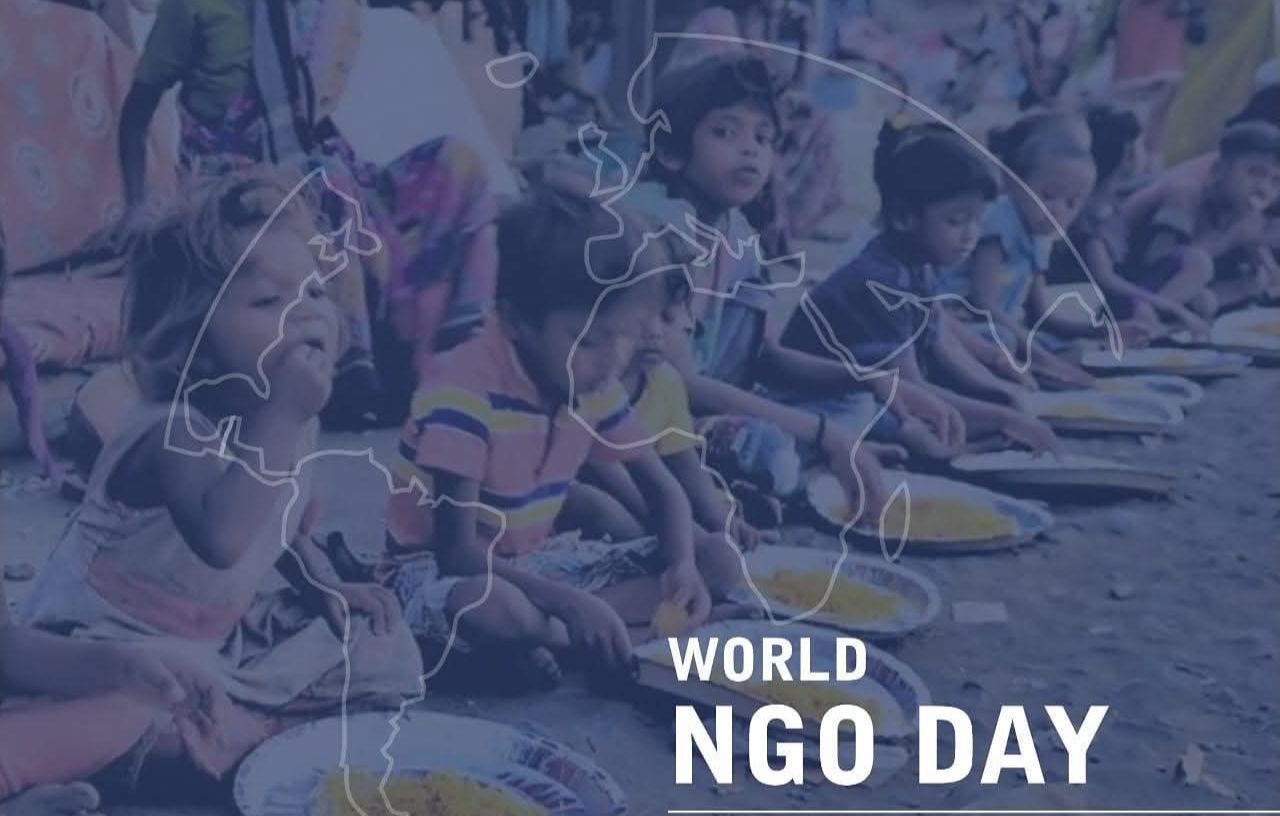
Initiatives
Smile Foundation
Life on the streets strips away childhood innocence. Smile Foundation gets this reality and tackles it head-on through their “Mission Education” program. They’ve reached over 200,000 street children across 25 states, providing not just education but also nutritious meals and healthcare.
What makes Smile Foundation stand out? Their holistic approach. They don’t just teach ABCs—they ensure kids are healthy, nourished, and emotionally supported. Their mobile education units literally bring classrooms to the streets where children work and live.
Save the Children India
Save the Children doesn’t mess around when it comes to protecting street kids. Their “Street to School” initiative has transformed thousands of lives by creating safe spaces where children can learn, play, and just be kids.
They’ve pioneered the “child-friendly spaces” concept in urban slums—safe zones where kids get counseling, basic education, and protection from trafficking and abuse. Their night shelters give homeless children a safe place to sleep—something most of us take for granted.
Butterflies
Butterflies NGO has been a game-changer with their “Children’s Development Khazana”—a banking program run by street kids themselves. Imagine that! Children learn financial literacy while saving their hard-earned money.
Their mobile health vans provide medical care to over 10,000 street children annually. What’s truly innovative is their “Children’s Development Bank” where kids aren’t just beneficiaries—they’re active participants running their own financial institution.
Salaam Baalak Trust
Born from the success of the film “Salaam Bombay,” this trust operates 5 shelter homes and 13 contact points in Delhi alone. Their “City Walk” program, led by former street children, offers guided tours while creating employment opportunities.

They’ve rescued and rehabilitated over 7,500 children. Their mental health program stands out—providing therapy to kids who’ve experienced trauma that most adults couldn’t handle.
Role of NGOs in Supporting Street Children
Providing Shelter and Basic Needs
Ever walked past a child sleeping on the street? It breaks your heart, doesn’t it? NGOs across India are working tirelessly to change this reality. Organizations like Salaam Baalak Trust and Butterflies have established shelter homes that provide more than just a roof – they create safe spaces where street children can finally be children.
These shelters aren’t just about physical protection. They offer regular meals, clean water, clothing, and personal hygiene facilities – things most of us take for granted. Many NGOs follow a “child-first” approach, making sure these basic needs are met before tackling bigger challenges.
Access to Education
Education is the game-changer. Period. NGOs know this and have developed innovative approaches to get street kids learning.
Mobile schools that literally meet children where they are. Flexible learning hours that work around their odd jobs. Bridge programs that help them transition to formal education.
Organizations like Pratham and CRY don’t just teach reading and writing – they create customized curriculums that address the unique challenges these children face. They understand that a kid who’s been fending for themselves isn’t going to just sit in a classroom like everyone else.
Healthcare and Psychological Support
Street life wreaks havoc on both body and mind. NGOs run mobile health clinics that provide vaccinations, treat injuries, and manage chronic conditions. Many even offer specialized services for substance abuse – a heartbreaking reality for many street children.
The psychological scars often run deeper than physical ones. Trauma counseling, therapy sessions, and support groups help children process their experiences. Organizations like Childline India provide 24/7 helplines where children can reach out when they’re in crisis.
Skill Development and Vocational Training
Street children grow up fast, and NGOs recognize they need more than just academic education. Vocational training programs in mechanics, tailoring, computer skills, and hospitality create pathways to employment.
The best programs don’t just teach skills – they connect youth with apprenticeships, internships, and job placement services. Don Bosco and BOSCO run comprehensive programs that include life skills training alongside technical skills, preparing youth for the real world of work.
Legal and Advocacy Support
Many street children exist in a legal limbo – without birth certificates or identification documents. NGOs help navigate this bureaucratic maze, securing legal identity that opens doors to government services.
Beyond individual support, organizations like Save the Children and Child Rights and You advocate for policy changes that address root causes. They push for better enforcement of child protection laws, advocate against child labor, and fight for increased budget allocations for vulnerable children.
These organizations don’t just provide band-aid solutions – they’re working to transform the systems that create street children in the first place.
Case Study: Save the Children’s Initiatives for Street Children
Real Impact on the Ground
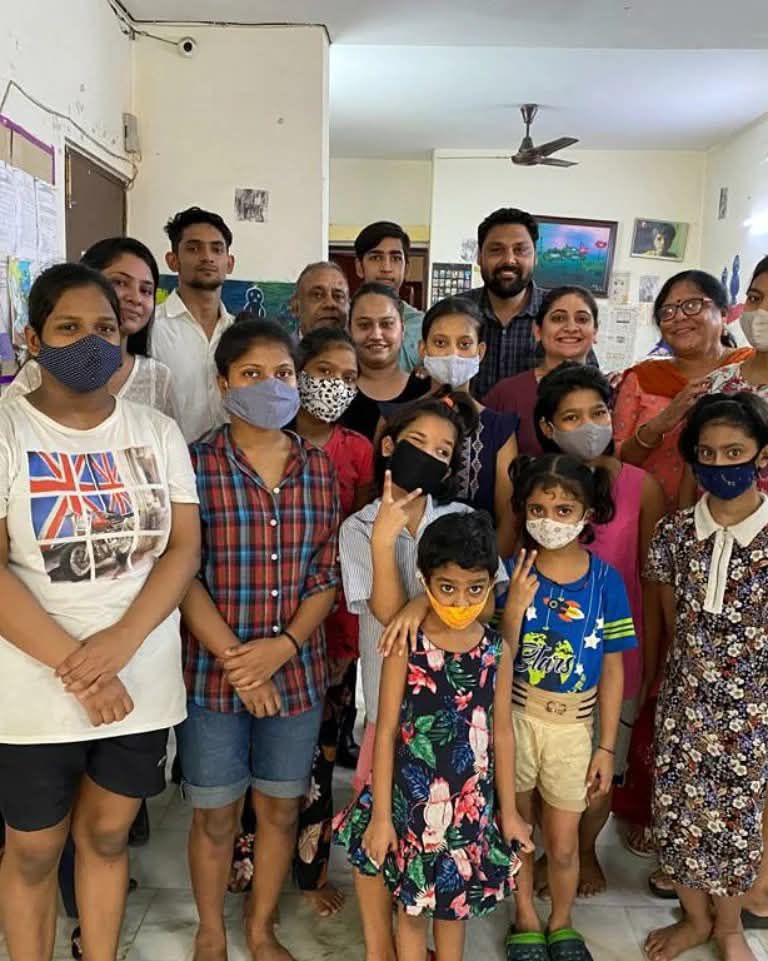
Save the Children has been transforming the lives of street children across India through targeted interventions. In Mumbai’s Dharavi, they established six child-friendly spaces where over 500 children receive education, meals, and healthcare. These aren’t just statistics—these are real kids who now have a shot at life beyond the streets.
The Bal Raksha Model
Their signature Bal Raksha (Child Protection) program operates in Delhi, Kolkata, and Chennai with impressive results:
- 78% of enrolled children have returned to formal education
- 90% reduction in substance abuse among participants
- 65% of families connected with government welfare schemes
A standout example is 12-year-old Ravi from Delhi, who went from collecting scraps to attending school regularly after joining the program. Three years later, he’s one of the top students in his class.
Partnership Approach
Save the Children doesn’t work alone. They’ve formed powerful alliances with:
- Local police to prevent child trafficking
- Healthcare providers for regular check-ups
- Corporate partners funding vocational training
This collaborative model has created protection networks reaching over 25,000 street children annually—a massive improvement from the 3,000 they started with in 2010.
What’s truly remarkable is how they track their impact. Every child gets an ID and their progress is monitored for years, not just while they’re in the program.
Challenges Faced by NGOs in Helping Street Children
Limited Resources and Funding
NGOs working with street children in India are constantly struggling to make ends meet. They’re trying to serve thousands of kids while operating on shoestring budgets. Most rely on donations that can be unpredictable and seasonal.
When funding runs short, these organizations face tough choices. Do they cut back on food programs? Reduce educational support? Or limit the number of children they can help? It’s a heartbreaking reality.
The competition for grants and corporate sponsorships is fierce. Smaller NGOs often lose out to larger, more established organizations with dedicated fundraising teams and marketing resources.
Lack of Trained Personnel
Finding qualified staff willing to work for modest salaries is a major headache for these NGOs. The work is emotionally draining and physically demanding. Burnout rates are high.
Many organizations can’t afford to hire enough social workers, counselors, educators, and healthcare providers to meet the complex needs of street children. Those they do hire often lack specialized training in trauma-informed care, addiction counseling, or working with children who have experienced extreme poverty and abuse.
Bureaucratic Hurdles
The paperwork required to operate legally as an NGO in India can be overwhelming. Registration processes, compliance with foreign funding regulations, and reporting requirements consume valuable time and resources.
Child protection laws, while necessary, sometimes create barriers when NGOs try to intervene quickly in emergency situations. The legal system moves slowly, while a child’s needs are immediate and urgent.
Conclusion
A. Top NGOs State Wise List
The street children crisis in India needs a collective effort, and thankfully, numerous NGOs are working tirelessly across different states. If you’re looking to support or volunteer, here’s a breakdown of some outstanding organizations by state:
Delhi/NCR
- Butterflies – Pioneering the concept of mobile schools and focusing on child rights
- Salaam Baalak Trust – Providing shelter, education, and healthcare to over 5,000 children annually
- Don Bosco Ashalayam – Running rehabilitation programs with vocational training centers
Maharashtra
- Pratham Mumbai Education Initiative – Reaching thousands with innovative education programs
- Doorstep School – Taking education directly to where children live and work
- Sneha Foundation – Focusing on health, education, and safety of vulnerable children
West Bengal
- CINI (Child In Need Institute) – Working in both urban and rural areas for over 40 years
- Hope Foundation – Operating multiple protection homes with comprehensive care
- Calcutta Rescue – Providing street clinics and non-formal education
Karnataka
- Bosco – Running 24-hour helplines and rescue operations
- Association for Promoting Social Action (APSA) – Focusing on child labor rehabilitation
- Dream School Foundation – Bridging educational gaps through supplementary programs
Tamil Nadu
- Karunalaya – Known for their work with pavement dwellers
- Don Bosco Anbu Illam – Offering shelter and education to runaway children
- Arunodhaya Centre – Specializing in preventing trafficking and child labor
These organizations represent just the tip of the iceberg in the fight for street children’s rights and welfare. Each brings unique approaches to this complex issue, with many more local initiatives making significant differences in communities nationwide.
Leave a Comment Cancel reply
India’s street children face numerous challenges, from lack of basic necessities to vulnerability to exploitation. NGOs play a crucial role in addressing these issues through comprehensive support systems including education, healthcare, shelter, and rehabilitation programs. Organizations like Save the Children demonstrate how strategic interventions can transform the lives of these vulnerable children, despite facing challenges of limited resources and complex social barriers.
Supporting these NGOs is vital for creating sustainable change for street children across India. Whether through donations, volunteering, or raising awareness, every contribution helps strengthen the safety net for these children. By standing with these organizations, we can collectively ensure that India’s street children receive the protection, opportunities, and dignity they deserve to build brighter futures.
