
Transgender Livelihood in India: Challenges and Opportunities
For transgender individuals, NGO workers, and social advocates seeking to understand the economic realities facing India’s transgender communities. This article explores the daily struggle for dignified work and financial stability among transgender people in India. We’ll examine the historical context of hijra communities, break down current employment barriers, and highlight emerging success stories that show paths to economic inclusion.
Thank you for reading this post, don't forget to subscribe!
Historical Context of Transgender Communities in India
A. Ancient Recognition: Hijras in Hindu Mythology and Texts
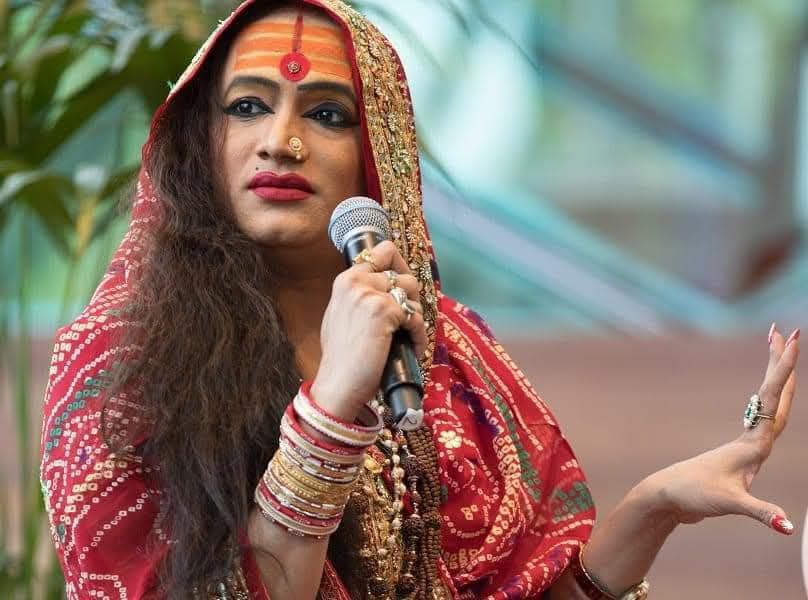
India’s connection with gender diversity runs deep – way deeper than most people realize. Hindu mythology doesn’t just acknowledge transgender identities; it celebrates them. Gods changing gender? That’s normal in these stories. Take Lord Shiva merging with Parvati to become Ardhanarishvara, half-male and half-female, symbolizing the perfect union of masculine and feminine energies.
B. Colonial Impact on Gender Diversity
Then came the British in the 1860s. Talk about a cultural wrecking ball.
The colonial rulers criminalized cross-dressing and same-sex relationships. This wasn’t just legal persecution – it poisoned public perception. What was once sacred became shameful. Communities that once held respected positions in society were pushed to the margins.

C. Post-Independence Marginalization
Freedom from British rule didn’t mean freedom for transgender Indians. The damage was done. Colonial-era laws stayed on the books. Section 377 continued criminalizing “unnatural offenses,” often used against transgender people.
The 1950s through early 2000s were brutal. Denied education, housing, and healthcare, many transgender people survived through begging or sex work. Police harassment was routine. Families rejected them. Medical professionals misunderstood them. Government documents recognized only binary genders.
Society’s rejection pushed hijras into closed, hierarchical communities with their own rules and social structures – their only safety net.
D. NALSA Judgment 2014: Legal Recognition
April 15, 2014 changed everything. The Supreme Court’s NALSA judgment finally recognized transgender individuals as a “third gender” with full legal rights.
This wasn’t just symbolic. The Court ordered governments to implement welfare programs, provide healthcare, create public awareness, and treat transgender people with dignity. It acknowledged their right to self-identify without medical intervention.
The ripple effects? The Transgender Persons (Protection of Rights) Act followed in 2019. Some states established welfare boards. Transgender people could now legally change their gender on official documents.
But here’s the gap – between legal recognition and actual implementation. The judgment opened doors, but many remain stuck in the threshold, waiting for society to catch up with the law.
Current Legal Framework and Rights
A. Transgender Persons Act 2019: Provisions and Criticisms
The 2019 Act was supposed to be a game-changer for trans folks in India. But honestly? It’s been a mixed bag at best.
Sure, it recognizes transgender identities and prohibits discrimination. It even mandates welfare schemes and healthcare provisions. But dig a little deeper and you’ll find some serious flaws.
The biggest problem? The Act requires transgender individuals to get a “certificate of identity” from a District Magistrate. This bureaucratic nightmare essentially puts a government official in charge of validating someone’s gender identity. How messed up is that?
Many activists have slammed the Act for completely ignoring the Supreme Court’s landmark NALSA judgment of 2014, which championed self-identification without medical intervention.
B. Access to Identity Documents
Getting ID documents that match your gender identity in India? Still a massive headache.
Despite some progress, trans people face ridiculous hurdles when trying to update their names and gender markers on passports, Aadhaar cards, PAN cards, and voter IDs.
The process varies wildly from state to state. Some require medical proof of transition (which is both expensive and invasive), while others demand psychiatric evaluations or even court orders.
These bureaucratic roadblocks aren’t just annoying—they’re life-altering. Without proper ID, trans folks struggle to:
- Open bank accounts
- Rent apartments
- Apply for jobs
- Access government benefits
- Vote
C. Anti-Discrimination Protections
On paper, discrimination against transgender people is illegal in India. In reality? Protections are spotty at best.
The Transgender Persons Act prohibits discrimination in education, employment, healthcare, housing, and public services. But enforcement mechanisms? Practically non-existent.
There’s no clear process for filing complaints when discrimination happens. And when complaints are filed, they’re often ignored or dragged through endless procedural delays.
The most frustrating part? Many institutions and businesses claim they don’t discriminate while doing exactly that through indirect means—like creating “qualification requirements” that disproportionately exclude trans applicants.
D. Marriage and Family Rights
The legal status of transgender marriages in India remains in a frustrating gray area.
Currently, there’s no explicit recognition of same-sex marriages, which affects many transgender individuals. The law primarily recognizes marriages between “biological males” and “biological females,” leaving trans people in complicated legal territory.
Adoption rights are equally murky. While single transgender individuals can technically adopt, they face substantial biases in the adoption system. And for transgender couples? Nearly impossible.
Family courts often discriminate against transgender parents in custody battles, frequently using their gender identity as evidence of “instability.”
E. Property Inheritance Issues
Property rights for transgender individuals in India? A total mess.
Traditional inheritance laws in India are still largely binary and gender-specific. This creates serious complications for transgender individuals, especially those who transition after family property arrangements have been made.
Many transgender people are effectively disinherited when they come out, with families using legal loopholes to exclude them from wills and property rights.
Even when inheritance rights exist on paper, enforcing them is another battle entirely. Court cases drag on for years, with judges often lacking basic understanding of transgender issues.
The Hindu Succession Act and Muslim personal laws haven’t been properly updated to include transgender individuals, leaving critical gaps in protection.
Economic Challenges and Employment Barriers
A. Traditional Occupations and Ritualistic Roles
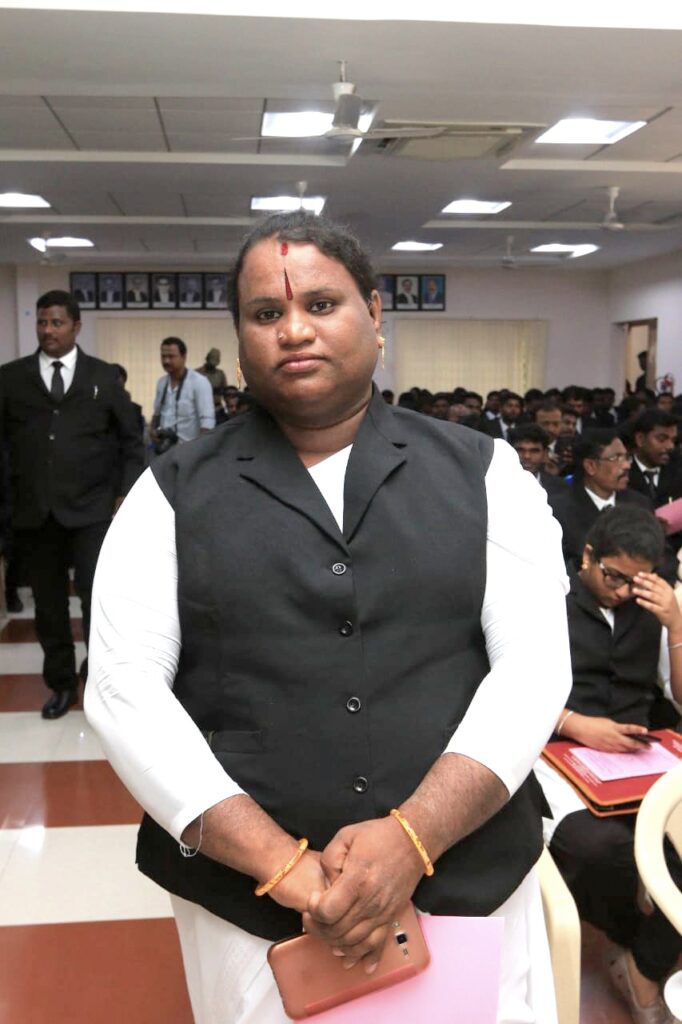
The economic reality for India’s transgender community is deeply rooted in historical roles that have become both a lifeline and a limitation. For centuries, hijras have earned their living through badhai work—performing blessings at births, weddings, and housewarmings. Many families still believe a hijra’s blessing brings good fortune, while their curse could bring misfortune.
But let’s get real—this traditional occupation has become a double-edged sword. It provides some income but also reinforces stereotypes and keeps the community marginalized. When I spoke with Maya, a 45 year-old hijra from Delhi, she told me: “People want our blessings but not our presence in their everyday lives.”
Beyond badhai, many transgender individuals resort to begging (mangti) or sex work simply to survive. The ritualistic roles that once held cultural significance have diminished in modern society, leaving many with shrinking economic opportunities.
The guru-chela system (a hierarchical family structure within the community) provides crucial social support but can sometimes involve financial exploitation. Newcomers often surrender earnings to their guru in exchange for protection and belonging—an arrangement born from necessity rather than choice.
B. Workplace Discrimination and Hiring Biases
The regular job market? It’s a minefield for transgender individuals in India.
Despite legal protections under the NALSA judgment and the Transgender Persons Act, the gap between law and reality remains massive. Most employers still reject transgender applicants outright or create such hostile environments that staying becomes impossible.
Resume discrimination is rampant. A study by the National Human Rights Commission found that 96% of transgender people are denied jobs based on their gender identity. Many qualified transgender individuals never make it past the interview stage once their identity becomes apparent.
The workplace horror stories are endless. Priya, a transgender woman with a computer science degree, applied for 47 IT positions before giving up. “They’d be impressed with my resume, then see me in person and suddenly the position was filled,” she explained.
Those lucky enough to secure employment often face:
- Inappropriate questions about their bodies
- Exclusion from team activities
- Denial of bathroom access
- Constant misgendering
- Reduced wages compared to cisgender colleagues
- Limited promotion opportunities
Many end up hiding their identity, causing immense psychological stress and preventing authentic workplace relationships.
C. Educational Barriers Limiting Career Options
The path to economic independence starts with education, but for transgender people in India, that path is blocked at every turn.
School is often the first battlefield. Bullying drives many transgender students to drop out—a staggering 62% leave before completing secondary education. Teachers frequently lack training on gender issues and may perpetuate discrimination rather than preventing it.
Consider these brutal stats:
- Only 18% of transgender individuals complete higher education
- Nearly 70% report experiencing harassment in educational institutions
- More than half lack basic documentation reflecting their gender identity
Without education credentials, career options narrow dramatically. Technical skills training programs rarely accommodate transgender learners, and vocational centers often reject them outright.
The story of Anjali from Chennai illustrates this perfectly. Forced to leave school at 14 due to relentless bullying, she now struggles with basic literacy. “How can I apply for office jobs when I can barely fill out forms?” she asked me.
The educational institutions that should be pathways to opportunity become gatekeepers of exclusion instead.
D. Self-Employment and Entrepreneurship Initiatives
When traditional employment doors slam shut, many transgender individuals are creating their own opportunities—and they’re absolutely crushing it.
Across India, transgender-led businesses are emerging as powerful examples of resilience. In Bangalore, the Payana Collective employs transgender women in garment manufacturing. In Mumbai, The Third Eye Cafe is staffed entirely by transgender people. These ventures not only provide livelihoods but also visibility and dignity.
Microfinance initiatives specifically targeting transgender entrepreneurs are slowly emerging, though access to capital remains a massive hurdle. Most banks still reject loan applications from transgender applicants, citing “high risk” without evidence.
Digital platforms have become game-changers. Transgender artists, content creators, and consultants are building careers online where their skills matter more than their gender identity.
Community-based cooperative models show particular promise. In Kerala, the Transgender Cooperative Society offers members training in everything from food service to beauty services, creating employment networks insulated from mainstream discrimination.
Government support for these initiatives remains inconsistent, but NGOs like TWEET Foundation and Humsafar Trust are stepping in with entrepreneurship training programs specifically for transgender individuals.
The challenges are enormous, but the spirit of innovation within the community is unstoppable.
Social Support Systems and Community Networks
A. Guru-Chela System: Traditional Support Structure
The transgender community in India has survived centuries of marginalization through a unique social structure – the Guru-Chela system. Think of it as part family, part mentorship, part economic safety net. A guru (teacher) takes younger transgender individuals under their wing as chelas (disciples), teaching them community customs, performative arts, and survival skills.
This isn’t just some ancient tradition that’s barely hanging on. It’s still the backbone of many transgender lives across India. When a young person is kicked out by their birth family (which happens way too often), this system offers immediate shelter, emotional support, and economic opportunities.
Sure, money changes hands – chelas typically share their earnings with their guru – but they get protection and belonging in return. It’s not perfect, and some relationships can become exploitative, but for many, it’s the difference between survival and destitution.
B. Modern Transgender Collectives and Organizations
The landscape is changing fast. Modern collectives like Ondede in Bangalore and TWEET Foundation are reshaping how transgender communities organize themselves. These aren’t your traditional guru-led households but democratic spaces where decisions happen collectively.
Many of these groups focus on skills beyond traditional occupations. They’re teaching members everything from makeup artistry to computer programming, from tailoring to entrepreneurship.
What makes these collectives powerful? They combine the strengths of traditional community bonds with modern organizational approaches. Many operate as registered societies or cooperatives, allowing them to access funding, establish partnerships with businesses, and advocate more effectively with government bodies.
The transition hasn’t been seamless. Tensions sometimes arise between traditional hierarchies and newer, more egalitarian structures. But these growing pains are part of a community adapting to changing times while preserving their cultural identity cool.
C. Role of NGOs in Livelihood Development
NGOs have become crucial players in transgender livelihood development across India. Organizations like The Humsafar Trust and Sahodari Foundation work directly with transgender communities to create sustainable income opportunities.
Their approaches vary widely:
The most successful NGOs don’t parachute in with pre-made solutions. They work with community leaders, respect existing structures, and adapt their programs to local realities.
Many transgender individuals have mixed feelings about NGO involvement. While appreciating the resources and visibility, they’re wary of becoming “projects” rather than partners. The best organizations recognize this tension and ensure transgender people aren’t just beneficiaries but decision-makers.
D. Family Acceptance and Rejection Patterns
Family relationships form the most emotionally charged aspect of transgender livelihood. The stark reality? Most transgender individuals face rejection from their birth families, often violently.
This rejection isn’t just emotionally devastating – it has direct economic consequences. Without family support networks, access to education gets disrupted. Inheritance rights are denied. The safety net most Indians rely on simply vanishes.
But there’s a slow shift happening. Urban, educated families are gradually becoming more accepting, especially with increased media representation and legal recognition. When families do accept their transgender members, the economic outcomes improve dramatically. They finish school, pursue higher education, and access careers that would otherwise remain closed.
Some organizations now specifically target families with counseling and support groups. They recognize that rebuilding these relationships isn’t just about emotional healing – it’s an economic strategy that creates sustainable paths to livelihood.
Healthcare Access and Challenges
A. Gender-Affirming Procedures: Availability and Costs
The truth? Getting gender-affirming care in India is like climbing a mountain with your hands tied. Most transgender folks have to travel hundreds of miles just to find a doctor who won’t judge them at the door.
In metros like Delhi and Mumbai, a handful of clinics offer hormone therapy, but prices are sky-high – typically ₹5,000-10,000 monthly for hormones alone. Surgery? That’s another story. Gender-affirming surgeries can cost anywhere from ₹1.5-8 lakhs, with almost zero insurance coverage.
Many resort to underground networks for hormones, risking their health because the system fails them. And outside major cities? Good luck finding any services at all.
B. Mental Health Support Services
Mental health support for transgender Indians exists mostly on paper. Depression rates in the community hover around 60%, yet specialized therapists who actually understand transgender experiences are as rare as rainfall in a desert.
When Anjali, a trans woman from Pune, finally found a therapist, she had to explain what being transgender meant. “I went for help and ended up educating my therapist,” she says.
NGOs like The Humsafar Trust and SAATHII try filling these gaps, offering peer counseling and support groups. But they’re stretched thin, underfunded, and concentrated in urban areas.
C. HIV/AIDS Prevention and Treatment Programs
The HIV prevalence rate among transgender persons in India sits at a shocking 8.2% – nearly 20 times higher than the general population.
Targeted intervention programs exist through NACO (National AIDS Control Organization), but stigma keeps many away from testing centers. Community-based organizations have stepped up, creating trans-friendly testing camps and outreach programs.
Free antiretroviral therapy is technically available, but the journey to access it is paved with discrimination. Many report being denied treatment or segregated in healthcare facilities.
The programs that work best? Those run by transgender people themselves. Community-led initiatives like Project Diva in Chennai show promising results by combining HIV services with economic empowerment.
Emerging Opportunities and Success Stories
A. Transgender Individuals in Politics and Public Office
The political landscape in India is slowly opening doors for transgender representation. Shabnam Mausi made history in 1998 as the first transgender person elected to public office in Madhya Pradesh. Since then, others have followed suit.
Madhu Kinnar turned heads when she became the Mayor of Raigarh in 2015, defeating her opponent from the dominant political party by over 4,500 votes. Not too shabby for someone who once earned a living by singing on trains.
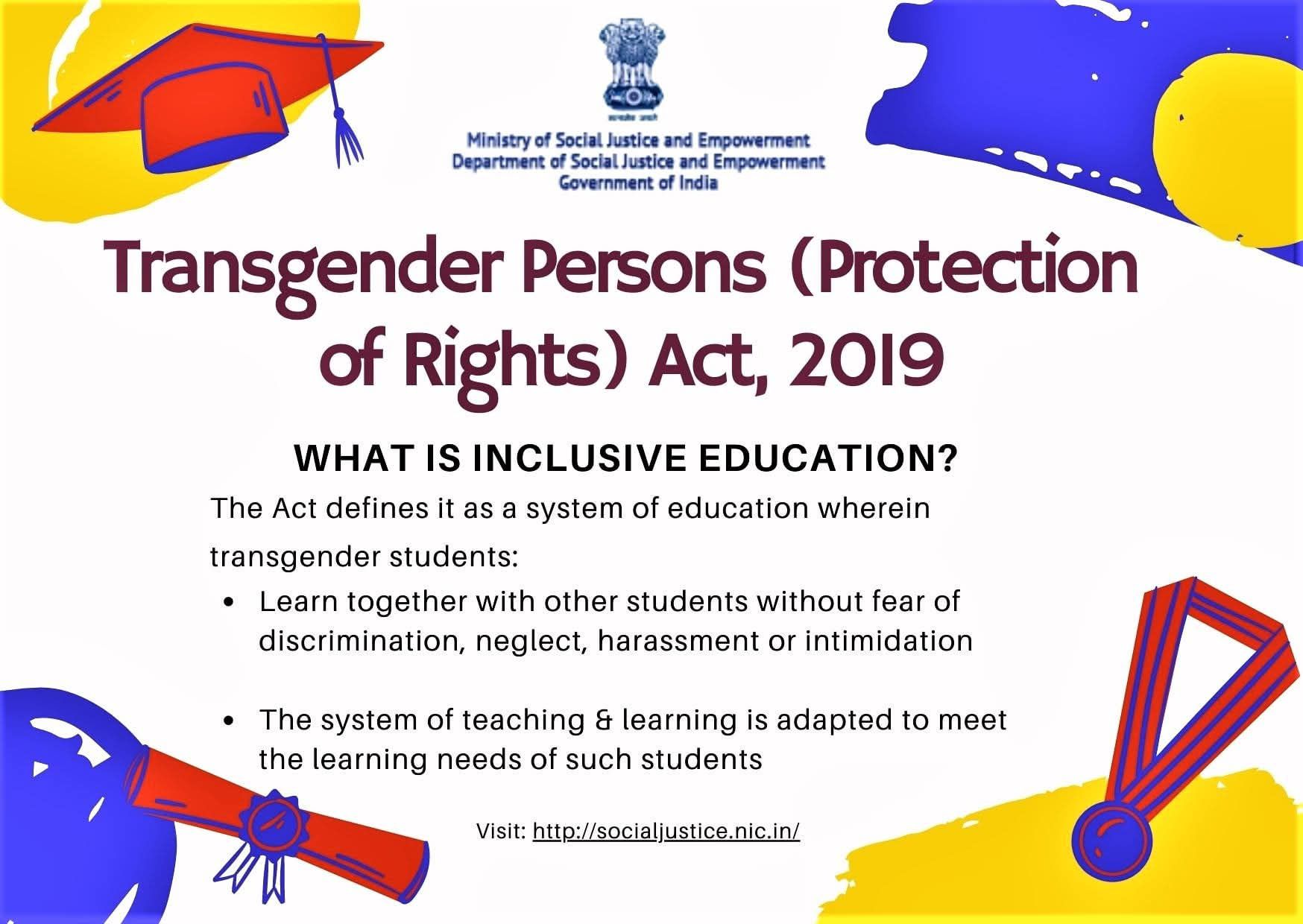
Then there’s Joyita Mondal, who shattered glass ceilings as India’s first transgender judge in 2017. Talk about a power move.
But perhaps most notable is Disha Pinky Sheikh, who ran for office in Maharashtra. When asked about her motivation, she simply said, “Nobody gave us jobs, so we decided to take their jobs instead.” That’s the kind of sass we need in politics.
These trailblazers didn’t just win positions—they’re actively changing the system from within, pushing for policies that protect their community’s rights.
B. Media Representation and Cultural Visibility
Gone are the days when transgender portrayals in Indian media were limited to ridiculous stereotypes or the butt of cruel jokes.
Netflix’s “Sacred Games” featured a nuanced transgender character that actually had depth. Revolutionary, right? Bollywood films like “Super Deluxe” and “Chandigarh Kare Aashiqui” have started depicting transgender lives with some actual dignity.
On YouTube, channels like “TransVision” run by transgender creators are pulling back the curtain on their everyday experiences. No filters, no scripts—just real talk.
Reality TV has joined the party too. When Nitasha Biswas won “Miss Transqueen India” in 2017, mainstream media coverage skyrocketed. And not in that token “look at this unusual thing” way, but with genuine respect.
The web series “Laakhon Mein Ek” dedicated an entire episode to healthcare challenges faced by hijras—something most Indians had never seen discussed openly before.
This visibility isn’t just entertainment—it’s education. Every authentic portrayal chips away at decades of harmful stereotypes.
C. Corporate Inclusion Initiatives
Indian corporations are finally getting with the program. Kochi Metro made waves when it hired 23 transgender employees in 2017. Yeah, some quit due to housing discrimination, but it sparked a national conversation about workplace inclusion.
Tata Steel stepped up with a policy that covers gender-affirming surgery costs for employees. They’re not just talking the talk—they’re putting their money where their mouth is.
Tech companies like ThoughtWorks and IBM India have actively recruited transgender individuals through specialized hiring programs. These aren’t “charity” positions either—they’re proper jobs with growth potential.
Godrej’s manifesto explicitly states their commitment to transgender inclusion. Their “Godrej LOUD” program offers scholarships and employment opportunities specifically targeting transgender students.
The private banking sector deserves a shout-out too. HSBC and Standard Chartered have implemented comprehensive transgender inclusion policies, including gender-neutral bathrooms and anti-discrimination training.
Sure, these initiatives aren’t perfect. Many companies still struggle with creating truly inclusive environments. But when a major corporation in conservative India publicly stands up for transgender rights? That’s progress you can take to the bank.
D. Educational Scholarships and Affirmative Action
Education—the golden ticket that was out of reach for most transgender Indians until recently.
The University Grants Commission now mandates that all colleges include “third gender” options on application forms. Small change, massive impact.
States like Kerala and Tamil Nadu offer dedicated scholarship programs for transgender students. We’re talking full tuition coverage, stipends, and housing assistance. No more choosing between education and survival.
NALSA (National Legal Services Authority) scholarships specifically target transgender law students. Because who better to fight for changing laws than those most affected by them?
Some private institutions are stepping up too. Symbiosis International University started a full scholarship program covering not just tuition but also accommodation and living expenses for transgender students.
The results speak for themselves. Transgender graduation rates are climbing. Fields that were once completely closed off—medicine, engineering, law—now have transgender professionals entering the workforce.
It’s not all sunshine and rainbows though. Implementation remains spotty. Many transgender students still face brutal harassment. Documentation requirements can be nightmarish for those without updated identity papers.
But for the first time, there’s a path forward. When Aishwarya Rutuparna Pradhan became India’s first openly transgender civil servant through competitive examination, she didn’t just secure a job—she proved what’s possible.
Path Forward: Improving Transgender Livelihoods
A. Policy Recommendations for Economic Inclusion
The harsh reality? Transgender individuals in India can’t break economic barriers without serious policy overhauls. We need reservation systems that actually work – not just on paper but in practice. Several states have made attempts, but implementation remains spotty at best.
What would make a difference? Financial institutions offering specialized micro-loans for transgender entrepreneurs without the usual documentation hurdles. Tax incentives for companies with inclusive hiring practices. And government contracts? They should require transgender inclusion as part of diversity requirements.
Identity documents remain a massive roadblock. The process to update gender markers needs to be simplified dramatically – one application, one window clearance. No running from office to office facing discrimination at every step.
B. Community-Based Skill Development Programs
Skill development works best when transgender persons lead the training. Programs in Kerala and Tamil Nadu have shown incredible results when designed with community input rather than forced from above.
The magic happens in peer-to-peer models. When a transgender person sees someone like them succeeding as a makeup artist, chef, or IT professional, suddenly those careers seem possible.
What skills are most needed? Market research shows demand in:
C. Public Awareness and Sensitization Campaigns
Most Indians have never knowingly interacted with transgender individuals outside stereotypical contexts. This knowledge gap breeds fear and discrimination.
Media portrayals matter enormously. Recent films like “Super Deluxe” and “Shankar’s Naan Avalai Santhitha Pothu” have helped humanize transgender experiences, but we need more mainstream representation that doesn’t rely on tired tropes.
Workplace sensitization programs work when they involve actual transgender individuals sharing their lived experiences. Corporate India is slowly waking up, but the change is painfully slow.
School curriculums need revision too. Children who learn about gender diversity early show dramatically reduced prejudice as adults.
D. International Best Practices and Their Adaptation
Argentina’s Gender Identity Law remains the gold standard globally – allowing legal gender recognition without medical requirements. India could adopt this model while maintaining our cultural context.
Thailand’s tourism industry has created economic opportunities through transgender-inclusive policies. Their “third gender” tourism experiences could be adapted to India’s rich cultural heritage.
The Netherlands’ approach to healthcare deserves attention – comprehensive coverage including mental health support. Indian health insurance schemes could follow suit with specialized packages.
Brazil’s “TransCidadania” program provides education stipends and job training specifically for transgender people – something our skill development initiatives could replicate at scale.
The journey of transgender individuals in India reveals a complex tapestry of historical recognition, legal battles, economic struggles, and social barriers. While recent legal developments like the NALSA judgment and Transgender Persons Act have provided formal recognition, the community continues to face significant challenges in employment, healthcare access, and social acceptance. Community networks and NGOs have emerged as crucial support systems, offering solidarity and practical assistance where institutional frameworks fall short.
Creating truly inclusive livelihoods for transgender Indians requires a multi-faceted approach involving policy implementation, corporate inclusion initiatives, healthcare reforms, and broader social education. The emerging success stories across various sectors demonstrate that with appropriate support and opportunity, transgender individuals can thrive professionally while maintaining their identity. As India progresses, the measure of its advancement will be reflected in how it embraces and empowers all citizens, including its transgender community, to live with dignity, economic security, and social respect.
