
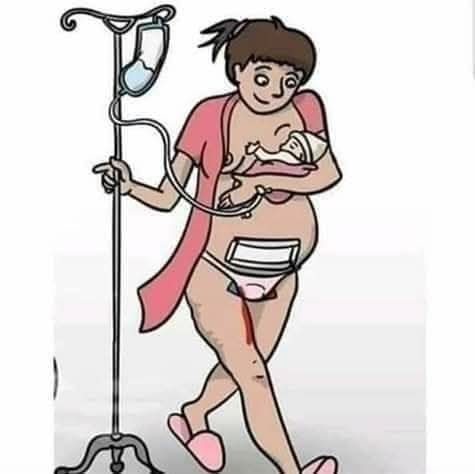
Single mothers in India face unique challenges while raising children alone in a society that often prioritizes traditional family structures. This guide is for single moms, social workers, and family members looking to understand these struggles better. We’ll explore the economic hardships single mothers encounter, examine the social stigma they face, and highlight the legal obstacles that complicate their journey.
Thank you for reading this post, don't forget to subscribe!Economic Challenges Faced by Single Mothers
A. Limited Income and Financial Instability
The money struggles of single mothers in India are crushing. Most are primary breadwinners yet earn significantly less than their male counterparts. Many juggle multiple jobs just to make ends meet – working as domestic help during the day and taking up night shifts elsewhere.
B. Workplace Discrimination and Pay Gaps
The workplace isn’t exactly rolling out the red carpet for single moms. Many employers see them as “high-risk” employees who might miss work when their kids get sick.
“During my interview, they asked if I had ‘backup arrangements’ for my daughter. My married colleagues never faced such questions,” shares Priya, an IT professional from Bangalore.
The gender pay gap makes everything worse. Women in India earn roughly 19% less than men for the same work. For single mothers, this translates to constant financial pressure.
Then there’s the promotion ceiling. Single moms often miss networking events and overtime opportunities due to childcare responsibilities, pushing career advancement further out of reach.
C. Lack of Affordable Childcare Options
Finding decent, affordable childcare in India? Good luck with that.
Unlike many countries, India has no systematic childcare support system. Urban daycare centers charge anywhere from ₹5,000 to ₹15,000 monthly – eating up to 50% of what many single mothers earn.
Government-run centers (anganwadis) are limited and often inadequate for working mothers’ needs, with restricted hours and minimal facilities.
Ritu, a bank employee in Delhi, explains: “I pay almost my entire salary for my son’s daycare. I’m basically working to pay someone else to raise my child. But what choice do I have?”
The irony is brutal – without childcare, they can’t work; with childcare costs, their work barely pays off.
D. Housing Struggles and Property Rights
Finding a home as a single mom? That’s another uphill battle.
Landlords routinely reject single mothers as tenants, viewing them as financially unstable or “morally questionable.” Many women report being asked inappropriate questions about their marital status or being charged higher deposits than other tenants.
“Three landlords refused me outright when they learned I was divorced with a child,” recalls Meena from Chennai. “The fourth agreed but charges me 30% more than the previous tenant.”
Property rights complicate matters further. Despite legal reforms, many Indian women still face barriers inheriting property or claiming marital assets after divorce or widowhood. Family properties often pass to male relatives, leaving single mothers without assets that could provide housing security or income.
For those from lower-income backgrounds, the situation is even more dire, often forcing them into unsafe neighborhoods or inadequate housing that affects their children’s health and development.
Social Stigma and Cultural Pressures
A. Societal Judgment and Exclusion
Being a single mother in India isn’t just hard—it’s like swimming upstream while everyone on the shore tells you you’re doing it wrong. The moment a woman raises her child alone, whether by choice, divorce, or widowhood, society slaps on labels faster than you can say “independent.”
“People look at me differently at parent-teacher meetings,” says Meera, a Mumbai-based single mom. “They whisper. They assume I must have done something wrong.”
This judgment isn’t subtle. Single mothers face exclusion from family functions, religious ceremonies, and even rental housing. Landlords often refuse to rent to single women with children, fearing “character issues” or payment problems.
The questions never stop:
- “How will the child grow up normal?”
- “Who will marry you now?”
- “Couldn’t you make your marriage work?”
B. Family Rejection and Isolation
When Priya told her parents she was leaving her abusive husband, they didn’t offer support. Instead, they said: “Adjust karo. All marriages have problems.”

Family rejection cuts deepest. Many Indian families see divorce or single motherhood as bringing “shame” to the family name. Parents who once doted on their daughters suddenly distance themselves, worried about “log kya kahenge” (what will people say).
This rejection creates profound isolation at a time when support is most needed. Many single mothers report losing 60-70% of their social circle after separation or widowhood.
“My own brother stopped inviting me to family gatherings,” shares Lakshmi from Chennai. “He said my presence would ‘complicate things’ for his children.”
C. Impact on Children’s Social Development
The stigma doesn’t stop with mothers—it follows their children like a shadow.
Kids of single mothers face constant microaggressions:
- Exclusion from birthday parties
- Awkward questions about their “missing” parent
- Pity from teachers
- Bullying from peers
A teacher in Delhi admits: “I’ve heard colleagues refer to these children as ‘broken home kids’—right in the staff room.”
This social ostracism affects children deeply. They develop heightened sensitivity to rejection, struggle with trust issues, and often feel they must defend their family structure.
Thirteen-year-old Vikram says it perfectly: “I’m tired of explaining why my family is normal too.”
D. Marriage Pressure and Remarriage Expectations
Society’s approach to single mothers and remarriage is a maddening contradiction. On one hand, widows were traditionally expected to remain unmarried forever. On the other, divorced women face relentless pressure to “settle down again.”
The rules seem arbitrary and unfair:
- Widows should remain devoted to their husband’s memory
- Divorced women should find a “stable” father figure for their children
- But any new relationship will be scrutinized mercilessly
“My mother-in-law tells me to remain her son’s widow forever,” says Anjali, 34. “My mother keeps showing me profiles of ‘understanding’ men who ‘might accept me with my daughter.'”
Dating as a single mother? That opens a whole new world of judgment. Many men openly state they won’t date women with children, while others fetishize single mothers or expect them to be grateful for any attention.
E. Religious and Community Perceptions
Religious institutions that should offer comfort often become sources of exclusion for single mothers.
In many communities, single mothers face:
- Exclusion from certain religious ceremonies
- Relegation to the sidelines during auspicious events
- Subtle suggestions that their presence is “inauspicious”
- Pressure to minimize their visibility
“I was told not to participate in the temple’s Navratri celebrations,” recalls Sunita from Gujarat. “They didn’t say why, but everyone knew it was because I’m divorced.”
Community elders often position themselves as guardians of tradition, using religious texts to justify discrimination. Yet these same texts contain powerful examples of single mothers and non-traditional families.
The irony? Many of India’s most beloved deities were raised by single parents. This disconnect between religious stories and real-world treatment reveals how cultural biases override spiritual teachings.

Legal and Bureaucratic Hurdles
A. Custody Battles and Child Support Issues
The Indian legal system often feels like a maze designed specifically to trip up single mothers. When marriages end, custody battles turn into all-out wars where mothers frequently find themselves at a disadvantage despite being primary caregivers.
Courts still harbor old-school beliefs about “complete families,” and I’ve seen judges openly question a woman’s ability to raise children alone. Meanwhile, getting child support? Good luck with that. There’s no automated system to track payments, and enforcement is basically non-existent.
Many single moms I’ve spoken with have spent years chasing ex-husbands through courts only to receive irregular payments or nothing at all. The legal fees alone can bankrupt a struggling mother before she ever sees a rupee of support.
B. Documentation Challenges for Single Parent Families
Try enrolling your child in school as a single mom and watch the administration scramble. Most forms demand both parents’ signatures, and explaining your situation often leads to raised eyebrows and unnecessary complications.
Single mothers face ridiculous hurdles getting passports, opening bank accounts, or applying for government benefits. The system simply wasn’t built with them in mind. Documents frequently require a father’s name, and leaving it blank triggers endless questions and delays.
Many women report having to carry divorce papers everywhere just to handle routine paperwork for their children.
C. Inheritance and Property Rights Complications
The property rights situation for single mothers in India is downright medieval. Hindu Succession Act amendments have improved women’s inheritance rights on paper, but implementation remains spotty at best.
Women who become single through widowhood often face family members who swoop in to claim property. Those divorced or unmarried face different but equally frustrating battles. Without a husband’s name on documents, many landlords flat-out refuse rentals to single moms.
Even when a single mother owns property, she frequently encounters resistance when trying to transfer assets to her children, especially daughters. Banks and property offices often demand a male relative’s presence or signature, treating women as permanent second-class citizens in financial matters.
Mental Health and Emotional Wellbeing
A. Stress and Anxiety from Multiple Responsibilities
The weight of being everything to everyone crushes many single mothers in India. They’re the breadwinner, the caregiver, the disciplinarian, the nurturer – all rolled into one exhausted human being.
“I feel like I’m constantly failing at something,” says Priya, a single mother of two from Mumbai. “When I’m excelling at work, my kids need me. When I’m present for my children, bills pile up.”
This constant juggling act triggers chronic stress. The mind never truly rests when you’re solely responsible for keeping tiny humans alive and sheltered. Many single moms report physical symptoms – tension headaches, disrupted sleep, digestive issues – all stemming from this relentless pressure.
B. Isolation and Loneliness
Single motherhood in India can be incredibly lonely. Traditional family gatherings become awkward. Married friends drift away. Dating seems impossible.
“People stop inviting you places,” explains Deepa from Delhi. “They assume you’re too busy or that you’ll feel uncomfortable as the only single parent.”
This social disconnection hits hard. Humans need community, yet many single mothers find themselves excluded from the very support networks they desperately need.
C. Self-Blame and Guilt
The inner critic of a single mom works overtime. She questions every decision. Did I cause the marriage to fail? Am I damaging my children without a father? Should I work longer hours for more money or fewer hours to be more present?
Society’s judgment only amplifies these thoughts. Comments like “children need both parents” or “why didn’t you try harder to make it work” cut deep, even when unspoken.
D. Burnout from Lack of Support Systems
Indian single mothers often hit a wall of exhaustion. Without reliable childcare, family acceptance, or community resources, they’re running on empty.
“There’s no sick days when you’re a single mom,” shares Lakshmi from Bangalore. “My daughter had fever for three days straight. I was up all night caring for her, then working all day because I couldn’t afford to lose my job.”
This unsustainable pace leads to burnout – emotional flatness, physical depletion, and a sense of hopelessness that can spiral into clinical depression if left unaddressed.

Balancing Parenting and Personal Growth
Career Development Obstacles
Being a single mom in India means your career often takes a backseat. When you’re the only parent, taking time off for a sick child or school emergency isn’t optional—it’s mandatory. Employers notice these absences, and promotion opportunities mysteriously vanish.
I’ve seen countless single mothers stuck in junior positions while their peers climb the corporate ladder. The 9-to-5 schedule simply doesn’t work when you’re juggling school pickups and doctor appointments alone. And let’s talk about networking—those crucial after-work drinks where deals happen? Impossible when daycare closes at 6.
Time Management Challenges
There aren’t enough hours in the day. Period.
When you’re a single mom, you’re constantly playing beat-the-clock. The morning rush feels like an Olympic sport—getting yourself ready while making breakfast, packing lunches, and ensuring homework is complete.
Weekends? Those aren’t for relaxing. They’re for catching up on laundry, grocery shopping, and cleaning. Most single mothers I know keep detailed calendars and still feel overwhelmed. Something always has to give—usually sleep.
Dating and Relationship Difficulties
Dating as a single mom in India? Talk about complicated.
The cultural judgment alone is enough to make many women avoid relationships altogether. When you do try dating, potential partners often can’t handle the package deal. They want your time and attention without understanding your child comes first.
Finding babysitters for date nights becomes another hurdle. And introducing someone new to your children? That’s a minefield of emotions and uncertainties.
Self-Care Neglect
Self-care isn’t selfish—it’s necessary. Yet single mothers put themselves last on the priority list.
Basic needs like regular health checkups, exercise, or even a proper meal often get sacrificed. The guilt is real—spending money or time on yourself feels wrong when your child needs something.
The mental load is crushing. Single mothers carry every decision, worry, and responsibility alone. No wonder many struggle with chronic stress, exhaustion, and burnout.
Educational Advancement Barriers
Want to upgrade your skills or get that degree? As a single mom, the obstacles seem insurmountable.
Evening classes clash with parenting duties. Online courses require quiet study time—a luxury few single mothers have. The financial burden of education adds another layer of difficulty when you’re already stretching every rupee.
Without additional qualifications, many single mothers remain trapped in low-paying jobs, creating a frustrating cycle that’s difficult to break.
Support Systems and Resources
A. Government Schemes and Their Limitations
The Indian government has introduced several schemes for single mothers, but honestly? They often fall short in real-world application. Take the Prime Minister’s Matru Vandana Yojana – sounds great on paper with its financial assistance, but the paperwork is overwhelming. Many single moms I’ve spoken with couldn’t navigate the bureaucratic maze to access these benefits.
Then there’s the issue of awareness. A shocking number of single mothers, especially in rural areas, have no idea these programs even exist. And when they do find out? The benefits are typically too small to make a meaningful difference in their daily struggles.
Housing schemes like Pradhan Mantri Awas Yojana offer some hope, but the waiting lists are painfully long, and single mothers aren’t always prioritized in the selection process.
B. NGOs and Community Support Initiatives
Thank goodness for NGOs filling the gaps! Organizations like Goonj and Deepalaya provide practical support – from emergency financial aid to vocational training that actually leads to jobs.
Community initiatives in cities like Mumbai and Bangalore have created childcare cooperatives where single mothers take turns watching each other’s kids. This grassroots approach works because it’s designed by women who understand the daily challenges.
Some standout programs offer legal aid for custody battles and maintenance claims – battles that can drain both finances and emotional reserves.
C. Online Communities and Networks
The digital world has been a game-changer for isolated single moms. Facebook groups like “Single Mothers of India” and “Moms at Work” have thousands of members sharing everything from job opportunities to advice on handling nosy relatives.
WhatsApp communities serve as emergency support systems – I’ve seen members arrange childcare within minutes when a mom faces a work crisis. These platforms break the isolation that many single mothers feel, especially those who’ve been ostracized by their communities.
Dating apps are even creating special categories for single parents, recognizing their unique needs when building new relationships.
D. Extended Family Support Dynamics
The reality of extended family support varies wildly. For some single mothers, parents and siblings become lifelines – providing childcare, financial help, and emotional backing. For others, family relationships fracture after divorce or widowhood.
Cultural expectations complicate things further. Many single mothers live with their parents out of necessity but struggle with lost independence and constant judgment about their parenting choices.
The most successful arrangements happen when boundaries are clear. When grandparents understand they’re supporting, not replacing, the mother’s authority, everyone benefits – especially the children, who gain the stability of multiple loving adults without conflicting messages.
The journey of single mothers in India is fraught with significant obstacles, from economic hardships and social stigma to legal complications and mental health challenges. These women navigate a complex landscape where traditional family structures still dominate cultural expectations, making their path particularly difficult. Despite these hurdles, many single mothers demonstrate remarkable resilience as they balance parenting responsibilities with personal growth and development.
For society to progress, we must acknowledge and address these struggles by creating stronger support systems and resources for single mothers. This includes advocating for policy changes, developing community support networks, and challenging harmful cultural stereotypes. By empowering single mothers with the tools and acceptance they need, we not only improve their lives but also create a more equitable environment for their children to thrive.
