
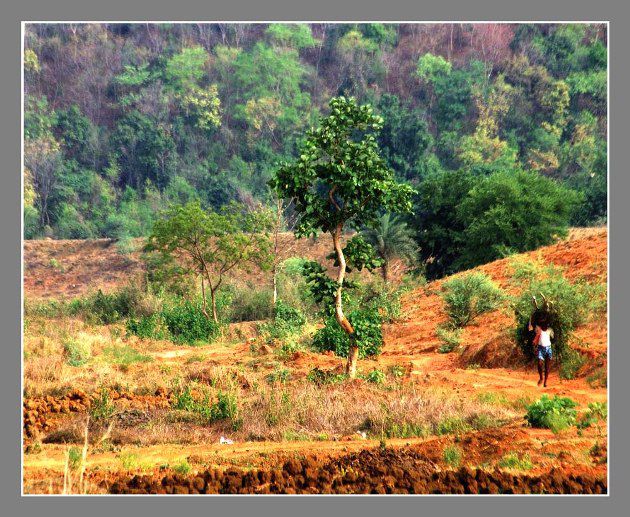
The Mal Pahariya tribe represents one of India’s most fascinating indigenous communities, with roots that stretch back centuries in the hills of Jharkhand and West Bengal. This comprehensive guide serves researchers, students, government officials, and anyone curious about tribal cultures in eastern India.
The Mal Pahariya people have maintained their unique identity despite facing significant challenges from modernization and changing socioeconomic conditions. Their story offers valuable insights into how traditional communities adapt while trying to preserve their ancestral ways of life.
We’ll explore their ancient origins and how geography shaped their distinctive culture, examining everything from their traditional hill-dwelling lifestyle to their complex social structures. You’ll also discover their current struggles with development pressures and learn about ongoing efforts to protect their cultural heritage for future generations.
Origins and Historical Background of the Mal Pahariya People
Ancient Roots and Migration Patterns Across the Rajmahal Hills
The Mal Pahariya tribe traces their ancestry back thousands of years to the ancient Dravidian populations who once dominated much of the Indian subcontinent. Archaeological evidence suggests these early communities migrated from central India during the pre-Aryan period, gradually settling in the rugged terrain of the Rajmahal Hills. Their name itself tells part of their story – “Mal” refers to the garland-like arrangement of hills they inhabited, while “Pahariya” simply means “people of the hills.”
The migration patterns show a fascinating journey through dense forests and rocky outcrops, with groups following seasonal water sources and fertile valleys. Ancient oral traditions passed down through generations speak of their ancestors moving eastward from the Vindhya ranges, seeking refuge in the protective embrace of the Rajmahal Hills. These hills provided natural fortification against invasions and offered abundant forest resources that perfectly matched their traditional lifestyle.
Rock paintings and stone tools discovered throughout the region point to continuous habitation spanning several millennia. The Mal Pahariya people developed intimate knowledge of every stream, cave, and hunting ground across their mountainous homeland, creating a complex network of settlements connected by ancient footpaths that wind through the landscape.
Early Settlements and Territorial Establishment in Jharkhand
The establishment of permanent Mal Pahariya settlements in present-day Jharkhand began around the 8th century CE, with communities creating strategic villages on elevated plateaus and hillsides. These early settlements followed a distinctive pattern – houses built on stilts to protect against wild animals and seasonal flooding, surrounded by terraced fields carved into steep slopes.
Each village developed its own territorial boundaries, marked by sacred groves and natural landmarks like distinctive rock formations or ancient trees. The Mal Pahariya people created an intricate system of land ownership based on clan affiliations, with different families responsible for specific hunting grounds, water sources, and agricultural areas.
Village elders established councils that governed territorial disputes and resource allocation, creating a democratic system long before formal administrative structures arrived in the region. These settlements became the foundation for the modern Mal Pahariya community structure that persists today.
Historical Interactions with Neighboring Tribes and Communities
The Rajmahal Hills region brought the Mal Pahariya tribe into contact with numerous other indigenous communities, creating a rich tapestry of cultural exchange and occasional conflict. The Santal people, who arrived in later periods, became their most significant neighbors, leading to both cooperation and competition over land and resources.
Trading relationships developed with the Oraon and Munda tribes, exchanging forest products like honey, medicinal herbs, and handcrafted items for agricultural goods and metal tools. These interactions created shared festivals and intermarriage customs that enriched Mal Pahariya culture while maintaining their distinct identity.
The arrival of Bengali settlers in the plains below the hills created new dynamics, as these communities brought different agricultural techniques and religious practices. Some Mal Pahariya groups adopted certain Bengali customs, particularly in areas closer to the foothills, while maintaining their core cultural practices.
Conflicts occasionally arose over hunting territories and water rights, but the Mal Pahariya people generally preferred negotiation and seasonal agreements rather than prolonged warfare. Their reputation as skilled hunters and intimate knowledge of the terrain often made them valuable allies for neighboring communities facing external threats.
Colonial Period Impact and Documentation Efforts
British colonial administration dramatically altered Mal Pahariya life starting in the late 18th century. The 1793 Permanent Settlement Act disrupted traditional land ownership patterns, as colonial officials struggled to understand the community-based territorial system that had governed the hills for centuries.
Francis Buchanan’s early surveys in 1807-1814 provided the first systematic documentation of Mal Pahariya customs, language, and social organization. His detailed observations captured a community in transition, still maintaining traditional practices while adapting to colonial pressures. These records became invaluable for understanding pre-colonial Mal Pahariya society.
The colonial government initially viewed the Mal Pahariya people as “criminal tribes” due to their resistance to settled agriculture and formal taxation. This classification led to increased surveillance and attempts to relocate communities to more accessible areas where they could be better controlled and taxed.
Forest laws introduced in the 1860s severely restricted traditional hunting and gathering rights, forcing many Mal Pahariya families to seek alternative livelihoods. Some groups moved to tea gardens as laborers, while others attempted to adapt their agricultural practices to meet colonial expectations.
British ethnographers like E.T. Dalton and Herbert Risley conducted extensive studies during the late 19th century, documenting everything from kinship patterns to religious ceremonies. While these studies sometimes reflected colonial biases, they preserved crucial information about Mal Pahariya culture during a period of rapid change.
Geographic Distribution and Traditional Habitat
Primary settlements in Santhal Parganas and surrounding regions
The Mal Pahariya tribe primarily inhabits the rugged landscapes of Santhal Parganas in Jharkhand, with concentrated settlements scattered across Pakur, Godda, and Sahebganj districts. These communities have established their villages on elevated terrains, taking advantage of natural defensive positions and fertile pockets between hills. The tribe’s settlements extend into parts of West Bengal and Bihar, particularly in areas where the Rajmahal Hills create suitable microenvironments for their traditional way of life.
Most Mal Pahariya villages are strategically positioned near water sources like streams and natural springs, ensuring year-round access to fresh water. The settlements typically consist of 20-50 households, arranged in clusters that follow the natural contours of the hillsides. Each village maintains communal spaces for gatherings and traditional ceremonies, while individual family compounds are designed to maximize privacy and security within the challenging terrain.
Mountain and hill terrain adaptation strategies
Living in the Rajmahal Hills for centuries, the Mal Pahariya people have developed sophisticated strategies to thrive in their mountainous environment. They construct houses using locally available materials like bamboo, mud, and stone, creating structures that can withstand monsoon rains and strong winds common in hilly areas. The traditional architecture features raised platforms and sloped roofs that effectively channel rainwater away from living spaces.
The tribe has mastered terraced agriculture on steep slopes, creating step-like farming plots that prevent soil erosion while maximizing cultivable land. Their deep knowledge of local topography allows them to identify the most fertile soil pockets and optimal planting locations for different crops. They’ve also developed intricate water management systems, including small check dams and irrigation channels that capture and direct rainwater for agricultural use.
The Mal Pahariya tribe has learned to read natural signs in their environment, using indicators like plant behavior, animal movements, and weather patterns to make decisions about farming, hunting, and daily activities. This intimate connection with their landscape has enabled them to predict seasonal changes and adapt their lifestyle accordingly.
Seasonal migration patterns and resource utilization
The Mal Pahariya community follows well-established seasonal migration patterns that align with resource availability and agricultural cycles. During the monsoon season, families often relocate to higher ground to avoid flooding in lower-lying areas, while also taking advantage of seasonal hunting opportunities in dense forest areas that become more accessible.
Winter months see many community members moving to foothill areas where they engage in collection activities, gathering forest products like honey, medicinal plants, and materials for crafts. These seasonal movements aren’t random wandering but carefully planned journeys based on generations of accumulated knowledge about when and where specific resources become available.
The tribe’s migration patterns also coincide with agricultural activities. After planting season, some families establish temporary shelters near their distant fields to protect crops from wild animals and tend to their cultivation. This seasonal mobility allows them to maximize resource utilization while maintaining sustainable practices that don’t overexploit any single area.
Climate influence on lifestyle and cultural practices
The monsoon-dominated climate of the Santhal Parganas region deeply shapes Mal Pahariya daily life and cultural expressions. The intense monsoon rains from June to September determine agricultural schedules, with the tribe timing their planting and harvesting activities around these predictable weather patterns. During heavy rains, indoor activities like weaving, tool-making, and storytelling become central to community life.
The dry winter months create opportunities for larger community gatherings and festivals, as travel between villages becomes easier on dried paths. Many traditional ceremonies and marriages are scheduled during this period when weather conditions favor outdoor celebrations and when food stores are typically at their peak after harvest season.
Hot pre-monsoon months influence housing design and daily routines, with many activities shifting to early morning and evening hours. The tribe has developed clothing and shelter modifications that help cope with temperature extremes, including lighter summer garments and techniques for keeping living spaces cool during the hottest parts of the year.
Climate variations also affect the availability of wild foods and medicinal plants, which the Mal Pahariya people have incorporated into their traditional calendar. They know precisely when different forest resources reach optimal harvesting conditions, timing their collection activities to coincide with peak nutritional or medicinal potency of various plants and fungi.
Cultural Identity and Social Organization
Traditional Governance Systems and Community Leadership
The Mal Pahariya tribe follows a council-based governance system where village headmen, known as “Manjhi,” hold significant authority in decision-making processes. These leaders are typically chosen based on age, wisdom, and respect within the community rather than through formal elections. The Manjhi works alongside a council of elders who help resolve disputes, maintain social order, and preserve traditional customs.
Community decisions are made through collective discussions where every adult member has a voice. Women often play crucial roles in domestic matters and resource management, though formal leadership positions are traditionally held by men. The tribe’s justice system emphasizes restoration over punishment, with community service and compensation being preferred methods of addressing wrongdoing.
Marriage Customs and Kinship Structures
Marriage within the Mal Pahariya community follows strict rules of exogamy, where individuals must marry outside their clan or gotra. Arranged marriages are common, with families playing active roles in selecting suitable partners. The bride price, locally called “pon,” involves the groom’s family providing goods, livestock, or money to the bride’s family.
Wedding ceremonies span several days and include rituals like the “sindoor daan” (vermillion application) and “saat phere” (seven rounds around sacred fire). The kinship system is patrilineal, with children belonging to their father’s clan. Extended families often live together in joint households, sharing resources and responsibilities.
Key kinship relationships include:
- Baba – Father
- Aji – Mother
- Dada – Paternal grandfather
- Nani – Maternal grandmother
- Mama – Maternal uncle (holds special significance)
Age-old Festivals and Ceremonial Celebrations
The Mal Pahariya tribe celebrates numerous festivals that connect them to agricultural cycles and ancestral spirits. Karma Puja stands as their most significant festival, dedicated to the Karma tree (Adina cordifolia), which symbolizes youth and fertility. During this celebration, unmarried girls perform traditional dances while carrying branches of the Karma tree.
Sarhul marks the beginning of spring and involves worshipping sal trees with offerings of rice beer and flowers. The tribal priest, called “Naike,” conducts these ceremonies with great reverence. Phagu coincides with Holi and celebrates the harvest season with community feasts and folk songs.
Other important celebrations include:
- Jatra – Annual fair combining religious devotion with social gathering
- Baha – Flower festival welcoming new agricultural seasons
- Soharai – Cattle worship festival showing respect for livestock
Oral Traditions and Storytelling Heritage
The Mal Pahariya people have preserved their history and cultural values through rich oral traditions passed down through generations. Their folklore includes creation myths, tales of brave ancestors, and moral stories that teach community values. Professional storytellers, known as “Kathakars,” hold special positions within the tribe and are called upon during festivals and important gatherings.
These oral narratives often feature supernatural elements, forest spirits, and legendary heroes who protected the tribe from external threats. Children learn about their ancestry, traditional practices, and moral codes through these captivating stories told around evening fires. The tales also contain practical knowledge about medicinal plants, seasonal changes, and survival techniques in forest environments.
Songs accompanying these stories use traditional musical instruments like the dhol (drum), nagara (large drum), and kartal (cymbals). The lyrics often incorporate references to nature, agricultural practices, and tribal deities, creating a comprehensive cultural education system.
Traditional Clothing and Artistic Expressions
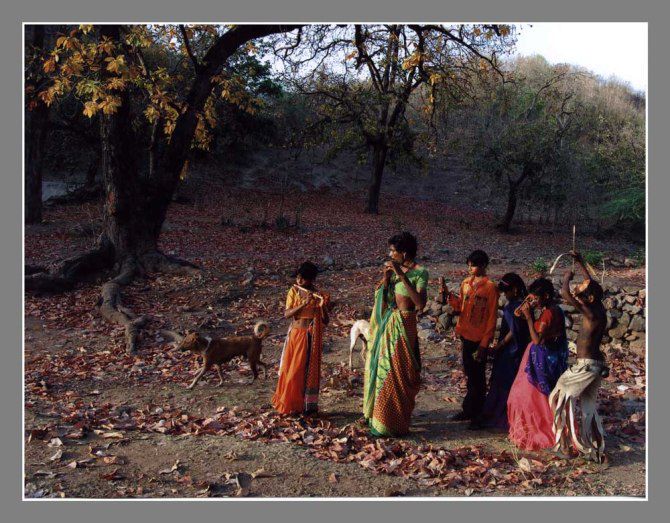
Traditional Mal Pahariya clothing reflects their close connection to nature and practical lifestyle needs. Women wear sarees or lehengas in bright colors like red, yellow, and orange, often decorated with geometric patterns and floral motifs. The ghaghara (long skirt) paired with choli (blouse) remains popular for ceremonial occasions. Silver jewelry, including hansuli (neck ornament), payal (anklets), and chuda (bangles), completes their traditional attire.
Men typically wear dhotis with kurtas or simple shirts. During festivals and ceremonies, they don colorful turbans called pagri and carry traditional weapons like bows and arrows as cultural symbols rather than practical tools.
Artistic expressions include:
Their textile work features intricate embroidery using silk threads in vibrant colors. Women create beautiful dupatta (scarves) and gamcha (towels) with traditional motifs representing their tribal identity. These artistic traditions serve both practical and ceremonial purposes, maintaining their cultural distinctiveness in modern times.
Language and Communication Systems
Mal Pahariya Linguistic Characteristics and Dialects
The Mal Pahariya tribe speaks a fascinating language that belongs to the Northern Dravidian family, making it quite distinct from the surrounding Indo-Aryan languages spoken in Jharkhand and Bengal. This linguistic isolation has helped preserve many archaic features that linguists find incredibly valuable for understanding the evolution of Dravidian languages in eastern India.
The language shows remarkable variation across different settlements, with three primary dialectal groups emerging based on geographic distribution. The northern dialect, spoken in areas closer to the Rajmahal Hills, contains more Sanskrit borrowings due to historical contact with Hindu populations. The southern variant, found in deeper forest regions, maintains purer Dravidian vocabulary and grammar structures. The eastern dialect displays interesting influences from Bengali and other regional languages.
What makes Mal Pahariya particularly interesting is its tonal qualities – speakers use pitch variations to distinguish meaning between otherwise identical words. The language also features complex verb conjugations that indicate not just tense and person, but also the speaker’s relationship to the listener and the level of certainty about the information being conveyed.
Phonetically, the language includes several sounds that don’t exist in neighboring languages, including retroflex consonants and specific vowel combinations that can be challenging for outsiders to master. The grammar follows a subject-object-verb pattern typical of Dravidian languages, but with unique modifications that have evolved over centuries of relative isolation.
Preservation Challenges in Modern Times
The Mal Pahariya language faces severe threats in today’s rapidly changing world. With only an estimated 100,000 speakers remaining, the language is classified as vulnerable by UNESCO. The biggest challenge comes from the lack of formal documentation – unlike major regional languages, Mal Pahariya has no standardized script, written literature, or official recognition in educational systems.
Young people increasingly prefer Hindi or Bengali for communication, seeing these languages as pathways to better opportunities in education and employment. Schools in Mal Pahariya areas typically don’t offer instruction in the tribal language, forcing children to learn in unfamiliar tongues from an early age. This creates a generational gap where grandparents struggle to communicate effectively with their grandchildren.
Migration to urban areas for work has accelerated language loss. Many Mal Pahariya youth who move to cities for jobs gradually stop using their mother tongue, and when they return to visit villages, they often communicate in Hindi or Bengali. Intermarriage with other communities also contributes to the decline, as families tend to adopt the more widely spoken language for daily communication.
Technology presents both challenges and opportunities. While smartphones and internet access expose young people to global languages and culture, there’s little digital content available in Mal Pahariya. Social media platforms, educational apps, and entertainment content all operate in major languages, leaving little space for tribal language use in digital environments.
The absence of government support compounds these problems. Unlike some other tribal languages that have received official recognition or development funds, Mal Pahariya remains largely ignored in language policy discussions at state and national levels.
Role of Oral Literature in Cultural Transmission
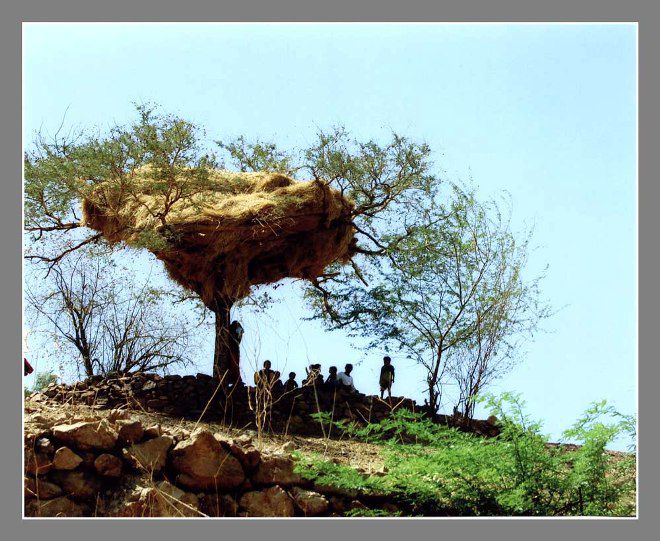
Oral literature serves as the backbone of Mal Pahariya cultural identity and knowledge preservation. For centuries, the community has relied on spoken traditions to pass down everything from historical accounts and moral teachings to practical knowledge about forest management and agricultural practices.
The storytelling tradition includes several distinct genres, each serving specific cultural functions. Creation myths explain the tribe’s relationship with the natural world and their place in the cosmic order. These stories often feature forest deities, sacred animals, and ancestral spirits who guide tribal members in their daily lives. Heroic ballads celebrate brave warriors and wise leaders from the past, providing role models for younger generations.
Folk songs play a crucial role during festivals, ceremonies, and seasonal celebrations. These compositions preserve astronomical knowledge, agricultural calendars, and medicinal plant information within memorable melodies and rhythms. Women traditionally serve as the primary custodians of healing songs that accompany herbal treatments, while men typically maintain hunting songs that encode forest navigation skills and animal behavior patterns.
Riddles and proverbs serve as educational tools, teaching children problem-solving skills and cultural values through entertaining verbal puzzles. Elders use these forms to transmit practical wisdom about weather prediction, crop management, and social relationships in ways that young minds can easily remember and apply.
The oral tradition also preserves linguistic diversity within the community. Different storytellers may use varying dialectal forms, helping maintain the rich vocabulary and grammatical structures that might otherwise disappear. Master narrators often deliberately employ archaic words and expressions during formal recitations, ensuring that older linguistic forms remain alive in community memory.
However, the oral tradition faces increasing pressure as traditional gathering spaces disappear and intergenerational interaction decreases. Television, mobile phones, and changing work patterns have reduced the time families spend together listening to stories and songs, threatening this vital cultural transmission system.
Traditional Livelihood and Economic Practices
Forest-based subsistence and resource management
The Mal Pahariya tribe has built their entire way of life around the forest ecosystem. For generations, they’ve developed sophisticated systems for managing forest resources without depleting them. Their understanding of seasonal cycles, tree growth patterns, and wildlife behavior runs incredibly deep.
The tribe collects various forest products including honey, wax, medicinal herbs, fruits, and timber for construction. They know exactly when to harvest different plants to ensure regeneration and maintain ecological balance. Sal leaves serve multiple purposes – from making plates and bowls to constructing temporary shelters during hunting expeditions.
Their resource management follows strict community guidelines passed down through oral traditions. Certain areas remain off-limits during breeding seasons, while specific trees are designated as sacred and protected. The Mal Pahariya people practice rotational collection methods, allowing different forest sections to recover naturally.
Women typically handle the collection of herbs, fruits, and fiber materials, while men focus on timber harvesting and bee-keeping. The community shares knowledge about which plants cure specific ailments and where to find the highest quality materials for crafting.
Traditional agriculture and crop cultivation methods
Agriculture among the Mal Pahariya follows ancient techniques perfectly adapted to hilly terrain. They practice shifting cultivation, locally known as ‘jhum’, which involves clearing small forest patches, burning vegetation, and planting crops in the nutrient-rich ash.
Rice forms the staple crop, grown in terraced fields carved into hillsides. They cultivate various indigenous varieties that thrive in local soil conditions and resist pests naturally. Millets, maize, and pulses complement their agricultural portfolio, providing nutritional diversity and soil fertility maintenance.
The tribe uses organic methods exclusively – cow dung fertilizer, crop rotation, and companion planting. They plant marigolds alongside vegetables to repel insects and grow nitrogen-fixing legumes between rice harvests. Water management involves creating small channels and ponds that collect rainwater for irrigation during dry periods.
Seeds are carefully selected and preserved from the best plants each season. Families maintain seed banks, sharing varieties with neighbors to prevent genetic bottlenecks. Planting schedules follow lunar phases and traditional calendars based on natural indicators like bird migration patterns and flowering cycles.
Hunting and gathering practices
Hunting remains a vital component of Mal Pahariya survival, though practices have adapted to conservation needs and changing regulations. Traditional hunting involves small groups using bows, arrows, and traps made from forest materials. They target wild boar, deer, birds, and small mammals while avoiding endangered species.
The tribe follows strict ethical codes around hunting. They never kill more than needed for immediate consumption and avoid hunting during breeding seasons. Pregnant or nursing animals are protected, and certain sacred animals remain completely off-limits.
Gathering activities extend beyond food to include materials for tools, medicine, and construction. Women excel at identifying edible plants, roots, and mushrooms. They collect bamboo shoots, wild tubers, and seasonal fruits that supplement their diet with essential nutrients.
Traditional knowledge includes understanding animal behavior, tracking techniques, and reading environmental signs. Hunters study scat patterns, footprints, and feeding areas to locate prey efficiently. This expertise also helps them avoid dangerous encounters with larger predators.
Handicrafts and artisanal skills development
The Mal Pahariya tribe demonstrates remarkable craftsmanship in creating functional and decorative items from natural materials. Bamboo weaving represents one of their most developed skills, producing baskets, mats, screens, and storage containers with intricate designs.
Women specialize in textile work, creating beautiful fabrics using traditional looms and natural dyes extracted from forest plants. They weave cotton and incorporate patterns that tell stories or represent clan symbols. The dyeing process involves roots, bark, and leaves to create vibrant colors that remain fast over time.
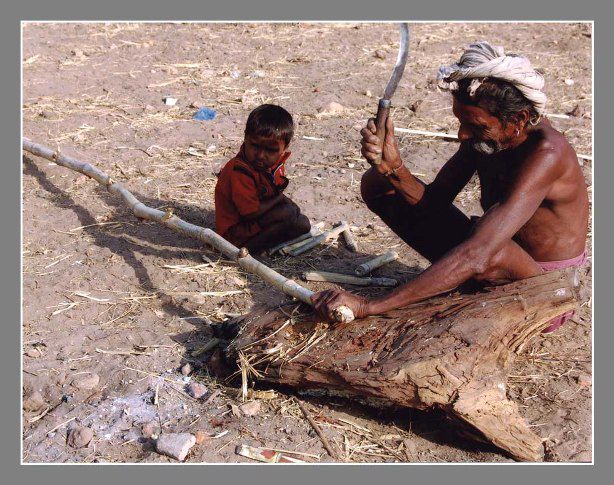
Woodworking skills among men include carving utensils, furniture, and agricultural tools. They understand which wood types work best for specific purposes – harder woods for tool handles, lighter varieties for decorative items. Traditional joining techniques avoid nails or modern fasteners entirely.
Pottery remains another important craft, with specific clay types collected from riverbeds and hillsides. Vessels are shaped by hand and fired in simple kilns, creating water pots, cooking utensils, and storage jars. Decorative patterns often incorporate tribal symbols and natural motifs.
Recent initiatives have helped connect Mal Pahariya artisans with broader markets, providing income opportunities while preserving traditional techniques. Training programs combine ancient methods with modern quality standards, helping craftspeople expand their skills while maintaining cultural authenticity.
Religious Beliefs and Spiritual Practices
Nature Worship and Animistic Traditions
The Mal Pahariya tribe holds a deep spiritual connection with the natural world that surrounds them. Every element of nature – from towering trees to flowing streams, mountains to rocks – carries spiritual significance in their belief system. The Mal Pahariya people see divine presence in forests, believing that spirits inhabit various natural formations and guide their daily lives.
Their animistic worldview centers on the understanding that all objects possess souls or spiritual essence. Mountains, which are central to their identity, are considered sacred dwelling places of powerful deities. The tribe worships Marang Buru, the supreme mountain god who governs their destiny and protects their community from harm. Water bodies like rivers and springs are revered as life-giving forces, while certain trees are believed to house benevolent spirits that bring prosperity and good health.
This nature-centric spirituality shapes their daily interactions with the environment. Before cutting trees for construction or clearing land for cultivation, the Mal Pahariya perform rituals to seek permission from the residing spirits. They offer prayers and small offerings like rice, flowers, and incense to maintain harmony with the natural world.
Sacred Groves and Spiritual Sites Significance
Sacred groves, known locally as “jaherthan,” serve as the spiritual heart of Mal Pahariya communities. These protected forest patches are considered too sacred to disturb and remain untouched by human activities like logging or cultivation. Each village typically maintains its own sacred grove where the community deity resides.
The jaherthan functions as both a place of worship and a biodiversity conservation area. Ancient trees, medicinal plants, and rare species find sanctuary within these groves. The Mal Pahariya believe that disturbing these sacred spaces would bring misfortune and natural disasters upon their community.
Village elders carefully maintain these sites, ensuring that only authorized individuals can enter during specific rituals and ceremonies. The groves serve as venues for important community gatherings, religious festivals, and decision-making processes. Traditional knowledge about medicinal plants and their uses is often shared within these sacred spaces, making them repositories of indigenous wisdom.
Shamanic Practices and Healing Rituals
Shamans, called “ojha” or “jan guru,” play a vital role in Mal Pahariya spiritual life. These spiritual practitioners serve as intermediaries between the human world and the spirit realm. They possess deep knowledge of traditional healing methods, using herbs, roots, and spiritual techniques to treat various ailments.
The healing process often involves elaborate rituals where shamans enter trance-like states to communicate with spirits and diagnose the spiritual causes of illness. They use drums, chanting, and sacred smoke to create the right atmosphere for healing ceremonies. Many community members seek their guidance not only for physical ailments but also for problems related to crops, livestock, and family disputes.
Shamanic practices include divination techniques to predict future events and identify auspicious times for important activities like sowing seeds or conducting marriages. The shamans also perform protective rituals to ward off evil spirits and negative influences that might threaten community wellbeing.
Ancestor Veneration Customs
Ancestor worship forms a cornerstone of Mal Pahariya spiritual beliefs. The tribe honors deceased family members and community leaders, believing their spirits continue to watch over and guide the living. Ancestral spirits are considered powerful protectors who can influence the prosperity and safety of their descendants.
Regular offerings of food, water, and prayers are made to ancestors, especially during important family events and seasonal festivals. The Mal Pahariya maintain ancestral shrines within their homes where they place photographs or symbolic representations of departed family members.
During harvest seasons and community celebrations, special rituals are performed to seek ancestral blessings. The tribe believes that neglecting ancestor worship can lead to misfortune, poor harvests, and family discord. Elders share stories about ancestors during these ceremonies, passing down family history and moral teachings to younger generations.
Death rituals are elaborate affairs where the community ensures proper transition of the deceased to the ancestral realm. These practices strengthen family bonds and maintain cultural continuity across generations within the Mal Pahariya tribe.
Contemporary Challenges and Modernization Impact
Land Rights Disputes and Displacement Issues
The Mal Pahariya tribe faces severe threats to their ancestral lands through various development projects and commercial activities. Mining operations, particularly coal extraction and stone quarrying, have displaced numerous families from their traditional territories. The tribal communities often lack proper documentation of their land ownership, making them vulnerable to exploitation by both government agencies and private companies.
Forest department policies have restricted the Mal Pahariya people’s access to their customary forest areas, affecting their traditional hunting and gathering practices. Many tribal members have lost agricultural lands due to inadequate compensation schemes and bureaucratic delays in land acquisition processes. The absence of proper land titles has created a cycle of legal battles that most tribal families cannot afford to fight.
Rehabilitation programs frequently fail to provide suitable alternative lands or adequate compensation. When relocation occurs, the Mal Pahariya often receive barren or less fertile lands that cannot sustain their traditional agricultural practices. This displacement disrupts their social fabric and disconnects them from sacred sites and ancestral burial grounds.
Educational Access and Literacy Development
Educational infrastructure in Mal Pahariya settlements remains severely inadequate. Most villages lack proper school buildings, and existing facilities often operate without basic amenities like electricity, clean water, or proper sanitation. The shortage of qualified teachers, particularly those who understand the local culture and language, creates additional barriers to effective learning.
Distance to educational institutions poses a major challenge, especially for girls who face cultural restrictions on traveling far from home. Many families prioritize immediate economic needs over education, leading children to work instead of attending school. The curriculum rarely incorporates Mal Pahariya cultural knowledge or uses teaching methods that resonate with tribal learning traditions.
Adult literacy programs show mixed results due to irregular implementation and lack of culturally relevant materials. Language barriers significantly impact educational outcomes, as most instruction occurs in Hindi or Bengali while many Mal Pahariya children speak their native language at home. Dropout rates remain high, particularly at the secondary level, due to economic pressures and the perceived irrelevance of formal education to their daily lives.
Healthcare Accessibility and Traditional Medicine Integration
Modern healthcare services remain largely inaccessible to the Mal Pahariya community due to geographical isolation and inadequate infrastructure. Primary health centers are often located far from tribal settlements, making emergency medical care nearly impossible. The shortage of medical staff and essential medicines at existing facilities creates additional obstacles to proper healthcare delivery.
Cultural barriers prevent many tribal members from seeking modern medical treatment. Language differences between healthcare providers and patients lead to miscommunication and mistrust. Traditional healing practices continue to play a central role in Mal Pahariya healthcare, with community healers using herbal medicines and spiritual remedies passed down through generations.
The integration of traditional and modern medicine faces resistance from both sides. Government health programs rarely acknowledge or incorporate indigenous medical knowledge, while some tribal members remain suspicious of external medical interventions. Maternal and infant mortality rates remain high due to limited access to trained birth attendants and emergency obstetric care.
Nutritional deficiencies are common, particularly among children and pregnant women, due to changing dietary patterns and reduced access to traditional food sources. Mental health issues related to cultural displacement and economic stress receive minimal attention from mainstream healthcare systems.
Economic Opportunities and Employment Challenges
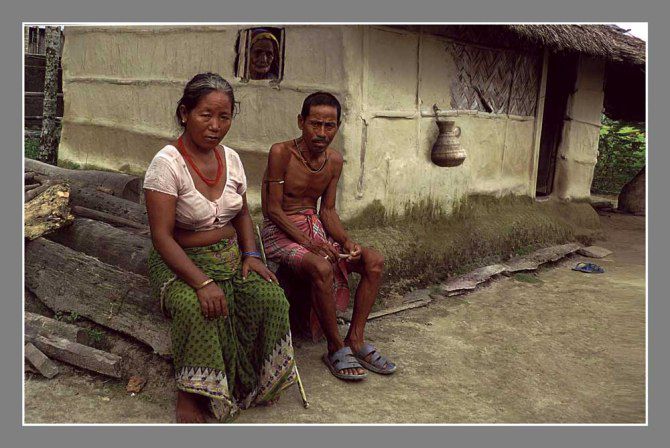
The Mal Pahariya tribe struggles with limited economic opportunities in the modern economy. Their traditional skills in agriculture, animal husbandry, and forest-based activities provide insufficient income in today’s market-driven economy. Many tribal members work as daily wage laborers in construction, mining, or agricultural sectors, facing exploitation and unsafe working conditions.
Lack of formal education and technical skills training restricts their access to better-paying jobs. Government employment programs often fail to reach tribal areas effectively, and when they do, the jobs offered are typically short-term and low-paying. Discrimination in hiring practices prevents qualified tribal members from securing positions in both public and private sectors.
Small-scale entrepreneurship faces numerous obstacles, including lack of access to credit, markets, and business development support. Traditional crafts and products struggle to find sustainable markets, despite their cultural value and quality. The absence of proper road connectivity and communication infrastructure limits their ability to participate in broader economic activities.
Migration to urban areas for employment often leads to exploitation and cultural alienation. Young tribal members who move to cities for work frequently face discrimination and struggle to maintain connections with their community. Those who return often find limited opportunities to apply newly acquired skills in their home regions.
Government Initiatives and Development Programs
Scheduled Tribe Status Benefits and Implementation
The Mal Pahariya tribe gained official recognition as a Scheduled Tribe, which opened doors to numerous government benefits and affirmative action programs. This classification provides reserved seats in educational institutions and government jobs, helping community members access opportunities previously out of reach. The implementation of these benefits has seen mixed results across different regions where the Mal Pahariya people live.
Reservation policies guarantee a percentage of positions in state and central government services, though actual uptake varies significantly. Many tribal members still face challenges in meeting educational qualifications required for these positions. The government has established special recruitment drives and relaxed age limits to improve participation rates among the Mal Pahariya community.
Land rights protection forms another crucial aspect of their Scheduled Tribe status. Laws prevent the sale of tribal land to non-tribals, safeguarding ancestral territories from exploitation. However, enforcement remains inconsistent, and land disputes continue to plague many Mal Pahariya settlements.
Educational Scholarships and Skill Development Schemes
Educational support programs target Mal Pahariya students from primary school through higher education. Pre-matric and post-matric scholarships cover tuition fees, books, and living expenses for eligible students. These programs have increased enrollment rates, particularly among girls who traditionally had limited access to formal education.
The government runs specialized coaching centers for competitive exams, helping tribal students prepare for entrance tests to professional courses. Residential schools in tribal areas provide quality education while allowing children to stay connected to their cultural roots. These Eklavya Model Residential Schools focus on both academic excellence and cultural preservation.
Skill development initiatives include vocational training programs aligned with local economic opportunities. The Mal Pahariya people receive training in areas like handicrafts, agriculture techniques, small-scale manufacturing, and modern farming methods. Digital literacy programs have been introduced to bridge the technology gap and connect tribal youth with online learning resources.
Healthcare Improvement Programs
Mobile health units regularly visit Mal Pahariya settlements to provide basic medical services and health screenings. These units address the challenge of reaching remote tribal areas where permanent healthcare facilities are scarce. Immunization drives and maternal health programs have shown positive results in reducing infant and maternal mortality rates.
Traditional healing practices receive recognition through integrated medicine programs that combine modern healthcare with indigenous knowledge. The government trains community health workers from within the Mal Pahariya tribe to serve as bridges between modern medical systems and traditional healing methods.
Specialized programs target common health issues affecting tribal populations, including malnutrition, anemia, and infectious diseases. Nutrition supplementation programs for pregnant women and children under five have helped improve overall health indicators in Mal Pahariya communities.
Infrastructure Development in Tribal Areas
Road connectivity projects have transformed accessibility to many Mal Pahariya villages, reducing isolation and improving access to markets and services. All-weather roads now connect previously inaccessible settlements, though maintenance remains an ongoing challenge during monsoon seasons.
Electrification programs have brought power to most Mal Pahariya habitations, with solar energy solutions implemented in remote areas where grid connectivity proves difficult. This has improved quality of life and created opportunities for small-scale enterprises and improved educational outcomes through better study conditions.
Water supply schemes ensure clean drinking water through bore wells, hand pumps, and piped water systems. Sanitation programs promote toilet construction and waste management practices, leading to improved hygiene and reduced disease transmission. Digital connectivity initiatives have introduced internet access to many tribal areas, opening new avenues for education and economic opportunities for the Mal Pahariya people.
Cultural Preservation and Future Prospects
Documentation Efforts for Traditional Knowledge
The Mal Pahariya tribe faces a critical race against time to preserve their rich cultural heritage. Community elders work alongside anthropologists and cultural researchers to record traditional stories, medicinal practices, and agricultural techniques that have been passed down through generations. Digital archives now store audio recordings of tribal songs, detailed descriptions of forest management practices, and photographic documentation of traditional crafts and ceremonies.
Local organizations have established community museums where artifacts like handmade tools, traditional clothing, and ceremonial items are preserved. The documentation process includes mapping sacred sites within their traditional territory and recording the spiritual significance of various natural landmarks. These efforts have revealed sophisticated ecological knowledge systems, including sustainable hunting practices and seasonal agricultural cycles that demonstrate the Mal Pahariya people’s deep understanding of their environment.
Youth Engagement in Cultural Activities
Young Mal Pahariya community members increasingly participate in cultural revival programs that bridge traditional practices with modern lifestyles. Schools within tribal areas now incorporate native language instruction and traditional craft workshops into their curriculum. Dance troupes formed by tribal youth perform at regional festivals, showcasing ancestral rhythms and movements that tell stories of their people’s connection to the land.
Mentorship programs pair elderly community members with young adults, creating opportunities for knowledge transfer in areas like traditional medicine, forest conservation, and spiritual practices. These intergenerational exchanges help maintain cultural continuity while allowing youth to adapt traditions to contemporary contexts. Mobile technology has enabled young people to create digital content that shares their cultural experiences with wider audiences, fostering pride in their Mal Pahariya identity.
Sustainable Development Approaches
Development initiatives within Mal Pahariya communities prioritize approaches that respect traditional lifestyles while improving living conditions. Eco-tourism projects allow community members to share their cultural heritage with visitors while generating income through guided forest walks, traditional craft demonstrations, and cultural performances. These programs create economic opportunities without requiring complete abandonment of traditional ways of life.
Agricultural development projects focus on enhancing traditional farming methods rather than replacing them entirely. Organic farming techniques build upon existing knowledge of crop rotation and natural pest management. Community-based forest management programs recognize tribal expertise in maintaining biodiversity while allowing sustainable harvesting of forest products for both subsistence and commercial purposes.
Integration Challenges with Mainstream Society
The Mal Pahariya tribe encounters complex obstacles when interacting with dominant social structures. Educational systems often fail to recognize the value of traditional knowledge, creating pressure on young people to choose between cultural identity and academic advancement. Language barriers complicate access to government services and legal processes, particularly in land rights disputes and healthcare access.
Economic integration presents additional challenges as market-based economies operate differently from traditional exchange systems. Many Mal Pahariya people struggle to navigate bureaucratic processes required for accessing development programs or securing formal employment. Discrimination based on tribal identity remains a significant barrier in urban areas, where community members may face prejudice when seeking education or employment opportunities.
Balancing cultural preservation with the practical needs of modern life requires careful consideration of which aspects of traditional culture can adapt to contemporary circumstances while maintaining their essential character.
The Mal Pahariya tribe represents a remarkable blend of ancient wisdom and resilience, having maintained their unique cultural identity across generations in the hills of eastern India. Their deep connection to the land, rich oral traditions, and sustainable livelihood practices offer valuable lessons about living in harmony with nature. Despite facing numerous challenges from modernization and displacement, the community continues to preserve their distinct language, spiritual beliefs, and social customs that have defined them for centuries.
Looking ahead, the future of the Mal Pahariya people depends on finding the right balance between embracing beneficial developments and protecting their cultural heritage. Government programs and educational initiatives show promise, but success will require genuine collaboration with tribal leaders and community members. Supporting their efforts to document traditions, improve access to healthcare and education, and create sustainable economic opportunities can help ensure this vibrant culture thrives for future generations. The Mal Pahariya story reminds us that cultural diversity strengthens our world, and every step taken to preserve their way of life enriches our shared human experience.
