
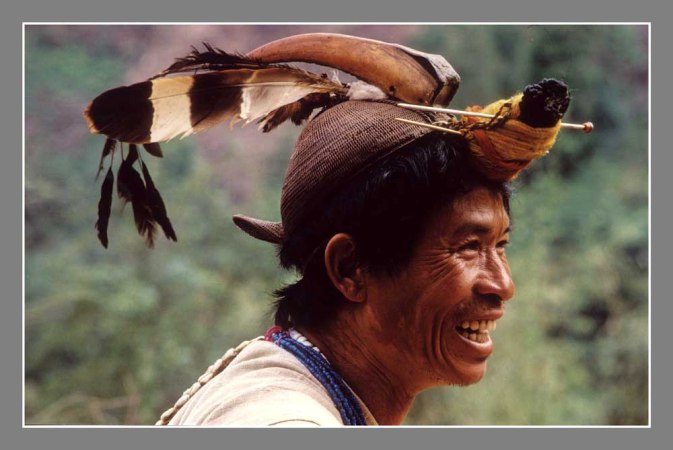
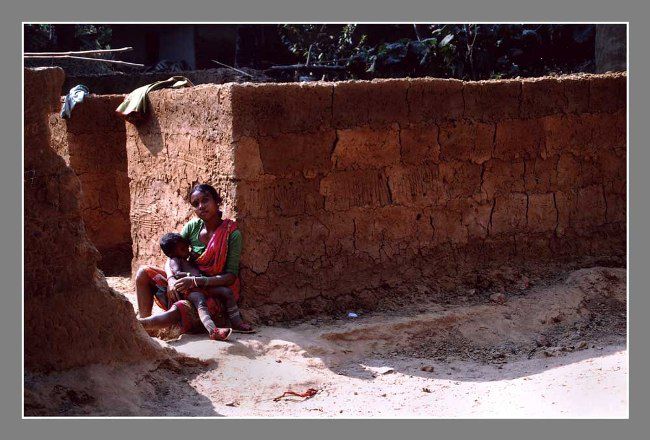
The Shompen tribe represents one of the world’s most isolated indigenous communities, living deep in the rainforests of Great Nicobar Island in India’s Andaman and Nicobar Islands. This guide serves researchers, anthropologists, students, and anyone curious about indigenous cultures who want to understand this remarkable Shompen people.
The Shom pen community has maintained their traditional way of life for thousands of years, largely untouched by modern civilization. Their story offers unique insights into human adaptation, cultural preservation, and the delicate balance between tradition and survival in today’s world.
We’ll explore their fascinating origins and how they’ve thrived in one of the most remote locations on Earth. You’ll discover their rich cultural practices and belief systems that have guided their community through generations. We’ll also examine the serious challenges they face today, from shrinking populations to outside pressures that threaten their very existence.
Origins and Historical Background of the Shompen People
Ancient migration patterns to the Nicobar Islands
The Shompen tribe’s arrival in the Nicobar Islands represents one of the most fascinating migration stories in the Indian Ocean region. These indigenous people likely arrived through multiple waves of migration spanning several millennia, with the earliest settlements dating back approximately 8,000 to 10,000 years ago. Their ancestors embarked on remarkable sea voyages from mainland Southeast Asia, navigating the treacherous waters of the Andaman Sea to reach the isolated Great Nicobar Island.
The migration patterns suggest a gradual island-hopping process, where early maritime peoples moved from the Malay Peninsula and surrounding archipelagos. The Shompen’s ancestors possessed sophisticated seafaring knowledge, understanding monsoon patterns, ocean currents, and celestial navigation techniques that enabled them to traverse hundreds of kilometers of open ocean. These early settlers brought with them essential survival skills, including agriculture techniques for tropical environments and knowledge of forest management that would prove crucial for their long-term survival on the islands.
Archaeological evidence of early settlements
Archaeological investigations on Great Nicobar Island have uncovered compelling evidence of ancient Shompen settlements that paint a picture of continuous habitation spanning thousands of years. Excavations have revealed stratified cultural deposits containing stone tools, pottery fragments, and remnants of ancient hearths that demonstrate the evolution of Shompen material culture over time.
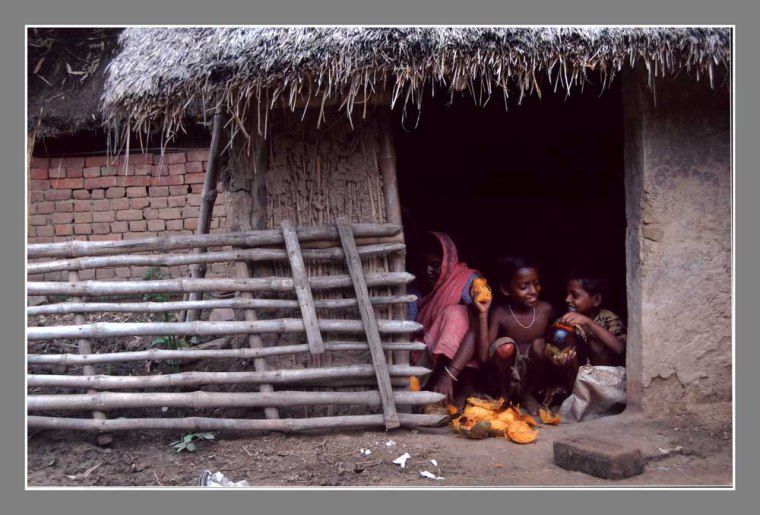
The most significant discoveries include:
- Stone tool assemblages: Carefully crafted implements made from local materials, showing technological adaptation to island resources
- Shell middens: Large accumulations of discarded shells indicating sustained marine resource exploitation
- Ceramic remains: Pottery fragments displaying unique decorative patterns that distinguish Shompen craftsmanship
- Charcoal deposits: Evidence of controlled fire use for cooking, tool-making, and forest management
These archaeological layers reveal how the Shompen people gradually developed specialized techniques for island living, including sophisticated methods for processing tropical plants, creating durable shelters from palm materials, and developing efficient fishing and hunting strategies suited to their unique environment.
Linguistic connections to Southeast Asian cultures
The Shompen language serves as a crucial window into understanding the tribe’s historical connections across the region. Linguists classify the Shompen language within the Nicobarese language family, which belongs to the broader Austroasiatic language group. This classification reveals deep historical ties to languages spoken across mainland Southeast Asia, particularly in present-day Vietnam, Cambodia, and parts of southern China.
Comparative linguistic analysis has identified several key connections:
The Shom pen language contains hundreds of cognates—words with common ancestral origins—shared with languages throughout Southeast Asia. These linguistic fingerprints suggest that the Shompen people maintained cultural exchanges with other maritime communities even after settling on the islands, though these connections gradually weakened over time as the community became more isolated.
Evolution of their unique tribal identity
Over millennia of island isolation, the Shompen people developed a distinct cultural identity that blends their ancestral Southeast Asian heritage with unique adaptations to their island environment. This evolutionary process created a society that remains recognizably connected to broader regional cultures while possessing entirely unique characteristics.
The Shompen tribe’s identity formation involved several key developments:
Environmental adaptation: Living exclusively on Great Nicobar Island forced the community to develop specialized knowledge of local ecosystems, creating unique practices for sustainable resource management that differ significantly from their mainland ancestors.
Social organization: The tribe evolved a flexible social structure suited to their small population size, emphasizing cooperation and shared decision-making processes that ensure group survival in their isolated environment.
Cultural practices: Traditional ceremonies, storytelling traditions, and artistic expressions gradually incorporated elements specific to island life, creating a rich cultural tapestry that honors ancestral traditions while reflecting their unique geographical circumstances.
Material culture: The Shompen developed distinctive techniques for creating tools, shelters, and decorative items using exclusively local materials, resulting in a material culture that remains functionally effective while expressing their unique aesthetic sensibilities.
Geographic Distribution and Natural Habitat
Location within the Great Nicobar Island
The Shompen tribe calls the interior regions of Great Nicobar Island their ancestral home, dwelling primarily in the island’s central and southern portions. This remote territory spans approximately 400 square kilometers of pristine wilderness, making the Shompen one of the most geographically isolated indigenous communities in the world. Their traditional lands stretch from the Dagmar River basin in the north to the Laful and Kopenheat river valleys in the south.
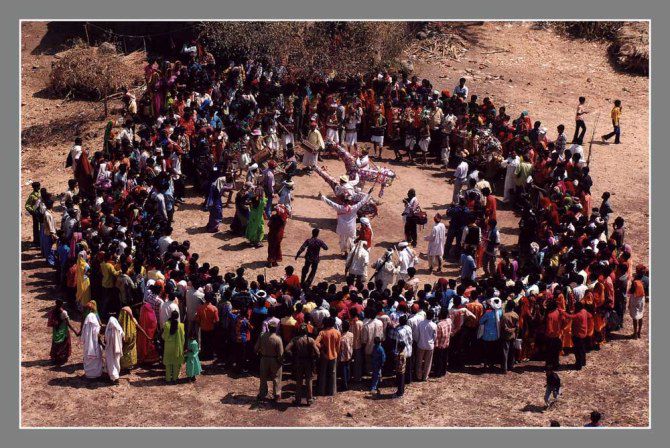
Unlike coastal communities, the Shompen have deliberately maintained distance from shoreline areas, establishing their settlements deep within the island’s protected interior. Their villages are typically situated near freshwater sources, with clusters of bamboo and leaf shelters positioned strategically along riverbanks and in forest clearings. The tribe divides their territory into distinct zones, each serving specific purposes for hunting, gathering, and spiritual practices.
The rugged topography of their homeland includes rolling hills, dense valleys, and numerous streams that provide both natural boundaries and transportation routes. These geographical features have historically served as protective barriers, helping the Shompen maintain their cultural autonomy from outside influences.
Relationship with the Tropical Rainforest Environment
The Shompen people have developed an intricate relationship with Great Nicobar’s tropical rainforest ecosystem over countless generations. This biodiverse environment provides everything necessary for their traditional subsistence lifestyle, from medicinal plants and construction materials to diverse food sources and fresh water.
Their deep ecological knowledge encompasses hundreds of plant species, including which trees produce the best materials for constructing their traditional stilt houses and boats. The Shompen have mastered the art of sustainable harvesting, taking only what they need while ensuring forest regeneration continues uninterrupted. They understand seasonal flowering patterns, fruiting cycles, and the behavior of various wildlife species that share their forest home.
The tribe’s spiritual beliefs are deeply intertwined with forest conservation. They view themselves as guardians rather than owners of the land, believing that maintaining harmony with nature ensures their community’s continued survival. This philosophy has resulted in remarkably well-preserved forest areas within Shompen territory, where biodiversity thrives under their stewardship.
Their traditional practices include creating small clearings for temporary agricultural plots, which they abandon after a few seasons to allow natural forest succession to restore the area. This rotational system demonstrates their sophisticated understanding of sustainable land management.
Seasonal Movement Patterns Across Their Territory
The Shompen follow ancient migration patterns that align closely with the island’s monsoon cycles and seasonal resource availability. During the dry season, from November to April, families often relocate to higher elevation areas where freshwater streams remain reliable and certain wild fruits ripen.
These seasonal movements aren’t random wanderings but carefully planned relocations based on generations of accumulated knowledge about resource cycles. Different areas of their territory become productive at various times throughout the year, and the Shompen have developed a sophisticated calendar system that guides their movements.
During monsoon months, from May to October, communities typically gather in more sheltered valleys where they can construct sturdy temporary shelters and wait out the heaviest rains. These seasonal gathering points serve important social functions, allowing extended families to reunite, share knowledge, and arrange marriages between different groups.
The tribe’s mobility patterns also reflect their hunting and gathering strategies. Certain areas are visited specifically during times when particular animals are most abundant or when important plant foods reach maturity. Young Shompen learn these movement patterns from childhood, developing an intimate knowledge of their territory’s seasonal rhythms that guides them throughout their lives.
Cultural Practices and Traditional Belief Systems
Spiritual Connection to Nature and Ancestral Worship
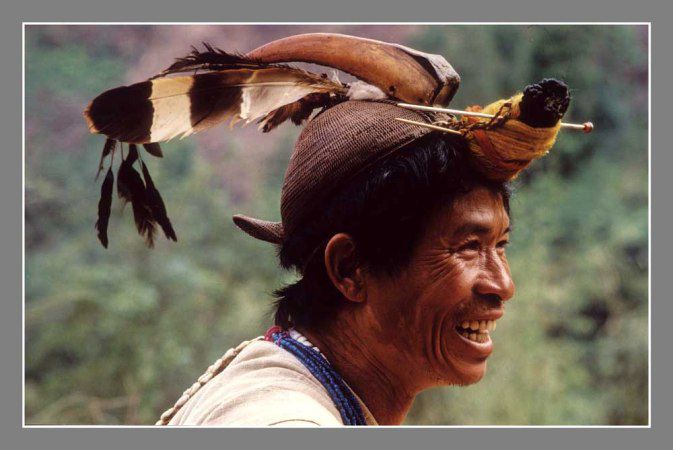
The Shompen tribe maintains an intricate relationship with the natural world that forms the foundation of their spiritual beliefs. Every element of their environment – from towering trees to flowing streams – carries sacred significance and houses spiritual entities that guide daily life. The Shompen people believe that their ancestors’ spirits reside within the forest, creating an invisible network of protection and wisdom that connects past generations with the present community.
Their animistic worldview treats the forest as a living entity deserving respect and reverence. Before hunting or gathering, tribe members perform specific rituals to seek permission from forest spirits, ensuring harmony between human needs and natural balance. Sacred groves scattered throughout their territory serve as spiritual sanctuaries where only designated individuals can enter for ceremonial purposes.
Ancestral worship plays a central role in Shompen spiritual practices. They believe deceased elders continue watching over their descendants, offering guidance through dreams and natural signs. Small shrines made from natural materials mark important locations where ancestors lived or died, becoming focal points for prayer and offering ceremonies.
Traditional Ceremonies and Seasonal Festivals
The Shompen celebrate various ceremonies that align with natural cycles and important life events. Their calendar revolves around monsoon patterns, fruiting seasons, and lunar phases, each triggering specific ritualistic observances. The honey collection ceremony stands out as one of their most significant celebrations, marking the beginning of the honey-gathering season with elaborate dances and community feasting.
Birth ceremonies welcome new members into the tribe through purification rituals involving medicinal herbs and sacred water from specific forest streams. Marriage ceremonies unite families through traditional exchanges of forest products and handcrafted items, symbolizing the couple’s commitment to sustainable living practices.
Seasonal festivals celebrate the abundance of different forest resources throughout the year. The wild fruit festival occurs during peak fruiting season, featuring communal meals where everyone shares in nature’s bounty. These gatherings strengthen social bonds while reinforcing the tribe’s connection to their environment.
Initiation ceremonies mark the transition from childhood to adulthood, involving tests of survival skills and knowledge about medicinal plants. Young people learn traditional songs, stories, and ecological wisdom that have been passed down through countless generations.
Social Hierarchy and Community Governance Structures
Shompen society operates through a decentralized system where leadership emerges naturally based on expertise, age, and community respect rather than hereditary positions. The tribe organizes itself around extended family groups, each led by the most experienced elder who demonstrates deep knowledge of traditional ways and strong decision-making abilities.
Community councils form when important decisions affect the entire group. These gatherings include representatives from each family unit, ensuring all voices receive consideration in matters concerning territory use, resource management, and conflict resolution. Decisions emerge through consensus rather than majority rule, requiring patience and extensive discussion until everyone agrees on the best course of action.
Specialized roles exist within the community based on individual skills and calling. Medicine people hold deep knowledge about healing plants and spiritual practices, while master hunters guide hunting expeditions and teach tracking techniques. Skilled craftspeople create tools, baskets, and other essential items, passing their expertise to interested younger members.
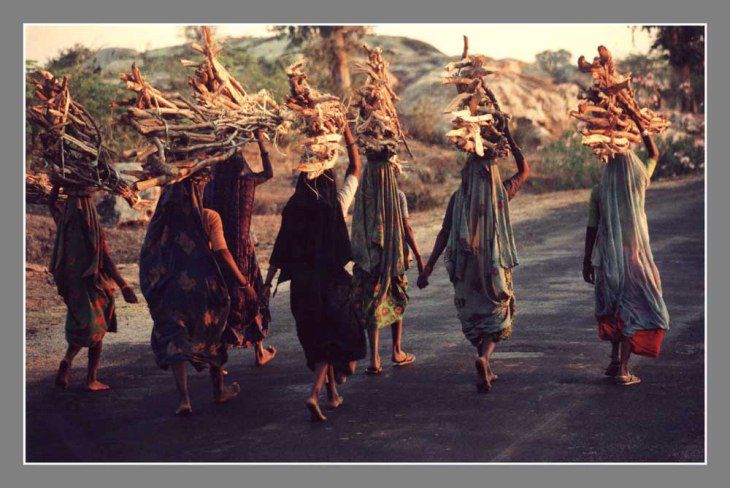
Women and men share leadership responsibilities, with certain roles traditionally associated with each gender while maintaining flexibility based on individual capabilities and community needs. Women often oversee gathering activities and food preparation, while men typically focus on hunting and tool-making, though these boundaries remain fluid.
Role of Elders in Preserving Cultural Knowledge
Elders serve as living libraries within Shompen society, carrying irreplaceable knowledge about traditional practices, medicinal plants, hunting techniques, and spiritual beliefs. Their role extends far beyond simple teaching – they act as cultural guardians who ensure ancient wisdom adapts appropriately to changing circumstances while maintaining essential core values.
Knowledge transmission occurs through informal daily interactions where elders share stories, demonstrate techniques, and explain the reasoning behind traditional practices. Young people learn by observing and participating in daily activities alongside experienced community members, absorbing practical skills and cultural values simultaneously.
Oral traditions form the backbone of cultural preservation among the Shompen people. Elders memorize extensive collections of stories, songs, and genealogies that encode important information about tribal history, territorial boundaries, seasonal patterns, and survival strategies. These narratives serve multiple purposes – entertainment, education, and cultural reinforcement.
The Shompen language itself carries specialized vocabulary related to forest ecology, traditional medicine, and spiritual concepts that cannot be directly translated into other languages. Elders work diligently to ensure younger generations maintain fluency in these specialized terms, recognizing that language loss threatens their entire cultural system.
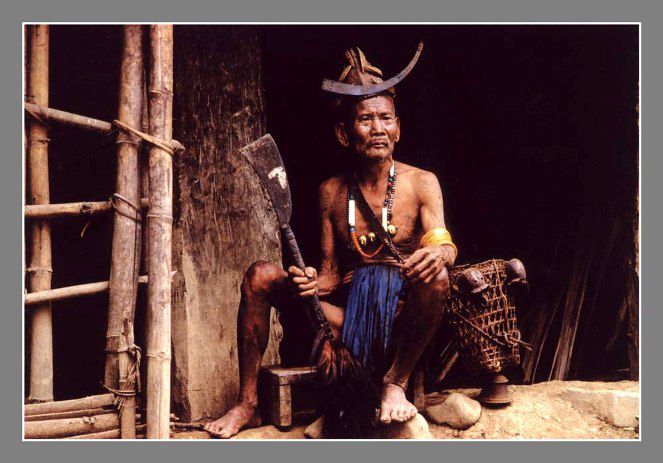
As modernization pressures increase, elders face the challenging task of determining which traditional practices must remain unchanged and which can adapt to new circumstances. Their wisdom guides the tribe through these decisions, helping maintain cultural integrity while ensuring community survival in an evolving world.
Traditional Lifestyle and Survival Skills
Hunter-gatherer techniques and food procurement methods
The Shompen tribe has perfected sophisticated hunting and gathering techniques over centuries, adapting to the unique ecosystem of the Nicobar Islands. Their food procurement strategies revolve around understanding seasonal patterns and animal behaviors. Men typically focus on hunting wild boar, deer, and various bird species using traditional spears, bows, and ingenious trap systems. They construct deadfall traps and pit snares with remarkable precision, positioning them along well-traveled animal paths.
Women excel in gathering forest produce, including wild fruits, tubers, honey, and edible leaves. The Shompen people possess intimate knowledge of which plants are safe to consume and when they reach peak nutritional value. They collect coconuts from both cultivated and wild palms, and their expertise extends to fishing in both freshwater streams and coastal areas using handwoven nets and bamboo fishing traps.
Their foraging calendar aligns with natural cycles – certain fruits ripen during specific months, and different roots become available throughout the year. The tribe practices sustainable harvesting, never depleting resources completely, which ensures long-term survival in their island environment.
Traditional shelter construction and village organization
Shompen settlements reflect both practical needs and social structures. Traditional houses are elevated structures built primarily from bamboo, palm leaves, and other forest materials. These elevated designs protect against flooding during monsoons and provide ventilation in the tropical climate. The construction process involves the entire community, with each family contributing labor and materials.
Villages are typically small, housing extended family groups of 15-30 individuals. The Shompen organize their settlements near freshwater sources, usually positioning homes in clearings that offer protection from strong winds while maintaining easy access to hunting and gathering areas. Each village includes communal spaces for food preparation and social gatherings.
Storage facilities for tools, food reserves, and personal belongings are strategically placed within homes. Separate structures often house grain stores and workshop areas where tools and crafts are created. The layout considers both defense against wild animals and easy evacuation routes during emergencies.
Handcrafted tools and weapons for daily survival
The craftsmanship of Shompen tools demonstrates remarkable ingenuity and adaptation to their environment. Their primary weapons include bamboo spears with fire-hardened points, bows crafted from specific wood types, and arrows with various tip designs depending on the intended prey. Hunting knives made from sharpened metal pieces or shells serve multiple purposes in daily life.
For gathering activities, they create specialized baskets woven from palm fronds and rattan, each designed for specific purposes – some for carrying fruits, others for root vegetables. Digging sticks help extract tubers from the forest floor, while climbing aids assist in reaching high coconuts and fruits.
Fishing equipment includes hooks carved from bone or wood, nets woven from plant fibers, and elaborate fish traps constructed from bamboo. Each tool represents generations of refinement, passed down through apprenticeship-style learning where young Shompen observe and practice alongside experienced craftspeople.
Medicinal plant knowledge and healing practices
The Shompen tribe maintains extensive knowledge of medicinal plants found throughout their island habitat. Their healing traditions combine practical herbalism with spiritual practices, recognizing the connection between physical and mental well-being. Tribal healers, often elderly community members, possess detailed knowledge of plant properties, preparation methods, and appropriate dosages.
Common treatments include leaf poultices for wounds, bark extracts for fever reduction, and root preparations for digestive issues. They understand which plants boost immunity during seasonal changes and use specific combinations for treating respiratory problems common in their humid environment. Pain relief comes from various plant-based remedies, including oils and heated leaf applications.
The preparation of medicines follows strict protocols, often involving specific timing for collection, proper drying techniques, and traditional mixing methods. Knowledge transfer occurs through oral tradition and hands-on training, ensuring that critical healing information passes to younger generations. The Shompen approach to medicine emphasizes prevention through diet and lifestyle alongside treatment of existing conditions.
Current Population Status and Demographics
Population decline trends over recent decades
The Shompen tribe has experienced a dramatic population decline that paints a concerning picture for their future survival. Historical records suggest that the Shompen population once numbered in the thousands, but today fewer than 400 individuals remain scattered across the Nicobar Islands. This represents one of the steepest population declines among indigenous communities in the region.
The most significant drop occurred following the 2004 Indian Ocean tsunami, which devastated their traditional settlements and claimed numerous lives. Before this natural disaster, estimates placed the Shompen population at around 300-400 people. Post-tsunami surveys revealed that the community had shrunk to approximately 220-250 individuals, marking a catastrophic 30-40% decline in a single event.
Recent demographic studies indicate that the population continues to dwindle at an alarming rate of 2-3% annually. Government census data from the last two decades shows a consistent downward trend, with no signs of stabilization. The most recent reliable count suggests fewer than 230 Shompen individuals remain, making them one of India’s most critically endangered tribal populations.
Age distribution and gender ratios within the tribe
The age structure of the Shompen community reveals significant demographic imbalances that threaten long-term viability. Current data shows a heavily skewed age distribution, with a disproportionately large elderly population and a concerning shortage of children and young adults.
Approximately 40% of the remaining Shompen population consists of individuals over 50 years old, while only 15-20% are under the age of 15. This inverted population pyramid indicates a community struggling with reproduction and child survival rates. The working-age population (16-49 years) comprises roughly 40-45% of the total, but many within this group face health challenges that impact their reproductive capacity.
Gender ratios within the Shompen tribe also present challenges. Recent surveys suggest there are approximately 95 females for every 100 males, creating additional pressure on an already small gene pool. Among the younger population (under 30), the gender imbalance becomes more pronounced, with males outnumbering females by nearly 60:40 in some age cohorts.
The elderly population, while representing cultural knowledge and wisdom, cannot contribute to population growth. Many elderly Shompen individuals serve as the last repositories of traditional knowledge, languages, and customs, making their eventual passing a double loss for the community.
Factors contributing to demographic challenges
Multiple interconnected factors drive the Shompen tribe’s demographic crisis. Disease outbreaks represent the most immediate threat, as the isolated community lacks natural immunity to common pathogens introduced through contact with outsiders. Respiratory infections, measles, and other communicable diseases can devastate small populations within weeks.
Environmental degradation and climate change have severely impacted traditional food sources and living spaces. Rising sea levels threaten coastal settlements, while changing weather patterns disrupt traditional hunting and gathering cycles. The tsunami’s long-term effects continue to influence settlement patterns, forcing many Shompen families to relocate to less suitable areas.
Genetic bottlenecks pose another significant challenge. With such a small population, inbreeding becomes unavoidable, leading to increased rates of genetic disorders and reduced fertility. Limited mate selection within the community has resulted in higher infant mortality rates and developmental issues among newborns.
Cultural disruption from external contact, though minimal compared to other tribal communities, still impacts traditional marriage practices and family structures. Younger Shompen individuals sometimes leave the community for education or employment opportunities, rarely returning to contribute to population growth.
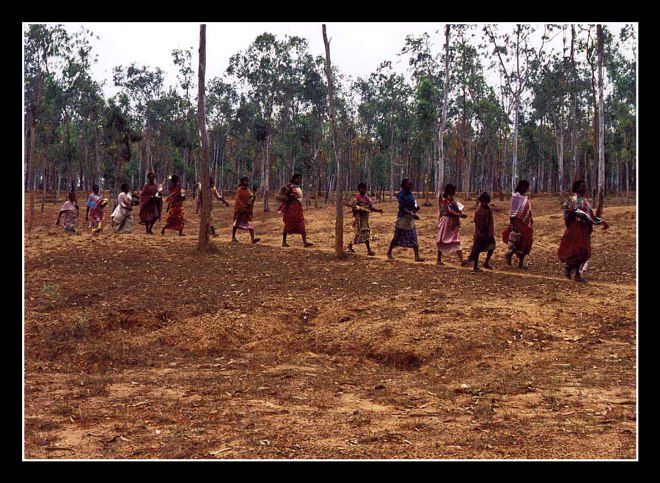
Healthcare access remains extremely limited due to the tribe’s remote location and cultural barriers. Maternal and infant mortality rates are significantly higher than national averages, while preventive healthcare is virtually non-existent. Traditional healing practices, while culturally important, cannot address complex medical conditions that modern medicine could potentially treat.
Modern Challenges and External Pressures
Impact of Deforestation and Habitat Destruction
The Shompen tribe faces severe threats from deforestation activities across the Nicobar Islands. Logging operations, both legal and illegal, have dramatically reduced the primary forest cover that the Shompen people depend on for their traditional way of life. These dense tropical forests provide everything from medicinal plants to building materials, hunting grounds, and sacred spaces central to their cultural identity.
Commercial timber extraction has fragmented the continuous forest canopy, disrupting wildlife migration patterns and reducing the availability of traditional food sources. The Shompen rely heavily on forest resources for subsistence, including wild fruits, roots, and small game. When these ecosystems become degraded, the tribe struggles to maintain their traditional hunting and gathering practices that have sustained them for generations.
Agricultural expansion and infrastructure development projects have created additional pressure on their ancestral lands. Roads, settlements, and cleared areas for cultivation have created barriers that isolate different Shompen communities from each other, weakening social bonds and traditional knowledge transfer between groups.
Effects of Tourism and Outside Cultural Influences
Tourism development in the Nicobar Islands brings both direct and indirect challenges to the Shompen community. Visitors often seek authentic cultural experiences, creating pressure for the tribe to commodify their traditions and sacred practices. This exposure can lead to the gradual erosion of cultural authenticity as traditional ceremonies and rituals become performance-oriented rather than spiritually meaningful.
Contact with outsiders introduces new consumer goods, technologies, and lifestyle concepts that can disrupt traditional social structures. Younger Shompen members may become attracted to modern conveniences and urban lifestyles, creating generational tensions within the community. The introduction of alcohol, processed foods, and modern clothing can alter traditional dietary habits and cultural dress codes.
Tourist activities also increase the risk of environmental degradation around Shompen territories. Beach tourism, water sports, and trekking can disturb sensitive ecological areas that the tribe considers sacred or uses for traditional practices. The construction of tourist facilities requires land clearing and can introduce pollution into pristine environments the Shompen depend upon.
Government Policies Affecting Tribal Autonomy
Administrative policies often conflict with traditional Shompen governance systems and land use practices. Modern legal frameworks don’t always recognize customary land rights, creating uncertainty about territorial boundaries and resource access rights. Government-imposed regulations on hunting, fishing, and forest use can criminalize traditional subsistence activities that have been practiced sustainably for centuries.
Educational policies that mandate formal schooling can disrupt traditional knowledge transmission systems. While education provides opportunities, it also pulls children away from learning traditional skills, languages, and cultural practices from elders. The curriculum in government schools rarely includes indigenous knowledge or cultural content relevant to Shompen life.
Bureaucratic procedures for accessing government services, obtaining permits, or participating in development programs can be complex and culturally inappropriate. The Shompen may lack the literacy skills, documentation, or cultural understanding necessary to navigate these systems effectively, leaving them marginalized from programs designed to help them.
Climate Change Consequences on Traditional Lands
Rising sea levels pose a direct threat to the low-lying areas where many Shompen communities live. Coastal erosion has already forced some groups to relocate inland, disrupting established settlement patterns and access to traditional fishing grounds. Saltwater intrusion into freshwater sources affects drinking water quality and agricultural practices.
Changing rainfall patterns disrupt the seasonal cycles that guide traditional agricultural and gathering activities. The Shompen have developed sophisticated knowledge about when to plant, harvest, hunt, or collect specific resources based on environmental cues that are becoming less reliable due to climate variability.
Extreme weather events like cyclones and storms have become more frequent and intense, destroying traditional housing structures and damaging forest resources. These events can wipe out years of accumulated food stores and force communities to depend on outside assistance, creating dependency relationships that undermine traditional self-sufficiency.
Disease Susceptibility and Healthcare Access Issues
The Shompen population shows high vulnerability to infectious diseases introduced from outside their communities. Their isolation has meant limited exposure to common pathogens, leaving them with little natural immunity to diseases that outsiders carry. Even mild illnesses can have devastating effects on small, isolated communities.
Traditional healing practices, while effective for many conditions, may not address new health challenges or complex medical conditions that require modern intervention. The loss of traditional medicinal knowledge as elders pass away without fully transmitting their expertise to younger generations compounds this problem.
Geographic isolation makes accessing modern healthcare facilities extremely difficult. Medical emergencies often cannot be addressed quickly enough due to transportation challenges and the remote location of Shompen settlements. Healthcare providers may also lack cultural sensitivity or understanding of traditional practices, creating barriers to effective treatment and care.
Mental health challenges related to cultural disruption, social change, and loss of traditional ways of life are often overlooked in healthcare planning. The stress of adapting to modern pressures while maintaining cultural identity can create psychological distress that isn’t addressed by conventional medical approaches.
Conservation Efforts and Protection Measures
Indian Government Initiatives for Tribal Preservation
The Indian government has established comprehensive legal frameworks to protect the Shompen tribe and their ancestral lands in the Nicobar Islands. Under the Andaman and Nicobar Islands (Protection of Aboriginal Tribes) Regulation of 1956, strict access controls prevent unauthorized entry into Shompen territories. The regulation creates buffer zones around their settlements and requires special permits for any research or development activities in their region.
The Ministry of Tribal Affairs works closely with local administrations to ensure the Shompen people receive essential healthcare services while respecting their cultural preferences. Mobile medical units visit designated areas, providing treatment for communicable diseases that pose serious threats to their small population. Educational programs are carefully designed to preserve their traditional knowledge systems while introducing basic literacy in their native language.
Forest conservation policies specifically protect the dense tropical forests where the Shompen live, recognizing their role as traditional stewards of the ecosystem. The government has declared large sections of Great Nicobar Island as reserved forests, preventing commercial logging and mining activities that could disrupt their traditional hunting and gathering practices.
Recent initiatives include digital documentation of Shompen cultural practices and language preservation programs. Anthropologists and linguists work under strict guidelines to record their oral traditions, ensuring future generations can access this knowledge even as external pressures mount.
International Support for Indigenous Rights
Global advocacy organizations have brought significant attention to the Shompen tribe’s situation, particularly through the United Nations Declaration on the Rights of Indigenous Peoples. International human rights groups regularly monitor government policies affecting the Shompen, ensuring their rights to ancestral lands and cultural practices remain protected.
The World Wildlife Fund and other conservation organizations support habitat preservation efforts in the Nicobar Islands, recognizing that protecting the Shompen’s environment directly supports their survival. These partnerships fund scientific research that documents the tribe’s traditional ecological knowledge while advocating for sustainable land management practices.
International funding supports capacity building programs for local government officials and healthcare workers who interact with the Shompen community. Training focuses on culturally sensitive approaches that respect tribal autonomy while providing necessary services. Medical anthropologists from various countries contribute expertise in delivering healthcare to isolated indigenous populations.
Academic institutions worldwide collaborate on research projects that study the Shompen language, social structures, and traditional practices. These partnerships ensure that documentation efforts meet international standards while benefiting the community directly through improved understanding of their needs and preferences.
Sustainable Development Approaches for the Region
Development strategies for Great Nicobar Island carefully balance infrastructure needs with tribal protection requirements. The government has adopted a zoning approach that designates specific areas for limited development while maintaining large protected zones around Shompen settlements.
Eco-tourism initiatives in other parts of the Nicobar Islands generate revenue that supports conservation efforts without directly impacting Shompen territories. These programs educate visitors about indigenous rights and the importance of preserving traditional cultures while funding local conservation projects.
Renewable energy projects use solar and wind power to meet the islands’ growing electricity needs without requiring major infrastructure development in sensitive areas. These technologies reduce the need for roads and power lines that could fragment Shompen habitats or expose them to unwanted outside contact.
Marine conservation programs protect the coastal waters where the Shompen traditionally fish and gather resources. Sustainable fishing quotas and protected marine areas ensure that commercial fishing doesn’t deplete the resources the tribe depends on for survival.
Research stations operate under strict protocols that limit human presence while monitoring environmental changes that could affect the Shompen. Climate change adaptation strategies specifically address rising sea levels and changing weather patterns that threaten their coastal and forest environments.
Community-based monitoring programs train local residents to track environmental changes and report potential threats to Shompen territories. These early warning systems help prevent encroachment and environmental damage before they become serious problems.
The Shompen tribe stands as one of the world’s most isolated indigenous communities, carrying thousands of years of unique cultural heritage on the remote Nicobar Islands. Their deep connection to the forest environment, traditional survival skills, and spiritual beliefs offer valuable insights into sustainable living and human adaptation. Despite facing mounting pressures from modernization, deforestation, and outside contact, the Shompen continue to maintain their distinct way of life through remarkable resilience.
Protecting the Shompen people and their ancestral lands isn’t just about preserving a culture—it’s about safeguarding irreplaceable knowledge about forest ecology, traditional medicine, and sustainable resource management. As their population remains critically small and vulnerable, supporting conservation initiatives and respecting their right to self-determination becomes essential. The survival of the Shompen tribe depends on our collective commitment to protecting both their physical environment and cultural autonomy for future generations.
