
Thank you for reading this post, don't forget to subscribe!
Myth, reality and cultural legacy: Influence of matriarchal social systems in India -A Review
The matriarchal social system in India has further strengthened India’s social bonds. India is a country rich in culture and society, but it is predominantly a patriarchal society. However, there exist, in its expansive network, communities that resist this dogma, described as “matriarchal”.
But are they Matriarchal social system in India, or is this a misnomer for matrilineal practices? ‘In knowing more about Matriarchal Social Systems in India, cultural practices, the historical antecedents and the debate related to gendered power structures, this blog dissects the complexities of the issue.
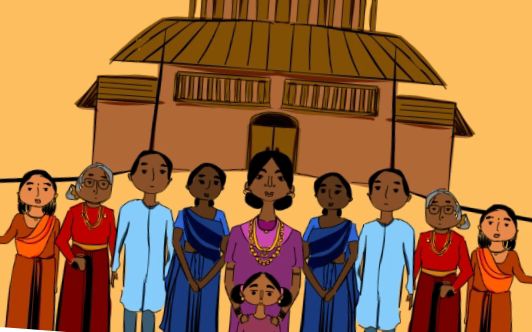
Understanding the Jargon: Matriarchal vs. Matrilineal
Before we get into examples, it’s important to make the distinction between matriarchal and matrilineal systems:
– A societas matriarchalis is a society in which women are the head of the household, the parentage and descendants being traced through the female line and women are in control of property.
– Matrilineal: System in which lineage and inheritance are traced through the mother’s side, but in which political and economic power might still be invested in men.
Most Indian communities commonly referred to as matriarchal — such as the Khasi, Garo and Nair ones — are actually matrimonial. This distinction is crucial to ensure that we do not romanticize gender roles and perpetuate the continued power of patriarchal arrangements.
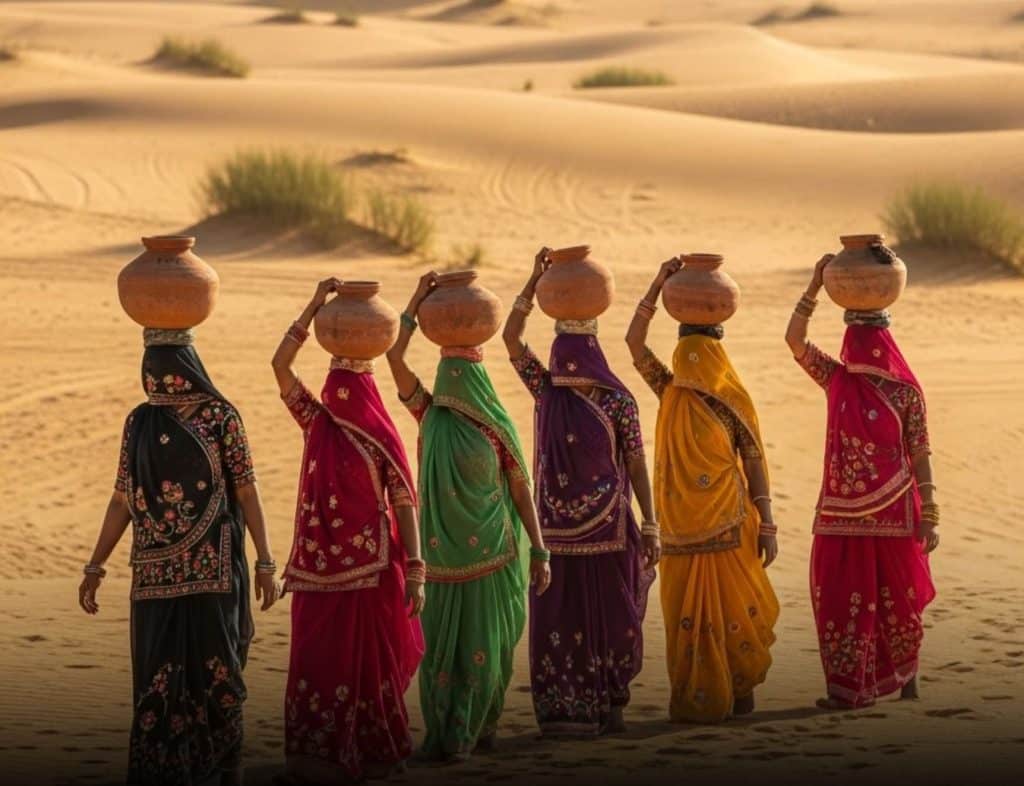
Living Matrilineal Societies in India
1. Khasi Tribe – Meghalaya
– Location: Northeast India
– Key Features:
– A mother’s surname is given to her children.
– The property passes to the youngest daughter.
Husbands move into their wives’ homes.
– Reality Check: While inheritance is matrilineal, men still hold the political leadership and decision making power.
2. Garo Tribe – Meghalaya
– Social Structure:
The Garo also inherit their father surname and take it up as their last name.
– The youngest daughter is entitled to a dowry.
– Clan status is transmitted through women.
– Cultural Note: Inter-tribal marriage is frowned upon, and divorce is not shameful.
3. Nair and Ezhava Communities – Kerala “We will not give up our customs without fighting,” said Swami Sahajanand.
– Historical Practice:
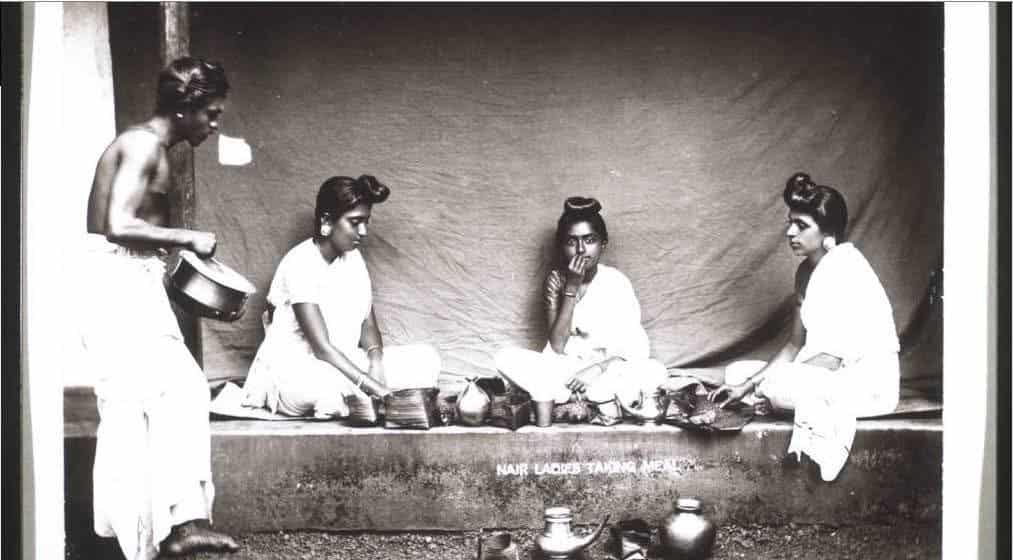
– Matrilineal descent continued until the Joint Family System (Abolition) Act, 1975.
‐ Women possessed a great deal of influence over domestic property.
– Present Generations: Contemporary Generations: The patriarchal tradition is replacing the matrilineal tradition.
4. Bunt and Billava – People of Karnataka
– Traditions:
-Traditional matrililneal, with property transmitted through the female line.
— Women were central to family rituals and land management.
Current Situation Most are integrated into patriarchal structures Strengths vs. Weaknesses Women are generally in subservient positions.
Statistical Snapshot
No one can know for sure—Matriarchal social system in India soften numbers even as they create them—but here are a few good ones:
| Community Representation | Estimated Population | Matrilineal Practice | Political Representation |
| Khasi | ~1.4 million | Strong | Low |
| Garo | ~1 million | Strong | Moderate |
| Nair (Kerala) | ~14 million | Historically strong | Moderate |
| Bunt/Billava | ~14 million | Moderate | Low |
Myth of Matriarchy in India
Contrary to popular credence, neither of these societies are genuinely Matriarchal social system in India. The term “matriarchal” is often thrown around very loosely, Feminism in India observes, and it doesn’t take much talk about the “prevalence” of matriarchy to hide the very real forces of patriarchy that woman here, just like everywhere else on this very patriarchal planet. For instance:
— There may be women with property but no political power.
– The male figure still enjoys preferentialism in public domain social practices.
– Domestic decision making is usually shared or male dominated.
This misrecognition can block feminist change by obscuring structural inequalities.
Historical Roots and Anthropological Insights
Some anthropologists think that matrilineal organizations in India developed as a result of:
– Agricultural Economies: Which is when women were in control of the land, the stuff you grew on the land.
-Isolation in tribes: Any community would have unique developments just because how isolated it was, Khasi and Garo.
– Colonial Displacement: British legal codes often worked to alienate matrilineal customs, for example, male inheritance laws.
Contemporary Challenges and Shifts
Even in Matriarchal social system in India, modern influences are changing the old models of masculinity and femininity:
– Urbanization — migration and nuclear family Attitudes to marry and family structures become diluted due to urbanization orientation is urbanized.
Legal Reforms: UCCs usually privilege patriarchal values.
– Education and Activism: Increasing number of women are asserting rights other than that of inheritance —demanding political and economic space.
Voices from the Ground
Many women on these communities express a kind of ambivalence:
“Yes, I inherited my mother’s house, but my brother calls all the shots.” – A Khasi woman, Shillong
“We’re proud of our past but we are also still fighting for equal representation in the village councils.” – Garo activist
These voices gesture to the disconnect between symbolic power and real power.
Global Context: Are Matriarchies Real?
Very few societies worldwide are genuinely matriarchal. Examples include:
– Mosuo (China): Property and family decisions are in the hands of women.
– Minangkabau (Indonesia): The largest matrilineal society, power is vested in women.
— Umoja (Kenya): A village founded by women only to escape violence from patriarchal men.
Matrilineal communities in India have similarities but do not have matriarchal rule.
Conclusion: Rethinking Power and Gender
India’s purported matriarchal societies provide a fascinating perspective on a different social structure. But if we want women to have real power, we should go beyond inheritance and symbolism to provide:
– Political Representation
– Economic Independence
– Legal Equality
– Cultural Respect
Understanding the difference between matrilineal and matriarchal isn’t simply semantic — it’s strategic. It enables us to see where gaps exist and where myths may be exposed and where to build a fairer society.
