
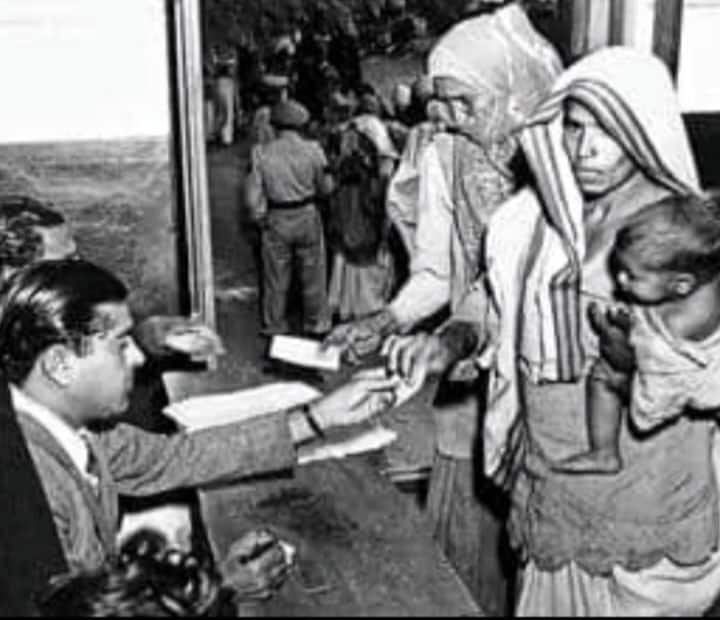
Evolution through History: Women’s political participation in India
Thank you for reading this post, don't forget to subscribe!
– Post-Independence Milestones:
1950 Constitution: Universal adult suffrage was protected and sex discrimination was outlawed.
— Indira Gandhi: Elected as India’s first female prime minister in 1966, her rise was seen on one level as a feminist triumph, as India witnessed the arrival of powerful female political leadership.
– Devolution of Power to Local Bodies: The 73rd and 74th Constitutional Amendments (1992) made it mandatory to reserve one-third of the total seats for women in the Local level, and brought about a paradigm shift in their participation at the grassroots.
Current Context: Representation and Voting Patterns
Representation in Legislatures
| Level of Government | Women’s Representation (%) |
| Lok Sabha (2024) | 14% |
| Rajya Sabha | ~11% |
| State Assemblies | Varies (5–15%) |
| Panchayats | 33% (mandated) |
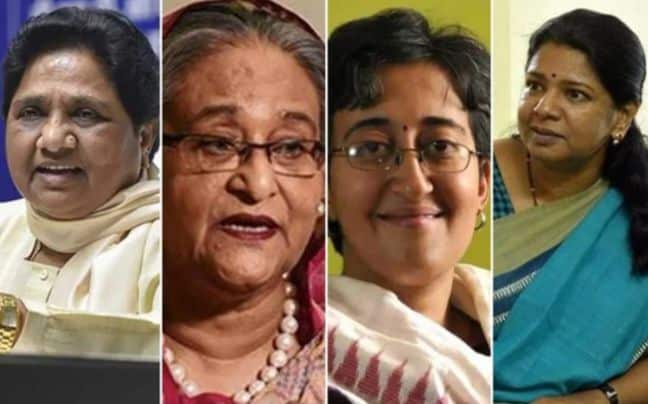
Factors Influencing Participation
1. Socio-Cultural Norms
Patriarchal belief systems can limit women’s freedom of movement and decision making.
– In rural areas, cultural preference is placed on domesticity rather than public participation.
2. Education and Literacy
– Women’s political participation in India consciousness is directly proportional to higher literacy.
– Yet gaps in education among the genders remain, particularly in marginalized communities.
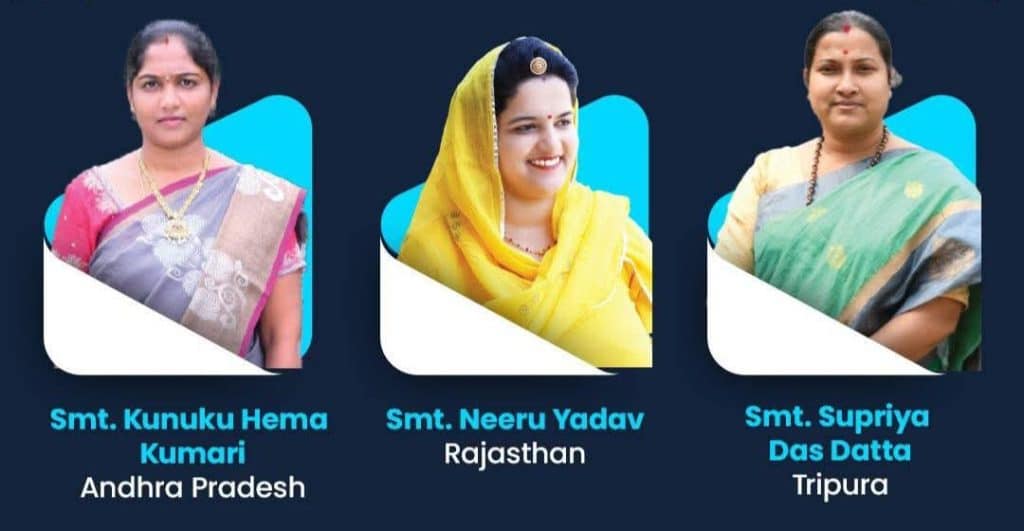
Success Stories and Role Models
Despite obstacles, Indian women have made significant political strides:
– Presidents: Pratibha Patil (2007–2012)
– Chief Ministers : Mayawati ( Uttar Pradesh ), Mamata Banerjee ( West Bengal ), Jayalalithaa ( Tamil Nadu )
– Parliamentarians: Leaders like Sushma Swaraj, Nirmala Sitharaman and Smriti Irani have held important cabinet positions.
These models represent a positive introduction to the world of politics and encourage the next generation.
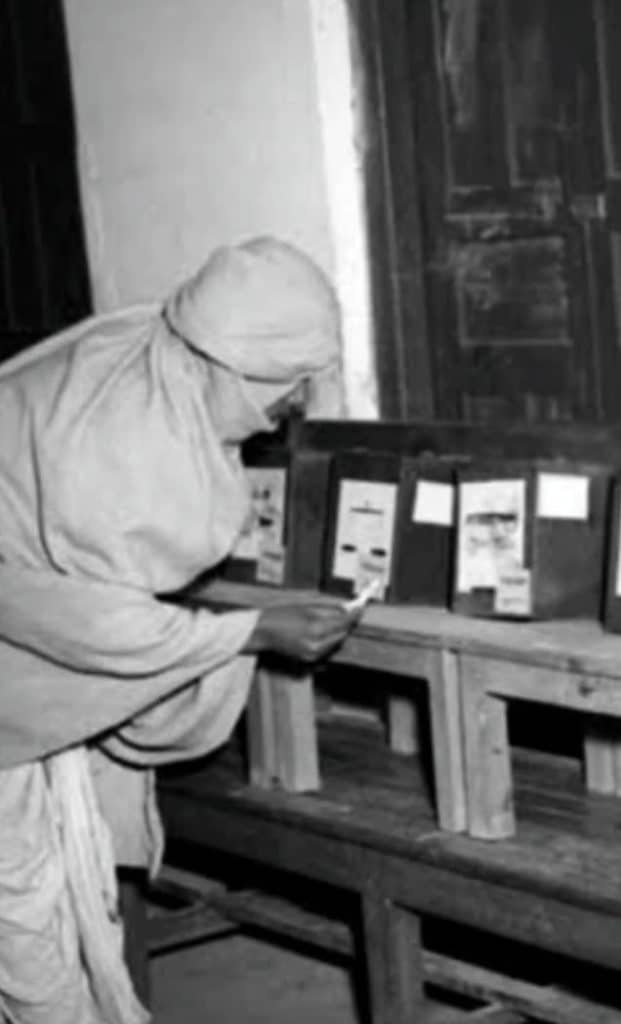
Barriers to Full Participation
1. Political Tokenism
— Women candidates are frequently put up in “safe” or symbolic constituencies.
– They may be candidates of image rather than empowerment.
2. Media Representation
— Women who are politicians are subject to gendered scrutiny — sometimes judged on their personal lives or appearance.
– The media doesn’t systematically reinforce policy contributions and leadership.
3. Violence and Harassment
— Women involved in politics receive online abuse, threats and physical intimidation.
– Poor institutional support prevents many candidates from venturing into public life.
Conclusion
Women in independent India were first granted the right to vote in 1950. Since then, women have been voting regularly. But in fact, it is seen that the number of women in Parliament or various state legislatures is gradually decreasing. Then in 1992, through a constitutional amendment, the lower one-third of the seats were reserved for women representatives.
This was the fruit of a long-awaited and infinite wait for women. Since then, the number of women in various legislatures has been increasing gradually. As a result, it has become easier to think about more than half of the country’s population, i.e. women and children, and to highlight their progress, especially in health and education, to all sections of the society.
It has even been seen that in 2019, the number of female voters exceeded the number of male voters. This is a groundbreaking chapter in women’s consciousness. Smt. Indira Gandhi, whose political education began under the guidance of her father, Shri Jawaharlal Nehru, reached its full potential after Smt.
Gandhi became the Prime Minister. While in 1951 the number of women representatives was only 5%, in 2024 this number increased to 13.6%. But we have a long way to go. And we have to come forward without any hesitation.
This will not only improve our society, but will also create a strong nation for our future generations. Women’s political participation in India is very happy news for the overall welfare of our nation.
