
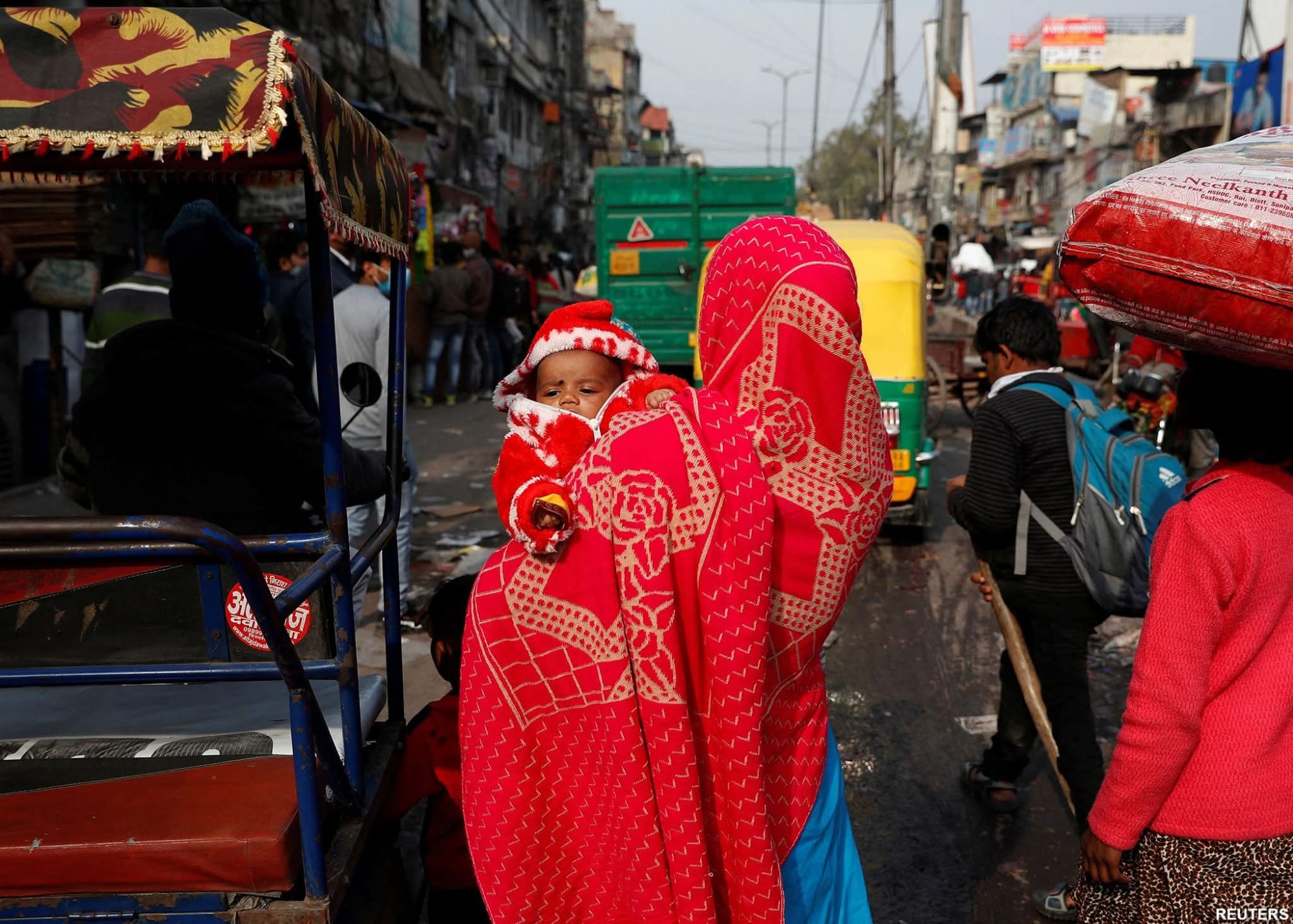
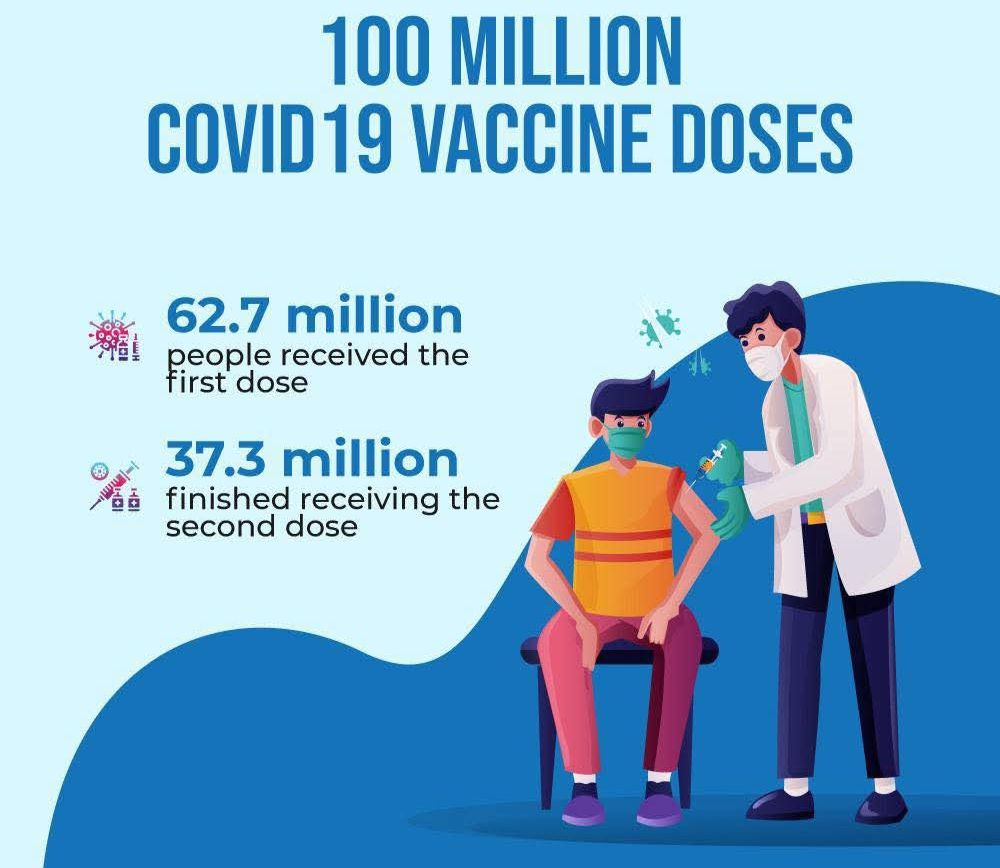
 The number of Migratory worker after COVID 19 in India are rapidly decreased. Picture this: A man who walked 1,200 kilometers back to his village during lockdown now refuses to return to the city that abandoned him. Sound familiar? Millions of migrant workers faced this brutal reality when COVID-19 hit India.

The pandemic didn’t create India’s migrant worker crisis – it just ripped the bandage off a festering wound. Before you scroll past thinking “old news,” consider that the ripple effects are reshaping India’s entire labor market today.
I spent months interviewing migrant workers across five states to understand how their lives have transformed post-COVID. What I discovered about their new economic strategies might surprise even the most seasoned policy experts.
But here’s what nobody’s talking about: the silent revolution happening in rural India that could either save or collapse the nation’s recovery.
Key migration trends
A. By theme
COVID-19 hit India’s migrant workers like a freight train. When the lockdowns struck in March 2020, we saw millions of workers stranded without jobs, homes, or ways to get back to their villages.
Two years later, distinct migration patterns have emerged. Construction work remains the biggest magnet, pulling workers from states like Bihar, Uttar Pradesh, and West Bengal to metropolitan hubs. But there’s been a notable shift – many workers now prefer locations closer to home. The once-popular migration corridors to Maharashtra and Delhi have weakened as workers found opportunities in neighboring states.
Healthcare migration saw a surprising boom. Rural nurses and care workers moved to urban centers where COVID created massive demand. This trend hasn’t fully reversed even as the pandemic waned.
Agricultural migration patterns were completely disrupted. The traditional seasonal movements became unpredictable as workers weighed health risks against economic needs.
B. By age
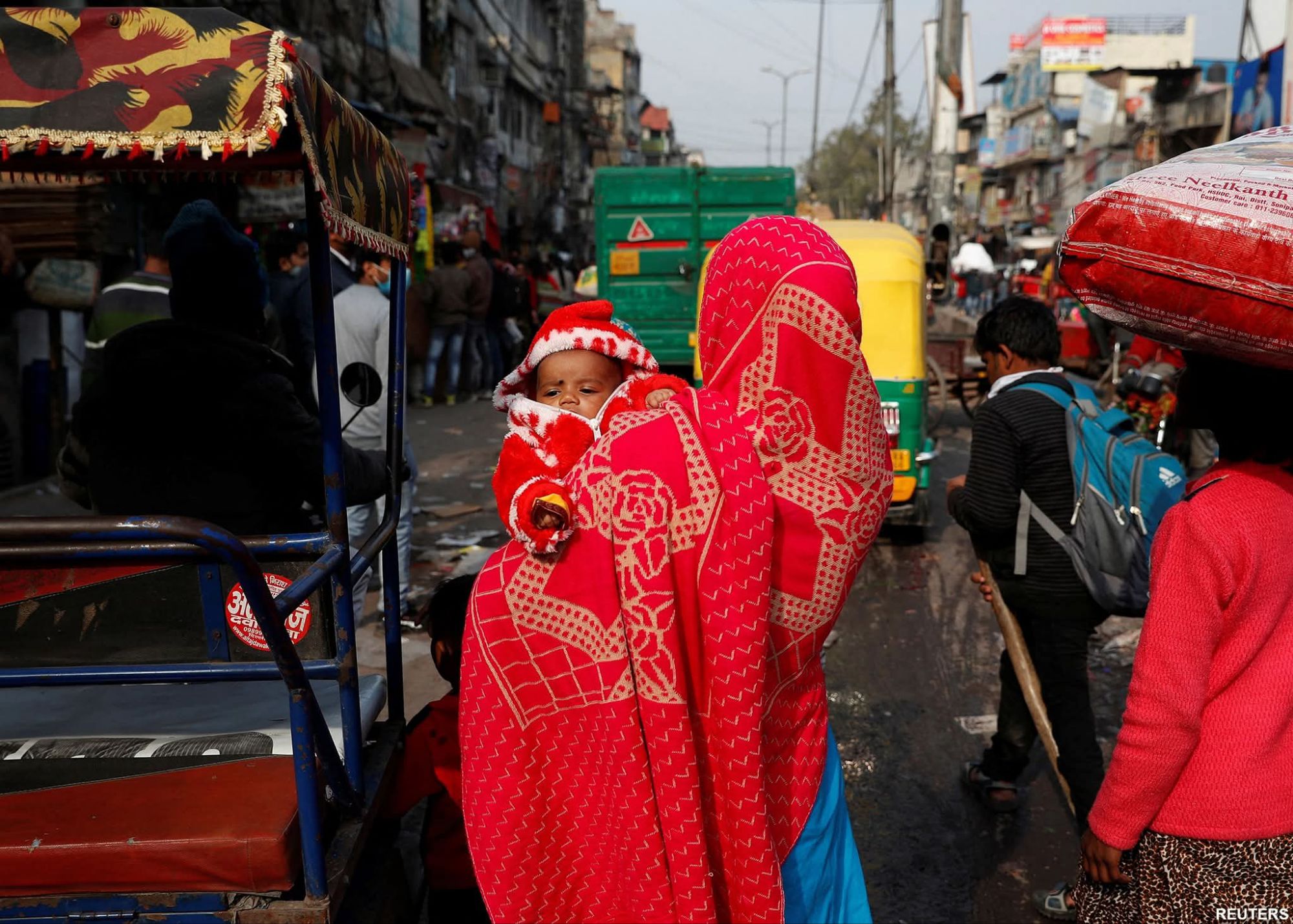
The age breakdown of migrants tells its own story. Young workers (18-30) were quickest to return to migration pathways once restrictions eased. Their financial responsibilities and limited savings gave them little choice.
Middle-aged workers (30-45) showed more hesitation. Many had faced the worst of the exodus and developed serious concerns about urban employment security.
Workers over 45 demonstrated the most significant change in behavior. This group’s return migration fell by nearly 35% compared to pre-pandemic levels. Many older workers found alternative livelihoods in their home regions or opted for early retirement when possible.
C. By sex
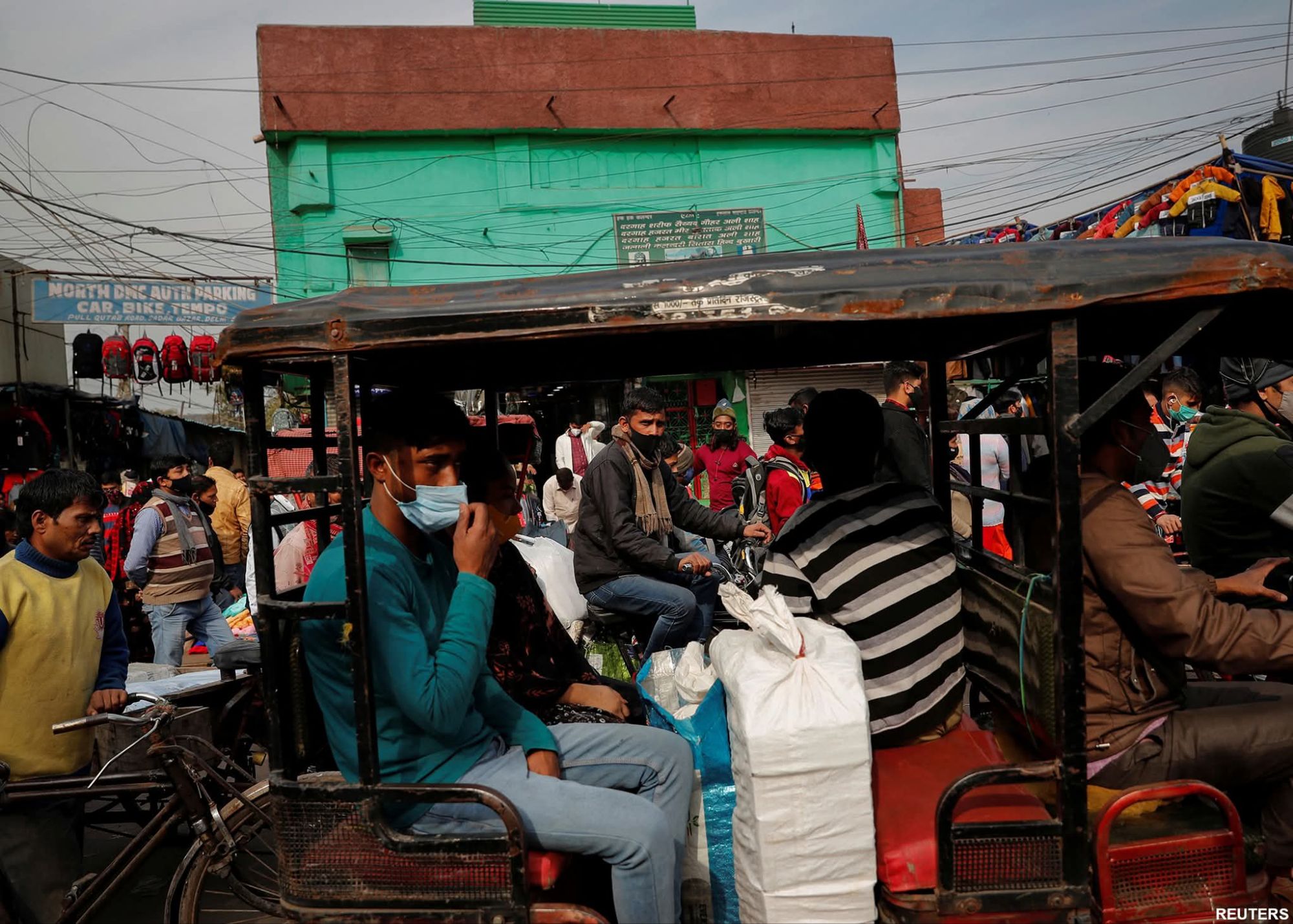
Women migrants faced unique challenges during the pandemic. Female migration for domestic work dropped dramatically – by over 40% – and hasn’t recovered to pre-pandemic levels.
In contrast, female healthcare workers saw increased mobility opportunities. Demand for nurses and care workers created new migration pathways for women from states like Kerala and Tamil Nadu.
The gendered impact reveals stark differences. Men typically returned to migration patterns within 6-8 months after restrictions eased. Women’s return has been slower and more selective, focusing on sectors with better safety nets and working conditions.
D. Migration Governance
India’s migration governance landscape transformed after the crisis exposed massive gaps. The central government launched the e-Shram portal to register unorganized workers, finally creating visibility for millions of migrants.
State responses varied wildly. Some origin states like Bihar and Uttar Pradesh developed migration support centers and job tracking systems. Destination states like Kerala implemented migrant welfare schemes that became models for others.
The crisis prompted the first serious interstate coordination mechanisms for labor movement. But implementation remains spotty and bureaucratic hurdles persist.
Local governments now play a much larger role in migrant registration and support services. Urban local bodies in particular have developed new approaches to housing and service provision for migrant populations, though resources often fall short of needs.
Data strengths & limitations
Understanding the Data Landscape
Tracking migrant workers in India after COVID-19 has been incredibly challenging. The government’s data collection systems simply weren’t prepared for the mass migration triggered by the pandemic. This created massive blind spots that continue to affect policy decisions today.
Let me break down where our data stands:
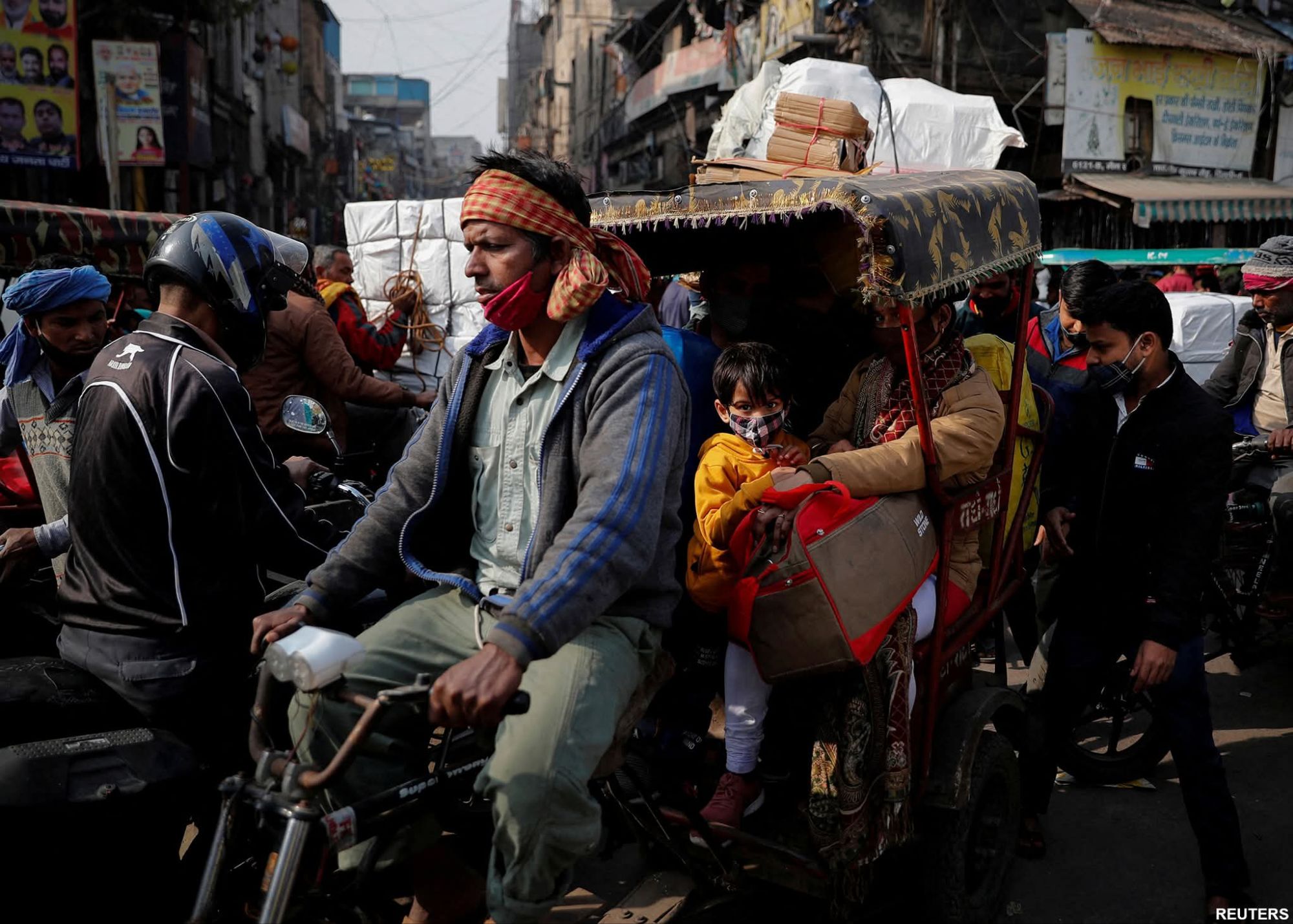
Incomplete Official Records – Migratory worker after COVID 19 in India
Think about it – how do you track someone who left the city at 3 AM with whatever they could carry?
Survey Limitations
Most post-COVID surveys suffer from:
- Small, non-representative samples
- Urban bias (rural destinations remain understudied)
- Recall issues when surveys were conducted months after migration
- Limited geographic coverage
Strengths in Alternative Sources
Some bright spots exist in our data landscape:
Phone-based surveys proved surprisingly effective during lockdowns, reaching migrants who otherwise would’ve been invisible.
Satellite imagery and mobile phone location data offered novel ways to track migration patterns when traditional methods failed.
But we’re still assembling pieces of a massive puzzle with no clear picture of how many workers returned home, how many came back to cities, and what happened to those who didn’t.
Conclusion
The COVID-19 pandemic exposed the severe vulnerabilities faced by India’s migrant workers, particularly highlighting the disproportionate challenges encountered by female migrants. As our analysis shows, the crisis revealed deep structural inequalities in labor migration patterns, with women facing additional barriers related to identity documentation, decreased labor force participation, and restrictive social norms that limit their mobility and economic opportunities.
Moving forward, policymakers must prioritize gender-sensitive approaches to migration governance that address the unique challenges of female migrants while strengthening overall protections for all migrant workers. This includes improving access to identity and electoral documents, creating safe migration pathways, and implementing targeted social protection measures that recognize migration as an essential livelihood strategy in post-pandemic India. Only through comprehensive reforms that acknowledge the gendered dimensions of migration can India build a more resilient and equitable system for its mobile workforce.
