
 The Monghya Tribe represents one of India’s lesser-known indigenous communities, with a rich cultural heritage that spans centuries. This guide is designed for researchers, students, anthropologists, and anyone curious about tribal communities in India who wants to understand the Monghya people’s unique way of life.The Monghya have maintained their distinct identity through generations, adapting to changing times while preserving core traditions. Their story offers insights into how indigenous groups navigate between ancestral practices and modern realities.We’ll explore the origins and historical background of the Monghya people, tracing their roots and development over time. You’ll also discover their geographic distribution and the environments they call home, plus learn about their cultural practices and social structure that define daily life within their communities.
Origins and Historical Background of the Monghya People
Ancient migration patterns and settlement areas
The Monghya Tribe traces its origins to the early waves of human migration across the Indian subcontinent, believed to have occurred between the 2nd and 4th centuries CE. Archaeological evidence suggests that the Monghya people originally migrated from the central highlands, following river valleys and natural corridors that provided access to fertile lands and water sources.Their initial settlements were concentrated in hilly terrain with dense forest cover, areas that offered natural protection and abundant resources. The tribe’s ancestors showed remarkable adaptability, establishing temporary camps before gradually developing permanent villages in locations that balanced defensive advantages with agricultural potential.Migration patterns reveal a deliberate strategy of following seasonal water flows and animal migration routes. The Monghya people moved in smaller family groups rather than large tribal movements, which allowed them to settle more easily and integrate with the natural environment. This dispersed settlement pattern became a defining characteristic of their territorial organization.
Early cultural development and tribal formation
The transformation from scattered family units to a cohesive tribal identity happened gradually over several centuries. Early Monghya communities developed around shared practices of forest management, hunting techniques, and seasonal celebrations that honored natural cycles.Tribal formation centered on the concept of extended kinship networks rather than centralized authority. Elder councils emerged naturally from family patriarchs and matriarchs who possessed specialized knowledge of medicinal plants, weather patterns, and territorial boundaries. These leaders guided community decisions through consensus-building rather than hierarchical command structures.Cultural practices during this formative period included:
- Ritual calendar systems based on lunar cycles and agricultural seasons
- Oral tradition networks that preserved genealogies and territorial claims
- Specialized craft knowledge passed down through family lines
- Community feast traditions that strengthened inter-family bonds
Historical interactions with neighboring communities
The Monghya Tribe maintained complex relationships with surrounding communities through a combination of trade partnerships, territorial agreements, and cultural exchange. Historical records from the 6th century onward document their interactions with agricultural settlements in the plains and other forest-dwelling tribes in the hills. Trade relationships were particularly important for accessing materials not available in their forest territories. The Monghya people became skilled intermediaries, facilitating exchange between hill communities and lowland agricultural societies. They traded forest products like honey, medicinal herbs, and timber for metal tools, salt, and ceramic goods.Conflicts were relatively rare but occurred mainly over territorial boundaries during periods of resource scarcity. The tribe developed sophisticated negotiation practices that often resolved disputes through inter-community marriages and shared ritual responsibilities rather than warfare.
Preservation of ancestral traditions through generations
The Monghya people developed robust systems for maintaining cultural continuity across generations. Their approach to tradition preservation combined formal instruction with daily practice integration, ensuring that essential knowledge remained alive and relevant.Storytelling played a central role in cultural transmission. Master storytellers, known as tradition keepers, memorized extensive collections of origin stories, moral tales, and practical knowledge narratives. These individuals held respected positions within communities and trained successors through intensive mentorship programs.Traditional knowledge preservation included:
- Ecological wisdom about forest management and sustainable harvesting
- Spiritual practices connecting the community to ancestral spirits
- Craft techniques for creating tools, clothing, and ceremonial objects
- Medical knowledge using local plants and healing practices
The tribe’s decentralized structure actually strengthened tradition preservation. Multiple communities maintained parallel versions of important practices, creating redundancy that protected against knowledge loss. When one village faced disruption, neighboring communities could provide cultural restoration and continuity.
Geographic Distribution and Living Environment
Primary Settlement Regions and Territories
The Monghya people traditionally inhabit the highland regions of central Myanmar, primarily concentrated in the mountainous areas of Shan State and parts of Kayin State. These communities have established their settlements along river valleys and on gentle slopes that provide access to both water sources and arable land. The Monghya territories span across elevations ranging from 800 to 2,000 meters above sea level, creating distinct microclimates that influence their settlement patterns.Villages are typically positioned strategically to take advantage of natural defensive positions while maintaining access to trade routes. The scattered nature of Monghya settlements reflects their historical need for security and their adaptation to the challenging terrain of Myanmar’s eastern highlands. Each village cluster maintains traditional territorial boundaries that have been recognized for generations, often marked by natural features like ridgelines, rivers, or sacred groves.
Adaptation to Local Climate and Terrain
The Monghya have developed sophisticated techniques for living in their mountainous environment. Their traditional architecture features elevated bamboo and wooden structures designed to withstand monsoon rains and provide protection from flooding. Houses are built on stilts with steep-pitched roofs that efficiently shed rainwater during the heavy monsoon seasons that characterize the region.Agricultural practices demonstrate remarkable adaptation to steep terrain. The Monghya construct elaborate terracing systems that prevent soil erosion while maximizing cultivable land. These terraces are engineered with intricate water management systems that channel rainfall and irrigation water efficiently across multiple elevation levels. Seasonal migration patterns between higher and lower elevations allow communities to optimize agricultural yields and avoid extreme weather conditions.Their clothing and daily routines also reflect climate adaptation. Traditional garments are designed for temperature fluctuations common in highland areas, with layered clothing systems that can be adjusted throughout the day. The Monghya have developed an intimate knowledge of seasonal weather patterns, using this expertise to plan agricultural activities, travel, and ceremonial events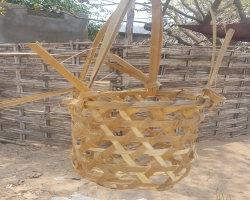
Natural Resources and Their Utilization
The mountainous homeland of the Monghya provides diverse natural resources that form the foundation of their traditional economy. Dense forests supply timber for construction, bamboo for household items, and a variety of medicinal plants that play central roles in traditional healing practices. The Monghya have developed sustainable harvesting methods that ensure forest regeneration while meeting community needs.Water resources from mountain streams and springs support both domestic use and irrigation systems. These waterways also provide fish that supplement the local diet, and the Monghya have created traditional fish traps and weirs adapted to mountain stream conditions. Mineral deposits in some areas have historically been used for tools and trade, though extraction remains small-scale and community-controlled.Wild foods gathered from forests include fruits, nuts, vegetables, and honey, which provide essential nutrition and serve as backup food sources during agricultural lean periods. The Monghya possess extensive knowledge of seasonal availability and sustainable collection practices for these resources. Traditional hunting techniques target small game and birds, supplementing agricultural production without depleting local wildlife populations.
Impact of Modernization on Traditional Habitats
Modern development pressures have significantly affected Monghya traditional territories. Road construction and infrastructure projects have altered traditional settlement patterns and created new economic opportunities while disrupting established land use practices. Some communities have relocated closer to transportation networks, changing their relationship with traditional territories and resources.Commercial logging operations and agricultural expansion by outside groups have reduced the forest coverage that the Monghya depend on for traditional resources. This deforestation affects watershed management systems that communities have maintained for generations, leading to increased flooding and soil erosion in some areas. The Monghya have had to adapt their resource management practices to account for these external pressures.Educational and healthcare facilities introduced through modernization efforts have created new settlement clusters that don’t always align with traditional territorial organization. While these services provide benefits, they also create tensions between maintaining traditional lifestyles and accessing modern amenities. Some Monghya communities are developing hybrid approaches that incorporate modern services while preserving core territorial relationships and resource management practices.
Cultural Practices and Social Structure
Traditional Governance Systems and Leadership Roles
The Monghya Tribe operates through a decentralized leadership structure that balances traditional authority with community consensus. Village councils, known as “Gram Panchayats,” serve as the primary decision-making bodies, with elder members holding significant influence in resolving disputes and guiding important community matters.Hereditary chiefs, called “Mondols,” traditionally oversee larger territorial divisions, though their power has evolved to focus more on ceremonial duties and cultural preservation rather than administrative control. These leaders inherit their positions through patrilineal succession but must earn respect through wisdom and fair judgment.Women play crucial roles in governance through separate councils that manage domestic affairs, marriage negotiations, and resource allocation within households. Female elders often serve as mediators in family disputes and hold authority over traditional healing practices and childbirth ceremonies.
Marriage Customs and Family Organization
Marriage within the Monghya community follows elaborate customs that strengthen social bonds between families. Arranged marriages remain common, with parents and extended family members carefully selecting partners based on compatibility, social standing, and economic considerations. The engagement period typically spans several months, allowing families to negotiate bride prices and plan extensive celebrations.Wedding ceremonies involve multiple rituals spread across three days, including traditional dances, community feasts, and religious blessings. The bride traditionally moves to her husband’s family home, though modern practices increasingly allow couples to establish independent households.Family structures emphasize joint living arrangements, with multiple generations sharing resources and responsibilities. Extended families typically include grandparents, parents, unmarried siblings, and children under one roof. This system provides economic security and ensures cultural knowledge passes between generations.
Religious Beliefs and Spiritual Ceremonies
The Monghya Tribe practices a syncretic blend of animism, ancestor worship, and Hindu influences. Nature spirits, called “Bon Devatas,” are believed to inhabit forests, rivers, and mountains, requiring regular offerings and respect to maintain harmony with the natural world.Ancestor veneration plays a central role in spiritual life, with deceased family members thought to guide and protect living relatives. Special shrines within homes house ancestral tablets where daily prayers and food offerings take place.Major festivals align with agricultural cycles, celebrating harvests, seasonal transitions, and important life events. The “Karam Festival” honors the sacred Karam tree, while “Sohrai” celebrates cattle and livestock that support the community’s livelihood. These ceremonies involve elaborate decorations, traditional songs, and community-wide participation that reinforces social unity.
Art Forms and Cultural Expressions
Monghya artistic traditions encompass various mediums that preserve historical narratives and cultural values. Traditional wall paintings, known as “Kohbar,” decorate homes during weddings and festivals using natural pigments and geometric patterns that symbolize fertility, prosperity, and protection from evil spirits. Music and dance serve as primary vehicles for storytelling and cultural transmission. The “Jhumar” dance performed during harvests involves synchronized movements that mimic agricultural activities, while haunting folk songs narrate legendary tales of tribal heroes and mythical creatures.Handicrafts include intricate bamboo basketry, handwoven textiles, and metal ornaments that combine functionality with aesthetic appeal. Women excel in textile work, creating colorful saris and scarves using traditional looms passed down through generations. These artistic expressions not only preserve Monghya cultural identity but also provide supplementary income through local markets and cultural tourism initiatives.
Economic Activities and Livelihood Strategies
Traditional occupations and skill sets
The Monghya people have built their livelihoods around a rich tapestry of traditional skills passed down through generations. Hunting and gathering form the backbone of their ancestral occupations, with community members developing exceptional tracking abilities and deep knowledge of forest ecosystems. Men typically specialize in hunting wild game using handcrafted bows, spears, and ingenious trap systems, while women excel in gathering medicinal plants, fruits, and edible roots from their natural environment.Craftsmanship plays a vital role in Monghya society, with artisans creating intricate bamboo baskets, wooden tools, and traditional textiles using locally sourced materials. Blacksmithing represents another crucial skill set, as community members forge essential tools and weapons needed for daily survival. Many Monghya families also practice beekeeping, harvesting honey that serves both nutritional and medicinal purposes within their communities.
Agricultural practices and crop cultivation
Agriculture among the Monghya follows sustainable practices that work in harmony with natural cycles. They primarily engage in shifting cultivation, rotating between different plots of land to maintain soil fertility and prevent depletion. Rice cultivation dominates their agricultural activities, with families growing traditional varieties adapted to local climate conditions.The Monghya also cultivate millets, maize, and various vegetables in smaller plots near their settlements. Their farming calendar aligns closely with monsoon patterns, and they employ organic farming methods without chemical fertilizers or pesticides. Community members share agricultural knowledge freely, ensuring that successful techniques spread throughout the tribe.Kitchen gardens supplement their diet with leafy greens, turmeric, ginger, and other spices that grow well in their region. Women typically manage these home gardens while men focus on larger agricultural plots and forest-based activities.
Trade relationships with external communities
The Monghya maintain complex trading networks with neighboring communities and market towns. They exchange forest products like honey, medicinal plants, bamboo crafts, and wild game for essential items they cannot produce themselves, including salt, metal tools, and cloth.Weekly markets in nearby towns serve as important economic hubs where Monghya traders bring their goods. These relationships extend beyond simple commerce, creating social bonds and information exchanges that benefit all parties involved. Some community members act as intermediaries, speaking multiple languages and understanding different cultural practices to facilitate smooth transactions.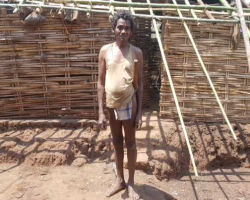 Seasonal trading patterns emerge based on resource availability, with certain products commanding higher prices during specific times of the year. The Monghya have learned to time their harvests and production cycles to maximize trading opportunities.
Modern employment opportunities and challenges
Contemporary economic pressures have pushed many Monghya individuals toward wage labor in agriculture, construction, and small-scale industries. Younger community members increasingly seek employment in nearby urban centers, creating both opportunities for economic advancement and challenges for cultural preservation.Educational initiatives have opened new career paths, with some Monghya pursuing government jobs, teaching positions, and healthcare roles. However, limited access to quality education and language barriers continue to restrict employment opportunities for many community members.Development projects and eco-tourism present emerging prospects, though these often require balancing economic benefits with environmental protection and cultural integrity. Some Monghya communities have successfully established sustainable tourism ventures that showcase their traditional lifestyle while generating income.The transition from subsistence-based to cash-based economy creates ongoing challenges, as traditional skills may not translate directly into modern employment opportunities, requiring adaptive strategies and new skill development.
Language and Communication Systems
Linguistic Characteristics and Dialects
The Monghya people speak a unique language that belongs to the Tibeto-Burman family, sharing linguistic roots with several neighboring communities in the region. Their language features a complex tonal system with four distinct tones that completely change word meanings. What makes Monghya particularly fascinating is its rich collection of prefixes and suffixes that indicate relationships, respect levels, and temporal aspects within sentences.Different Monghya settlements have developed their own dialectical variations over generations. The highland communities use slightly different pronunciations and vocabulary compared to those living in river valleys. These differences aren’t major enough to prevent communication between groups, but they’re noticeable enough that Monghya speakers can often identify which area someone comes from just by listening to their speech patterns.The language includes specialized terminology for their traditional practices, with over fifty distinct words describing different stages of rice cultivation and thirty-seven terms for various forest plants used in medicine and daily life. Gender-specific speaking patterns exist, where men and women use different pronouns and honorifics when addressing elders or people in positions of authority.
Oral Traditions and Storytelling Methods
Storytelling holds central importance in Monghya culture, serving as both entertainment and educational tool. Elder community members, known as “story keepers,” maintain vast collections of folktales, historical accounts, and moral teachings that get passed down through carefully structured oral performances.The Monghya have developed sophisticated memory techniques for preserving their stories. They use rhythmic patterns, repetitive phrases, and musical elements that help storytellers remember lengthy narratives accurately. Many stories follow specific seasonal cycles, with certain tales only shared during particular months or festivals.Their storytelling tradition includes several distinct categories:
- Origin stories that explain how the Monghya people came to inhabit their current territories
- Moral tales featuring animal characters that teach proper social behavior
- Historical narratives about past conflicts, migrations, and important tribal leaders
- Healing stories that accompany traditional medicine practices
- Work songs that coordinate group activities like harvesting or house building
Children learn these stories through participation rather than passive listening. They’re encouraged to join in with choruses, sound effects, and simple character voices, gradually taking on larger roles as they grow older.
Written Documentation Efforts
The Monghya language remained purely oral until recent decades when linguists and community leaders began collaborative documentation projects. Early efforts faced challenges because the language’s tonal nature didn’t fit neatly into existing writing systems.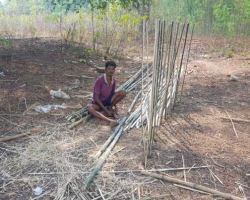 Community elders worked with researchers to develop a practical orthography that could capture the language’s unique sounds and tones. They adapted Latin script with additional diacritical marks to represent the four-tone system, creating a writing system that community members could learn relatively easily.Several important texts have emerged from these efforts:
| Document Type | Description | Status |
|---|---|---|
| Dictionary | Comprehensive word list with definitions | Complete (2,400 entries) |
| Grammar Guide | Language structure and rules | In progress |
| Story Collection | Traditional tales in written form | 150+ stories documented |
| Phrase Book | Common expressions for daily use | Complete |
| Children’s Books | Simple stories for language learning | 12 books published |
Young Monghya adults have embraced these written materials, using them to teach their children and preserve family stories that might otherwise be lost.
Language Preservation Initiatives
The Monghya community has launched several programs to keep their language alive and thriving. Local schools now offer Monghya language classes alongside standard curriculum, with community elders serving as guest teachers who share both vocabulary and cultural context.A youth language council meets monthly to discuss ways of incorporating traditional Monghya terms into modern conversations about technology, education, and contemporary life. They’ve created new vocabulary for concepts that didn’t exist in traditional society, ensuring the language can adapt to changing times while maintaining its core identity.Digital preservation efforts include recording sessions where elders share stories, songs, and everyday conversations. These audio files get archived and made available to community members through a locally maintained website. Mobile phone apps have been developed to help younger people practice pronunciation and learn new vocabulary during their daily routines.The most successful initiative involves pairing fluent elders with young adults in mentorship relationships. These partnerships combine language instruction with practical skills training, where traditional knowledge gets transmitted alongside linguistic competency. Participants report that learning the language this way feels more natural and meaningful than classroom-only approaches.
Contemporary Challenges and Opportunities
Educational access and literacy development
The Monghya tribe faces significant educational barriers that limit opportunities for younger generations. Remote geographical locations mean many Monghya children must travel long distances to reach the nearest schools, often walking several hours each day. This challenge becomes particularly difficult during monsoon seasons when paths become impassable.Most schools in Monghya areas lack trained teachers who understand the cultural context and language needs of tribal students. The curriculum doesn’t reflect Monghya cultural values or incorporate traditional knowledge systems, creating a disconnect between home and school environments. Many students struggle with the transition from their native language to the official medium of instruction. Despite these obstacles, some Monghya communities have established informal learning centers where elders pass on traditional knowledge alongside basic literacy skills. Mobile education programs and digital learning initiatives are beginning to reach remote Monghya settlements, though internet connectivity remains inconsistent.Adult literacy programs specifically designed for the Monghya tribe have shown promising results, particularly when they integrate traditional storytelling methods with modern learning techniques. Women’s participation in these programs has increased household awareness about education’s importance for children.
Healthcare availability and traditional medicine
Healthcare access remains one of the most pressing issues for the Monghya tribe. Primary health centers are typically located far from Monghya settlements, requiring families to undertake difficult journeys for basic medical care. Emergency situations become life-threatening when transportation and communication infrastructure is inadequate.The Monghya people maintain a rich tradition of herbal medicine and healing practices passed down through generations. Community healers, known locally as medicine keepers, possess extensive knowledge about medicinal plants and their applications. However, younger generations are losing interest in learning these traditional practices as they migrate to urban areas for work and education.Modern healthcare providers often don’t understand or respect traditional Monghya healing methods, creating tension between conventional medical treatment and cultural practices. Some progressive health programs now work alongside traditional healers, creating integrated approaches that honor both systems.Maternal and child health programs have made some inroads into Monghya communities, though cultural barriers around childbirth practices and gender roles sometimes limit their effectiveness. Vaccination campaigns have achieved better success rates when they involve respected community leaders and acknowledge traditional beliefs about health and wellness.
Government policies and tribal rights
Government policies affecting the Monghya tribe present a mixed picture of protection and challenges. Constitutional provisions guarantee certain rights to scheduled tribes, including land ownership protections and reserved positions in education and employment. However, implementation of these policies often falls short of intentions.Land rights remain contentious, with mining companies and development projects frequently encroaching on traditional Monghya territories. The tribe’s customary land management practices don’t always align with official documentation requirements, leaving communities vulnerable to displacement. Legal battles over ancestral lands can drag on for years, creating uncertainty and stress for Monghya families.Forest rights legislation has provided some relief, allowing the Monghya to continue traditional practices like gathering forest products and practicing shifting cultivation. However, bureaucratic procedures for obtaining forest access permits are complex and often conducted in languages unfamiliar to Monghya community members.Recent policy initiatives focus on inclusive development that considers tribal perspectives, but consultation processes don’t always reach grassroots Monghya communities effectively. Local governance structures through traditional councils sometimes conflict with official administrative systems, creating confusion about authority and decision-making processes.
Balancing modernization with cultural identity
The Monghya tribe stands at a crossroads between preserving ancestral traditions and embracing beneficial aspects of modernization. Younger tribal members increasingly seek education and employment opportunities in cities, creating both opportunities for economic advancement and risks of cultural dilution.Technology adoption varies widely across Monghya communities. Mobile phones have transformed communication patterns, allowing families to stay connected across distances and access information about government services. However, social media and digital entertainment sometimes compete with traditional storytelling and cultural transmission methods.Economic opportunities through ecotourism and handicraft marketing allow some Monghya families to earn income while showcasing their cultural heritage. These ventures require careful balance to avoid commodifying sacred traditions while providing sustainable livelihoods. Community-based tourism initiatives show promise when they remain under tribal control and benefit the entire community rather than individual entrepreneurs.Cultural festivals and traditional ceremonies continue to play vital roles in maintaining Monghya identity, though organizing these events becomes challenging as communities scatter geographically. Some groups have adapted by creating cultural associations in urban areas where migrant Monghya members can maintain connections to their heritage while participating in modern economic systems.The Monghya tribe represents a fascinating blend of ancient traditions and modern adaptability. Their rich cultural heritage, shaped by centuries of unique social structures and economic practices, continues to thrive despite the changing world around them. From their traditional livelihood strategies to their distinct language systems, the Monghya people have maintained their identity while navigating contemporary challenges.Today, the tribe stands at a crossroads between preserving their ancestral ways and embracing new opportunities. Supporting indigenous communities like the Monghya through cultural preservation initiatives and sustainable development programs can help ensure their traditions survive for future generations. Learning about and respecting their way of life not only enriches our understanding of human diversity but also reminds us of the importance of protecting these irreplaceable cultural treasures.
