

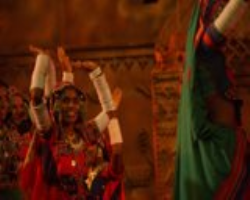
The Monsang tribe represents one of the fascinating indigenous communities of Northeast India, particularly found in Manipur and Nagaland. This guide serves researchers, students, cultural enthusiasts, and anyone curious about India’s diverse tribal heritage who wants to understand the rich traditions and modern realities of this unique community.
The Monsang people have maintained their distinct identity through centuries of change, preserving customs that offer valuable insights into traditional hill tribe life. We’ll explore their ancient origins and how historical events shaped their development over time. You’ll also discover their vibrant cultural practices, from traditional festivals and ceremonies to their unique social structures that have guided community life for generations. Finally, we’ll examine how the Monsang tribe navigates today’s challenges while working to preserve their ancestral ways for future generations.
Origins and Historical Background of the Monsang Tribe
Ancient migration patterns and settlement in Manipur
The Monsang tribe traces its roots back to the great migrations that swept across Southeast Asia thousands of years ago. Archaeological evidence and oral traditions suggest the Monsang people moved through the Indo-Burma border regions, following ancient trade routes and river valleys that connected the mountainous terrain of present-day Myanmar with the hill districts of northeastern India.
These migrations weren’t random movements but followed well-established patterns driven by agricultural opportunities, territorial pressures, and seasonal changes. The Monsang ancestors likely traveled in small family groups, establishing temporary settlements before moving on to find more suitable lands. Their journey eventually led them to the rolling hills and fertile valleys of what would become Manipur state.
The migration process spanned several centuries, with different waves of Monsang families arriving at different times. Some oral histories speak of earlier groups who settled temporarily in other areas before the main body of the tribe found their permanent home. This gradual settlement pattern explains why Monsang communities today share certain cultural traits with tribes they encountered during their migration journey.
Traditional homeland in Chandel district
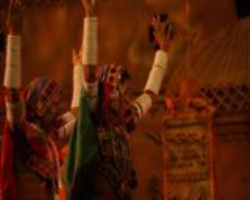
The Monsang tribe found their permanent home in the remote hills of Chandel district, particularly in areas that offered the perfect combination of fertile soil, reliable water sources, and defensive advantages. The rugged terrain of this region provided natural protection while the valleys offered excellent opportunities for their traditional slash-and-burn agriculture.
Chandel district’s geography shaped Monsang settlement patterns significantly. Villages were typically established on hilltops or elevated slopes, providing clear views of approaching visitors or potential threats. The tribe developed sophisticated terracing techniques to cultivate rice and other crops on the steep hillsides, creating the distinctive stepped landscapes that characterize Monsang territory today.
The traditional homeland encompasses several key areas within Chandel district, including villages like Monsang Pantha, Monsang Soraisam, and surrounding settlements. These areas remain the cultural heartland of the Monsang people, where traditional customs and practices are most strongly preserved. The landscape itself holds deep spiritual significance for the Monsang tribe, with certain hills, forests, and water bodies considered sacred sites.
Connection to the larger Kuki-Chin-Mizo ethnic group
The Monsang tribe belongs to the broader Kuki-Chin-Mizo ethnolinguistic family, sharing common ancestral origins with numerous other tribal groups across the Indo-Myanmar border region. This connection becomes evident through linguistic similarities, shared cultural practices, and common mythological traditions that link the Monsang with their ethnic cousins.
Linguistically, the Monsang language belongs to the Tibeto-Burman language family, specifically within the Kuki-Chin branch. Speakers can often understand related languages like Thadou, Paite, and Simte, though each group has developed its own distinct vocabulary and pronunciation patterns over time. These linguistic connections serve as living proof of the shared heritage among these tribal communities.
Cultural practices also reflect this broader ethnic connection. Similar festivals, traditional clothing styles, and agricultural techniques can be found across Kuki-Chin-Mizo communities. Marriage customs, house-building techniques, and even traditional games show remarkable similarities, suggesting these groups maintained contact and cultural exchange throughout their history.
Historical interactions with neighboring tribes
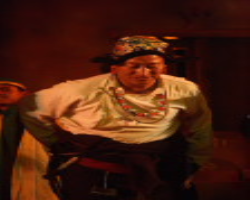
Throughout their history, the Monsang tribe has maintained complex relationships with neighboring tribal communities, including the Anal, Lamkang, and Moyon tribes. These interactions ranged from peaceful trade partnerships to occasional territorial disputes, shaping the social and political landscape of the region.
Trade relationships formed the backbone of inter-tribal connections. The Monsang people exchanged their agricultural products, particularly rice and vegetables, for items like salt, metal tools, and textiles from neighboring communities. These trade networks created lasting bonds between villages and established diplomatic relationships that often prevented conflicts.
Marriage alliances between Monsang families and neighboring tribes created additional layers of connection. These inter-tribal marriages served both diplomatic and economic purposes, strengthening ties between communities while creating kinship networks that crossed traditional tribal boundaries. Such relationships often played crucial roles during times of conflict or natural disasters.
Territorial boundaries were sometimes sources of tension, particularly over valuable agricultural land or hunting grounds. However, the Monsang tribe developed sophisticated conflict resolution mechanisms, including village councils and traditional arbitration systems, to peacefully settle disputes with neighbors. These systems emphasized compensation and restoration rather than punishment, helping maintain regional stability.
Cultural Identity and Traditional Practices
Unique language preservation and linguistic characteristics
The Monsang tribe speaks Monsang, a Tibeto-Burman language belonging to the Kuki-Chin-Naga group. This language serves as the primary means of communication within their community and stands as a vital marker of their cultural identity. The Monsang language features complex verbal conjugations that indicate not just tense but also the speaker’s relationship to the listener and the certainty of the statement being made.
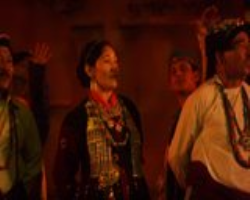
What makes Monsang particularly fascinating is its rich vocabulary related to their natural environment and agricultural practices. The language contains dozens of specific terms for different types of rice varieties, weather patterns, and forest products that don’t have direct equivalents in other languages. These linguistic nuances reflect the deep connection between the Monsang people and their mountainous homeland.
The tribe has made conscious efforts to preserve their language through oral traditions and increasingly through written documentation. Elders play a crucial role in teaching younger generations, though modern education and outside influences pose ongoing challenges to language retention. Community leaders have started initiatives to document traditional songs, stories, and everyday conversations to ensure the language survives for future generations.
Traditional festivals and ceremonial celebrations
The Monsang tribe celebrates several festivals throughout the year that mark important agricultural cycles and spiritual occasions. Their most significant festival is the harvest celebration, typically held after the rice harvest in November. During this time, families come together to share traditional foods, perform dances, and offer thanksgiving prayers for the year’s bounty.
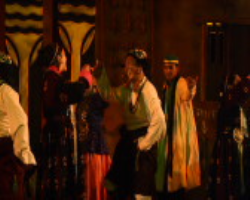
Another important celebration revolves around the first sowing of seeds, where community members gather to perform rituals believed to ensure good crop yields. These ceremonies involve elaborate preparations including the brewing of traditional rice beer and the preparation of special foods from freshly harvested ingredients.
The tribe also observes festivals related to ancestor worship, where families honor their deceased relatives through specific rituals and offerings. These occasions strengthen family bonds and reinforce the connection between the living and the spiritual world. Each festival involves distinct customs, songs, and dances that have been passed down through generations, creating a rich tapestry of cultural expression that defines Monsang identity.
Customary marriage rituals and family structures
Marriage among the Monsang tribe follows traditional customs that emphasize family consent and community involvement. The process typically begins with informal courtship, followed by formal negotiations between families. Parents and elders play significant roles in arranging marriages, though young people increasingly have input in partner selection.
The wedding ceremony itself spans several days and includes various rituals that symbolize the union of two families rather than just two individuals. Traditional exchanges of gifts, including livestock, textiles, and agricultural tools, demonstrate the families’ commitment to supporting the new couple. The bride and groom participate in ceremonies that involve traditional clothing, specific songs, and ritual blessings from community elders.
Family structure within Monsang society is predominantly patrilineal, with children taking their father’s clan name and inheritance typically passing through male lines. Extended families often live in close proximity, creating strong support networks for childcare, agricultural work, and decision-making. Women, while traditionally managing household affairs and child-rearing, also participate actively in agricultural activities and community discussions. The family unit serves as the basic social and economic organization within Monsang society.
Folk tales and oral traditions passed down generations
The Monsang tribe maintains a rich collection of oral traditions that serve multiple purposes: entertainment, education, and cultural preservation. These stories typically feature animals, mythical beings, and ancestral heroes who embody important moral lessons and cultural values. Elders traditionally share these tales during evening gatherings, especially during the winter months when agricultural work is minimal.
Creation myths form a significant part of their oral tradition, explaining how the world came into being and how the Monsang people found their homeland. These stories often feature interactions between humans and nature spirits, reinforcing the tribe’s spiritual connection to their environment. Tales of clever animals outwitting larger predators teach children about resourcefulness and intelligence, while stories of brave warriors preserve memories of historical events and heroic deeds.
Many folk tales serve as teaching tools for proper behavior and social expectations. Stories about the consequences of greed, the importance of sharing, and respect for elders help transmit cultural values to younger generations. These oral traditions also include riddles, proverbs, and wise sayings that encapsulate practical knowledge about farming, weather prediction, and interpersonal relationships.
Traditional music and dance forms
Music and dance hold central places in Monsang cultural expression, accompanying virtually every significant event and celebration. Traditional songs range from work songs that accompany agricultural activities to ritual chants used in religious ceremonies. The tribe’s musical tradition includes both vocal and instrumental forms, with simple yet effective instruments crafted from locally available materials.
Traditional instruments include bamboo flutes, wooden drums, and various percussion instruments made from gourds and animal skins. Each instrument serves specific purposes, with some reserved for ceremonial occasions while others accompany daily activities. The melodies often mimic natural sounds like bird calls or flowing water, reflecting the tribe’s close relationship with their environment.
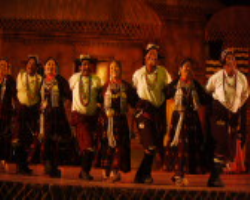
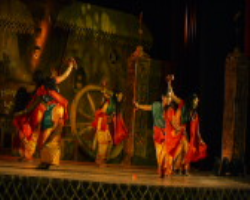
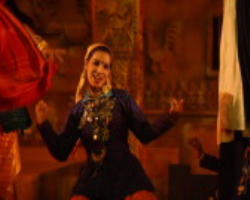
Dance forms among the Monsang tribe vary according to occasion and purpose. Community dances performed during festivals involve large groups moving in synchronized patterns that represent agricultural activities, hunting expeditions, or mythological stories. Solo dances might be performed during coming-of-age ceremonies or wedding celebrations. The movements are typically graceful and flowing, often incorporating gestures that mimic farming activities or animal behaviors. Traditional costumes worn during dances feature handwoven textiles in specific colors and patterns that hold cultural significance, with different designs indicating the dancer’s age, marital status, or social position within the community.
Social Organization and Governance Systems
Village council structure and decision-making processes
The Monsang tribe operates through a traditional village council system where elders and respected community members form the backbone of local governance. Each village maintains its own council, typically composed of clan representatives who bring different perspectives to important decisions. The village chief, known locally as the headman, serves as the primary leader but doesn’t make unilateral decisions.
Decision-making follows a consensus-based approach where all council members discuss issues openly before reaching agreements. Community meetings often take place in designated areas where villagers can voice their concerns and participate in discussions about matters affecting their daily lives. The council addresses everything from land disputes and resource management to organizing festivals and maintaining village infrastructure.
Younger members gradually earn their place in these councils through demonstrated wisdom, community service, and respect from their peers. The system ensures that institutional knowledge passes from one generation to the next while adapting to changing circumstances.
Age-grade societies and their roles
Age-grade societies play a central role in organizing Monsang social life and community responsibilities. These groups divide community members based on age ranges, creating structured pathways for social participation and leadership development.
Young adults typically join the first tier, where they learn community values, participate in collective labor, and prepare for greater responsibilities. Middle-aged groups often handle the most demanding physical tasks like construction projects, agricultural work, and security duties. Senior age grades focus on advisory roles, conflict resolution, and preserving cultural traditions.
Each age grade has specific duties during festivals, ceremonies, and community events. They organize themselves internally with designated leaders who coordinate activities and represent their group’s interests in broader village discussions. This system creates strong bonds between peers while ensuring that every generation contributes meaningfully to community welfare.
Gender roles and responsibilities within the community
Traditional gender roles in Monsang society create complementary systems of responsibility and authority. Men typically handle activities like hunting, fishing, construction, and external trade relationships. They often serve as primary representatives in inter-village negotiations and maintain responsibility for protecting community boundaries.
Women manage household affairs, agricultural production, textile work, and child-rearing responsibilities. They hold significant influence in family decision-making and often control important economic activities like market trading and food distribution. Many women also serve as traditional healers and keepers of cultural knowledge.
Modern influences have created some flexibility in these traditional patterns. Younger generations increasingly pursue education and careers that cross traditional gender lines, though community expectations still shape many life choices. Both men and women participate in religious ceremonies, though they may have different ritual responsibilities during specific events.
Conflict resolution mechanisms and customary laws
The Monsang tribe maintains sophisticated mechanisms for resolving disputes and maintaining social harmony. Village elders serve as mediators who help conflicting parties find mutually acceptable solutions rather than imposing punishments from above.
Customary laws cover various aspects of community life, including property rights, marriage regulations, inheritance practices, and behavioral standards. These laws emphasize restoration over retribution, focusing on repairing relationships and maintaining community cohesion.
Serious disputes may require intervention from multiple villages or involve traditional rituals that symbolically cleanse the community of conflict. Compensation systems often replace punitive measures, with offenders required to make amends through specific acts of service or payments to affected parties.
The system includes graduated responses based on the severity of offenses. Minor infractions might result in public discussion and informal sanctions, while serious violations could lead to temporary exclusion from community activities or, in extreme cases, permanent banishment from the village.
Economic Activities and Livelihood Patterns
Traditional jhum cultivation and agricultural practices
The Monsang tribe has relied on shifting cultivation, known locally as jhum, for generations. This traditional farming method involves clearing small plots of forest land, burning the vegetation to create nutrient-rich ash, and growing crops for two to three years before allowing the land to regenerate. Rice serves as the primary staple crop, accompanied by maize, millet, and various vegetables like beans, pumpkins, and chili peppers.
The agricultural cycle follows a well-established pattern that aligns with seasonal changes. During March and April, families select new plots and clear the vegetation. The burning takes place in late April or early May, followed by planting with the arrival of monsoon rains. The entire community participates in major agricultural activities, creating a strong sense of collective responsibility and shared labor.
Women play crucial roles in seed selection, weeding, and harvesting, while men handle clearing and initial preparation of fields. Each household typically maintains multiple plots at different stages of cultivation, ensuring food security throughout the year. The Monsang people have developed sophisticated knowledge about soil types, crop rotation, and forest regeneration cycles that maximizes productivity while maintaining ecological balance.
Hunting and gathering customs
Hunting remains deeply embedded in Monsang culture, serving both practical and ceremonial purposes. Traditional hunting expeditions target wild boar, deer, birds, and smaller game using locally crafted weapons like spears, bows, and traps. The tribe follows strict seasonal hunting rules that prevent overhunting and allow wildlife populations to thrive.
Community hunts often coincide with important festivals and social gatherings. These events strengthen social bonds while providing protein for large celebrations. Hunters must observe various taboos and rituals before departing, believing these practices ensure success and safety during expeditions.
Forest gathering complements hunting activities, with families collecting wild fruits, medicinal plants, bamboo shoots, and honey. Women typically lead gathering expeditions, possessing extensive knowledge about edible plants, their seasons, and preparation methods. The forest provides materials for construction, tool-making, and traditional medicines that support the community’s self-sufficiency.
Handicrafts and weaving traditions
Monsang artisans create beautiful handicrafts that reflect their cultural heritage and provide supplemental income. Women excel at weaving colorful textiles using traditional backstrap looms, producing shawls, bags, and clothing with distinctive geometric patterns. These designs carry cultural significance, often representing clan symbols, natural elements, or spiritual beliefs.
Basketry constitutes another important craft tradition, with skilled weavers creating various containers for storing grain, carrying goods, and household use. Bamboo and cane materials are carefully selected and prepared through time-tested techniques passed down through generations.
Men specialize in woodworking and weapon crafting, producing agricultural tools, household items, and decorative objects. Blacksmithing skills allow them to create iron implements and repair metal tools. These crafts serve practical purposes while preserving traditional knowledge and artistic expression that defines Monsang identity.
Modern occupational shifts and income sources
Contemporary economic pressures have pushed many Monsang tribe members toward new livelihood strategies while maintaining traditional practices. Government employment in education, healthcare, and administration provides stable income for educated community members. Some families have opened small businesses like shops and transportation services in nearby towns.
Agricultural practices are gradually modernizing, with some farmers adopting improved seeds, fertilizers, and cash crops like ginger and turmeric. However, these changes occur slowly as the community balances innovation with cultural preservation.
Young people increasingly pursue higher education and professional careers outside their ancestral territories, creating both opportunities and challenges. While this provides economic advancement, it also risks weakening traditional knowledge systems and cultural continuity. The tribe works to find sustainable ways to integrate modern economic opportunities while preserving their unique heritage and connection to ancestral lands.
Religious Beliefs and Spiritual Practices
Traditional animistic beliefs and nature worship
The Monsang tribe maintains deep spiritual connections with the natural world through their traditional animistic beliefs. Their worldview centers around the understanding that spirits inhabit trees, rocks, rivers, and mountains, making every element of their environment sacred and alive. These beliefs shape daily interactions with nature, from hunting practices to agricultural cycles.
Forest spirits hold particular significance in Monsang spirituality. The community believes these entities protect wildlife and maintain ecological balance. Before entering forests for hunting or gathering, tribe members perform specific rituals to seek permission from these guardian spirits. This spiritual framework naturally promotes conservation practices that have preserved their ancestral lands for generations.
Water bodies receive special reverence, with the Monsang people viewing rivers and springs as dwelling places of powerful spirits. Seasonal ceremonies honor these water deities, especially during monsoon periods when rainfall determines agricultural success. The tribe performs elaborate rituals at riverbanks, offering rice, flowers, and traditional fermented drinks to ensure continued blessings.
Christianity adoption and its impact on culture
Christian missionaries introduced new religious practices to the Monsang community during the colonial period, creating significant cultural shifts. Many tribe members embraced Christianity while attempting to preserve elements of their traditional beliefs, resulting in a unique syncretic religious landscape.
Baptist and Presbyterian denominations established strong footholds within Monsang villages. Church attendance became central to community life, with Sunday services replacing some traditional gathering customs. Christian festivals like Christmas and Easter now occupy important positions in the tribal calendar alongside indigenous celebrations.
The adoption of Christianity brought changes to traditional practices:
- Ceremonial modifications: Traditional rituals adapted to incorporate Christian prayers
- Educational opportunities: Mission schools provided literacy and modern education
- Social organization: Church committees gained influence in village decision-making
- Cultural preservation debates: Tensions arose between maintaining ancestral customs and embracing new faith
Some Monsang families practice dual religious observance, attending church services while continuing to honor forest spirits and ancestral customs. This blending creates rich spiritual expressions unique to their community.
Sacred groves and ritual sites
Sacred groves serve as spiritual sanctuaries where the Monsang tribe conducts important ceremonies and maintains connections with ancestral spirits. These protected forest areas remain untouched by human development, preserving both ecological diversity and cultural heritage.
Village elders designate specific groves for different purposes. Some areas host annual harvest festivals, while others serve as burial grounds or sites for initiation ceremonies. Entry restrictions apply to certain groves, with only designated spiritual leaders permitted during specific ritual periods.
Key sacred sites include:
- Ancestral burial grounds: Where community leaders rest and continue guiding the living
- Fertility ritual sites: Locations for ceremonies ensuring agricultural abundance
- Healing groves: Areas where medicinal plants grow under spiritual protection
- Council meeting spots: Traditional venues for important tribal decisions
These sites maintain their sanctity through community consensus and traditional laws passed down through generations. Violation of sacred grove protocols results in spiritual consequences and community sanctions.
Shamanic practices and healing traditions
Shamanic practitioners, known locally as traditional healers or medicine people, bridge the physical and spiritual worlds in Monsang society. These individuals possess specialized knowledge of herbal remedies, spiritual communication, and healing rituals passed down through apprenticeship systems.
Healing ceremonies combine medicinal plant usage with spiritual interventions. Shamans diagnose illnesses by communicating with spirits, determining whether ailments stem from physical causes, spiritual imbalances, or supernatural interference. Treatment approaches vary based on these spiritual assessments.
Traditional healing practices include:
- Herbal medicine preparation: Using forest plants with known therapeutic properties
- Soul retrieval rituals: Ceremonies to restore spiritual harmony
- Protective blessing ceremonies: Safeguarding community members from negative influences
- Divination practices: Predicting weather patterns, hunting success, and community welfare
Training new shamans requires years of mentorship under experienced practitioners. Candidates learn plant identification, ritual procedures, and spiritual communication techniques. The Monsang tribe carefully preserves this knowledge system despite modern medical influences, recognizing its cultural importance and practical effectiveness for certain conditions.
Community members often consult both traditional healers and modern medical professionals, creating integrated healthcare approaches that honor cultural heritage while embracing beneficial contemporary practices.
Contemporary Challenges and Adaptation
Language endangerment and preservation efforts
The Monsang language faces serious threats as younger generations increasingly adopt dominant regional languages for education and employment. This linguistic shift creates a growing communication gap between elders who are fluent speakers and youth who understand but rarely speak their ancestral tongue. Community leaders recognize this crisis and have initiated several preservation programs, including documentation projects that record traditional stories, songs, and oral histories in the native language.
Local schools now incorporate Monsang language classes into their curriculum, though limited resources and lack of trained teachers remain significant obstacles. Digital initiatives have emerged, with community members creating online dictionaries and mobile apps to help young people learn basic vocabulary and phrases. Religious leaders play a crucial role by conducting certain ceremonies exclusively in Monsang, maintaining the language’s spiritual significance.
Youth migration to urban areas
Economic opportunities in traditional Monsang territories remain scarce, pushing many young people toward cities for education and employment. This migration pattern disrupts the natural transmission of cultural knowledge and traditional practices that typically pass from elders to younger generations. Villages experience demographic imbalances, with predominantly older populations left behind to maintain agricultural activities and cultural traditions.
The urban migration trend creates a complex dynamic where young Monsang individuals navigate between their tribal identity and mainstream society. Many struggle to maintain connections with their heritage while pursuing modern careers. Some return periodically for festivals and important ceremonies, but others gradually lose touch with their cultural roots. This pattern threatens the continuity of traditional knowledge systems and community solidarity that have sustained the Monsang tribe for generations.
Balancing tradition with modernization pressures
The Monsang tribe navigates the challenging intersection between preserving ancestral ways and embracing beneficial aspects of modernity. Traditional agricultural practices compete with modern farming techniques that promise higher yields but may compromise soil health and biodiversity. Healthcare presents another dilemma, as community members weigh traditional herbal remedies against modern medical treatments.
Educational choices reflect this tension most clearly. While parents want their children to succeed in contemporary society through formal education, they worry about losing cultural transmission that traditionally occurred through family and community interaction. Some families attempt hybrid approaches, encouraging academic achievement while ensuring children participate in cultural ceremonies and learn traditional skills.
Technology adoption varies significantly across different age groups within the Monsang community. Smartphones and internet connectivity bring access to information and economic opportunities, but also expose young people to external cultural influences that may weaken tribal identity. Community leaders work to establish guidelines that embrace helpful technologies while protecting core cultural values.
Government recognition and tribal rights advocacy
The Monsang tribe actively pursues official recognition and protection of their rights through various advocacy channels. Land tenure security remains a primary concern, as traditional territories face pressure from development projects and agricultural expansion. Tribal representatives engage with state and national government officials to secure legal protections for ancestral lands and natural resources.
Educational and healthcare infrastructure development requires ongoing negotiations with government agencies. The community advocates for culturally sensitive programs that respect traditional practices while providing access to modern services. Language preservation efforts receive some government support, though funding remains insufficient for comprehensive documentation and education programs.
Political representation poses ongoing challenges, as the relatively small Monsang population struggles to secure adequate voice in regional decision-making processes. Tribal leaders build coalitions with other indigenous groups to strengthen their collective advocacy power. These efforts focus on constitutional protections, resource rights, and cultural preservation policies that acknowledge the unique status of tribal communities within the broader national framework.
The Monsang tribe represents a fascinating blend of ancient traditions and modern adaptation. Their rich cultural heritage, from unique governance systems to deeply rooted spiritual practices, showcases how indigenous communities have maintained their identity across generations. The tribe’s economic activities and social structures reveal a people who have successfully balanced tradition with the demands of contemporary life.
Today, the Monsang people face the same challenges many indigenous communities encounter – preserving their cultural essence while adapting to a rapidly changing world. Their story reminds us of the importance of supporting indigenous rights and recognizing the valuable contributions these communities make to our diverse cultural landscape. By understanding and respecting the Monsang tribe’s journey, we can better appreciate the resilience and wisdom that indigenous peoples bring to our global community.
