
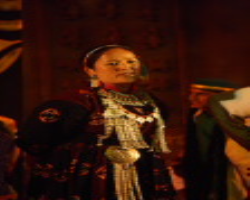
The Paite Tribe represents one of the most fascinating indigenous communities of Northeast India, primarily found in Manipur, Mizoram, and parts of Myanmar. This comprehensive guide is designed for students, researchers, cultural enthusiasts, and anyone curious about tribal heritage and indigenous communities.
The Paite people have maintained their distinct identity through centuries of migration and cultural evolution. Their rich traditions blend ancient customs with modern adaptations, creating a unique cultural tapestry that deserves recognition and understanding.
We’ll explore the historical origins and migration patterns that shaped the Paite community’s current distribution across the region. You’ll discover their vibrant cultural heritage and traditional practices that continue to define their daily lives. Finally, we’ll examine how the Paite Tribe navigates contemporary challenges while working to preserve their ancestral wisdom for future generations.
Historical Origins and Migration Patterns
Ancient roots in the Chin-Kuki-Mizo group
The Paite tribe belongs to a larger family of people known as the Chin-Kuki-Mizo group, which shares common ancestry and cultural threads that stretch back centuries. This linguistic and ethnic cluster has deep roots in the mountainous regions of Southeast Asia, where various tribes developed their unique identities while maintaining shared traditions and oral histories.
Archaeological evidence and linguistic studies suggest that the Paite people emerged from the same ancestral stock that gave rise to numerous tribes across the region. Their language belongs to the Tibeto-Burman family, specifically within the Kuki-Chin subgroup, which points to ancient connections with communities that once inhabited the upper reaches of the Irrawaddy River basin and surrounding highlands.
The oral traditions of the Paite tribe speak of a time when their ancestors lived in a land called “Khul,” believed to be located in present-day Myanmar. These stories, passed down through generations, describe a period when different clans shared common customs, festivals, and belief systems while gradually developing their distinct tribal characteristics.
Migration from Myanmar to Northeast India
The Paite migration story unfolds as a series of movements that took place over several centuries, driven by various factors including population pressure, tribal conflicts, and the search for better agricultural lands. The most significant wave of migration began in the 15th and 16th centuries when groups of Paite ancestors crossed the Chindwin River and moved westward into the hills of present-day Manipur.
These migrations weren’t sudden mass movements but rather gradual processes involving smaller groups that moved at different times and for different reasons. Some groups were pushed out by stronger tribes, while others followed seasonal patterns or sought new hunting grounds and fertile valleys for cultivation.
The journey from Myanmar to Northeast India was challenging, involving treacherous mountain passes, dense forests, and encounters with other tribal groups. The Paite people had to adapt their lifestyle and survival strategies as they moved through different terrains and climatic conditions.
Settlement patterns across Manipur, Mizoram, and Assam
Once the Paite tribe reached Northeast India, they established settlements across a wide geographical area spanning three states. In Manipur, they primarily settled in the hill districts, particularly in Churachandpur, Chandel, and parts of Kangpokpi district. These areas offered the hilly terrain and forest resources that matched their traditional lifestyle and agricultural practices.
Their settlements in Mizoram concentrated in the northern districts, where they found suitable land for jhum cultivation and hunting. The Paite communities here developed close relationships with other Mizo tribes while maintaining their distinct cultural identity and language.
In Assam, smaller groups of Paite people settled mainly in the Cachar and North Cachar Hills districts. These communities often interacted with Bengali and Assamese populations, leading to some cultural exchange while preserving their core tribal traditions.
The settlement pattern typically involved establishing villages on hilltops or slopes, following traditional practices of selecting sites that offered good views for defense, access to water sources, and suitable land for shifting cultivation. Each village was usually organized around clan lines, with headmen leading the community and managing local affairs.
Evolution of tribal identity over centuries
Over the centuries, the Paite identity has evolved while maintaining strong connections to ancestral traditions. The tribe has successfully adapted to changing political landscapes, from British colonial rule to Indian independence, while preserving their language, customs, and social structures.
The development of Christianity among the Paite people in the 20th century marked a significant transformation in their religious practices, yet many traditional customs and beliefs continue to influence their daily lives. This blending of old and new has created a unique cultural identity that honors the past while embracing necessary changes.
Political awareness and education have played important roles in strengthening Paite identity. The formation of various tribal organizations and the documentation of their history and culture have helped preserve their heritage while advocating for their rights and recognition within the Indian political system.
The Paite language has also evolved, with efforts to develop written scripts and literature helping to codify their oral traditions. This linguistic development has been crucial in maintaining their distinct identity among the various tribes of Northeast India.
Cultural Heritage and Traditional Practices
Unique language and linguistic characteristics
The Paite people speak a distinct language belonging to the Kuki-Chin-Mizo subfamily of the Tibeto-Burman language family. This language serves as a cornerstone of their cultural identity, carrying within its structure centuries of accumulated wisdom and worldview. The Paite language features complex verb conjugations that reflect the speaker’s relationship to the listener and the level of certainty about the information being shared.
What makes Paite particularly fascinating is its rich system of honorifics and respectful address forms that mirror the community’s social hierarchies and age-based respect systems. The language contains specific terms for different types of kinship relationships that don’t exist in many other languages, reflecting the intricate family structures within Paite society.
Oral tradition has preserved numerous dialectical variations across different Paite settlements, with subtle differences in pronunciation and vocabulary that often indicate the speaker’s village of origin. The language incorporates a significant number of metaphorical expressions related to nature, agriculture, and hunting, which speaks to the tribe’s deep connection with their environment.
Traditional festivals and ceremonial celebrations
The Paite Tribe celebrates several significant festivals that mark important agricultural cycles and spiritual observances. Khuado Pawi stands as their most important harvest festival, typically celebrated in November after the rice harvest. During this three-day celebration, families come together to offer thanksgiving for the year’s bounty, perform traditional dances, and share communal feasts featuring locally brewed rice beer and traditional delicacies.
Chavang Kut represents another major festival celebrated during the post-harvest season, where communities gather to honor their ancestors and seek blessings for the coming year. The festival features elaborate preparations including the decoration of homes with fresh flowers and leaves, preparation of special foods, and the performance of ancient rituals passed down through generations.
Religious festivals like Christmas have been integrated into their celebration calendar, blending Christian practices with traditional customs. The Paite people have created unique ways to celebrate these occasions that honor both their ancestral traditions and their adopted faith, creating a distinctive cultural fusion that reflects their adaptability while maintaining their core identity.
Folk songs, dances, and oral storytelling traditions
Music and dance form the heartbeat of Paite cultural expression. Their folk songs, known as “La,” cover a vast range of themes including love stories, historical events, moral teachings, and celebrations of nature. These songs often feature call-and-response patterns that encourage community participation and create a sense of collective identity during gatherings.
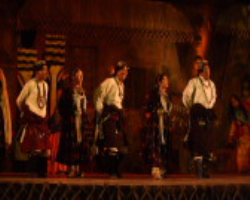
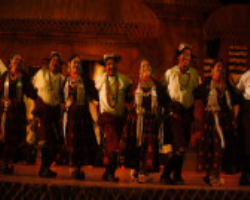
Traditional Paite dances include the Sarlamkai, performed during festivals and important community events. Dancers wear colorful traditional attire adorned with beads and feathers, moving in synchronized patterns that tell stories of hunting expeditions, agricultural activities, and spiritual journeys. The Zeliang dance, performed by both men and women, recreates scenes from daily life and serves as both entertainment and cultural education for younger generations.

Oral storytelling traditions preserve the tribe’s collective memory through epic tales of brave warriors, wise leaders, and mythical creatures. Elders serve as the primary custodians of these stories, sharing them during evening gatherings around the fire. These narratives often contain moral lessons about courage, honesty, community cooperation, and respect for nature, serving as informal education systems that transmit values across generations.
Customary laws and community governance systems
The Paite Tribe operates under a well-established system of customary laws that govern everything from marriage and inheritance to land rights and dispute resolution. Village councils, led by respected elders and traditional leaders called “Upa,” serve as the primary governance bodies that interpret and enforce these customary laws.
These traditional legal systems emphasize restorative rather than punitive justice, focusing on healing relationships and maintaining community harmony rather than simply punishing wrongdoers. When conflicts arise, the council brings together all parties involved to discuss the issue openly and work toward solutions that satisfy everyone while strengthening community bonds.
Land ownership follows traditional patterns where families hold hereditary rights to specific plots, but the broader community maintains collective responsibility for forest resources and grazing areas. This system ensures sustainable use of natural resources while respecting individual family rights. Marriage customs include specific protocols for courtship, bride price negotiations, and wedding ceremonies that involve extended family networks and community participation.
Women play important roles in these governance systems, particularly in matters related to family disputes, childcare decisions, and preservation of cultural traditions. While men typically serve as formal leaders, women’s counsel is actively sought and respected in community decision-making processes.

Social Structure and Community Organization
Clan System and Kinship Relationships
The Paite tribe operates on a sophisticated clan-based social system where lineage and ancestry form the backbone of community identity. Each clan, known as “veng,” traces its origins to specific ancestors and maintains distinct totems, taboos, and cultural markers that distinguish one group from another. These clans function as extended family networks that provide social security, identity, and belonging to every individual within the community.
Kinship relationships among the Paite follow patrilineal descent, where children belong to their father’s clan. This system creates a complex web of relationships that determines marriage eligibility, inheritance rights, and social obligations. Clan members share collective responsibility for each other’s welfare, creating a natural support system that extends beyond immediate family ties. The clan elders maintain detailed genealogical records through oral traditions, ensuring that family histories and connections remain intact across generations.
Blood relationships carry significant weight in Paite society, influencing everything from conflict resolution to economic partnerships. The community recognizes various degrees of kinship, with specific terms for different relationships that reflect the depth of social connection and mutual obligation between individuals.
Traditional Leadership Roles and Village Councils
Paite village governance centers around the “Upapa” system, where village headmen serve as primary decision-makers and community representatives. The Upapa, typically chosen based on wisdom, integrity, and family lineage, acts as the bridge between the community and external authorities while maintaining internal order and justice.
Village councils, composed of clan representatives and respected elders, function as democratic bodies where important decisions receive collective consideration. These councils address issues ranging from land disputes to community development projects. The decision-making process emphasizes consensus-building rather than majority rule, ensuring that all voices receive attention before reaching final determinations.
Traditional leadership roles also include specialized positions such as “Thempu” (priests), “Gal” (warriors), and “Tuai” (chiefs), each carrying specific responsibilities within the community hierarchy. These roles often pass through family lines, though personal merit and community acceptance play crucial roles in leadership legitimacy. Women also hold important positions as custodians of cultural knowledge and family welfare, though their roles traditionally differ from male leadership positions.

Marriage Customs and Family Structures
Marriage within Paite society follows strict clan exogamy rules, prohibiting unions between members of the same clan or closely related clans. This system prevents inbreeding while strengthening inter-clan relationships through matrimonial alliances. Young people typically cannot marry within seven generations of shared ancestry, a rule that maintains genetic diversity and social harmony.
The marriage process begins with family negotiations rather than individual choice alone. Parents and clan elders play active roles in partner selection, considering factors such as family reputation, clan compatibility, and economic stability. Traditional courtship involves formal ceremonies where families exchange gifts and establish mutual respect before proceeding with wedding arrangements.
Paite families follow joint family structures where multiple generations live together under one roof or in close proximity. The eldest male typically serves as the family head, making important decisions regarding property, education, and family welfare. However, women wield considerable influence within households, managing daily operations and child-rearing responsibilities. Children learn their roles and responsibilities through direct participation in family activities, ensuring cultural transmission across generations.
Age-Old Conflict Resolution Mechanisms
The Paite tribe employs traditional justice systems that prioritize restoration over punishment. Village councils serve as primary courts where disputes receive public hearings, allowing community members to witness proceedings and contribute to resolution processes. These sessions emphasize understanding underlying causes of conflicts rather than simply assigning blame.
Traditional punishments focus on compensation and community service rather than physical penalties. Offenders might pay fines in livestock, contribute labor to community projects, or undergo ritual purification ceremonies depending on the nature of their transgressions. Serious crimes affecting community harmony result in temporary or permanent exile, though such extreme measures require unanimous council approval.
Mediators, usually respected elders with deep understanding of customary laws, facilitate discussions between conflicting parties. These traditional arbitrators use persuasion, storytelling, and appeals to community values to guide disputants toward mutually acceptable solutions. The process can take several sessions, allowing emotions to cool while building understanding between opposing sides.
Ritual elements often accompany conflict resolution, including oath-taking ceremonies where parties swear before ancestral spirits to honor agreements. These spiritual components add weight to settlements while reinforcing community bonds and shared values that prevent future conflicts.
Economic Activities and Livelihood Systems
Traditional agriculture and farming techniques
The Paite Tribe has maintained sophisticated agricultural practices that have sustained their communities for generations. Their farming methods center around jhum cultivation, also known as slash-and-burn agriculture, which they’ve perfected through centuries of experience. This rotational system allows land to regenerate naturally while providing diverse crop yields.
Rice remains the primary staple crop, with multiple varieties cultivated to suit different altitudes and soil conditions. The Paite people grow both wetland and upland rice, adapting their techniques to mountainous terrain. They also cultivate maize, millet, sesame, and various vegetables including beans, pumpkins, and leafy greens. Their agricultural calendar follows traditional lunar cycles, with specific rituals marking planting and harvesting seasons.
Water management showcases their engineering skills through intricate terrace systems and bamboo irrigation channels. These sustainable methods prevent soil erosion while maximizing water efficiency. Community cooperation plays a vital role, with families sharing labor during peak agricultural periods through traditional work-sharing arrangements called “hnatlang.”
Handicrafts and weaving specializations
Paite women excel in traditional weaving, creating distinctive textiles that serve both practical and ceremonial purposes. Their handwoven fabrics feature geometric patterns and vibrant colors, each design carrying cultural significance. The traditional loom, called “thangka,” produces various items including shawls, bags, and ceremonial attire.
Bamboo craftsmanship represents another specialized skill, with artisans creating baskets, furniture, musical instruments, and household items. Men typically handle bamboo work, fashioning everything from fishing traps to storage containers. These crafts generate supplementary income while preserving cultural heritage.
Jewelry making involves intricate beadwork and metalwork, often incorporating traditional motifs. Women create necklaces, bracelets, and hair ornaments for festivals and special occasions.
Forest-based occupations and resource management
The dense forests surrounding Paite settlements provide abundant resources that support traditional livelihoods. Community members engage in sustainable collection of non-timber forest products including medicinal plants, wild fruits, honey, and bamboo. Their deep knowledge of forest ecosystems guides responsible harvesting practices.
Hunting remains culturally significant, though regulated by traditional laws and seasonal restrictions. The Paite people practice rotational hunting grounds, allowing wildlife populations to recover. They also gather materials for construction, tools, and crafts from forest resources.
Traditional forest management follows customary laws that designate sacred groves, community forests, and individual holdings. These regulations prevent overexploitation while ensuring resource availability for future generations.
Modern economic adaptations and challenges
Contemporary economic pressures have pushed many Paite youth toward modern occupations including government jobs, teaching, and small businesses. Education has opened new opportunities, with community members entering professional fields while maintaining cultural connections.
Tourism potential exists through cultural heritage sites and traditional festivals, though infrastructure limitations restrict development. Some communities have started homestay programs and cultural tours, generating alternative income sources.

Market access remains challenging due to remote locations and poor transportation networks. Many families now combine traditional activities with cash crop cultivation, growing ginger, turmeric, and vegetables for external markets. However, price fluctuations and middleman exploitation affect profitability.
Climate change impacts traditional agricultural cycles, forcing adaptations in crop selection and farming schedules. Younger generations face choices between preserving traditional livelihoods or pursuing modern opportunities in urban areas, creating tensions between cultural preservation and economic advancement.
Religious Beliefs and Spiritual Practices
Indigenous animistic traditions and nature worship
The Paite people originally practiced animism, believing that spirits inhabited every aspect of the natural world around them. Mountains, rivers, forests, and even individual trees held spiritual significance and were considered homes to various deities and ancestral spirits. These beliefs shaped how the Paite community interacted with their environment, treating nature with deep reverence and respect.
Traditional Paite cosmology recognized multiple levels of spiritual beings, from powerful mountain gods to smaller household spirits. The community believed these entities directly influenced daily life, controlling everything from weather patterns to crop yields. Shamans and village elders served as intermediaries between the human and spirit worlds, performing rituals to maintain harmony and seek protection from malevolent forces.
Nature worship ceremonies often coincided with agricultural cycles and seasonal changes. Sacred groves were designated where no trees could be cut, and specific rituals were performed to honor the forest spirits before hunting expeditions. Water sources were particularly revered, with elaborate ceremonies conducted at rivers and springs to ensure continued abundance and purity.
Christian missionary influence and conversion
Christian missionaries arrived in Paite territory during the late 19th and early 20th centuries, bringing dramatic changes to the tribe’s religious landscape. Baptist missionaries were particularly influential, establishing churches and schools that became centers of community life. The conversion process was gradual but comprehensive, with entire villages eventually adopting Christianity.
The appeal of Christianity lay partly in its promise of education and modern healthcare, which missionaries provided alongside religious instruction. Many Paite families saw conversion as a pathway to better opportunities for their children and integration with the broader Indian society. Missionary schools taught literacy in both English and local languages, creating a new educated class within Paite society.
By the mid-20th century, the majority of Paite communities had converted to Christianity, particularly Baptist denominations. Churches became focal points for community gatherings, replacing traditional meeting spaces. The new faith brought changes in social customs, including marriage ceremonies, funeral rites, and festival celebrations.
Syncretism between traditional and modern faiths
Despite widespread conversion to Christianity, many Paite people continued incorporating elements of their ancestral beliefs into their new faith. This religious blending created unique practices that honored both Christian teachings and traditional spiritual connections to the land. Some families maintained small shrines in their homes while regularly attending church services.
Traditional healing practices often merged with prayer and Christian symbolism. Herbal remedies blessed by Christian prayers became common, and some church leaders incorporated indigenous knowledge about medicinal plants into their pastoral care. This fusion allowed the community to maintain cultural identity while embracing new religious frameworks.
Seasonal festivals evolved to include both Christian holidays and traditional celebrations tied to agricultural cycles. Christmas and Easter gained importance, but harvest festivals retained elements of ancient thanksgiving rituals to nature spirits. Some churches adapted traditional songs and dances, creating distinctly Paite expressions of Christian worship.
Sacred sites and ritual ceremonies
Traditional sacred sites remain important to many Paite communities, even those that have fully embraced Christianity. Certain mountains, caves, and forest groves continue to hold spiritual significance, with some community members visiting these locations for reflection and connection with ancestral heritage. These sites serve as tangible links to pre-Christian identity and cultural memory.
Contemporary ritual ceremonies blend old and new elements. Wedding ceremonies might include both church services and traditional blessing rituals involving elders and symbolic offerings to ancestral spirits. Funeral practices often combine Christian burial rites with traditional customs for honoring the deceased and ensuring their peaceful transition to the afterlife.
Community festivals showcase this religious duality, with church choirs performing alongside traditional dancers. Prayer meetings might begin with Christian hymns but include moments of silence for remembering ancestors and seeking guidance from both God and traditional spiritual forces. These ceremonies strengthen community bonds while preserving cultural authenticity.
Modern Paite religious leaders often acknowledge the value of traditional wisdom, encouraging respectful remembrance of ancestral practices while maintaining Christian faith. This balanced approach has helped preserve important cultural knowledge while allowing the community to adapt to changing social and economic conditions.
Contemporary Challenges and Preservation Efforts
Language Endangerment and Cultural Erosion
The Paite language faces significant challenges as younger generations increasingly adopt Hindi, English, and other regional languages for education and employment opportunities. While elders continue to speak the traditional Paite language fluently, many children growing up in mixed communities or urban settings struggle with native vocabulary and traditional expressions. This linguistic shift creates gaps in cultural transmission, as many traditional stories, songs, and ceremonial practices are deeply embedded in the Paite language structure and cannot be fully translated without losing their cultural essence.
Traditional craftsmanship, including weaving techniques and bamboo work, risks disappearing as modern manufactured goods become more accessible and affordable. The intricate knowledge of medicinal plants and traditional healing practices, once passed down through generations, now competes with modern healthcare systems. Many young Paite people lack knowledge about traditional agricultural methods, seasonal festivals, and ancestral customs that once defined their cultural identity.
Youth Migration to Urban Areas
Economic opportunities in rural areas remain limited, pushing many young Paite individuals toward cities like Delhi, Mumbai, and Bangalore. This migration pattern creates both opportunities and challenges for the community. While urban employment provides better financial prospects and educational access, it often comes at the cost of cultural connection and community involvement.
Young professionals working in metropolitan areas frequently struggle to maintain their cultural practices while adapting to urban lifestyles. Marriage patterns have also shifted, with many young Paite people forming relationships outside their community, leading to concerns about cultural continuity among traditionalists. The absence of youth in villages means fewer people available to participate in traditional festivals, community work, and cultural celebrations that require active participation from different age groups.
Government Recognition and Tribal Rights Advocacy
The Paite tribe continues advocating for proper recognition and protection of their traditional lands and resources. Legal battles over forest rights and land ownership affect their agricultural practices and access to traditional hunting and gathering areas. Government policies sometimes conflict with customary practices, creating tension between modern administrative systems and traditional governance structures.
Tribal rights organizations work to ensure the Paite community receives appropriate representation in local and state governments. Educational scholarships, reserved employment opportunities, and healthcare access remain ongoing advocacy priorities. The community actively engages with legal frameworks to protect their intellectual property rights related to traditional knowledge, crafts, and cultural expressions from commercial exploitation without consent.
Community Initiatives for Cultural Preservation
Local organizations and community leaders have established cultural centers and documentation projects to preserve Paite traditions. These initiatives include recording traditional songs, documenting oral histories, and creating written materials in the Paite language for educational purposes. Community festivals and cultural programs specifically target younger generations, making traditional practices more engaging through modern presentation methods.
Elder-led workshops teach traditional skills like weaving, cooking, and storytelling to interested youth. Digital platforms and social media groups help maintain connections among Paite people living in different regions, sharing cultural content and organizing virtual celebrations during important festivals. Some communities have created cultural exchange programs where urban youth return to villages during holidays to participate in traditional activities and learn from elders.
Marriage ceremonies and naming rituals have been adapted to maintain cultural significance while accommodating modern circumstances. Community schools incorporate Paite language classes and cultural education into their curricula, ensuring children learn about their heritage alongside standard academic subjects.
The Paite people have built a rich cultural tapestry that spans generations, from their ancient migration patterns to their vibrant traditions that continue today. Their strong community bonds, diverse economic practices, and deep spiritual connections show how a tribe can maintain its identity while adapting to modern times. The way they organize their society and preserve their customs offers valuable insights into indigenous wisdom and resilience.
Today’s Paite communities face real challenges as they work to keep their heritage alive in a rapidly changing world. Supporting their preservation efforts means recognizing the importance of indigenous cultures and helping create spaces where traditional knowledge can thrive alongside modern opportunities. The Paite story reminds us that cultural diversity makes our world richer, and every effort to preserve these traditions helps maintain the beautiful variety of human experience for future generations.
