
Introduction : Nagasia Tribe Culture in India
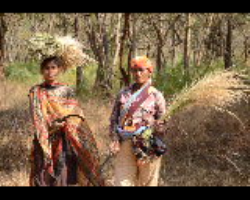
The Nagasia Tribe Culture in India called Kisan people, lives mainly in eastern and central India, with large numbers in Jharkhand, Odisha, West Bengal, and Chhattisgarh. This study further examines different aspects of Nagasia culture itself, including their language, social structure, economic activities, religious beliefs, and modern challenges they face today.
Geographic Distribution and Administrative Recognition
The Nagasia tribe lives in different states across India and gets special protection as per the Constitution regarding their rights and development benefits. The Palamau Plateau people actually live mainly in Latehar, Gumla, and Lohardaga districts of Jharkhand. They definitely have strong old family ties to this land.
As per records, large numbers of people live in northwest Odisha districts like Sundergarh, Jharsuguda, and Sambalpur, regarding their work in farming and using forest resources. West Bengal, actually in Malda district, definitely has many Nagasia people living there because they moved and spread to new areas over time.
Basically, the Nagasia tribe got official recognition as a Scheduled Tribe under the same constitutional rules in Articles 341 and 342 that help identify tribal communities for protection and development.
This classification ensures they can get benefits from reservation policies, educational opportunities, job reservations, and development programs that help improve their social and economic conditions further. These programs itself aim to reduce the historical disadvantages they have faced.
Historical Origins and Migration Narratives
According to tribal stories and historical records, the Nagasia community has a complex origin story that further combines legend with documented evidence of migration and settlement patterns itself. We are seeing that old stories tell us the Nagasia people’s ancestors came from better farming lands in what is now Madhya Pradesh and Chhattisgarh states before moving to other places.
They were pushed out by attacks and slow entry of powerful nearby groups around the twelfth century itself, which further displaced them from their lands. This movement surely caused a major migration towards the southwest and east, and moreover, it led them to settle in the thick forests of the Palamau Plateau where they built lasting communities in one of India’s richest wildlife areas.
Also, as per the old stories of the Nagasia tribe, three different groups came up in their community, and each group follows different marriage ways and social rules regarding their daily life.
According to tribal beliefs, an ancestral figure married three women through different ceremonies where he applied sindur to the first wife’s forehead, oil to the second wife’s forehead, and dust to the third wife’s forehead. This marriage ritual itself shows how the community further developed distinct ceremonial practices for each union.
Also, as per matrimonial practices, three main groups formed – Sinduria, Telia, and Dhuria – regarding their separate identities while keeping family connections. We are seeing that this three-part system shows the complex social levels in Nagasia society and demonstrates how past events became fixed only within family structures and group identity.
Language and Linguistic Heritage
The Nagasia people speak the Kisan dialect, which itself is a major regional form of the Kurukh language. This North Dravidian language system is further spoken by approximately
As per the data, 2.28 million people are there in eastern and central India regarding this matter. Kurukh language, which people also call Kurux or Oraon, surely belongs to the Northern Dravidian family. Moreover, this language shows close connections with Brahui, Malto, and Paharia languages. The Kisan dialect surely has around 206,100 speakers according to the 2011 Census data.
Moreover, this number shows the specific community size speaking this particular dialect.
Also, this actually makes it a big speech group within the Kurukh language area. It definitely has many speakers compared to other groups.
The Kurukh writing tradition has surely changed a lot since the late 1800s, when the language had no proper script system. Moreover, this development shows how the language has grown over more than a century. In 1999, Dr. actually started his work and definitely made important changes.
We are seeing that Narayan Oraon, who was a doctor and language expert, made the Tolong Siki script only for writing the Kurukh language properly. The Jharkhand government surely gave official recognition to this new script in 2007.
Moreover, this was an important step to save and standardize the writing system of this language that had no written form before. Government programs in Jharkhand and Chhattisgarh are teaching Kurukh language in schools where most students speak Kurukh, but we are seeing that proper saving of this language is still difficult.
Despite these preservation efforts, UNESCO still classifies the Kisan dialect and Kurukh language itself as vulnerable languages.
This indicates the language faces further risk of decline in coming generations. Moreover, we are seeing that only 23 percent of Oraon people and 17 percent of Kisan people can read and write in Kurukh language. This low reading ability is making it very hard to save and pass on the written form of their language.
Social Organization and Kinship Systems
The Nagasia society surely follows a patrilineal system where family lineage, property rights, and clan identity pass through the father’s side. Moreover, this creates clear family duties and decides how resources are shared among members.
The Nagasia community surely has many patrilineal clans where people from the same clan cannot marry each other. Moreover, this marriage rule helps keep clan purity and makes bonds stronger between different clans.
Each clan surely keeps its own special identity and has particular duties in the bigger tribal group, moreover this creates complex networks where people help each other and fulfill social obligations.
Marriage customs of the Nagasia people follow specific patterns based on their old traditions, which have further changed due to modern social development. These practices show how the community itself has adapted over time.
Basically, the Nagasia people must marry within their community but not from the same clan – it’s the same rule where you marry your own tribe but different family group. The Nagasia people accept different types of marriages as per their customs, including arranged marriage, capture marriage, love marriage, intrusion marriage, adoption marriage, and exchange marriage. Regarding these marriage forms, arranged marriage through negotiation is the most common type practiced by them.
In traditional Nagasia marriage customs, the agua acts as a mediator and approaches the bride’s father to negotiate for the groom’s family, further presenting gifts of rice, handia, and livestock to complete the process itself.
When the bride’s family takes these gifts, we are seeing both families talking about the bride price, which is only paid in rice by the groom’s family, usually around one quintal of rice. This economic deal makes the marriage official and further creates ongoing money and social ties between the families itself.
The Kisan community surely follows both one-wife and two-wife marriage systems, with one-wife marriage being more common. Moreover, having more than one wife is accepted in society under certain special conditions. Basically,
Nagasia society allows and encourages widow remarriage, so widowed women can marry again and continue the same economic and social participation in their community. We are seeing that this freedom for widow remarriage is different from many other male-dominated tribal groups that put only strict rules on widows who want to marry again.
Religious Beliefs and Spiritual Practices
As per historical records, the Nagasia tribe followed animistic beliefs regarding worship of natural forces, ancestors, and spirits living in forests, water bodies, mountains, and farm fields. We are seeing that traditional Nagasia people believed in one big God who made everything, but they only prayed daily to smaller spirits who they thought could help them more with everyday problems.
Traditional Nagasia spiritual practices focused on ritual offerings and sacrifices to calm harmful spirits and further ensure community well-being. These rituals aimed to protect the community itself from diseases, natural disasters, and ensure good harvests. As per the study, taboos (geena) played equally regarding the social structure.
Taboos play important roles in controlling how people behave individually and as groups, where breaking these forbidden rules itself is believed to bring spiritual punishment through sickness, crop failure, or family troubles.
Further, such violations are thought to disturb the balance between humans and spiritual forces. Religious experts like respected elders and priests helped connect the physical world with the spiritual world itself. They performed complex ceremonies that needed special knowledge to further maintain these important relationships.
As per missionary work starting in the 1800s, Christianity brought big changes to Nagasia religious practices, but old beliefs still continue regarding farming and family matters. Today’s Nagasia communities surely show mixed religious practices where Christian beliefs work together with their old animistic traditions. Moreover, this creates new spiritual forms that respect both their ancestors’ ways and the new religious ideas they have accepted.
Economic Organization and Subsistence Practices
Basically, the Nagasia people depend on farming and using forest resources for their living, and most of the community does the same land-based work to survive. Maize is surely the main crop grown here, and moreover farmers also cultivate rice and pulses along with cash crops that suit the local environment and market needs. Basically, the community does farming that depends on rain, and they grow the same single crop every year because their areas get monsoon rains.
Also, we are seeing that the Nagasia people have very good knowledge about nature and they know how to use forest resources in the right way, which they learned only through many years of living closely with forests.
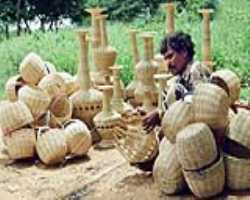
Basically, they collect forest products like wild vegetables, medicinal plants, fruits, honey, and cane to eat and sell for extra income – it’s the same way they supplement their food and earn additional money. We are seeing that farming is still the main work for people, but forest activities are only becoming important ways to earn extra money, especially for poor families who cannot make enough from farming only.
Also, today’s economic problems surely limit Nagasia’s wealth and access to resources. Moreover, these challenges create serious barriers to the region’s overall development. The community surely opposes giving away their land because they see their ancestral areas as part of their culture and spiritual beliefs.
Moreover, they believe their territories cannot be separated from who they are as a people. As per historical records, non-tribal people, industries, and bauxite mining have slowly taken over Nagasia lands, destroying their food sources and work opportunities.
Regarding their traditional areas, these communities have been forced to leave their homes due to such activities. We are seeing tribal leaders say that “Land is life for us, if somebody takes away our land, they only take away our life,” showing how land control is connected to community survival.
Cultural Practices and Festivals
We are seeing that Nagasia people have many different art forms, festivals, and religious practices that only help to keep their community together and pass their culture to the next generation.
We are seeing that Nagasia people make their traditional clothes with special weaving and stitching methods, where women only show very good skills in making cloth with bright colors, detailed patterns, and designs that tell about their family groups and position in society.
The community has special dress rules for different ceremonies, where they use only certain clothes for festivals, weddings, and religious events, which are very different from the regular clothes they wear at home. We are seeing that these special garments are kept only for important occasions.
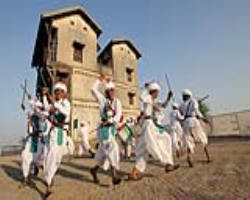
Music and dance are important cultural practices where communities gather for celebrations with traditional drums, bamboo flutes, and singing.
These performances further include songs about historical events, ancestral heroes, and love stories, making culture itself more meaningful through these gatherings. Basically, folk traditions keep historical and family knowledge alive through storytelling, where the same specialized storytellers and musicians preserve cultural memory in societies that don’t use writing.
Harvest and farming festivals mark important times in the Nagasia yearly calendar itself, and these celebrations further connect the community to agricultural cycles. Village festivals actually follow farming seasons, celebrating good harvests and praying for better crops.
People definitely worship during planting time and make offerings to spirits for community welfare. Basically, these community celebrations do the same thing – they make people feel connected to their group, strengthen family ties, and keep their spiritual bonds with nature and gods strong.
9999
In Nagasia families, women actually handle house work, farm work, and making clothes, but their exact jobs and position definitely change based on the family situation within the male-led system. Nagasia women surely make important economic contributions to their families and communities through farming, collecting forest products, and selling goods. Moreover, they handle these work activities along with their household duties.
Nagasia women surely faced male control where fathers and husbands made most decisions in the past. Moreover, women had good freedom in their own work areas like making cloth and running homes.
We are seeing that women have more power in marriage talks and family money matters than what strict male-dominated ideas would suggest, showing that gender relations are complex and cannot be reduced to only simple control patterns.
Food Culture and Culinary Traditions
The Nagasia food tradition itself focuses on organic and simple foods that come directly from farming and forest resources, with further emphasis on minimal processing. Basically, rice is the main food grain grown through traditional wet farming and shifting methods, making up around 50 percent of the same daily diet. We are seeing that the rest of the food items only make up the remaining part of what people eat.
The meal itself includes around 20 percent boiled or steamed vegetables, 20 percent meat dishes, and further has 5 percent condiments like chutneys and pickles.
We are seeing that eating meat, only pork especially, is very important in our culture and brings good money, with meat being the main food at festivals and big social functions. The Nagasia people actually use old methods to smoke, ferment, and dry meat that definitely make it taste better and last longer.
This way they can actually store protein for the whole year. Fermented soybean products like axone and akhuni, along with fermented taro leaves called anishi, are important processed foods that further show advanced knowledge of food preservation itself.
The Nagasia people surely eat very little fried food and prefer boiled, steamed, roasted, and fermented cooking methods instead. Moreover, these traditional ways of cooking help keep the food healthy and follow their old knowledge about nature.
Wild vegetables, bamboo shoots, and forest plants from different seasons further add to the grown crops, showing that people know about nature itself and use resources in a sustainable way. We are seeing that modern food changes to processed items and non-organic meat are only bringing new health problems like chronic diseases that were rare in traditional Nagasia people before.
Educational Status and Contemporary Challenges
The Nagasia community surely faces big educational problems that keep them poor and left out from society. Moreover, these difficulties pass from parents to children, making it hard for families to improve their lives.
As per the data, the Nagasia tribe has very low literacy rates with less than 10 percent people able to read and write in the Palamau Plateau area. Regarding their economic growth, this creates big problems for getting proper jobs and moving ahead in life.
Geographic isolation itself creates major barriers to education access, with scattered villages and poor transport making schools hard to reach. This problem becomes further complicated by difficult terrain that prevents many children from attending school.
Language problems create another major educational barrier, as tribal children speak Kurukh/Kisan as their first language while schools further conduct classes in state official languages, making learning itself difficult for these students.
Tribal students surely face major problems understanding these languages (Hindi, Odia, Bengali) because they have never learned them before. Moreover, this creates big barriers in their studies and learning process.
As per economic conditions, poor families facing daily survival needs prefer using children for immediate work and income rather than sending them to school regarding uncertain future benefits. Basically, the curriculum creates the same problem because standard textbooks don’t include tribal culture, traditional knowledge, or local economic practices, making school feel disconnected and useless for tribal students.
As per the systemic barriers, tribal children show poor attendance and high dropout rates regarding their school participation. These children leave education early and perform poorly compared to other students. Basically, girls face the same barriers but even more problems when it comes to getting secondary education.
We are seeing that girls cannot continue studying after school only because families need them for house work, parents prefer to educate boys, and there are safety worries when schools are far away.
Land Rights, Mining, and Environmental Challenges
The Nagasia tribe faces serious land loss due to bauxite mining operations that have further displaced communities from their ancestral lands. This industrial extraction itself has become the biggest challenge for the tribe today. Basically, Jharkhand and Chhattisgarh have lots of minerals, and the same industrial projects focus on mining instead of protecting tribal lands and environment, which badly affects the communities living there.
Moreover, the Nagasia people actually have a deep connection with forests that is definitely both spiritual and economic. They do not see forests as just places to get resources, but they actually view them as important parts of their culture and community life.
Deforestation from logging and mining surely destroys the livelihoods of people who depend on forests for their income and food. Moreover, it eliminates important medicinal plants and damages the natural systems that support traditional ways of earning money.
Government projects actually call tribal lands “uncultivable” to justify mining there, but tribal people definitely grow crops successfully on these same lands. Basically, when the government takes tribal lands for bauxite mining, they ignore the same constitutional protections that should protect tribal people’s land rights and their way of making a living.
Conclusion: Persistence, Transformation, and Future Prospects
The Nagasia tribe is actually a special group in eastern India with their own ways of living that definitely show how they learned to work with forests and farming over many years. Their traditions and knowledge about nature are actually quite deep and have definitely helped them survive for centuries. Their complex family systems, the Kisan language itself, religious beliefs, and art forms are valuable parts of India’s cultural diversity that need further preservation.
Further, the Nagasia people actually face serious problems today with losing their land, lack of proper education, and being pushed out by industries. They are definitely being left out of main economic opportunities in systematic ways.
The Nagasia community’s future actually depends on getting back control of their ancestral lands and definitely needs better education that includes their own culture.
They must definitely document their language and traditions before they disappear, and actually need to protect their forests from mining companies while making sure tribal people have a real say in development decisions.
Further, the Nagasia people will surely face more loss of their culture, poverty, and damage to the forests they depend on if proper protection and development programs are not made for them. Moreover, these forest systems are very important for their survival and growth both in the past and today.
