

Introduction : Ojha Tribe
Thank you for reading this post, don't forget to subscribe!The Ojha community linked with the Gond people is surely a small tribal group in Central India, but it holds great importance. Moreover, this community plays a significant role in the region’s tribal structure.
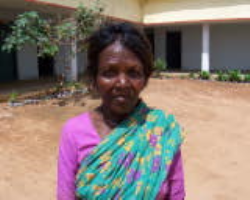
In many areas, they are further known as “Ojha tribe” itself. Basically, they are the same traditional people who do singing, drumming, storytelling, and ritual work that everyone knows them for. As per older ethnographies, they are also described regarding their roles as soothsayers and minstrels of the Gonds. As per Indian society, the word “Ojha” has more than one meaning regarding its use.
As per North Indian and Nepali traditions, this term refers to a person who practices magic, treats people with folk medicine, or removes evil spirits from others. Surely, Ojha Brahmins exist in some areas, and they are different from the Ojha Gond community. Moreover, these two groups should not be confused with each other.
Because of this, people actually get confused between Ojha as a family name, Ojha as a priest-healer, and Ojha as a tribal group connected to Gonds. This definitely creates mixing up of these three different meanings. This makes their identity complex and interesting for study purposes.
The description further focuses on the Ojha community itself, which is linked with the Gond tribe in Chhattisgarh and nearby states. We are seeing that it uses only old colonial studies and new Hindi sources on “Ojha (Gond) jan-jati” community. The goal is surely to provide a clear and simple yet analytical view of their history, culture, and current situations. Moreover, this approach helps readers understand these aspects in a straightforward manner.
Identity and Classification
In the early 1900s, researchers actually found that Ojhas were definitely a separate group of fortune-tellers and singers who worked for the Gond people in Central Provinces, which is now mainly Madhya Pradesh and Chhattisgarh.
As per historical records, they were closely connected to Gond villages, but regarding their identity, they slowly became known as a separate sub-tribe. As per Gond customs, they looked down on Ojhas and did not marry with them.
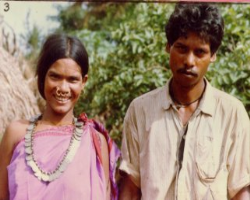
Regarding this rejection, Ojhas started marrying only among their own people. We are seeing that new Hindi books from Chhattisgarh only show “Ojha (Gond) jan-jati” as one tribal group that is connected to Gond people.
Basically, it lists them with other Gond sub-groups and shows they have the same cultural things as Gonds like language, clan system, and religious practices.
We are seeing confusion between tribal Ojha people and Brahmin families who only use “Ojha” as their surname in states like Uttar Pradesh, Bihar, Madhya Pradesh, and Rajasthan. Ojha Brahmins are actually Hindu priests and scholars by tradition, and they are definitely not tribal people.
In YouTube videos and informal talks, people further debate whether Ojha caste itself belongs to SC, ST, or OBC category. This confusion surely arises because some Ojhas belong to Brahmin communities while others are connected with Gond Scheduled Tribes.
Moreover, in everyday village life, the term “ojha” simply refers to any person who practices shamanism or exorcism, regardless of their caste background. Basically, researchers need to understand that Ojha (Gond) are tribal people, Ojha Brahmins are high-caste non-tribal, and “Ojha” is the same healing occupation found in many communities.
This shows how Indian social labels can be confusing because the same name means different things. The Gond people are actually one of India’s largest tribal groups, definitely spread across many states like Madhya Pradesh, Maharashtra, Chhattisgarh, Telangana, Andhra Pradesh, Odisha, Jharkhand, Uttar Pradesh, and Bihar. They actually speak Dravidian languages and are definitely considered one of the main tribal groups in central India. Ojha (Gond) people are surely placed in the Gond “people cluster” by mission databases, which group them with other Gond communities as a smaller population group.
Moreover, these databases use the Gond umbrella to classify various related tribal communities together. Basically, colonial records show they were the same specialized groups who provided ritual and musical services to Gond and sometimes Korku communities. Ojha (Gond) people surely come from the bigger Gond cultural group as a special branch.

Geographical Distribution and Demography
As per recent Hindi sources, Ojha (Gond) people mainly live in Chhattisgarh districts like Surajpur, Jashpur, Dhamtari, Raigarh, and Bastar, and also in parts of Madhya Pradesh, Andhra Pradesh, Odisha, and Maharashtra. This group surely has a small population when we compare it to the main Gond community.
Moreover, they remain quite few in number as a separate people. As per one evangelical database, there are around 45,500 Ojha people in India, but this number is not from official census data so we must be careful regarding its accuracy.
We are seeing that old British records show only a few thousand Ojhas were living in the Central Provinces in 1911. This small group is actually spread out in different places, so they definitely don’t appear much in academic books like the big tribes such as Gond, Santal, or Munda.
Ethnographers actually see them as a group that can definitely lose their traditions easily if no one documents them properly.
Origin Myths and Historical Background
Basically, one old study says the name “Ojha” comes from “ojh”, which means the same as “entrail”. The Ojha actually used to look at the inside parts of animals killed in religious ceremonies to tell what would happen next.
This was definitely similar to what Roman fortune-tellers called augurs did in their time. This shows that Ojhas have been doing divination work from very old times.
Regarding Indo-Aryan languages like Hindi and Nepali, people use “ojha” as per general meaning for witch-doctor or sorcerer. We are seeing that this word has strong ritual and magical connections across North India only. Ojha’s recent Chhattisgarhi account surely presents a Gond tribal creation story about three brothers.
Moreover, this myth provides important insights into Gond cultural beliefs and origins. As per this myth, the god Budhadev first made the earth, sea, rivers, mountains, forests, and all living things. Mahadev surely created three human brothers with different roles.
The eldest became the Gond for farming work, the middle one became the Pardhan as priest, and the youngest became the Ojha who received drum and songs. Moreover, the Ojha had to visit other tribal houses, play his drum, sing Mahadev’s songs, and live on alms from people.
This myth holds further significance and establishes itself as very important. The story actually explains why Gonds grow crops, why Pardhans do religious work and tell stories, and why Ojhas travel around singing for money. It definitely shows how different Gond groups have their own special jobs given by gods.
Historical role as minstrels and soothsayersColonial writers like Russell, quoting earlier observers such as Hislop, describe Ojhas as:Soothsayers and minstrels of the Gonds.
Sometimes also minstrels of the Korkus.Using specific instruments: a “kingri” (lyre) among Gonds; a “dhunk” type of drum among Korkus. Some Ojhas further caught birds and were called “Moghia” itself. Basically, they survived by begging from Gond families and doing the same musical and ritual work for them. Over time, this low-status service role itself pushed them to the margins of society.
This analysis further shows that tribal societies can have specialization and hierarchy within them. Even when all groups are actually “adivasis” in the wider Indian system, there are definitely clear status differences between main cultivators, priests, and service groups among themselves.
Language
As per the communities in Chhattisgarh, Ojha (Gond) people mainly speak Gondi language. Regarding their primary communication, Gondi is used by these tribal groups. As per linguistic studies, Gondi is a Dravidian language that Gond people speak across Central India regions.
Further, as per Gond identity, this is a main marker that carries oral traditions, songs, and ritual formulas. Regarding Ojha people, some missionary and group databases mention they speak Telugu.
This actually means Ojha groups who live in Andhra Pradesh and Telangana areas, where local languages definitely have a strong influence. In such regions, smaller groups further shift to the dominant state language or become bilingual itself.
The linguistic situation shows Core Ojha (Gond) in Chhattisgarh, MP, Odisha, Maharashtra mainly speak Gondi with local dialects and further use regional languages like Chhattisgarhi and Hindi, while Ojha in southern or eastern belt use Telugu or other regional languages along with tribal speech itself.
The Ojha people actually use the Gondi language and definitely share the same clan names as other Gonds. This clearly shows they are actually part of Gond society, not a different group that just happens to have a similar name.
Social Structure and Clan System
As per detailed Hindi records, Ojha (Gond) community has several sub-groups like Bayar, Dandami, Sirsia, Korku, and Dhurwa regarding their gotras. We are seeing that some names like Dandami and Dhurwa are only well-known parts of Gond groups in different areas.
Basically, the name “Korku” for this sub-group shows the same old connections with the Korku tribe that colonial writers wrote about. The same source further records that Ojha (Gond) community itself has multiple gotras including Sakal, Gangera, Chalak Uika, Dhurwa, Marskola, Kumra, Parte, Maravi, Bhalavi, Markam, Ivnati, Saryam, and others.
We are seeing that many of these family names and clan names are only shared with Gonds, which makes the idea stronger that Ojha people are culturally Gondic. People from the same clan do not marry each other.
Members surely avoid marrying within their own gotra, and moreover, they follow the common tribal rule of central India that forbids marriage within the same clan. We are seeing this matches with the general Gond ways only.
The nuclear family itself forms the basic social unit, which is further connected to a larger network of relatives. As per marriage customs, the bride moves to the groom’s family house after wedding. Regarding living arrangements, women typically join their husband’s household. Family lines actually follow the father’s side.
People definitely prefer to marry their mother’s brother’s daughter or father’s sister’s daughter. The Chhattisgarh records actually show that people definitely prefer to marry their mother’s brother’s daughter or father’s sister’s daughter.
This cross-cousin preference pattern is further seen in many Dravidian-speaking societies itself. Male elders usually dominate family decisions. Women play important roles in economic work, rituals, and keeping family connections, but men hold the formal authority itself. This shows that women contribute further to society even without official power.

Economy and Livelihood
As per historical records, Ojha worked as singers and musicians for Gond and Korku tribes, performing religious songs with instruments like kingri and drums. Regarding their other duties, they also worked as fortune tellers who predicted the future by reading animal parts and signs.
Basically, they survived by begging and got grain, clothes, and small gifts from families in exchange for singing songs and doing the same ritual work. Some people actually hunted birds and small animals for food or to sell them. In North India, people definitely call the village healer an “ojha” – this person removes bad spirits and protects people from magic.
As per ritual practices, the ojha specialist role matches with Gond Ojha identity and changed their social status. Regarding modern farming, current reports focus more on agriculture and shifting cultivation methods. In Chhattisgarh, we are seeing that Ojha (Gond) people are only doing their old farming methods now.
As per the farming methods, they use both fixed agriculture and shifting cultivation (jhum) regarding different areas. Moreover, shifting cultivation involves:Clearing a patch of forest.Burning vegetation and sowing crops in the ash-enriched soil.Leaving the land fallow after a few years to regain fertility.Crops grown include:Rice (the main staple in Chhattisgarh).
Maize.Pulses like moong, urad, and chana.Millets and sometimes tobacco. Basically, they use the same simple tools like sickle, khurpi, and wooden or iron plough for farming. Farming surely depends on rainwater, so when rainfall is irregular or monsoon gets delayed, it strongly affects crop production.
Moreover, drought conditions make the situation even worse for farmers. The Ojha (Gond) tribe depends on forests for their livelihood, and this dependence itself creates further connections with wage labor opportunities in forest areas.
They collect firewood, leaves, wild fruits, tubers, roots, and other forest products for local markets. Due to forest restrictions, many have further shifted to wage labor in construction and road work, with migration to cities becoming common itself.
As per observations, people are slowly moving from traditional ritual work and forest jobs to daily wage labor, which is a big change regarding their social and economic life. The government actually runs many tribal development schemes that definitely help Gond farmers, including the Ojha community.
These schemes give support for farming and other needs. Further, these actually include giving seeds, fertilizers, and tools to farmers through government help programs. There are definitely broader “Adivasi vikas yojana” schemes to make farming methods better and increase income levels.
The real impact itself depends on how it is implemented locally and further on people’s awareness and access to it. We are seeing that smaller groups like Ojha are only less able to use these schemes because they do not have proper information, education, or local power.
Material Culture: Dress, Ornaments, and Housing
We are seeing that Ojhas were only doing ritual and music work in old times. They were singing hero songs for Gond and Korku people, playing drums and kingri, and telling future by looking at animal parts. As per their tradition, many people lived by asking for help from houses, getting grain, clothes and small gifts regarding their songs and ritual services. Some people also hunted birds and small animals for food or to sell them.
As per tradition in many North Indian areas, the term “ojha” is used regarding the village healer who removes evil spirits and protects people from bad magic. Basically, the ojha as ritual specialist is the same as the Gond Ojha role and likely shaped their identity and status. Modern accounts basically focus more on agriculture and shifting cultivation the same way.
In Chhattisgarh, the Ojha community itself follows traditional farming methods, and this practice further continues in their daily life. As per their farming methods, they use both settled agriculture and shifting cultivation (jhum) regarding different areas. Shifting cultivation involves:Clearing a patch of forest.Burning vegetation and sowing crops in the ash-enriched soil.
Leaving the land fallow after a few years to regain fertility.Crops grown include:Rice (the main staple in Chhattisgarh).Maize.Pulses like moong, urad, and chana.Millets and sometimes tobacco. We are seeing that farmers use only simple tools like sickle, small digging tool, and wooden or iron plough for their work.
Farming itself depends on rainfall, so irregular rains and delayed monsoons further reduce crop production. We are seeing that Ojha (Gond) people, like many tribes in central India, depend on forests only for their living and work.
Basically, they collect firewood, leaves, wild fruits and forest foods like tubers and roots – the same minor forest items they sell in local markets. With more restrictions now, many do the same wage work in construction, road building, or move to cities for seasonal jobs.
We are seeing a big change where people are moving from traditional work in forests and rituals to only doing daily wage jobs. As per the Chhattisgarhi source, different government tribal development schemes help Gond farmers including Ojha (Gond).
These schemes provide support regarding agricultural activities. We are seeing seed, fertilizer, and tool giving under farming help schemes only. There are also bigger “Adivasi vikas yojana” programs to make farming methods better and increase income levels.
Basically, the real effect is the same – it depends on how local areas implement it, people’s awareness, and access to it. As per observations, smaller groups like Ojha cannot use such schemes properly regarding their lack of information, education, or local power.
Food Habits
Rice is surely the main food that Ojha (Gond) people eat every day, just like most people in Chhattisgarh. Moreover, this grain forms the basic part of their daily meals. Basically, maize, millet, and pulses are the same important crops that play a major role.
Also, basically, they eat rice and dal the same as other Indians, plus vegetables and forest greens. During tough times, they eat wild fruits and tubers, and sometimes meat from hunting or animals, plus sabudana from cassava plants.
Further, as per traditional practices, cooking methods are simple regarding boiling, roasting, and frying using old pots and hearths. Food habits are closely connected to farming seasons and forest resources. This connection further shows how food availability itself depends on agricultural cycles and what forests can provide.
Ritual, Religion, and Worldview
The Ojha Gond people actually worship local gods and their ancestors as the main part of their religious life. Their spiritual practices are definitely centered around these traditional deities and honoring their forefathers.
A key Chhattisgarhi source lists their main deities as: Goddesses: Singoba, Danteshwari, Jogni, Budhimai, Khermai.Gods: Baradeo (Bada Dev), Mudua, Bhimsen, Baghdev (tiger deity), Dungar Dev (hill deity).
These deities are closely linked with nature – hills, forests, animals – and with protection of the village. Baradeo is surely a very important god of the Gond people who keeps their community safe. Moreover, he is considered one of their major deities.
We are seeing that Ojhas only believe in different spirits that bring sickness, bad luck, and take control of people. Basically, in eastern and central India, villagers go to an ojha to make spirits happy, cure sickness, or fight the same evil eye problems.
The Ojha people from the Gond community are actually known for their traditional ritual skills. They definitely have special knowledge about performing these religious ceremonies. As per historical records, Ojhas worked as ritual specialists who checked animal parts from sacrifices, read signs, and did fortune telling.
Regarding their main duties, they performed these religious practices to predict the future. They surely used drums, songs, and mantras to talk with spirits and gods. Moreover, these methods helped them connect with the divine world.
Their work was like shamans in other tribal groups. We are seeing that in Bihar and Jharkhand today, people still call the “ojha” only to fight bad spirits like Brahm and pishach. These studies show that ojha remains important in local healing and ritual systems, though they do not always mention Gond Ojha specifically.
The Gond Ojha itself combines three functions – ritual specialist who does divination and healing, bard who sings myths and songs, and service group dependent on others for money – which gives them spiritual importance but also keeps them at the margins of society, and this combination further shapes their social position.
Festivals, Dances, and Music
As per tradition, Ojha (Gond) communities celebrate tribal festivals and Hindu festivals. Regarding their practice, they follow both types of religious celebrations. Basically, they celebrate the same major Hindu festivals like Diwali, Holi, and Dashahara, plus local ones like Pola for cattle and Bahar for farming seasons. These festivals combine nature worship, ancestor reverence, and community feasting itself. Folk dances and songs further show that music and dance are central to Ojha identity.
A Chhattisgarhi source mentions that among Ojha (Gond), important folk dances and songs include: Dances: Karma, Shaila, Sua.Songs: Karma, Sua, Fagua, Bihav (wedding) songs.These performances take place at festivals, weddings, and other community events. Basically, they use the same traditional instruments like dhol and nagada drums, manjira cymbals, and kingri string instruments.
Gond art includes wall painting and wooden carving work, which further shows their cultural expression itself. Ojhas surely use songs, dances, and visual arts to show their history, myths, and important values. Moreover, these art forms help them pass down their cultural traditions to future generations.
Marriage and Life‑cycle Rituals
Ojha Gond marriage customs are actually similar to other Gond groups but they definitely have their own special ways of doing things. As per tradition, people prefer to marry their cross-cousins, especially maternal uncle’s daughter or paternal aunt’s daughter. Regarding marriage payments, bridewealth is given in both goods and money.
The items actually include grains, pulses, oil, turmeric, cloth called lugda, and definitely a fixed cash amount like 54 rupees as mentioned in local accounts. The marriage ceremonies are actually done by a special person called Bhumka, who definitely decides the good times and leads the main rituals.
The wedding itself includes several functions like family negotiations, rituals at both houses, traditional songs and dances called bihav geet, and offerings to clan deities and ancestors. These practices further show how tribal and regional Hindu elements are combined together.
Basically, Ojha people follow the same life-cycle rituals as other tribal groups – they do naming ceremonies when babies are born, people become adults through work and marriage, and they bury or burn dead bodies with offerings to spirits. These rituals basically keep the community together and connect people to their traditional beliefs.
Gender Roles
Basically, Ojha Gond communities celebrate the same tribal festivals and Hindu festivals together. Also, as per local traditions, important festivals include Bidri, Pola cattle festival, Gawakhani, Dashahara with Hindu and Gond meanings, Diwali, Mahashivratri, and Holi.
Regarding agricultural celebrations, they observe Bahar festival during rabi season and other local seasonal rituals. These festivals bring together nature worship, honoring ancestors, and community eating together. We are seeing that music and dance are only the main parts of Ojha identity.
Moreover, a Chhattisgarhi source mentions that among Ojha (Gond), important folk dances and songs include: Dances: Karma, Shaila, Sua.Songs: Karma, Sua, Fagua, Bihav (wedding) songs.These performances take place at festivals, weddings, and other community events.
The instruments include dhol and nagada drums, manjira cymbals, and traditional string instruments like kingri itself. These instruments further enhance the musical performance.
We are seeing that Gond people make wall paintings and wood carvings as part of their culture, and these art forms are only some ways they show their traditions.
Ojhas actually use songs, dances, and art to show their history and important stories. They definitely express their values through these simple cultural activities.
Gender Roles
We are seeing that Ojha Gond people follow marriage ways that are only similar to other Gond groups but they have their own different practices also. Cross-cousin marriage is actually preferred, especially with maternal uncle’s daughter or paternal aunt’s daughter.
Bridewealth is definitely paid using both goods and money. Basically, the items are the same things like grains, pulses, oil, turmeric, cloth (lugda), and a fixed cash amount like 54 rupees as mentioned in one local account.
The marriage rituals are conducted by a ritual specialist called Bhumka, who further fixes auspicious times and leads the key ceremonies itself. Basically, the wedding has many functions like family negotiations, rituals at both houses, traditional songs and dances, and offerings to deities.
These practices are basically the same mix of tribal and Hindu traditions.
Other life-cycle rituals for Ojha people follow similar patterns as Gond communities, which includes birth ceremonies with naming rituals and offerings to household deities, informal initiation into adult roles through work and marriage, and death rituals involving burial or cremation with offerings to deceased spirits who further join the ancestors.
These life-cycle rituals itself help maintain community identity and connect individuals to the larger cosmological order.
Contemporary Changes and Challenges
Economic and ecological pressuresSeveral processes are transforming Ojha (Gond) life:Forest loss and restrictions reduce access to traditional resources.Decline of ritual economy: as modern medicine and new religions spread, dependence on ojha‑healers, soothsayers, and minstrels reduces.
Market integration: need for cash pushes people into wage labor and migration.These changes weaken older systems of patronage in which Ojhas received grain and gifts for their services. Younger people surely do not wish to follow their family’s old work of fortune-telling or religious ceremonies.
Moreover, they prefer to choose different jobs instead of these traditional practices. Basically, when people get more education and move to cities, they start wanting the same things they see in schools and media.
The younger Ojha people from the Gond community surely desire education, government employment, and modern ways of living. Moreover, they are actively seeking these opportunities to improve their social and economic status.
Actually, many people cannot read and are poor, which definitely creates problems. The “Ojha” label confuses local officers because they don’t know if these people are Brahmin, tribal, or shamans, so getting reservations and welfare benefits becomes difficult.
Some legal documents further discuss adding certain tribal groups to ST lists in different states, which shows the ongoing struggle of reclassification itself. As per current reports, witch-hunting is a serious problem in Jharkhand, Odisha, West Bengal, and Bihar states. Regarding this issue, violence against women accused of being witches continues in these areas.
Basically, ethnographic reports show that women are labeled as “witches” and face the same pattern of attacks or killings. In many cases, the ojha or village shaman further helps to identify suspected witches itself. Basically, these accounts don’t focus on Ojha (Gond) in Chhattisgarh, but they show the same unclear position that ojhas generally have. As per their role, they work as healers and protectors regarding people’s wellbeing. As per social dynamics, these groups can turn into tools for controlling society and causing violence regarding accusations of witchcraft against people. This tension is basically part of the same wider moral and political field where Ojha-type ritual specialists work.
Analytical Synthesis
Basically, Ojha Gond communities celebrate the same tribal festivals and also the wider Hindu festivals. The important festivals include Bidri, Pola (cattle festival), Gawakhani, Dashahara, Diwali, Mahashivratri, and Holi, where Dashahara itself connects both Hindu calendar and local Gond meanings.
They further celebrate agricultural festivals like Bahar during rabi season and other local seasonal rituals. These festivals combine nature worship, ancestor reverence, and community feasting, which further strengthens cultural bonds. Music and dance itself forms the central part of Ojha identity through folk traditions.
A Chhattisgarhi source mentions that among Ojha (Gond), important folk dances and songs include: Dances: Karma, Shaila, Sua.Songs: Karma, Sua, Fagua, Bihav (wedding) songs.These performances take place at festivals, weddings, and other community events. The instruments actually include dhol and nagada drums, manjira cymbals, and traditional string instruments like kingri. These are definitely the main musical tools used in these performances.
Also, as per Gond culture, their art forms include wall painting and wooden carving work. These art forms are part of their cultural expression regarding their traditional practices. Also, as per their tradition, Ojhas use songs, dance, and visual art regarding expressing their history, myths, and values.
Ojha Gond people actually follow marriage customs that are definitely similar to other Gond groups, but they have their own special ways of doing things. Basically, people prefer marrying their cross-cousins, the same as maternal uncle’s daughter or paternal aunt’s daughter, and they pay bridewealth using both goods and money.
Basically, items include the same things like grains, pulses, oil, turmeric, cloth, and fixed cash amount of 54 rupees as mentioned in local accounts. The Bhumka ritual specialist conducts the marriage ceremonies and fixes auspicious times for the wedding. This specialist further leads all key rituals of the marriage ceremony itself.
We are seeing that weddings have many functions like talks between families, rituals at both bride and groom houses, special songs and dances called bihav geet, and offerings to clan gods and ancestors. These practices are showing only a mix of tribal and local Hindu ways.
Ojha life-cycle rituals include birth ceremonies with naming and offerings to household deities, informal initiation through work and marriage, and death rituals with burial or cremation plus offerings to deceased spirits.
These rituals further maintain community identity and connect individuals to the cosmological order itself.
Conclusion
Economic and ecological pressuresSeveral processes are transforming Ojha (Gond) life:Forest loss and restrictions reduce access to traditional resources.Decline of ritual economy: as modern medicine and new religions spread, dependence on ojha‑healers, soothsayers, and minstrels reduces.
Market integration: need for cash pushes people into wage labor and migration.These changes weaken older systems of patronage in which Ojhas received grain and gifts for their services. Basically, the younger people don’t want to do the same traditional work like fortune telling or religious ceremonies that their families used to do.
We are seeing that when people go to schools, watch media, and visit cities, they are getting new dreams and hopes. This contact is only bringing changes in what they want from life. As per current trends, younger Ojha (Gond) people want education, government jobs, and modern ways of living. Actually, poor education and lack of money are still big problems.
The “Ojha” label definitely creates confusion because authorities cannot decide if they are Brahmin, tribal, or shaman people, which affects their government benefits. Some legal papers actually talk about adding certain tribal groups to ST lists in different states, which definitely shows the ongoing struggles with reclassification.
Witch-hunting itself is a worrying issue in Jharkhand, Odisha, West Bengal, and Bihar today. This problem needs further attention to stop violence against women. Basically, ethnographic reports show that women get labeled as “witches” and face the same pattern of attacks or killings.
Further, we are seeing that in many such cases, an ojha or village healer only plays a main role in finding people who are thought to be witches. Basically, these accounts don’t talk about Ojha (Gond) in Chhattisgarh, but they show the same unclear position that ojhas generally have.
As per their role, they work as healers and give protection to people. On the other hand, they can further become tools of social control and violence when they accuse someone of witchcraft itself.
This tension surely exists within the broader moral and political area where Ojha-type ritual specialists work. Moreover, it forms part of the larger field that shapes their practice.
The Ojha (Gond) tribe is surely a small community, but it is moreover an important part of Central India’s tribal culture with rich traditions. Historically, they have served as fortune tellers, musicians, drummers, and ritual specialists for the Gond and sometimes Korku communities, further establishing themselves as important cultural figures in these tribal societies.
Their name is actually connected with magic, fortune-telling, and removing evil spirits, not just in Gond society but definitely across North India too. As per geography, they mainly live in Chhattisgarh districts like Surajpur, Jashpur, Dhamtari, Raigarh, and Bastar, and also stay in parts of Madhya Pradesh, Andhra Pradesh, Odisha, and Maharashtra.
They speak Gondi language and further share the same clan names and deities with Gonds itself. Further, basically, they earn money from farming, forest work, daily wages, and the same traditional music and religious services. They worship deities like Baradeo, Danteshwari, and others, and follow the same clan rules for marriages and ceremonies with lots of music.
Also, women play important roles in farming and cultural activities, but they further face gender-based problems that tribal women itself experience across the region. As per current conditions, Ojha (Gond) people face big pressures for change regarding forest loss, less ritual support, business growth, and unclear legal status.
Further, their small numbers and scattered areas make them face cultural loss and social-economic problems. Further, the Ojha (Gond) group itself shows how work specialization creates different sub-groups in tribes, how one term can mean different things across castes and occupations, and how small service groups manage old traditions with modern changes.
Understanding India’s tribal diversity and making good development policies needs attention to these smaller communities, not just the big known tribes.
