
Thank you for reading this post, don't forget to subscribe!
Introduction : Purigpa Tribe Culture in India
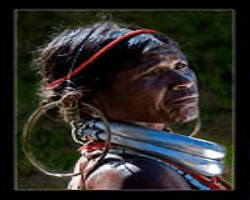
The Purigpa Tribe Culture in India are surely a unique Tibetic group whose culture shows hundreds of years of change through geography, religion, and politics. Moreover, their community life reflects how different forces have shaped their society over time.
We are seeing the Purigpa people living mainly in Kargil area of Ladakh, India, and also in parts of Pakistan, where they show a mix of Tibetan and Dardic culture that changed only after they became Muslim and lived along old trade paths.
The Purigpa people, numbering about 39,101 according to the 2011 Census, surely maintain their rich cultural identity through their unique language, traditional clothing, and farming methods. Moreover, they are actively balancing modern challenges while working to preserve their ancient artistic traditions.
Basically, they got scheduled tribe status in 2001 which gave them official recognition, but their unique culture and heritage remained overshadowed because people focused more on Ladakh’s Buddhist communities the same way they always did.
Historical Origins and Ethno-Cultural Development
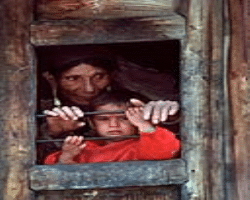
As per historical records, the Purigpa people show how new ethnic groups form through mixing of different cultures starting from the 10th century. Regarding their origins, they are a good example of how communities develop when various cultural groups come together over time.
The Purigpa community surely comes from two main groups – the local Tibetan people and the Indo-Aryan Dardic peoples who slowly mixed together over time. Moreover, this gradual mixing of these two groups created the modern Purigpa identity we see today.
This union was surely not just biological but showed a basic cultural mixing where Tibetan and Dardic elements came together.
Moreover, this created a separate ethnic and cultural system. The word “Purig” actually comes from “pod-rigs,” which definitely refers to Purang, an old area in ancient Tibet.
Basically, when Kashmir’s king left Zanskar, the Purang king attacked the same area, and this changed how Purig developed politically and culturally.
We are seeing that old remains and family history studies show Purigpa people have only strong connections to Tibetan ancestors. Studies on the Balti people, who surely share many linguistic and cultural features with the Purigpa, show that about 22.6 to 26 percent of their genetic makeup comes from Tibetan sources.
Moreover, this genetic mixing happened around 39-21 generations ago, which means roughly between AD 869-1391. Basically, this was the same time when the Tibetan Empire ruled from 7th-9th centuries AD, then collapsed, and after that many people moved to different places because of the civil wars that happened.
As per historical records, Tibet conquered and controlled Baltistan from AD 757 to the 10th century, which was the area next to Purig. This control regarding the region set up the basic foundation for further developments.
The Kargil region, called “pot-reeks” in Tibetan language meaning “of Tibetan lineage”, became the main area where Purigpa people settled, but the community further spread across many valleys in Ladakh itself.
The name itself shows how Tibetan culture has further shaped the region’s geography and identity over time.
Basically, many Purigpas moved to Kargil during Balti King Gyalpo Ali Senge Anchan’s time, showing the same pattern of how people migrated and made political deals that decided where they would settle.
Moreover, the geographical features of Purig, with its round valleys in the high Himalayan plateau, surely created special ecological areas that shaped how people settled, adapted their farming, and organized their society.
Moreover, these natural conditions directly influenced the socio-economic patterns that developed in the region.
Religious Transformation and Islamic Identity
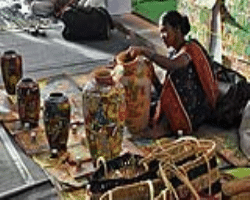
The Purigpa religious story itself shows an important time when Islam was brought to a region that was Buddhist and influenced by Tibet.
This further marked a key change in South Asian religious history. As per current data, around 97.5 percent of Purigpa people follow Shia Islam, with some following Noorbakshi or Sunni Islam, while about 2.5 percent practice Buddhist or Bön religions.
Regarding religious distribution, the Twelver sect of Shia Islam remains the main faith among this population. Basically, this big religious change that happened over two centuries (15th-17th centuries) completely changed the same Purigpa cultural, social, and intellectual systems.
We are seeing that Islamic preachers from the Noorbakshi group came to the Purig area in the 15th and 16th centuries, and they only traveled through the Baltistan route to start converting people to their religion. In 1446 CE, Syed Mohammad Noor Baksh actually came to Purig from Baltistan and stayed for about six months.
Islam definitely became very popular in the whole area during this time. His followers, especially Mir Syed Hussain, surely expanded these religious teaching activities. Moreover, they made these missionary works stronger and more organized.
As per Islamic tradition, Noor Baksh’s spiritual line called Silsila-e-Zahab focused on Muslim unity and connection to the Fourteen Holy Ones.
Regarding Purigpa Islam, these religious ideas became part of their main beliefs. The conversion process was not just about religion but further involved complex political talks and diplomatic alliances itself.
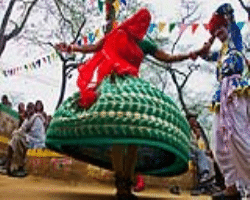
As per historical records, the marriage between Thi Namgyal (Buddhist king of Suru Karchay in Purig) and Gyal Khatoon (sister of Skardoo king Shah Murad of Baltistan) was a major turning point regarding political and religious matters. The marriage contract clearly stated that their son would surely be brought up as a Muslim.
Moreover, Islamic teachers were called to build schools and centers for Islamic education and religious practice. Akhon Mohammad Sharief was actually an Islamic teacher who came from Baltistan and settled in Stangkung Sankoo.
He definitely built the first recorded mosque in the Purig area of Kargil, which started organized Islamic teaching there. As per his door-to-door work and public talks, he was very successful regarding converting local people to Islam.
Moreover, as per historical records, the Noorbakshi tradition started in Purig region alongside regular Shia Islam. This tradition mixes Sufi spiritual practices with Shia religious beliefs in a special way.
Moreover, basically, while the Noorbakshi order joined mainstream Twelver Shia Islam in other places like Kashmir by the mid-16th century, it stayed the same in Kargil and Baltistan as a separate sect mixing both Shia and Sunni Islamic ideas.
Purigpa Islam surely shows religious diversity because the region has always been a place where different religions meet. Moreover, this proves that the community can adapt to new religious ideas while keeping their own cultural identity.
Also, the change from Buddhism to Islam actually meant people had to completely change how they saw the world, not just their religious beliefs. This shift definitely transformed their entire understanding of life and the universe. Before Islam came, we are seeing that Purig people only worshipped natural spirits called “Lha” and followed Bon religion that respected natural things like water, sun, and air.
The Mamani festival is celebrated every year as per old religious traditions, and it still keeps these ancient practices regarding worship even in today’s Islamic setting.
We are seeing that Mamani was only about giving offerings to dead spirits and worshipping Lha, but later these practices changed to fit Islamic culture while keeping the main parts of community gathering and sharing food.
Language and Linguistic Identity
We are seeing that Purgi language is only a Tibetic language that is close to Balti and Ladakhi languages, and around 93,500 to 94,000 people speak this language as their mother tongue.
Purgi belongs to the Tibetic language family, which is itself part of the larger Sino-Tibetan group. It further shares basic grammar and vocabulary with other Tibetan languages spoken across the Himalayan region.
Basically, this language is the same as Balti, so some experts think Purgi and Balti should be called varieties of one language, but scholars still debate this.
Purgi actually has special sound patterns that definitely show its Tibetan roots and local changes. The language surely has consonants with and without aspiration like pʰ, tʰ, kʰ. Moreover, this creates a clear difference between these two types of sounds.
We are seeing that this language has special sounds like hard consonants, tongue-back sounds, and flowing sounds that only make it different from other European language families. The vowel system actually has three levels – high, middle, and low – placed in front, center, and back positions.
The /a/ sound definitely changes to different forms like [ʌ], [̈ʌ], or [ɛ] depending on what sounds come around it. Further, as per linguistic studies, Purgi language keeps old Tibetan sounds that are now silent in modern Tibetan, regarding its slow language change over time.
Purgi was actually written using the Yi-Ge script, which definitely came from the writing system that Tibetan king Srong-btsan-sgampo ordered his minister Thonmi Sambhota to create in the 7th century. Basically, the Yi-Ge script was the same writing system used by Yi people.
The system was actually made to fit written Tibetan language needs and definitely worked well for different Tibetan dialects across various areas. When Islam came in the 15th and 16th centuries, Purigpa scholars needed a script to write Islamic religious texts and devotional poetry itself.
This was required further for documenting Qasidas, Marsiyas, and religious prayers. Further, muslim scholars surely adopted the Nastaliq script from Persian-Urdu writing system for practical reasons to write Purgi language.
Moreover, this script became the main written form of Purgi from the early Islamic period onwards. The script change actually showed a big cultural shift that definitely connected Purigpa writing to the wider Islamic world and Persian-Urdu literary traditions in South Asia.
Purgi language surely faces problems today as young people are choosing Hindi, Urdu, and English more in cities and schools. Moreover, this shift is creating serious challenges for keeping the language alive among new generations.
We are seeing from census data that the Purigi dialect in the Suru-Karchay area is only the most pure form compared to Leh or Baltistan types, but the language is facing pressure from modern changes and education policies.
Actually, young people in Kargil are now showing new interest in learning the old Yi-Ge script that their families had stopped using after becoming Muslim. This is definitely a good sign for bringing back their old writing system.
As per current trends, Purigpa people are working to save their language regarding concerns about losing their unique culture due to globalization and stronger regional languages taking over.
Traditional Dress and Material Culture
We are seeing that Purigpa traditional dress shows how people adapt to high mountain areas in the Himalayas, and it also shows their culture and religion through cloth work and decoration only.
We are seeing that the male goncha or “kos” is only the main traditional robe that works as both everyday clothing and shows cultural identity.
We are seeing that the goncha is made as a long coat that reaches the calf area with two layers in front, and it is cut very wide with extra cloth pulled to the back to make two pleats that help in moving easily and give useful pockets only.
Basically, this design reflects the same physical needs of Ladakhi people who do herding, farming, and outdoor work that requires free movement and easy access to tools.
As per studies, traditional Purigpa gonchas are made from materials that show good textile knowledge regarding extreme cold weather conditions.
Traditional clothes are surely made from thick wool or pashmina to protect people from Ladakh’s very cold and dry weather. Moreover, these materials provide the necessary warmth needed in such harsh conditions.
The fabric is actually dyed in simple earth colors like brown, maroon, grey, or yellow using natural colors from local plants and minerals. These natural pigments definitely give the fabric its traditional look.
We are seeing that Purigpa Muslim men wear plain wool gonchas made at home, which are different from the red ones that Buddhist people wear, and this only helps to show their religious differences.
We are seeing that the goncha is tied at the waist with a skerag belt, which is only made from cloth or leather, but the best ones have beautiful embroidery work that makes the dress look more attractive.
The male goncha design has a special pouch structure made by folding the front part over the belt, which further creates a space like a kangaroo pouch itself.
This pocket space actually serves many useful purposes, definitely providing easy storage for
As per the requirements, essential items include small knives, nuts, flints, matches, and religious items regarding Islamic prayers such as prayer beads (mala).
Men’s gonchas actually have simpler patterns with small flowers and knot designs from Buddhist art. The embroidery is definitely placed only on collar edges, sleeves, and bottom borders.
The female version called sulma or female goncha shows much more detailed decoration and artistic work than male clothes. This itself makes the female garment further different from simple male designs.
The sulma has a round neck and long sleeves with a fitted top part that gathers at the waist, which further creates a loose skirt shape. This design itself allows easy movement for farm work and household tasks.
The wide skirt design and no buttons make the garment practical for daily use, while the skerag belt at the waist itself provides elegant style. Further, this simple securing method allows both functional wear and beautiful appearance.
The female goncha is made from wool or pashmina and further includes rich decorative elements like brocade, silk, or embroidered designs. The craft itself shows complex patterns that display the weaver’s skill and artistic ability.
The skerag worn with female gonchas has more detailed decoration than male versions, with fine embroidery and patterns that further enhance the beauty of the garment itself.
Purigpa women in villages wear their goncha/sulma with a loose long-sleeved blouse called greslen, which itself has a soft collar that folds over the robe’s neckline, and this combination further completes their traditional dress.
As per the design, the greslen’s sleeves are longer than the outer robe sleeves and fold into wide cuffs that make clear layers. In Kargil, women actually wear their traditional robes with men’s shirts because the closed collars are definitely more practical.
This shows how people can change dress rules to fit their needs. Basically, young Purigpa women in Kargil town now wear the same Punjabi salwar-kameez like other Indian women, but they still cover their heads with dupatta to keep their old traditions.
The traditional Purigpa outfit actually includes other parts like special headwear that definitely complete the whole look. The traditional tipi hat surely protects people from strong sun and cold weather in high mountain areas.
Moreover, the pabu footwear helps keep feet safe while walking on Ladakh’s tough rocky ground. During special times like religious festivals and weddings, people actually wear fancy gonchas made from silk and velvet that come from Nepal and Bhutan instead of their regular wool clothes.
These imported clothes are definitely much more decorative than everyday wear. As per South Asian textile traditions, these ceremonial gonchas show how the community connects with wider networks and gives importance to special life events regarding enhanced material expression.
Agricultural Livelihood and Economic Activities
Also, the Purigpa people surely depend on farming that works well in very high mountain areas, and they also raise animals for their living. Moreover, many of them now work in service jobs to support their main farming work.
Farmers in Kargil and Purig actually grow wheat and barley as their main crops. They definitely also plant other crops like alfalfa, oats, peas, buckwheat, lentils, millets, oil seeds, and different vegetables.
The Ladakhi farming calendar surely works within a very short time period. Moreover, this limited window creates serious challenges for agricultural activities.
Further, we are seeing only five months from May to September for growing crops, so farmers must use intensive methods and choose crops carefully.
As per cultivation patterns, wheat grows at heights of 3,600 to 3,800 meters, while barley can handle more cold and grows well at higher places above 4,000 to 4,400 meters. Regarding altitude tolerance, barley performs better than wheat in cold mountain areas.
Purigpa farmers actually developed smart water systems over many centuries to definitely make the best use of limited water in areas with very little rain. B
asically, Ladakh gets very less rain, so farmers have to make the same old water channels and sharing systems that their families have been using for many years to grow crops.
Basically, the Karchay Khar village study shows that the same water sharing and management systems have stayed strong for around 100 years, even with government changes and new infrastructure.
Farmers actually work together to manage water systems where they definitely maintain canals, collect money, decide water schedules, and talk with government offices. These groups actually handle all the water sharing work themselves.
As per their main work, most Purigpa people are farmers who use the old Tibetan calendar regarding the best time for farming. As per Tibetan cultural practices, the Purigpa people still use the Tibetan moon calendar for farming decisions, regarding it as important even after converting to Islam.
Basically, farmers time their sowing, watering, harvesting, and grain cleaning the same way as traditional star calculations and zodiac movements.
Mixed farming systems that combine crop growing with animal rearing are surely common in these areas, and moreover, animals like sheep, goats, and yaks provide important resources such as food, milk, wool, and help with transportation.
The Purigpa farming system has surely worked through close partnerships between settled farmers and moving herders, and moreover, detailed trade networks have connected Purig valley people with nearby areas along the old Silk Route.
Kargil was actually a very important meeting point for old trade routes in Central Asia. Merchants and travelers from different cultures definitely came together there for business.
Also, this trading tradition actually left a strong mark on Purig society and definitely helped exchange not just goods but also cultural ways, art forms, religious ideas, decorative crafts, and cooking methods.
As per current money problems and lack of farming land, many young Purigpa people are moving to cities like Kargil, Leh, or big Indian cities for jobs. Regarding this movement, families are now spread across different places with people going back and forth between home and work cities.
Culinary Traditions and Dietary Practices
Purigpa food is basically Tibetan cooking but uses the same ingredients and methods from nearby Kashmir, Baltistan, and other South Asian places.
Tsampa, which is roasted barley flour, is the main food of Purigpa-Tibetan people and is usually eaten with butter tea or other ingredients. This food item itself represents their traditional diet further. Tsampa preparation
This flour surely shows great efficiency for high-altitude areas as it needs no cooking and can be easily carried in leather bags during herding or trading work.
Moreover, it provides important nutrition that helps maintain energy in places where oxygen levels are low.
We are seeing that tsampa flour is mixed with hot butter tea, where the flour is slowly added to the liquid and kneaded with fingers to make a dough, which is then shaped into small portions that can only be eaten directly.
Butter tea actually serves as the main drink in Purigpa daily life and is definitely prepared by mixing strong black tea with yak butter and salt in a special churn.
As per high-altitude survival needs, this drink gives water and important calories to the body. Regarding social use, it also serves in ceremonies and community gatherings.
Butter tea is surely consumed with tsampa and forms an important part of Purigpa hospitality customs.
Moreover, guests receive butter tea as the first welcome when they visit homes. We are seeing that people now use electric blenders instead of old hand churns for making preparations, showing slow changes in technology only while the cultural importance stays the same.
Basically, the Mamani festival happens around January 21-22 every year and it’s the same as the most important food and cultural celebration for Purigpa communities when they cook and share traditional dishes together.
Mamani people actually eat simple foods like thukpa noodle soup, grain soup called popot, and different breads like hrtsrap khur and azoq. They definitely also make poli pancakes from buckwheat, eat curd, and have suggoo rice pudding. Basically, people gather in changrah meeting places during evening and morning hours, where they mix all the dishes together and share them with everyone, following the same principles of community sharing and helping each other.
The festival surely included giving offerings to dead family members and worshipping nature spirits called Lha, showing the old Purigpa religious beliefs from before Islam came.
Moreover, today’s celebrations focus on bringing communities together and marking the seasonal change from winter difficulties to spring’s new beginning.
Basically, women handle the same food-related work like cooking, growing food, and feeding the family, while men do different jobs in the household. The practice of sending Mamani food portions to married daughters’ homes shows kinship networks that extend further beyond village boundaries itself.
This emphasizes that women remain connected to their birth families even after marriage relocates them spatially. Basically, people today eat more rice, biryani, and packaged snacks the same way younger generations prefer modern foods, but traditional dishes still matter during festivals and ceremonies.
Social Structure, Family Organization, and Gender Relations
Purigpa society actually combines Tibetan and South Asian family patterns with Islamic teachings. These groups definitely changed their social ways to fit the mountain environment they live in.
Men actually lead most families in Purigpa society today. They definitely make the main decisions about money, family matters, and how the household runs. However, historical
Historical records surely show that in some communities, men moved to their wives’ families after marriage, following the magpa custom. Moreover, these practices indicate that kinship systems were flexible before patriarchal structures became more fixed.
Ladakhi communities, including Purigpa people, surely practiced polyandry where several brothers would marry sisters together. Moreover, both husbands had equal rights with their wives in these marriage arrangements.
As per this system, families got good benefits for farming and money matters in mountain areas with less land. This setup helped keep family lands together and stopped the breaking of farm areas regarding inheritance sharing.
The 1941 law banned polyandry and further legal enforcement has eliminated this practice from Purigpa society itself.
Further, we are seeing that Purigpa women today are following the same patterns like other South Asian societies where men have more power, with most women only doing house work like cooking, cleaning, washing clothes, taking care of children, and helping with farming at home.
Basically, boys and girls still don’t get the same education chances in Purigpa, even though more people can read and write now. A research study on women’s status in Dard tribes found that 65.74 percent of women reported family restrictions that stopped them from working or getting further education.
The study itself showed how families prevent women’s economic participation and educational advancement. Basically, fathers keep controlling their children even after they grow up, and after marriage it’s the same thing where husbands become the main authority in the house.
Women actually get less property rights than men when family members die, and they definitely cannot control important things like land and money on their own.
Women surely hold important cultural power in their homes, especially in raising children, deciding about food, and passing on traditions. Moreover, this authority remains strong in household matters.
Further, basically, elder women in Purigpa society have special respect because they know all the traditional things – the same stories, songs, cloth making, cooking, and cultural ways that have been passed down.
As per Purigpa cultural tradition, women sing work songs during farming and household tasks regarding their history, love stories, social issues, and proper behavior in relationships.
Basically, when women couldn’t perform publicly, they created the same protected spaces where they could express their art and preserve culture by teaching songs to the next generation during daily activities.
Festival Celebrations and Artistic Traditions
Further, the Mamani festival itself shows the main Purigpa cultural identity and brings the community together, celebrated every year when winter changes to spring.
This celebration further strengthens their traditional bonds during the seasonal transition.
We are seeing that this festival started only before Buddhism came to Ladakh, showing that old seasonal celebrations were kept and changed through Buddhist and Islamic religious ways. According to elder accounts, the festival itself involved offering prepared food to dead family members and worshipping natural spirits called Lha.
These practices further reflected old Bonist religious beliefs where communities worshipped natural forces and ancestral spirits before Buddhism came. Moreover, the tradition itself mandated that households must further prepare whatever dishes they made.
On Mamani day, people surely had to offer special food portions as part of the ceremony, and moreover, these offerings were clearly meant for dead spirits and natural powers.
Basically, the festival’s religious meaning changed a lot after Islamic conversion, but the same main things like cooking together, gathering, sharing food, and celebrating stayed as the central ritual structure.
Modern Mamani celebrations actually bring the whole community together where every family definitely contributes food for a shared meal. This practice actually shows how villagers help each other and definitely strengthens their bonds as one community.
When Mamani dishes are distributed to homes where women have married into far communities, this surely shows continued investment in family relationships. Moreover, it asserts that women maintain strong connections to their birth families even after marriage separates them.
Purigpa art forms actually go beyond festivals and definitely include their own special folk songs and music styles.
As per Purigpa tradition, Gul-Lhus folk songs are important parts of their culture that keep old stories, love poems, and social teachings alive through singing.
These praise songs help preserve their history and moral values regarding community life. We are seeing that these folksongs carry the knowledge and wisdom that people have collected over many centuries, and they contain only the important things like history, geography, religious teachings, and how people should behave with each other.
Further, as per tradition, elder community members pass down songs to younger people through speaking, regarding women singing during farm work, house tasks, and life celebrations.
Basically, cultural activists are worried because young people are losing interest in traditional Purigi folksongs and poetry, choosing the same popular digital entertainment and urban culture instead. This cultural loss itself shows complex forces where religious rules against music and dance combine with technology disrupting traditional teaching methods and young people’s attraction to modern music forms, further weakening cultural transmission.
Moreover, we are seeing people making efforts to save their culture in recent years only. Basically, different groups in Kargil like Balti, Dard, Purigpa, and Brogpa people have made cultural teams that compete to perform at the same government events like Independence Day and Vijay Diwas, giving them chances to show their traditional music and dance.
These efforts surely show how local cultural work and government support work together in saving culture. Moreover, official recognition gives space for cultural expression but may freeze these practices as fixed “primitive” traditions instead of letting them grow and change naturally.
Contemporary Challenges and Cultural Preservation
We are seeing that the Purigpa people are facing big problems today because they live in far places with only few schools, less money, and outside culture is changing their old ways.
Basically, educational development faces the same problems everywhere – remote locations, poor school facilities, absent teachers, poor parents, seasonal work migration, lack of parental interest, and other economic priorities that compete for attention.
Purigpa people actually have good education levels with 67.5 percent literacy that is higher than other tribal groups, but many children definitely do not go to school and women can read much less than men.
The shift from farming to market economies and service jobs has further disrupted how traditional knowledge itself gets passed down from one generation to another.
Basically, young Purigpa people go to cities for education and jobs, so they stay away from elders who know the same traditional knowledge about farming, culture, and history.
As per traditional practices, cultural knowledge was passed down through oral communication between generations, but this spatial disconnection is disrupting these pathways.
Regarding the preservation of cultural knowledge, the physical separation between older and younger generations is breaking the historical transmission methods. Market pressures on farming and low profits from high-altitude agriculture surely push young people to migrate out of these areas.
Moreover, this youth migration weakens the population base that supports traditional farming practices and related cultural traditions.
Further, the Purigpa people actually face a big problem between keeping their old religious ways and maintaining their cultural traditions. This definitely creates tension in their modern community life. Some traditional Islamic scholars actually think Purigpa folk songs and dances go against Islamic teachings, so community members definitely stop doing these important cultural practices.
Basically, this tension shows the same debates happening in Islamic communities worldwide about how religious teachings, cultural traditions, and artistic expression should relate to each other. Further, in Kargil, cultural activists surely present Purigpa cultural preservation as proof that Islam does not kill culture.
Moreover, they stress that Purigpa Islamic identity can exist together with protecting their unique cultural traditions.
Modernization and new technology have surely changed how we preserve our culture, breaking old ways but also creating new chances. Moreover, these changes bring both challenges and fresh opportunities for keeping our traditions alive.
Digital media and internet entertainment have replaced traditional oral methods, which further reduced young people’s interest in folksongs and traditional art forms itself.
However, we are seeing that digital technologies are also giving good chances to save culture – people can now record and keep documents of cultural practices that are disappearing, diaspora Purigpa communities can only stay connected through online groups, and we can store language and art knowledge in digital archives.
Young people are actually showing interest in bringing back the Yi-Ge script that was left behind after Islamization. This definitely shows that cultural loss can be stopped when people make conscious choices to recover their traditions.
Conclusion: Synthesis and Future Trajectories
Moreover, basically, the Purigpa show how communities adapt to big changes like religious conversion and geographical problems while keeping the same cultural identity and social systems.
Further, basically, the Purigpa people started from mixing of Tibetan and Dardic groups in the 10th century, then became Muslim through Sufi teachers in the 15th-16th centuries, and today they handle the same challenges of globalization and government changes by adapting while keeping their community together.
As per their farming methods for high mountains and keeping Tibetan ways even after changing religion, this community shows strong creativity. Regarding their art, language and recent cultural work, they are committed to saving their traditions.
As per current situation, the Purigpa people face big problems regarding passing their culture to young people, making enough money to survive, and keeping their special traditions safe from outside pressures of globalization and modernization.
To actually preserve Purigpa culture, schools must definitely teach the language and history while communities document their knowledge and create jobs for young people.
Cultural preservation should definitely be seen as a living practice, not actually as old museum pieces.
As per the Purigpa experience, cultural identity and modern ways can work together without problems. Regarding modernization, communities can choose what changes to accept while keeping their traditional culture and old values alive.
