

Introduction
The relationship between Ramakrishna and Christianity is a fascinating subject that bridges Eastern and Western spiritual traditions. Ramakrishna Paramahamsa, the 19th-century Indian mystic, is renowned for his exploration of various religious paths, including Christianity. His unique insights and experiences with Christian teachings have left an indelible mark on interfaith understanding and dialogue.
Thank you for reading this post, don't forget to subscribe!Ramakrishna’s Early Encounters with Christianity
Ramakrishna’s journey into Christianity began in the diverse religious landscape of 19th-century Calcutta (now Kolkata). As a young man, he was exposed to various religious traditions, including Christianity, which had a significant presence in the city due to British colonial rule.
His curiosity about Christianity was piqued by:
- Observing Christian missionaries and their work
- Conversations with Christian converts
- Reading the Bible and Christian literature
These early encounters laid the foundation for Ramakrishna’s deeper exploration of Christian spirituality.
The Vision of Jesus Christ
One of the most significant events in Ramakrishna’s spiritual journey was his vision of Jesus Christ. This experience occurred in 1874 at the Dakshineswar Kali Temple, where Ramakrishna served as a priest.
According to accounts, Ramakrishna was meditating when he saw a painting of the Madonna and Child come to life. The figure of Jesus then emerged and merged with Ramakrishna’s body. This profound mystical experience lasted for three days and had a profound impact on Ramakrishna’s understanding of Christianity.
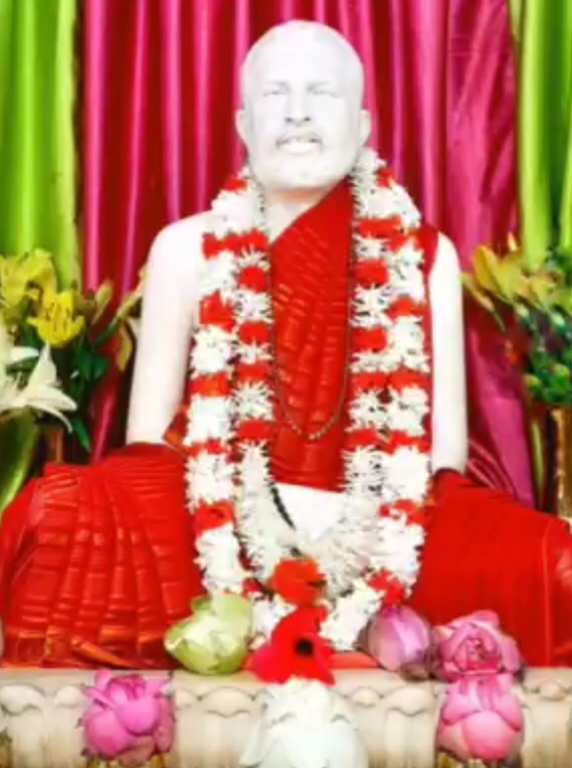
This vision led Ramakrishna to declare:
“I have practiced all religions – Hinduism, Islam, Christianity – and I have also followed the paths of the different Hindu sects. I have found that it is the same God toward whom all are directing their steps, though along different paths.”
Parallels Between Ramakrishna’s Teachings and Christian Doctrine
Ramakrishna’s exploration of Christianity revealed numerous parallels with his own spiritual teachings. Some of these include:
- Divine Love: Ramakrishna emphasized bhakti (devotional love) as a path to God, which resonates with the Christian concept of agape love.
- Self-Sacrifice: The idea of surrendering oneself to God is central to both Ramakrishna’s teachings and Christian doctrine.
- Mystical Union: Ramakrishna’s experiences of samadhi (spiritual ecstasy) bear similarities to Christian mystical experiences of union with God.
- Universal Brotherhood: Both traditions emphasize the importance of loving all beings as manifestations of the Divine.
- Spiritual Purification: The concept of purifying one’s heart and mind is present in both Ramakrishna’s teachings and Christian spirituality.
These parallels highlight the common ground between Ramakrishna’s spiritual philosophy and Christian teachings, contributing to a deeper understanding between the two traditions.
Universal Truths in Ramakrishna’s Interpretation of Christianity
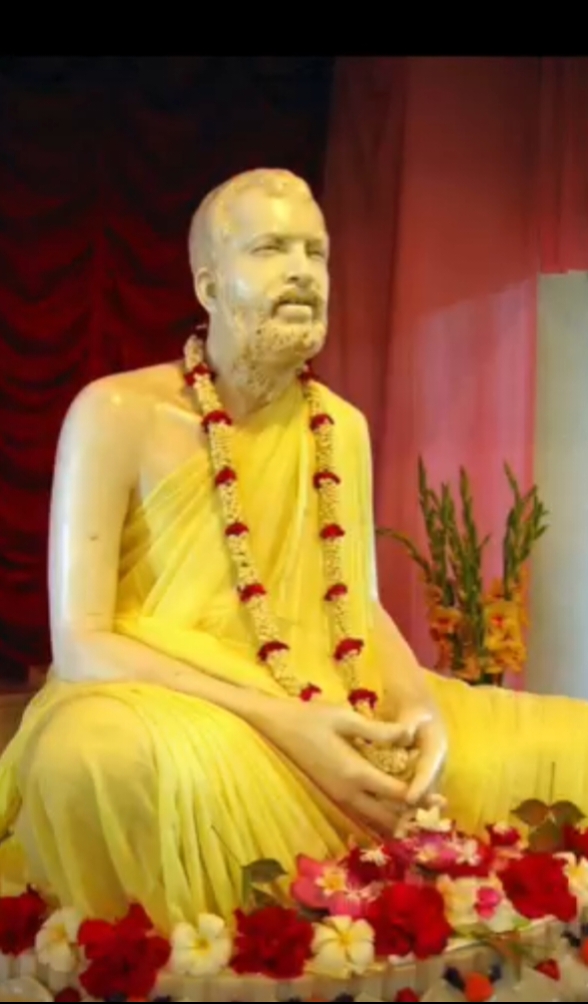
Key aspects of Ramakrishna’s interpretation include:
- Unity of All Religions: Ramakrishna saw different religions as various paths leading to the same goal.
- Direct Experience: He emphasized the importance of personal spiritual experience over dogma or ritual.
- Inclusive Approach: Ramakrishna encouraged respect for all religious traditions without the need for conversion.
- Symbolic Interpretation: He often interpreted Christian symbols and stories in light of Vedantic philosophy.
For example, Ramakrishna likened the Christian Trinity to the Vedantic concepts of Brahman (the Absolute), Ishvara (the Personal God), and Shakti (Divine Power).
The Impact on Interfaith Dialogue
Ramakrishna’s engagement with Christianity has had a lasting impact on interfaith dialogue, particularly between Hinduism and Christianity. His approach has:
- Fostered greater understanding between the two traditions
- Encouraged a more inclusive and pluralistic view of religion
- Inspired future religious leaders to explore commonalities between faiths
- Contributed to the development of modern Hindu thought
One notable example of this impact is the work of Swami Vivekananda, Ramakrishna’s most famous disciple, who brought Hindu philosophy to the West and promoted interfaith harmony.
Criticism and Controversies
Despite the positive impact of Ramakrishna’s approach to Christianity, it has not been without criticism and controversy:
- Some Christian theologians argue that Ramakrishna’s interpretation oversimplifies Christian doctrine.
- Critics claim that his universalist approach dilutes the unique aspects of each religion.
- There are debates about the authenticity and accuracy of accounts of Ramakrishna’s Christian experiences.
- Some argue that his approach promotes syncretism rather than true interfaith understanding.
These criticisms highlight the complex nature of interfaith dialogue and the challenges of reconciling different religious worldviews.
Ramakrishna’s Legacy in Christian-Hindu Relations
The legacy of Ramakrishna’s engagement with Christianity continues to influence Christian-Hindu relations today:
- Interfaith Centers: Many Ramakrishna Mission centers worldwide promote interfaith dialogue and understanding.
- Academic Study: Ramakrishna’s approach has inspired scholarly research on comparative religion and mysticism.
- Spiritual Practices: Some Christian contemplatives have incorporated elements of Ramakrishna’s teachings into their practices.
- Popular Culture: Ramakrishna’s life and teachings, including his experiences with Christianity, have been portrayed in literature, film, and art.
- Global Spirituality: His inclusive approach has contributed to the development of global spirituality movements that draw from multiple traditions.
For further exploration of Ramakrishna’s impact on interfaith relations, visit the Ramakrishna Math and Ramakrishna Mission website.
Conclusion
Ramakrishna’s exploration of Christianity serves as a powerful example of spiritual bridge-building between Eastern and Western traditions. His unique insights and experiences have contributed significantly to interfaith understanding and dialogue. While not without controversy, Ramakrishna’s approach to Christianity continues to inspire those seeking common ground among diverse religious paths.
As we navigate an increasingly interconnected world, the story of Ramakrishna and Christianity reminds us of the potential for mutual understanding and respect across religious boundaries. It challenges us to look beyond superficial differences and explore the universal truths that unite humanity’s spiritual quest.
