
Introduction : Ramakrishna’s disciples
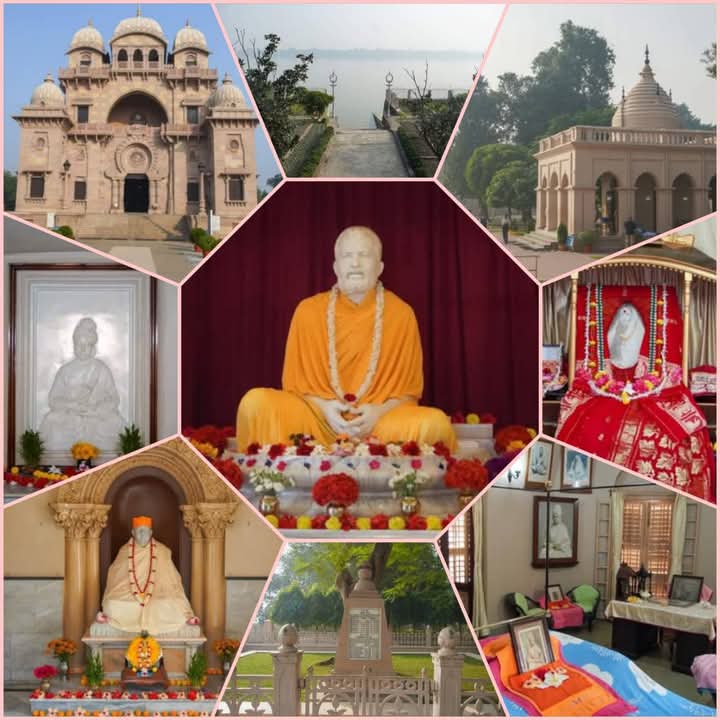
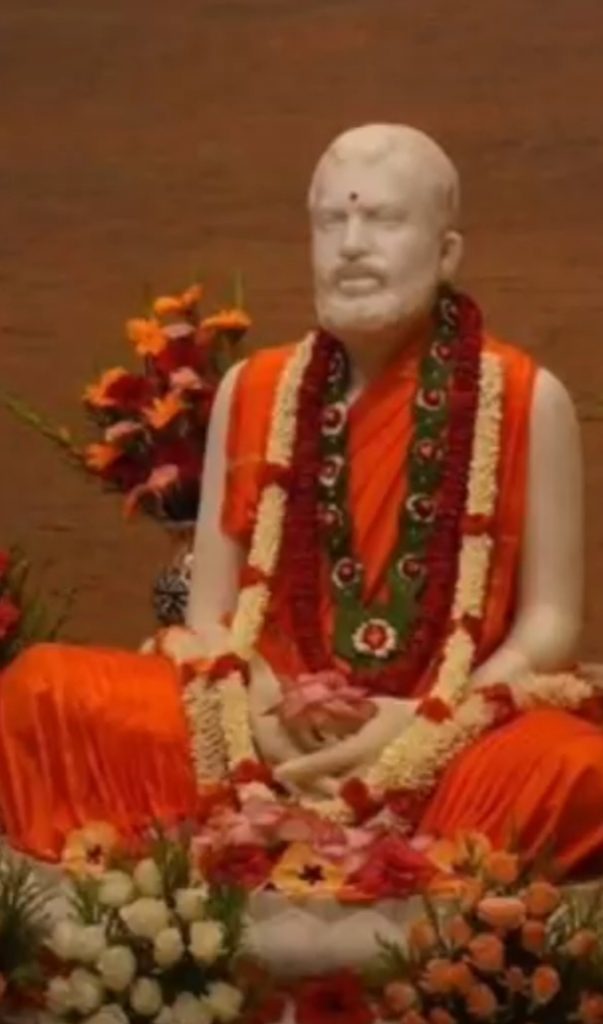
Ramakrishna Paramahamsa, the 19th-century Indian mystic and spiritual leader, left an indelible mark on the world of spirituality and philosophy. His teachings, rooted in the ancient wisdom of Hinduism, attracted numerous followers who would later become known as Ramakrishna’s disciples. These devoted individuals played a crucial role in spreading his message of universal tolerance and the harmony of religions, shaping the course of modern Hinduism and spiritual thought worldwide.
Thank you for reading this post, don't forget to subscribe!The Early Days of Ramakrishna’s Teaching
Ramakrishna began his spiritual journey as a priest at the Dakshineswar Kali Temple near Kolkata. His unique approach to spirituality, which included practicing various religious traditions to understand their essence, drew the attention of many seekers. As word of his wisdom spread, people from all walks of life began to gather around him, forming the core group of Ramakrishna’s disciples.
These early followers were captivated by Ramakrishna’s simple yet profound teachings, which emphasized:
- The unity of all religions
- The importance of direct spiritual experience
- The practice of devotion (bhakti) as a means to realize God
- The rejection of materialism and the pursuit of spiritual growth
Notable Disciples of Ramakrishna
Swami Vivekananda
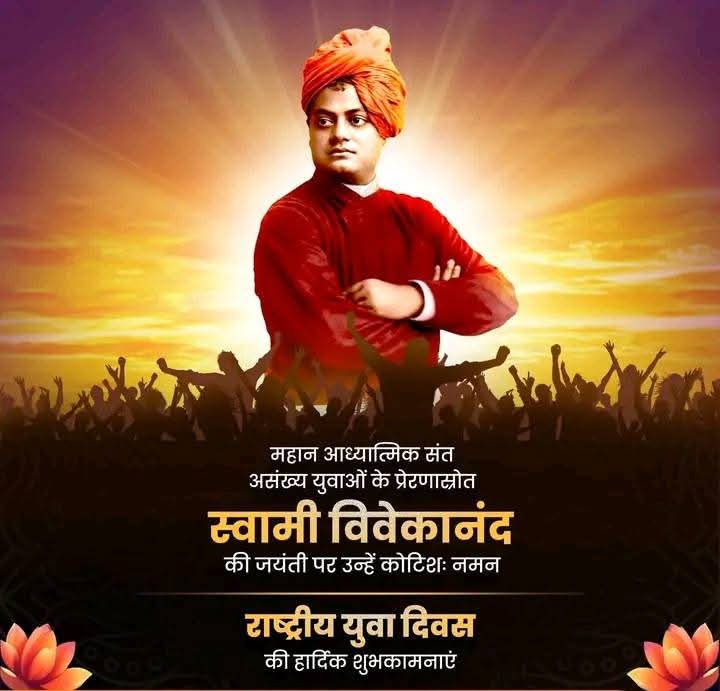
Perhaps the most famous among Ramakrishna’s disciples, Swami Vivekananda (born Narendranath Datta) was a key figure in introducing Hindu philosophy to the Western world. His speech at the 1893 Parliament of the World’s Religions in Chicago catapulted him to international fame.
Vivekananda’s contributions include:
- Founding the Ramakrishna Mission and Ramakrishna Math
- Promoting Vedanta philosophy and Raja Yoga in the West
- Emphasizing social service as a spiritual practice
For more information on Swami Vivekananda’s life and teachings, visit the Ramakrishna Mission website.
Sarada Devi
Known as the Holy Mother, Sarada Devi was Ramakrishna’s wife and spiritual companion. She played a crucial role in continuing his teachings after his passing and became a spiritual guide to many disciples.
Sarada Devi’s impact included:
- Exemplifying the ideal of divine motherhood
- Providing spiritual guidance to both men and women
- Encouraging the education and empowerment of women
Swami Brahmananda
Rakhal Chandra Ghosh, later known as Swami Brahmananda, was considered the spiritual son of Ramakrishna and Sarada Devi. He became the first president of the Ramakrishna Math and Mission.
Swami Brahmananda’s contributions encompassed:
- Organizing and expanding the Ramakrishna Order
- Providing spiritual guidance to numerous seekers
- Emphasizing the importance of meditation and inner realization
Swami Shivananda
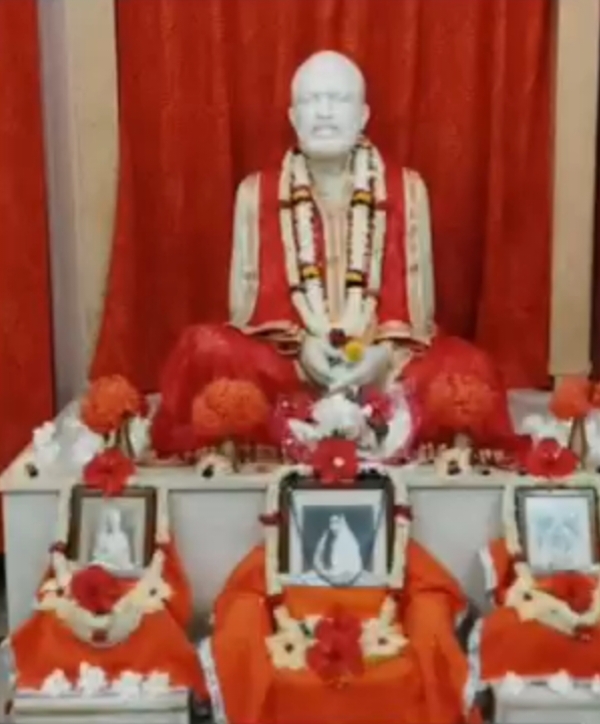
Swami Shivananda’s role included:
- Preserving and propagating Ramakrishna’s teachings
- Guiding younger monks in their spiritual practices
- Emphasizing the importance of selfless service
The Spread of Ramakrishna’s Teachings
Ramakrishna’s disciples were instrumental in disseminating his teachings beyond the confines of Dakshineswar. They established centers of learning and service across India and eventually around the world. The Ramakrishna Mission, founded by Swami Vivekananda in 1897, became the primary vehicle for this expansion.
The mission’s activities included:
- Establishing monasteries and temples
- Opening schools and colleges
- Providing healthcare services
- Conducting relief work during natural disasters
- Publishing literature on Ramakrishna’s philosophy
These efforts helped to bring Ramakrishna’s message of universal spirituality to a global audience, transcending cultural and religious boundaries.
Impact on Modern Hinduism
The work of Ramakrishna’s disciples had a profound impact on shaping modern Hinduism. Their efforts led to:
- A renewed interest in Vedanta philosophy
- The promotion of religious tolerance and interfaith dialogue
- A focus on social service as a spiritual practice
- The empowerment of women in spiritual and social spheres
- A revival of pride in India’s spiritual heritage
The disciples’ interpretation of Ramakrishna’s teachings helped bridge the gap between traditional Hindu practices and modern sensibilities, making ancient wisdom accessible to contemporary seekers.
Legacy of Ramakrishna’s Disciples
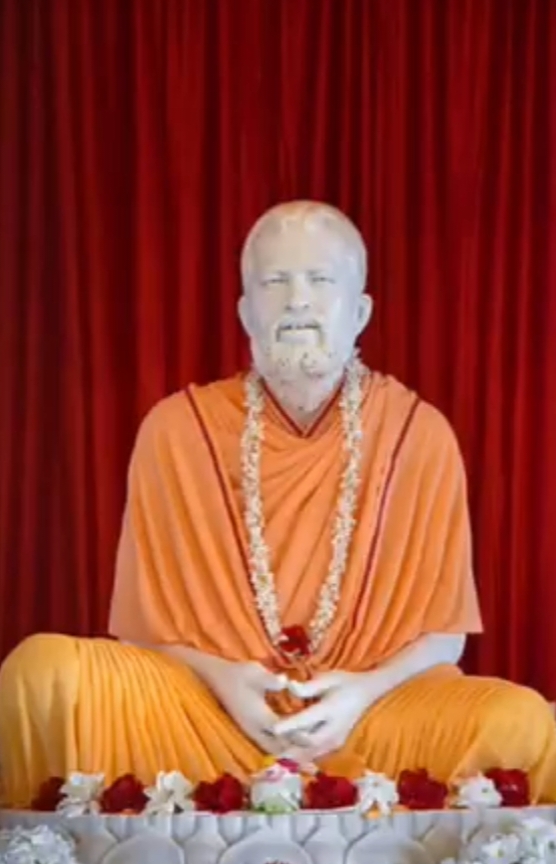
The legacy of Ramakrishna’s disciples continues to inspire spiritual seekers and social reformers alike. Their work laid the foundation for:
- The global spread of yoga and meditation practices
- The establishment of Vedanta centers worldwide
- A renewed interest in Indian philosophy in academic circles
- The integration of spirituality with social service
Many modern spiritual movements and teachers draw inspiration from the lives and teachings of Ramakrishna’s disciples, particularly Swami Vivekananda.
To explore more about the ongoing work of Ramakrishna’s disciples, visit the Vedanta Society of Southern California, one of the oldest Vedanta centers in the West.
Conclusion
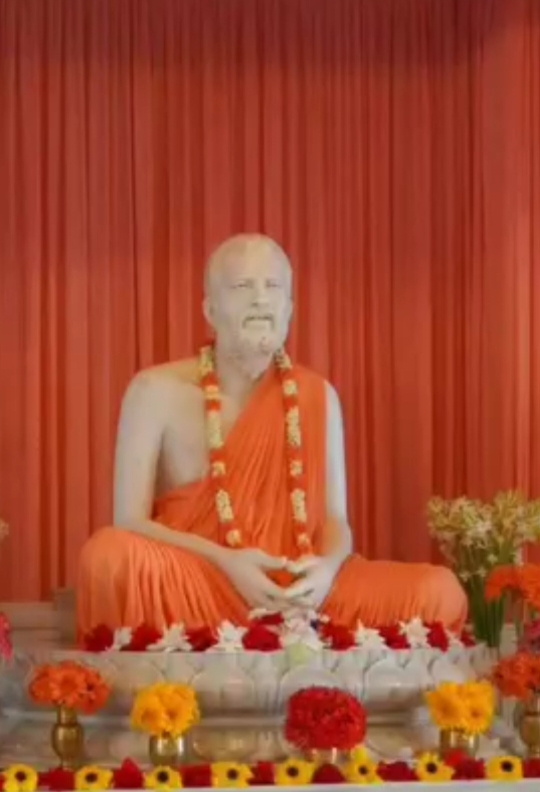
Ramakrishna’s disciples played a pivotal role in preserving and propagating their master’s teachings, leaving an enduring impact on modern spirituality and Hinduism. Their dedication to spreading the message of universal tolerance, spiritual awakening, and selfless service continues to resonate with people around the world.
As we reflect on the lives and contributions of these remarkable individuals, we are reminded of the timeless wisdom they embodied. Their legacy invites us to explore our own spiritual potential and to work towards creating a more harmonious and compassionate world.
