
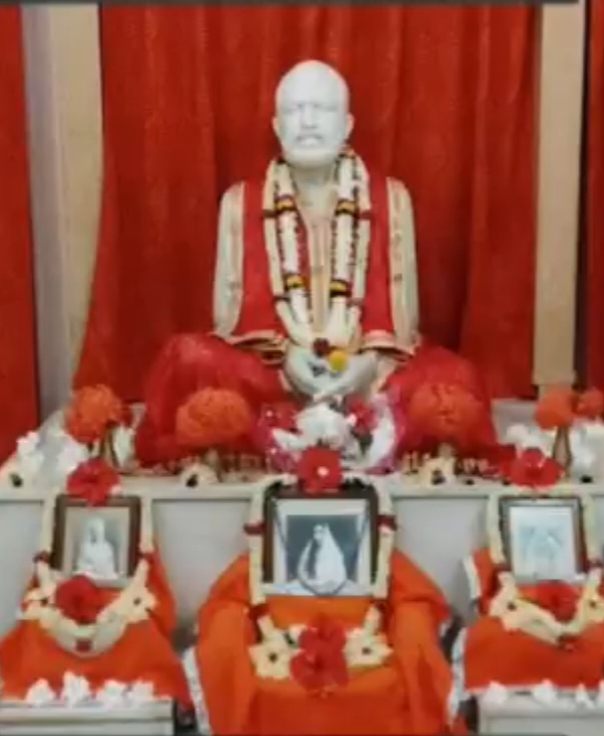
Introduction to Ramakrishna and His Spiritual Journey
Ramakrishna Paramahamsa, a 19th-century Indian mystic and spiritual leader, left an indelible mark on the world of spirituality and meditation. His life and teachings continue to inspire millions of seekers worldwide. Ramakrishna meditation techniques offer a unique approach to spiritual growth and self-realization, rooted in the rich traditions of Hindu philosophy and mysticism.
Thank you for reading this post, don't forget to subscribe!https://www.ramakrishnavivekananda.info/gospel/introduction/the_first_vision.htmBorn in 1836 in Bengal, India, Ramakrishna’s spiritual journey began at an early age. His intense devotion and quest for divine truth led him to explore various spiritual paths, including Tantra, Bhakti, and Advaita Vedanta. This diverse spiritual background allowed him to develop a comprehensive approach to meditation that combines different yogic practices and philosophical insights.
The Essence of Ramakrishna’s Meditation Philosophy
At the core of Ramakrishna meditation techniques lies the belief in the unity of all religions and the ultimate goal of realizing one’s true divine nature. Ramakrishna emphasized that all paths lead to the same ultimate truth, and individuals should choose the method that resonates most with their temperament and inclination.
Ramakrishna’s approach to meditation is characterized by:
- Sincerity and Intensity: He stressed the importance of earnest seeking and intense longing for spiritual realization.
- Flexibility: Ramakrishna encouraged adapting meditation practices to suit individual needs and temperaments.
- Holistic Approach: His techniques integrate various aspects of yoga, including devotion, knowledge, and action.
- Simplicity: Ramakrishna emphasized simplicity in practice, making meditation accessible to all.
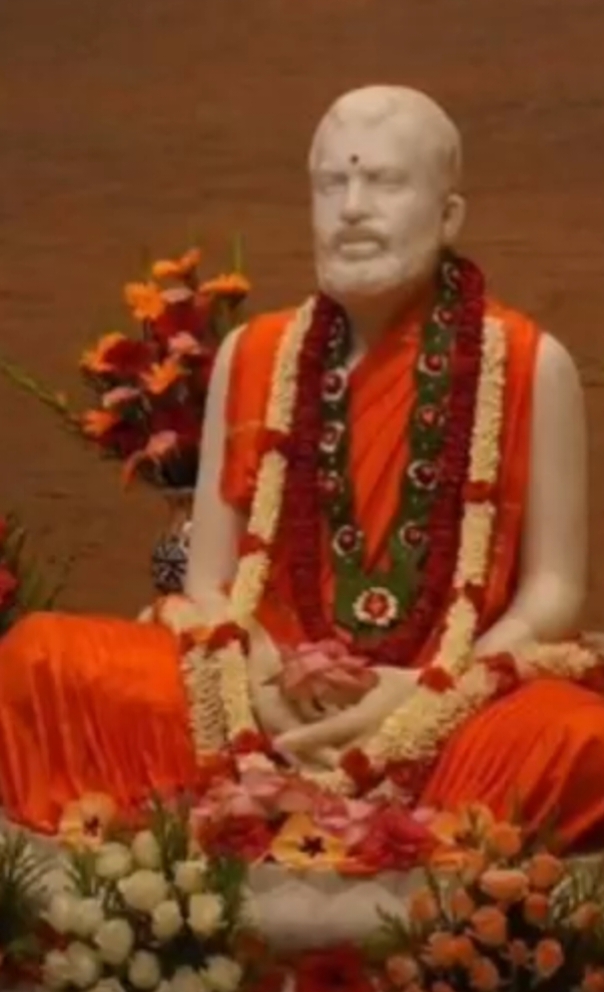
Core Ramakrishna Meditation Techniques
Bhakti Yoga: The Path of Devotion
Bhakti Yoga, or the path of devotion, forms a significant part of Ramakrishna meditation techniques. This approach focuses on cultivating intense love and devotion towards the divine. Key practices include:
- Japa (Mantra Repetition): Repeating the name of a chosen deity or a sacred mantra with deep concentration and love.
- Kirtan (Devotional Singing): Engaging in group singing of devotional songs to invoke divine presence.
- Contemplation on Divine Attributes: Meditating on the qualities and forms of the divine to develop a personal connection.
To practice Bhakti Yoga meditation:
- Choose a quiet place and sit comfortably.
- Select a deity or divine form that resonates with you.
- Begin repeating the name or a associated mantra silently or aloud.
- Focus your mind on the divine form, visualizing its presence before you.
- Allow feelings of love and devotion to arise naturally.
Jnana Yoga: The Path of Knowledge
Jnana Yoga, the path of knowledge and self-inquiry, is another crucial aspect of Ramakrishna meditation techniques. This approach involves:
- Self-Inquiry: Constantly questioning “Who am I?” to discern the true nature of the self.
- Vedantic Meditation: Contemplating on Vedantic principles such as “Aham Brahmasmi” (I am Brahman).
- Discrimination: Distinguishing between the real and the unreal, the eternal and the transient.
To practice Jnana Yoga meditation:
- Sit in a comfortable position and close your eyes.
- Begin by observing your thoughts and sensations without judgment.
- Gradually introduce the question “Who am I?” or contemplate on “I am not this body, I am not this mind.”
- Allow thoughts to arise and pass, always returning to the central inquiry.
- Aim to reach a state of pure awareness beyond thoughts and identifications.
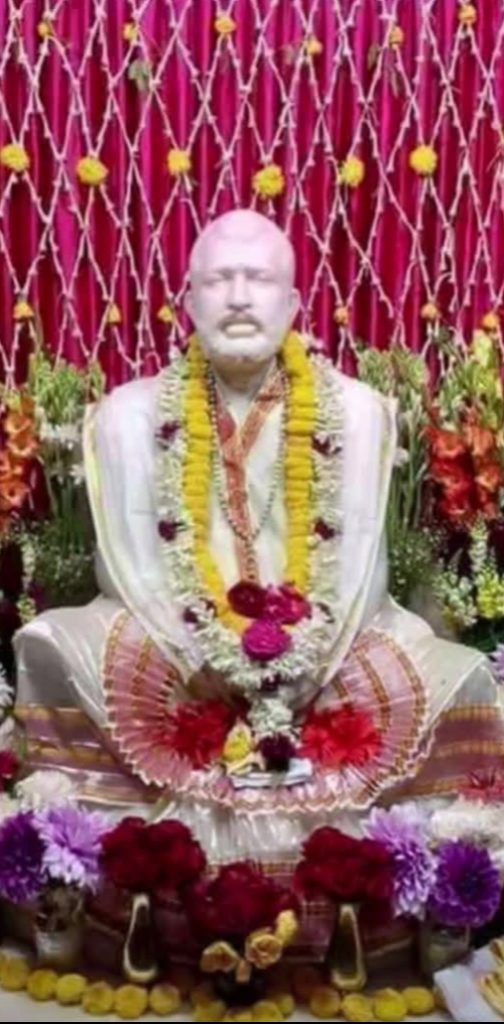
Karma Yoga: The Path of Selfless Action
Karma Yoga, the path of selfless action, is an integral part of Ramakrishna meditation techniques. This approach involves:
- Mindful Action: Performing all actions with full awareness and dedication.
- Selfless Service: Engaging in activities that benefit others without expectation of reward.
- Surrender of Results: Offering the fruits of one’s actions to the divine.
To practice Karma Yoga meditation:
- Choose a task or activity to perform mindfully.
- Before beginning, set the intention to dedicate your action to the divine or for the benefit of all beings.
- Engage in the activity with full concentration and awareness.
- Observe any thoughts of personal gain or achievement, and gently let them go.
- After completing the task, mentally offer the results to the divine.
Practical Steps to Implement Ramakrishna Meditation Techniques
- Start with Short Sessions: Begin with 10-15 minutes of practice daily and gradually increase the duration.
- Create a Sacred Space: Designate a quiet corner in your home for meditation practice.
- Establish a Routine: Choose a consistent time for meditation, preferably early morning or evening.
- Combine Techniques: Experiment with different approaches to find what works best for you.
- Keep a Spiritual Journal: Record your experiences, insights, and challenges to track your progress.
- Seek Guidance: Consider joining a Ramakrishna center or finding a qualified teacher for personalized guidance.
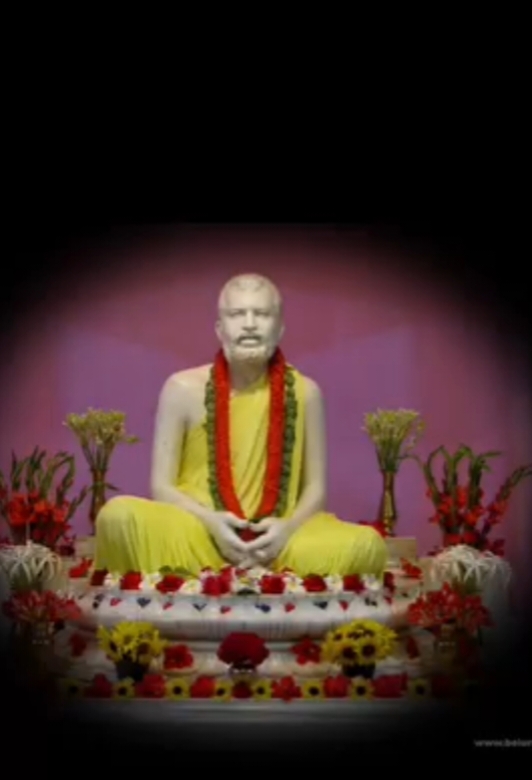
Benefits of Practicing Ramakrishna Meditation
Regular practice of Ramakrishna meditation techniques can lead to numerous benefits:
- Increased Inner Peace: Cultivating a sense of calmness and tranquility in daily life.
- Enhanced Self-Awareness: Developing a deeper understanding of one’s thoughts, emotions, and true nature.
- Improved Concentration: Strengthening the ability to focus and maintain attention.
- Emotional Balance: Learning to manage and transform negative emotions.
- Spiritual Growth: Progressing on the path of self-realization and divine connection.
- Stress Reduction: Alleviating anxiety and promoting overall well-being.
- Compassion and Empathy: Developing a greater sense of connection with others and all of creation.
Common Challenges and How to Overcome Them
- Restlessness: Practice patience and persistence. Use breath awareness to calm the mind.
- Lack of Time: Start with short sessions and gradually increase. Prioritize meditation in your daily schedule.
- Doubt: Study Ramakrishna’s teachings and connect with like-minded practitioners for inspiration.
- Inconsistency: Establish a regular routine and commit to daily practice, even if brief.
- Expectations: Let go of expectations and focus on the process rather than results.
- Distractions: Choose a quiet time and place for practice. Use earplugs or soft background music if needed.
Integrating Ramakrishna Meditation into Daily Life
To fully benefit from Ramakrishna meditation techniques, it’s essential to integrate the practice into daily life:
- Mindful Living: Bring awareness to everyday activities, treating them as opportunities for meditation.
- Regular Study: Read and reflect on Ramakrishna’s teachings and other spiritual literature.
- Satsang: Engage in spiritual discussions and spend time with like-minded individuals.
- Seva: Incorporate selfless service into your routine, seeing it as an extension of your meditation practice.
- Gratitude Practice: Cultivate an attitude of thankfulness for all experiences, both pleasant and challenging.
- Nature Connection: Spend time in nature, contemplating the divine presence in all creation.
- Ethical Living: Align your actions with spiritual principles, practicing truthfulness, non-violence, and compassion.
Conclusion: Embracing the Spiritual Path of Ramakrishna
Ramakrishna meditation techniques offer a comprehensive approach to spiritual growth and self-realization. By combining devotion, knowledge, and selfless action, these practices provide a holistic path to inner peace and divine connection. As you embark on this spiritual journey, remember Ramakrishna’s words: “Do not seek illumination unless you seek it as a man whose hair is on fire seeks a pond.”
Start your practice today, and allow the transformative power of Ramakrishna meditation techniques to guide you towards a life of greater purpose, joy, and spiritual fulfillment. Remember that consistency and sincere effort are key to experiencing the profound benefits of these time-honored practices.
