
Introduction
Ramakrishna Paramahamsa, the 19th-century Indian mystic, is renowned for his extraordinary spiritual experiences that transcended religious boundaries. His journey of divine enlightenment has captivated seekers and scholars alike, offering profound insights into the nature of consciousness and the ultimate reality. In this blog post, we delve into Ramakrishna’s spiritual experiences, exploring the transformative moments that shaped his life and teachings.
Thank you for reading this post, don't forget to subscribe!
Early Life and Spiritual Awakening
Born in 1836 in a small village in Bengal, Ramakrishna showed signs of spiritual inclination from an early age. His childhood was marked by intense religious feelings and occasional trances. As a young man, he became a priest at the Dakshineswar Kali Temple, where his spiritual journey truly began to unfold.
Ramakrishna’s early spiritual experiences were characterized by:
- Intense devotion to the Divine Mother Kali
- Spontaneous states of ecstasy during worship
- Visions of divine beings and celestial realms
These early experiences laid the foundation for his later, more profound spiritual realizations.
The Vision of Kali
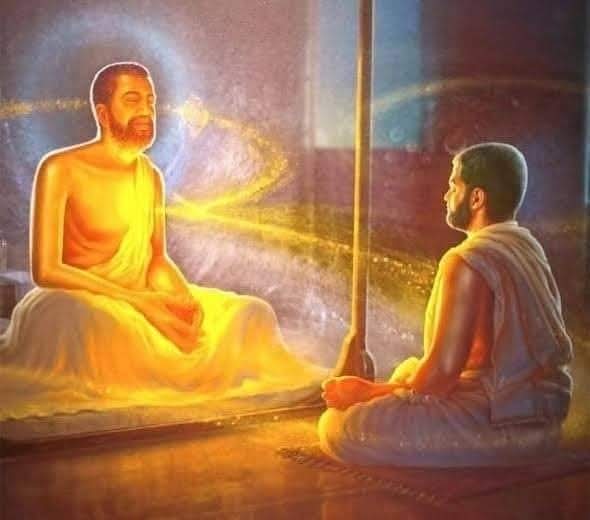
According to his accounts, he saw:
- A vast sea of light
- Waves of blissful consciousness
- The living presence of the Divine Mother
This experience marked a turning point in Ramakrishna’s spiritual journey, deepening his devotion and understanding of the divine.
Exploring Different Religious Paths
One of the unique aspects of Ramakrishna’s spiritual experiences was his exploration of various religious paths. He believed that all religions lead to the same ultimate truth and sought to verify this through direct experience.
Ramakrishna’s spiritual experiments included:
- Islam: He practiced Islamic disciplines under a Sufi mystic, experiencing visions of Muhammad and attaining the goal of Islam.
- Christianity: After hearing the Bible read aloud, Ramakrishna had visions of Jesus and experienced samadhi.
- Tantra: He explored Tantric practices under the guidance of a female guru, Bhairavi Brahmani.
These diverse spiritual experiences led Ramakrishna to conclude that all religions are valid paths to the same divine reality.
The Advaita Vedanta Experience
Ramakrishna’s exploration of Advaita Vedanta, the non-dualistic school of Hindu philosophy, was another pivotal spiritual experience. Under the guidance of the wandering monk Totapuri, Ramakrishna practiced intense meditation to realize the formless, attributeless Brahman.
Key aspects of this experience included:
- Overcoming attachment to form and name
- Dissolving the ego in pure consciousness
- Realizing the unity of all existence
This realization of non-dual consciousness complemented Ramakrishna’s earlier devotional experiences, offering a comprehensive spiritual vision.
Ramakrishna’s Samadhi States
Throughout his life, Ramakrishna frequently entered states of samadhi, or spiritual absorption. These experiences were characterized by:
- Loss of external consciousness
- Merging with the divine
- Radiating intense spiritual energy
Witnesses reported that during these states, Ramakrishna’s body would become rigid, his breath would slow, and his face would glow with an otherworldly light.
Influence on Disciples and Followers
Ramakrishna’s spiritual experiences had a profound impact on those around him. His disciples, including the famous Swami Vivekananda, were deeply influenced by his teachings and direct transmissions of spiritual energy.
The impact of Ramakrishna’s experiences on his followers included:
- Inspiring their own spiritual quests
- Demonstrating the possibility of direct divine experience
- Encouraging a universal approach to spirituality
Many of Ramakrishna’s disciples went on to become influential spiritual leaders in their own right, spreading his message of universal truth and harmony among religions.
Legacy and Impact on Modern Spirituality
Ramakrishna’s spiritual experiences continue to inspire seekers and influence contemporary spirituality. His emphasis on direct experience, coupled with his inclusive vision of religious harmony, resonates with many in today’s globalized world.
Key aspects of Ramakrishna’s legacy include:
- Promoting religious tolerance and understanding
- Emphasizing the importance of personal spiritual experience
- Bridging Eastern and Western spiritual traditions
The Ramakrishna Mission, founded by Swami Vivekananda, continues to spread Ramakrishna’s teachings and engage in humanitarian work worldwide.
Conclusion
Ramakrishna’s spiritual experiences offer a profound glimpse into the depths of human consciousness and the nature of divine reality. From his early visions to his explorations of various religious paths and his ultimate realization of non-dual consciousness, Ramakrishna’s journey exemplifies the transformative power of spiritual practice.
His experiences not only shaped his own life but continue to inspire seekers around the world, offering a model of spiritual inclusivity and direct experiential knowledge. As we reflect on Ramakrishna’s spiritual experiences, we are reminded of the vast potential for growth and enlightenment that lies within each of us.
