
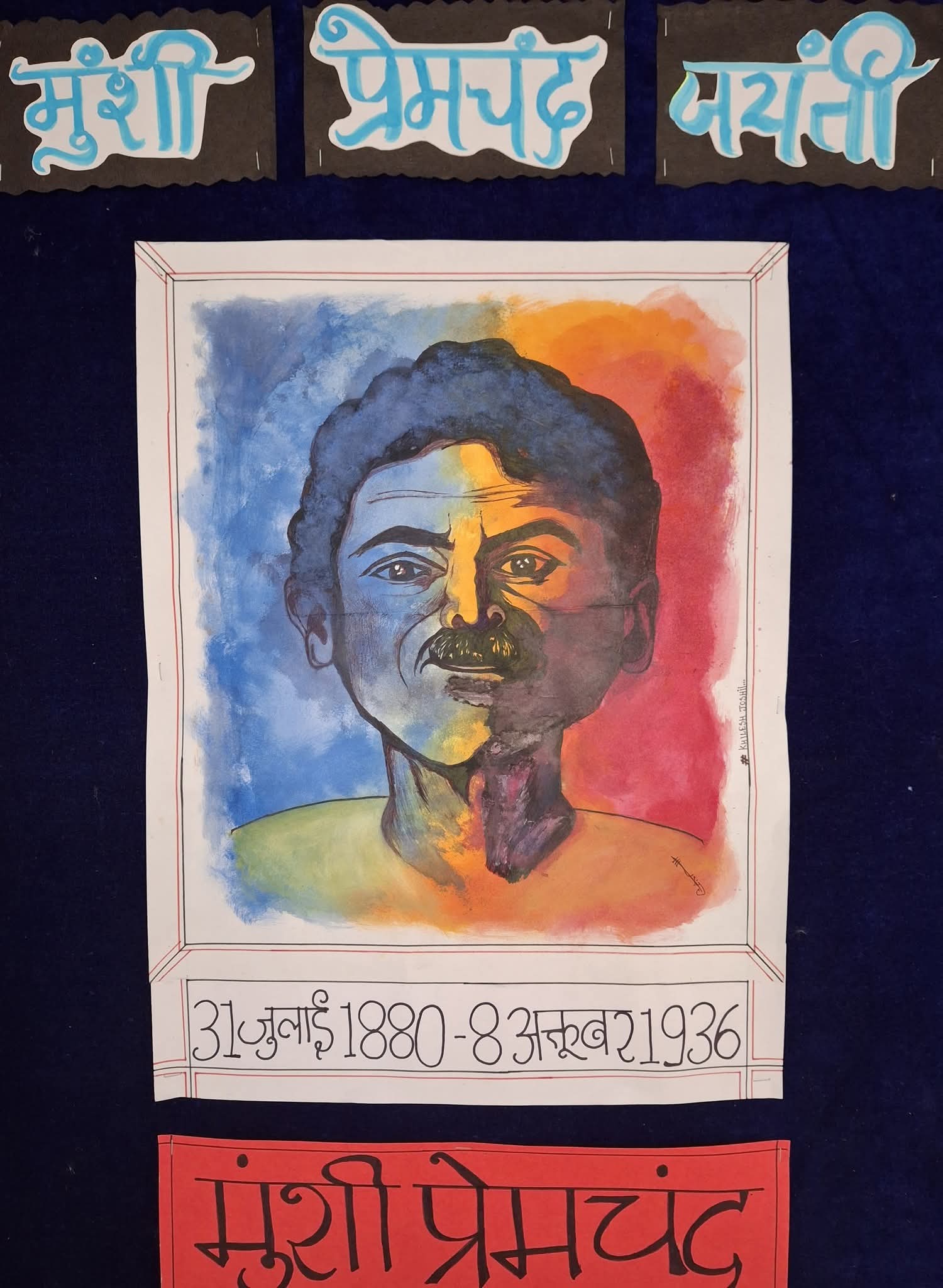
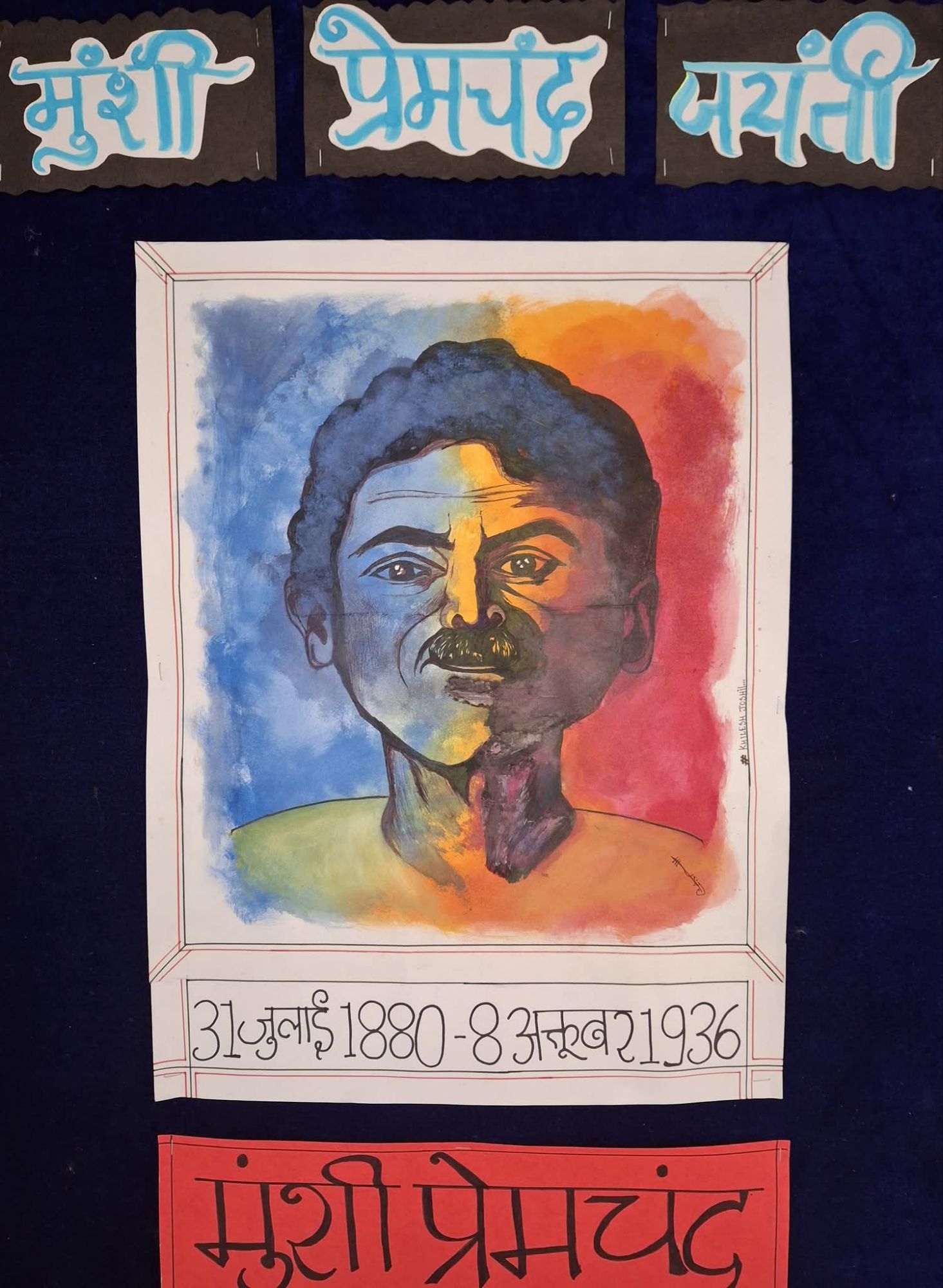
Ever wondered why a novelist who wrote a century ago still has university courses dedicated to his work? Munshi Premchand wasn’t just writing stories—he was documenting an entire society’s struggle against oppression.
His novels on social issues weren’t subtle. They slapped readers with brutal realities of caste discrimination, poverty, and women’s suffering in colonial India. When you read “Godan” or “Nirmala,” you’re not just turning pages of fiction—you’re walking through the mud-caked villages where debt crushed farmers and child marriages destroyed lives.
The magic of Premchand is how he made these heavy social issues feel personal. He didn’t lecture. He showed you a widow’s empty kitchen or a low-caste man’s humiliation, and suddenly politics became human.
But here’s what most casual readers miss about his work…
Premchand’s Literary Legacy
Brief biography and influence on Indian literature
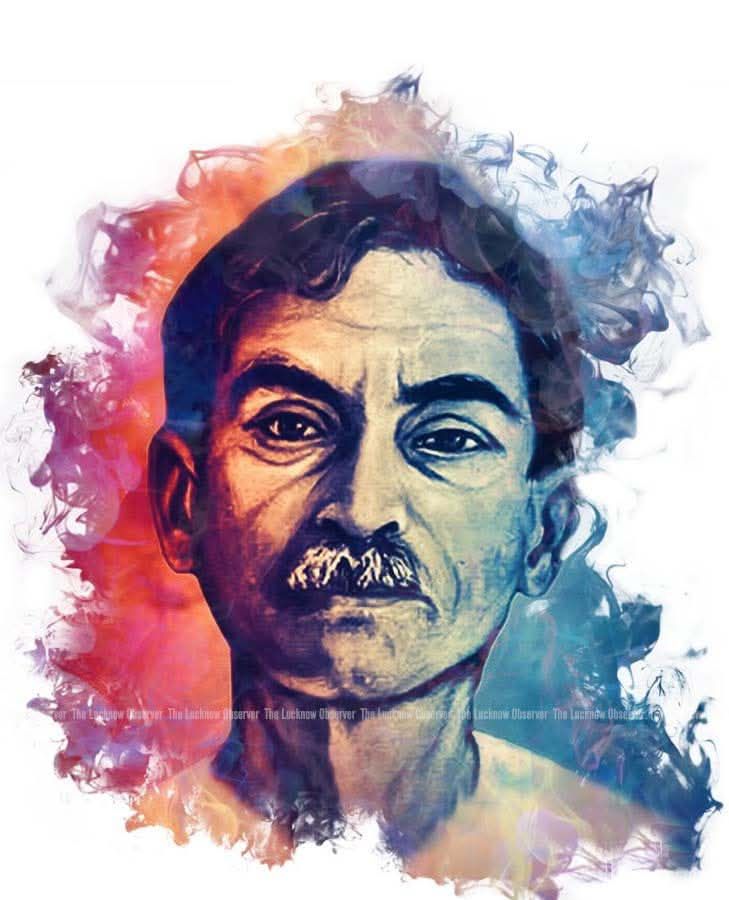
Born in 1880 in Lamhi village near Varanasi, Dhanpat Rai Srivastav (who later adopted the pen name Premchand) grew up witnessing rural poverty firsthand. His mother died when he was just eight, and his early struggles shaped his worldview profoundly.
Unlike many writers of his time, Premchand didn’t just create stories—he created mirrors that reflected India’s painful social realities. His works spread like wildfire across the literary landscape, inspiring generations of writers to stop romanticizing and start documenting.
What made Premchand revolutionary? He dared to write about untouchability, corruption, colonialism, and poverty when others wouldn’t touch these subjects. Through characters like Hori in “Godan” and Dhaniya in “Godaan,” he humanized the struggles of ordinary Indians during a pivotal moment in history.
Writing style that captured social realities
Premchand didn’t mess around with flowery language when depicting harsh realities. His prose cuts straight to the bone, raw and unfiltered.
His genius lay in creating characters so authentic you’d swear they lived next door. These weren’t one-dimensional stereotypes but complex humans navigating brutal social systems.
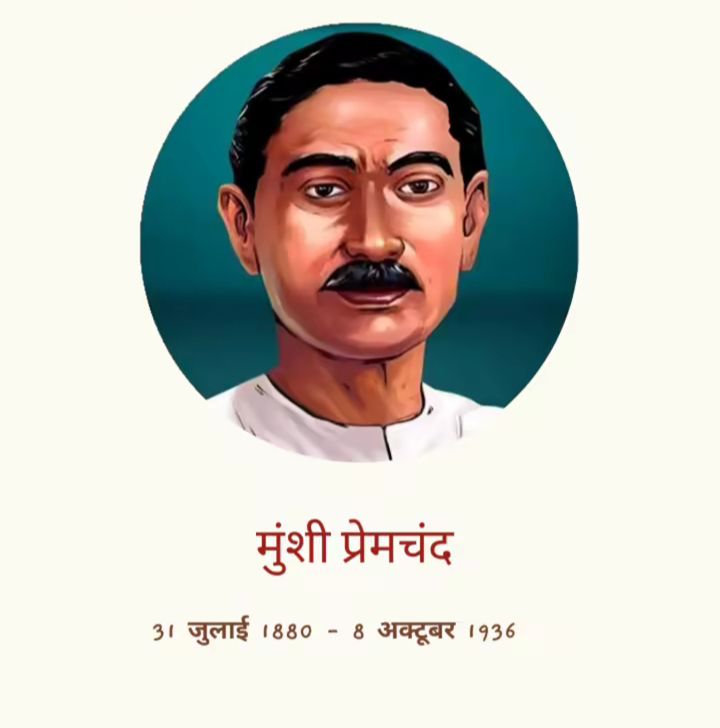
Take “Kafan” (The Shroud)—a story so gut-wrenching you can’t look away. A father and son who can’t afford a shroud for their dead family member end up drinking away the money they begged for this purpose. Brutal? Yes. Real? Absolutely.
Transition from Urdu to Hindi writing
The switch to Hindi wasn’t just a language change—it was a revolutionary act. By choosing Hindi, Premchand vastly expanded his readership, bringing his social critique to millions more readers.
This transition symbolized something bigger: the evolution of Indian literature toward addressing everyday struggles of common people. His work became the bridge connecting Urdu’s poetic traditions with Hindi’s growing prominence, creating a literary legacy that transcends linguistic boundaries.
Caste Discrimination in Premchand’s Works
A. Portrayal of untouchability in “Sadgati”
“Sadgati” hits you right in the gut with its raw depiction of caste brutality. Premchand doesn’t sugarcoat anything here. The story follows Dukhi, a Chamar (leather worker), who dies from exhaustion after being forced to work without food or rest by a Brahmin priest.
What makes this story so powerful? Premchand shows you the everyday violence of untouchability – not through dramatic scenes, but through the casual cruelty that was just “normal life.” The priest doesn’t even think twice about treating Dukhi as less than human.
The most heartbreaking part comes at the end. After Dukhi’s death, nobody wants to touch his “polluted” body. The final insult? His corpse is dragged away like animal carcass. That’s the “salvation” (sadgati) he gets – death as his only escape from caste oppression.
B. Inter-caste relationships in “Rangbhoomi”
In “Rangbhoomi,” Premchand goes deeper into the complexity of caste through characters who cross invisible but rigid boundaries.
The blind Soordas stands at the center – a character who literally cannot see caste distinctions but feels their crushing weight anyway. His relationship with upper-caste characters creates the tension that drives the novel forward.
What’s really striking is how Premchand portrays the inner conflicts of his characters. They’re torn between human connection and social convention. Some relationships in the novel start to bridge caste divides, but Premchand never pretends this is easy or without consequences.
The “battlefield” (rangbhoomi) isn’t just the physical land being fought over – it’s the psychological and social space where caste identity gets challenged and defended.
C. Critique of Brahminical orthodoxy
Premchand pulls no punches when exposing the hypocrisy of Brahminical orthodoxy. He strips away the veneer of religious authority to show what’s underneath: a system designed to maintain power.
In works like “Sadgati” and “Thakur Ka Kuan” (The Thakur’s Well), Premchand spotlights how religious leaders who preach purity are often the most morally corrupt. They use scripture as a weapon to justify exploitation while ignoring its teachings of compassion.
The brilliance of Premchand’s critique is how he contrasts religious theory with practice. Characters who claim spiritual superiority fail basic tests of human decency. Meanwhile, those deemed “impure” often display the true spiritual values of sacrifice and compassion.
D. Characters who challenge caste boundaries
The real heroes in Premchand’s novels are those who dare to step outside their assigned caste roles. These characters come from all levels of society – some privileged, others oppressed – but they share a willingness to question what everyone around them accepts.
Take Suman from “Seva Sadan,” who rejects the limitations placed on women of her caste. Or Dhania from “Godan,” whose natural sense of justice transcends her social position.
What makes these characters compelling isn’t just their rebellion but their humanity. They’re not perfect social justice warriors – they struggle, doubt, and sometimes fail. Their challenges to caste aren’t grand political statements but personal choices driven by basic human dignity.
These characters show us that social change doesn’t always come from revolutionary speeches but from ordinary people who simply refuse to play by unjust rules.
Rural Poverty and Exploitation
A. Depiction of zamindari system
The zamindari system bleeds through nearly every line of Premchand’s rural narratives. He doesn’t just tell us about it – he shows landlords sipping tea in sprawling houses while farmers collapse in fields.
In “Premashram,” he strips bare how zamindars manipulated revenue systems, charging peasants arbitrary taxes that kept them perpetually broke. These weren’t just cruel individuals – they represented an entire oppressive structure.
What makes Premchand’s portrayal so gut-wrenching? He humanizes both sides. Even while exposing zamindars’ cruelty, he sometimes reveals their inner conflicts, making us understand how systems corrupt people who might otherwise be decent.
B. Plight of peasants in “Godan”
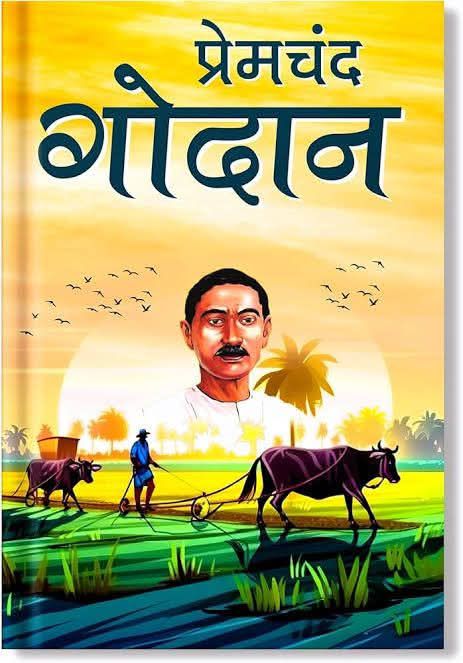
“Godan” isn’t just Premchand’s masterpiece – it’s the definitive portrait of peasant suffering.
Hori, the protagonist, has one simple dream: owning a cow. That’s it. And watching him sacrifice everything chasing this modest goal exposes how tragically low the bar was set for rural happiness.
The novel tracks Hori’s spiral into deeper poverty, where each setback feels like a punch to the reader’s gut. When he borrows money for his daughter’s wedding, you already know he’s doomed. When he hides his sick cattle to avoid fines, you feel the desperation.
By the time Hori dies without fulfilling his humble dream, Premchand has made his point crystal clear: the system was designed to crush people like him.
C. Economic hardships faced by villagers
Premchand never romanticized village life. Instead, he showed how grinding poverty shaped every decision villagers made.
In “Kafan,” a father and son can’t afford to bury the woman who died in childbirth, so they spend the burial money on food. It’s horrifying but Premchand forces us to ask: what would we do after years of starvation?
His villages aren’t idyllic retreats but economic wastelands where:
- Children work instead of attending school
- Medical care is nonexistent
- A single bad harvest means starvation
- Women carry double burdens of field work and household labor
D. Debt traps and moneylender exploitation
The moneylender (mahajan) appears in Premchand’s works like a recurring nightmare. These characters advance small sums at outrageous interest rates, knowing farmers will never escape the debt cycle.
In “Sadgati,” the interest compounds so rapidly that borrowers end up paying several times the original amount. Premchand shows how these predatory practices were perfectly legal, with courts supporting moneylenders’ claims.
The genius of his portrayal lies in showing how moneylenders used social connections, religious authority, and legal technicalities to maintain control. They weren’t just financial predators but social manipulators who understood exactly how to exploit village power structures.
E. Land ownership struggles
Land wasn’t just property in Premchand’s novels – it was identity, security, and survival itself.
His stories depict endless battles over small plots, where farmers fight desperately to hold onto ancestral lands against legal maneuvers they barely understand. In “Poos ki Raat,” the protagonist works a field he doesn’t own, keeping just enough harvest to barely survive.
Premchand revealed how colonial revenue systems disrupted traditional land arrangements, creating confusion that powerful people exploited. He showed villagers losing land through:
- Forged documents
- Unpayable tax burdens
- Manipulation of illiterate farmers
- Corrupt officials accepting bribes
Through these heart-wrenching portraits, Premchand didn’t just tell stories – he documented an entire social system designed to keep rural Indians in perpetual poverty.
Gender Inequality and Women’s Issues
Female Characters Fighting Patriarchal Norms
Munshi Premchand didn’t just write characters—he created women who burned with quiet rebellion against a society that tried to silence them. In “Godaan,” Dhania stands up to her husband Hori, questioning his decisions and defending her family’s interests with fierce determination. She’s not just a wife; she’s a force to be reckoned with.
Then there’s Suman from “Sevasadan,” who breaks free from an unhappy marriage and societal expectations. Sure, her path is complicated, but Premchand shows her humanity rather than judging her choices.
What makes these portrayals revolutionary? Premchand wrote these characters in the early 1900s when women were mostly background decorations in literature. His female characters don’t just accept their fate—they question, they fight back, they make difficult choices.
Child Marriage and Widowhood Representations
The girl-brides in Premchand’s stories will break your heart. In “Nirmala,” the protagonist is married to a man old enough to be her father, and we watch her youth and spirit slowly crushed under the weight of this unequal union.
Widowhood? That’s another reality Premchand refused to sugar-coat. His stories show women like Budhiya in “Kafan” who face cruel isolation after losing their husbands. These women aren’t just sad characters—they’re indictments of a system that discards women once they lose their “purpose” as wives.
Women’s Education and Independence Themes
Premchand was writing about women’s education decades before it became a mainstream conversation. In “Rangbhoomi,” Sophia represents the educated woman challenging traditional boundaries. She’s not portrayed as “unwomanly” for wanting knowledge—she’s admirable.
Financial independence threads through many of his works too. From small business owners to women working the fields, Premchand’s female characters often seek economic freedom as a path to dignity. They understand something profound: without their own money, true independence remains just out of reach.
Premchand didn’t just write these themes—he lived them, supporting his own daughter’s education when many considered it unnecessary for girls.
Religious Hypocrisy and Superstition
Critique of religious dogmatism
Premchand didn’t hold back when exposing religious hypocrisy. In novels like “Godan” and “Karmabhoomi,” he rips the mask off religious practices that exploit the poor.
Ever notice how his characters who spout religious verses are often the same ones stealing from widows? That’s no accident. Premchand saw through the smoke and mirrors of religious leaders who preached charity while living in luxury.
Take Matadin Shukla from “Godan” – a perfect example of someone who uses Sanskrit shlokas to intimidate villagers while charging exorbitant fees for religious ceremonies. The poor farmers can’t understand a word but pay up anyway, fearing divine punishment.
Characters exploiting religious beliefs
The money-grabbing pandit or the conniving maulvi – these characters pop up throughout Premchand’s work. They’re not just villains; they’re mirrors reflecting real social parasites.
In “Kafan,” the father-son duo doesn’t think twice about spending funeral money on booze. But they’ll quickly invoke God’s will when justifying their actions.
What makes Premchand’s portrayal so powerful? He doesn’t just show these characters exploiting others – he reveals how they justify their actions to themselves. They’re not cartoon villains twirling mustaches. They’ve twisted religion so completely they believe their own lies.
Portrayal of godmen and fake saints
The fake holy men in Premchand’s novels would give today’s TV evangelists a run for their money.
In “Rangbhoomi,” the character Baba Ramcharan builds a whole business model around his supposed spirituality. People flock to him, offering money and gifts, while he maintains an empire built on empty promises and fabricated miracles.
What’s wild about Premchand’s fake saints is how recognizable they still are today. The tactics haven’t changed much – claim special knowledge, promise solutions to life’s problems, and watch the donations roll in.
Rational thought versus blind faith
Premchand wasn’t against religion itself – just its misuse. His progressive characters often demonstrate how faith can coexist with reason.
In “Nirmala,” the protagonist questions harmful traditions without rejecting spiritual values altogether. It’s a balancing act few writers of his time attempted.
His characters who think critically stand in stark contrast to those who follow blindly. And the contrast isn’t subtle – the rational characters find practical solutions while the superstitious ones remain trapped in cycles of suffering.
The revolutionary aspect of Premchand’s approach was showing rural, uneducated characters developing critical thinking skills. He believed rational thought wasn’t just for the elite – it was a tool for liberation available to everyone.
Nationalism and Freedom Struggle
A. Colonial oppression depicted in his stories
Premchand didn’t pull any punches when exposing British colonial cruelty. In “Rangbhoomi,” he shows how villagers lost their land to colonial development projects, leaving them destitute. The main character Soordas fights against this injustice, becoming a symbol of resistance.
“Godan” paints a brutal picture of farmers crushed under colonial taxation. The protagonist Hori Mahto works himself to death trying to pay these impossible taxes. His dream of owning a cow remains just that – a dream crushed by colonial economic policies.
In “Karmabhoomi,” Premchand spotlights how colonial courts favored British interests over Indian justice. Characters find themselves powerless against a legal system designed to maintain British control rather than provide actual justice.
B. Characters participating in independence movement
Premchand’s stories are filled with ordinary people joining the freedom struggle. In “Rangbhoomi,” villagers organize peaceful protests against land acquisition, mirroring Gandhi’s non-violent resistance tactics.
“Karmabhoomi” features Amarkant, who abandons his comfortable life to join the independence movement. He organizes boycotts of foreign goods and participates in civil disobedience – actions straight from the real independence playbook.
Women characters like Malati in “Gaban” challenge both colonial rule and patriarchal norms simultaneously. They distribute banned literature, attend nationalist meetings, and hide freedom fighters – showing the crucial role women played in the struggle.
C. Critique of British policies
Premchand tore into discriminatory British economic policies that bled India dry. “Godan” exposes how colonial agriculture policies created artificial famines while exporting Indian grain abroad.
His short story “Poos Ki Raat” shows a farmer freezing in bitter winter while crops grown on his land feed British markets. It’s a powerful metaphor for how colonial extraction impoverished Indians.
In “Idgah,” he highlights education policies designed to create clerical workers for British administration rather than critical thinkers. The story subtly questions why Indian children learn more about British history than their own cultural heritage.
“Shatranj Ke Khilari” criticizes how British exploited Indian political divisions. While nobles play chess, the British annex their kingdom – a stinging critique of both colonial tactics and Indian elite indifference.
Modern Relevance of Premchand’s Social Commentary
A. Parallels with contemporary social issues
Premchand wrote about social injustice nearly a century ago, but flip through his pages today and you’ll feel an eerie sense of familiarity. The same problems he highlighted—inequality, exploitation, religious tensions—still dominate our news cycles.
Or consider “Kafan,” where extreme poverty forces people into moral compromises. Today’s migrant workers face similar impossible choices during crises, as we witnessed during the 2020 pandemic lockdowns.
B. Continuing caste discrimination in modern India
Premchand ripped the mask off caste injustice when it wasn’t fashionable to do so. His story “Thakur Ka Kuan” (The Thakur’s Well) showed how upper castes controlled even water access.
Fast forward to today:
- Dalits still face violence for entering temples in many villages
- “Honor killings” continue when people marry across caste lines
- Segregated housing exists in both villages and urban areas
- Job discrimination persists despite reservation policies
The forms have evolved—discrimination now hides behind polite rejections of rental applications or “vegetarians only” housing ads—but the foundation remains intact.
C. Ongoing rural-urban divide
The gap between India’s villages and cities that Premchand documented has only widened. His characters from “Idgah” or “Poos Ki Raat” would recognize today’s rural struggles:
- Farmers still dependent on unpredictable monsoons
- Limited healthcare access (1 doctor per 10,000+ people in rural areas)
- Education quality gaps that grow wider each year
- Young people fleeing to cities, leaving aging populations behind
Urban India races ahead with tech hubs and gleaming malls while rural India struggles with basics. Premchand saw this divergence beginning, but even he might be shocked by how dramatic it’s become.
D. Evolution of gender issues since Premchand’s time
Premchand’s female characters—like Dhania in “Godaan” or the protagonist in “Nirmala”—fought against patriarchal constraints. Today’s battles look different but continue the same war.
Women have made significant strides:
- Legal rights have expanded dramatically
- Education levels have soared (more women than men in many colleges)
- Workforce participation has increased, especially in urban areas
But dig deeper and you’ll find persistent problems:
- Female labor participation actually declining since 2005
- Violence against women remains endemic
- Household work still disproportionately women’s responsibility
- Son preference continues, though in more subtle forms
Premchand would recognize these contradictions—progress mixed with stubborn resistance to change—as exactly the kind of social complexity he tried to capture in his work.
Conclusion
Premchand’s novels weren’t just stories – they were mirrors reflecting the harsh realities of Indian society. His genius lay in weaving complex social issues into narratives that still resonate with readers today.
Through characters like Hori in “Godan” and Suman in “Sevasadan,” Premchand gave voice to those crushed under oppressive social structures. He didn’t just highlight problems; he forced us to confront our collective conscience.
What makes Premchand’s work timeless is how relevant his social commentary remains. The caste discrimination, gender inequality, and economic exploitation he portrayed aren’t just historical footnotes – they’re ongoing battles in modern India.
His novels never preached solutions. Instead, they invited readers to question societal norms and recognize humanity in every individual, regardless of their social standing.
Reading Premchand today isn’t just a literary exercise – it’s a powerful reminder that art can challenge injustice. His characters’ struggles continue to echo in millions of lives across India.
The true legacy of Premchand’s social critique isn’t just in documenting problems but in awakening compassion. By showing us the dignity in ordinary lives and the corruption of power structures, he created not just literature but a blueprint for social awareness.
In a world still grappling with inequality, Premchand’s voice remains as necessary and revolutionary as ever.
