
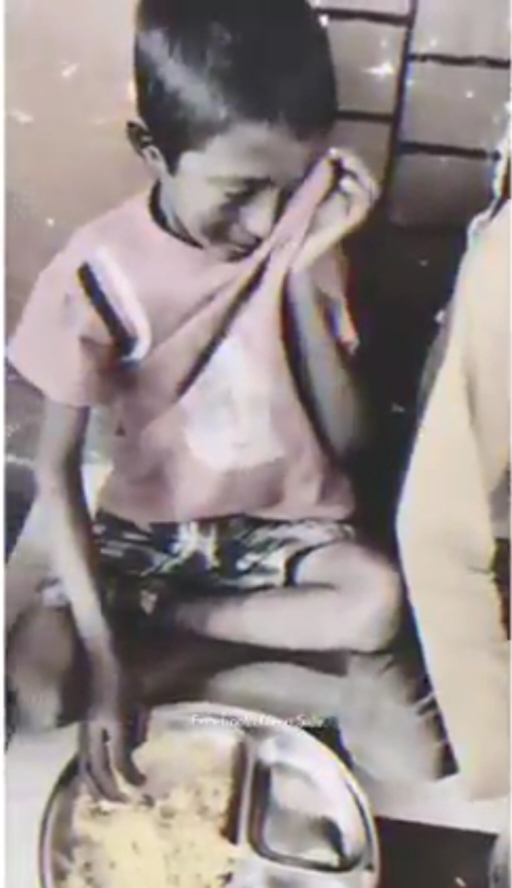
Ever walked past a kid sleeping on a sidewalk and wondered where their parents were? Right now, over 100 million children worldwide call the streets home—with no beds, no safety nets, no childhood.
These aren’t just statistics. They’re real kids with dreams just like the ones sleeping in your home tonight.
Understanding who street children are goes beyond the obvious “homeless kids” definition. They’re survivors, entrepreneurs, and protectors of younger siblings—forced to grow up way too fast.
Defining Street Children
Common characteristics of street children
Street kids share some unmistakable traits. Most are visibly malnourished with that hollow-cheeked look that breaks your heart. Their clothes? Tattered and dirty from sleeping rough. Many show signs of substance abuse – sniffing glue or other cheap inhalants that numb hunger and fear.
Trust issues? Absolutely. These kids have been burned too many times by adults who should’ve protected them. They’re street-smart but school-deprived, developing incredible survival skills while missing fundamental education.
They form tight-knit groups that function as surrogate families, with older kids looking out for younger ones. Their days revolve around scraping together enough money for food through begging, scavenging, small jobs, or sometimes theft and prostitution.
Difference between “children on the streets” and “children of the streets”
The distinction matters:
Global statistics and prevalence
The numbers are staggering – UNICEF estimates between 100-150 million street children worldwide. The highest concentrations appear in urban centers across developing regions in Africa, Asia, and Latin America.
Countries like India, Brazil, Egypt, and Kenya have particularly high numbers. In some cities, street children make up nearly 1% of the urban population.
Age and gender distribution
Most street kids fall between 10-17 years old, though children as young as four survive independently on streets.
The gender gap widens with age as younger children show more balanced gender ratios than adolescents.
Causes of Child Homelessness
Family breakdown and domestic violence
Kids don’t just end up on the streets by accident. Many are running from something worse – homes where fists fly more often than kind words. I’ve met children who sleep in alleyways because it feels safer than their own bedrooms.
Domestic violence leaves invisible scars that cut deeper than any physical wound. When a 9-year-old boy told me he’d rather brave winter nights under a bridge than watch his mother get beaten again, I understood why these kids make such impossible choices.
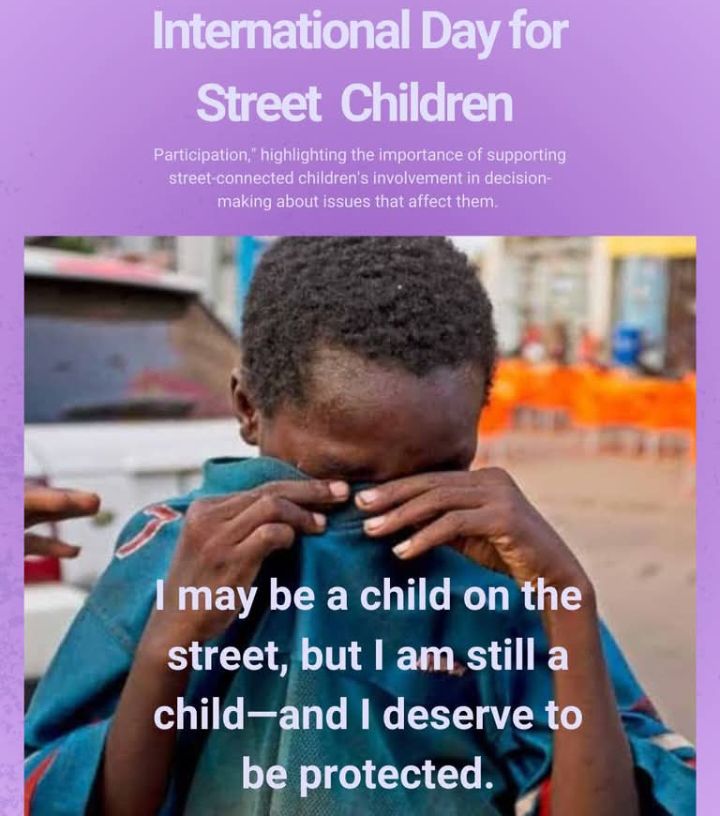
Poverty and economic factors
Money problems push families to the breaking point. Parents working three jobs still can’t make rent. Kids get left alone, slip through cracks, and eventually find themselves with nowhere to go.
The math is brutally simple: No money = no home. When families can’t afford basic necessities, children often bear the worst consequences. Some parents even send their kids to the streets to earn money, creating a cycle nearly impossible to break.
Armed conflicts and displacement
War turns children into refugees in their own countries. They’re separated from parents during bombings, evacuations, or militia raids.
I once interviewed a 12-year-old who walked 200 miles after his village was attacked. By the time he reached the city, he had nowhere and no one. Multiply his story by millions.
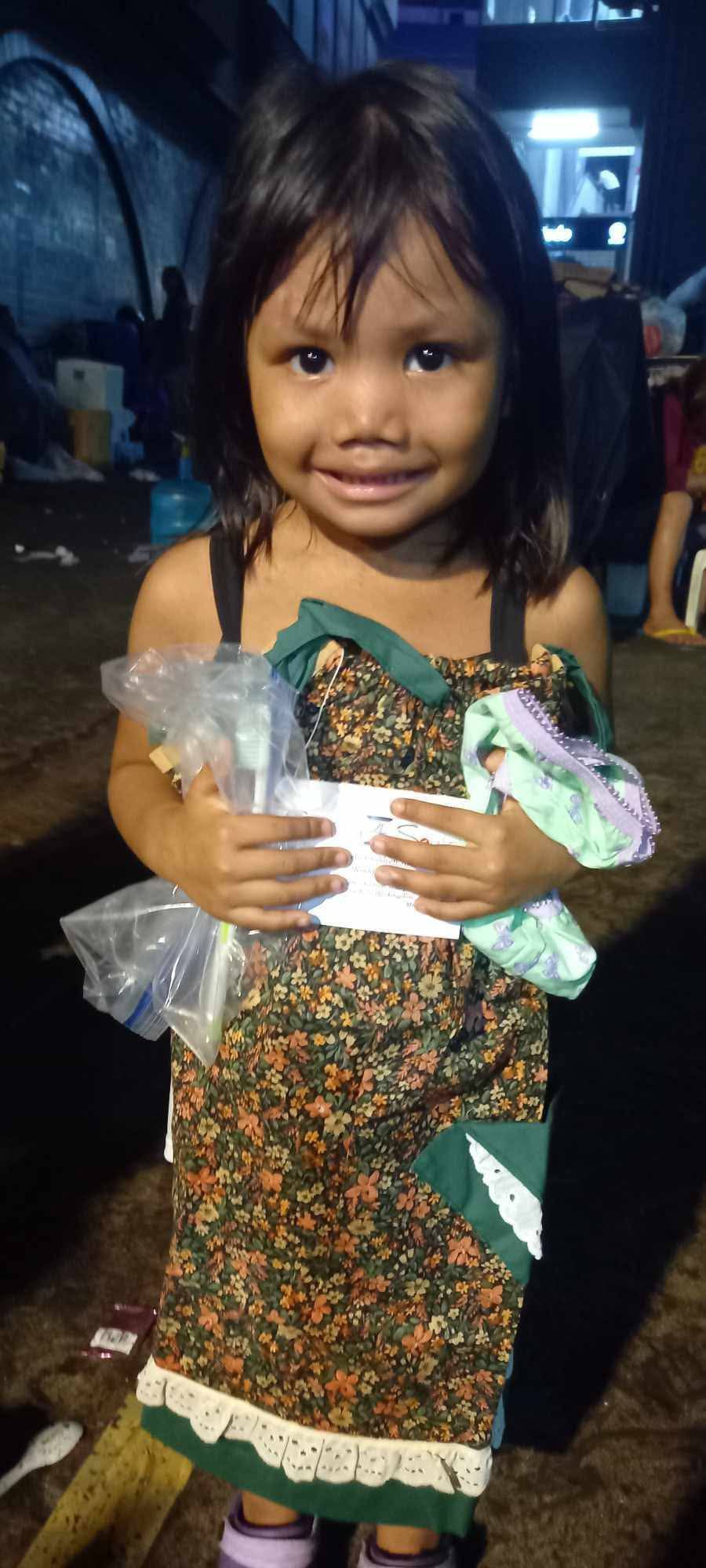
Urbanization challenges
Cities promise opportunity but deliver hardship. Rural families migrate to urban centers only to find housing costs impossible and support systems nonexistent.
The concrete jungle becomes literal for children whose families can’t find footing in rapidly growing cities. Makeshift settlements and slums become breeding grounds for child homelessness.
Systemic failures in child protection
The safety nets designed to catch vulnerable children are full of holes. Underfunded foster systems, overwhelmed social workers, and bureaucratic tangles mean kids fall through regularly.
When institutions meant to protect children fail, the streets become the default option. The system that should be their lifeline often pushes them further into danger.
Daily Realities and Challenges
A. Survival strategies and income generation
Street children hustle daily to stay alive. Most collect recyclables like bottles and cardboard, earning pennies per kilo. Others wash car windows at traffic lights or sell small items like gum and flowers.
The money’s never enough. A “good day” might mean earning $2-3 after 12+ hours of work. These kids develop sharp instincts for spotting opportunities others miss.
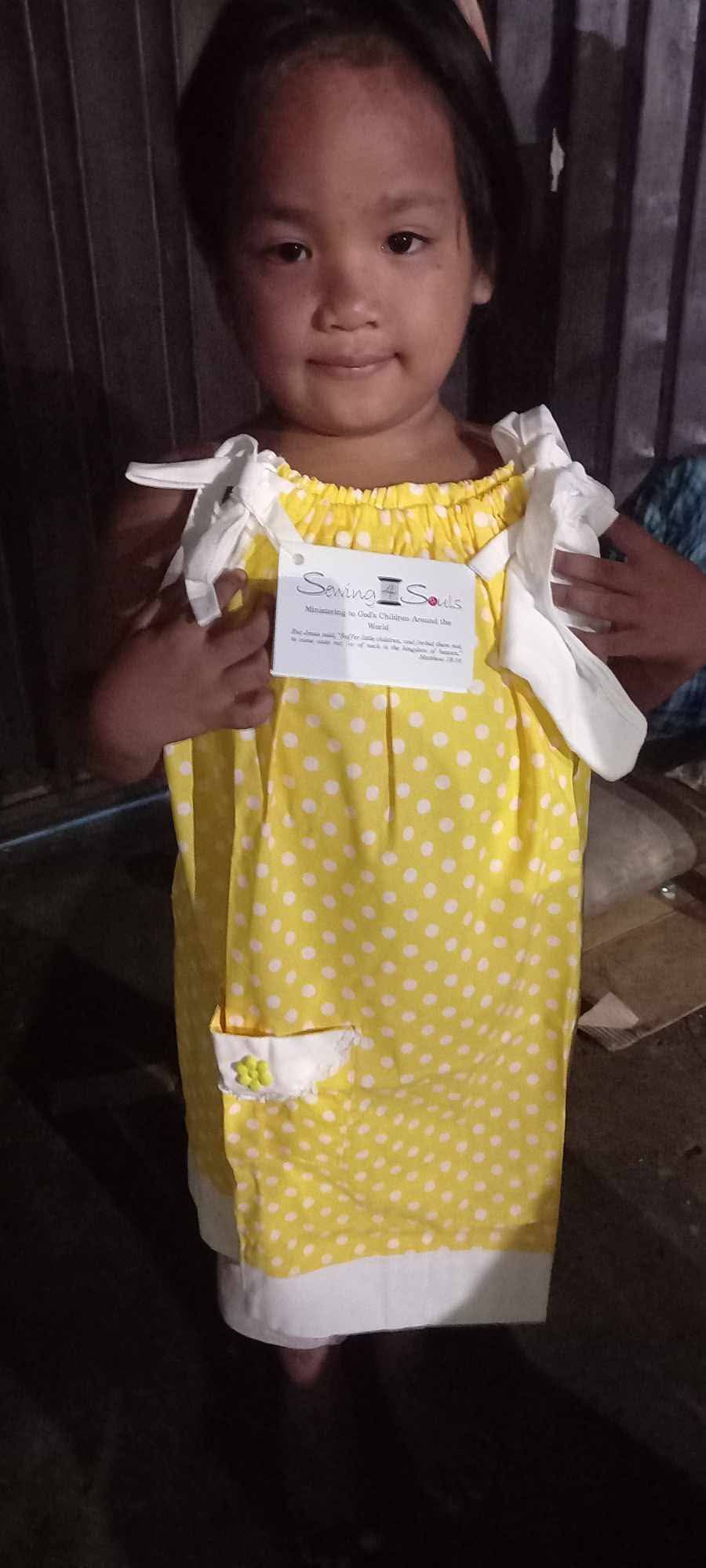
Many band together in small groups, creating makeshift families for protection and resource-sharing. The older ones often look out for younger kids, teaching them survival tricks.
Some days, they eat nothing at all.
B. Health risks and medical vulnerabilities
Street kids face brutal health challenges. They sleep wherever they can—under bridges, in abandoned buildings, or on sidewalks—exposed to extreme weather.
Respiratory infections, skin diseases, and malnutrition are constant companions. Many suffer from untreated wounds that become infected. Dental problems are universal.
When they get sick? No health insurance. No caring adult to take them to a doctor. They self-medicate with whatever they can find or simply suffer through it.
Drug use becomes both escape and coping mechanism. Sniffing glue or solvents temporarily dulls hunger and pain, creating devastating addiction cycles.
C. Educational deprivation
School becomes a distant memory for street children. Most dropped out or never attended at all. Their days revolve around immediate survival needs, not learning.
Without education, their future options shrink dramatically. Basic literacy and math skills—things most kids take for granted—remain out of reach.
Some cities have informal education programs targeting street youth, but these reach only a fraction of kids who need them. And even when available, attending class means sacrificing crucial hours that could be spent earning money.
D. Exposure to violence and exploitation
Street kids face danger at every turn. They’re targeted by police, harassed by shop owners, and victimized by criminals. Physical and sexual abuse is shockingly common.
Older teens and adults exploit younger children, forcing them into begging rings, theft, drug dealing, or prostitution. The kids comply because they see no alternatives.
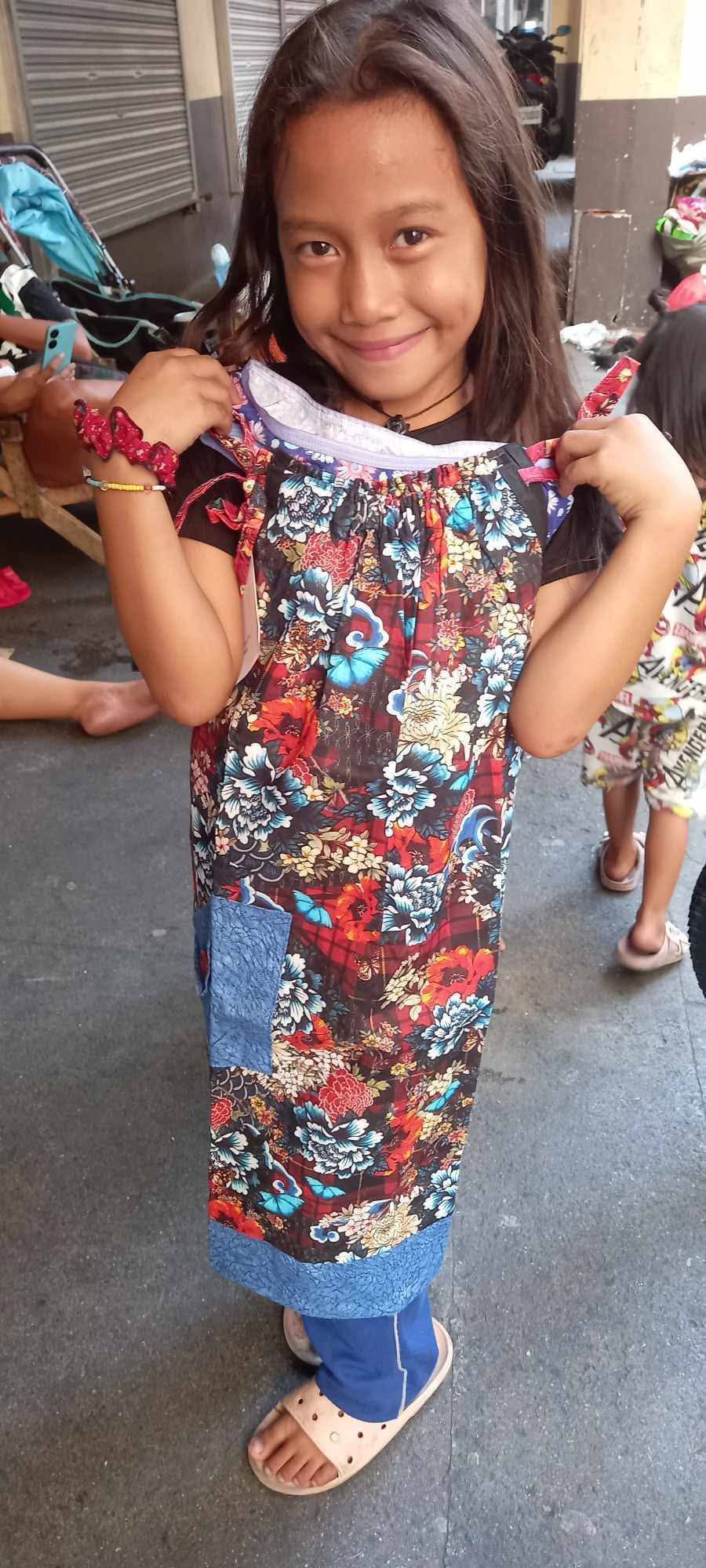
Law enforcement often treats them as criminals rather than victims. In some countries, police conduct regular “street cleanups,” beating children or detaining them without cause.
Sleep brings no safety—many stay awake at night and sleep during daylight hours when risks are slightly lower. This constant vigilance takes a severe psychological toll.
Psychological and Social Impact
Identity formation among street children
Growing up on the streets warps a kid’s sense of self. When you’re labeled “street child” before anything else, that sticks with you. These kids often build identities around survival rather than normal childhood milestones.
They’re asking different questions than other children: “How do I eat today?” not “What do I want to be when I grow up?” Their self-image gets shaped by daily interactions with police, shop owners who shoo them away, and strangers who either pity or fear them.
Many street children band together, creating alternative family structures that become central to who they are. The group identity becomes their anchor in a world that treats them as invisible or as problems to solve.
Coping mechanisms and resilience
These kids are survivors, plain and simple. They develop skills most adults can’t imagine needing. Some turn to substances to numb physical and emotional pain. Others create elaborate fantasy lives where they reimagine their circumstances.
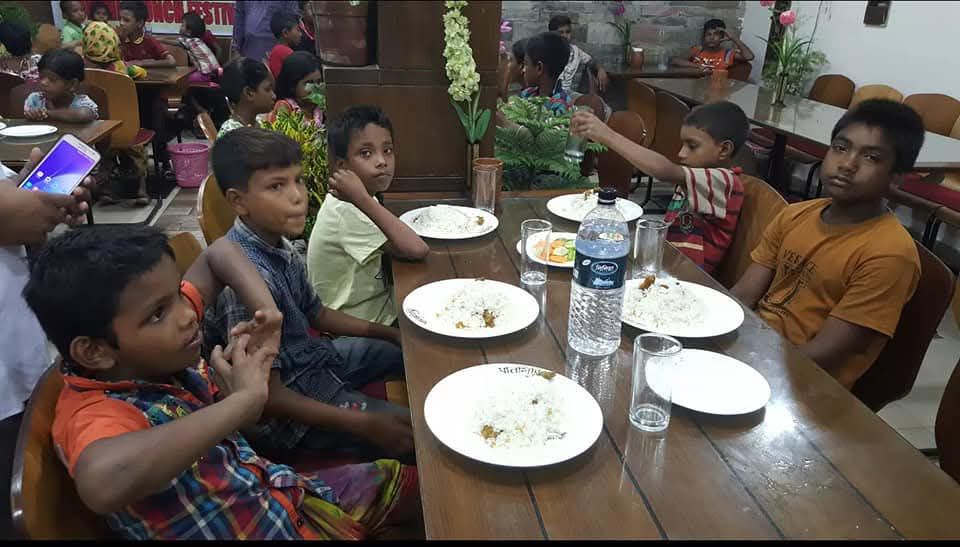
The resilience is mind-blowing. A child might experience trauma that would break most adults, yet somehow wakes up the next day and keeps going. They adapt constantly, learning which areas are safe, which people might help, and which situations spell danger.
Street children often develop a dark sense of humor about their circumstances—a psychological shield against the constant barrage of hardship. This gallows humor serves as both protection and connection with peers.
Social stigma and discrimination
Society rarely sees the child behind the label. Once labeled “street kid,” they face assumptions about being criminals, drug users, or somehow deserving their situation.
Shop owners chase them away, believing they’ll steal. Police routinely harass them for simply existing in public spaces. Even well-meaning charity workers sometimes treat them as projects rather than people.
This constant rejection leaves deep marks. When everywhere you go, people clutch their bags tighter or cross the street to avoid you, you start believing you’re the problem.
The worst part? Many street children internalize these messages, developing a sense that they deserve their circumstances or that something is fundamentally wrong with them rather than the systems that failed them.
Long-term developmental consequences
The street shapes these kids in permanent ways. Their brains literally develop differently under constant stress and survival pressure. The parts handling fear responses grow overdeveloped while areas for planning and emotional regulation may lag behind.
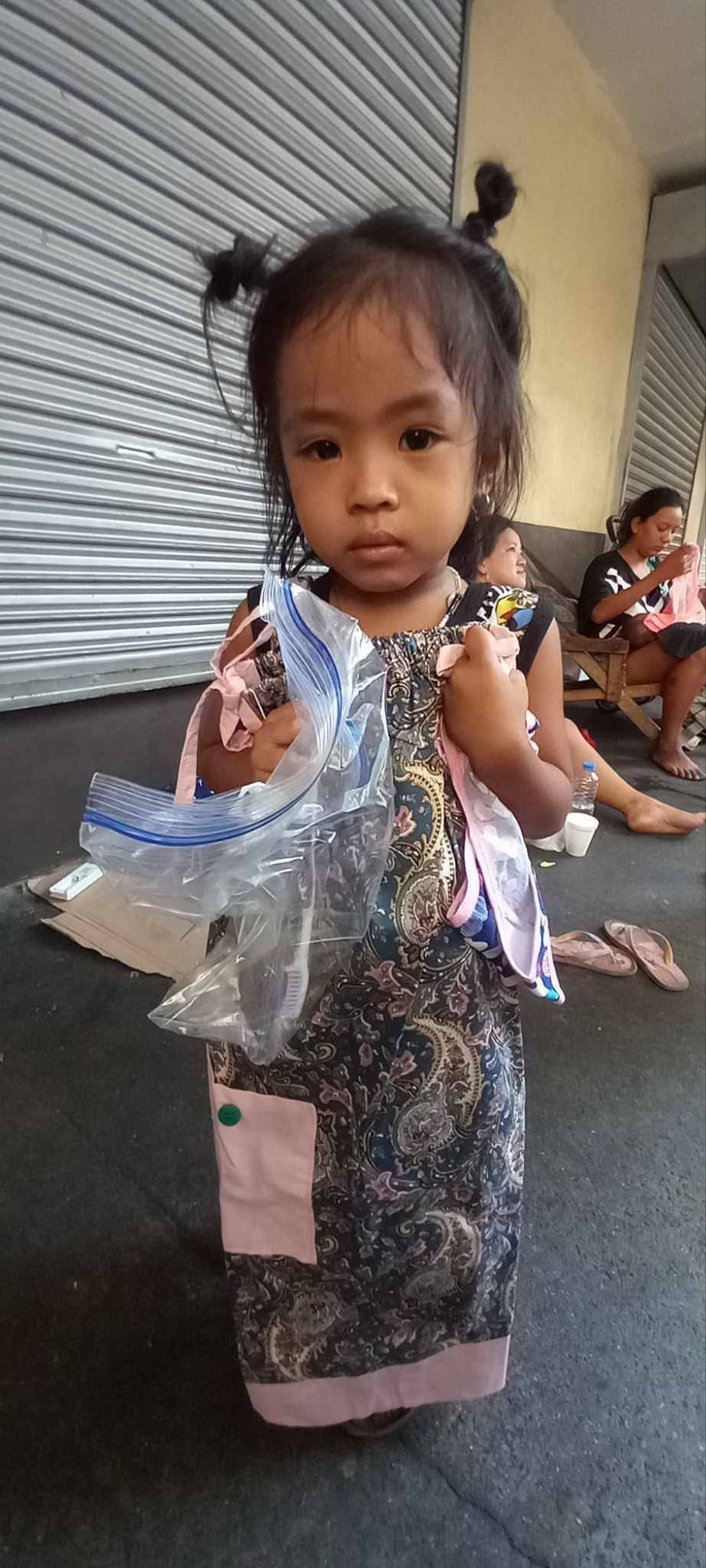
Trust becomes nearly impossible. When adults have primarily been sources of disappointment or danger, forming healthy relationships later becomes a massive challenge.
Education gaps create lifelong barriers to employment and stability. Even street children who eventually find housing often struggle with basic life skills most take for granted.
The trauma doesn’t just vanish when circumstances improve. Many carry hypervigilance, attachment issues, and complex PTSD into adulthood, fighting invisible battles long after leaving the streets behind.
Effective Intervention Approaches
Outreach Programs and First Contact Strategies
Street kids aren’t just going to walk into an office for help. You need to meet them where they are—literally. Effective outreach teams hit the streets at night, building trust gradually. No clipboards, no uniforms, just real people offering snacks, basic medical care, or just a listening ear.
The best programs understand that first encounters matter. A simple “Hey, need a sandwich?” works better than “We’re here to save you.” Trust takes time, especially when these kids have been let down by adults repeatedly.
Harm Reduction and Immediate Support Services
These kids need practical help before anything else. Drop-in centers that offer showers, clean clothes, and a safe place to crash without judgment make a world of difference. Harm reduction isn’t about enabling—it’s about keeping kids alive while they figure out next steps.
Mobile clinics that provide wound care, STI testing, and substance abuse support reach kids who’d never seek formal healthcare. The approach is simple: reduce the immediate dangers while building a bridge to more comprehensive services.
Reintegration with Families When Possible
Family reunification works—but only when it’s safe. The most successful programs take time to understand why a child left home in the first place. Was it abuse? Poverty? Family conflict?
Mediators work with both the child and family, addressing root problems through counseling, parenting skills, and economic support. Sometimes the best solution isn’t returning home but connecting with extended family members who can provide stability.
Educational and Vocational Opportunities
Street children need education that meets them where they are. Flexible learning programs that don’t shame kids for gaps in schooling make all the difference. The key is practical skills mixed with basic academics.
Vocational training works when it matches local job markets. Programs teaching digital skills, mechanics, cooking, or hairdressing give tangible paths forward. The most successful approaches pair training with apprenticeships and job placement support.
Advocacy for Policy Changes
Individual interventions only go so far when systems are broken. Advocacy efforts that push for decriminalizing homelessness and securing identity documents help remove massive barriers.
Smart programs involve street youth themselves as advocates. Nothing changes minds faster than a former street kid testifying to city council about police harassment or shelter conditions. Their voices carry weight that professional advocates simply can’t match.
Street children represent one of society’s most vulnerable populations, facing numerous challenges from poverty and abuse to limited access to education and healthcare. The reality of their daily lives includes navigating dangerous environments, experiencing food insecurity, and enduring social stigma, all while coping with significant psychological trauma. These hardships create a cycle that’s difficult to break without targeted intervention.
Supporting street children requires comprehensive approaches that address immediate needs while building pathways to long-term stability. Effective interventions must combine education access, psychological support, family reunification when possible, and community-based protection systems. By understanding the complex causes of child homelessness and responding with compassion and practical solutions, we can help these children reclaim their rights and build futures filled with opportunity rather than struggle. Each of us has a role to play in creating communities where no child is forced to call the streets their home.
