


Introduction
Ishwar Chandra Vidyasagar, a name synonymous with social reform in 19th century India, was a visionary who dedicated his life to improving the conditions of the marginalized sections of society. His tireless efforts in championing women’s rights, promoting education, and challenging outdated social norms left an indelible mark on Indian history. This blog post delves into the social reforms of Ishwar Chandra Vidyasagar, exploring how his progressive ideas and actions shaped modern India.
Thank you for reading this post, don't forget to subscribe!Early Life and Education
Vidyasagar’s education at Sanskrit College in Calcutta exposed him to both traditional Indian knowledge and Western ideas. This unique blend of Eastern and Western thoughts shaped his worldview and fueled his passion for social reform.
Widow Remarriage Act
One of the most significant social reforms of Ishwar Chandra Vidyasagar was his advocacy for widow remarriage. In 19th century India, widows faced severe social restrictions and were often treated as outcasts. Vidyasagar argued that the practice of prohibiting widow remarriage had no scriptural basis and was a cruel custom that needed to be abolished.
His efforts culminated in the passage of the Widow Remarriage Act of 1856, which legally allowed Hindu widows to remarry. This landmark legislation was a significant step towards improving the status of women in Indian society.
Women’s Education
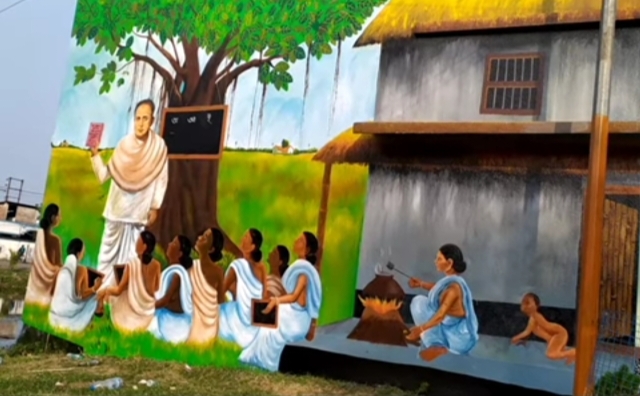
Vidyasagar was a strong proponent of women’s education, believing that it was essential for the overall progress of society. He established numerous schools for girls, including the Bethune School in Calcutta, which was one of the first institutions of its kind in India.
His approach to women’s education was holistic, focusing not only on academic subjects but also on practical skills that would empower women in their daily lives. Vidyasagar’s efforts in this area laid the foundation for future advancements in women’s education in India.
Opposing Child Marriage
Child marriage was another social evil that Vidyasagar vehemently opposed. He argued that the practice was detrimental to the physical and mental well-being of young girls and hindered their educational and personal growth.
While the legal abolition of child marriage did not occur during his lifetime, Vidyasagar’s advocacy played a crucial role in raising awareness about the issue and paving the way for future reforms.
Promoting Bengali Language and Literature
As a scholar of Sanskrit and Bengali, Vidyasagar made significant contributions to the development of Bengali language and literature. He simplified Bengali typography and prose, making it more accessible to the masses.
Some of his notable works include:
- “Borno Porichoy” (Introduction to the Alphabet)
- “Bodhodoy” (Dawn of Intelligence)
- “Upakramonika” (Introduction to Sanskrit Grammar)
These books not only helped standardize Bengali prose but also served as important educational tools for generations of Bengali students.

Opposing Polygamy
Vidyasagar was a vocal critic of polygamy, which was prevalent among certain sections of Hindu society during his time. He argued that the practice was harmful to women and led to domestic discord and social instability.
While his efforts did not result in immediate legal changes, they contributed to a growing awareness of the issue and influenced later social reform movements.
Ishwar Chandra Vidyasagar’s Legacy
The social reforms of Ishwar Chandra Vidyasagar had far-reaching impacts that continue to resonate in modern India. His legacy includes:
- Improved status of women: Through his advocacy for widow remarriage and women’s education, Vidyasagar helped elevate the status of women in Indian society.
- Educational reforms: His efforts in promoting education, particularly for girls and disadvantaged communities, laid the groundwork for a more inclusive education system.
- Language and literature: Vidyasagar’s contributions to Bengali language and literature helped preserve and promote regional culture and identity.
- Social awareness: His vocal opposition to practices like child marriage and polygamy sparked important conversations about social issues and inspired future reformers.
- Secular approach: Vidyasagar’s reforms were based on rational thinking and humanism, promoting a secular approach to social change.
Conclusion
The social reforms of Ishwar Chandra Vidyasagar were truly revolutionary for their time. His unwavering commitment to improving the lives of the marginalized, particularly women, set him apart as a visionary leader and social reformer. From championing widow remarriage to promoting women’s education and opposing child marriage, Vidyasagar’s efforts touched various aspects of Indian society.
As we reflect on Vidyasagar’s legacy, it’s clear that his work laid the foundation for many of the social advancements we see in India today. However, it’s also important to recognize that many of the issues he fought against still persist in some form. This serves as a reminder that the work of social reform is ongoing, and we must continue to build upon the legacy of pioneers like Ishwar Chandra Vidyasagar.
To truly honor Vidyasagar’s memory, we must carry forward his spirit of reform and advocacy. Whether it’s supporting education initiatives, promoting gender equality, or challenging outdated social norms, each of us has a role to play in creating a more just and equitable society.
