
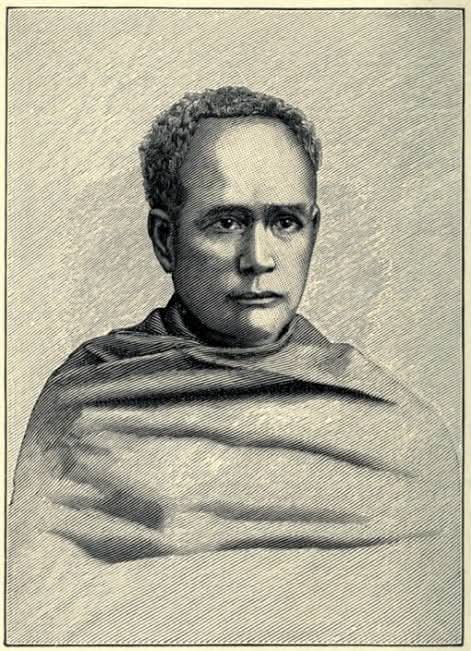
Introduction:- The relevance of Ishwar Chandra to the current education system:-
Ishwar Chandra’s relevance in the current education system is undeniable. He took the initiative to change the education system of Bengal. There are many different languages in the world. The situation is different The speech is different But people think on earth Through him we can understand the same at all times and places at all times You become a scholar of Sanskrit learning His contribution to Bengali language Bengali society can never forget His writings about caste identity are still in the homes of Bengal today of every child The first teaching book is Alphabet Language is only the expression of a mind, be it Bengali or Sanskrit or English
Thank you for reading this post, don't forget to subscribe!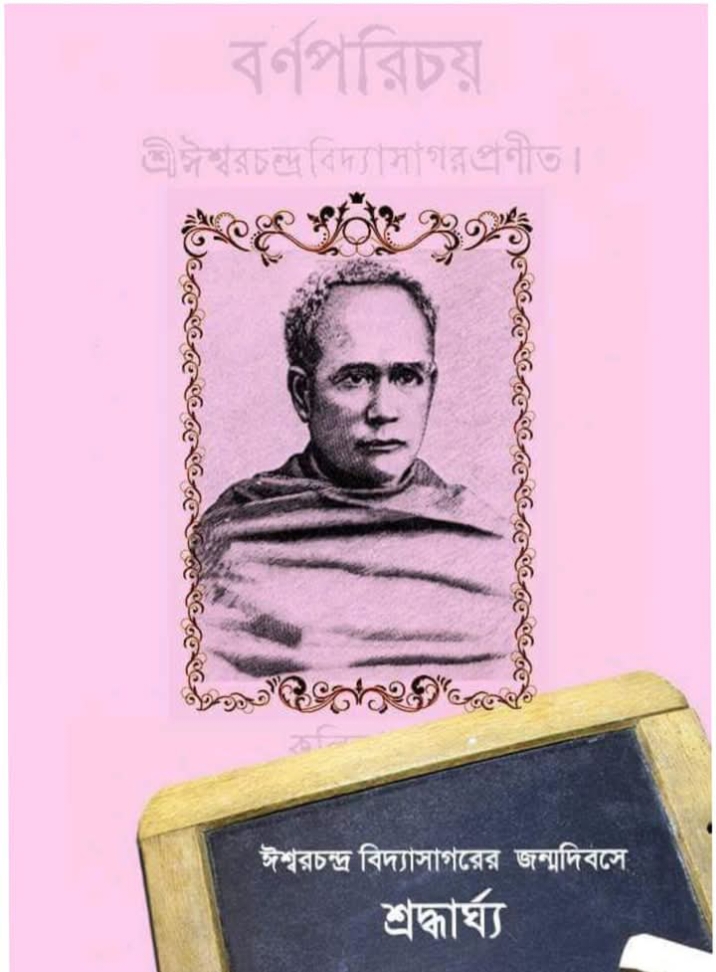
Vernacular Educatiion:-
As a teacher, she did some work that was not related to education, but indirectly dependent on education, and those activities reflected her. Teaching a friend of her mother tongue is a very common thing, but you were the first to show that women’s empowerment is possible through education, that women’s development is possible through education, and that society’s development is possible through education.
Throughout the world, with the end of monarchy in the 17th and 18th centuries, colonial rule began. The basic basis of this colonial rule was that the imperial rulers imposed their educational system, their reforms, and their thoughts on the provincial people. Imperialist thinking and imperialist education, while suitable for a handful of people, remain elusive for the common people of the region at all times. Then those few people give up their own pleasures and concentrate on social reforms, dedicating their own lives to the betterment of society.
It was through the hands of all these educationists, education-minded people, and social reformers that the system of teaching through the mother tongue was introduced in the world. Not only humans, but every animal on earth learns the first sounds a child makes or makes by imitating their mother. Every imperialist ruler, be it English, French, Dutch, Portuguese, whatever they may be, imposed their educational system on the regional groups, on the regional people.
But whether the regional people would be able to accept that education or whether their colonial language would be used among the common people or how far they would be able to advance by adopting those colonial languages, was not a thought in the colonial mentality or the imperialist rulers. The relevance of Ishwar Chandra to the current education system, fought tirelessly throughout his life for education in the mother tongue. Not only did he go through the struggle, he also inspired every child, every student, every youth to teach the mother tongue by simplifying the Sanskrit language, simplifying the grammar of the Sanskrit language and transforming it into the mother tongue.
“Varnaporichoy” by Ishwar Chandra Vidyasagar is still an essential book in Bengali children’s literature. Through this book, a child can see a conversation with his mother in written form. The fact that young boys and girls abandoned their childhood studies and spent the whole day playing – this incident deeply moved him.
The relevance of Ishwar Chandra to the current education system could understand that the Sanskrit words written at that time could not sway the minds of these children even a little. As a result, the children could not keep up with what they saw in the world around them, and with books. Realizing these problems, he simplified Bengali words, Bengali grammar, etc.
He did not stop here. He took one or two consonant letters and combined them with vowels to create some words that were very familiar to children’s daily lives. Seeing the real form of these familiar words, the children were more attracted to books.
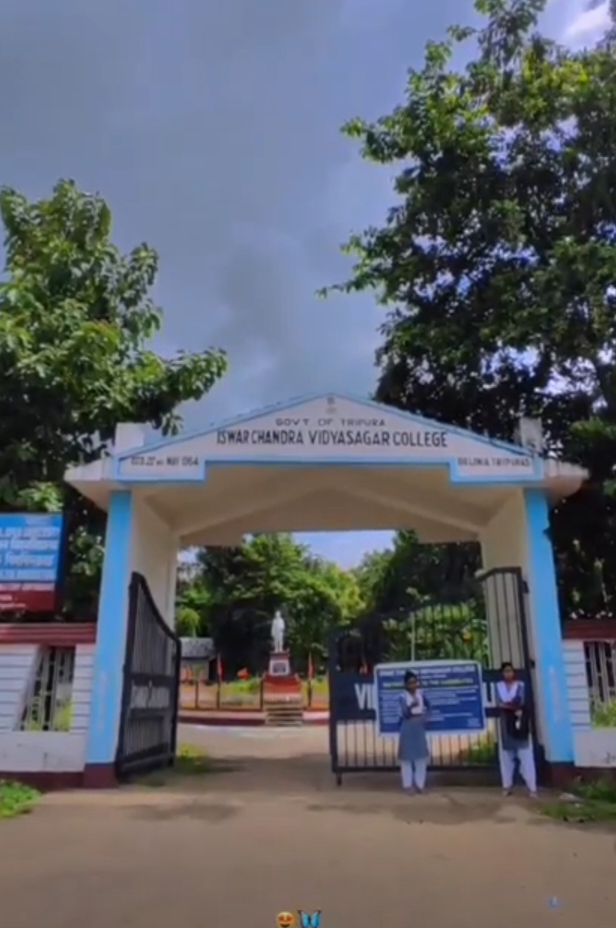
Women’s education:-
Ishwar Chandra Vidyasagar is known as the pioneer of women’s education. We would never have known the names of the present-day Ashapurna Devi (literate) and Asima Chatterjee (scientist), if a social reformer like Ishwar Chandra Vidyasagar had not been born in our country.
Therefore, Ishwar Chandra Vidyasagar himself sowed the seeds of the thought of women’s freedom that we are talking about today. This is why it is said, “An educated man can run an organization well, but an educated woman can build a nation and a country.” It is still surprising to see how far-sighted he was.
There is no record of him being in favor of modern-day vocational education, but he worked tirelessly to decentralise education and provide education to every person in the society. The “Bethune School” he introduced is currently a reliable educational institution for women in West Bengal.
Inclusive education:-
Ishwar Chandra Vidyasagar struggled throughout his life to introduce inclusive education. He had to face many obstacles from the Brahmins of that time to remove the social ills he introduced, such as widow remarriage, prevention of polygamy, etc.
Since he was a scholar in Sanskrit, he stopped the Brahmins by showing examples from ancient religious texts. On the other hand, in the Brahmin society of that time, Brahmins could practice polygamy. He strongly protested against this anti-social practice. The indirect reaction of which was the “satidah practice”.
Conclusion:-
At that time, young girls had to be married to older Brahmins. Because the amount of money that had to be paid to the Brahmin groom’s father to marry off to Brahmin grooms of the same age was beyond the imagination of the bride’s father. Enlightened by the light of education, Ishwar Chandra Vidyasagar wanted to stop all these superstitions. It can be said that the current marriage laws are the successors of his principles.
