
Introduction : Sonjhari Jhareka Tribe
The Sonjhari Jhareka Tribe are surely a small riverside community that belongs to the larger Gond tribal group in central India. Moreover, they are known for their traditional work of washing gold from river sand.
Name and legal classification
In Madhya Pradesh’s official papers, we are seeing “Gond” written with many other names like “Nagwanshi, Ojha, Raj, Sonjhari, Jhareka, Thatia, Thotya, Wade Maria, Vade Maria, Daroi.” Government lists only combine “Sonjhari, Jhareka” into one name “Sonjhari Jhareka,” so people think it is one tribe but it is actually two groups inside Gond community.
Basically, Sonjhari Jhareka people get the same Scheduled Tribe benefits as other Gond groups because census puts them together, but they cannot be seen as separate community in official numbers.
Historical origins
Early 1900s records from Central Provinces describe the Sonjhara community (also called Jhara, Jhora, Jhira) as a small working group who wash riverbeds for gold in Sambalpur, Mandla, Balaghat and Chanda districts, and further in the Chota Nagpur feudatory states itself. Their clan names like Marabi, Tekam, Netam, Dhurwa, and Madao are surely the same as the Gond tribe names.
Moreover, this similarity made colonial researchers believe they were originally Gonds who became gold washers by tradition. Also, the connection between Gond clan names and their special gold washing work is surely the historical foundation of today’s Sonjhari Jhareka identity. Moreover, this occupational link clearly explains how their present-day community identity developed over time.
Meaning of the name
Russell says that we are seeing the name Sonjhara coming from two words – “sona” meaning gold and a word for sweeping or washing, because these people only sweep and wash river sand to find gold dust. When people use the shorter name “Jhara,” some actually think it comes from jhori, which means a small stream.
This definitely connects the group directly to the small water places where they work. Modern Christian mission reports on “Gond Sonjhari” further repeat the same word origin and stress that their name itself comes from taking out gold from riverbeds and drains, confirming this work identity continues today.
Mythological explanations
Basically, the Sonjharas from Bilaspur say their ancestors were the same Gonds from Lanji in Balaghat who got cursed with poverty by Mahadeo because their first ancestor stole some gold from Parvati’s crown when it fell in the Jamuna river.
As per the same ethnography, another story claims that gold particles in river sand are remains of a miraculous gold shower that fell for two and a half days regarding the legendary battle between Banaphar heroes Alha and Udal and Delhi king Prithvi Raj.
These myths connect their difficult river work with cosmic events and divine anger, and further provide moral reasons for both their poverty and their special knowledge of gold itself.
Geographic distribution
Basically, Sonjhara gold washing groups were found in the same areas – Sambalpur in Odisha, Mandla and Balaghat in Madhya Pradesh, Chanda in Maharashtra, and parts of Chota Nagpur. Government lists actually put Sonjhari and Jhareka groups under Gond tribe in Madhya Pradesh.
These groups are definitely found in Maharashtra too, showing they live across central India. We are seeing similar gold finding groups in Chhattisgarh’s Baloda Bazar and Jashpur areas, where local people called Sonjhari or Jhora still wash river sand from Mahan and Mand rivers to get small gold pieces.
Demographic visibility
In 1911, Russell actually counted about 1,500 Sonjhara people in the Central Provinces census, showing the group was definitely very small even at that time.
After Independence, census tables for Madhya Pradesh and Chhattisgarh show combined numbers for “Gond” and its sections, so there are no separate official population figures for Sonjhari or Jhareka tribes themselves. This makes it difficult to study these groups further.
This grouping actually hides them inside the big Gond community, which definitely makes it hard to check their real conditions or make special plans for them.
Language and bilingualism
The Gond Sonjhari people actually speak Laria among themselves, which is definitely a mix of Gondi and Oriya languages. They also use local regional languages when talking to other communities.
We are seeing this same thing in eastern Madhya Pradesh and nearby areas, where Gond people only use Gondi language at home but they switch to Hindi, Chhattisgarhi or Odia when they go to markets, schools and government offices.
The Gond dialect itself combines with nearby languages, showing their tribal roots and further adaptation to river areas with many languages.
Social structure and clans
Ethnographic studies surely show that Sonjhara groups form marriage clans with traditional Gond names like Marabi, Tekam, Netam, Dhurwa and Madao. Moreover, these clans follow the rule that members cannot marry within their own group.
In some places like Chanda, we are seeing that different groups would not eat together even though they had to marry each other only, while in Sambalpur some groups like Behra, Patar, Naik and Padhan would eat and marry together, but others like Kanar and Peltrai were treated as lower people only.
This internal division further shows how a small group can create complex caste-like differences while sharing the same work and Gond background itself.

Family organisation and gender roles
We are seeing that Gond Sonjhari families in Maharashtra are only big joint families where married sons stay close to their parents, and children must listen to older people.
Women earn money through gold washing and wage labour, which further gives them important duties in managing household finances itself. Moreover, basically, people marry one person only, but they prefer marrying cousins from different clans to keep the same property and social connections within close families.
Marriage customs
The Sonjhara community surely practices marriage within their own group, but they moreover strictly forbid marriages between people of the same clan.
Historical records from the Central Provinces show that Gond-related groups recognise several forms of marriage, including negotiated alliances and other customary marriages, though the details further vary by locality itself.
Recent studies actually show that cousin marriages are still common, which definitely means people still prefer marrying close relatives even when economic conditions change.
Traditional economy: gold washing
For many generations, the Sonjhari and related Jhara or Jhora groups surely survived by searching for gold in river sand using special baskets and their knowledge of specific areas where gold settles. Moreover, they used simple methods to collect gold grains from small rivers and streams.
Also, as per a recent report regarding the Jhora community of Jashpur in Chhattisgarh, dozens of people gather daily on the Mand river banks to wash sand for hours and collect gold worth 500-800 rupees per day, which they sell to local shops.
Videos from Baloda Bazar in Chhattisgarh actually show Sonjhari families working under the open sky, washing river sand as their family job for many years. This work definitely looks the same as the old records of Sonjhara people in the Central Provinces.

An illustrative daily scene
A normal family day actually starts early in the morning, when grown-ups and big children walk to the river with flat baskets, iron tools and small boxes for the final gold pieces.
They definitely carry everything they need for gold work. They dig sand from places known through family knowledge and wash it many times so the heavy gold settles down, then collect the shining particles after standing in water for hours.
This process itself helps them get gold further by repeating the washing steps. They sell these grains to small traders or jewellers in nearby markets, and this modest cash income itself becomes the basis for food, debt repayment and ritual expenses. This further illustrates both the skill and the precarity of their livelihood.

Livelihood transition and diversification
As per current mission and NGO reports, many Sonjhara families cannot depend only on gold washing now because gold deposits in local rivers have reduced. Regarding accessible deposits, these have declined over time.
As per their needs, they now mix traditional panning work with daily wage jobs, farming on other people’s land, and seasonal migration.
This is regarding the same livelihood pattern seen in many Gond villages across central India. Studies on Gond communities in Madhya Pradesh and Chhattisgarh show that most families depend on small farming and collecting forest products, earning only 1,000 to 4,000 rupees monthly.
This economic condition itself is further made worse by having no land or very small land pieces, which likely matches the situation of Sonjhari Jhareka groups as well.
Housing and material conditions
Studies of tribal regions in Madhya Pradesh surely show these areas are underdeveloped with bad infrastructure, poor roads, unstable power supply, and lack of clean water access. Moreover, districts like Mandla and Balaghat where Gond tribes live face these problems more severely.
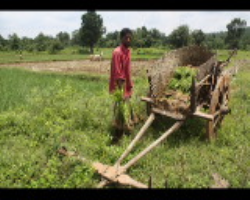
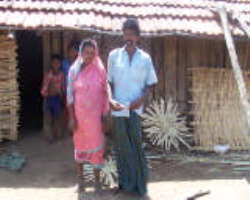
Basically, houses in these areas are kuccha – made from mud and thatch – and the same fragile structures get damaged by rain and pests, making poor families even more insecure.
Sonjhari Jhareka communities surely live in the same Gond areas near rivers, so their houses must also have poor quality and lack basic facilities. Moreover, this pattern matches what we see in other nearby tribal villages.
Food habits and subsistence
As per research on Gond families in central India, their food mainly includes coarse grains, seasonal vegetables, forest roots and leaves, but they have less access to dal, milk and meat due to poverty and irregular income.
A study on livelihood problems in Gond areas of Sagar district found that 86 percent people cannot get two full meals daily, which further shows serious undernutrition issues. This situation itself highlights the poor living conditions in these communities.
The Sonjhari Jhareka sections are surely more vulnerable to food insecurity since they are economically poor and few in number among the Gond people. Moreover, their situation becomes worse when their river-based income changes due to seasonal variations or environmental damage.

Religion and belief system
The Gond Sonjhari people surely worship their ancestors and believe these spirits can protect or punish their families. Moreover, this shows they have a strong tradition of honoring their forefathers.
Also, we are seeing that their stories about Mahadeo and Parvati, and about gold falling from sky during Alha and Udal’s fight, show they have accepted Hindu gods and heroes but only mixed them with their old tribal beliefs.
Basically, Sonjhari Jhareka people worship ancestors and local gods of rivers and forests, plus some Hindu gods – this is the same pattern you see in most central Indian tribal communities.
Rituals and life cycle practices
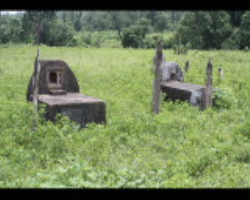
We are seeing that the Gond Sonjhari people bury their dead people in the ground, which is different from other Hindu groups who only burn the dead bodies.
Basically, burial means the body goes back to earth and the spirit stays active with ancestors, so people need to keep doing the same offerings and rituals to keep them happy.
Further, further research on older district studies shows death pollution periods and ritual cleansing practices among tribal groups in the region itself. Sonjhari Jhareka would likely follow similar observances, though specific descriptions about this community are limited in available sources.
Festivals and seasonal rituals
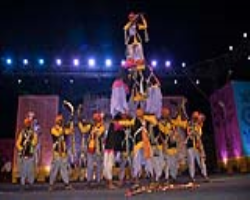
There is little published information about Sonjhari festivals, but they live in a cultural area where Gond and other tribes celebrate festivals like Karma, Sarhul, Holi, Diwali and Dussera. These festivals further combine farming cycles with worship of village and forest deities itself.
In these places, we are seeing that ritual timing only follows farming seasons and monsoon patterns, and for gold washing groups the river water levels going up and down also decides when they can work and when they focus more on rituals or daily wage work.
Basically, the Sonjhari Jhareka groups follow the same ritual calendar that matches both the farming seasons of nearby cultivators and the water cycles that affect their work.
Community councils and customary law
As per accounts, Gond Sonjhari have their own traditional council that solves problems and leads the community. This shows they have their own self-rule system along with the official panchayat bodies regarding community matters.
These councils actually have older men and respected people from different family groups who definitely decide on fights about marriage, land, breaking customs and dealing with outsiders.
They actually make people follow decisions through community pressure and ritual punishments.
These traditional systems surely help the small and spread-out Sonjhari Jhareka community stay united and follow their rules even when they face money problems and are ignored by the government. Moreover, such institutions keep the group together despite outside pressures.

Relations with neighbouring communities
In Chhattisgarh, we are seeing that the Jhora people who wash gold are selling their gold pieces only to local shop owners and jewellery makers, making them depend on these small town traders for bargaining.
A video about Sonjhari people in Baloda Bazar actually shows how different tribal groups are definitely known for their special work – like Agaria people work with iron and Korku people dig pits. The Sonjhari are actually the ones who “take gold from the river,” and this definitely puts them in a work pattern with other communities.
We are seeing that these connections help them join the local business world, but they only make their group identity stronger as skilled workers who are valued but have weak power to negotiate.

Socio economic challenges
We are seeing that Gond people face big problems with money because they don’t have steady work, no land, and only limited training for jobs, which means most families struggle to get enough food every day.
Sonjhari and Jhareka groups actually face two big problems – they are already behind like other tribal communities, and they definitely risk losing their river gold work if resources finish or government makes more rules against it.
Impact of modernisation and state policy
We are seeing that forest and land rules from British time till now have slowly stopped Gond people from using forest resources, and this has only changed their old ways of living, making them weak and starting protest movements.
As per development reports for Madhya Pradesh, Adivasi people living along the MP-Maharashtra border where many Gonds stay still face high malnutrition, poor sanitation and bad access to education and health services despite many government schemes.
Regarding these border areas, the situation remains difficult for tribal communities. Moreover, basically, for Sonjhari Jhareka people, new mining rules and dam projects change river water flow, making gold washing the same as less profitable work, even though they have legal protection as Scheduled Tribes.
Government initiatives and legal safeguards
As per the Constitution (Scheduled Tribes) Order, Sonjhari and Jhareka people get Scheduled Tribe status because they are listed under Gond tribe in Madhya Pradesh. Regarding their legal position, this status is made stronger by amendment acts and government notifications. Basically, this status gives them the same reservations in education and government jobs, plus protection under special laws like the SC/ST Act that applies to Scheduled Tribes across India.
Further, basically, Madhya Pradesh has state policies for tribal areas that focus on better infrastructure, education, health and livelihood support in districts with high tribal populations, which should help Sonjhari Jhareka communities the same way, though these policies rarely mention them specifically in program documents.
Gaps in documentation and research
Official documents surely list Sonjhari and Jhareka as Gond sub-groups in legal records. Moreover, these online sources provide almost no separate data about their population numbers, education levels, or income status.
Also, basically, most information about these people comes from old books like Russell’s 1916 work and some modern reports that focus on the same gold-washing work rather than describing their full culture.
Researchers must surely conduct detailed fieldwork to properly record how these communities use language, practice kinship, manage gender relations, perform rituals, and adapt their livelihoods. Moreover, this documentation needs to be thorough and current to capture all important changes.
Analytical overview
The evidence actually shows that Sonjhari Jhareka are definitely not a separate tribe but a small group within the larger Gond community who traditionally washed gold from rivers and are now changing their way of life quickly.
Basically, they get the same legal protection as Gonds, but their small numbers and different work make them easy to ignore in policies and research.
We are seeing that any future help for their welfare needs to understand both their Gond identity and their special dependence on rivers, mixing general tribal development steps with specific support for safer, sustainable livelihoods beyond only risky gold panning.
