
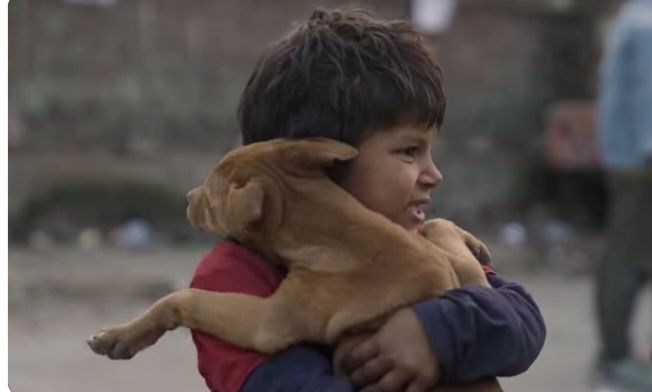
Ever wonder what it’s like to fall asleep on concrete while your stomach growls so loud it drowns out traffic? For 150 million children worldwide, this isn’t some thought experiment—it’s Tuesday night.
Street children struggle in ways most of us can’t comprehend. They navigate violence, hunger, and exploitation before most kids finish homework.
I spent three months documenting their lives across five countries. What I found wasn’t just heartbreak—though there’s plenty. I discovered resilience that would humble the toughest adults.
But here’s what keeps me up at night: these kids aren’t invisible because we can’t see them. They’re invisible because we’ve chosen not to look.
Understanding the Global Crisis of Street Children
Who are street children: Defining the vulnerable population
Some sleep rough every night, while others split their time between the streets and unstable housing. Many work in dangerous conditions selling trinkets, cleaning windshields, or begging just to survive. The harsh reality? Most are disconnected from education, healthcare, and protection.
The alarming statistics: Numbers that demand attention
The numbers are staggering – an estimated 100-150 million children live on streets worldwide. That’s roughly the population of Russia wandering without proper shelter or care.
What’s truly heartbreaking is how young some of these kids are – many are under 10 years old, facing dangers most adults would struggle to handle.
Root causes driving children to the streets
Kids don’t choose the streets – they’re pushed there by circumstances beyond their control:
- Family breakdown and abuse
- Extreme poverty where parents can’t provide basics
- Armed conflicts displacing families
- Death of parents from disease or violence
- Urbanization pulling rural families to city slums
- Discrimination against minorities or disabled children
The common thread? Adults and systems failing to protect them.
Geographic distribution: Where the crisis is most severe
Street children exist everywhere, but the problem hits hardest in:
- Urban centers across South Asia (India, Bangladesh, Pakistan)
- Major cities in Latin America (Brazil, Mexico, Colombia)
- Sub-Saharan Africa, especially in countries with high poverty rates
- Conflict zones in the Middle East
Even wealthy nations aren’t immune – you’ll find street children in the shadows of prosperity in New York, London, and Tokyo.
The highest concentrations typically occur where rapid urbanization collides with economic inequality and weak social support systems.
Daily Survival Challenges
A. Finding shelter and safety in hostile environments
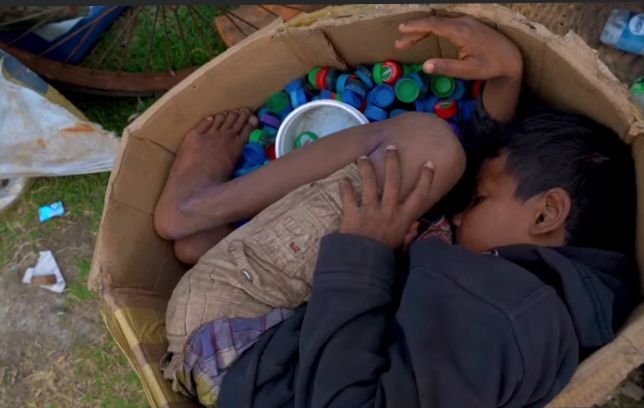
Ever tried sleeping with one eye open? That’s daily life for street children. They crawl into abandoned buildings, squeeze under bridges, or curl up in cardboard boxes. Not exactly five-star accommodations.
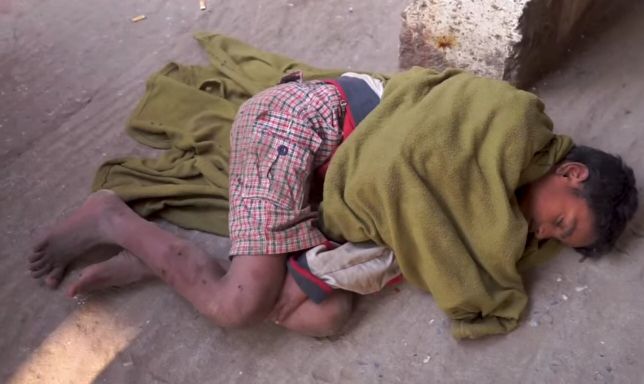
These kids develop a sixth sense for danger zones versus “safer” spots. A dry corner in a market might work until shop owners chase them away with brooms or worse. Some band together, creating makeshift families for protection, because strength in numbers isn’t just a saying—it’s survival.
Police sweeps are a constant threat. One minute you’re asleep, the next you’re running or thrown into detention centers that make the streets look appealing.
B. The constant search for food and clean water
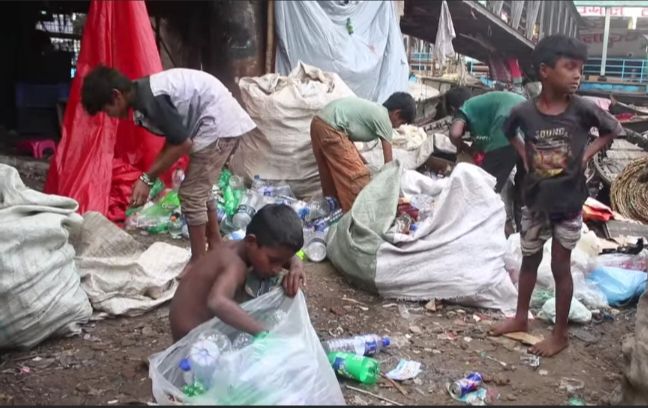
Hunger doesn’t wait for anyone. Street children spend hours hunting for anything edible—digging through trash bins behind restaurants, begging near food stalls, or working odd jobs for a single meal.
Clean water? That’s luxury living. Many drink from contaminated sources like drainage pipes or polluted rivers. When you’re dying of thirst, you don’t ask questions about water quality.
Some days are complete zeros—no food, no water. These kids learn to ignore stomach pains that would send most of us rushing to emergency rooms.
C. Health risks and lack of medical care
Street kids get sick. A lot. And when they do, there’s no mom with chicken soup or trips to the doctor.
Common health issues:
- Respiratory infections from pollution and poor shelter
- Skin diseases from lack of hygiene
- Malnutrition leading to stunted growth
- Untreated injuries becoming infected
When a street child develops a fever, they push through it. When they cut themselves on rusty metal, they wrap it in dirty cloth. Minor health problems escalate into life-threatening conditions without basic medical attention.
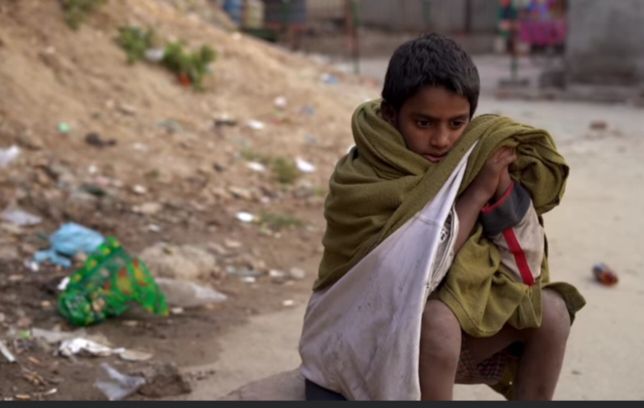
D. Exploitation and abuse threats
Street children might as well wear targets on their backs. Predators know these kids have no one to protect them, no one to report to.
They’re forced into criminal activities—pickpocketing, drug dealing, or worse. Girls face horrific sexual exploitation. Boys aren’t safe either. And the worst part? Society often views them as criminals rather than victims.
Police sometimes demand bribes or “protection money.” Older street gangs extract payments too. It’s a constant cycle of exploitation with no escape route.
E. Weather extremes and physical dangers
Rain isn’t romantic when you’re drenched with nowhere to dry off. Extreme heat isn’t “beach weather” when you’re baking on concrete with no shade.
Summer means dehydration and heatstroke. Winter brings hypothermia and frostbite in colder regions. Monsoon seasons flood their sleeping spots and wash away their few possessions.
Traffic poses constant danger as they navigate busy streets. Construction sites where they seek shelter collapse. Dogs attack them. The urban environment itself becomes a daily obstacle course where one wrong move could be their last.
Psychological and Emotional Impact
A. Trauma and its long-term consequences
Kids living on streets don’t just face physical dangers—they’re drowning in psychological wounds too. Daily survival isn’t just about finding food; it’s about processing violence, abuse, and abandonment they’ve witnessed or experienced.
Their developing brains simply aren’t equipped to handle this constant stress. The brain literally rewires itself in survival mode, making it harder to trust others or regulate emotions. This isn’t temporary—these changes can stick around for decades.
Street children often show symptoms similar to combat veterans: hypervigilance, nightmares, emotional numbness, and unpredictable anger outbursts. When you’re constantly scanning for threats, there’s little mental space left for learning or building relationships.
B. Identity formation on the streets
Who are you when society pretends you don’t exist?
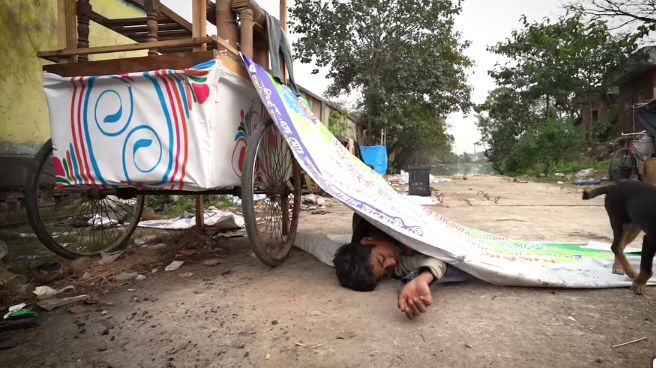
Street children create makeshift identities from scraps of belonging. The street gang becomes family. Survival skills become sources of pride. But there’s a cruel trade-off—acceptance within street culture often means isolation from mainstream society.
Many kids internalize the labels thrown at them—”criminal,” “addict,” “worthless.” These become self-fulfilling prophecies that echo long after they’ve left the streets. Others develop tough exteriors that mask deep vulnerability—a survival strategy that makes genuine connection nearly impossible later in life.
C. Coping mechanisms and resilience
Street kids are masters of adaptation. They develop incredible resourcefulness that would impress any survival expert. Some find escape through substances, others through creating tight bonds with fellow street children.
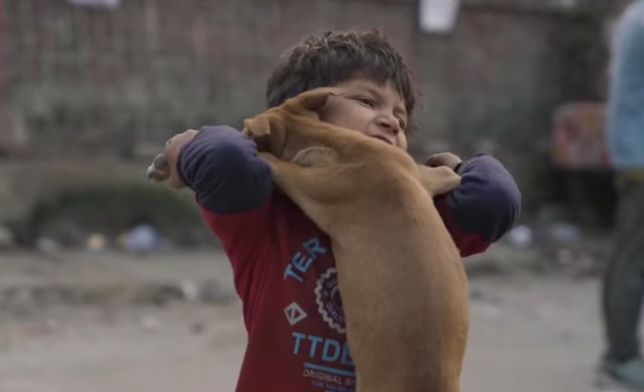
Many develop a dark humor about their circumstances—a psychological shield against overwhelming reality. Others find meaning through protecting younger children or pets, giving them purpose amid chaos.
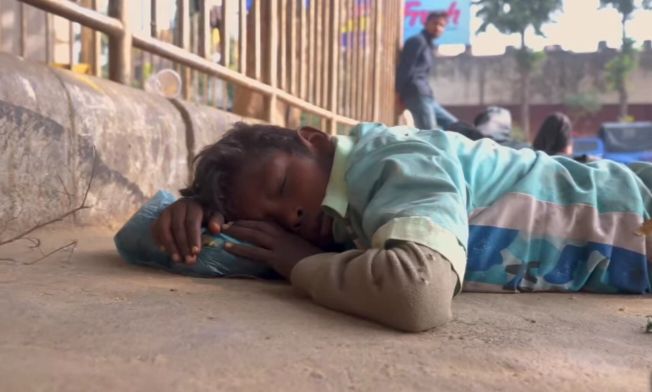
The most remarkable thing? Despite everything thrown at them, many street children show extraordinary resilience. Given even minimal support and opportunity, they can rebuild their lives. This isn’t just wishful thinking—it’s documented in countless rehabilitation programs worldwide.
The trauma runs deep, but so does the human capacity to heal and grow beyond circumstances that would break most adults.
Educational Deprivation
Barriers to accessing formal education
Education? Not even on the radar for most street children. They’re too busy trying to survive each day.
Think about it. How can a kid focus on math when they haven’t eaten in 24 hours? Or worry about homework when they don’t know where they’ll sleep tonight?
The barriers are massive:
- No identification documents (birth certificates, ID cards)
- Can’t afford school fees, uniforms, or supplies
- Need to work during school hours to survive
- Constant mobility makes consistent attendance impossible
- Discrimination and bullying when they do try to attend
Many schools flat-out reject these kids. “Too dirty.” “Bad influence.” “Unpredictable attendance.” The excuses pile up while potential withers.
The cycle of illiteracy and poverty
This is where things get ugly. No education leads to no skills. No skills means only the most basic survival jobs – if they’re lucky.
The math is brutal:
- No education = limited job prospects
- Limited jobs = continued poverty
- Poverty = next generation faces same barriers
We’re talking about generations trapped in this cycle. A street child today becomes an illiterate adult tomorrow, whose children face the same impossible choices.
Alternative learning approaches that work
Traditional classrooms don’t cut it for street kids. But that doesn’t mean they can’t learn.
Mobile schools bringing education directly to where children live and work are game-changers. These programs understand the realities:
- Flexible schedules accommodating work hours
- No uniform requirements or prohibitive fees
- Practical skills taught alongside basic literacy
- Trauma-informed teaching methods
- Peer education models where older street youth teach younger ones
Non-formal education centers offering drop-in learning opportunities show incredible results. They meet kids where they are – physically and emotionally.
Some programs integrate income-generating activities with education, recognizing that learning can’t happen on an empty stomach.
Breaking the Cycle: Effective Interventions
A. Outreach programs that build trust
Trust doesn’t happen overnight, especially with kids who’ve been let down by adults repeatedly. The most successful outreach programs meet street children where they are—literally. Mobile health clinics, street educators, and night outreach teams make first contact without demands or judgment.
In Rio de Janeiro, the “Approach Team” offers simple things first: a bandage, clean water, or just a genuine conversation. They don’t push kids to leave the streets immediately. Smart, right? Because forcing solutions on someone who’s survived by their own rules usually backfires.
What works is consistency. Show up at the same time, same place, week after week. When a street kid sees you’re not just another disappearing adult, walls start coming down.
B. Rehabilitation and reintegration strategies
The path from streets to stability isn’t a straight line. Drop-in centers serve as crucial middle ground—safe spaces offering showers, meals, and medical care without requiring kids to commit to leaving street life.
Trauma-informed care is non-negotiable here. These kids have seen things no child should. Programs that work address the emotional wounds first, then tackle behavioral issues.
The step-by-step approach works best:
- Short-term shelter with minimal rules
- Transitional housing with gradual structure
- Community integration with ongoing support
C. Family strengthening initiatives
Here’s the uncomfortable truth: sometimes returning kids to their original families isn’t the answer. But when it’s possible, family reconciliation offers the most sustainable solution.
Effective programs work both sides of the equation:
- Mediation between children and parents
- Parenting skills training for families
- Economic support to address poverty drivers
- Addressing issues like substance abuse or domestic violence
In Uganda, family strengthening programs reduced street migration by 78% in targeted communities by combining economic empowerment with parenting workshops.
D. Vocational training and economic empowerment
Street kids aren’t looking for handouts. They’re hustlers by necessity. Good programs channel that survival energy into legitimate opportunities.
Skills training works when it’s:
- Matched to real market demands
- Taught by mentors who understand street life
- Paired with life skills education
- Connected to actual job placement
Microloans and savings programs designed specifically for young people show impressive results. In India, a program combining vocational training with small business grants saw 65% of former street youth running sustainable small enterprises within two years.
The key? Dignity. Programs that treat these kids as capable future contributors rather than victims break the cycle permanently.
Policy and Advocacy
Legal frameworks protecting street children
Kids living on the streets deserve the same rights as any other child. The UN Convention on the Rights of the Child is probably the biggest shield these kids have – all but one country in the world signed it. But here’s the problem: having laws on paper doesn’t mean much when nobody enforces them.
Many countries have beautiful-sounding child protection laws that specifically mention street children. India’s Juvenile Justice Act and Brazil’s Child and Adolescent Statute look impressive in legal documents. But walk through the streets of Mumbai or Rio, and you’ll see a completely different reality.
The gap between what’s written and what’s happening is enormous. Street kids are still being rounded up during “city beautification” efforts. They’re still being treated as criminals instead of victims.
Government responsibilities and failures
Governments love making promises. They’re not so great at keeping them.
The harsh truth? Most governments are failing street children spectacularly. Budget allocations for child welfare programs are pitiful in most countries where street children exist in large numbers. When economic pressures hit, guess whose programs get cut first?
Even worse, some governments actively contribute to the problem. Police harassment, arbitrary detention, and “street cleaning” operations before tourist seasons or major events are shamefully common. In many cities, authorities see street children as a public nuisance rather than vulnerable citizens deserving protection.
The role of international organizations
UNICEF, Save the Children, and other international organizations fill crucial gaps where governments fall short. They provide emergency services, fund local NGOs, and collect vital data that helps understand the scope of the problem.
These organizations bring both resources and expertise. When a local program succeeds, international organizations can help scale it and replicate it elsewhere. They also leverage their reputation to pressure governments into action.
But international aid has its limits. Foreign-designed programs sometimes miss cultural nuances. And dependency on external funding creates vulnerability when donor priorities shift.
Advocacy campaigns making a difference
Some campaigns are actually moving the needle on this issue.
The “Street Child World Cup” coincides with the FIFA World Cup and uses soccer to humanize street children and challenge stereotypes. Since its inception, participating countries have seen concrete policy changes following the visibility it created.
Social media campaigns like #IAmAStreetChild have amplified the voices of former street children who’ve overcome their circumstances. These first-person narratives are powerful in changing public perception.
Local advocacy efforts often make the biggest difference. In Kenya, former street youth formed their own advocacy network that successfully pushed for changes in police treatment of homeless children.
The most effective campaigns don’t just raise awareness—they create specific, actionable demands and then relentlessly push for implementation.
Success Stories and Hope
A. Former street children who transformed their lives
Ever heard about Iqbal? At 10, he was sleeping under bridges. Today, he runs a nonprofit helping kids just like him.
These aren’t fairy tales—they’re real transformations happening every day.
Take Maria from Brazil. After three years on the streets, a local arts program discovered her talent for painting. Now her work sells in galleries, and she mentors other young artists from similar backgrounds.
Or consider Jackson, who went from picking trash to graduating college with honors. “The streets taught me resilience,” he says. “But someone believing in me taught me possibility.”
What’s their secret? Usually a combination of three things: one caring adult who wouldn’t give up, access to education, and their own fierce determination.
B. Community-based solutions showing promise
The most effective programs aren’t dropping help from helicopters—they’re growing from within communities.
Family reunification projects in Philippines have reduced street child populations by 30% in certain areas. Their approach? Working with both the child AND family to create sustainable solutions.
Neighborhood watch networks in Kenya have created “safe zones” where children can sleep without fear of violence or police harassment.
Community kitchens run by former street youth in Bolivia serve meals while offering job training. They’re tackling hunger today while building skills for tomorrow.
The common thread? These solutions treat communities as partners, not problems.
C. Innovative NGO approaches
Some organizations are flipping the script on how we help street children.
Mobile schools—literally education on wheels—are meeting kids where they are in India and Colombia. They recognize that a child searching for food can’t attend traditional school.
Trauma-informed care programs are replacing discipline-first approaches, understanding that behavior issues often stem from survival adaptations.
Digital identity initiatives are helping invisible children become visible, giving them access to healthcare and education previously denied.
“The old model was ‘rescue and rehabilitate,'” explains veteran aid worker James Morton. “The new approach is ’empower and enable.'”
D. How individual actions create meaningful change
You’re not powerless in this fight.
Small business owners in Mexico City who hire former street youth report higher loyalty and work ethic. One restaurant owner told me, “These kids understand opportunity in ways others don’t.”
Volunteer mentorship programs show dramatic results—just four hours weekly can increase a child’s chances of leaving street life by 60%.
Even simpler actions matter. That woman in Thailand who started bringing extra lunches to kids at the train station? She’s now feeding 50 children daily through a network of neighbors.
The ripple effects are real. When one child sees another escape street life, it creates a powerful “possibility model” that can transform an entire community.
The plight of street children represents one of the most heartbreaking humanitarian crises of our time. As we’ve explored, these vulnerable young people face brutal daily survival challenges, profound psychological trauma, and systematic educational deprivation that perpetuates their marginalization. The interventions that show the most promise combine immediate support with long-term solutions that address root causes of homelessness and abandonment.
Each of us has a role to play in breaking this cycle of suffering. Whether through supporting organizations that provide direct assistance, advocating for policy changes, or simply raising awareness about the reality street children face, our collective actions can create meaningful change. The success stories highlighted throughout this article demonstrate that with proper support and opportunity, street children can overcome incredible adversity and build fulfilling lives—proving that no child’s potential should ever be discarded.
