
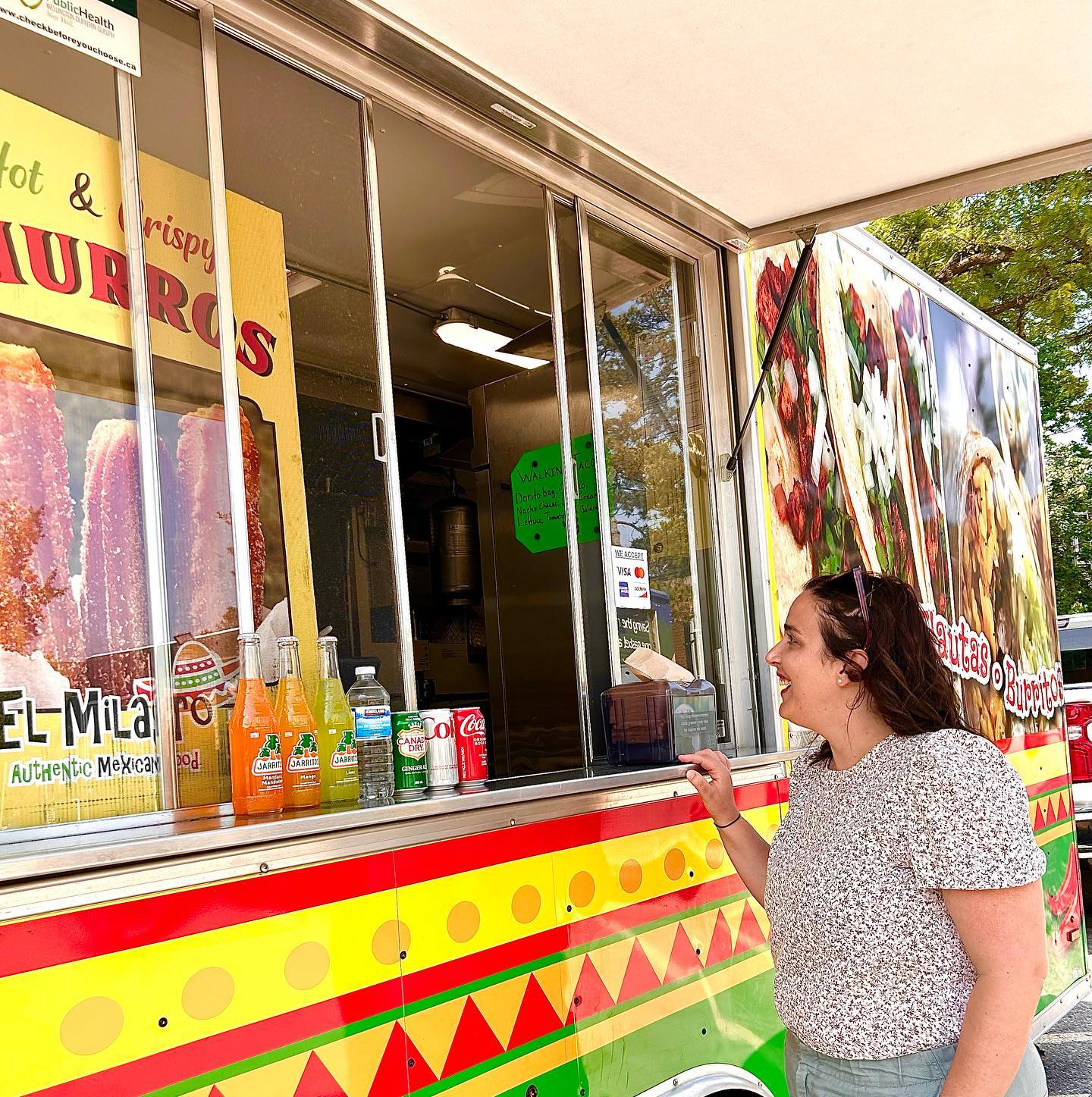
Ever noticed how the humble food truck has become the new culinary rockstar in India? From Bengaluru’s tech parks to Mumbai’s beach front, these mobile kitchens are rewriting street food culture across the country.
Thank you for reading this post, don't forget to subscribe!I’m about to walk you through the hottest street food truck trends in India that are making traditional chaat stalls do a double-take.
But here’s what nobody’s talking about: the invisible economic revolution these four-wheeled restaurants are quietly driving in tier-two cities.
The Rise of Food Trucks in India’s Urban Landscape
How global street food trends sparked India’s food truck revolution
What really kicked things into high gear was social media. Food trucks became cool. Young entrepreneurs realized they could start a food business without the massive investment of a brick-and-mortar restaurant. And customers loved the novelty, the casual vibe, and the chance to try new foods without breaking the bank.
Popular food truck hubs in major Indian cities
Curious where to find the best food trucks? Each major city has its own hotspots:
In Mumbai, check out Bandra’s Carter Road and BKC, where dozens of trucks gather on weekends. Delhi’s got hubs in Connaught Place and Hauz Khas Village where the young crowd flocks for late-night munchies.
Pune and Hyderabad aren’t far behind either, with growing communities of food trucks that have loyal followings.
Key statistics on food truck growth over the past 5 years
The numbers tell the real story here:
- Food truck registrations jumped 140% between 2018-2023
- Average monthly revenue increased from ₹1.5 lakhs to ₹4.2 lakhs per truck
- Customer base expanded by 200%, with 18-35 year olds making up 70% of customers
- Investment required dropped by 30% compared to traditional restaurants
- Average ROI timeline shortened from 24 months to 14 months
Most food trucks break even within 10-12 months now, compared to 2-3 years for small restaurants.
Economic factors driving the food truck boom
Why is this trend exploding? It’s all about economics.
Commercial real estate prices in urban India have skyrocketed, making traditional restaurants impossibly expensive for young entrepreneurs. Food trucks need just 10-15% of the capital required for a small café.
The gig economy and changing work patterns have created demand for flexible, interesting food options. And COVID-19 actually helped – outdoor dining became preferable, and many chefs who lost restaurant jobs started their own mobile businesses.
The regulatory environment has also improved. Cities like Bangalore and Mumbai have created specific licensing frameworks for food trucks, bringing what was once a gray-area business into the mainstream.
Most importantly, food trucks let owners test concepts with minimal risk. If a cuisine or location isn’t working, they can literally drive somewhere else and try again tomorrow.
Fusion Cuisine: The Heart of Indian Food Truck Innovation
Traditional regional dishes with modern twists
The magic happens when street food vendors take grandma’s recipes and flip them on their head. Seen those food trucks serving Kolkata’s kathi rolls with Korean gochujang sauce? That’s what I’m talking about.
Indian food truck chefs aren’t just cooking – they’re storytelling through food. Take Mumbai’s vada pav getting reimagined with activated charcoal buns and cheese-stuffed potato patties. Or Lucknowi kebabs served as tacos with mint-cilantro aioli instead of traditional chutney.
The brilliance is in keeping the soul of the dish intact while playing with presentation and flavor profiles. Food trucks in Bangalore are serving deconstructed dosas where the crispy crepe, potato filling, and chutneys come as separate components for DIY assembly.
Global-Indian fusion concepts winning customer loyalty
Food truck owners who’ve cracked the fusion code are killing it with repeat customers. The trucks combining butter chicken with pizza or stuffing biryani into burritos? Always surrounded by hungry crowds.
What’s working isn’t random fusion but thoughtful combinations:
| Fusion Concept | What Makes It Special |
|---|---|
| Tandoori Tacos | Tandoori chicken in soft corn tortillas with raita |
| Curry Ramen | Traditional Indian curries as ramen broth |
| Masala Burgers | Beef/veggie patties with garam masala and mint chutney |
How chefs are reinventing street classics for contemporary palates
Today’s food truck chefs aren’t just cooks – they’re food scientists. Many have ditched corporate jobs or trained at culinary schools before hitting the streets.
They’re reducing oil content in traditional pakoras without sacrificing that satisfying crunch. They’re incorporating superfoods like millets into street classics. Chaat is getting molecular gastronomy treatments with spherified yogurt and tamarind foam.
The modern Indian palate wants familiar flavors but lighter preparations. That’s why trucks serving mini uttapams with unconventional toppings like avocado or jackfruit are thriving.
Smart chefs know that Instagram-worthy presentation matters as much as taste. Colorful plating, unusual serving vessels, and interactive elements have become signature moves in India’s food truck revolution.
Technology Revolutionizing the Food Truck Experience
Mobile ordering and payment solutions transforming customer service
Gone are the days of standing in long lines at food trucks. Mobile ordering apps have changed the game completely. Customers now grab their phones, scroll through menus, customize their orders, and pay—all before they even reach the truck.
Indian food truck operators who’ve embraced this tech are crushing it. Their customers place orders while still at work and swing by to pick up without the wait. It’s a win-win—customers save time and trucks serve more people.
Payment solutions have evolved too. From basic card readers to QR-based UPI payments through PhonePe, Google Pay, and Paytm, the cashless revolution is fully underway in India’s food truck scene.
The real magic happens with customer data. These systems track ordering patterns and preferences, helping trucks tweak their menus based on what actually sells. One Mumbai truck owner told me his sales jumped 30% after analyzing which fusion dishes people ordered most at different times of day.
Social media marketing strategies that drive food truck success
Instagram is basically the unofficial food truck marketing platform now. The visual nature makes it perfect for showcasing those drool-worthy shots of sizzling pav bhaji or colorful fusion tacos.
Smart food truck owners in cities like Bangalore and Delhi aren’t just posting random food pics. They’re crafting stories around their journey, introducing their chefs, and showing behind-the-scenes prep videos that create emotional connections.
Location announcements through Instagram Stories and Facebook posts have become crucial. Food trucks changing locations keep followers updated with creative countdowns building anticipation.
User-generated content is pure gold. Encouraging customers to tag the truck in their posts provides authentic marketing that money can’t buy. Some clever trucks offer small discounts for customers who post their experience.
Collaborations with local influencers and food bloggers amplify reach exponentially. Even micro-influencers with dedicated foodie followings can drive serious traffic to a new truck location.
GPS tracking and real-time location updates
Food trucks are mobile—that’s their whole thing. But this mobility used to create confusion. Not anymore.
GPS tracking integrated with social platforms and dedicated apps has transformed how customers find their favorite trucks. Most successful Indian food trucks now share their real-time locations, creating a treasure hunt vibe that customers love.
The tech isn’t just for customers though. Fleet management systems help truck owners optimize routes based on traffic patterns, event schedules, and even weather conditions. A Pune-based food truck owner cut fuel costs by 20% after implementing smart routing.
Some innovative trucks have gone further with geofencing marketing. When potential customers enter a certain radius, they receive push notifications with special offers. It’s targeted marketing at its finest.
Cloud kitchens and food truck partnerships
The partnership between brick-and-mortar cloud kitchens and food trucks represents one of the most exciting developments in India’s street food scene.
Food trucks face limited prep space and storage challenges. Enter cloud kitchens. These centralized production facilities let trucks prep ingredients, test recipes, and store supplies without cramming everything into the truck.
This hybrid model gives trucks operational flexibility they never had before. Many can now focus on final cooking and presentation at the truck while handling prep work at their kitchen partner facilities.
During monsoon season—traditionally tough for outdoor food businesses—this partnership really shines. Trucks can pivot to delivery-only through their cloud kitchen partners without losing revenue during downpours.
Digital loyalty programs boosting repeat business
The days of paper punch cards are long gone. Digital loyalty programs have become essential tools for food trucks building customer retention.
These programs track purchases, award points, and deliver personalized offers directly to customers’ phones. The best part? They collect valuable data showing exactly what keeps people coming back.
Some savvy food trucks in metros like Mumbai and Delhi have implemented tiered loyalty systems with exclusive perks for frequent visitors. Early access to new menu items, special event invitations, and priority service make customers feel like VIPs.
Gamification elements add another dimension. Points, badges, and leaderboards tap into customers’ competitive nature, turning regular eating into a rewarding experience. One Chennai-based food truck saw 40% higher retention after adding achievement levels to their loyalty app.
Sustainability Practices Gaining Traction
Eco-friendly packaging solutions in the street food scene
The plastic nightmare is finally ending on Indian streets. Food truck owners are ditching styrofoam plates and plastic cutlery for bagasse containers, banana leaf wraps, and paper straws.
Why the sudden change? Customers are demanding it.
I talked to Priya, who runs “Chaat Chariots” in Bengaluru. She switched to bamboo cutlery last year and says her regulars love it. “People actually thank me for not giving them plastic. Some even bring their own containers now.”
The cost? Higher initially, but smart truck owners are turning it into a selling point. Many are charging ₹5-10 extra for sustainable packaging, and surprisingly, nobody’s complaining.
Areca nut plates and bowls are taking over Delhi’s food truck scene. They’re sturdy, naturally decompose, and honestly, food just looks better on them.
Locally-sourced ingredients and farm-to-truck movements
Farm-to-truck isn’t just a fancy slogan anymore. Food trucks across Mumbai and Pune are partnering directly with local farmers.
Rohan’s “Roll With It” truck in Chennai displays the names and photos of farmers who supply his ingredients. “My veggies cost more but they’re harvested yesterday, not shipped across the country last week,” he explains.
The shift is happening because:
- Customers can taste the difference in freshness
- Social media exposure for “local sourcing” creates buzz
- Reduced transportation costs offset higher produce prices
Several food truck festivals now require vendors to source at least 60% of ingredients locally to participate.
Energy-efficient equipment and solar-powered trucks
The real game-changers? Solar panels on truck roofs.
“My electricity bills dropped by 70% after installing panels,” says Vikram, who runs “Kebab Kings” in Hyderabad. His truck uses solar power for refrigeration and lighting, only using gas for cooking.
A growing number of trucks are using:
- Induction cooktops instead of gas stoves
- LED lighting systems
- Energy-efficient refrigerators
- Smart power management systems
The initial investment runs between ₹75,000-1,50,000, but most owners recover costs within 18-24 months through savings.
In Ahmedabad, the food truck association has partnered with a clean energy startup to offer discounted solar conversions. Already 35 trucks have made the switch.
The coolest part? Trucks are turning these eco-friendly moves into marketing gold. Customers are actively seeking out and supporting sustainable food trucks.
Navigating Regulations and Challenges
Current licensing requirements across different Indian states
Running a food truck in India? Get ready for a wild ride through the bureaucratic jungle. Each state has its own set of rules, and navigating them can make your head spin.
In Delhi, you’ll need to juggle permits from the Municipal Corporation, a health trade license, and FSSAI certification. Mumbai takes it up a notch – they want all that plus a special hawking license from the BMC.
Bangalore seems a bit more food truck friendly with their simplified “mobile canteen license,” but don’t get too excited. The waiting period can stretch for months.
Here’s the kicker – some states don’t even have specific food truck regulations! You’re stuck cobbling together restaurant and street vendor permits that weren’t designed for wheels.
Hygiene standards and food safety certifications
The FSSAI registration isn’t just a fancy certificate to hang in your truck – it’s non-negotiable. Food truck owners need to register under the Food Safety and Standards Act, which means regular inspections and maintaining proper documentation.
Most owners don’t realize they need separate certifications for their central kitchen and their mobile unit. Double the paperwork, double the fun!
And those surprise health inspections? They’re looking at everything from your water storage methods to how you manage waste disposal in a tiny mobile kitchen.
Parking restrictions and zoning laws affecting operations
Finding a legal parking spot for your food truck is like hunting for a unicorn in urban India. Most cities have “no-vending zones” that cover the most profitable locations.
In Mumbai, you can’t park within 100 meters of schools, hospitals, or religious places. Delhi restricts food trucks from operating in residential areas after 10 PM. And Hyderabad? They’ve got these constantly changing “temporary vending zones” that’ll drive you crazy.
The real problem is outdated city planning that never considered food trucks as legitimate businesses. You’re fighting against regulations from the 1960s that never imagined a thriving food truck scene.
Industry associations advocating for food truck friendly policies
The National Association of Street Vendors of India (NASVI) has started including food truck owners in their advocacy work, fighting for designated food truck parks in major cities.
The newly formed Food Truck Association of India is making waves too. They’ve successfully lobbied for simplified licensing in Pune and are working on a unified permit system that would be valid across multiple cities.
Smart food truck owners are banding together in local associations, sharing legal resources and amplifying their collective voice. When city officials in Bangalore tried implementing restrictive new parking rules last year, it was the Bangalore Food Truck Alliance that stopped it cold through coordinated action.
These groups are slowly changing perceptions, showing officials that food trucks aren’t just trendy—they’re legitimate businesses creating jobs and tax revenue.
Investment and Business Models
A. Startup costs and ROI expectations for new entrepreneurs
Starting a food truck in India isn’t cheap, but it’s way more affordable than opening a restaurant. Most entrepreneurs need between ₹10-20 lakhs to get rolling. This covers your truck purchase (or modification), kitchen equipment, permits, initial inventory, and branding.
Here’s a quick breakdown:
| Expense Category | Typical Cost Range |
|---|---|
| Truck/Vehicle | ₹5-10 lakhs |
| Kitchen Equipment | ₹2-4 lakhs |
| Licenses & Permits | ₹50,000-1 lakh |
| Branding & Marketing | ₹50,000-1 lakh |
| Initial Inventory | ₹50,000-1 lakh |
ROI? If you’re hitting it right, expect to break even in 12-18 months. Most profitable trucks earn 15-25% net margins after all expenses. Your location strategy makes or breaks this timeline.
B. Franchise opportunities emerging in the food truck sector
The franchise boom has finally hit Indian food trucks. Established brands like Lalit Food Truck, Spicy Venue, and The Bombay Food Truck now offer franchise models starting at ₹15-25 lakhs.
What’s the appeal? You’re getting proven recipes, established brand recognition, and operational systems that work. First-time entrepreneurs love the reduced learning curve.
Royalty fees typically range from 5-8% of monthly revenue, with marketing contributions around 2-3%. The smart franchisors provide location analytics, staff training, and continuous menu innovation.
C. Corporate-backed food trucks vs. independent operators
The battle between corporate-backed trucks and indie operators is heating up across Indian metros.
Corporate-backed trucks come with deep pockets. They’re investing ₹25-40 lakhs per truck, running sophisticated marketing campaigns, and establishing prime location partnerships. Many restaurant chains now launch food trucks as brand extensions rather than standalone concepts.
Independent operators counter with authenticity and agility. They pivot menus faster, build genuine community connections, and often offer more innovative food. Their decision-making isn’t bogged down by corporate approvals.
The independents winning big are those focusing on hyperlocal specialties or fusion concepts that corporate trucks can’t replicate easily. Meanwhile, corporate trucks dominate events and catering segments where reliability and scale matter most.
India’s street food truck scene is evolving rapidly, transforming urban dining with innovative fusion cuisines that blend traditional flavors with global influences. Technology integration through digital payments, online ordering, and social media marketing has elevated the customer experience, while sustainability initiatives like eco-friendly packaging and locally-sourced ingredients are becoming industry standards. Despite regulatory hurdles, entrepreneurs are finding creative solutions to establish viable business models.
For aspiring food truck owners, the market offers tremendous potential with relatively low startup costs compared to traditional restaurants. The key to success lies in developing a unique culinary identity, embracing technology, and prioritizing sustainability practices. As this vibrant sector continues to grow, it represents not just a business opportunity but a meaningful contribution to India’s rich and diverse culinary landscape.
