
Ever bitten into a sizzling street taco only to spend the next day hugging your toilet? Yeah, not exactly the authentic cultural experience you were hoping for.
Street food safety tips aren’t just boring precautions – they’re your ticket to fearlessly exploring culinary adventures without the stomach drama afterward.
Those vibrant food stalls with locals lined up might look inviting, but navigating street food safety requires a bit more than just following the crowd.
I’ve sampled street eats across six continents (still working on Antarctica’s penguin-run food carts), and I’ve learned some non-negotiable rules the hard way.
What’s the one thing seasoned travelers do before joining that queue that makes all the difference? Let me tell you…
Know Before You Go: Researching Street Food Vendors
Identifying reputable vendors with health certifications
Ever noticed those small certificates or stickers some food carts display? They’re not just for show. These are health department certifications that prove the vendor meets local hygiene standards.
Before hitting the streets for your food adventure, check if your destination requires vendors to display these permits. Many cities worldwide now mandate visible health certificates.
Can’t spot a certificate? Just ask! Legitimate vendors are usually proud to share this information.
Reading online reviews and local recommendations
Your phone is your best friend when hunting for safe street food. Check specialized apps like Street Food Finder or even general platforms like TripAdvisor and Google Maps.
But here’s the real secret – locals know best. Strike up conversations with hotel staff, tour guides, or that friendly barista. Questions like “Where do you eat lunch?” often lead to hidden gems that are both delicious and safe.
Facebook groups dedicated to specific destinations are goldmines too. Join them a few weeks before your trip and observe what places get mentioned repeatedly.
Observing cleanliness of food preparation areas
The truth about street food safety is simple: you can see it with your own eyes.
Watch how vendors handle food and money. Are they using separate hands? Gloves? Do they have access to running water or hand sanitizer?
Check out their workspace. Clean surfaces, covered ingredients, and proper refrigeration are good signs. Raw and cooked foods should never mingle.
Pay attention to the garbage situation. Overflowing trash bins nearby? Probably not the best choice.
And don’t just stand in line – observe the operation for a few minutes. Does the vendor regularly clean their equipment? Do they wash their hands after handling raw ingredients?
Understanding peak hours for freshest food options
Timing is everything in the street food game.
High turnover means fresher ingredients. That busy stall with the line around the corner? There’s probably a good reason for it.
Morning markets (6-10 AM) often have the freshest ingredients, especially for meat and seafood dishes.
Lunch rush (12-2 PM) ensures nothing sits around too long.
Avoid vendors who appear to be selling leftover food from earlier in the day. If business is slow and you see the same pot of curry that’s been sitting there for hours, maybe look elsewhere.
The real pros know to arrive when vendors are just setting up – you’ll get the freshest options and can watch them prepare everything from scratch.
Visual Inspection Skills for Safer Street Food
Checking for proper food handling practices
Ever noticed how some street food vendors handle your food with bare hands while others use tongs or gloves? That’s your first clue about safety.
When you’re watching a vendor prep your food, look for:
- Clean utensils (not the same spoon for everything)
- Gloves or tongs for handling ready-to-eat foods
- Regular changing of gloves between tasks
- No touching money then food without washing hands
The best vendors never touch cooked food with bare hands. Period.
Assessing vendor hygiene and handwashing facilities
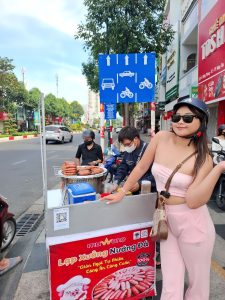
The vendor’s appearance tells you a lot. Clean clothes, tied-back hair, and trimmed nails aren’t just for show—they’re safety basics.
What to spot:
- Handwashing station with soap (huge green flag!)
- Vendors who wash hands after touching money
- Clean aprons
- No coughing, sneezing, or touching face while handling food
No handwashing facilities nearby? Major red flag. Move along.
Looking for proper storage of raw ingredients
Raw ingredients sitting in the sun all day? Recipe for disaster.
Good storage looks like:
- Refrigeration for perishables
- Covered containers protecting food from flies
- Separate storage for raw meats and ready-to-eat foods
- Ingredients stored off the ground
- Fresh ingredients (not wilted or discolored)
Remember: if raw meat is sitting at ambient temperature, bacteria are having a party at your expense.
Evaluating cooking temperatures and methods
Hot food should be HOT. Cold food should be COLD. Anything in between? Danger zone.
Watch for:
- Food being cooked thoroughly (no pink chicken!)
- Oil that doesn’t look dark and overused
- Foods kept at proper temperatures after cooking
- Vendors who reheat food until steaming
Sizzling oil and flames aren’t just for show—they’re killing potential pathogens.
Watching for cross-contamination risks
Cross-contamination is sneaky but visible if you know what to look for.
Red flags include:
- Same cutting board for raw meat and vegetables
- Same knife used for everything without washing
- Raw meat juices dripping onto other foods
- Wiping hands on dirty cloths then touching food
Smart vendors use color-coded cutting boards and separate prep areas. That’s the gold standard.
Smart Food Choices to Minimize Health Risks
A. Selecting freshly cooked items over pre-prepared foods
Ever notice how street food vendors who cook right in front of you tend to have longer lines? There’s a good reason for that. Foods cooked to order are simply safer than items sitting around for hours.
When that vendor fires up the grill or wok for your order, any harmful bacteria get zapped in the cooking process. Pre-prepared foods sitting in display cases? They’re basically bacteria playgrounds, especially in warm weather.
My rule of thumb: if you can watch them cook it, that’s your best bet. The sizzling sound of fresh ingredients hitting a hot surface isn’t just mouthwatering—it’s the sound of safety.

B. Choosing fully cooked meats and seafood
Raw or undercooked meat is playing foodborne illness roulette. Those pink centers in street food meat might look appetizing, but they’re not worth the potential consequences.
Look for meat that’s cooked through with clear juices, not pink or red. For seafood, shells should be open (for shellfish like mussels) and the flesh should be opaque and flaky.
Chicken deserves special attention—it should never be pink near the bone. When vendors are grilling chicken skewers, wait for the ones that have been on longer.
C. Opting for peelable fruits and vegetables
Fruits and vegetables with natural protective coverings are your street food friends. Bananas, oranges, mangoes—these come with their own food-safe packaging.
Think about it: a peelable fruit is basically nature’s hand sanitizer. You discard the outer layer that’s been exposed to handling and the environment.
For pre-cut fruits, skip them unless you’re at a vendor who keeps them refrigerated and covered. That watermelon slice might look refreshing, but if it’s been sitting out all day, keep walking.
D. Avoiding raw or undercooked ingredients in high-risk areas
Some foods just aren’t worth the risk in certain locations. Raw dishes like ceviche or rare meat preparations can be dicey, especially in areas with questionable water quality.
Raw egg sauces? Proceed with extreme caution. Those creamy dressings might contain uncooked eggs that haven’t been pasteurized.
Runny eggs and raw shellfish are particularly risky street food choices. In regions known for waterborne illnesses, these should probably be enjoyed in more controlled restaurant environments instead.
When traveling, adapt your street food choices to match local conditions. What’s safe in Tokyo might not be safe in a different location with different hygiene standards.
Personal Precautions While Enjoying Street Food
A. Carrying hand sanitizer and using before eating
Street food is amazing, but let’s talk real hygiene. Your hands touch money, railings, phones – then straight to that delicious taco? Not the best move. Bring a small bottle of hand sanitizer (60%+ alcohol) and use it right before eating. Takes 20 seconds, saves days of stomach trouble.
Think about it – most street food is finger food anyway. The vendors might be clean, but what about everything else you’ve touched while exploring?
B. Bringing your own utensils when possible
Collapsible travel utensils are a game-changer. Many street vendors wash their utensils in a single bucket of water that… well, gets pretty gross by midday.
Your own fork, spoon, and even chopsticks take up barely any space but give you peace of mind. Bamboo sets are lightweight and environmentally friendly – bonus points for reducing plastic waste!
C. Drinking bottled water instead of local tap water
Your gut isn’t prepared for the local microbes that locals have built immunity to over years. Stick to sealed bottled water, and check the seal is intact before drinking.
Remember this rule: if you can’t peel it, boil it, or it’s not sealed – skip it.
D. Avoiding ice in beverages in regions with water concerns
That refreshing iced tea might look perfect after walking around all day, but ice is just frozen local water. In many countries, the ice might be made from tap water that could upset your stomach.
The simple phrase “no ice please” in the local language is worth learning. Save yourself from spending vacation days in your hotel bathroom.
E. Eating during peak hours when turnover is highest
Empty food stalls should raise eyebrows. Busy stalls mean fresh ingredients and rapid turnover. Food sitting around all day waiting for customers? That’s asking for trouble.
Follow the locals – they know which vendors maintain standards and which cut corners. That stall with the line of locals at lunchtime? That’s your spot. Fresh food means safer food, every time.
Recognizing and Responding to Foodborne Illness
Identifying common symptoms of food poisoning
Ever scarfed down that amazing looking taco from a street vendor and then regretted it six hours later? Yeah, me too. Food poisoning is no joke, and knowing the signs can save you a world of hurt.
The symptoms usually hit fast – we’re talking anywhere from 30 minutes to 48 hours after eating. Your body basically screams “ABORT MISSION!” with:
- Stomach cramps that feel like someone’s wringing out your insides
- Nausea that comes in waves
- Vomiting (sometimes projectile – sorry for the visual)
- Diarrhea that keeps you bathroom-bound
- Fever and chills making you feel like you’re dying
- Headaches that pound like a drum
The tricky part? These symptoms can mimic other illnesses. But if you recently ate street food and suddenly feel like death warmed over, connect those dots.
Knowing when to seek medical attention
Most food poisoning passes on its own. You’ll feel awful for 24-72 hours, but you’ll survive. However, some cases need a doctor ASAP.
Head to the ER or urgent care if you experience:
- Diarrhea lasting more than three days
- Fever over 102°F (38.9°C)
- Blood in your vomit or stool (scary but important to notice)
- Signs of dehydration: extreme thirst, dry mouth, dizziness, decreased urination
- Difficulty keeping even small sips of water down for over 24 hours
Properly reporting unsafe vendors to local authorities
Found a sketchy vendor that left you hugging the toilet all night? Don’t just suffer in silence and vow never to return.
Report them. Seriously. You might save someone else from the same misery.
Most cities have health departments with specific processes for reporting food safety concerns. Look up your local health department’s website or call their non-emergency line. You’ll typically need:
- Vendor’s name and location
- Date and time you purchased food
- What you ordered
- Symptoms you experienced
- When symptoms started
- Any hospital/doctor visits you needed
Take photos if possible – they’re worth a thousand words to health inspectors. Many cities now have apps or online portals specifically for reporting food safety issues.
Remember – reporting isn’t about revenge. It’s about giving vendors a chance to correct problems and protecting other hungry folks from spending their vacation in the bathroom.
The Ultimate Street Food Safety Guide
Navigating street food scenes requires vigilance and smart choices. From researching vendors beforehand to developing sharp visual inspection skills, you now have practical tools to enjoy global cuisines with confidence. Remember to select freshly cooked hot foods, carry hand sanitizer, and trust your instincts when a stall doesn’t meet cleanliness standards.
Your street food adventures shouldn’t be hindered by safety concerns – they should be enhanced by them. By applying these preventative measures and knowing how to recognize potential foodborne illness symptoms, you’re well-equipped to embrace the vibrant world of street food while keeping yourself and your travel companions healthy. Happy (and safe) eating!
