
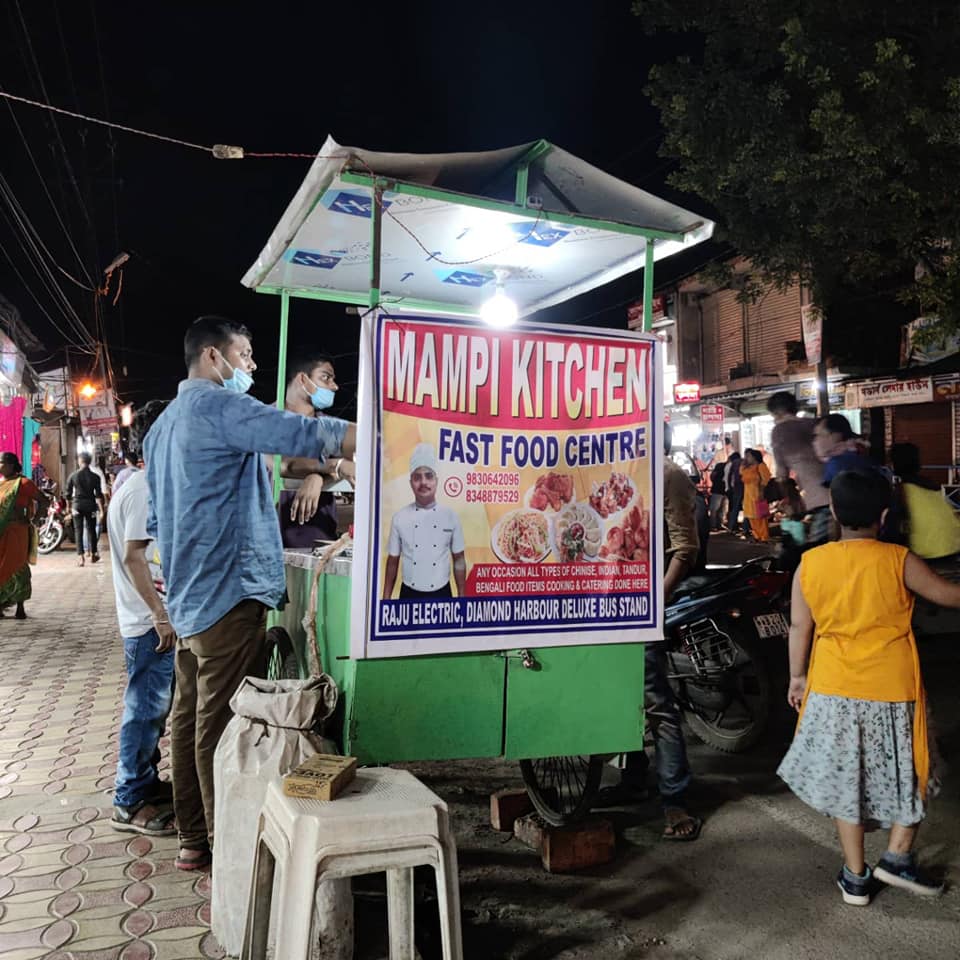
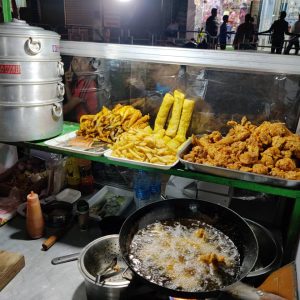
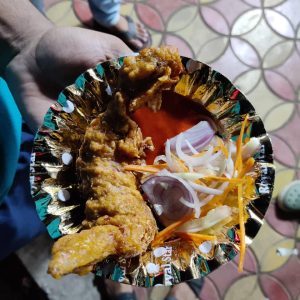
Ever wondered why that roadside pani puri stand has a longer queue than the five-star restaurant across the street? Despite knowing the hygiene risks, 76% of urban Indians regularly indulge in street food.
Let’s face it – nothing beats the flavor explosion of chaat or the comfort of a hot samosa on a rainy afternoon. But that deliciousness comes with invisible baggage.
By the end of this post, you’ll know exactly how to spot the safe vendors from the sketchy ones without sacrificing your street food adventures. But first, what exactly happens in those makeshift kitchens that health inspectors lose sleep over?
Current State of Street Food Hygiene in India
Regional variations in street food safety practices
Have you noticed how street food safety varies wildly across India? The contrast is striking.
In Kerala, vendors often use banana leaves as eco-friendly serving plates – not just traditional but actually more hygienic than reused plates. Meanwhile, in Gujarat, vendors frequently cover their carts with glass shields to protect food from dust and pollution.
But travel to parts of Bihar or Uttar Pradesh, and you might see completely open food displays with minimal protection from environmental contaminants.
The water source is another major differentiator. In metropolitan areas like Mumbai, many vendors now use bottled or filtered water, while in smaller towns, untreated tap water remains common.
Common hygiene challenges faced by vendors
Street food vendors battle uphill every day. Limited access to clean water tops their list of problems – how do you keep things clean when your water source is questionable?
Most vendors struggle with refrigeration too. Without consistent cold storage, ingredients sit at ambient temperature for hours – a paradise for bacteria.
Then there’s the economic reality. When you’re earning ₹300-500 daily, investing in stainless steel equipment or sanitizers feels like a luxury, not a necessity.
High-risk vs. low-risk street food options
Not all street foods carry equal risk. Here’s the breakdown:
| Higher Risk | Lower Risk |
|---|---|
| Golgappas/pani puri (raw water mixtures) | Freshly roasted corn |
| Cut fruits exposed to air | Piping hot pakoras straight from oil |
| Pre-cut salads | Items cooked at high temperatures |
| Chaat with uncooked chutneys | Dry snacks like mathri or sev |
| Ice-based desserts | Fresh bread items like kulchas |
The riskiest foods typically involve raw water, uncooked ingredients, or items sitting at room temperature for hours.

Recent improvements in urban centers
Urban street food is finally getting cleaner. The Food Safety and Standards Authority of India (FSSAI) launched their “Clean Street Food Hub” initiative in 2018, and it’s making a difference.
Delhi’s Chandni Chowk and Mumbai’s Juhu Chowpatty have seen vendors adopt uniforms, gloves, and covered displays. Many now proudly display their food safety certification.
Some municipalities have established designated zones with access to clean water and waste disposal facilities – transforming chaotic street corners into organized food courts.
The biggest change? Vendor training programs that teach basic microbiological principles, not just rules to follow.
Health Risks Associated with Poor Hygiene
Common foodborne illnesses from street food
Eating street food in India can be a gamble with your gut. The most common illnesses you’ll encounter are typhoid fever, cholera, hepatitis A, and good old food poisoning from bacteria like Salmonella and E. coli. These nasty bugs love hanging out in undercooked meats, contaminated water, and food that’s been sitting out too long in the heat.
Many travelers talk about “Delhi Belly” like it’s a rite of passage, but trust me – violent stomach cramps and dehydration can wreck your trip faster than you can say “panipuri.”
Contamination sources in street food preparation
The contamination problem starts way before the food hits your plate. Raw ingredients often come from questionable sources. Vendors typically work with:
- Unwashed hands touching everything from money to food
- Reused cooking oil that’s been heated past its safe point
- Water from untreated sources for cooking and washing
- Uncovered food exposed to dust, flies, and vehicle pollution
- Utensils washed in buckets of increasingly dirty water
The proximity to open drains and garbage doesn’t help either. And when vendors prepare everything in tiny carts without running water or refrigeration, you’ve got a perfect storm for contamination.
Vulnerable populations and health impacts
Not everyone rolls the dice with the same odds when eating street food. The stakes are much higher for:
- Young children under five with developing immune systems
- Elderly people with weakened natural defenses
- Pregnant women who need extra protection
- People with chronic illnesses or compromised immunity
- Foreign tourists lacking exposure to local microbes
The health impacts go beyond a day of discomfort. Repeated bouts of foodborne illness can lead to chronic gut inflammation, malnutrition (especially in children), and even stunted growth. For vulnerable groups, what starts as simple food poisoning can quickly escalate to severe dehydration requiring hospitalization.
Statistical overview of street food-related illnesses
The numbers tell a sobering story about street food safety in India:
- Approximately 100 million cases of foodborne diseases occur annually in India
- Nearly 40% of these cases trace back to street food consumption
- Children under 5 account for almost 30% of hospitalizations
- The economic cost? Roughly $12 billion annually between medical expenses and lost productivity
What’s particularly concerning is the underreporting. For every documented case, experts estimate 20-30 cases go unreported. Most people self-treat or just suffer through it.
Case studies of major outbreaks
Remember the 2010 Commonwealth Games in Delhi? Over 30 athletes fell ill after consuming street food near the games village. Tests confirmed contamination with multiple pathogens.
In 2018, a street food festival in Mumbai led to 87 hospitalizations when a popular chaat vendor used contaminated water in their preparations. Health officials traced it to a single water source that tested positive for fecal coliform bacteria.
More recently, a 2022 outbreak in Hyderabad affected over 60 people who ate from the same popular biryani cart. Investigation revealed improper storage temperatures allowed bacteria to multiply to dangerous levels in the pre-cooked rice.
These aren’t isolated incidents. They represent the tip of a very large iceberg of street food safety issues that affect millions daily across India.
Traditional vs. Modern Hygiene Practices
Time-tested food preservation techniques
Ever watched an elderly Indian vendor sprinkle that perfect amount of lemon juice on your chaat? They’re not just adding flavor – they’re using acids that naturally kill bacteria. Pretty smart, right?
Indian street food has survived centuries without refrigeration because vendors mastered preservation techniques long before modern science explained why they worked. Take pickling with mustard oil and spices – that combination creates an environment where harmful microbes simply can’t survive.
The smoking and slow cooking techniques used for tandoori items aren’t just for taste. When that seekh kebab gets that perfect char, it’s actually killing surface bacteria while sealing in moisture – a double win for safety and flavor.
Cultural practices that enhance food safety
The tradition of serving food on fresh banana leaves isn’t just Instagram-worthy – it’s genuinely hygienic. These natural plates contain antimicrobial compounds that actually fight bacteria.
Many vendors still insist on preparing food in small batches throughout the day rather than all at once. This isn’t inefficiency – it’s centuries of wisdom ensuring nothing sits around long enough to spoil.
Modern innovations adopted by vendors
Street food is evolving fast. Those plastic gloves and hair nets you now see everywhere? That’s vendors adapting modern sanitation standards while keeping traditional cooking methods intact.
Digital thermometers have become the new must-have for serious vendors. One minute they’re checking oil temperature the traditional way (tossing in a small piece of dough), the next they’re verifying with precise readings.
Many savvy vendors now showcase their food safety certifications prominently – something unheard of a decade ago. They’re pairing traditional knowledge with modern standards, creating the best of both worlds for hungry customers.
Regulatory Framework and Enforcement
National food safety regulations for street vendors
Ever tried a mouthwatering pani puri from a street cart and wondered about the safety standards behind it? India actually has a comprehensive framework governing street food vendors.
The Food Safety and Standards Authority of India (FSSAI) sets the national guidelines. In 2011, they introduced specific regulations for street vendors under the Food Safety and Standards Act, 2006. These rules cover everything from water quality to food handling practices.
The Street Vendors Act of 2014 was another game-changer. It recognized street food as a legitimate business and created provisions for vendors to operate legally while maintaining hygiene standards.
State-level differences in implementation
The reality on the ground? Total chaos. What works in Gujarat might be completely different in Tamil Nadu.
Some states have their act together. Maharashtra enforces strict compliance in urban centers, while Kerala has implemented a successful “Clean Street Food Hub” initiative in several districts.
Other states lag behind with spotty implementation. The differences are stark:
| State | Implementation Level | Notable Features |
|---|---|---|
| Kerala | High | Clean Street Food Hubs, regular training |
| Maharashtra | Medium-High | Strict urban enforcement, color-coded carts |
| Uttar Pradesh | Low-Medium | Limited resources, focusing on major cities |
| Bihar | Low | Minimal enforcement infrastructure |
Licensing and certification processes
Getting licensed as a street food vendor isn’t exactly a walk in the park.
Vendors must register with local municipal authorities and obtain a FSSAI license or registration certificate depending on their turnover. The basic registration costs ₹100 and is valid for 1-5 years.
The process typically involves:
- Application submission
- Basic food safety training
- Inspection of vending area
- Health check-up
- Payment of fees
Many vendors display their “Food Safety Display Board” (FSDB) proudly – it’s becoming a badge of honor and trust in competitive areas.
Challenges in monitoring and enforcement
Good luck trying to monitor millions of vendors across India’s vast landscape.
The numbers simply don’t add up. There’s an estimated 10 million street food vendors, but only about 3,000 food safety officers nationwide. Do the math – that’s one officer for roughly 3,300 vendors!
The challenges pile up:
- Vendors’ mobility makes consistent monitoring nearly impossible
- Limited resources for regular inspections
- Corruption undermining legitimate enforcement
- Low awareness among vendors about regulations
- Insufficient training programs reaching only a fraction of vendors
Despite these hurdles, there’s progress. Mobile testing labs and consumer reporting systems through apps are helping bridge the enforcement gap, but we’ve still got miles to go.
Best Practices for Safe Street Food Consumption
Identifying hygiene-conscious vendors
The street food scene in India can be overwhelming, but finding clean vendors isn’t rocket science. Look for stalls with a crowd of locals—especially families and office workers. They know who’s serving the good stuff without the stomach drama.
Watch how vendors handle food and money. The pros use separate hands for each or wear gloves. Vendors who cover their food with lids or nets and use tongs instead of bare hands are already winning at the hygiene game.
Clean workstations speak volumes. Fresh ingredients sitting in clean containers? Good sign. Dirty surfaces and flies having a party? Keep walking.
Foods with lower contamination risks
Not all street foods carry equal risk. Freshly cooked items served piping hot significantly reduce your chances of getting sick.
Go for:
- Deep-fried foods like samosas and pakoras
- Foods cooked right in front of you (think dosas and parathas)
- Dry snacks like roasted chana or bhel without wet chutneys
- Dishes with high acidity like tamarind-based items
Avoid:
- Pre-cut fruits sitting in the open
- Raw vegetables in chaats that haven’t been washed properly
- Anything with standing water or room-temperature gravies
Personal precautions for travelers and locals
Your own habits matter just as much as vendor selection. Carry a small bottle of hand sanitizer and use it religiously before eating anything.
Timing matters too. Morning vendors typically have fresher ingredients than those operating late at night with day-old supplies.
Trust your gut—literally and figuratively. If something tastes off, stop eating. Your body often warns you before problems start.
Consider building immunity gradually if you’re new to Indian street food. Start with simpler items from cleaner establishments before diving into the full experience.
What to avoid when selecting street food stalls
Red flags aren’t hard to spot once you know what to look for. Stalls near open sewers or garbage piles? Hard pass. These environments attract pests that contaminate food.
Vendors reusing oil until it’s darker than night coffee are cutting corners elsewhere too. That oil harbors toxins and bacteria from previous batches.
Watch out for those “too good to be true” prices. Quality ingredients cost money. If someone’s selling food at suspiciously low prices, they’re compromising somewhere—usually on hygiene.
Avoid stalls where vendors have dirty fingernails or unkempt appearances. Personal hygiene often reflects food handling practices.
Successful Hygiene Improvement Initiatives
A. Government-led street food zones
Have you seen those fancy food courts popping up in major Indian cities? That’s the government getting serious about street food hygiene.
In Delhi, the “Safe Food Street” initiative transformed chaotic vendor areas into organized zones with running water, waste disposal systems, and regular health inspections. Vendors who once operated in questionable conditions now have proper facilities.
Mumbai followed suit with its “Khau Galli Improvement Project” where 200+ vendors received dedicated spaces with basic infrastructure. The difference is night and day – clean cooking areas, proper garbage bins, and even hand washing stations.
What makes these zones work? Three things:
- Infrastructure support (water, electricity, drainage)
- Regular monitoring by food safety officers
- Vendor ID cards and certification
B. NGO training programs for vendors
NGOs are the unsung heroes in the street food safety revolution. Organizations like “Food Safety Connect” have trained over 5,000 vendors across India on basic hygiene practices.
Their approach is brilliantly simple – practical demonstrations rather than boring lectures. They show vendors how to:
- Store ingredients safely
- Use clean water for cooking and cleaning
- Maintain personal hygiene during food preparation
- Dispose of waste properly
The impact? Trained vendors report 30% more customers and 40% fewer complaints about foodborne illness.
C. Technology solutions for better hygiene
Technology is changing the game for street food safety. The “SwasthAahar” app lets customers scan QR codes to check vendor hygiene ratings before ordering.
Smart carts designed by IIT graduates feature:
- Solar-powered refrigeration units
- Built-in hand sanitizer dispensers
- UV sterilization for utensils
- Water purification systems
These innovations aren’t just fancy gadgets – they’re practical solutions that work in India’s challenging urban environments.
D. Community-based monitoring systems
Nothing motivates vendors like customer feedback. In Hyderabad, the “Clean Street Food” initiative uses a simple star rating system displayed prominently at each stall.
The genius part? The ratings come from local residents who volunteer as “food safety champions.” They conduct surprise checks using standardized checklists and update ratings monthly.
This peer pressure works wonders – vendors with low ratings typically improve within weeks to avoid losing business.
E. Vendor associations promoting self-regulation
The most sustainable changes come from within. Vendor associations in Ahmedabad and Pune have created their own hygiene standards that exceed government requirements.
The Ahmedabad Street Food Vendors Association established a remarkable system where:
- Vendors inspect each other’s stalls monthly
- Members pool resources to buy quality ingredients in bulk
- Top-performing vendors mentor those struggling with standards
- Violators face temporary suspension from prime locations
This self-regulation proves that when vendors take ownership of food safety, everybody wins – especially customers.
The journey through India’s street food scene reveals a complex landscape where tradition meets modern health challenges. While regulatory frameworks exist, their enforcement often falls short, leaving consumers to navigate hygiene concerns themselves. Successful initiatives like the Clean Street Food Hub program demonstrate that improvement is possible through education, infrastructure development, and community involvement.
Before your next street food adventure, remember to observe vendor practices, choose freshly prepared items, and trust your instincts about cleanliness. By making informed choices and supporting vendors who prioritize hygiene, you not only protect your health but also contribute to elevating standards across India’s beloved street food culture. The responsibility for safer street food ultimately rests with both vendors and consumers working together toward a more hygienic food environment.
