
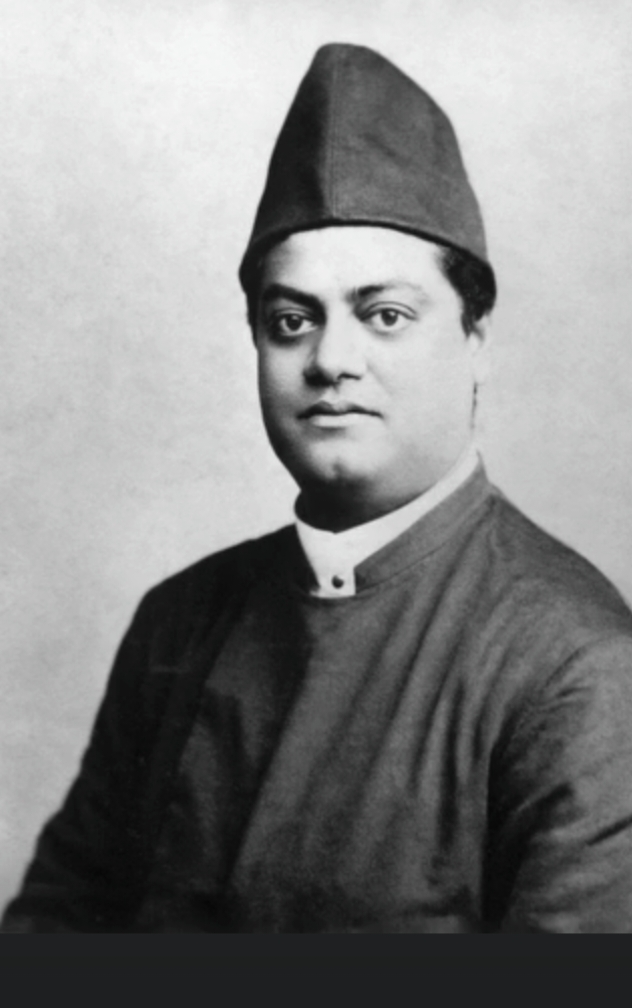

Introduction: Swami Vivekananda’s Unique Perspective
Swami Vivekananda, the charismatic Indian monk and philosopher, is widely known for his spiritual teachings and efforts to bridge Eastern and Western thought. However, his profound connection with science is often overlooked. Vivekananda’s unique perspective on the relationship between spirituality and scientific inquiry continues to inspire thinkers and researchers worldwide.
Thank you for reading this post, don't forget to subscribe!Vivekananda’s Scientific Approach to Spirituality
Swami Vivekananda was a firm believer in the power of reason and empirical evidence. He approached spirituality with a scientific mindset, encouraging his followers to question, experiment, and verify spiritual truths for themselves. This approach set him apart from many religious leaders of his time and continues to resonate with modern-day seekers.
Some key aspects of Vivekananda’s scientific approach to spirituality include:
- Emphasis on direct experience: Vivekananda urged people to experience spiritual truths firsthand rather than relying solely on scriptures or second-hand accounts.
- Rational inquiry: He encouraged critical thinking and logical analysis of spiritual concepts, rejecting blind faith and superstition.
- Universal principles: Vivekananda sought to identify universal spiritual principles that could be tested and verified across different cultures and belief systems.
- Integration of science and spirituality: He believed that science and spirituality were complementary paths to understanding the nature of reality.
The Intersection of Vedanta and Modern Science
Vivekananda’s interpretation of Vedanta philosophy, particularly Advaita Vedanta, found striking parallels with modern scientific discoveries. He saw Vedanta as a scientific approach to understanding the nature of consciousness and reality.
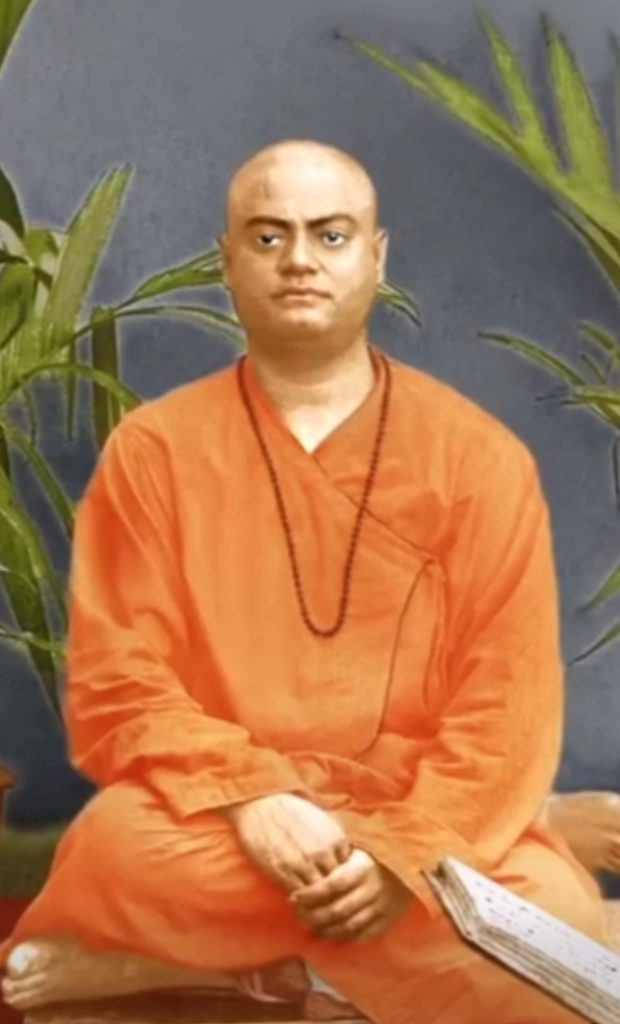
Some notable connections between Vedanta and modern science include:
- Unity of existence: Vedanta’s concept of non-dualism (Advaita) aligns with the scientific understanding of the interconnectedness of all matter and energy in the universe.
- Nature of consciousness: Vivekananda’s ideas on consciousness as the fundamental reality of the universe find echoes in quantum physics and neuroscience research.
- Evolution of consciousness: His teachings on the evolution of consciousness parallel modern theories of cognitive development and neuroplasticity.
- Energy and matter: Vedantic concepts of Prana (life force) and subtle matter resonate with scientific understanding of energy fields and subatomic particles.
For more information on the connections between Vedanta and modern science, visit the Vedanta Society of Southern California.
Vivekananda’s Contributions to Scientific Thinking
Swami Vivekananda made significant contributions to scientific thinking, both directly and indirectly. His ideas influenced many scientists and thinkers of his time and continue to inspire researchers today.
Some of Vivekananda’s key contributions to scientific thinking include:
- Holistic approach: He advocated for a holistic approach to understanding reality, encouraging scientists to consider the interconnectedness of all phenomena.
- Synthesis of Eastern and Western thought: Vivekananda’s efforts to bridge Eastern philosophy and Western scientific inquiry opened new avenues for cross-cultural scientific collaboration.
- Emphasis on practical application: He stressed the importance of applying scientific knowledge for the betterment of society, influencing the development of applied sciences.
- Exploration of consciousness: Vivekananda’s ideas on consciousness inspired early research in psychology and continue to influence modern studies in neuroscience and cognitive science.
- Scientific study of meditation: His teachings on meditation and its effects on the mind and body laid the groundwork for scientific research on mindfulness and meditation practices.
The Relevance of Vivekananda’s Ideas in Contemporary Science

Swami Vivekananda’s ideas continue to be relevant in contemporary scientific research and discourse. Many of his concepts align with cutting-edge scientific theories and are being explored in various fields of study.
Some areas where Vivekananda’s ideas remain relevant include:
- Quantum physics: His concepts of non-dualism and the fundamental nature of consciousness resonate with quantum theories of reality.
- Neuroscience: Vivekananda’s teachings on the power of concentration and meditation are being validated by neuroscientific research on brain plasticity and cognitive enhancement.
- Psychology: His holistic approach to understanding the human mind and behavior aligns with modern integrative approaches in psychology.
- Environmental science: Vivekananda’s emphasis on the interconnectedness of all life forms supports contemporary ecological theories and conservation efforts.
- Artificial Intelligence: His ideas on consciousness and intelligence are being explored in the development of AI and machine learning algorithms.
For more information on the ongoing relevance of Vivekananda’s ideas in science, check out the Ramakrishna Mission Institute of Culture.
Conclusion: Swami Vivekananda’s Enduring Legacy
Swami Vivekananda’s unique perspective on the relationship between spirituality and science continues to inspire and influence thinkers, researchers, and spiritual seekers worldwide. His emphasis on rational inquiry, direct experience, and the integration of Eastern and Western thought has left an indelible mark on both scientific and spiritual discourse.
As we continue to explore the frontiers of science and consciousness, Vivekananda’s teachings serve as a valuable guide, reminding us of the importance of holistic, interdisciplinary approaches to understanding reality. By embracing both scientific rigor and spiritual insight, we can work towards a more comprehensive and inclusive understanding of our world and our place in it.
