
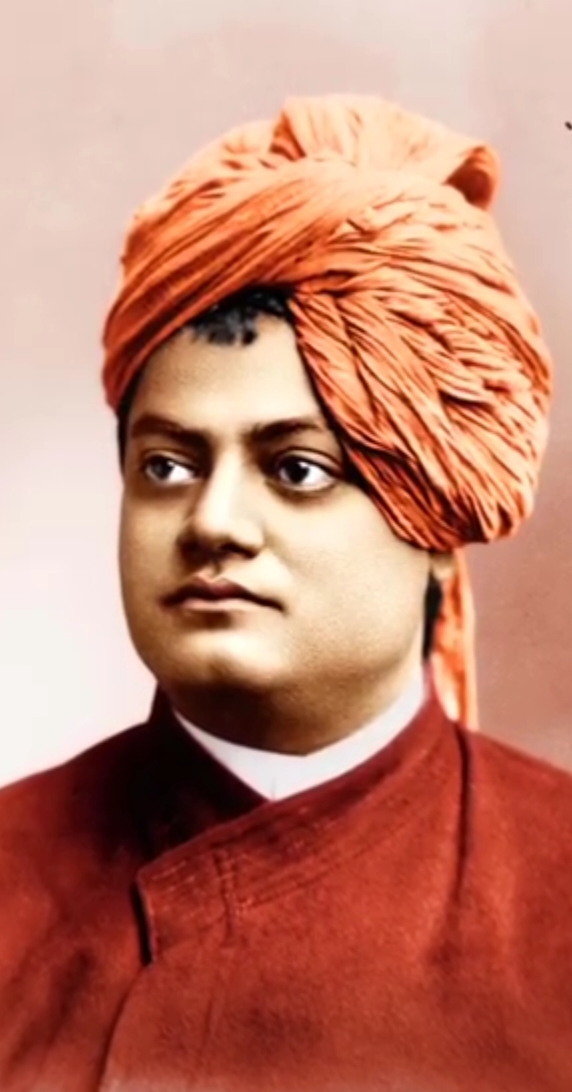
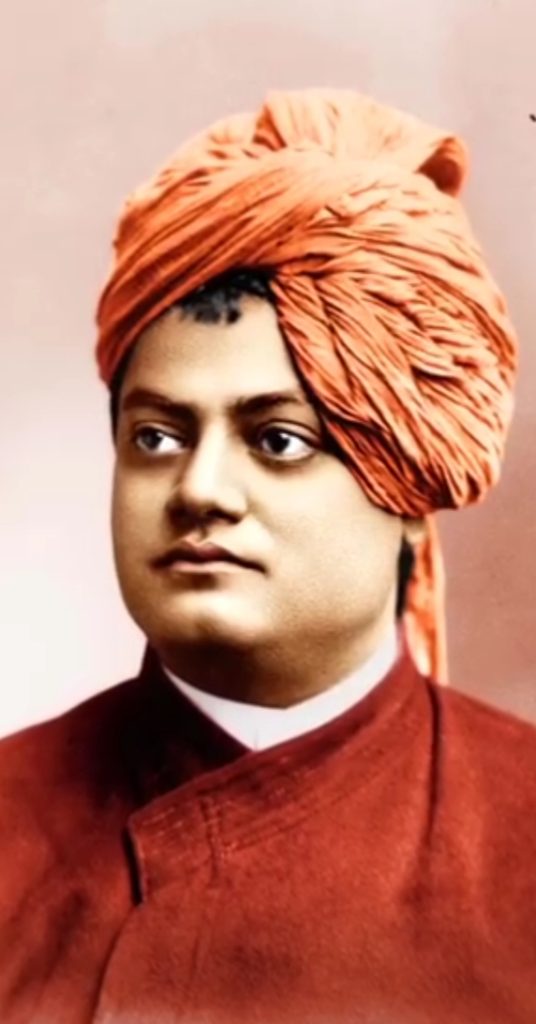
Introduction : SWAMI VIVEKANANDA BIRTHDAY
Swami Vivekananda’s birthday, celebrated on January 12th, is a day of great significance for millions around the world. Born in 1863 as Narendranath Datta, Vivekananda grew to become one of India’s most influential spiritual leaders and philosophers. His teachings continue to inspire and guide people across generations, making his birthday a time for reflection, celebration, and renewed commitment to his ideals.
Thank you for reading this post, don't forget to subscribe!Early Life and Education
- Born on January 12, 1863
- Attended Ishwar Chandra Vidyasagar’s Metropolitan Institution
- Studied Western philosophy, logic, and history at Presidency College
His voracious reading habit and sharp intellect set him apart from his peers. Naren, as he was affectionately called, was particularly drawn to the works of Herbert Spencer, John Stuart Mill, and Charles Darwin.
Spiritual Awakening
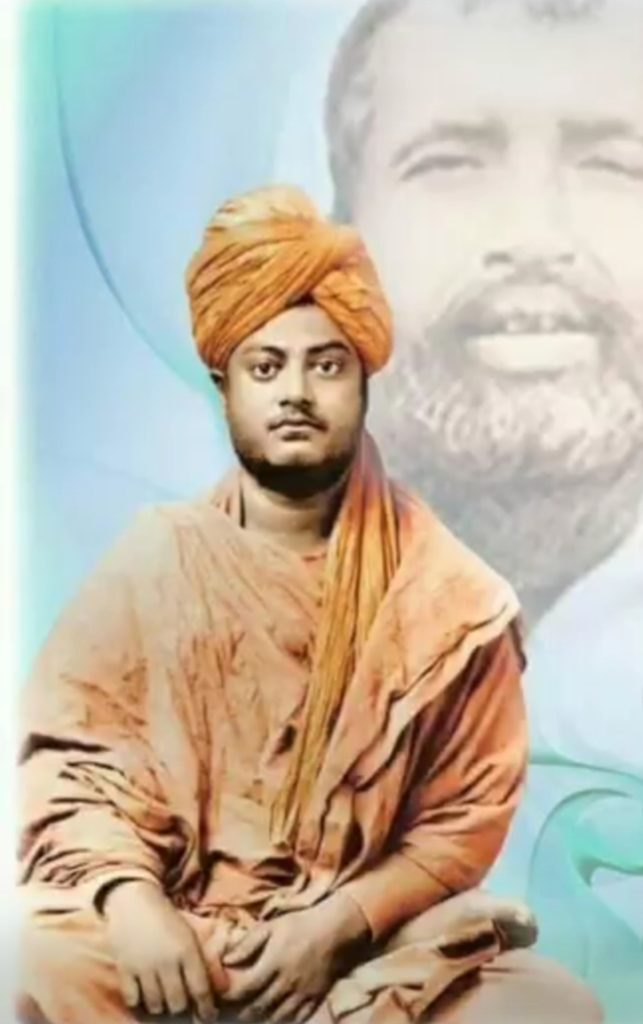
The turning point in Naren’s life came when he met Sri Ramakrishna Paramahamsa. Initially skeptical of Ramakrishna’s spiritual claims, Naren’s encounters with the saint gradually transformed his worldview.
Key moments in Vivekananda’s spiritual journey:
- First meeting with Ramakrishna in 1881
- Experiencing nirvikalpa samadhi under Ramakrishna’s guidance
- Becoming a monk and taking the name ‘Vivekananda’ in 1886
This period of intense spiritual training under Ramakrishna shaped Vivekananda’s philosophy and set the stage for his future role as a spiritual leader.
The Chicago Address
Swami Vivekananda’s address at the Parliament of the World’s Religions in Chicago in 1893 catapulted him to international fame. His opening words, “Sisters and brothers of America,” earned him a standing ovation and marked the beginning of his influential role as a bridge between Eastern and Western thought.
Highlights of the Chicago address:
- Introduced Hinduism to the Western world
- Emphasized religious tolerance and universal acceptance
- Presented Vedanta philosophy in accessible terms
The success of this speech led to numerous speaking engagements across America and Europe, spreading the message of India’s spiritual heritage.
Teachings and Philosophy
Swami Vivekananda’s teachings were a unique blend of ancient Indian wisdom and modern scientific thought. He emphasized practical spirituality and the divinity inherent in every individual.
Core principles of Vivekananda’s philosophy:
- Advaita Vedanta (non-dualism)
- Karma Yoga (selfless action)
- Bhakti Yoga (devotion)
- Jnana Yoga (knowledge)
- Universal brotherhood and religious harmony
His interpretation of the Vedanta philosophy made complex spiritual concepts accessible to the masses. Vivekananda’s emphasis on service to humanity as a form of worship resonated with people from all walks of life.
Impact on Modern India
Areas of significant impact:
- Education: Advocated for a blend of Western science and Indian spirituality
- Women’s empowerment: Championed women’s rights and education
- Social reform: Spoke against caste discrimination and untouchability
- National pride: Instilled confidence in India’s cultural heritage
The Ramakrishna Mission, founded by Vivekananda, continues to carry forward his vision through its educational and philanthropic activities.

Celebrating Swami Vivekananda’s Birthday
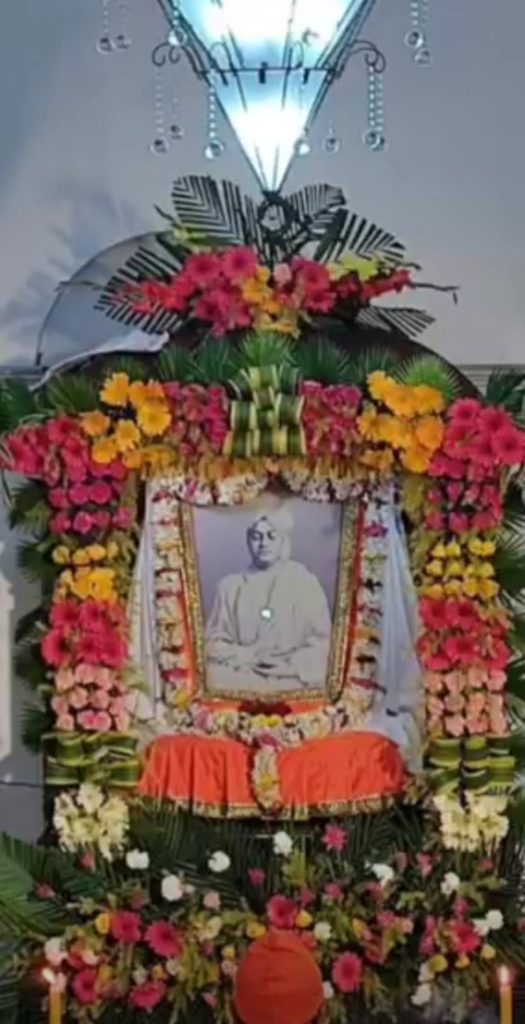
Swami Vivekananda’s birthday, also known as National Youth Day in India, is celebrated with great enthusiasm. The day serves as a reminder of his teachings and their relevance in today’s world.
Ways to celebrate Swami Vivekananda’s birthday:
- Organize or attend lectures on his philosophy
- Participate in community service activities
- Read and reflect on his writings
- Visit Ramakrishna Mission centers
- Practice meditation and self-reflection
Many educational institutions organize special programs on this day to introduce young people to Vivekananda’s ideas and inspire them to work towards personal and societal growth.
Conclusion
As we celebrate Swami Vivekananda’s birthday, we are reminded of his profound impact on spiritual and social thought. His message of universal acceptance, self-realization, and service to humanity continues to resonate in our increasingly interconnected world. By reflecting on his teachings and incorporating them into our lives, we can work towards creating a more harmonious and compassionate society.
Swami Vivekananda’s birthday is not just a day of celebration, but an opportunity for personal growth and renewed commitment to his ideals. As he once said, “Arise, awake, and stop not until the goal is reached.” Let us take inspiration from these words and strive to make a positive difference in our lives and the world around us.
