

The Synteng Tribe stands as one of the smaller but culturally rich indigenous communities of Northeast India, primarily found in the hills of Meghalaya. This guide is perfect for students, researchers, cultural enthusiasts, and anyone curious about India’s diverse tribal heritage.
The Synteng people have maintained their distinct identity through centuries of change, adapting to modern times while holding onto ancestral traditions. Their story offers fascinating insights into how small communities preserve their culture in today’s world.
We’ll explore their origins and how they settled in the Jaintia Hills region, giving you the historical context that shaped their identity. You’ll also discover their unique language and the creative ways they keep their cultural traditions alive for future generations. Finally, we’ll look at their traditional economic practices and how they’ve evolved their livelihoods while staying connected to their roots.
Origins and Historical Background of the Synteng People
Ancient migration patterns and settlement in Meghalaya
The Synteng Tribe’s journey to the hills of Meghalaya began centuries ago, though their exact migration timeline remains shrouded in oral traditions and cultural memory. According to tribal elders and historical accounts, the Synteng people were part of the larger Austro-Asiatic migration that swept across Southeast Asia thousands of years ago. These early settlers likely moved through the river valleys and mountain passes of what is now Myanmar and Bangladesh before finding their way to the pristine hills of Meghalaya.
The Synteng chose to settle primarily in the Jaintia Hills district, drawn by the region’s abundant natural resources, favorable climate, and strategic location along ancient trade routes. Their settlements typically developed around water sources and fertile valleys, establishing a pattern of village organization that continues today. Archaeological evidence suggests they practiced shifting cultivation and developed sophisticated water management systems that allowed them to thrive in the mountainous terrain.

Cultural evolution through centuries of mountain living
Mountain life shaped every aspect of Synteng culture over the generations. The challenging terrain forced them to develop remarkable skills in terraced farming, forest management, and sustainable resource use. Living at high altitudes taught them to read weather patterns, understand seasonal changes, and create storage systems that could sustain communities through harsh winters.
Their architectural traditions evolved to suit mountain conditions, with traditional houses featuring steep roofs to shed monsoon rains and raised foundations to protect against flooding. The Synteng developed unique weaving techniques using local fibers and created distinctive handicrafts that reflected their mountain environment. Their agricultural practices included growing crops at different elevations, maximizing the use of varied microclimates within their territory.
The isolation of mountain living also preserved many ancient customs and beliefs. Oral traditions flourished as the primary means of passing knowledge between generations. Sacred groves were maintained as centers of spiritual practice and environmental conservation, demonstrating their deep understanding of ecological balance.
Traditional governance systems and tribal organization
The Synteng Tribe operated under a sophisticated democratic system long before modern democratic ideals reached their region. Village councils, known locally as “Dorbar,” formed the backbone of their governance structure. These councils consisted of elected representatives from different clans and age groups, ensuring broad participation in decision-making processes.
Each village had a headman called “Dolloi” who served as both administrator and spiritual leader. The Dolloi was typically chosen for their wisdom, integrity, and ability to mediate disputes fairly. Below the village level, clan elders maintained authority over family matters and traditional practices. This multi-tiered system created checks and balances that prevented any single individual from accumulating too much power.
Land ownership followed unique customary laws where community lands were held collectively while individual families maintained rights to specific plots. Women held significant positions in this system, particularly regarding property inheritance and agricultural decision-making. Disputes were resolved through community discussions rather than rigid legal codes, emphasizing restoration and harmony over punishment.
Historical interactions with neighboring communities
The Synteng people maintained complex relationships with surrounding tribal groups and later with external powers. Their strategic location in the Jaintia Hills made them important players in regional trade networks. They exchanged forest products, handwoven textiles, and agricultural surplus for goods from the plains and other hill communities.

Interactions with the Khasi and Garo tribes were generally peaceful, involving intermarriage and cultural exchange. These relationships created shared festivals, similar agricultural techniques, and collaborative resource management practices. Trade routes connected Synteng villages with markets in Assam and Bengal, bringing new crops, technologies, and ideas into their communities.
The arrival of British colonial administration in the 19th century marked a significant shift in these traditional relationships. While the Synteng maintained relative autonomy compared to plains communities, colonial policies affected their land rights and traditional governance systems. They adapted by selectively adopting certain colonial institutions while preserving core cultural practices. Missionary activities introduced Christianity to some community members, creating religious diversity that the Synteng incorporated into their existing social framework rather than allowing it to create deep divisions.
Geographic Distribution and Living Environment
Primary settlements across the Jaintia Hills region
The Synteng people call the rugged Jaintia Hills of Meghalaya their home, with their settlements scattered across this picturesque yet challenging terrain. The majority of Synteng villages are nestled within the West Jaintia Hills and East Jaintia Hills districts, where they’ve established thriving communities that blend seamlessly with the natural landscape.
Key settlements include areas around Jowai, the district headquarters, where many Synteng families have built permanent homes while maintaining strong connections to their ancestral villages deeper in the hills. Villages like Nartiang, known for its ancient monoliths, house significant Synteng populations alongside other tribal communities. The Synteng also maintain settlements in the remote highland areas of Shangpung, Khliehriat, and the border regions near Bangladesh.
These communities are typically positioned along ridgelines and slopes, taking advantage of natural water sources from the numerous streams that flow through the region. The settlements range from small hamlets of 20-30 families to larger villages housing several hundred residents. Each village maintains its own unique character while sharing common Synteng cultural elements, creating a network of interconnected communities across the hills.
Adaptation strategies for mountainous terrain survival
Living in the steep, often treacherous terrain of the Jaintia Hills requires the Synteng people to employ remarkable survival strategies passed down through generations. Their traditional houses are built using locally sourced materials like bamboo, timber, and grass, designed specifically to withstand the region’s heavy monsoon rains and occasional earthquakes.
The Synteng have mastered the art of terraced agriculture, carving intricate step-like fields into the hillsides to prevent soil erosion and maximize arable land. These terraces, known locally as “jhum,” are engineering marvels that allow cultivation of rice, millet, and vegetables even on slopes that seem impossibly steep to outsiders.
Water management plays a crucial role in their adaptation strategies. The Synteng construct elaborate bamboo and stone channels to divert mountain streams for irrigation and household use. During the dry season, they’ve developed sophisticated rainwater harvesting techniques using large bamboo containers and natural rock formations.
Their traditional clothing reflects the climate challenges too. The Synteng weave thick, durable fabrics that provide warmth during cold mountain nights while remaining breathable during humid days. They also create specialized footwear from plant fibers that provides excellent grip on wet, slippery mountain paths.
Seasonal migration patterns for agriculture and trade
The Synteng Tribe follows distinct seasonal movement patterns that have evolved over centuries to optimize both agricultural productivity and trade opportunities. During the monsoon months (June to September), families typically remain in their permanent hill settlements, focusing on rice cultivation and taking advantage of abundant rainfall for their terraced fields.
As the harvest season approaches (October to December), many Synteng families migrate to temporary settlements in valley areas where they can process their crops and prepare surplus produce for trade. This seasonal shift allows them to access better transportation routes for moving goods to local markets in Jowai and other trading centers.
The dry season (January to May) brings another wave of movement as some community members venture to lowland areas for trade activities and wage labor opportunities. Young Synteng men often travel to nearby towns during this period, working in construction or other industries before returning to their villages for the next planting season.
These migration patterns help the Synteng maintain economic stability while preserving their cultural connections to ancestral lands. The temporary nature of these movements ensures that village communities remain intact and traditional knowledge continues to pass between generations.
Language and Cultural Identity Preservation
Unique linguistic features of the Synteng dialect
The Synteng language belongs to the Austro-Asiatic family, specifically the Mon-Khmer branch, distinguishing it from the predominantly Tibeto-Burman languages of Meghalaya. This linguistic heritage connects the Synteng people to ancient migrations across Southeast Asia, making their dialect a fascinating bridge between different cultural worlds.
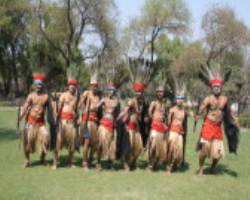
What makes Synteng particularly interesting is its tonal qualities and complex vowel system. The language features distinctive nasal sounds and glottal stops that create a melodic rhythm when spoken. Unlike many neighboring languages, Synteng uses specific markers to indicate relationships between family members, with different terms based on age, gender, and lineage connections.
The dialect also preserves archaic Mon-Khmer vocabulary that has disappeared from other related languages. Words for traditional tools, natural phenomena, and spiritual concepts remain unchanged from centuries past, serving as linguistic time capsules that reveal the tribe’s historical worldview.
Oral traditions and storytelling practices
Storytelling forms the backbone of Synteng cultural transmission. Elders gather community members during festivals and special occasions to share tales that blend historical events with mythological elements. These stories often feature spirits of the forest, ancestral heroes, and moral lessons wrapped in engaging narratives.
The “Ka Jingtep” tradition involves specialized storytellers who memorize epic tales spanning multiple generations. These master narrators use voice modulation, gestures, and sometimes musical instruments to bring stories to life. Children learn through repetition and participation, gradually becoming custodians of their heritage.
Creation myths explain the origin of the Synteng people and their connection to the land. One popular tale describes how their ancestors emerged from caves in the hills, guided by divine spirits to their current homeland. These stories reinforce cultural values like respect for nature, community solidarity, and ancestral reverence.
Cultural symbols and their spiritual significance
Sacred symbols permeate Synteng culture, each carrying deep spiritual meaning. The “Ka Diengiei” – a traditional curved dao (knife) – represents protection and the connection between the physical and spiritual worlds. Families pass these ceremonial blades through generations, believing they contain ancestral blessings.
Bamboo structures called “Ka Shnong Pyrthai” serve as community gathering spaces and hold special significance during religious ceremonies. Their circular design symbolizes unity and the cyclical nature of life. The materials used – bamboo, wood, and thatch – reflect the tribe’s harmonious relationship with their environment.
Traditional textiles feature geometric patterns that tell stories or represent natural elements. The diamond pattern symbolizes the four directions and cosmic balance, while wavy lines represent rivers and the flow of life. Women weave these symbols into clothing and ceremonial items, preserving both artistic traditions and spiritual meanings.
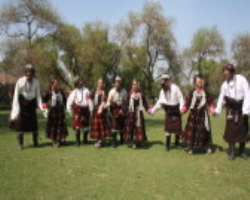
Modern challenges to language preservation
Technology and urbanization pose significant threats to the Synteng language. Young people increasingly prefer English or Hindi for education and career opportunities, leaving fewer fluent speakers with each generation. Migration to cities separates youth from elders who traditionally pass down linguistic knowledge.
Educational systems rarely include Synteng language instruction, creating gaps in formal learning opportunities. Most schools in the region focus on mainstream languages, making it difficult for children to develop reading and writing skills in their mother tongue.
Intermarriage with other communities also contributes to language shift. When Synteng individuals marry outside their community, families often adopt the dominant language, gradually reducing Synteng usage in daily conversations.
The influence of digital media and social platforms primarily in English creates additional pressure on local language use. Young people consume content in global languages, reducing their exposure to traditional Synteng expressions and vocabulary.
Community efforts to maintain cultural heritage
Dedicated community leaders have initiated several preservation programs to protect their linguistic heritage. Village councils organize regular cultural events where only Synteng is spoken, encouraging young people to practice and improve their fluency. These gatherings combine language learning with traditional games, songs, and food preparation.
Local schools now offer voluntary Synteng language classes taught by community elders. These programs focus on conversational skills and basic literacy, helping bridge the gap between traditional knowledge holders and younger generations. Students learn through immersive experiences that combine language instruction with cultural activities.
Documentation projects involve recording elderly speakers sharing stories, songs, and daily conversations. These audio and video archives preserve authentic pronunciation and usage patterns for future reference. Community members with formal education collaborate with linguists to create dictionaries and basic grammar guides.
Digital initiatives include developing mobile apps and online resources for Synteng language learning. Social media groups dedicated to the language encourage daily use and provide platforms for speakers to connect across different locations. These modern tools adapt traditional teaching methods for contemporary audiences, making language learning more accessible to tech-savvy youth.
Religious and cultural festivals now specifically include language preservation activities. Competitions in Synteng storytelling, poetry, and drama motivate young people to engage with their linguistic heritage while celebrating their cultural identity.
Traditional Economic Practices and Livelihood Systems
Agricultural Techniques Suited to Hilly Terrain
The Synteng tribe has mastered farming practices that work brilliantly with their mountainous homeland in Meghalaya. Their traditional jhum cultivation involves rotating plots across hillsides, allowing soil to recover naturally while maintaining crop diversity. This slash-and-burn method might sound harsh, but the Synteng people have refined it over generations to protect forest ecosystems while feeding their families.
Rice cultivation takes center stage in their agricultural calendar, with intricate terracing systems carved into steep slopes. These terraces prevent soil erosion and create perfect water management systems that capture monsoon rains effectively. The Synteng also grow maize, millet, and various vegetables using companion planting techniques that maximize yield from limited flat land.
Shifting cultivation cycles typically span 7-10 years, giving cleared areas enough time to regenerate. During fallow periods, the land naturally returns to secondary forest, rebuilding soil nutrients and supporting wildlife. This sustainable approach has kept their agricultural lands productive for centuries without requiring external fertilizers or intensive interventions.
Traditional Crafts and Artisan Skills
Bamboo weaving represents the cornerstone of Synteng craftsmanship, with artisans creating everything from storage baskets to fishing traps. Women typically handle textile work, producing beautiful traditional garments using locally sourced materials and natural dyes extracted from plants and minerals found in their forests.
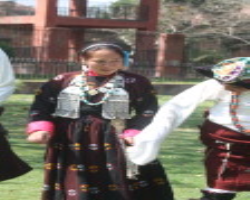
Blacksmithing skills passed down through generations enable the creation of essential tools like daos (machetes), arrows, and agricultural implements. These metal-working techniques use traditional forges and local iron sources, creating durable tools perfectly suited to their environment and lifestyle needs.
Pottery making serves both practical and ceremonial purposes, with skilled artisans crafting water vessels, storage jars, and ritual items. The clay comes from specific riverbank locations known for producing high-quality materials that fire into strong, long-lasting ceramics.
Forest-Based Economic Activities and Resource Management
Forest resources provide the backbone of traditional Synteng economic life. Honey collection from wild bees creates both food security and trade opportunities, with experienced collectors using traditional smoking techniques to safely harvest without destroying hives.
Non-timber forest products like medicinal plants, resins, and edible mushrooms generate important supplementary income. The Synteng tribe maintains detailed knowledge about seasonal availability and sustainable harvesting practices that ensure these resources remain available for future generations.
Timber harvesting follows strict community regulations, with certain tree species reserved for specific uses like house construction or ceremonial purposes. Village councils oversee forest management, designating protected areas alongside zones where controlled harvesting can occur.
Modern Economic Transitions and Opportunities
Education initiatives have opened new career paths for younger Synteng members, with many pursuing government jobs, teaching positions, and healthcare careers while maintaining connections to their ancestral lands. This creates interesting dynamics where traditional knowledge meets modern professional requirements.
Tourism potential around their unique cultural practices and pristine forest environments offers emerging economic opportunities. Some Synteng communities have started eco-tourism ventures that showcase traditional lifestyles while generating income from visitors interested in authentic cultural experiences.
Agricultural modernization brings both opportunities and challenges. While improved seed varieties and sustainable farming techniques can increase yields, maintaining traditional crop diversity and soil conservation practices remains crucial for long-term food security and cultural continuity.
Social Structure and Community Organization
Clan System and Kinship Relationships
The Synteng Tribe organizes itself through a sophisticated clan-based system that forms the backbone of their social structure. Each clan traces its lineage through patrilineal descent, where children belong to their father’s clan and inherit rights, responsibilities, and social status accordingly. These clans function as extended family networks that provide mutual support, shared resources, and collective identity.
Kinship relationships extend far beyond immediate family members, creating intricate webs of social obligations and privileges. Clan members share common ancestors and maintain strong bonds through ceremonial gatherings, joint economic activities, and collaborative decision-making processes. The elderly clan leaders hold significant authority and serve as repositories of tribal knowledge, guiding younger generations in maintaining cultural traditions and resolving disputes.
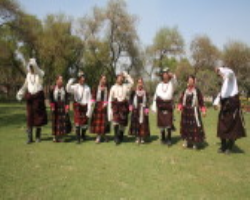
Marriage between clan members is strictly prohibited, encouraging exogamy that strengthens inter-clan relationships and prevents genetic issues. This practice creates strategic alliances between different clans within the Synteng community, fostering unity and cooperation across the entire tribe.
Gender Roles and Responsibilities Within the Tribe
Traditional gender roles in Synteng society are clearly defined yet complementary, with both men and women contributing essential skills to community survival and prosperity. Men typically handle hunting, fishing, and protection duties, while also engaging in trade with neighboring communities and participating in tribal council meetings.
Women hold crucial responsibilities in agriculture, food preparation, child-rearing, and maintaining household stability. They often possess specialized knowledge of medicinal plants, traditional cooking methods, and textile production. Women also play vital roles in preserving cultural practices through storytelling, teaching traditional songs, and passing down important rituals to younger generations.
Despite these traditional divisions, Synteng society demonstrates flexibility in gender roles during times of necessity or when individuals show particular aptitudes for cross-gender activities. Women can participate in certain hunting expeditions, while men may assist in agricultural work during peak seasons.
Decision-Making Processes and Conflict Resolution
The Synteng Tribe employs a consensus-based decision-making system that values collective wisdom over individual authority. Village councils consist of clan representatives, elderly community members, and respected individuals who have demonstrated wisdom and fairness throughout their lives.
When conflicts arise, the tribe follows established protocols that prioritize restoration over punishment. Disputants present their cases before the council, which listens to all perspectives before deliberating. The resolution process often involves compensation, public acknowledgment of wrongdoing, or community service rather than exile or physical punishment.
Community meetings take place in designated gathering spaces where all adult members can voice opinions and contribute to discussions. This democratic approach ensures that decisions reflect the collective will of the Synteng people while maintaining respect for traditional customs and values.
Marriage Customs and Family Structures
Synteng marriage customs blend romantic choice with family approval, creating unions that strengthen both individual happiness and community bonds. Courtship typically involves formal approaches to the prospective bride’s family, followed by negotiations regarding bride price, ceremonial arrangements, and future living situations.
Wedding ceremonies incorporate elaborate rituals that celebrate the joining of two clans and invoke ancestral blessings for the new couple. These multi-day celebrations include traditional dances, feast preparations, and gift exchanges that reinforce social relationships throughout the community.
Family structures tend to be nuclear but maintain strong connections to extended clan networks. Newlyweds often live near the husband’s family initially, though some flexibility exists based on practical considerations like land availability or economic opportunities. Children grow up with strong connections to both maternal and paternal relatives, learning from multiple adult figures who contribute to their education and development.
Religious Beliefs and Spiritual Practices
Indigenous Spiritual Systems and Nature Worship
The Synteng Tribe maintains a deep spiritual connection with the natural world, viewing every element of their environment as sacred and imbued with divine presence. Their indigenous belief system centers around the worship of ancestral spirits and natural forces, creating a harmonious relationship between the community and their surrounding landscape. Trees, rivers, mountains, and forests aren’t just physical features – they’re living entities deserving respect and reverence.
Ancestral spirits play a central role in Synteng spiritual practices, with community members believing these spirits guide and protect their daily lives. The tribe recognizes multiple deities associated with different aspects of nature, including water spirits that govern rivers and springs, forest guardians who protect wildlife and vegetation, and sky deities responsible for weather patterns and seasonal changes.
Ritual Ceremonies and Seasonal Celebrations
The Synteng calendar revolves around numerous ritual ceremonies that mark important agricultural cycles and life events. Planting and harvest seasons bring elaborate community celebrations where traditional dances, songs, and offerings honor the spirits believed to ensure crop prosperity. These gatherings strengthen community bonds while preserving ancient customs passed down through generations.
Life-cycle ceremonies mark significant transitions from birth to death, each accompanied by specific rituals and community participation. Coming-of-age ceremonies initiate young Synteng members into adult responsibilities, while marriage ceremonies unite not just couples but entire families through traditional blessing rituals. Funeral rites ensure proper spiritual transition for the deceased, with elaborate ceremonies that can last several days.
Sacred Sites and Their Cultural Importance
Sacred groves scattered throughout Synteng territory serve as natural temples where important rituals take place. These protected forest areas remain untouched by human development, preserving biodiversity while maintaining spiritual significance. Community members visit these sites for prayer, meditation, and seeking guidance from ancestral spirits during times of crisis or important decision-making.
Rock formations, caves, and water sources often hold special meaning within Synteng spiritual geography. Each sacred site has unique stories and legends attached to it, creating a rich tapestry of oral traditions that help preserve the tribe’s cultural heritage. Access to these locations follows strict protocols, with certain areas restricted to specific community members or ceremonial occasions.
Integration of Modern Religions with Traditional Beliefs
Christianity’s introduction to Synteng communities has created interesting syncretistic practices where traditional beliefs blend with Christian teachings. Many Synteng people now identify as Christians while continuing to practice ancestral worship and nature-based rituals, seeing no contradiction between these spiritual systems.
This religious blending appears in modified ceremonies where Christian prayers might accompany traditional offerings, or where biblical stories get interpreted through traditional Synteng spiritual concepts. Village churches often incorporate local architectural styles and ceremonial elements, creating unique worship spaces that reflect both Christian and indigenous influences. The result is a dynamic spiritual landscape where old and new beliefs coexist, allowing the Synteng Tribe to maintain cultural identity while adapting to changing times.
The Synteng tribe represents a fascinating blend of ancient traditions and modern adaptation. Their journey from their historical origins to their current geographic spread shows how indigenous communities can maintain their cultural identity while navigating changing times. The preservation of their unique language serves as the backbone of their cultural heritage, connecting generations through shared stories and wisdom.
Their traditional economic practices and tight-knit social structures demonstrate the power of community-based living. The Synteng people have built sustainable livelihoods that respect their environment while supporting their families and neighbors. Their spiritual practices and religious beliefs continue to guide daily life, offering valuable lessons about living in harmony with nature. If you’re interested in learning more about indigenous cultures, take time to appreciate how communities like the Synteng tribe have preserved their rich heritage while embracing the future.
