
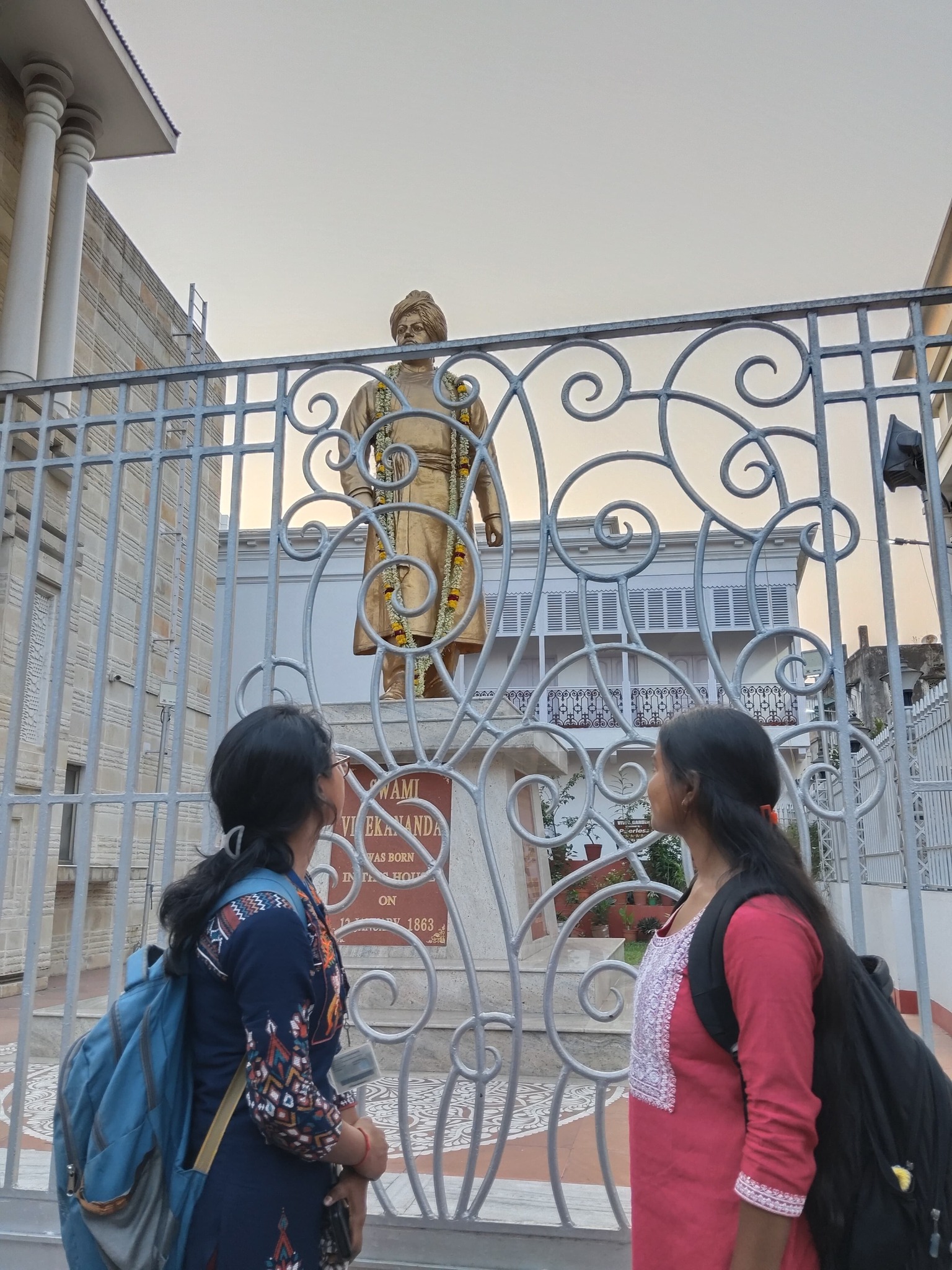

Introduction : TEACHING AND PHYLOSOPHY OF SWAMI VIVEKANANDA
TEACHING AND PHYLOSOPHY OF SWAMI VIVEKANANDA, a 19th-century Indian monk and philosopher, continues to inspire millions worldwide with his profound teachings and philosophy. His ideas on spirituality, education, and self-realization remain relevant in our fast-paced, modern world. This blog post explores the teaching and philosophy of Swami Vivekananda, examining how his wisdom can guide us in navigating the complexities of contemporary life.
Thank you for reading this post, don't forget to subscribe!The Life of Swami Vivekananda
Key milestones in Vivekananda’s life:
- 1881: First meeting with Sri Ramakrishna
- 1886: Taking monastic vows after Ramakrishna’s death
- 1893: Famous speech at the Parliament of World’s Religions in Chicago
- 1897: Founding of the Ramakrishna Mission
Vivekananda’s travels across India and the West helped him develop a unique perspective that blended Eastern spirituality with Western pragmatism. This synthesis forms the core of his teaching and philosophy.
Core Principles of Vivekananda’s Philosophy
Swami Vivekananda’s philosophy is rooted in Vedanta, but he presented these ancient Indian teachings in a way that resonated with both Eastern and Western audiences. Here are some key principles:
- Oneness of Existence: Vivekananda emphasized the unity of all beings, teaching that the same divine essence exists in everything and everyone.
- Potential Divinity of the Soul: He believed that every soul is potentially divine and that the goal of life is to manifest this divinity.
- Harmony of Religions: Vivekananda promoted religious tolerance, stating that all religions are different paths leading to the same goal.
- Karma Yoga: He stressed the importance of selfless work as a means to spiritual growth.
- Education as Character Building: Vivekananda saw education not just as the accumulation of information, but as a tool for character development.
These principles form the foundation of Swami Vivekananda’s teaching and philosophy, influencing his ideas on various aspects of life and society.
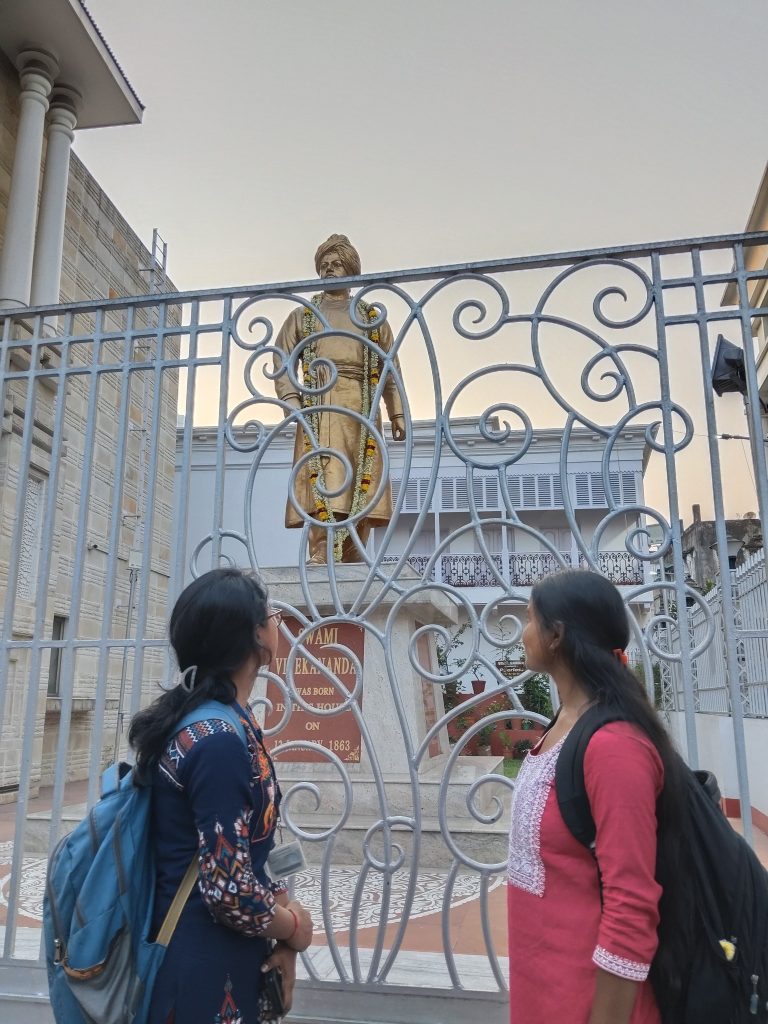
Vivekananda’s Teachings on Education
Education was a central theme in Swami Vivekananda’s philosophy. He believed that true education should empower individuals and contribute to nation-building. Some key aspects of his educational philosophy include:
- Holistic Development: Education should focus on physical, mental, and spiritual growth.
- Character Formation: The primary goal of education should be to build strong character.
- Practical Knowledge: Vivekananda emphasized the importance of practical skills alongside theoretical knowledge.
- National Education: He advocated for an education system that would instill national pride and cultural values.
Vivekananda’s famous quote, “Education is the manifestation of the perfection already in man,” encapsulates his belief in the inherent potential of every individual.
For more on Vivekananda’s educational philosophy, visit the Ramakrishna Mission Institute of Culture.
Spiritual Wisdom for Everyday Life
One of the most remarkable aspects of Swami Vivekananda’s teaching and philosophy is its applicability to everyday life. He provided practical spiritual guidance that people from all walks of life could implement:
- Self-Confidence: Vivekananda encouraged people to believe in themselves, famously saying, “Arise, awake, and stop not till the goal is reached.”
- Concentration: He taught the importance of focused attention in all endeavors.
- Service to Humanity: Vivekananda saw service to others as worship of the divine.
- Control of the Mind: He emphasized the need for mental discipline through meditation and self-reflection.
- Balanced Living: Vivekananda advocated for a balance between material pursuits and spiritual growth.
These teachings offer valuable insights for managing stress, improving relationships, and finding purpose in our modern, often chaotic lives.
Vivekananda’s Impact on Modern India
The teaching and philosophy of Swami Vivekananda have had a profound impact on modern India. His ideas have influenced various aspects of Indian society:
- National Identity: Vivekananda’s emphasis on India’s spiritual heritage helped foster a sense of national pride during the struggle for independence.
- Social Reform: His critique of caste discrimination and advocacy for women’s rights inspired many social reform movements.
- Youth Empowerment: Vivekananda’s focus on the potential of youth continues to inspire young Indians today.
- Interfaith Dialogue: His promotion of religious harmony has contributed to India’s tradition of religious tolerance.
Many Indian leaders, including Mahatma Gandhi and Jawaharlal Nehru, have acknowledged Vivekananda’s influence on their thinking.

Applying Vivekananda’s Teachings Today
In our rapidly changing world, Swami Vivekananda’s teaching and philosophy offer timeless wisdom. Here are some ways to apply his teachings in contemporary life:
- Practice Mindfulness: Use Vivekananda’s teachings on concentration to cultivate mindfulness in daily activities.
- Embrace Diversity: Apply his principle of religious harmony to promote understanding and respect for different cultures and beliefs.
- Pursue Continuous Learning: Follow Vivekananda’s emphasis on education by engaging in lifelong learning.
- Engage in Selfless Service: Incorporate the principle of Karma Yoga by volunteering or contributing to community welfare.
- Cultivate Self-Confidence: Draw inspiration from Vivekananda’s teachings to build self-esteem and overcome self-doubt.
- Strive for Balance: Apply his holistic approach to maintain a balance between professional, personal, and spiritual aspects of life.
By integrating these principles into our daily routines, we can experience personal growth and contribute positively to society.
Conclusion
The teaching and philosophy of Swami Vivekananda offer a rich source of wisdom that remains relevant in the 21st century. His emphasis on self-realization, universal brotherhood, and practical spirituality provides a framework for living a purposeful and fulfilling life. As we navigate the challenges of our modern world, Vivekananda’s teachings can serve as a guiding light, helping us to cultivate inner strength, compassion, and a sense of unity with all beings.
To delve deeper into Swami Vivekananda’s teachings, consider reading his complete works or visiting Belur Math, the headquarters of the Ramakrishna Math and Ramakrishna Mission.
How has Swami Vivekananda’s philosophy influenced your life? Share your thoughts and experiences in the comments below, and let’s continue this enriching dialogue on the timeless wisdom of one of India’s greatest spiritual leaders.
