
Introduction : The Garra Tribe Culture in India
We are seeing that the The Garra Tribe in India Culture is one of the most left-out but important communities in the high mountain areas of Ladakh, India. They live only in the cold Trans-Himalayan region where very few people stay.
As per the 2011 Census, this small tribal group has only 504 people who work as blacksmiths and metalworkers in very difficult land areas. They have kept their own special culture regarding their traditional metal work.
The Garra people have made tools for Ladakhi farming for centuries, but they face discrimination and economic problems in Ladakhi Buddhist society itself.
This further shows how important communities are often treated badly despite their contributions. Basically, this study looks at all parts of Garra culture – their history, social groups, jobs, religion, and the same problems they face today with modern changes.
Historical Origins and Demographic Profile
We are seeing that the Garra tribe is only one group among eight tribal communities that the government has officially recognized as Scheduled Tribes in the Ladakh area of Jammu and Kashmir, which is now a Union Territory.
Moreover, according to the 2011 Census, the Garra population actually stands at 504 people, with 275 males and 229 females.
This data definitely shows the complete count of this community in India. Basically, they are one of the smallest tribal groups in Ladakh, but their contribution to the region’s culture and farming has been the same level of important throughout history.
Also, we are seeing that the old history of Garra people is not very clear, and scholars have only limited records about how they moved and settled in different places. Studies show that these groups have lived in Ladakh for many centuries, and they may have moved from nearby areas as skilled craftsmen to work further in the region itself.
We are seeing that the name “Garra” comes from their old work only, but some history books call them “Zopa” which means people who are good at making things with metal.
Basically, they live in small family groups spread across different villages in Leh and Kargil districts, the same places where farming communities needed their metalworking skills.
We are seeing that the Garra people have only worked in special jobs, which is different from other Ladakhi groups like the Changpa who move around with animals or the Dard who do farming.
The Garra people are surely known by their work as blacksmiths, as their name means those who work with iron. Moreover, this profession clearly separates them from other Buddhist people in Ladakh. We are seeing that their special work jobs are needed for money, but this only puts them in lower position in Ladakh’s social ranking system.
Social Structure and Caste Hierarchy in Ladakh
As per Ladakhi Buddhist society, understanding Garra culture needs looking at their complex social class system. Regarding this system, it goes against Buddhism’s equal treatment ideas but still exists as a deep social reality.
As per tradition, Ladakhi society has three main classes: Rigzong for upper class people, Mangrik for middle class, and Rignun for lower class people. The Garra people actually belong to the Rignun group, which definitely includes other marginalized communities like the Beda who are traveling musicians and drummers, and the Mon who play music and flutes.
The upper class, called Rigzong, surely included the royal family known as Gyalpo and head lamas. Moreover, this group historically held the highest social position in society.
As per the administrative system, Kushak served as rulers, ministers were called Klon, and government officials were known as Lonpo. We are seeing that the middle class people called Mangrik had only priests known as Lama, astrologers called Unpos, doctors named Larje, and common farmers.
As per the hierarchy system, the Rignun class included low-status groups like blacksmiths (Garra), carpenters (Shinkhans), cobblers (Lamkhans), musicians (Beda and Mon), and other craft workers. These groups were considered polluting regarding social status.
We are seeing that this ranking system is only very similar to the caste system found in Hindu communities, even though Buddhism says it does not accept caste differences.
Further, as per Buddhist teachings regarding equality and compassion, the caste-like divisions present in Ladakhi Buddhist society show a major difference from these core principles.
We are seeing that scholars are debating about how this system started, but it only seems to have grown during the time when kings ruled Ladakh and people’s jobs became fixed in their families from birth.
Basically, kings gave specific jobs to different groups, and these job assignments slowly became the same as caste identities with ideas about what is pure and polluted.
Social Discrimination and Untouchability Practices
Basically, the Garra, Beda and Mon people face the same caste discrimination and untouchability that was banned by the Indian constitution. Basically, these groups don’t face the same extreme discrimination as Dalits in mainland India, but they still experience it in many parts of daily life and social situations.
We are seeing that in village meetings and festivals, Garra community people follow a special seating system called gral, where they sit based only on their age, position, and caste.
As per village practices, Garra families’ houses are kept separate from main living areas, regarding social exclusion through physical distance. As per their caste identity, they cannot become village headmen (Goba) or monastery heads (Lobon), regardless of their skills. This rule applies to them only because of their caste, not regarding their abilities.
This planned removal from leadership roles surely continues their isolation and reduces their power to speak for their community’s needs in local government systems. Moreover, such exclusion limits their ability to bring important changes for their people.
The discrimination further spreads to the economic area itself. Moreover, in the past, Garra blacksmiths did not get money for their work but received food grains and farm products from households in exchange for metal items. This barter system itself helped the community trade further without using cash.
We are seeing this setup was only like the Jajmani system from caste groups in Indian flat areas, making master-servant ties that kept poor people dependent and lower in society.
We are seeing that even among lower-caste people, there are different levels of status only. Basically, the Garra people have a bit higher social position than the Beda and Mon groups, but all three face the same type of discrimination.
This internal division further shows how complex social ranking itself is in Ladakh, where even marginalized groups are placed above or below each other.
Traditional Occupation: Blacksmithing and Metalwork
The Garra tribe people are mainly blacksmiths and ironworkers, and we are seeing that they have been doing this work only for many hundreds of years in the difficult mountain areas of Ladakh.
Basically, their metalworking skills give them work but the same job makes society treat them badly because blacksmithing is seen as dirty work in traditional Ladakhi thinking.
Tools and Implements Produced
We are seeing that Garra blacksmiths are skilled workers who make many important farming tools, house items, and weapons that are only basic needs for Ladakhi people’s daily life. Their usual products actually include:
Basically, Garra metalworkers made the same agricultural tools that worked perfectly for Ladakh’s tough weather conditions, which was their biggest contribution to the society.
Basically, these are the same farming tools like sickles for cutting crops, plows for digging hard soil, hoes and spades for preparing land, axes for clearing trees, and other digging tools.
As per the short growing season in this region, the quality and durability of these tools directly affects farm productivity, and regarding survival, every harvest is very important.
We are seeing Garra smiths making many home items like knives for cutting food, walking sticks with metal parts, and door locks for old Ladakhi houses. They only make these simple tools that people use every day in their homes.
Fittings and fixtures are surely essential components of any building structure. Moreover, these items serve both functional and aesthetic purposes in residential and commercial spaces.
Further, basically, these household tools are the same essential items that Ladakhi villages need for daily life because they have to manage their basic needs on their own.
The Garra people actually made weapons like arrowheads, spears, swords, and knives in the past. People definitely don’t need these weapons much anymore today.
They actually made some ceremonial items and decorative metal pieces too, but this was definitely less common than making everyday useful things.
Metalworking Techniques and Traditional Knowledge
The Garra people’s traditional metalworking methods surely contain valuable indigenous technical knowledge that is well-suited to Ladakh’s limited resources. Moreover, these practices represent an important collection of local skills adapted to the harsh mountain environment.
The blacksmithing process itself starts with getting raw materials—in earlier times, iron was found locally from rivers and small ore sources, but now iron and steel must be brought from nearby areas or bought from bigger towns for further work.
We are seeing that Garra workshops are only built near water places for cooling work, and they have a main forge called bhutpa where coal is burned to make very hot fire for iron work.
Basically, they use traditional goatskin air bellows called zutpa to make the fire stronger, and the same technique has been used for generations without much change. The anvil
Basically, this is the main work area where hot iron gets shaped by hammering it again and again, and the same process needs good skill and strong physical power.
The Garra smith surely uses tools that show great metalworking skills like hammers of different sizes, tongs for hot metal, and chisels for fine work. Moreover, they also use files for finishing and measuring tools to complete their craft.
As per tradition, smiths make their own tools by hand, regarding which they need deep technical knowledge that passes from one generation to the next. This shows a self-sufficient system of tool making.
We are seeing that Garra craftsmen know how to heat metal, make it strong, and harden it to create cutting tools that last long. They only use these basic metal-working skills to make good quality tools.
We are seeing that they know how to check if the metal is good quality, and they can tell the right heat by only looking at the color, control how fast it cools to get the properties they want, and fix broken tools using welding and forging methods.
This advanced technical knowledge surely represents hundreds of years of collected experience in working with metal under difficult conditions. Moreover, this expertise was built over many generations of craftsmen facing challenging situations.
Economic Role and Patron-Client Relationships
Garra blacksmiths do very important work, but they actually face money problems most of the time. Their economic situation is definitely not stable, and this has been going on for many years.
Basically, their payment system worked through a patron-client setup instead of the same market-based economy we see today. Village households gave grain, butter, and other farm products to the blacksmith in exchange for his metalworking services.
This system further helped the community support itself through mutual trade. We are seeing that this exchange system was giving basic food and needs but was only keeping the Garra people dependent on others for money and not allowing them to collect wealth.
The payment was surely very low and not enough for the hard work and skills needed. Moreover, workers received much less money than what their labor was actually worth.
Basically, historical records show that blacksmiths got the same minimal food grains just to survive, with nothing extra for investment or betterment.
Their economic problems have surely become worse because of the social shame linked to their work, and moreover, this has stopped them from finding other jobs or asking for better payment for their services.
These days, we are seeing that the old support system has mostly fallen apart, and many Garra families are only finding new ways to earn money.
Basically, cheap farming tools from cities are doing the same job as handmade ones, so people don’t buy from traditional blacksmiths anymore and their business is getting ruined.
We are seeing that many young Garra people are only leaving their family work to take up jobs with regular salary, government posts, or other work that gives better money and less shame from society.
Religious Beliefs and Spiritual Practices
Basically, the Garra tribe follows Tibetan Buddhism, which is the same main religion that most people in Ladakh practice.
As per their low social position, their religious practice in the Buddhist community becomes difficult regarding the caste-like discrimination they face.
Buddhism in Ladakh is basically the Vajrayana type, which is the same as what Tibetan Buddhist schools follow, especially the Gelugpa and Drukpa groups.
Buddhist Practice Among the Garra
Garra families actually keep prayer rooms in their homes like other Ladakhi Buddhists. They definitely do their daily prayers and religious activities there.
As per their religious practices, they join festivals and visit monasteries for prayers. Regarding their worship, they walk around holy places, turn prayer wheels, and chant mantras.
Many Garra families show deep devotion to Buddhist teachings and practices, but they face social discrimination from higher caste people of the same religion itself. This discrimination further affects their religious life despite their strong faith.
Further, basically, their social status limits how much they can participate in religious activities, but the same restrictions apply to everyone in their position.
As per monastery gatherings and religious ceremonies, they face the same unfair seating rules regarding their caste just like in normal social events.
As per the rules, they cannot become monks or lamas in famous monasteries, but some exceptions may exist regarding special cases.
Buddhist principles speak of equality and compassion, but Ladakhi Buddhist communities further exclude women from religious leadership positions, creating a contradiction that persists in society itself.
Basically, scholars say caste discrimination in Ladakhi Buddhism goes against Buddha’s teachings, who rejected the same caste system and accepted disciples from all backgrounds including untouchables.
As per the Jataka tales, Buddha was born in low-caste forms in his previous lives, and he accepted Chandala people into his monastic order.
Regarding the untouchable community, Buddha welcomed them without any discrimination. Ladakhi society actually started with equal ideas, but the social ranking system definitely changed Buddhist practice and made caste barriers stronger instead of removing them.
Conversions and Religious Tensions
As per recent observations, some Garra community members have changed to Islam regarding the ongoing discrimination they face in Buddhist society. In September 2012, 26 people from six Buddhist families in Zanskar valley actually changed their religion to Islam at the same time.
These families definitely included lower-caste groups like the Garra. As per their statements, these converts clearly said they changed religion to escape daily caste discrimination they faced in the Buddhist community.
This large-scale conversion further created serious communal tensions in Zanskar itself, with Buddhist organizations like the Zanskar Buddhist Association (ZBA) responding through protests and social boycotts of Muslims.
The boycott continued for six years until 2018, as per which people refused to buy from Muslim shops and businesses or hire Muslim workers—this was done to pressure the community regarding stopping future conversions.
The Dalai Lama intervened and formed a peace committee to control the situation, but the caste discrimination problem itself remains unsolved and needs further attention.
Islam surely attracts marginalized Buddhist castes like the Garra because it teaches that all people are equal before God. Moreover, Islam does not have hereditary caste divisions like other religions.
In Ladakh’s Muslim communities, people who convert to Islam are actually accepted well, and they definitely don’t face problems because of their old work or caste background. As per Buddhist groups, conversions create problems regarding forced changing of religion or giving money to people.
Basically, religious conversions are seen as the same kind of threat that could reduce Buddhist population numbers in that area.
The Ladakh Buddhist Association (LBA) has many times asked for anti-conversion laws and given written requests regarding agreements between Buddhist and Muslim groups to stop conversions, mainly of women.
As per their demands, these communities had promised to prevent such conversions. These fights show deeper worries regarding religious numbers and community balance in Ladakh, with lower-caste groups caught between different religious-political pressures as per the current situation.
Family Structure, Marriage, and Social Life
We are seeing that the Garra people follow the same social setup as other Ladakhi Buddhists, but they have made some changes only because of their poor money situation and low place in society.
Traditional Ladakhi society surely has unique features like polyandry where brothers share one wife, inheritance systems where the eldest or all children get property, and easy divorce and widow remarriage. Moreover, these practices show how flexible their social structure has been compared to other Indian communities.
Further, as per available sources, there is not much documentation regarding how much the Garra community follows these practices.
Marriage Customs and Endogamy
Garra people actually marry only within their own community because social rules definitely stop them from marrying people from other castes.
Basically, higher-caste Ladakhi families will not marry their daughters to Garra men, and the same way they will not accept Garra women as daughters-in-law. When people cross these social limits, they surely face harsh punishments from society.
Moreover, both the individuals and their families get completely cut off from the community.
We are seeing that when a high caste woman marries a Garra man, she only loses her connection with her birth family and becomes part of the Garra caste with all the shame that comes with it.
This practice shows that caste boundaries are very rigid and further makes it difficult for lower groups to move up in society. The system itself keeps people stuck in the same social position forever.
In the Garra community itself, families arrange marriages and further look for matches from Garra families in other villages.
Also, as per the small community size of 504 people, there are limited marriage partners available, which may lead to marriages between close relatives in some cases.
Basically, when Garra families don’t have much money, it affects marriage arrangements because dowry, bride price, and the same economic factors become very important in deciding matches.
Family Life and Household Organization
As per studies, Garra families stay in small groups with parents and children or few close relatives. Regarding their living style, they prefer nuclear family units only.
We are seeing that these people live only in separate areas of villages or at the edges, which shows their low position in society.
Traditional Ladakhi houses use stone and mud with flat roofs to handle extreme winter cold, and the design itself provides thermal insulation. This construction method further helps protect against harsh weather conditions.
As per the local style, houses have white walls, wooden windows, and prayer flags, though Garra families build simpler homes compared to rich families.
We are seeing that in Garra families, men only do blacksmith work and heavy farm jobs, while women handle house work, help with planting and harvesting, and cook food.
Children, especially boys, learn metalworking skills from a young age itself through apprenticeship with their fathers or uncles. This training helps them develop the craft further as they grow.
Passing technical knowledge from older to younger generations is crucial for maintaining the tradition itself, but further challenges arise as young people are reluctant to continue this profession due to low social status and poor economic returns.
Food and Material Culture
Moreover, the Garra people actually eat similar food like other Ladakhi groups, but they definitely have to change their diet because of the very cold weather and less farming in their area. We are seeing that barley is the main food here because it can grow easily in high mountain areas where the growing time is only short.
Barley is surely eaten in different ways, including tsampa which is roasted barley flour mixed with butter tea to make a healthy paste. Moreover, this mixture provides good nutrition to people.
As per local food habits, people eat wheat when available, vegetables like turnips and potatoes, dairy products like butter and cheese from yaks and cows, some meat, and chang which is barley beer for festivals.
Regarding meat eating, it is limited due to Buddhist food rules. We are seeing that Garra families have only less money, so they can eat only limited food with less variety.
Poor families surely depend more on basic food items and have less access to foreign goods. Moreover, this shows a clear difference from rich households who can afford imported products.
Also, garra families actually own simple things like basic pots, low tables, cushions, and religious items like Buddha statues. They definitely have farming tools and blacksmith equipment like hammers and anvils for their work.
As per Buddhist traditions, people in Ladakh keep simple lifestyles due to money problems and religious beliefs about not wanting too many things. Regarding poverty, it still brings shame in their society even though Buddhism teaches simple living.
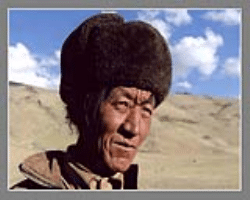
Contemporary Challenges and Socio-Economic Transformation
As per current situation in Ladakh, the Garra tribe is facing many problems like social discrimination, less economic opportunities, poor education access, and loss of culture as young people are leaving their traditional work. Regarding their community development, these connected issues are making their life difficult in modern times.
Educational Status and Access
Educational levels among Garra families are surely low, which shows the same problem faced by Scheduled Tribes across Jammu and Kashmir. Moreover, this reflects the wider educational challenges that these communities continue to experience. The 2001 Census actually showed that only 3.7 percent of Scheduled Tribes in the state could read and write.
This was definitely much lower than the national average of 47.2 percent for Scheduled Tribes across India. Recent data on Garra education is not available, but their educational status itself is expected to be low or slightly better due to government programs.
Further improvements may happen with continued government support.
Many factors further cause low education levels among the Garra community itself. Basically, villages that are far away from cities face the same problem – students cannot reach schools easily, especially for higher education.
Basically, many Garra families stay in far places where there are no schools nearby, so children have to walk very long distances or live in hostels, but families cannot pay for the same.
Education in tribal areas is actually very poor because schools don’t have proper buildings, there are definitely not enough good teachers, and the lessons don’t match their culture.
Garra families are actually very poor, so children definitely start working early to help make money – they work in blacksmith shops or do other jobs for wages. Poor families surely believe that sending children to school costs them too much because they lose the income these children could earn.
Moreover, when families are struggling to meet basic needs, they see education as less important than immediate survival. Basically, years of discrimination made Garra families feel inferior and think education won’t help because the same social barriers still block their progress.
We are seeing that government programs for tribal education like Ekalavya schools, Kasturba Gandhi schools for girls, scholarships and reservations are only reaching a few remote Ladakhi villages.
Basically, these programs have weak implementation and tribal communities have the same low awareness about them. The school subjects actually don’t connect with tribal life and definitely ignore local knowledge, so students feel disconnected and leave school.
Economic Transformation and Occupational Change
The traditional blacksmithing occupation of the Garra is in decline due to multiple factors. Mass- produced agricultural implements manufactured in urban industrial centers are increasingly available in Ladakhi markets at lower prices than handcrafted tools.
These factory-made tools, though often of inferior quality and less adapted to local conditions, are cheaper and more accessible, undermining demand for Garra craftsmanship.
Agricultural mechanization and modernization have reduced reliance on traditional iron implements in some areas. Modern machinery like tractors, threshers, and motorized equipment is gradually replacing hand tools in agricultural operations, particularly in more accessible valley areas.
Additionally, economic changes have shifted away from the barter-based Ja jma ni system toward cash economy, disadvantaging Garra blacksmiths who lack capital to establish independent businesses or market their products effectively.
Many Garra families have been forced to diversify their livelihoods or abandon blacksmithing entirely.
Alternative occupations pursued by Garra individuals include wage labor in construction and roadwork, government employment (where ST reservations provide opportunities), work in the tourism sector (though limited by social prejudice), and migration to urban areas in search of better opportunities.
This occupational diversification represents both opportunity and loss— while it may provide better economic prospects, it also means the erosion of traditional skills and cultural identity.
Some Garra artisans who continue metalworking have attempted to adapt by producing decorative items or souvenirs for the tourist market, shifting from purely utilitarian production to artistic metalwork.
However, this niche market is limited and faces competition from other metalworkers, including the more prestigious coppersmiths of Chilling village who enjoy higher social status.
Social Reform Movements and Assertions of Identity
In recent years, there have been gradual shifts in social attitudes and some efforts at social reform, though progress remains slow and uneven.
The granting of Scheduled Tribe status to the Garra in 1989 provided legal recognition of their marginalized status and entitled them to various affirmative action benefits including reservations in education and government employment, scholarships and financial assistance, and development programs targeted at ST welfare.
However, the effective implementation of these constitutional protections has been limited.
Many Garra families remain unaware of their entitlements, lack the social capital to navigate bureaucratic systems to access benefits, and face continued discrimination even when they do access education or employment opportunities.
The gap between formal legal equality and substantive social reality remains vast.
Some Garra individuals and families have begun to assert their rights and challenge discriminatory practices, though this often provokes backlash from dominant caste groups.
Conversions to Islam by some Garra families (as discussed earlier) represent one form of resistance to caste oppression, though this strategy has its own complications and risks.
Other forms of assertion include demanding equal treatment in village councils and community gatherings, pursuing education and employment to achieve economic independence, and organizing collectively to advocate for their community’s interests.
The broader social and political changes in Ladakh—particularly the granting of Union Territory status in 2019 and ongoing demands for statehood and greater autonomy—have created new political opportunities and anxieties.
Some Garra activists see these changes as potential openings for addressing historical injustices, while others fear that communal polarization between Buddhists and Muslims may further marginalize vulnerable communities caught in the middle.
Impact of Tourism and Modernization
Ladakh’s emergence as a major tourist destination since the 1970s has brought significant economic opportunities but also cultural disruptions.
The Garra have had mixed experiences with tourism development. On one hand, the cash economy stimulated by tourism creates market opportunities for selling metalwork crafts to visitors seeking “authentic” local products.
Some enterprising Garra artisans have successfully mareted their skills as cultural heritage, receiving recognition and better compensation from tourist consumers than from local patrons.
On the other hand, tourism has accelerated social and cultural changes that undermine traditional ways of life. Exposure to outside ideas and lifestyles creates aspirations among younger Garra for education and modern occupations, leading to abandonment of traditional skills.
The romanticization of Ladakhi culture by tourists often focuses on higher-status elements (monasteries, royal heritage, festivals) while ignoring or exoticizing marginalized communities like the Garra.
Furthermore, economic benefits from tourism are unequally distributed, with dominant caste groups controlling most tourism infrastructure (hotels, tour companies, transport) while the Garra remain largely excluded from major profit streams.
Cultural Preservation and the Future of the Garra Community
The future of Garra culture and identity is uncertain, caught between forces of modernization and the persistent weight of social discrimination. Several scenarios are possible:
Scenario 1 Continued Decline and Assimilation – If current trends continue, traditional Garra blacksmithing may disappear within a generation or two as younger people pursue alternative livelihoods.
The community may gradually assimilate into the broader Ladakhi Buddhist population or, conversely, continue to exist as an economically marginal group defined by inherited stigma rather than actual occupation.
This scenario would represent a significant loss of indigenous technical knowledge and cultural heritage.
Scenario 2 Revival and Valorization – Alternative pathways involving revival of traditional metalworking as heritage craft, cultural documentation and recognition of Garra contributions, education and skill transmission programs for younger generation, and anti-discrimination campaigns challenging caste prejudice are possible but require concerted effort and resources.
Scenario 3 Hybrid Adaptations – Most likely, the future will involve hybrid adaptations where some Garra families maintain connections to metalworking while engaging in diverse occupations, the community continues to face discrimination but with gradual improvements, younger generations selectively preserve cultural elements while embracing modern education and opportunities, and Garra identity evolves to incorporate both traditional and contemporary elements.
Comparative Analysis: The Garra Within the Broader Context of Indian Tribes
The experiences of the Garra tribe can be understood within the broader context of tribal marginalization in India, while also highlighting unique aspects of their situation. Like many tribal communities across India, the Garra face discrimination, economic disadvantage, educational barriers, and cultural erosion. However, their situation is distinctive in several respects:
First, the presence of caste-like hierarchy within Buddhist society is relatively uncommon and contradicts Buddhist theological principles more directly than similar hierarchies in Hindu contexts. Second, the small size of the Garra community 504 individuals) makes them particularly vulnerable to demographic decline and cultural loss. Third, their specialized
occupational identity as metalworkers gives them both a distinctive cultural role and a source of stigma. Fourth, the geopolitical sensitivity of Ladakh (border region with Pakistan and China) adds layers of complexity to questions of identity, development, and social change.
Conclusion : The Enduring Significance of Garra Culture
The Garra tribe of Ladakh represents a poignant case study in cultural resilience and social marginalization.
For centuries, this small community of blacksmiths and metalworkers has sustained Ladakhi agricultural and material culture through their skilled craftsmanship, producing the essential tools and implements that made survival possible in one of the world’s harshest environments.
Yet despite this foundational contribution to Ladakhi society, the Garra have endured persistent discrimination, economic exploitation, and social exclusion—a contradiction that highlights the gap between social ideals and lived realities.
The contemporary challenges facing the Garra—declining traditional occupation, educational disadvantages, economic marginalization, and ongoing social discrimination—are symptoms of broader structural inequalities within Indian society.
Addressing these challenges requires not only targeted development interventions and affirmative action policies, but also fundamental transformations in social attitudes and dismantling of inherited prejudices.
The persistence of caste-like discrimination within Ladakhi Buddhist society represents a profound betrayal of Buddhist principles and demonstrates how even egalitarian religious philosophies can be subverted by social hierarchies.
As Ladakh undergoes rapid modernization, tourism development, and political transformation, the future of the Garra community hangs in the balance. Will their unique cultural heritage and technical knowledge be preserved and valued, or will it disappear under the pressures of economic change and social marginalization?
Will younger Garra individuals find pathways to dignity and opportunity while maintaining connections to their heritage, or will they be forced to choose between cultural identity and socioeconomic advancement?
These questions are not merely academic—they concern the lives, livelihoods, and fundamental human dignity of real people who have contributed immeasurably to Ladakhi civilization yet remain among its most marginalized members.
The Garra story ultimately poses profound questions about social justice, cultural preservation, and the responsibilities of dominant groups toward marginalized communities. It challenges us to recognize the contributions of those whose labor and skills sustain society yet remain invisible or stigmatized.
And it reminds us that true development and social progress must be measured not only by economic growth or infrastructure development, but by the extent to which all members of society—including the smallest and most vulnerable communities—are able to live with dignity, opportunity, and full recognition of their inherent worth as human beings.
