
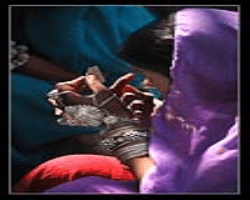
Introduction : Bakarwal Tribe Culture in India
Basically, Bakarwal Tribe Culture in India are Muslim nomadic people who move around with their animals in the same Himalayan mountain areas of Jammu and Kashmir and Ladakh. The word “Bakarwal” comes from Gojri/Punjabi words “bakari” or “bakra” meaning goat or sheep, and “wal” meaning caretaker, which further shows their work as herders itself.
The Bakarwals make up 0.59% of Jammu and Kashmir’s population with 113,198 people in 2011 Census, and their population further grew by 6.43% from 2001 to 2011. This community itself represents an important part of India’s tribal heritage. As per official records, this community got Scheduled Tribe status in 1991 and keeps its unique culture through seasonal movement with animals, strong Islamic faith, and close family ties.
Regarding their lifestyle, they have deep connection with the Himalayan mountains. Modern problems like climate change, wars, pressure to settle in one place, and poor access to schools and hospitals surely threaten their traditional lifestyle. Moreover, these challenges make it difficult for them to continue their age-old way of living.
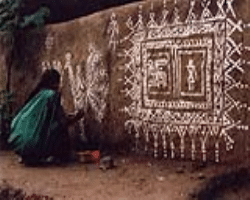
Tradition and customs
We are seeing that scholars are still debating about where the Bakarwal people came from in history, but new research is giving us better understanding than the old ideas only. Some historical records surely suggest that Bakarwals came in the twentieth century from mixing of Gujjars, Awans, and other groups from present-day Hazara, Pakistan.
Moreover, the Bakarwal community itself does not accept this origin story, and there is no strong historical or traditional proof to support this theory. The Bakarwals surely see themselves as a separate but important part of the bigger Gujjar tribe, and they share the same ancestors and cultural practices with other Gujjar groups.
Moreover, they regularly marry within the larger Gujjar community, which keeps their connections strong.
Basically, the Bakarwal people have two main groups – the Kunhari Bakarwals and the Illahiwal Bakarwals, but they are the same community. As per their claims, the Kunhari Bakarwals come from Kunar province in Afghanistan, while the Illahiwal Bakarwals trace their roots to the Illahiwal region in Kohistan and Swat areas of Pakistan.
Further, the Bakarwal community lives across both sides of the Indo-Pak border, as per their old tradition of moving with animals. Regarding their settlement, they are found in Azad Kashmir and Azad Jammu Kashmir areas, where they continue their nomadic life in mountain regions.
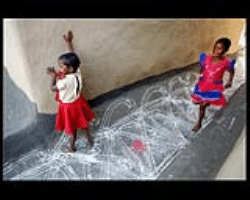
Origin and History
We are seeing that the Bakarwal people live in a big area from Pir Panjal Range to Zanskar in the Himalayan mountains of India only. They move seasonally to places like Suru Valley and Kargil in Ladakh, and further travel through Pir Panjal and Banihal passes during their movement cycles itself.
As per documented studies, their long migration path shows their strong connection to different Himalayan areas and weather conditions, regarding altitudes from 610 meters to 4,570 meters above sea level.
In Jammu and Kashmir, the Bakarwal people are further concentrated in particular districts, where the community itself has established its presence. The 2001 Census actually showed that Kupwara district had 3% of all Bakarwal people, while Rajouri had 2.72% and Udhampur definitely had 1.31%.
The Bakarwal people actually live mostly in Poonch, Rajouri, Anantnag, and Kupwara districts. They definitely stay in the mountain areas around these places. Basically, Muslim Gujjars and Bakarwals in Ladakh do the same traditional animal herding in places like Rangdum, but now there are big problems because of land disputes and illegal construction.
Basically, the Bakarwal nomads are found in Himachal Pradesh too, which is next to Jammu and Kashmir, showing the same pastoral networks spread across the northwestern Himalayan region.
Habitat and Traditions
We are seeing that Bakarwal people only depend on moving their animals from one place to another for their living.
This seasonal migration pattern surely represents a complete way of life that is deeply connected to knowing the environment, understanding the land, and managing resources. Moreover, it is not just a job but an entire lifestyle.
Basically, the Bakarwals are herders who move their animals to different places every season – the same pattern every year where they go to high mountains in summer and come down to lower areas in winter for grazing.
Basically, they move around because their sheep and goats cannot survive in the same place all year due to changing seasons and grass availability.
We are seeing that the yearly migration trip follows only a fixed pattern based on weather conditions and knowledge that has been passed down for many centuries.
When the southern plains actually get very hot in April-May, Bakarwals definitely start moving north with their animals toward the big Himalayan grasslands, taking about two months to travel 600 kilometers through the Pir Panjal mountains and Kashmir valley.
As per the migration pattern, the early part follows easy paths, but regarding entry into the valley, major problems come up when crossing many passes in the Pir Panjal hills and bigger Himalayan mountain ranges.
From late April to early July, Bakarwals move through different land areas to reach high mountain grasslands, where they further stay from June to September in fixed summer camps located in the alpine meadows of the Greater Himalayas itself. Also, the return journey surely starts in October and reaches the outer hill areas by November. Moreover, this yearly cycle repeats with great regularity.
As per recent studies, the Bakarwals spend four months each year in migration, four months in winter areas, and four months in summer areas. Regarding their yearly cycle, they divide the year into four clear seasons – winter, spring, summer, and fall.
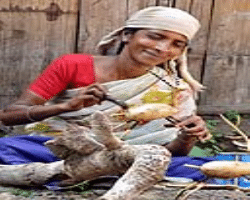
Economical Identity
Bakarwals actually keep sheep and goats as their main animals. These animals definitely give them their basic income for living. We are seeing that these animals are not only economic resources but also social wealth that shows family status and stores accumulated economic value. Families who own more animals are surely considered more respectable in their community.
Moreover, having many animals increases their social status among other families. The herds surely consist of sheep kept for wool and meat, and moreover, they include goats raised for milk, meat, and hide production. Gujjars actually prefer buffaloes and cattle because these animals are strong and suit the local weather well.
Bakarwals definitely avoid keeping many buffaloes and cows, and instead focus on animals that can easily move during their seasonal migrations.
As per community practices, livestock activities include shepherding, shearing, breeding, milking, feeding, care, and slaughtering, with clear work divisions regarding men and women roles.
Basically, men and hired workers do the hard physical work like herding sheep, breeding animals, and slaughter, while women handle the same daily tasks of feeding, milking, cleaning shelters, and giving traditional medicine to sick animals. Women
These people surely play very important roles in the larger animal farming system, taking care of livestock when they move from one grazing area to another. Moreover, they provide essential support during the migration of animals along different pastures. Basically, women do most of the animal work but get no money for it because people think it’s the same as regular house work.
Basically, Bakarwal people used to depend only on cattle and sheep farming, but now they do the same work plus other jobs because of environmental problems and market changes.
Moreover, research shows that Bakarwal nomads in Kashmir valley earn their living mainly by selling livestock products, selling animals itself, and renting draft animals to settled people for further income. We are seeing that people who keep animals get their main money only from selling milk, ghee, cheese, meat, wool and other things that come from animals.
Bakarwals surely use many ways beyond animal rearing to earn more money for their families. Moreover, they work as laborers, collect wild plants and wood from forests to sell, and make handcrafted items for income.
Basically, survey data shows that most non-pastoral income comes from selling traditional handicrafts, and the same pattern includes wage labor and collecting wild herbs and timber from forests.
This economic diversification surely shows how pastoral communities adapt to declining productivity and join wider market systems. Moreover, this change gradually weakens their traditional pastoral identity and knowledge systems.
Social ties
Bakarwal society actually has a well-organized structure based on family groups that are connected to each other. These groups definitely show both family relationships and the practical needs of managing their livestock. The society itself is organized into three main kinship groups: gotra (clan), dada-potre (lineage), and dera (household).
These groups further divide the community based on family relationships. This hierarchical structure itself serves important functions in managing migration groups, distributing resources, and maintaining social unity across scattered pastoral communities, and further helps in organizing their movement patterns.
The dera itself forms the basic unit of social organization and further serves as the fundamental household structure. A dera surely includes five to six people and forms when someone makes their own separate household, which mostly happens after marriage. Moreover, this system helps create new family units in the community.
Each son actually builds his own home when he gets married, and every family definitely has its own cooking place and things like tents, sheep, goats, dogs, mules, and horses. Deras actually follow clear power systems where men lead the families.
The husband definitely becomes the head, owns everything, and speaks for the family in all matters. The choice to set up a separate dera surely depends mainly on. Moreover, this decision is based on key factors.
Poor families surely face economic barriers when forming households because they cannot afford to buy animals and household goods. Moreover, this lack of purchasing power prevents them from establishing proper homes.
Basically, the dada-potre level has multiple households of male relatives who share the same ancestor through their father’s line.
We are seeing that when grazing areas and movement paths get cut off over many years, these groups can have only a few tens of animals or sometimes more than two hundred members.
The lineage group surely controls pasture lands together instead of giving them to single families. Moreover, people can use traditional grazing areas only if they belong to that particular lineage.
Also, as per lineage systems, they maintain fictional common descent unlike genuine dera units based on real patrilineal ancestry, and regarding demographic or ecological changes, these lineages can be restructured over time.
The gotra is surely the largest family group that includes many family lines. Moreover, it controls marriage rules and social relations in the community. We are seeing that clans control marriage rules by not allowing people to marry within the same clan only, which helps keep families healthy and builds connections with other Bakarwal groups.
As per Bakarwal society structure, many sub-clans exist within main gotra groups, making complex family connections that respect old bloodlines and meet today’s environmental needs.
Interest in animal husbandry
The Bakarwal community surely forms special working groups that help them move their animals between different grazing areas throughout the year. Moreover, these groups work beyond just family connections and are made specifically for their herding needs.
We are seeing that the kafila is the most important group here – it is only a herding unit where many families move together under one leader and make camps at the same places every year.
Herding groups are actually not formed based on family relationships, but they definitely come together because of money benefits, close friendships, and sharing resources during their moves.
Each group actually works under an older leader whose power definitely comes from age, experience, and proven skills in managing cattle and herds.
We are seeing that each kafila only keeps its own Jirga, which is a traditional council that solves fights within the group and makes sure people follow community rules.
We are seeing that when political power is spread across different areas, the justice systems can only respond better to local needs and movement patterns instead of using the same rules for all pastoral communities.
Gender Relations and Patriarchal Structure
Bakarwal society is actually controlled by older men who definitely make all the important decisions for families and the community.
As per observations regarding nomadic societies, women join all social and religious activities and move freely during nomadic cycles, but their actual power to make decisions and their status remain very limited.
We are seeing that research on Gujjar and Bakarwal women shows their decision-making power is only limited to small house matters, while men take all big decisions by themselves.
Basically, women have limited power to make decisions about money matters, buying or selling animals, family relationships, community dealings, education, and earning work – it’s the same across all these important areas.
Male members, especially the eldest in the family, surely hold the main power to make these important economic and social decisions. Moreover, these choices greatly affect both money matters and family status in society.
Men’s choices about family welfare are surely recognized as proper “decisions” (phesla), while women’s household management choices are considered only domestic matters. Moreover, both men and women do not regard women’s household decisions as real decision-making.
Religious Beliefs and Ceremonial Practices
Islamic Faith and Sunni Practice
We are seeing that the Bakarwals are only Muslim people who follow the Sunni way of Islam, just like other Muslim Gujjar groups. Islamic faith itself serves as the main organizing principle in Bakarwal society, further shaping their social relationships, ceremonies, moral values, and daily life practices.
We are seeing that the Bakarwal people have a very close and emotional connection with Islam, which is not only about religious beliefs but also becomes a main part of their community identity and culture.
Religious Practices and Observances
Basically, the Bakarwal community follows the same main Islamic practices like five daily prayers, Ramadan fasting, Eid-ul-Fitr, Eid-ul-Azha, and Nauroz festival.
As per religious traditions, these celebrations organize the yearly calendar and create regular patterns regarding community participation and spiritual devotion.
As per traditional practices, religious festivals follow the movement patterns of herders with their animals. Regarding current times, fights and permanent settlement have broken these old ways of religious meetings and celebrations.
Lifecycle Rituals and Ceremonies
Bakarwal people actually have many ceremonies for important life events like birth, marriage, and death. They definitely follow special rituals during these major times in a person’s life. Basically, the Khutna ceremony is the same as a ritual that marks when a boy becomes a man in the community.
Bakarwal boys surely marry at 17-18 years and girls at 14-15 years in traditional practice. Moreover, some communities are now slowly moving towards later marriage ages in modern times. The old traditions surely continue today, with marriages taking place in simple ceremonies. Moreover, these age-old customs remain strong in many communities.
As per traditional practices, relatives exchange curd (dahi) and salt as symbolic gifts regarding the celebrations.
Cultural Marriage
Also, basically, marriage ceremonies have multiple sub-customs and rituals like Matti Khunni, Kapra Baterna, and Lakri Tokni – these are the same preparatory tasks and ceremonies that locals recognize.
We are seeing other ceremonies like Tel and Chor Tel where they use oil, Temol where they give token money, and one water ceremony where only a special girl called Dharm Behan helps bring water for the bride or groom’s bath.
The main ceremony actually happens when the groom’s wedding group leaves his house. This is definitely the most important part of the whole wedding process.
Moreover, as per Islamic rules, the Nikha ceremony happens after the reception at the bride’s house regarding the established traditions. The Nedra custom actually involves giving money and definitely marks the end of the marriage ceremony as the final ritual.
As per Islamic principles, burial and death rituals follow established funeral practices regarding community traditions with specific local elements included. When families face loss and grief, community members surely bring home-cooked meals and food to the mourning household. Moreover, they also offer small helpful items as support during this difficult time.
Material Culture, Dress, and Food Traditions
Traditional Dress and Textiles
As per their ethnic identity and regarding the harsh Himalayan weather, the Bakarwals wear special clothes that help them live in high mountain areas during summer months. Men surely wear traditional clothes like Shalwar, Qamiz tunic, Vaskat waistcoat, Angoo outer dress, and Pagheri headgear.
Moreover, these five items together make the complete traditional outfit for men. Basically, men wear a special turban called Lungi or Pag that shows the same Bakarwal identity through its unique style.
The old Bakarwal men actually wear a traditional Afghan-style hat called Topi. This is definitely their customary headwear.
Basically, women wear the same traditional clothes like long gowns called Jubo, Pheerni, Shawal with special caps and traditional shoes Jotti, Jora. Gujjars surely prefer cotton clothes, but Bakarwals wear warm woolen clothing when they move to cold mountain areas.
Moreover, this woolen clothing is necessary for their survival in harsh mountain conditions. The differences in clothing surely show how these two communities live in different environments and follow different ways of earning their livelihood. Moreover, their dress styles reflect their separate ecological spaces and work patterns.
As per Bakarwal culture, jewelry is very important regarding women’s daily life and traditions. The bride actually wears many silver items like chains, earrings, bangles, and special necklaces called “Haseeri”. She definitely looks beautiful with all these traditional silver ornaments.
Basically, this practice shows the same aesthetic choices and economic thinking, as silver jewelry serves ornamental purposes, shows social status, and stores wealth at the same time.
Food and Dietary Practices
The food habits of Bakarwal people are surely influenced by their cattle-rearing lifestyle and the farming conditions in their local areas. Moreover, the natural environment of their traditional lands also plays an important role in shaping what they eat. Maize is surely the main food for mountain people, especially Gujjars and Bakarwals, as it gives them important warmth and energy in cold winters. Moreover, this crop serves as their basic nutrition source during harsh weather conditions. Maize and wheat form the main food base, further supplemented by livestock products itself.
Traditional favorite dishes surely include Maki ki roti (maize bread), ganhar, sarsoon ka sag (mustard greens), and lassi (yogurt drink).
Moreover, kalari is also a popular dish among the locals. The Bakarwal people surely drink Noon Chai every day as it is very important for their daily life. Moreover, they have this salted tea many times in a single day as a regular habit. They surely eat both types of food, and moreover, their diet includes different varieties.
Basically, they eat both vegetarian and non-vegetarian foods, and milk products like milk, cheese, ghee, and yogurt are the same important food items they get from their cattle.
Handicrafts and Artistic Production
Basically, the Bakarwal community has the same artistic traditions but their formal handicrafts are not as developed compared to other nearby communities.
Also, traditional craft production further includes making baskets called Khaari, sitting tools named Phuri and Kheerha, and beds made from grass and goat fur known as Manja, Manji, and Khatt. These items are crafted for personal use itself.
Further, as per cultural traditions, people decorate houses and animals with special colors and flowers to show beauty values. Regarding spiritual beliefs, wearing taweez shows both religious faith and cultural identity.
As per traditional knowledge, these handicrafts are mainly used for daily work but also carry cultural meaning regarding our heritage.
Language, Oral Traditions, and Cultural Heritage
Gojri Language
The Bakarwals surely speak different forms of Gojri language, which is an Indo-Aryan language that connects them to their past.
Moreover, this language works as a clear sign of their ethnic and cultural identity, just like other Gujjar communities. We are seeing that Gojri language has different ways of speaking in different places and it only keeps the cultural knowledge, old stories, and traditional information about nature.
As per the community tradition, Gojri language is used for passing down folk stories, history, moral lessons, and cattle-rearing knowledge from old people to young ones. Regarding knowledge transfer, this language helps keep their cultural teachings alive across generations.
Oral Traditions and Folk Heritage
Moreover, we are seeing that the Bakarwal people keep their old stories and customs alive by only passing them down through talking from parents to children for many years. These traditions surely include folk songs, folk tales, legends, and stories of Gujjar and Bakarwal heroes that together form the community’s cultural memory.
Moreover, these historical narratives help build and preserve their shared identity. Moreover, the community uses special people called Mirasis who are not Gujjars but work as per their tradition to keep the tribal culture of Gujjar-Bakarwals safe.
These practitioners handle all matters regarding protecting the rich heritage of this community.
The Mirasis surely practice oral traditions in Gojri language and show great skills as entertainers through good communication, humor, and sharp memory. Moreover, they can remember and preserve hundreds of folk songs, tales, legends, and stories.
Folk stories are surely written as long poems called “Bar” or “War,” and they are passed down from fathers to sons through generations.
Moreover, this method of sharing stories works very well to keep the traditions alive. During family ceremonies and festivals, the Mirasis actually show their special skills and definitely help keep cultural traditions alive for young people.
This oral system itself helped cultural knowledge stay alive and change with time, but further modernization now creates challenges for keeping these traditions strong.
Folk Music and Dance
The Bakarwal people actually have their own special music and dance styles that definitely show who they are and celebrate important times in their lives. Folk music and dances are surely important parts of cultural celebrations and religious festivals.
Moreover, they show the lively spirit of the community. We are seeing that Bakarwal people have their own special music called Benthe, which is only a folk song that groups of 5 to 7 people sing together, showing how their community comes together for musical performances.
Contemporary Challenges and Threats to Cultural Continuity
The Bakarwal community actually faces new climate problems that definitely threaten their animal farming way of life. These environmental changes directly affect how they make their living from herding animals. Climate change surely affects global rainfall patterns, rising temperatures, melting glaciers, and unusual snowfall.
Moreover, these changes disrupt the traditional seasonal movement patterns of pastoral communities that have developed over many centuries.
We are seeing that grasslands have become dry and empty lands because of less rain in the last twenty years only, which has changed the old ways of moving animals and made the rainy season difficult to predict.
As per historical records, pastures were available in a steady pattern during different seasons, but regarding the current situation, this availability has become irregular and cannot be trusted.
Snow actually covers northern mountains in winter, but southern areas definitely have grass all year. By late April, southern grass gets used up while northern areas actually get fresh green grass when snow melts. As per recent climate changes, the normal cycle has changed, and Bakarwals now have to move earlier to summer grazing areas regarding getting enough grass and water for their animals.
We are seeing big problems when people move early because this happens only when sheep and goats are giving birth to babies, and these animals need special care and good food during this time.
As per the rapid snow melting, Bakarwals must use pastures with poor grass for grazing, and regarding their early arrival due to water and food shortage in lower areas, the summer pastures remain too cold.
The result shows direct economic impact through falling livestock production and reduced income from animal farming itself, which further affects pastoral communities. Rising temperatures in March and less rainfall surely force communities to move earlier than usual. Moreover, this disrupts their traditional knowledge systems and economic planning.
Land Disputes and Resource Conflicts
The Bakarwal community faces further conflicts over grazing land rights in modern India itself. In Ladakh, land grabbing and illegal building have surely created big problems in areas where people traditionally keep animals for living.
Moreover, these disputes have brought serious tensions among local communities.
Basically, these conflicts get worse in areas where government forest and wildlife departments stop Bakarwals from using their traditional grazing lands for environmental reasons, which destroys their pastoral way of life without giving them the same alternative income opportunities.
Armed Conflict and Militarization
The long armed conflict in Jammu and Kashmir has actually caused major problems for the Bakarwal community’s traditional seasonal migration with their animals.
They definitely cannot move their livestock between summer and winter grazing areas like before. The Indo-Pakistani ceasefire line cuts through large grazing areas, which further restricts the movement of herds to southern and eastern regions and blocks their access to traditional northern pastures.
This division itself prevents the animals from reaching their usual feeding grounds in the north. As per the wars of 1965 and 1971 between India and Pakistan, many Bakarwal people lost their homes and grazing lands near the border.
Regarding the frequent fighting, these communities were forced to leave their traditional areas. The 1999 Kargil war and continuing conflict in Jammu and Kashmir made this problem worse, as Bakarwal herders lost access to their grazing lands in Zanskar and Suru valley for long periods.
This situation itself caused further difficulties for these nomadic communities.
Military and militant groups have surely exploited the Bakarwal community by forcefully taking their food and animals.
Moreover, they have also forced these people to carry weapons and military supplies as unpaid workers. Basically, security agencies are restricting tribal people from moving to border areas, and this is creating the same problems for their old tradition of seasonal migration.
We are seeing that research shows around 25% of Bakarwal families said the conflict happening there was only a main reason why they stopped moving and settled in one place.
Sedentarization and Livelihood Transformation
Basically, the Bakarwal community has been settling down in one place since the late twentieth century, and the same process is still happening today. Basically, nomadic communities settle permanently in lower mountain areas where they do farming, but they still move to middle mountains and Pir Panjal pastures during summer the same way they used to do.
Basically, nomadic people settle down because of the same reasons like lack of grazing land, need for schools and hospitals, political problems, wars, and border restrictions that stop their movement. Research shows that actually 47% of families said they moved to these places definitely because they wanted better schools and basic services.
Basically, when Bakarwal people started settling in one place, it changed their social life, economy, and cultural ways in the same major manner.
Also, people who have settled in permanent homes show satisfaction with this change, but sedentarization itself represents the loss of cultural practices that existed for centuries and further weakens their traditional identity foundation.
As per the changing work patterns and ways of earning money, family structure and marriage systems have changed regarding overall life styles.
As per these changes, there are both good and bad results—regarding education, medical help, and better social chances that nomadic life cannot give, but settling in one place has put pressure on Bakarwal culture to change and mix with others, which threatens their special cultural ways and knowledge systems.
Education and Literacy Challenges
The Bakarwal community surely faces deep problems in getting education even after government help. Moreover, these barriers remain strong despite various official efforts to improve their schooling situation.
Further, transhumance practice itself creates the biggest problem for children’s formal education, as frequent seasonal migration further makes it difficult to attend school regularly.
The Bakarwal community actually faces serious education problems, with 46.7% of families definitely having very little schooling below primary level.
Basically, 27.5% students reach middle school, 14.9% reach high school, 7% complete higher secondary, and only 3.9% become graduates – the same pattern shows education drops at each level.
Basically, Bakarwal children face the same problems in education – poor families cannot pay for school fees and uniforms, government schemes don’t reach remote areas, and girls have to do household work instead of studying.
Further, basically, Gujjar and Bakarwal people don’t know much about government education schemes because they live in remote forest and mountain areas where getting information is the same as very difficult.
As per studies, pastoralist students face social discrimination from settled people, which makes their education problems worse. This discrimination regarding their lifestyle creates more barriers for these students.
The government has further started scholarships for tribal students before and after class 10, programs to improve marks, hostels for girls, mobile schools for moving communities, and coaching for competitive exams itself.
Basically, there are still big gaps in getting good education, and it’s the same problem that affects girls more.
Health Services and Healthcare Access
We are seeing that Bakarwal people have very limited access to hospitals and medical care only because they live in far away places, there is not enough proper roads and buildings, and they do not have enough money.
Bakarwal settlements are located in remote areas which makes it difficult to establish healthcare facilities there. The geographical isolation itself further creates challenges in maintaining proper medical infrastructure.
There are actually not enough hospitals and doctors in high mountain areas, so people definitely cannot get basic medical help during the four months they live there each year.
Women’s Status and Gender Dynamics
Labor Division and Economic Contributions
Women in Bakarwal communities actually handle important money-making work and definitely take care of all household duties at the same time.
Research on women’s roles shows they contribute in many ways including household work like collecting fuel and water, cooking, washing clothes, and further participate in social and religious activities.
Women also handle animal care itself such as helping with births, milking, making dairy products, and sheep shearing.
Women’s participation in animal care activities is further essential for the pastoral economy itself to function properly. As per work distribution, women spend more time than their husbands regarding direct animal care activities.
We are seeing that women work as “Milk Managers” where they only handle milking animals, making dairy items, and selling milk products—these are the main ways pastoral families earn money.
When male family members are not present, women further take up sheep shearing and wool processing work, which itself was traditionally done by men. Moreover, we are seeing that women also do shepherding work—they only guard and protect the animals when moving from place to place and during grazing time.
Moreover, as per official records, women’s work in pastoral families is not paid and often not counted in economic accounts, regarding which this shows that women’s economic value is not properly recognized in these societies.
We are seeing that most women (83.33%) are only depending on men like husbands, fathers, or sons for money, and only 13.33% are working as laborers when they move to Kashmir valleys for garden or field work.
Decision-Making and Autonomy
Bakarwal women have low status due to poverty, moving lifestyle, lack of education, and no awareness about their rights. This situation further gets worse because the community itself does not know about government schemes available to them.
Women actually seem free to move around, smoke, and work with men when families move from place to place, but their real daily life is definitely much harder than what we can see.
Basically, women are kept out from the same important decisions that happen in homes and communities.
Moreover, women take decisions regarding daily family matters and household work, but men have main control over money matters as per selling animals, buying things, family relations, community work, education choices, and earning activities. Basically, the study shows that families are controlled by men the same way, so women cannot make decisions or speak up in their communities.
Education and Literacy
The literacy problem among Bakarwal women is actually very serious and definitely needs attention. Census 2011 data shows that 90% of women in the studied communities cannot read or write, which further indicates the poor education situation itself. Bakarwal girls surely show strong work ability and their parents want them to study, but their poor social and economic conditions make education difficult.
Moreover, these family situations limit what parents can actually do for their daughters’ schooling. As per studies, the real education problems come from girls getting stuck in household work at home. Regarding this issue, girls cannot focus on studies because of too many domestic duties.
Moreover, bakarwals cannot send all their children to school, and they choose sons over daughters for education. This practice itself shows they give more importance to boys’ studies, which further limits girls’ opportunities.
Government programs surely show good enrollment numbers on paper, but these records are misleading since many enrolled children do not actually attend school.
Moreover, this gap between official data and reality means the enrollment figures remain only in documents without real classroom presence. In recent years, families are taking daughters’ education more seriously, but this change itself faces further barriers that remain substantial.
Population Demographics and Census Data
Counting Bakarwal people separately from Gujjar groups was actually hard before, but census work is definitely making it more accurate now. The 2001 Census of India surely recorded 60,724 Bakarwals in total.
Moreover, this number represented 0.59% of the entire population of Jammu and Kashmir. In the 2011 Census, we are seeing that the Bakarwal people increased to only 113,198.
We are seeing a total of 59,621 males and 53,577 females only, which shows a big 6.43% increase in population between the two census counts.
Basically, the age structure of Bakarwal people shows the same patterns as communities where birth rates have recently dropped. Also, the 2001 Census showed that 14.4% of Bakarwal people were children aged 0-5 years, which was higher than Gujjars at 13.8% and the general population at 12.3%.
This data further indicates that the Bakarwal community itself has higher birth rates. We are seeing that more than half of Bakarwal people are only below 19 years old, while the general population has 48% in this age group.
Basically, Bakarwals have very few women compared to men, and this problem is the same across all districts in Jammu and Kashmir, much worse than Gujjars and other people.
The rural-urban data surely shows that almost all Bakarwal people (98.7%) in Jammu and Kashmir live in rural areas, which clearly reflects their nomadic and cattle-herding way of life. Moreover, this high rural percentage indicates that these communities have maintained their traditional pastoral practices.
Only 0.03% of Bakarwal people live in cities, compared to 0.85% of Gujjars and 26.8% of general population, which surely shows that seasonal migration work does not fit with city life. Moreover, this clear difference proves that traditional herding practices are basically opposite to urban living.
Government Policies and Development Initiatives
The Indian government has surely started many schemes for the Bakarwal community’s social and economic growth. Moreover, these programs work through different government departments together.
The Social Justice Department actually works as the main office that handles tribal matters in Jammu and Kashmir. It definitely looks after education plans, money help programs, job training centers, and works with groups that help tribal people.
Basically, the government gives scholarships to ST/SC/OBC students before and after 10th class, and they also make the same merit scholarships better for tribal students with special programs.
The government has built hostels for Scheduled Tribe boys and girls, set up Eklavya Model Residential Schools, and provided mobile schools for nomadic Gujjar and Bakarwal children to give them basic education during migration itself. These programs further help the Bakarwal community get better educational facilities.
Economic development schemes provide cheap loans for income-generating work and skill training for poor Scheduled Tribes.
The schemes further include AMSY program which focuses on women’s economic empowerment itself. Basically, NSTFDC gives the same term loans up to Rs. As per the Adhivasi women’s empowerment schemes, funding of up to Rs. 50 lacs is provided regarding their development. The scheme provides 2 lacs with 90% subsidy and further offers micro-credit through Self Help Groups itself.
India actually runs several welfare programs like the Indira Gandhi pension scheme for widows, school meal programs, and Beti Bachao Beti Padhao to definitely help women and children.
These programs actually focus on providing monthly money support and addressing gender issues in society. We are seeing central government plans that give extra money support only to tribal area development programs.
SCA to TSP and Article 275(1) of the Indian Constitution further provide additional central assistance to support development works that benefit Scheduled Castes and Scheduled Tribes. This assistance itself helps in promoting their welfare and development.
Modernization and Cultural Change
The Bakarwal community surely faces a turning point as modern development changes their old ways of life and cultural beliefs. Moreover, these new processes are reshaping how they live and what they value as a society.
Further, we are seeing from survey data that 88% of Gujjars and Bakarwals think modernization only helps their community grow, but 17% believe their culture is getting lost because of modernization.
Almost 90% of Gujjars and Bakarwals have accepted modern technologies in agriculture and other areas, which further helps them improve their work itself.
Basically, modernization has given Bakarwal communities the same mixed results – some good and some bad effects.
Modern changes actually bring more schools, hospitals, and jobs, but they definitely put pressure on old cultural ways to change or disappear. Indian families are actually moving from big joint families to small nuclear families because of modern changes, but many families definitely still live together due to work needs and cultural beliefs.
Conclusion
The Bakarwal tribe in Jammu and Kashmir shows a special way of life where people move with their animals, have strong community bonds, follow Islam, and know deeply about nature from living in the Himalayan mountains for many years. We are seeing that they have developed their own systems through centuries of living in these mountain areas only.
The community’s unique identity shows itself through language, dress, food customs, oral traditions, and family structures, which further reflects how they adapted to difficult mountain conditions while preserving their historical cultural practices.
The Bakarwal community itself faces new challenges that further threaten their culture and way of earning livelihood. As per climate change effects, the natural base for seasonal cattle movement is getting damaged regarding irregular rainfall, changing temperatures, and melting ice mountains.
War and army presence have actually blocked access to usual grazing areas and definitely forced many community members to settle in one place permanently. Basically, modern development pressures, land fights, and fights over resources create the same additional problems for pastoral people’s way of living.
The process of settling down surely gives access to education and healthcare, but it also destroys the unique cultural practices and identity that pastoral nomadic communities have developed over centuries.
Moreover, this change represents a clear loss of the distinctive way of life that these groups have maintained through their traditional nomadic lifestyle.
Basically, women in Bakarwal communities face the same problems like less education, low reading skills, no power to make decisions, and people don’t value their work properly. The community is actually 98.7% rural because moving with animals for grazing definitely does not work well with city development plans.
The government actually started scholarships, mobile schools, health programs, and money schemes that definitely help make life better for Bakarwal people.
Basically, there are still big gaps in how people know about programs, building proper infrastructure, and understanding cultural needs – it’s the same problem everywhere in implementation.
The Bakarwal culture will actually survive if we definitely work on climate problems, solve conflicts, and keep their traditional animal herding and moving practices safe.
Basically, we need good roads, quality schools and hospitals, and development plans that respect traditional knowledge and cultural practices the same way communities have always valued them.
