
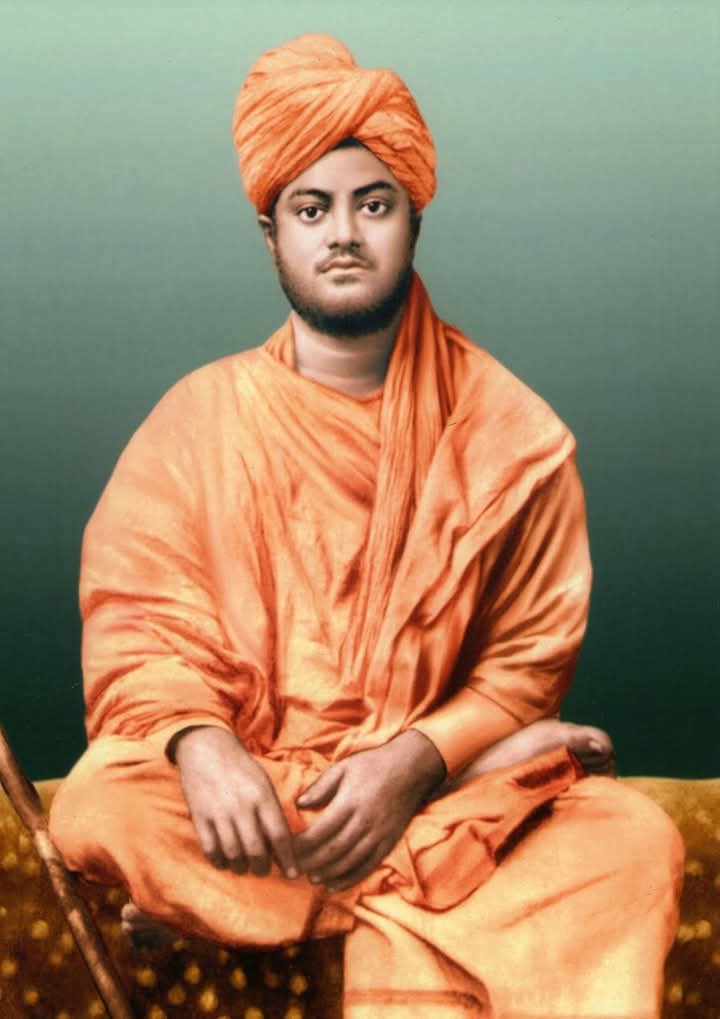
Introduction:- The Relevance of Swami Vivekananda in Modern India
In the tapestry of modern India, few threads shine as brightly as the teachings of Swami Vivekananda. More than a century after his passing, the relevance of Swami Vivekananda in modern India continues to grow, touching lives and shaping the nation’s destiny. His words, once spoken to awaken a slumbering nation, now echo through the corridors of time, offering guidance and inspiration to a country navigating the complexities of the 21st century.
Thank you for reading this post, don't forget to subscribe!Swami Vivekananda’s Vision for India
Swami Vivekananda envisioned an India that would rise from the ashes of colonial rule to reclaim its place as a global leader. This vision, rooted in the ancient wisdom of Vedanta philosophy, emphasized the inherent strength and potential of the Indian people. Today, as India emerges as a major economic and geopolitical player, Vivekananda’s prophecy seems more relevant than ever.
Key aspects of Vivekananda’s vision for India include:
- Spiritual awakening
- Scientific progress
- Economic self-reliance
- Cultural pride
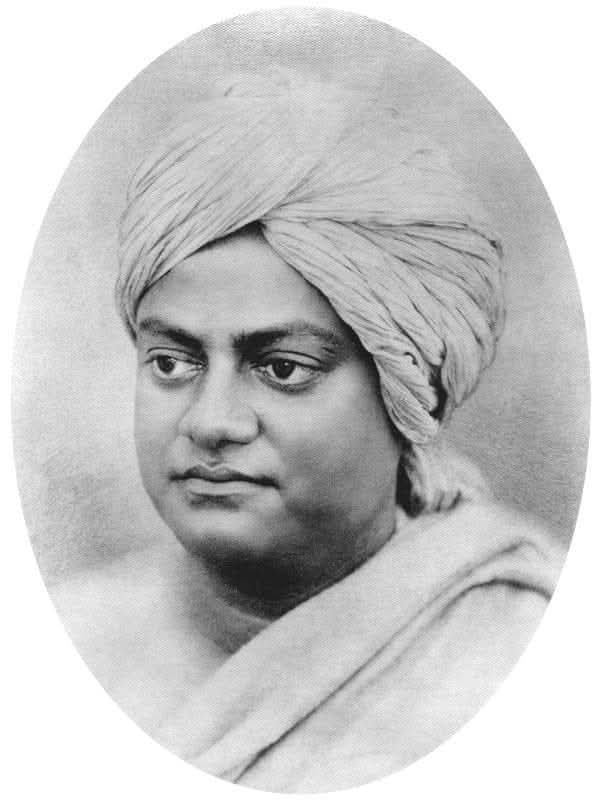
These ideals continue to shape India’s national policies and societal goals, demonstrating the enduring relevance of Swami Vivekananda in modern India.
Empowering Youth through Education
One of the most significant areas where the relevance of Swami Vivekananda in modern India is evident is in the field of education. Vivekananda believed that education was the panacea for all social ills. He advocated for an education system that would build character, increase strength of mind, expand intellect, and help individuals stand on their own feet.
In line with Vivekananda’s teachings, India has made significant strides in education:
- The Right to Education Act ensures free and compulsory education for all children aged 6-14.
- Skill development initiatives like Skill India focus on practical education and employability.
- Emphasis on women’s education has led to increased female literacy rates.
These efforts reflect Vivekananda’s belief in the transformative power of education, particularly for the youth.
Promoting Religious Harmony
In an era marked by religious tensions, Swami Vivekananda’s message of universal acceptance and religious harmony resonates strongly. His famous speech at the Parliament of World’s Religions in Chicago in 1893 continues to inspire interfaith dialogue and understanding.
Vivekananda’s principles of religious harmony are evident in modern India through:
- Constitutional guarantees of religious freedom
- Celebration of diverse festivals as national holidays
- Interfaith initiatives and dialogues
The relevance of Swami Vivekananda in modern India is particularly apparent in the nation’s ongoing efforts to maintain unity in diversity.
Addressing Social Issues
Vivekananda was a staunch critic of social evils like caste discrimination and poverty. His call for social reform continues to inspire activists and policymakers in modern India. The government’s initiatives to address these issues often draw inspiration from Vivekananda’s teachings:
- Affirmative action policies to uplift historically disadvantaged communities
- Poverty alleviation programs like the National Rural Livelihood Mission
- Campaigns against social evils like child marriage and dowry
These efforts reflect the ongoing relevance of Swami Vivekananda in modern India’s fight against social injustice.
Inspiring Leadership and Patriotism
Swami Vivekananda’s teachings on leadership and patriotism continue to shape India’s political and social landscape. His emphasis on selfless service, moral courage, and love for the nation inspires leaders across various fields.
Examples of Vivekananda’s influence on leadership in modern India include:
- The Swami Vivekananda Youth Leadership Programme nurturing future leaders
- Integration of Vivekananda’s teachings in military training academies
- Political leaders often quoting Vivekananda in their speeches and policy decisions
This widespread influence underscores the relevance of Swami Vivekananda in modern India’s leadership paradigms.
Vivekananda’s Influence on Indian Politics
The political landscape of modern India bears the unmistakable imprint of Swami Vivekananda’s philosophy. His ideas on nationalism, social justice, and governance continue to influence political discourse and policy-making.
Key areas where Vivekananda’s teachings shape Indian politics include:
- Emphasis on inclusive growth and development
- Promotion of India’s soft power through cultural diplomacy
- Focus on youth empowerment in political agendas
Political parties across the spectrum invoke Vivekananda’s name and ideas, demonstrating his enduring relevance in shaping India’s political narrative.

The Spiritual Renaissance
In an increasingly materialistic world, Swami Vivekananda’s spiritual teachings offer a beacon of hope and guidance. His interpretation of Vedanta philosophy, which emphasizes the divinity within every individual, resonates with many in modern India seeking spiritual fulfillment.
The spiritual renaissance inspired by Vivekananda is evident in:
- Growing interest in yoga and meditation practices
- Increased participation in spiritual retreats and workshops
- Integration of spiritual principles in corporate management practices
This spiritual awakening highlights the relevance of Swami Vivekananda in modern India’s quest for inner peace and self-realization.
Vivekananda’s Global Impact
While discussing the relevance of Swami Vivekananda in modern India, it’s important to note his global impact. Vivekananda’s message of universal brotherhood and religious tolerance continues to influence international relations and cultural exchanges.
India’s growing soft power on the global stage owes much to Vivekananda’s legacy:
- The celebration of International Yoga Day, inspired by Vivekananda’s promotion of yoga
- India’s cultural diplomacy efforts through institutions like ICCR
- Growing interest in Indian philosophy and spirituality worldwide
These developments showcase how Vivekananda’s teachings continue to shape India’s global image and interactions.
Conclusion
The relevance of Swami Vivekananda in modern India is not merely a matter of historical significance but a living, breathing reality that shapes the nation’s present and future. From education and social reform to spirituality and global outreach, Vivekananda’s teachings continue to guide India’s journey in the 21st century.
As we reflect on Vivekananda’s enduring legacy, it’s clear that his vision for India – a nation that combines spiritual wisdom with material progress, that celebrates unity in diversity, and that stands tall on the global stage – is more relevant today than ever before.
In embracing Vivekananda’s teachings, modern India finds not just inspiration, but a roadmap for navigating the challenges of our times. As we move forward, let us continue to draw strength and guidance from this great son of India, ensuring that his relevance only grows with each passing year.
