
Introduction
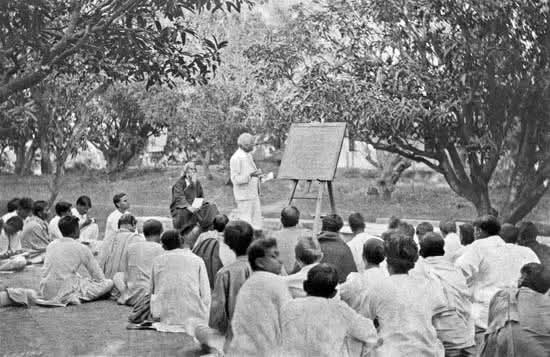
Vernacular education in India has been gaining significant attention in recent years as a means to bridge the language gap and provide inclusive learning opportunities for millions of students across the country. With its diverse linguistic landscape, India faces unique challenges in ensuring quality education for all. This blog post explores the importance of vernacular education, its current state, and its potential to transform the educational landscape in India.
Thank you for reading this post, don't forget to subscribe!The Importance of Vernacular Education
Vernacular education refers to the use of local or regional languages as the medium of instruction in schools. In a country like India, where over 19,500 languages and dialects are spoken, the importance of vernacular education cannot be overstated. Here are some key reasons why vernacular education is crucial:
- Improved Understanding: Students learn better when taught in their mother tongue, as it allows for easier comprehension and retention of concepts.
- Preservation of Cultural Heritage: Vernacular education helps preserve local languages and cultural traditions.
- Inclusive Education: It provides equal opportunities for students from diverse linguistic backgrounds.
- Reduced Dropout Rates: Students are less likely to drop out when they can understand and engage with the curriculum in their native language.
- Enhanced Cognitive Development: Learning in the mother tongue promotes better cognitive development and critical thinking skills.
Historical Context of Vernacular Education in India
The concept of vernacular education in India has deep historical roots:
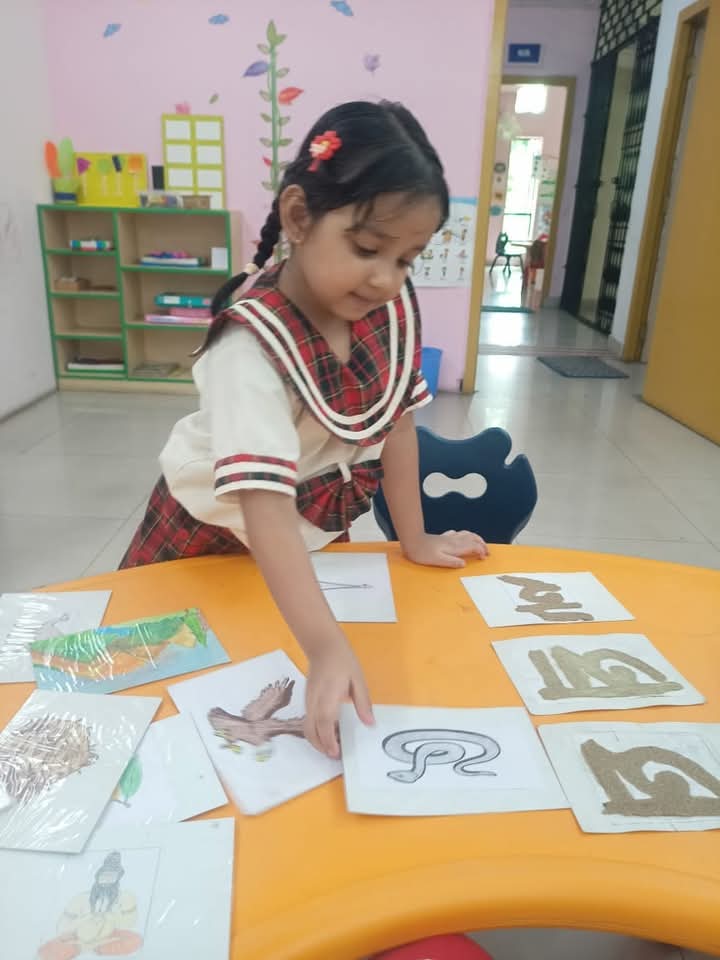
- Pre-colonial Era: Education was primarily imparted in local languages through traditional systems like Gurukulas and Madrasas.
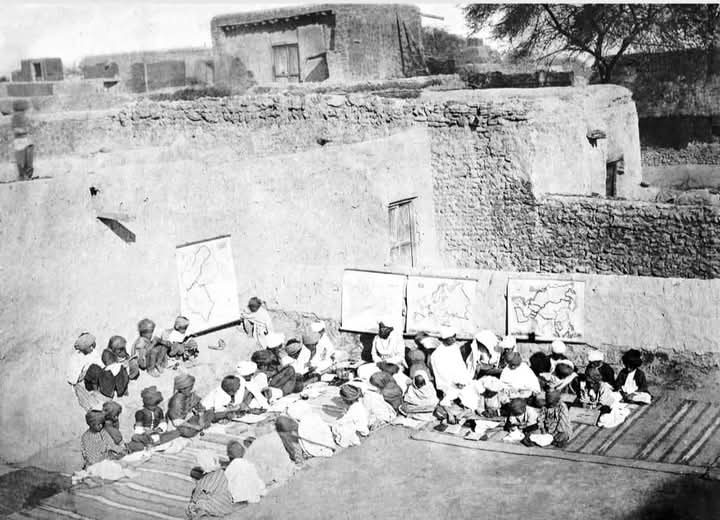
- Colonial Period: The British introduced English as the medium of instruction, leading to a decline in vernacular education.
- Post-Independence: The Indian government recognized the importance of vernacular education and included it in various educational policies.
Learn more about the history of education in India
Current State of Vernacular Education in India
Today, vernacular education in India is experiencing a revival:
- Many states have adopted policies to promote education in regional languages.
- The National Education Policy 2020 emphasizes the importance of mother tongue-based multilingual education.
- Several private schools and educational institutions are offering vernacular medium options.
However, challenges remain, including:
- Lack of quality learning materials in all regional languages
- Shortage of trained teachers proficient in vernacular languages
- Limited career opportunities for students educated solely in vernacular mediums
Benefits of Vernacular Education
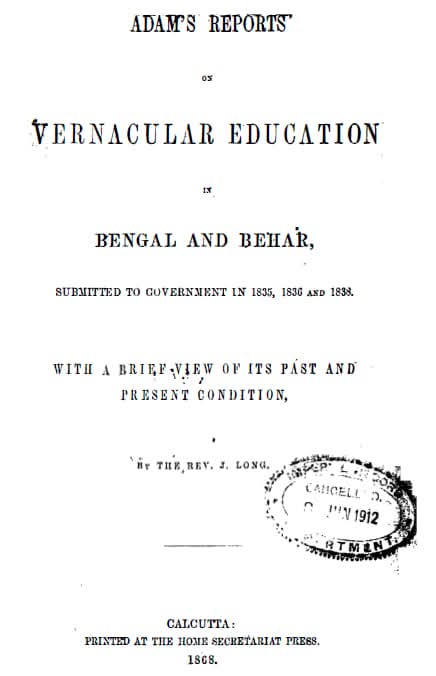
Vernacular education offers numerous advantages:
- Improved Learning Outcomes: Students show better academic performance when taught in their mother tongue.
- Enhanced Creativity: Learning in one’s native language fosters creativity and original thinking.
- Stronger Cultural Identity: It helps students connect with their cultural roots and develop a sense of pride in their heritage.
- Better Parent-Teacher Communication: Parents who may not be fluent in English can actively participate in their child’s education.
- Increased Confidence: Students feel more confident expressing themselves in their native language.
Challenges Facing Vernacular Education
Despite its benefits, vernacular education in India faces several challenges:
- Lack of Standardization: Absence of standardized curriculum and assessment methods across different languages.
- Limited Resources: Insufficient availability of quality textbooks and learning materials in all regional languages.
- Teacher Training: Shortage of teachers trained to deliver quality education in vernacular languages.
- Social Stigma: Perception that English-medium education is superior to vernacular education.
- Career Concerns: Worries about limited job prospects for students educated in regional languages.
Government Initiatives to Promote Vernacular Education
The Indian government has taken several steps to promote vernacular education:
- National Education Policy 2020: Emphasizes the importance of mother tongue-based multilingual education.
- SWAYAM: An online platform offering courses in various Indian languages.
- Digital India: Initiative to create digital content in regional languages.
- Bhasha Sangam: A program to promote multilingualism in schools.
Read more about the National Education Policy 2020
Success Stories in Vernacular Education
Several success stories highlight the potential of vernacular education:
- Kerala’s Literacy Model: The state’s high literacy rate is attributed to its focus on vernacular education.
- Pratham Books: A non-profit organization creating multilingual storybooks for children.
- Teach for India: An organization working to provide quality education in regional languages.
The Role of Technology in Vernacular Education
Technology is playing a crucial role in advancing vernacular education:
- Language Translation Tools: AI-powered tools are making it easier to translate educational content into multiple languages.
- Mobile Learning Apps: Apps like Duolingo and BYJU’S are offering courses in regional languages.
- Digital Libraries: Online repositories of vernacular educational resources are becoming more common.
- Virtual Classrooms: Platforms enabling remote learning in vernacular languages.
Future Prospects of Vernacular Education in India
The future of vernacular education in India looks promising:
- Increased Government Support: More policies and initiatives are expected to promote vernacular education.
- Growing Awareness: Parents and educators are becoming more aware of the benefits of mother tongue-based learning.
- Technological Advancements: Continued technological innovations will make vernacular education more accessible and effective.
- Multilingual Approach: A shift towards a balanced approach that combines vernacular and English education.
Conclusion
Vernacular education in India holds immense potential to transform the educational landscape and empower millions of students. By addressing the challenges and leveraging technology, India can create a more inclusive and effective education system that respects its linguistic diversity.
As we move forward, it’s crucial to strike a balance between vernacular education and global language skills. This approach will not only preserve India’s rich cultural heritage but also equip students with the tools they need to succeed in an increasingly interconnected world.
