
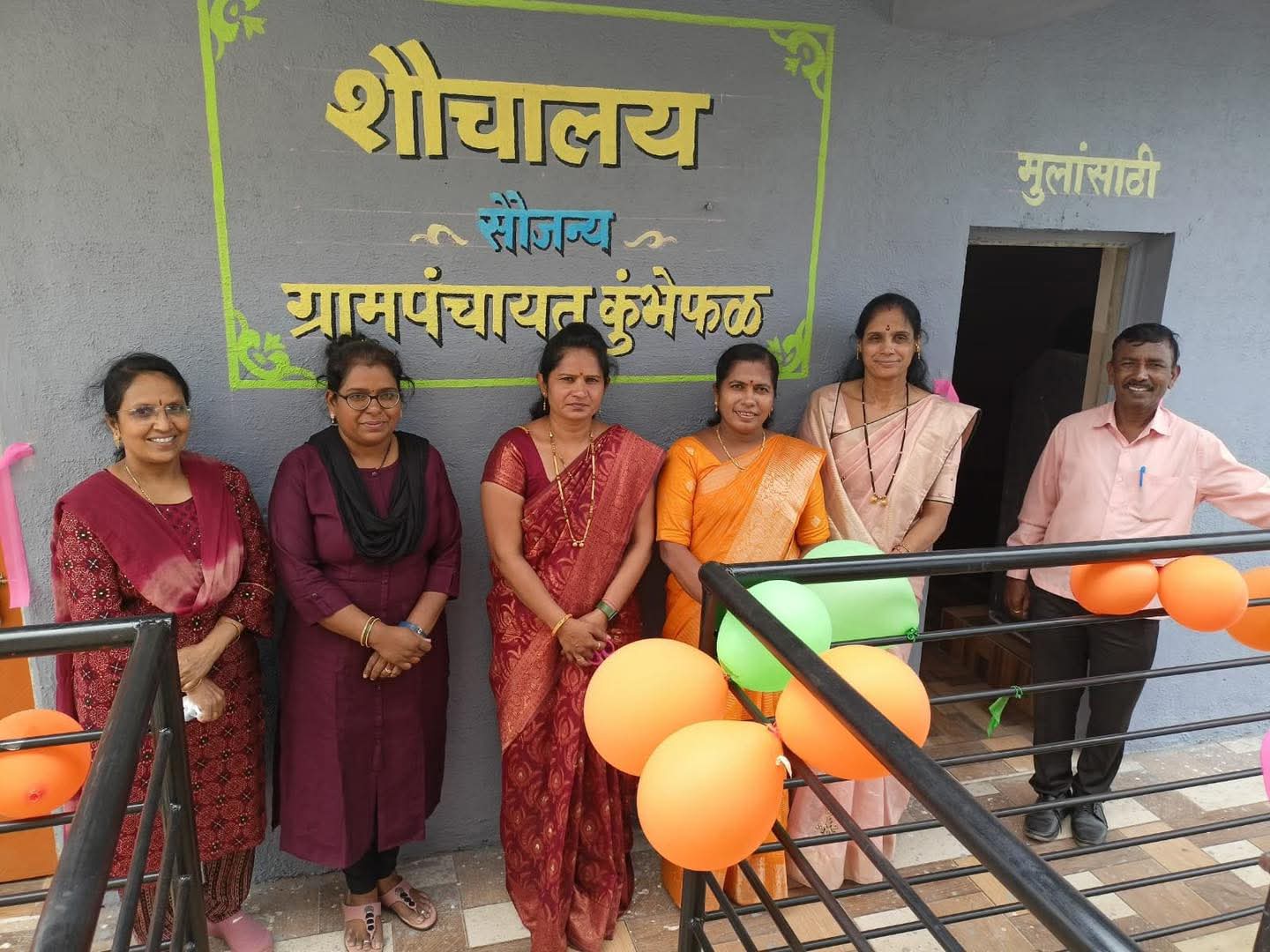
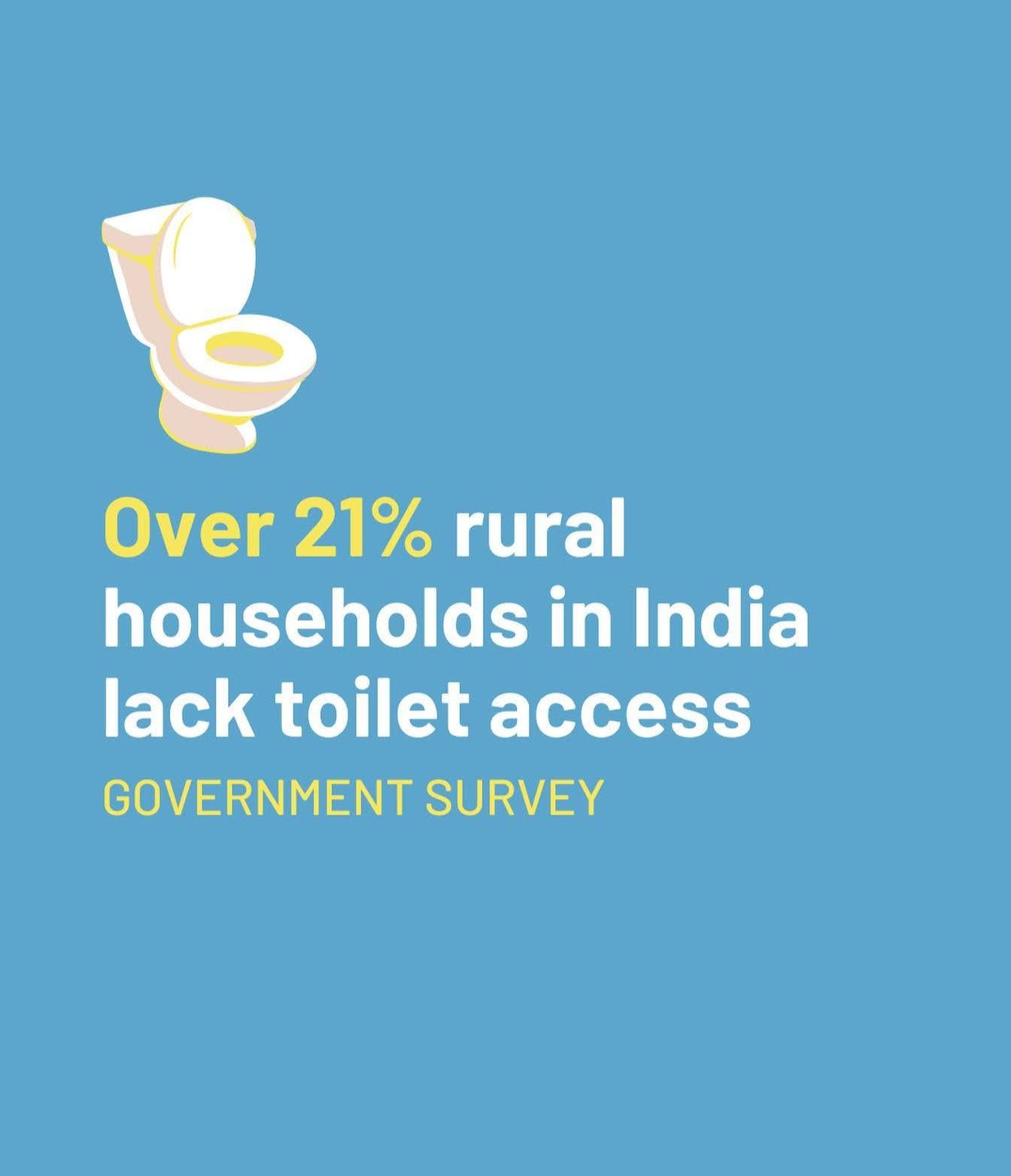
Imagine waking up every morning knowing you need to walk half a mile just to find a semi-private spot to relieve yourself. For 600 million Indians, this isn’t imagination—it’s daily reality.
The toilet situation in rural India isn’t just an inconvenience. It’s a public health emergency, a women’s safety crisis, and an economic drain all wrapped into one messy package.
I’ve spent three years documenting toilet facilities in rural India, and what I’ve found might shock even the most hardened development workers. Village after village with the same story: government initiatives that started strong then fizzled, half-built structures abandoned mid-construction, and communities left to figure it out themselves.
But here’s where it gets interesting—some villages have found solutions that actually work, and they’re not what you’d expect.
Current State of Toilet Facilities in Rural India
A. Statistical overview of toilet coverage
The numbers don’t lie – rural India has made impressive strides in toilet coverage. Back in 2014, only about 39% of rural households had access to toilets. Fast forward to 2023, and that figure has jumped to nearly 95%!
This dramatic improvement came primarily through the Swachh Bharat Mission launched in 2014, which constructed over 100 million toilet units across rural India. What’s even more impressive? Over 600,000 villages have been declared open defecation free.
B. Regional disparities in sanitation access
The toilet situation isn’t the same everywhere in rural India. Not even close.
These disparities often follow economic lines. The poorest districts typically have the worst sanitation infrastructure. Geographic challenges play a huge role too – mountainous regions in Himachal Pradesh and flood-prone areas in Assam face unique hurdles in toilet construction and maintenance.
C. Health implications of inadequate facilities
The health costs of poor sanitation are staggering. Around 100,000 children under five die annually in India from diarrheal diseases linked directly to unsafe water and poor sanitation.
Areas with lower toilet coverage show higher rates of:
- Diarrheal diseases
- Intestinal worm infections
- Malnutrition
- Stunted growth in children
Women suffer disproportionately from inadequate facilities. Urinary tract infections are rampant among rural women who restrict their fluid intake to avoid the need to relieve themselves during daylight hours.
D. Social and economic impact of poor sanitation
Poor sanitation isn’t just a health issue – it’s an economic disaster. India loses approximately 6.4% of its GDP (over $106 billion yearly) to sanitation-related economic losses.
Beyond the numbers, the social impact cuts deep. Girls often drop out of school when they begin menstruating due to inadequate toilet facilities. Women face harassment and assault risks when forced to defecate in the open, especially at night.
The sanitation divide also reinforces social hierarchies. Lower-caste communities frequently have worse access to toilet facilities, perpetuating cycles of discrimination and disadvantage.
In villages that have achieved true open defecation free status, studies show increased productivity, reduced healthcare costs, and improved educational outcomes – particularly for girls.
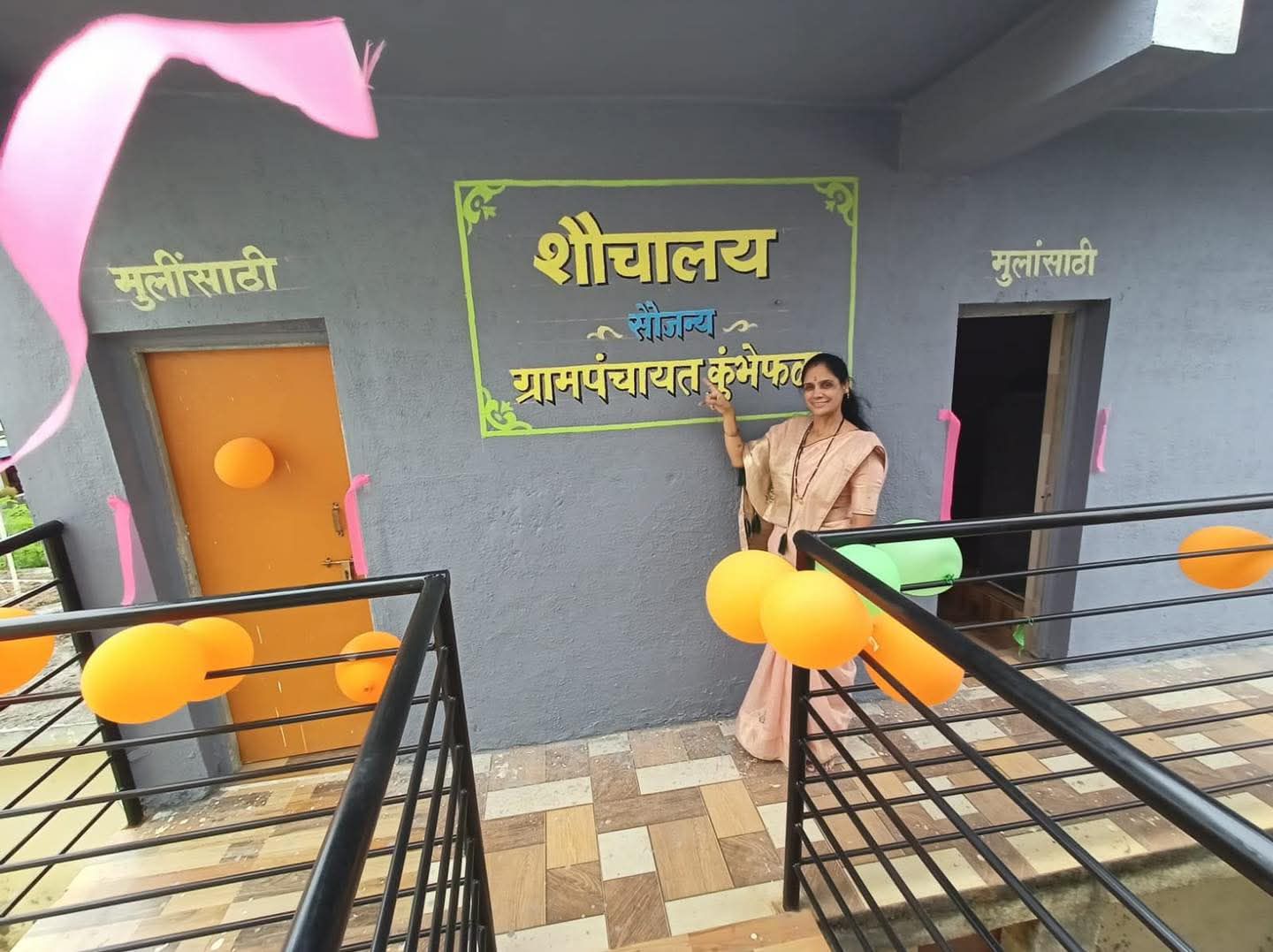
Government Initiatives Transforming Rural Sanitation
A. Swachh Bharat Mission achievements and challenges
The numbers don’t lie – Swachh Bharat Mission (SBM) has built over 100 million toilets since 2014. That’s a toilet construction rate faster than any sanitation program in world history.
But building toilets isn’t the whole story. The real win? Over 600,000 villages declared open defecation free. Remember when rural India’s sanitation coverage was stuck at 39%? It’s now above 95%.
The challenges haven’t disappeared though. Many toilets sit unused. Why? Cultural preferences, water scarcity, and maintenance issues. Some villages that proudly declared “ODF status” have quietly slipped back to old habits.
And the quality varies wildly. A toilet that breaks down after six months isn’t a solution—it’s a problem with a roof.
B. State-specific implementation strategies
Not all states took the same path to sanitation success. Gujarat pioneered the community-led approach, making toilet ownership a status symbol through clever marketing.
Tamil Nadu focused on school sanitation first, creating a generation of kids who find open defecation unthinkable.
Meanwhile, Himachal Pradesh leveraged its high literacy rates with information campaigns that connected sanitation to health outcomes in ways people actually understood.
The lagging states? They typically tried one-size-fits-all approaches without considering local needs.
C. Funding mechanisms and resource allocation
The money trail tells an interesting story. SBM allocated ₹1.34 lakh crore ($20 billion), but the distribution hasn’t been even.
The central government provides ₹12,000 per toilet, but the actual construction costs vary from ₹15,000 to ₹30,000 depending on location. Who covers the gap? Often the poorest families.
Some states supplemented central funds brilliantly. Sikkim added ₹5,000 per toilet. Others diverted funds to “awareness campaigns” that sometimes meant little more than posters nobody read.
Corporate Social Responsibility (CSR) funding filled gaps in some regions but created islands of excellence surrounded by sanitation deserts.
D. Technology innovations in low-cost toilet construction
Twin-pit toilets changed the game. At just ₹12,000-15,000, they’re affordable and practical for rural settings.
The biodigester toilets developed by DRDO work without sewage systems, converting waste to biogas and water. They’re pricier (₹25,000) but ideal for flood-prone areas.
Prefabricated toilet units now arrive ready to install in just 24 hours. The downside? They often look out of place in traditional villages.
The true innovation breakthrough might be in materials. Fly ash bricks from thermal power plants cut costs by 30% and are more environmentally friendly than traditional bricks.
E. Monitoring and evaluation frameworks
The monitoring system for SBM relies heavily on self-reporting, which is… problematic. Village leaders declare ODF status, get a certificate, and everyone moves on.
Quality Assessment Teams only visit about 10% of villages, and often with advance notice. Surprise, surprise – everything looks great when inspectors are expected.
The Swachh Survekshan Grameen ranking system has created healthy competition between districts, but the metrics favor quantity over quality.
Smart monitoring is emerging though. GPS-tagged photos of new toilets, real-time usage sensors, and blockchain verification of funds are being tested in pilot programs.
The most effective evaluation? Simply asking women in the village if they feel safe using the facilities at night. When that answer is “yes,” you know something’s working.
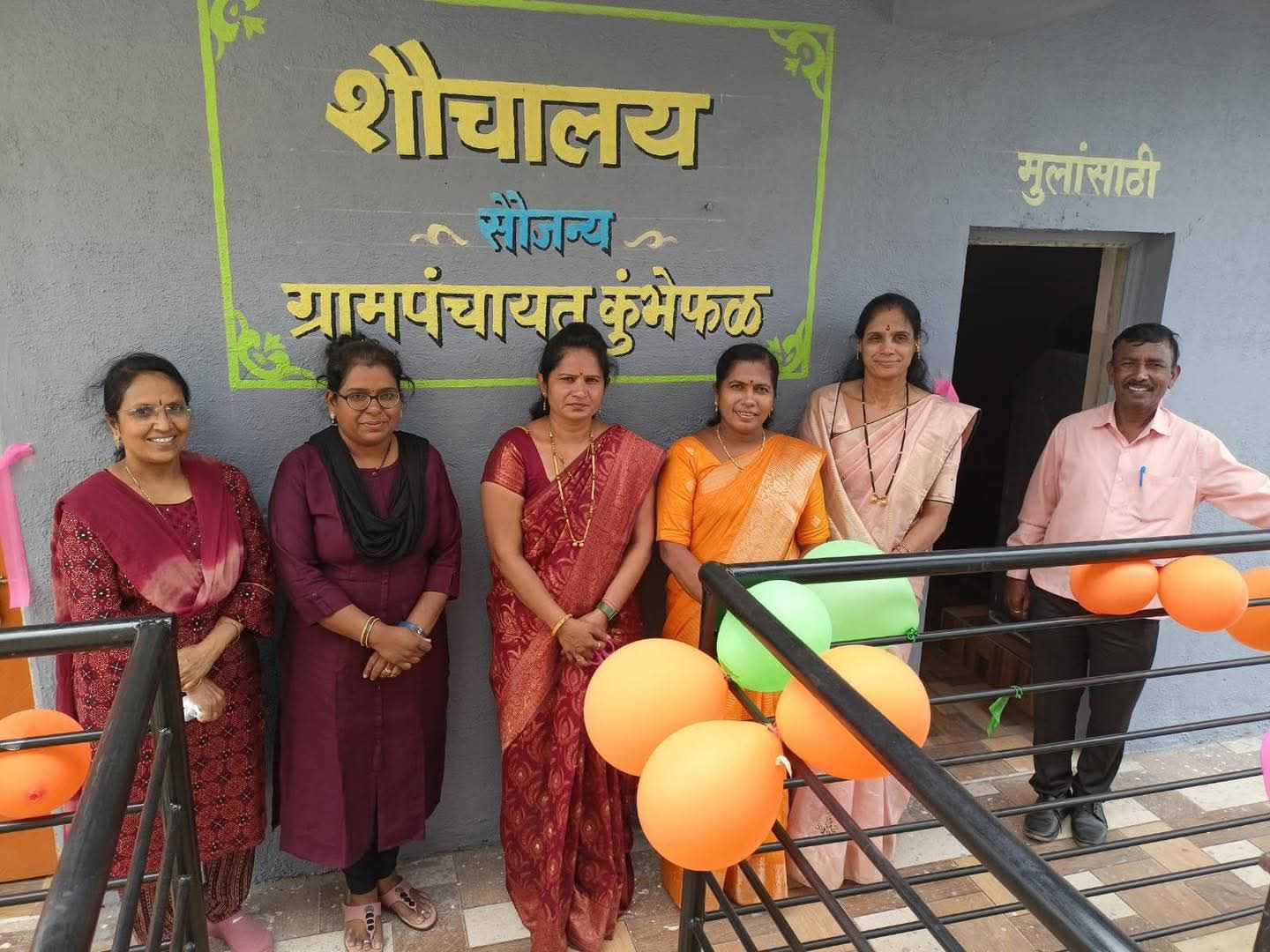
Cultural and Behavioral Aspects of Toilet Adoption
Traditional practices and resistance to change
The reality of rural India’s toilet adoption challenge? It’s not just about building facilities—it’s about changing minds.
For generations, many rural Indians have practiced open defecation as part of daily life. It’s not simply a lack of toilets; it’s a deeply ingrained habit. Many believe outdoor defecation is more natural and hygienic than “contaminating” their living spaces with toilets.
I spoke with Ramesh, a 65-year-old farmer from Bihar, who told me: “My father and his father before him always went to the fields. Why should I do differently? The open air feels right.”
This resistance isn’t stubbornness—it’s cultural identity. When outsiders push for change without understanding these beliefs, they hit a brick wall.
The strongest opposition often comes from elderly community members who see traditional practices as part of their heritage. Breaking these patterns requires more than concrete and porcelain—it demands respect for existing beliefs while gently introducing new perspectives.
Gender dimensions of sanitation access
Women and girls bear the heaviest burden of poor sanitation in rural India.
The lack of private toilet facilities forces millions of women to:
- Wait until dark for privacy
- Walk long distances to find secluded spots
- Face increased risk of sexual assault
- Deal with menstrual hygiene without proper facilities
“I hold my bladder all day at school because there’s nowhere safe to go,” says 14-year-old Priya from Rajasthan.
This isn’t just uncomfortable—it’s dangerous. Women report urinary tract infections, kidney problems, and pregnancy complications from regularly “holding it in.”
The power dynamic is clear: men can relieve themselves almost anywhere with minimal social judgment, while women must navigate complex social rules around modesty and shame.
When families do get toilets, women become the strongest advocates for their use, recognizing the dignity and safety they provide.
Educational campaigns and awareness strategies
Changing entrenched bathroom habits requires smart communication, not just facts and figures.
The most successful toilet adoption campaigns in rural India share common elements:
- Local champions: Training respected community members creates trusted advocates who speak the local language—both literally and culturally.
- Emotional triggers: Campaigns focusing on women’s safety, family health, and community pride work better than those emphasizing disease statistics.
- Child-centered approaches: School programs have proven remarkably effective as children bring new hygiene practices home and pressure parents to adopt toilets.
- Visual demonstrations: Nothing beats seeing is believing. When villagers witness how waste contaminates water sources through simple demonstrations, abstract concepts become concrete realities.
The government’s “No Toilet, No Bride” campaign brilliantly tapped into marriage aspirations, with young women refusing to marry into homes without toilets. It turned sanitation from a government priority into a personal necessity overnight.
Sustainable Solutions for Rural Toilet Infrastructure
Eco-friendly toilet technologies
The rural sanitation scene in India isn’t what it used to be. Villages are embracing eco-friendly toilet solutions that work without destroying the environment.
Biodigester toilets are gaining serious traction. These clever systems use bacteria to break down waste into biogas and water. No chemicals, no hassle, and bonus – the biogas can power cooking stoves!
Composting toilets are another game-changer. They transform human waste into nutrient-rich compost for non-edible plants. Talk about closing the loop!
Then there’s the arborloo – basically a shallow pit latrine where you plant a tree once it’s full. Simple but brilliant.
Water conservation approaches
Water scarcity is real in rural India, so toilets that sip rather than gulp water are essential.
Pour-flush toilets using just 1-2 liters per flush are replacing old water-guzzlers. Some communities are installing dual-flush systems that use different amounts of water for different… business.
Rainwater harvesting connected to toilet systems? Genius move being adopted across drought-prone regions.
Greywater recycling systems are popping up too – water from bathing and washing gets filtered and reused for toilet flushing.
Maintenance and longevity considerations
A toilet built is only as good as how long it lasts.
Rural communities are getting smart about using locally available materials that can withstand monsoons and scorching summers.
Simple design choices make all the difference – raised platforms in flood-prone areas, ventilation pipes to reduce odors, and easy-to-clean surfaces.
Training local masons in proper construction techniques has dramatically improved toilet quality. These skilled workers ensure proper concrete mixing ratios and correct pit lining techniques.
Community-managed sanitation models
The most successful rural toilet programs put communities in charge.
Village Sanitation Committees are taking ownership of their facilities, collecting small maintenance fees and organizing cleaning rotas.
Women’s self-help groups are emerging as sanitation champions, overseeing toilet usage and maintenance while addressing hygiene practices.
Some villages have created “sanitation entrepreneurs” who maintain toilets as their business. They charge modest fees for cleaning and minor repairs, creating sustainable local employment while keeping facilities functional.
Bridging the Implementation Gap
A. Role of NGOs and private sector partnerships
The toilet crisis in rural India isn’t something the government can fix alone. NGOs and companies have stepped up in major ways.
Take the Toilet Board Coalition – they’ve connected businesses with sanitation needs in remote villages. By bringing corporate funding to the table, they’ve built thousands of toilets where government programs couldn’t reach.
WASH Institute partners with local businesses to create affordable toilet options. Instead of one-size-fits-all solutions, they customize designs based on each village’s water table and terrain.
What makes these partnerships work? Money, sure. But more importantly, NGOs bring community trust while companies bring efficiency. When Hindustan Unilever joined forces with Water.org, they didn’t just build toilets – they created microfinancing options so families could invest in their own facilities.
B. Community participation success stories
Nothing changes unless the community wants it to. That’s the lesson from Bihar’s Musahar community.
For years, government-built toilets sat unused. Then local women formed sanitation committees, taking ownership of the issue. Usage jumped from 10% to 80% in just eight months.
In Rajasthan, the “No Toilet, No Bride” campaign turned social pressure into positive change. Young women refused marriage proposals from families without toilets. Suddenly, toilets became status symbols instead of unwanted additions.
Village champions make all the difference. In Gujarat, trained local volunteers go door-to-door, explaining sanitation benefits in ways government officials never could. They speak the local dialect and understand cultural hesitations.
C. Last-mile connectivity challenges
The hardest part isn’t building toilets – it’s getting them to the most remote communities.
Picture this: a village in Arunachal Pradesh where roads wash out six months a year. Concrete, pipes, and skilled workers can’t reach these areas through conventional means. Some communities have resorted to airlifting materials at enormous cost.
Water connectivity remains the biggest hurdle. A toilet without water is just a structure. In Rajasthan’s desert regions, toilets stand empty because water must be carried from kilometers away.
Maintenance supply chains don’t exist in many areas. When parts break, there’s nobody to fix them and nowhere to get replacements. This creates a cycle of abandoned facilities.
D. Skill development for sanitation workers
The sanitation revolution has a workforce problem. Building sustainable toilet infrastructure requires skilled labor – not just for construction but for ongoing maintenance.
Traditional manual scavengers need dignified alternatives and new skills. Programs like Harpic World Toilet College have trained over 5,000 former manual scavengers in mechanical cleaning methods, giving them safer livelihoods while addressing sanitation needs.
Plumbing skills are desperately lacking in rural areas. When toilets break, they stay broken. Mobile training units now travel between villages, creating local repair experts who can keep systems functional.
Women are increasingly joining the sanitation workforce. Self-help groups in Tamil Nadu have trained women to manufacture low-cost sanitary products and toilet components, creating economic opportunities while solving practical needs.
The journey to improve toilet facilities in rural India has made significant strides through government initiatives like Swachh Bharat Mission, yet challenges remain. Cultural barriers and behavioral patterns continue to influence adoption rates, while implementation gaps between policy and practice persist in many regions. Sustainable solutions that consider local environmental conditions and community involvement have proven most effective in creating lasting change.
As India moves forward, the focus must shift toward maintaining existing infrastructure, strengthening education programs, and ensuring inclusive access for all demographic groups. By addressing both the physical infrastructure needs and the social dimensions of sanitation practices, rural communities can achieve true sanitation security. The transformation of rural toilet facilities isn’t just about construction—it’s about creating healthier, more dignified living conditions for millions of Indians.
