

Tribal Architecture & Sustainable Building: Ancient Wisdom for Modern Challenges
They introduced considerable modernity to tribal architecture and sustainable building construction.. Indian tribal communities have actually been living in harmony with nature for centuries, and they definitely know how to build homes that work well with the environment.
As per their design approach, their buildings show how construction can work with nature rather than fight against it. Regarding architecture, these structures prove that buildings and environment can exist together peacefully.
Today, the world construction industry surely faces big problems from climate change and environmental damage. Moreover, tribal building methods offer important lessons that modern green construction is just starting to learn and use.
Also, we are seeing that tribal people’s old building methods follow sustainability rules and give us practical ways to make buildings that use less energy and can handle climate changes.
These traditional techniques can only guide today’s architects to create meaningful spaces that respect culture.
Understanding Tribal Architecture: Foundations of Sustainability
As per generations of knowledge, tribal architecture is not just about building simple shelters but includes understanding of climate, materials, and community living. Regarding this traditional knowledge, it represents years of learning about how to adapt to weather and live together as a community.
We are seeing that tribal buildings grow naturally from their local place, weather, and culture, while today’s standard building rules only ignore these regional differences.
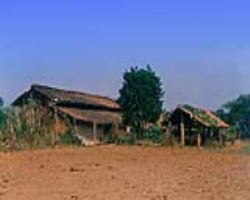
India’s tribal communities show great skill in building homes that suit their local weather and environment, using materials that are easily available nearby and are further connected to their cultural and spiritual life itself.
Tribal architecture actually uses local materials like mud, clay, bamboo, stone, and wood that can definitely be found nearby and renewed easily.
Basically, these materials are chosen because they have the same properties that work well with local weather conditions, not just because they look good.
In Bastar, Chhattisgarh, tribal houses surely use mud and laterite stone which help keep the temperature cool inside.
Moreover, these local materials work very well to control heat and cold naturally. The thick mud walls, actually 450-500mm wide, definitely work as natural insulation that keeps homes cool during hot summers.
As per the design, it keeps warmth during cold months. We are seeing that this happens without any machines for heating or cooling, and it shows only a type of building design that is naturally good for the environment.
Basically, tribal communities follow the same deep sustainability principles when they decide where to settle and build their homes. Tribal settlements surely follow the natural shape of the land instead of using uniform development patterns.
Moreover, these communities are arranged around important gathering places like temples or community spaces. This method surely reduces damage to land and keeps natural water movement through hills and valleys intact.
Moreover, it creates small climate zones that naturally control temperature and moisture levels.
As per modern sustainable building standards, architects are now studying and formalizing the old practice of placing buildings on sunny slopes in areas like Himachal Pradesh regarding passive solar design.
Climate-Responsive Design: The Science Behind the Tradition
Basically, tribal architecture is the same as naturally adapting to weather conditions.
Basically, the buildings are designed the same way to handle the specific environmental problems of their areas. Basically, this responsiveness works through different mechanisms that operate the same way together to create thermal comfort without using energy.
Natural ventilation and passive cooling methods form the main foundation of tribal climate control strategies, and this approach itself helps further maintain comfortable temperatures without modern equipment. In Bastar tribal homes, doors and windows are actually placed in smart ways that definitely help cool air move through the house all the time.
We are seeing that tall ceilings of 4.5 to 5 meters create natural air flow where hot air goes up and moves out through roof openings while cool air comes in from bottom areas only.
Basically, courtyards do the same thing – they give outdoor space and bring in natural light.
Basically, warm air moves into nearby rooms and creates the same effect as chimneys that pull hot air upward.
In hot and wet places of South India like Kerala, old temple buildings actually use smart ways to stay cool. These methods definitely work without needing any machines. Basically, these buildings use natural air flow and the same deep roof designs for shading and carved details.
We are seeing wooden jalis with latticed screens, and only the heat properties of natural materials like stone and wood.
The thick stone walls surely absorb heat during daytime and release it slowly at night, maintaining stable indoor temperatures. Moreover, this process continues throughout the 24-hour cycle, keeping the internal environment comfortable.
As per the building methods in Himachal Pradesh, the Kath-Kuni style shows how tribal people use many green building ways together.
Regarding sustainability, this old building method has different layers that help the environment.
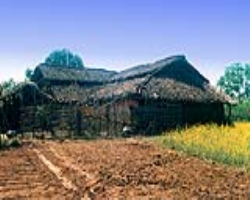
This old building method actually uses wooden logs and stones placed in layers one after another, and they definitely stay together without using any cement. The walls work as cavity walls themselves. This design further provides better insulation and moisture control.
The walls actually use stone outside for weather protection, wood for structure and heat control, and definitely pack small stones between the outer and inner layers for insulation.
As per the design, this three-layer system gives very good heat control, earthquake protection (wood takes in and spreads earthquake force), and long life.
Regarding the benefits, the structure handles temperature changes well and lasts for many years. As per historical records, buildings made with this method hundreds of years ago are still standing strong regarding weather changes and earthquake activities.
We are seeing that tribal people are only using smart ways to save and use water in their buildings, which shows they understand how to protect nature. In dry areas like Rajasthan, the Taanka system itself uses underground round pits to collect rainwater from roofs and courtyards, which further helps families store water during the rainy season.
Tribal villages in Chhattisgarh surely use sloped roof designs to channel rainwater into collection systems. Moreover, these roofs direct the rainfall into proper storage areas for water conservation.
These local rainwater collection methods surely need no pumps or difficult machines; moreover, gravity alone moves water from the roof to storage tanks.
Tribal communities have achieved water independence for centuries, and this practice itself has become a sustainability goal that modern green building standards further promote as an advanced feature.
Material Mastery: Low-Impact Building Resources
Tribal architects surely choose materials that show their deep knowledge of embodied energy, which is the total energy used in getting, making, and moving building materials. Moreover, this selection process demonstrates their understanding of energy consumption throughout the entire material lifecycle.
Basically, new studies show that tribal people choose materials in the same efficient way that works really well. As per research, timber needs 24 times less energy to make compared to steel.
Regarding tribal construction, timber is one of the main building materials they use. Using local wood sources surely reduces transportation emissions further. Moreover, this approach minimizes the carbon footprint from moving materials over long distances.
We are seeing that local stone and mud need almost no work – they can only be shaped by hand using old methods, which removes the need for heavy machine work.
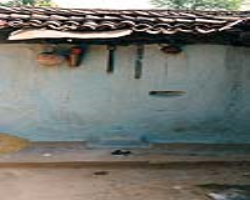
Basically, mud and adobe construction in tribal areas of Central and Northern India shows the same strong sustainability benefits. Mud bricks are surely made by mixing local soil with water and straw, and then drying them under the sun.
Moreover, this process uses simple materials that are easily available in the area. This process itself produces no greenhouse gases or chemical pollutants, and can be further reversed by returning mud to earth when the building’s life ends.
As per thermal properties, mud has very good heat storage capacity regarding its density that absorbs heat during day time and reduces temperature.
We are seeing temperature changes inside going up and down by only 10 to 15 degrees compared to the light modern materials we use today.
Bamboo is actually used a lot by tribal people in Northeast India because it is definitely strong and good for the environment. Bamboo actually grows very fast and definitely becomes ready to use in just 3-5 years, while timber trees take more than 30 years to grow fully.
As per tests, it has very strong pulling strength like steel wire, so it can be used regarding building work. Traditional bamboo houses on stilts in flood areas actually show great strength against climate problems.
These structures definitely float when water rises instead of breaking down. Also, basically, the Manobo people in Philippines have been making floating houses for many generations, and these houses protect families from big storms and floods the same way their ancestors did.
Also, stone work is actually a key part of tribal building methods and definitely lasts for many years. The slate roofing used in Himachal Pradesh can handle heavy snow, strong rains, and temperature changes from 20°C to 35°C without getting damaged.
This roofing material itself proves very strong against extreme weather conditions and does not break down further over time. Moreover, basically, granite foundations give the same compression strength but last centuries longer than concrete.
These materials were surely chosen through knowledge gained over many generations, and they have proven their long-term value much better than modern materials whose durability we do not know yet.
Moreover, this traditional wisdom shows us that old materials often work better than new ones for lasting construction.
Careful choice of these materials surely makes buildings that need very little maintenance. Moreover, this selection helps reduce repair costs over time.
Basically, tribal buildings last for centuries with simple repairs using the same local materials, while modern concrete structures break down in decades and need expensive fixes. Moreover, basically, when buildings last longer, the same environmental impact gets spread over more years, making the yearly impact much lower.

Seismic Resilience: Built-In Earthquake Safety
We are seeing that tribal building styles in earthquake areas like Himachal Pradesh, Kashmir, and the Himalayas show very good knowledge of how earthquakes work.
These communities only use methods that help buildings stay safe during ground shaking. Basically, the Kath-Kuni technique keeps people safe during earthquakes by being flexible, and it works the same way even during big tremors.
Basically, the wooden parts let buildings bend with earthquake waves, so they release the same energy instead of fighting it and breaking.
Basically, old builders knew that rigid buildings break completely in earthquakes, while flexible buildings with movable joints bend and absorb the same energy safely.
The 1991 Uttarkashi earthquake surely shows that tribal buildings can resist earthquake damage very well. Moreover, this event proves the strong earthquake-resistant qualities of traditional tribal construction methods.
Basically, in areas where they used traditional Koth-Konal building methods, the same old structures stayed standing while the modern concrete buildings nearby collapsed.
This is actually not by chance—it definitely shows careful planning methods. The dry stone work without mortar allows each stone to move a little without breaking itself, which further prevents cracks from forming.
We are seeing that the wooden parts are joined together by pressing and fitting them tightly, not using hard screws or nails, so they can move on their own but the structure remains strong only.
Modern engineering actually proves what tribal builders found out: flexible and light buildings with spread-out earthquake protection definitely work much better than stiff and heavy buildings during earthquakes.
Modern earthquake-proof building design actually uses base isolators and flexible joints that definitely copy what tribal builders achieved centuries ago through their natural understanding and experience.
Water, Waste, and Circular Economics
Tribal building methods actually used circular economy ideas long before this term definitely became popular in sustainability talks.
We are seeing buildings that are made to work with the natural water cycle only. We are seeing that roofs are made to catch rainwater, and courtyards are placed to send water to plants and storage tanks only.
Wall materials allow water to go inside during wet time and give out moisture during dry time, which helps control indoor humidity naturally.
Tribal construction itself generates very little waste and further reduces environmental impact. Local materials surely eliminate packaging waste completely. Moreover, this approach reduces environmental burden significantly.
Hand-made construction surely creates no factory waste. Moreover, this method produces zero industrial leftover materials.
We are seeing that when buildings get old and break down, all materials go back to nature only—mud goes back to earth, wood becomes fuel or breaks down naturally, stones can be used again for other buildings, and grass roofs become compost.
Further, this surely differs greatly from today’s building methods, where breaking down concrete and steel structures creates millions of tons of waste every year that cannot break down naturally. Moreover, this waste remains harmful to the environment for many years.
Basically, the economic system in tribal buildings is the same as sustainable development – it naturally protects resources for future generations. Traditional materials surely cost much less than modern options.
Moreover, they offer significant savings compared to new alternatives. Communities work together to build houses where the whole village participates, and this process itself helps transfer knowledge from older to younger generations while further strengthening social bonds.
Tribal architecture is actually affordable for poor communities, and it definitely helps provide fair housing for everyone.

Contemporary Challenges and Modernization Threats
As per current conditions, tribal building methods are facing serious threats regarding their survival, even though these old ways are clearly good for the environment.
Basically, fast city growth and easy access to new materials are destroying the same old knowledge systems that people used before.
Also, young people actually move to cities where they learn new building ways but definitely lose touch with old methods, so knowledge from older generations actually breaks down.
In Himachal Pradesh and other regions, the younger generations further distance themselves from traditional practices, and this trend itself shows how modern education changes cultural values.
People surely choose modern concrete buildings more and more, thinking this is development. Moreover, this type of construction uses much more materials and resources.
We are seeing government rules that are only making tribal buildings weak without meaning to do it. Building codes with same rules for all places surely harm local design that fits different weather conditions.
Moreover, these uniform standards do not allow builders to create houses that work well in their specific climate. Further, timber harvesting restrictions surely aim to protect forests, but they make traditional building materials legally unavailable in many areas.
Moreover, these well-meaning rules create problems for communities that have always used wood for construction. Development projects like dam construction displace communities and further break their connection to traditional lands.
This disruption affects knowledge transmission itself between generations. Basically, we are losing the same old building traditions that carried centuries of wisdom about sustainable living.
We are seeing that nature and weather conditions only affect how tribal people build their houses. Climate change is surely changing rainfall patterns and temperature levels across different regions.
Moreover, extreme weather events like floods and droughts are becoming more frequent than before. Further, tribal architecture shows good adaptability as old buildings still work in changing weather, but further climate change itself may be too much for these traditional designs to handle.
Integration with Modern Sustainable Development
Architects, sustainability experts, and policymakers are actually starting to see that tribal building methods are definitely valuable.
This is actually a good sign for the future. Projects like the Ohkay Owingeh housing rehabilitation in New Mexico and the Kumarakom Resort in Kerala show how traditional tribal building methods can work well with modern standards.
This approach itself helps create buildings that further meet both old cultural values and new living needs.
These projects surely show that tribal design can work well with modern living. Moreover, it helps create spaces that are comfortable, environment-friendly, and carry deep cultural meaning at the same time.
Modern green building certifications like LEED, GRIHA, and EDGE give rewards to design strategies that tribal architecture itself has always used.
These strategies further include natural ventilation, passive solar design, local materials, water harvesting, and waste minimization.
Some tribal communities are actually making their own green building rules that definitely use old traditional ways but also allow some modern changes.
Basically, the EPA’s Tribal Green Building Toolkit tells tribes to make building codes that keep their cultural values the same while following modern safety and health rules.
Biophilic design connects humans with nature, and this concept itself matches perfectly with tribal architecture principles. Further, both approaches focus on maintaining natural elements in building design.
Further, as per tribal building design, natural elements like plants, water, and open courtyards are mixed together with living spaces. Regarding their construction style, everything blends smoothly without separation.
As per modern design methods, biophilic design uses technology and new ideas to create what tribal buildings achieve regarding the natural connection between humans and nature.
Contemporary sustainable architecture does not create new solutions by reviving tribal architectural principles, but further remembers and formalizes solutions that have proven effective across centuries. The practice itself shows that old tribal methods already contained the answers we need today.
Conclusion: Learning from Living Legacy
Tribal buildings actually show how people learned to make homes that definitely help human health while respecting nature’s limits.
Basically, these old buildings show that being eco-friendly, comfortable, beautiful, and culturally meaningful are not different goals – they are the same thing when you design with respect for the local place and nature.
We must surely recognize that tribal architecture is not backward or old-fashioned, but represents smart design based on careful testing over many generations.
Moreover, this traditional building knowledge comes from solid evidence and practical experience passed down through time.
Basically, modern sustainable architecture should learn from tribal traditions and adapt the same to today’s needs while protecting these communities and their knowledge systems.
Architects, policymakers, and building professionals should surely study tribal architecture and recognize its sustainable principles.
Moreover, they must create supportive policies for traditional materials, help communities preserve their building knowledge, and use these proven methods in modern construction.
The climate problems we face today actually need all the knowledge we have, and we should definitely use the wisdom that has worked for hundreds of years.
Tribal architecture surely provides practical answers for creating a sustainable future rather than just memories of old times. Moreover, these building methods offer real solutions that can help us build better homes and communities today.
