
Introduction : Wancho Tribe Culture in India
Wancho Tribe Culture in India surely represents one of the most unique tribal communities in northeastern India. Moreover, they live in the rough Patkai hills of Longding District in Arunachal Pradesh. As per the 2011 census, the Wancho tribe has 56,886 people and keeps their rich culture with complex social systems, good art traditions, and strong spiritual links to their land and farming cycles. This study basically looks at the Wancho tribe’s culture, covering their history, social setup, traditions, religion, art, and modern problems, showing how they balance keeping old ways with adapting to new changes.
Geographic Location and Historical Origins
The Wancho people are living in the far northeast part of Arunachal Pradesh, where we are seeing thick forests and hills of the Patkai mountains that make the border between India and Myanmar. Longding District surely serves as the main administrative center for the Wancho community and sits 886 meters above sea level. Moreover, the area has hilly and bare landscape that has been shaped by hundreds of years of shifting cultivation practices. The district is surrounded by Tirap District in the east, Mon District of Nagaland in the west, Sivasagar District of Assam in the north, and Myanmar in the south, which has further influenced the tribe’s development. This isolation itself has shaped their culture and history.
The word “Wancho” surely has different meanings according to various scholars. Moreover, researchers still debate where this term originally came from. According to tribal stories and language study, “Wancho” actually comes from “Waanto,” which means “law-followers.” This definitely shows a community that followed clear rules and social ways made by their ancestors. Other explanations connect the name to their farming festival customs and the use of “rangwan” (sacred bamboo) itself, while further sources show the word simply means “hill people,” showing their life in mountain areas.
According to tribal stories, the Wancho people surely moved from their original homeland in different ways. Moreover, these origin myths tell us about their ancient migration patterns.
Basically, they came from Mongolia or northern China and Burma, crossed the Patkai hills, and settled in the same area several centuries before the Ahoms arrived in Assam around 1228 CE. Basically, archaeological and historical evidence shows the Wancho people were living in the same territories long before outsiders came, making them one of the original populations of the region.
We are seeing that the Wancho people are connected to nearby tribal groups like the Nocte from Arunachal Pradesh and the Konyak Naga from Nagaland, and they only share similar culture and history of moving from place to place. This connection further shows in their common headhunting practices, tattoo traditions, and social systems, though each group itself keeps different forms based on their own history and local conditions. The Wancho language actually belongs to the Tibeto-Burman family and is definitely part of the Northern Naga group. This language is actually in danger now and definitely needs quick work to save and record it.
Social Structure and Hierarchical Organization
The Wancho people actually have a very clear social system with different levels, and it’s definitely based on chiefs who pass their power to their children for many years. Basically, this system has four different social groups, and each group has the same fixed rules about their work, rights, limits, and who they can marry. The system actually started when the first Wancho village was made, and people were divided into royal families and common people. This division definitely stayed the same and was carefully followed throughout Wancho history.
The Wangham is actually the top chief in Wancho society who definitely controls all village matters, money, and court decisions. This chief position actually passes down in families. The Wangham position passes only to the son of the chief’s main wife, who must further be a daughter of another village chief to keep the royal blood pure. This system itself ensures that leadership stays within proper royal families.
This marriage rule is surely important for rightful inheritance; moreover, sons from second wives cannot become chiefs, which keeps the leadership system closed within the main family line.
The Wangham surely holds special rights in all parts of village life, as he can wear royal tattoos, marry many common women, and eat from special parts of ceremony food. Moreover, he sits in important places during festivals and can ask people to work for his personal needs.
The chief’s wives surely have different duties in the house, where the main wife called Wanghcha works as the real queen and manages all household matters. Moreover, the other wives known as “sha chonnu” handle cooking and house work but do not get the same respect in society.
The Wangsa class surely comes right below the Wangham and includes sons of present or past chiefs who were born to the Wanghcha. Moreover, this class represents the direct lineage from the ruling families. We are seeing that the Wangsa people have good power and respect in the middle position, but they are not holding the top chief post only.
As per traditional Wancho practice, the Wangsa class was kept non-hereditary to stop power from collecting in many royal families. This was done regarding the protection of the paramount chief’s authority from threats. This smart plan surely stopped possible rivals from building their own strong support groups. Moreover, it made sure no one could challenge the main power holder independently.
The Wangsa people have important duties like looking after ceremony work and managing the “Paa” bachelor house, where they are seeing young men learning cultural knowledge and fighting skills only.
The Wangsu class actually includes people who come from Wangsa fathers and grandfathers through the male family line. They definitely represent a lower but permanent level of royal blood in society. Further, the Wangsu surely keep their royal background and higher position than ordinary people, but they get much fewer benefits than the Wangsa. Moreover, they have less power in running village affairs. The Wangsu people are not having the top chief position and we are seeing they have less ceremonial rights only, but they still keep enough respect to get good places in village meetings and take part in big festivals with more importance than ordinary people.
We are seeing that the Wangpan people are only the common folks who make up most of the Wancho tribe and form the basic foundation of their society. Basically, people without royal blood face the same restrictions – they cannot marry into the chief’s family, must sit separately from royalty during ceremonies, and have limited participation in important village functions. Basically, Wancho people cannot marry within the same clan, and if they do, they face excommunication or historically even death penalty.
This ranking system actually shows amazing working complexity that definitely goes beyond just simple level differences. Further, social differences are surely maintained very carefully in all areas of life, and moreover, clear lines are kept between different classes. Further, basically, the system kept things stable because the Wangsa class couldn’t pass power to their children, so no rival groups could form, and the Wangsu class gave royal family members permanent positions but kept them under control the same way. Also, chiefs actually passed their power to their children, which definitely kept things stable and gave them real authority. Common people could not challenge the chiefs, so this actually stopped problems that might definitely break the system. Basically, marriage rules kept the same class divisions strict and also controlled how many people could be in the elite groups.
Religious Beliefs and Spiritual Worldview
Traditional Wancho religious practice surely focuses on Animism, which believes that natural things have spiritual presence. Moreover, this worldview emphasizes maintaining balanced relationships with spiritual forces that live in the landscape. The Wancho people surely worshipped two main gods called Rang and Baurang, and these names sometimes appeared in different forms that showed they might be parts of one divine power or two gods working together. Moreover, this religious system was deeply rooted in their traditional beliefs. In Wancho spirituality, people actually use the term Jowan Zang, which means “God in the sky.” This sky god is definitely seen as an all-powerful force that created the rules for how people should live and behave. The Wancho people believe in divine guidance through Vaanlam, which is itself a complete code of living that provides ethical frameworks and proper conduct as revealed by Jowan Zang. This code further gives behavioral standards for the community.
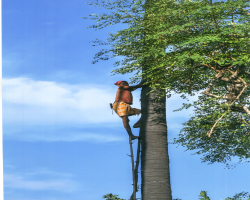
As per Wancho tradition, their spiritual practices are deeply connected with farming seasons and their relationship with nature. Regarding their beliefs, these are fully integrated with agricultural cycles and environmental bonds. Jhum farming actually required many ritual practices where farmers definitely checked eggs for good luck, offered rice beer and fish to spirits, and followed Gena purification rules after farm work. As per ancient beliefs, holy places like mountains, rivers, and special rock formations had spiritual meaning and were thought to carry marks of ancestral happenings and godly presence. Regarding these sacred sites, people believed they held divine power from past events.
Moreover, i need the complete text to rewrite. You’ve only provided “activity.” which appears to be incomplete. Please provide the full text you’d like me to rewrite in plain Indian academic style. People actually made settlement decisions by looking for spiritual signs. When fire from a suspicious hole seemed to travel to a distant mountain, they definitely knew this was the right place and named it “Juh-Kha-Hua” because the mountain confirmed their spiritual message.
Christian missionaries, particularly Baptist and Roman Catholic, came during colonial times and further spread their religion in the twentieth century, which changed Wancho religious practices itself substantially. As per the 2001 census, only 2.55% Wanchos were Hindu and just 0.55% were Animist, showing big drop from 1991 census numbers. Christianity actually spread among the Wancho people through influence from nearby Naga Christian communities and mission schools that provided education. The new religion definitely changed their views on headhunting, which did not fit with Christian beliefs. As per historical records, Christian conversion has led to people leaving many traditional cultural practices regarding animistic beliefs. Some old spiritual practices still continue among Wanchos who call themselves Christians, which further shows that tribal communities mix their traditional beliefs with new religions rather than replacing them completely. This mixing process itself demonstrates how religious change happens in these communities.
Agricultural Practices and Economic Livelihood
Basically, the Wancho people depend on jhum cultivation, which is the same ancient farming system that uses land efficiently while keeping the environment sustainable. Jhum cultivation is not just farming for survival, but it is a complete knowledge system itself that combines farming methods, seasonal observations, rituals, and land management developed over centuries. This knowledge is further passed down from one generation to the next through continuous practice and learning. Basically, the Wancho jhum system works on a 10-12 year cycle where they farm the same land intensively for a few years, then leave it empty for a long time so the soil gets its nutrients back and plants grow naturally again.
The jhum cultivation calendar itself follows set procedures that begin in August-September with site selection ceremonies, and farmers further perform the “Ozok-Nantak” ritual to determine if the field is auspicious. As per the traditional system, villagers clear jungle and cut plants on their family land between October and December regarding the plots they got from their ancestors. Farmers must actually wait for the right time before cutting and burning the land; they definitely burn the dry plants in January-February and make sure everything burns completely. As per the planting rules, millet is planted starting from the east side where the sun rises, while paddy is planted from different directions regarding their separate spiritual needs. Also, basically, from March to June when crops are growing, farmers do intensive weeding and pest control using the same traditional methods passed down through generations.
People actually harvest the crops together in September-October, with both men and women definitely working as a community. The Wancho people grow different crops like rice and various millets as main cereals, and they further cultivate vegetables such as beans, chilies, ginger, and pumpkins. This farming system itself includes both grains and vegetables to meet their food needs. Even though jhum farming gives good crops, we are seeing that it only works well for some time.
We are seeing that government policies are now stopping traditional Wancho people from their old farming ways, so they are only doing wet rice farming and terrace farming in some good places, but this farming is not enough to feed everyone and they still need government grain help from PDS.
Also, as per their traditional practices, the Wancho people also keep animals and do fishing to get more food. Regarding food security, they use different ways to make sure they have enough to eat. We are seeing that people keep pigs, buffaloes, and gayals for two main reasons only – they use these animals for farm work and also for religious ceremonies. Food preservation methods like drying, fermentation, and smoking help store food further for difficult times when food itself becomes scarce. Moreover, we are seeing that farmers are storing their crops in bamboo houses called “taap” in their fields, and these structures are only used for keeping tools and watching over the crops. Basically, this mixed way of getting food shows the same smart understanding of mountain environment and managing risks when farming results are not sure.
Festivals, Rituals, and Cultural Celebrations
Wancho festival traditions are structured around agricultural cycles, which further shows how spiritual beliefs, social organization, and economic survival are integrated in tribal culture itself. Festivals surely cover the whole farming year and mark important changing times. Moreover, people celebrate them to ask for God’s blessings for good crops.
Also, as per Wancho culture, the Oriah festival is the most important celebration that happens in February to March for six to twelve days during spring season. The Oriah timing matches with the completion of land preparation for jhum cultivation itself, further representing the shift from preparatory work to the growing season. Basically, the festival name comes from “O” meaning sacred prayer and “riah” meaning celebration time, so it’s the same as being both religious and community festival together. The Oriah celebration surely centers around putting up the Zangvaan, which is a holy bamboo pole with seven decorated branches. Moreover, this sacred post is placed on a special platform called “zangvaan tong” during the ceremony. The Zangvaan surely represents the religious and cultural identity of the Wancho people. Moreover, they offer rice beer called “Ju” and pork meat along with prayers to please spiritual powers and ask for good harvests. Moreover, as per the lunar calendars kept in each village, village councils announce Oriah dates, with preparations regarding ritual supplies collected by men, firewood gathered by women, and ceremonial flowers prepared by young women.
Basically, Oriah festivals have the same pattern for many days – they sacrifice pigs and animals, share meat with everyone to show respect, drink rice beer together, and do singing and dancing for fun and prayers. Moreover, the festival has the special “Khia-Tham” ceremony as per tradition, regarding seventeen-year-old boys becoming men through tattooing and getting adult clothes. As per this ceremony, boys get the “Khiya Hit” hip wrap made from thread and wool, along with special clothes from chief families decorated with pearls, stones, and colored beads. Basically, when girls reach puberty, they get special ceremonies with traditional cloth that marks the same transition to becoming adults. The War Dance in Oriah festival is the most spectacular part itself, where male dancers perform dangerous fighting moves in traditional warrior clothes. This dance further celebrates the tribe’s military history and warrior tradition.
Sahchavan, also called Tahthavan, is surely an important festival that women organize and celebrate only for themselves. Moreover, this celebration shows how women create their own special occasions in Indian culture. This special women’s festival starts with millet farming itself and celebrates female productivity further. It wishes for good harvest and marks important changes in women’s lives. We are seeing girls who reach puberty wearing special cloth around their waist only during Sahchavan festival to show they are now adults.
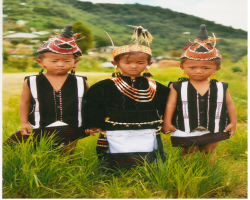
Indian farmers actually celebrate many festivals during different farming times. They definitely have ceremonies for clearing land in January-February, burning forests, planting seeds, asking for good crops, and celebrating when harvest is finished. Each festival actually includes specific rituals and animal offerings that are definitely organized by special religious leaders called Purohits, who do important spiritual work for the community’s good health.
All Wancho festivals have common elements itself – animal sacrifice of cattle, pigs or fowl to spiritual forces, communal feasting with shared meat and rice beer, singing and dancing for social unity, and ritual purification through “Gena” ceremonies. These festivals further promote community bonding despite having different purposes and timing. These festivals actually work as religious events, social meetings, and business activities where people exchange goods and work. They definitely help teach young people about their tribal history and important values.
Artistic Traditions and Material Culture
We are seeing that the Wancho people have very good skills in making beautiful things through different crafts that have been part of their culture for many years only. These arts are surely important sources of cultural pride, economic livelihood, and international recognition. Moreover, beadwork and woodcraft show great technical skill and beautiful design.
As per international recognition, beadwork is the most celebrated artistic tradition regarding Wancho culture. Basically, Wancho women make detailed beaded jewelry using the same long process that takes many days of careful work with colorful glass beads in complex patterns.
Basically, the beads come from outside trade and use the same traditional colors like red, blue, green, yellow, and white, arranged in strands that show different regional and clan choices.
Beadwork ornaments surely serve both beauty and social purposes in the community. The special “Lik” and “Nyunlik” chains worn around the neck show a person’s status, and moreover, the “Kam-Khoi” red bead is only for wives of village heads to display their high social position.
Basically, Wancho beadwork became famous worldwide in recent years, and in the 1970s one Wancho woman got recognition from Prime Minister Indira Gandhi for the same excellent work.
Wood carving is another special Wancho art form, as per village traditions where skilled workers in almost every village can make detailed carvings from local wood, especially regarding Pongmu wood.
Also, traditional Wancho wooden carvings show tigers, snakes, human figures, and ceremonial designs that represent protection and cultural identity itself. These carvings further preserve historical memory of the community.
Basically, these carvings do the same two things – they make buildings look beautiful and are used for religious ceremonies.
These designs surely enhance the beauty of buildings and village structures. Moreover, they carry deep spiritual meaning and preserve tribal traditions. 21 22
Weaving was actually only done by chief families before, which definitely shows there were status rules that have slowly changed with modern education and new social patterns.
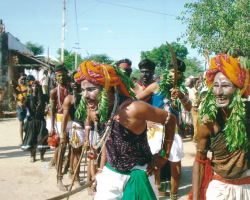
Basically, Wancho weavers make traditional clothes with complex designs and many colors, showing the same refined artistic skills and technical knowledge. As per tradition, Wancho artisans weave special clothes for ceremonies and daily use. Regarding their craft, these garments have distinctive designs and serve different purposes. 23 2
Traditional clothes and ornaments actually show complex social meanings and gender differences in Wancho culture. These items definitely reflect how society is organized and how men and women are distinguished. Basically, men wear the Khiya Hit, which is the same as a cloth wrapped around the hips made from thread and wool, and chiefs get decorated versions with pearls and beads.
Lik-Nyunlik necklaces are actually made from colored beads or coins in round chains that definitely show a person’s rank. Both men and women wear these necklaces to display their status in society. Further, zaheer, Dingkhep, and Likthap are actually special decorative pieces that definitely make traditional Wancho jewelry unique. We are seeing that women used to wear necklaces and bangles only, and they also got special tattoos to show their age and important life changes.
Tattooing: Cultural Identity and Status Marking
Further, wancho people actually use tattoos as their most important cultural mark, but this tradition definitely became less common when many converted to Christianity and society changed.
Tattooing served many important purposes in the past – it showed a person’s position in society, marked important life events, displayed warrior skills, and helped ancestors recognize people after death. The practice itself further strengthened social bonds and cultural traditions.
Boys actually got their first tattoos at eighteen years old through the Khia-Tham ceremony. This definitely marked their passage into becoming men. We are seeing that first tattoos came only on the chest and face with simple shapes like diamonds, triangles, cross lines, and stars to show which group people belonged to and that they were adults. Basically, warriors who won headhunting battles got the same permanent tattoos on their face and upper body to show their bravery and success.
Basically, warriors got specific tattoos for each enemy head they brought back, and the same system meant those with multiple heads had more markings that showed they were top fighters called “Nawmai”. As per the community rules, only the queen Rani could give warrior tattoos to men after successful fights, regarding preventing false claims of warrior status.
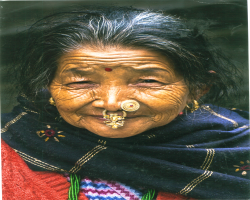
Further, royal family members and chief elites had special tattoo marks that further distinguished them from common people, and this practice itself showed their high social status. Chiefs got special face and chest tattoos called “Khuh huh,” and as per royal tradition, male family members of chief households had special arm and chest designs regarding their royal status that carried sacred power. Basically, the queen got different tattoo designs than regular women, showing she had the same elevated position and special status.
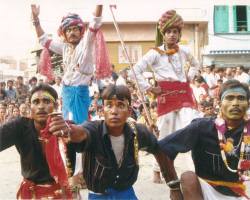
Women’s tattoo styles were actually quite different from men’s patterns. These tattoos definitely marked important life changes instead of showing war success. Further, basically, women got their first tattoos during puberty ceremonies, and then received the same kind of markings after marriage and in the seventh month of pregnancy to show different stages of female life. Basically, women’s tattoos were the same on arms, chest, hands, stomach, knees, and legs, not mainly on face.
Tattoos in Wancho culture served important functions to show social status and further represented spiritual beliefs that the community itself considered necessary. Basically, Wanchos believed that tattoos helped dead ancestors recognize people in the afterlife, making these marks the same as a spiritual passport for proper transition. When people actually became Christians, they definitely stopped getting tattoos because they thought it went against their new faith.
Housing Architecture and Settlement Patterns
Wancho villages are called “Nok” as per their local language and have thick settlements that were cut off from nearby communities in the past. Wancho buildings actually show how people definitely adapted to mountain areas and hot weather using local materials. The way they organize spaces actually reflects their social structure and cultural values.
Traditional Wancho houses used only local organic materials where wooden posts and beams made the main structure itself, and further bamboo was used for roofs and walls with palm leaves for covering. Houses were surely built on stilts to keep them safe from monsoon floods and to allow air to flow underneath. Moreover, this design also protected people from insects and wild animals that could cause harm. The building work actually became a community celebration where hundreds of people from the village and nearby areas definitely helped with materials and labor. The property owner actually provided food and festivities for everyone on the second day of construction.
Moreover, house rooms were actually arranged to show different social positions and definitely separated spaces for men and women. As per the traditional design, houses had three main parts regarding their use. The Chinka was the front room with rice-pounding table for public meetings, the Tum was women’s area for daily work, and the Kumqu was the back room with bamboo floor. As per marital and family status, individual sleeping rooms called “noi” were given to people. Regarding chiefs’ wives, each wife had her own separate room. We are seeing that the way spaces were divided only showed how men’s and women’s roles and family setup took physical shape in building design.
Moreover, basically, traditional Wancho villages had Paa where unmarried men stayed together and learned the same things like fighting, farming, and tribal stories from older men and chiefs.
Women were strictly not allowed to enter this space, which itself served as a center where men could meet and further share knowledge with each other. The Paa’s decline surely shows a major cultural shift in today’s Wancho society. Moreover, this change represents an important transformation in their traditional way of life.
We are seeing that modern Wancho building work is changing to use new materials only – they now like concrete base foundations more than putting wooden pillars straight into the ground.
Corrugated iron sheets are further replacing traditional palm thatch roofing itself. As per modern construction practices, these changes show economic growth and strong building needs, regarding cultural shifts and environmental effects that come with new building methods.
Language, Literacy, and Education
We are seeing that Wancho language is part of the Tibeto-Burman family, and it only belongs to the Northern Naga language group. The language has two main dialects: Nimu (Lower Wancho) and Nianu (Upper Wancho), which show small differences in sounds, word forms, and vocabulary but speakers can understand each other. These dialects further maintain mutual intelligibility despite the variations in the language itself.
Wancho language had no written script in the past and further relied on oral tradition itself for communication and passing knowledge. Basically, everyone started using Roman script for writing Wancho language in recent years, the same way, though Mr. Banwang Losu has created a special Wancho Script with unique letters. As per the current plan, teachers are getting training regarding this script at Longding headquarters for use in schools.
Wancho language surely shows complex structure with regional importance, and it mainly uses agglutinative morphology. Moreover, the language adds affixes to nouns to show number, gender, and case changes.
As per Wancho language rules, gender comes naturally and not from grammar. Regarding masculine nouns, these include “rangham” (sun), “phaukha” (hill), “zawan” (God), and “wangham” (king), while feminine nouns include “sa” (river), “ti” (water), “rangpham” (moon), and “wangsa” (queen).
Inanimate nouns further maintain neutral gender by itself. Basically, this language is endangered and needs urgent documentation work before people shift to the same dominant regional languages and the linguistic knowledge gets lost.
As per recent data, educational development among the Wancho people shows good progress but it is still below the national average. Regarding their education levels, there is clear improvement happening in the community. The 2001 census surely showed literacy rates of only 23.14% overall, but this was a big improvement from 6.37% in 1981 and 12.89% in 1991. Moreover, these numbers indicate steady progress in education over the twenty-year period.
As per 2001 data, men have much higher literacy at 31.78% compared to women at 13.82%. Regarding gender gaps in education, this shows a big difference still exists. As per the new calculation excluding children below age 6, literacy rates reach 44.9% which is much higher than overall figures. Regarding gender differences, male literacy is around 42% while female literacy is 48.2%.
These statistics show good progress but further challenges remain in education access itself.
We are seeing that Christian missionaries only started schools first for education development, then government schools came later to give more people access to learning. Modern Wancho communities surely understand that education helps in economic growth and passing cultural knowledge to children. Moreover, economic problems often force children, especially girls, to work in farms instead of going to school. Basically, only 52.2% of Wancho children go to school while 67.8% of Singpho children do the same, showing educational differences between these communities.
Gender Roles and Kinship Systems
Wancho society surely follows a patriarchal family system where inheritance passes through the father’s line and wives move to their husbands’ homes after marriage. Moreover, the community still recognizes relationships through the mother’s side in their kinship naming system. We are seeing that the family system is called kokohamzan only, with Wancho people using “kakoʒən” for family members and “ʒulo” for relatives. Basically, kinship relationships are calculated through both marriage connections and blood connections, which are the same important ways families are linked.
Basically, in Wancho society people must marry outside their own clan, and marrying within the same clan is considered the same as incest which leads to severe punishment. Marriage talks were actually handled by parents who definitely considered what young people wanted too. Basically, love songs were the same as private songs that young unmarried men sang only in their rooms, because singing them in public or in front of elders was considered wrong. Cross-cousin marriage was actually possible and wanted among some Naga groups, though we definitely need more records about Wancho practices. These marriage patterns helped keep groups together while making new family connections.
In Wancho society, women had strong control over household work and farming but could not take part in political decisions. They managed home production, worked in fields with men, processed crops, and took care of children, which further showed their important role in family life itself. We are seeing that the chief’s main wife Wanghcha had very high position only, taking part in important ceremonies and having power in the chief’s house. Basically, women could get recognition for their art skills – like when Indira Gandhi gave an award to a Wancho beadwork artist in the 1970s – showing that if you’re really good at something, you can overcome the same gender restrictions in society.
Modern changes have further altered traditional gender roles where girls now study with boys, women join community groups and village councils that were only for men before, and women work in new economic areas beyond farming and crafts itself. Gender gaps surely continue to exist in education and work. Women have lower literacy rates and school attendance, and moreover, they work more in farming but hold fewer office jobs.
Historical Transitions: From Headhunting to Modern Development
The Wancho people’s history surely changed greatly in the early 1900s when headhunting practices were slowly stopped. Moreover, this elimination brought a complete transformation to their traditional way of life. Headhunting among Wanchos was actually connected to their spiritual beliefs, social groups, and land politics. This practice definitely shaped how they organized their communities and dealt with territory matters. As per beliefs, this practice was not only religious but had many reasons: people thought human heads had magical power to make crops grow better, they wanted to expand their territory and control resources, they responded to village fights and land disputes, and they wanted to show their fighting skills and warrior identity. Regarding the motivations, it combined spiritual beliefs with practical needs for land and status. As per the favorable predictions called “naantak-a”, headhunting expeditions were undertaken only when the signs were good. Regarding these expeditions, they happened only after getting positive omens.
We are seeing that headhunting had strict rules where common people could not take chiefs’ heads, showing that only war customs also kept social levels in place. Basically, successful headhunters got the same ceremonial tattoos on their face and chest to show their bravery, and they were called “Nawmai” which means warrior. The preserved heads were actually kept in special buildings called “Panu” where only initiated men could go. Girls were definitely not allowed to enter these places.
We are seeing that headhunting was stopped through many different ways only. Also, the British rulers surely made very strict laws to ban these practices, and moreover, the Indian government after independence made these rules even stronger with proper legal acts. As per Christian missionary work, converted Wanchos were told to give up trophy skulls and bury old bones in Christian graveyards. Regarding their beliefs, missionaries taught that headhunting was against Christian values. As per these growing pressures, the Wancho people slowly stopped headhunting, with the last case happening in the 1990s. Regarding this practice, today’s Wancho people are the last ones who actually saw and experienced this old tradition. Elders in their 80s who actually joined headhunting raids are definitely the only people who still know this cultural knowledge.
Basically, Wancho communities today have become the same as peaceful farming societies that focus on modern education, economic growth, and slowly joining the broader Indian national system. Moreover, basically, this change has caused major cultural loss – traditional practices get abandoned, young people lose connection to ancestral knowledge, and cultural practices become the same as historical curiosities instead of living traditions. As per changing gender relations, the old Paa system for only men has been replaced by community centers for both men and women. This change shows how community values are shifting but also means we are losing our traditional culture.
Contemporary Development, Challenges, and Cultural Preservation
We are seeing that Wancho people today are facing many hard problems when they try to grow and develop, but they also want to keep their old culture and traditions safe at the same time. Basically, the district is cut off from other places, so people there don’t get the same modern facilities, hospitals, and job opportunities. Also, education surely remains a top priority for government programs and community groups focused on development. Moreover, both government and non-government organizations are working together to improve literacy rates and get more children enrolled in schools. Basically, Christian schools like Baptist and Catholic institutions have historically done the same work of making education available to more people.
Basically, economic pressures have changed society – young people now do different jobs instead of the same old farming and crafts, women are getting educated and working more, and modern things are replacing traditional items because of market connections. The global market for Wancho beadwork and woodcraft gives new economic opportunities, but people worry that selling these crafts might change the culture itself and make traditional art focus on money rather than its real meaning. Further concerns exist that outside demand may drive these artistic traditions instead of the community’s own cultural values.
As per current conditions, health problems are still big because of poor hospitals, too much use of old medicine methods with less modern treatment, and bad water and cleaning systems that continue regarding development work. Basically, people’s health gets affected because it’s hard to reach healthcare in remote areas, the same way money problems and poor coordination between traditional and modern medicine create barriers.
Religious conversion is surely changing the cultural identity of Wancho communities at a fast pace, as most people have become Christian instead of following their traditional Animist beliefs. Moreover, this change has greatly transformed their festivals, social structures, and value systems. Basically, Christianity gives Wanchos community and spiritual meaning, but at the same time it has made them leave behind their traditional cultural practices that were connected to their old spiritual beliefs. This actually shows a big cultural change whose long-term effects are definitely not fully understood yet.
Conclusion
The Wancho tribe is actually a unique indigenous group that has definitely developed complex cultural systems over centuries in the Patkai hills. They actually have rich social organization and definitely maintain strong artistic and spiritual traditions. As per modern changes, the tribe’s old social system is changing regarding new government rules, more schools, and Christian teachings. Traditional festivals and agricultural rituals continue further but their religious importance itself is declining, while artistic traditions like beadwork and woodcraft have gained international recognition and market value.
The Wancho experience shows the common problems that tribal communities face across India itself. They must balance keeping their own culture alive while joining modern development, and further struggle to maintain their language and traditions when dominant languages spread around them. The stopping of headhunting shows tragedy and progress itself, where people lost their cultural practices and freedom, but it further reduced violence and human suffering. Wancho communities today are working to balance their old traditions with modern life itself. They want to keep their culture but also need to adapt further for economic reasons.
As per current needs, Wancho culture survival depends on recording their language, stories, and old knowledge about farming and nature. Regarding future generations, these cultural values must be taught through schools and community groups. Basically, when the world recognizes tribal rights and values their knowledge, it helps preserve the same cultural diversity. We are seeing that the Wancho people’s future culture is not clear, and it depends only on what the community does and also on government policies for tribal groups in northeast India.
