
Two hundred thousand women. That’s the conservative estimate of how many were sexually assaulted during the Bangladesh Liberation War. Yet somehow, history books have relegated these women to footnotes.
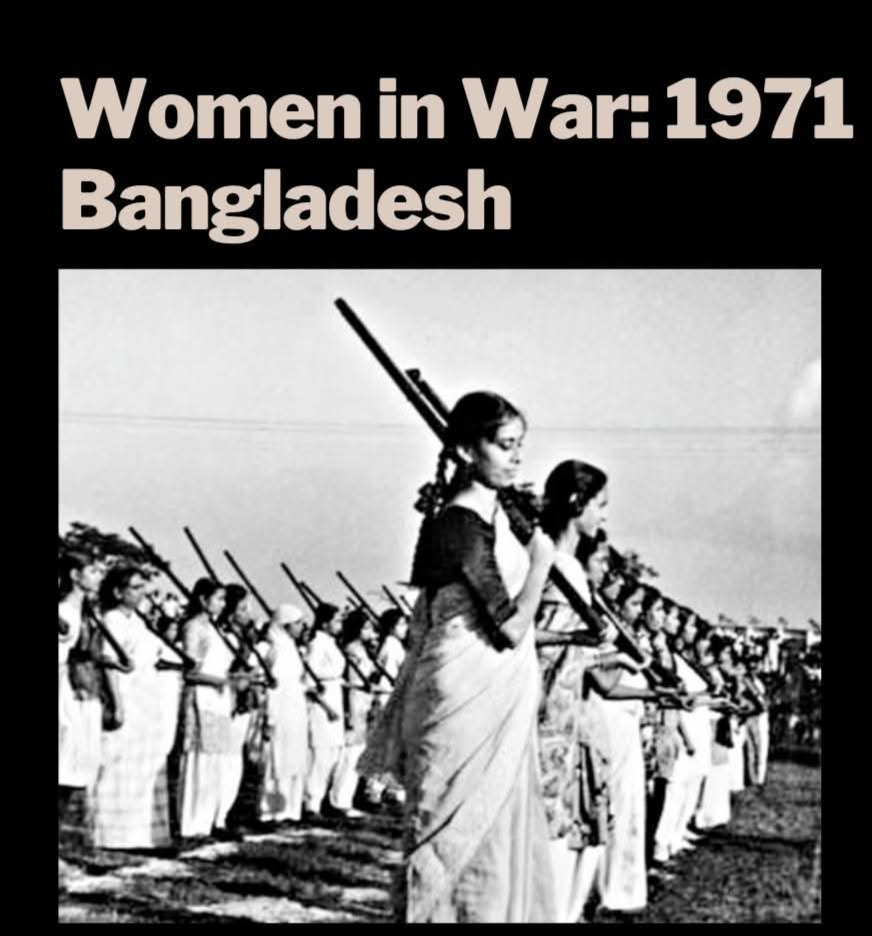
The Bangladesh Liberation War wasn’t just fought by men with guns. Women were resistance fighters, nurses, spies, and survivors who shaped a nation’s birth in 1971.
Behind every independence movement lies the untold stories of women’s contribution to the Bangladesh Liberation War. Their sacrifices weren’t just personal—they were strategic acts of rebellion against an oppressive regime.
But here’s what most accounts miss completely: how these women’s actions fundamentally changed the trajectory of the war itself, in ways we’re only beginning to understand.
Historical Context: Women Before the Liberation War
Social status of Bengali women in the 1960s
Bengali women in the 1960s lived in a society that confined them primarily to domestic roles. They were expected to be obedient daughters, dutiful wives, and nurturing mothers. Most women, especially in rural areas, had limited access to education, with literacy rates hovering below 15%. Child marriage was common, and women had minimal say in family decisions.
The patriarchal structure was reinforced through cultural and religious practices. Women’s mobility was restricted by purdah (seclusion), particularly in conservative households. Their economic participation was mostly limited to unpaid household work or low-paying cottage industries like weaving and handicrafts.
Urban middle-class women fared somewhat better, with growing access to education and professional opportunities, though still facing significant barriers and discrimination.
Growing political awareness among women
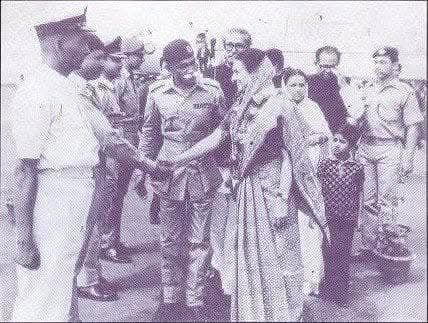
The 1960s marked a turning point for Bengali women’s political consciousness. As Pakistan’s military regime intensified discrimination against East Pakistan (now Bangladesh), women began joining student groups, cultural organizations, and political movements.
Women from universities and colleges participated in protests against linguistic and economic oppression. They weren’t just passive supporters – they organized rallies, distributed pamphlets, and sheltered activists.
The Language Movement of 1952 had already planted seeds of resistance, with women like Dhirendranath Datta’s daughter sacrificing their lives. By the late 1960s, these seeds had grown into a forest of activism. Women’s organizations like Mahila Samiti expanded their focus from social welfare to political rights.
Influence of female leaders in pre-war movements
Several women emerged as powerful voices in the pre-war political landscape. Begum Sufia Kamal, already established as a prominent poet, became a rallying figure for women’s rights and Bengali nationalism. Her home served as a meeting place for activists.
Lady Anwara Bahar Choudhury mobilized women through educational initiatives that secretly promoted nationalist ideas. Journalist Jharna Dhara Chowdhury worked tirelessly to spread Gandhi’s non-violent resistance principles among Bengali women.
These leaders created networks that would prove vital during the Liberation War, transforming ordinary women into freedom fighters, medical volunteers, and resistance organizers. They demolished the myth that national liberation was exclusively a man’s domain.
Combat Roles: Women as Freedom Fighters
Women guerrilla fighters in the Mukti Bahini
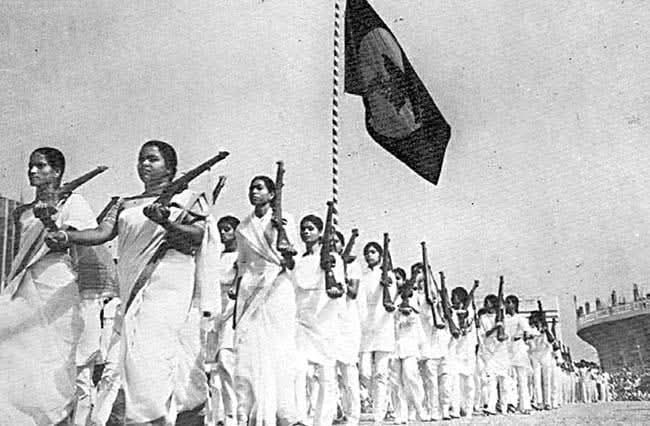
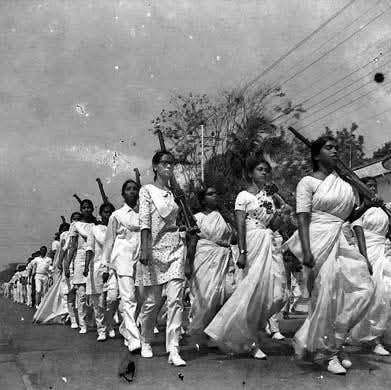
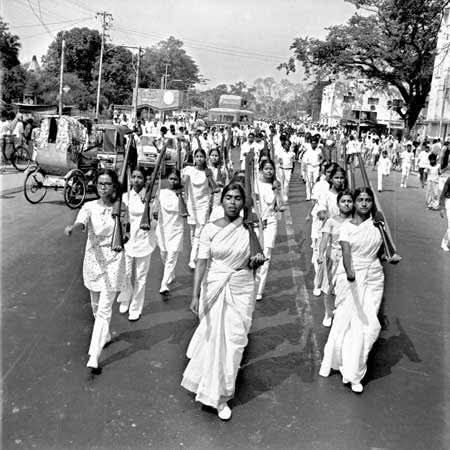
When you think of the 1971 Liberation War, images of male freedom fighters might come to mind first. But did you know women picked up rifles and fought alongside men in the Mukti Bahini?
These brave women abandoned comfortable lives, slipped past Pakistani checkpoints, and joined guerrilla units throughout Bangladesh. Many were college students, teachers, and housewives who transformed into skilled fighters overnight.
Take Taramon Bibi, who joined when she was just 16. She manned machine guns during key operations and later received Bangladesh’s highest gallantry award. Or Kakon Bibi, who served as both a spy and combat fighter, gathering intelligence before participating in direct attacks.
These women faced double the danger – not just from enemy bullets but also from the threat of sexual violence if captured. Despite this, hundreds joined frontline combat units, especially in border regions where the fighting was most intense.
Training camps for female combatants
The training wasn’t easy. Camps sprung up in border areas, particularly in India’s West Bengal and Tripura regions, where women underwent crash courses in guerrilla warfare.
At camps like Jibannagar and Melaghar, female recruits learned everything from basic firearms handling to complex ambush tactics. Their training included:
- Weapons assembly and firing (typically rifles and grenades)
- Hand-to-hand combat techniques
- Field medical care
- Sabotage operations
- Survival skills in hostile territory
The training was brutally condensed – what might take months in regular armies was compressed into weeks. Women often trained alongside male counterparts, breaking social barriers in the process.
Renowned freedom fighter Geeta Kar described the experience: “We had no special treatment. If you couldn’t keep up, you were out. Many of us had never even held a gun before, but within weeks, we could strip and reassemble rifles blindfolded.”
Notable female commanders and their strategies
The leadership abilities of women shone through during the nine-month struggle. Several rose to command positions, developing distinctive combat approaches that proved highly effective.
Captain Sitara Begum led a 50-member guerrilla unit in Rajshahi, specializing in night raids on Pakistani bunkers. Her signature tactic involved creating diversionary fires before attacking from unexpected directions. Her unit is credited with destroying three enemy outposts and capturing valuable supplies.
Bir Protik Shirin Banu Mitil commanded operations in Kushtia, where she pioneered the “scatter-converge” technique. Her fighters would disperse widely after attacks, making them impossible to track, before regrouping at predetermined locations days later.
In the Sylhet region, Commander Asma Jahangir became known for her intelligence networks, recruiting civilian women as information gatherers who could move freely through checkpoints, carrying crucial battle intelligence.
Weapons expertise and tactical contributions
Women freedom fighters weren’t just token participants – many became weapons specialists and tactical innovators.
They excelled particularly in using light, portable weapons like Chinese Type 56 rifles and hand grenades. Some specialized in explosives, becoming experts at sabotaging infrastructure used by Pakistani forces.
Their tactical contributions were equally significant. Female combatants pioneered several approaches:
- Using traditional clothing to conceal weapons at checkpoints
- Developing urban hiding networks in occupied cities
- Creating medical evacuation chains that remained undetected
- Implementing communications systems using everyday household items
Female units often specialized in hit-and-run operations rather than direct confrontation, maximizing damage while minimizing casualties. They targeted supply lines, communications, and isolated outposts – the classic guerrilla approach of attacking where the enemy was weakest.
One innovative tactic involved using women’s traditional roles to military advantage. Freedom fighters would pose as normal housewives going to market, carrying weapons and messages beneath produce in their baskets. This simple but effective approach helped maintain the resistance network throughout the war.
Intelligence Operations: The Unsung Heroines
A. Women as spies gathering critical intelligence
History books rarely mention them, but women were the backbone of intelligence operations during the 1971 liberation war. These ordinary Bengali women transformed into extraordinary spies overnight.
Some posed as domestic workers in Pakistani military households, eavesdropping on strategic conversations while scrubbing floors. Others worked as tea sellers near checkpoints, counting troops and weapons while serving chai.
Take Rehana Begum from Dhaka. She’d memorize entire patrol schedules while pretending to be a simple street vendor. By night, she’d pass this information to freedom fighters, helping them coordinate attacks with minimal casualties.
These women risked torture and death daily. If caught, they faced unspeakable brutality. Yet they persisted.
B. Communication networks established by women
The women’s communication web spread across occupied Bangladesh like invisible threads.
College students used seemingly innocent shopping trips to carry coded messages in their grocery baskets. Housewives hid crucial documents in false bottoms of rice containers. Schoolteachers passed notes through trusted students.
These networks weren’t just about passing information—they were lifelines.
When radio equipment was scarce, women improvised. They developed elaborate hand signals, used laundry hanging patterns as codes, and embedded messages in folk songs.
The genius was in the simplicity. Pakistani forces simply couldn’t comprehend how effectively women turned everyday activities into powerful resistance tools.
C. Border-crossing operations
The most dangerous missions? Border crossings.
Women smuggled weapons, medicine, and intelligence across heavily patrolled borders. Their methods were ingenious—weapons hidden in baby carriages, intelligence reports sewn into sari borders, medicine concealed in food baskets.
Many guided escaping freedom fighters through secret routes, often carrying children to maintain their cover story as fleeing families.
These crossings meant navigating snake-infested swamps, dodging searchlights, and sometimes swimming across rivers in the dead of night.
The legendary Taramon Bibi guided dozens of operations across the northwestern border, earning her the Bir Protik award—one of Bangladesh’s highest military honors.
These border operations weren’t just brave acts—they were the invisible supply chains that kept the liberation movement alive when it seemed impossible.
Medical Support: Healing the Wounded
Female doctors and nurses on the frontlines
They were the unsung heroes in white coats. While gunfire erupted across Bangladesh in 1971, female medical professionals didn’t flee – they ran toward the chaos.
Dr. Sitara Begum traveled between villages under cover of darkness, carrying only a small medical bag and enormous courage. She treated wounded freedom fighters in makeshift clinics hidden in bamboo groves. “We had to work in complete silence,” she later recalled. “Even a moan from a patient could give away our position.”
Nurses like Rokeya Rahman often worked 20-hour shifts, their uniforms stained with blood and sweat. They didn’t just dress wounds – they became confidants, record-keepers, and sometimes the last human touch a dying fighter would feel.
What’s remarkable? Many of these women had never been allowed to travel alone before the war. Yet here they were, crossing battlefields and navigating checkpoints with medical supplies hidden in vegetable baskets and under burqas.
Establishment of field hospitals
The Pakistani army specifically targeted established medical facilities, forcing the resistance to get creative.
Women led the charge in transforming ordinary spaces into lifesaving sanctuaries:
- Abandoned school buildings became surgical wards
- Religious buildings housed recovery rooms
- Private homes transformed into emergency treatment centers
Rashida Khanam converted her family’s two-story home in Chittagong into a hospital that treated over 300 fighters. She blackened the windows with mud, used bed sheets as partitions, and boiled instruments over wood fires when electricity failed.
These weren’t just medical spaces. Women turned them into information hubs where messages could be passed, intelligence gathered, and resistance plans formed under the guise of medical consultations.
Innovation in limited-resource medical care
War creates shortages. Bangladeshi women created solutions.
When antiseptic ran out, they used boiled neem leaves. When bandages disappeared, they tore up their own saris and salwar kameezes. When anesthesia became impossible to find, they created distraction techniques to help patients through painful procedures.
Nurse Fatima Chowdhury pioneered a technique using clay pots and charcoal to create negative pressure for chest wounds. Her innovation saved hundreds who would have died from collapsed lungs.
Dr. Amina Khan recorded her makeshift medical techniques in a journal she kept hidden in her kitchen floor – documentation that later became a manual for emergency medicine in conflict zones.
These women didn’t just adapt to scarcity – they developed entirely new approaches to trauma care that medical professionals still study today.
Psychological support for traumatized fighters
The mental toll of war can be as devastating as physical wounds. Female medical workers recognized this truth long before PTSD was widely understood.
They created healing spaces amidst chaos. Rabeya Khatun organized support circles where fighters could speak openly about their fears. Nurse Shayla implemented what she called “memory anchoring” – having traumatized patients focus on a small object that reminded them of peace.
Women medical workers also provided essential support to rape survivors, creating the first safe spaces where these women could receive both physical treatment and emotional healing without judgment.
The techniques they developed were revolutionary for their time – combining traditional Bengali healing practices with modern psychological principles. They understood intuitively that healing the mind was as important as healing the body.
Cultural Resistance: Preserving Bengali Identity
A. Women artists documenting the struggle
Ever wondered what happens to art during wartime? During Bangladesh’s fight for independence, women artists didn’t just watch history unfold – they documented it with paintbrushes and cameras when their lives were on the line.
Artists like Novera Ahmed and Ferdousi Priyabhashini transformed their pain into powerful visual testimonies. They captured scenes of violence, displacement, and resistance that words alone couldn’t express. Their sketches, paintings, and sculptures became silent witnesses to history when official documentation was impossible.
These women weren’t just creating art – they were preserving truth. Their work traveled beyond borders, showing the world what was really happening when media access was restricted.
B. Songs and poetry as tools of resistance
The liberation struggle echoed through the voices of women like Feroza Begum and Ferdausi Rahman. Their renditions of patriotic songs became the soundtrack of resistance.
Traditional folk songs transformed into battle cries. Women rewrote lyrics to inspire fighters and keep spirits high in refugee camps. Poetry circles formed secretly in homes, where women shared verses that kept Bengali identity alive when everything else was being destroyed.
Remember that famous line from Shamsur Rahman? “Freedom, you are the soft vowel in the alphabet of our souls.” Women memorized and spread these verses when carrying books was too dangerous.
C. Preserving cultural heritage under threat
The Pakistani military didn’t just target people – they systematically attacked Bengali culture itself. Women responded by becoming living archives.
Grandmothers taught children Bengali songs and stories in whispers. Mothers sewed traditional motifs into clothing, preserving designs that told our history. Women organized secret celebrations of Bengali festivals, passing down rituals when public gatherings meant risking their lives.
In refugee camps across the border, women established makeshift schools to teach Bengali language and literature. They understood something profound – a people without culture are easier to subjugate.
The Pakistani forces could burn books and destroy artifacts, but they couldn’t erase what women had memorized and hidden in plain sight – our stories, our music, our very identity as Bengalis.
Humanitarian Efforts: Sustaining Communities
Organizing food and shelter for displaced people
When war swept across Bangladesh in 1971, women stepped up in ways history rarely celebrates. Behind the frontlines, they created lifelines for communities torn apart by violence.
Women opened their homes to strangers fleeing combat zones. They transformed schools and community centers into makeshift shelters. These weren’t just places to sleep—they became hubs where displaced families could find some sense of normalcy in chaos.
The logistics were staggering. Women coordinated food distribution networks when supply chains collapsed. They collected rice, lentils, and vegetables from sympathetic farmers. Many cooked massive communal meals to feed hundreds daily with whatever ingredients they could scrounge together.
Protecting vulnerable women and children
The most heartbreaking aspect of the liberation war? The targeting of women and children. Female community leaders created underground networks of safe houses specifically to hide vulnerable girls and women from sexual violence by occupying forces.
Women formed neighborhood watch groups, taking shifts to guard communities at night. They developed warning systems—specific knocks on doors, coded messages, and signals that meant danger was approaching.
Mothers taught daughters to navigate checkpoints safely. They created impromptu schools in bomb shelters so children’s education wouldn’t completely stop. These weren’t just survival tactics—they were acts of resistance against attempts to destroy Bengali society.
Cross-border refugee support networks
The refugee crisis of 1971 saw millions flee to neighboring India. At border crossing points, Bangladeshi women worked alongside Indian volunteers to manage the overwhelming humanitarian disaster.
Women served as guides, leading groups through dangerous terrain to safety. They carried children too weak to walk and helped elderly refugees navigate difficult border crossings. Some even returned repeatedly to guide more people out, despite the immense personal risk.
In refugee camps, women established childcare systems so mothers could stand in food lines. They created community kitchens that stretched meager rations. Their creativity meant the difference between starvation and survival for countless families.
Fundraising for the liberation cause
The liberation movement needed money—for weapons, medical supplies, and humanitarian aid. Women became crucial fundraisers.
They sold personal jewelry and family heirlooms. They organized neighborhood collections, going door-to-door gathering contributions. Some wealthy women liquidated entire inheritances to support freedom fighters.
In urban areas, women organized cultural events where attendees secretly donated to the liberation cause. They knitted winter clothes for guerrilla fighters and sold handicrafts to raise funds.
Overseas, Bangladeshi women in diaspora communities formed fundraising committees. They organized demonstrations that brought international attention to the conflict, pressuring foreign governments to provide aid and recognition to Bangladesh.
This economic support formed the backbone of resistance efforts when traditional funding sources were impossible to access.
The Ultimate Sacrifice: Women Martyrs
A. Stories of women who gave their lives
The women of Bangladesh didn’t just support the liberation movement—many paid the ultimate price. Take Shamsunnahar Khan, a college student who organized protests and carried messages between freedom fighter camps. She was captured during a mission and tortured to death, refusing to reveal information about resistance operations even in her final moments.
Or consider Selina Parvin, a journalist who used her pen as a weapon, documenting Pakistani atrocities until soldiers dragged her from her home. They found her writings—that was enough. Her body was discovered in a mass grave at Rayerbazar.
These weren’t isolated incidents. Women like Teacher Ayesha Rouf distributed food and medicine to freedom fighters until she was caught and executed. University student Kolpona Rani took up arms herself, fighting alongside male guerrillas until she fell in battle near Rajshahi.
What’s truly remarkable? Many of these women knew the risks. They weren’t naive. They understood what capture meant, yet they chose resistance anyway.
B. The systematic targeting of female intellectuals
The Pakistani forces didn’t target women randomly. They had a strategy—eliminate the minds that could inspire and lead.
Female professors, writers, and artists found themselves on carefully prepared hit lists. The army specifically hunted women like Dr. Jyotirmoy Guhathakurta of Dhaka University, knowing educated women represented a double threat: they challenged both political oppression and patriarchal norms.
Female physicians were particularly targeted. Why? They could treat wounded freedom fighters. Dr. Shamsun Nahar, a gynecologist, disappeared after treating injured guerrillas at her clinic.
The Pakistani military understood something crucial: educated women were transmitting Bengali cultural identity to the next generation. Teachers made up a disproportionate number of female martyrs for this very reason.
Their calculation was cold but clear: kill one intellectual woman, and you might prevent hundreds of future resistance fighters from being inspired.
C. War crimes against women
The violence against Bengali women wasn’t just collateral damage—it was systematic warfare strategy.
Between 200,000 and 400,000 women were sexually assaulted during the nine-month conflict. Pakistani soldiers established rape camps where women were held for weeks. Military commanders explicitly used sexual violence as a weapon, calling it their right to enjoy “the spoils of war.”
Villages were raided specifically to capture women. In operations with code names like “Search and Enjoy,” soldiers separated women from their families. The goal wasn’t just physical harm but cultural destruction—to “create a pure Pakistan” by forcing Bengali women to bear children of their attackers.
The aftermath was equally brutal. Many survivors were rejected by their communities. Some committed suicide. Others fled to India. Those who stayed often lived in silence, carrying their trauma alone.
After independence, these women were given the honorary title “Birangona” (brave woman) by Sheikh Mujibur Rahman—but many found this recognition came too late to repair shattered lives.
Post-War Recognition: Honoring Women’s Contributions
A. Official acknowledgments and awards
The road to recognition for women’s contributions to Bangladesh’s liberation war has been rocky at best. After independence, while male freedom fighters received government honors and pensions, women’s sacrifices were largely overlooked.
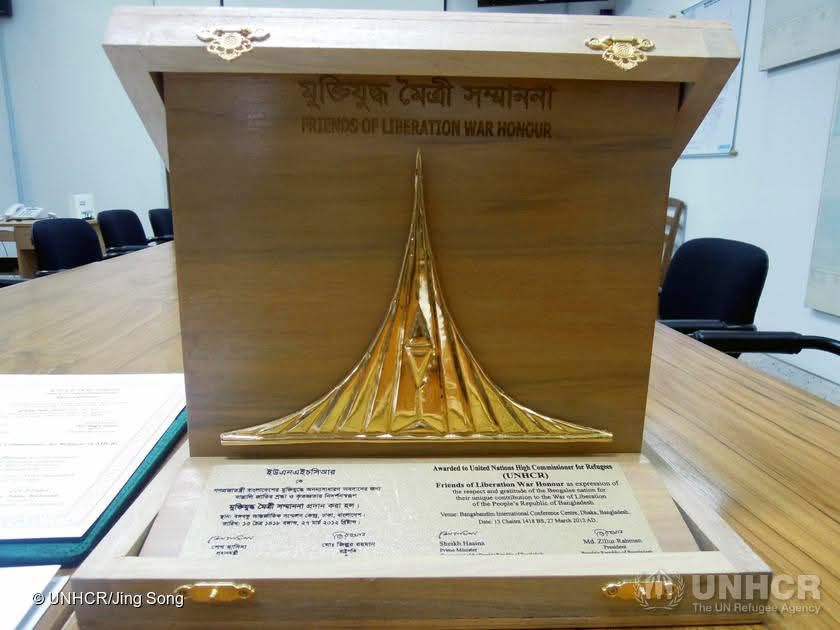
It wasn’t until the 1990s that the government began awarding the “Bir Protik” (Symbol of Bravery) title to some female freedom fighters. Even then, only a handful were recognized compared to thousands of men. In 1996, Captain Sitara Begum became one of the first women to receive the prestigious “Bir Pratik” award, almost 25 years after the war ended.
Today, approximately 230 women hold official “freedom fighter” certificates—a tiny fraction of those who actually participated. The government’s pension scheme for freedom fighters now includes women, though many face bureaucratic hurdles when applying.
B. Memorials dedicated to female freedom fighters
Walk around Bangladesh and you’ll spot countless monuments to the liberation war. But how many celebrate women specifically? Painfully few.
The Jalladkhana Killing Field memorial in Dhaka includes some recognition of women victims, but dedicated monuments are rare. In 2013, the “Birangona Smriti Kendro” (Brave Women Memorial Center) opened in Sirajganj—the first major memorial specifically honoring women freedom fighters.
Some smaller local monuments have been established in recent years, including the “Brave Women of 1971” sculpture in Rajshahi University and community memorials in Mymensingh and Sylhet.
C. Historical documentation of women’s roles
For decades, women’s stories were missing from official war histories. The predominant narrative focused on male military heroes, leaving women’s contributions to fade into obscurity.
Recent efforts by historians, researchers, and organizations have begun to correct this imbalance. The Liberation War Museum in Dhaka has expanded its women’s section, collecting oral histories from female freedom fighters before their stories are lost forever.
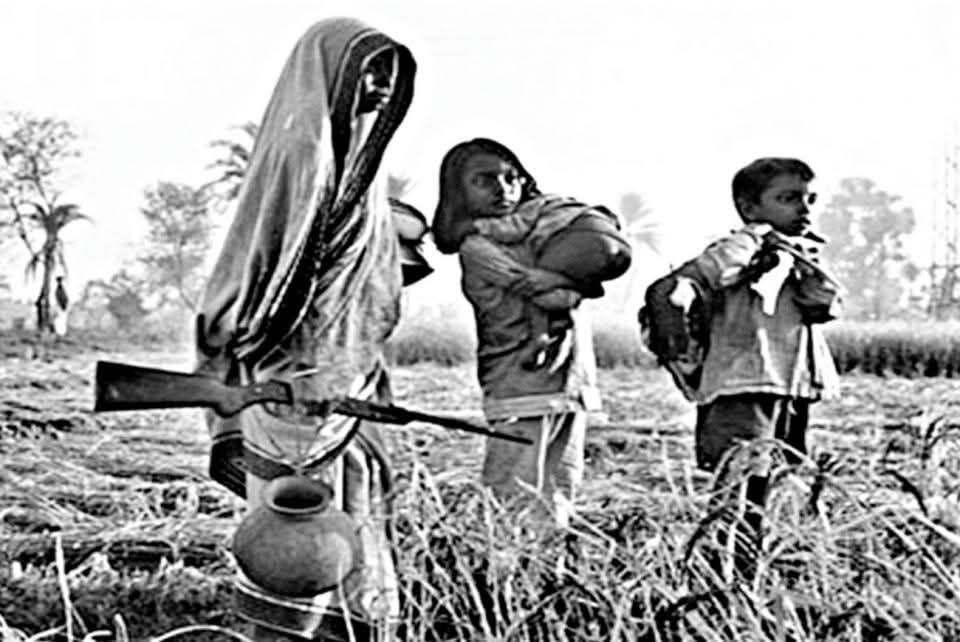
Books like “Women, War and the Making of Bangladesh” by Yasmin Saikia and “Rising from the Ashes: Women’s Narratives of 1971” have finally documented women’s experiences in detail. Documentary films including “Brave Women of 1971” have brought these stories to wider audiences.
Yet these efforts remain underfunded compared to general war documentation projects.
D. Ongoing struggles for recognition
Fifty years after independence, many female freedom fighters still fight for basic acknowledgment. The stories are heartbreaking—elderly women who risked everything for their country now living in poverty without official recognition.
The application process for freedom fighter status remains challenging, especially for women who lack documentation or witnesses to verify their service. Many rural women fighters never kept records of their participation, making verification nearly impossible.
Organizations like the Bangladesh Mohila Muktijoddha Sangsad (Bangladesh Women Freedom Fighters Association) continue advocating for proper recognition and benefits. They face an uphill battle against both bureaucracy and cultural attitudes that diminish women’s wartime roles.
Some former Birangona (war heroines who survived sexual violence) still face stigma in their communities, with many taking their stories to the grave rather than seeking recognition.
E. Impact on women’s status in independent Bangladesh
The gap between women’s wartime contributions and their post-war recognition reflects Bangladesh’s complex relationship with gender equality. While women proved their capabilities during the liberation struggle, this didn’t automatically translate into elevated status afterward.
That said, the legacy of women freedom fighters has slowly influenced national policies. The constitution enshrines gender equality, and Bangladesh has implemented notable women’s advancement initiatives. Female political participation has increased, with women holding key leadership positions including Prime Minister.
School textbooks now include more content about women’s war roles, though still less than men’s. This gradual recognition of women’s historical agency contributes to changing perceptions of women’s capabilities and citizenship in Bangladesh today.
The Bangladesh Liberation War witnessed extraordinary bravery from women who fought alongside men for independence. From direct combat roles to intelligence operations, these heroines risked everything for freedom. Their contributions extended beyond the battlefield, as they provided crucial medical care, preserved cultural identity through resistance, and maintained the social fabric of communities during the darkest times. Many made the ultimate sacrifice, with thousands of women martyrs whose stories demand recognition.
Despite their pivotal role in securing Bangladesh’s independence, women’s contributions to the Liberation War have historically been underrepresented. As Bangladesh continues to evolve, properly honoring these women becomes essential not just for historical accuracy, but for inspiring future generations. Their legacy reminds us that national liberation required the courage and sacrifice of all citizens, regardless of gender. By acknowledging women’s central role in the birth of Bangladesh, we gain a more complete understanding of the nation’s founding story and the true meaning of patriotism.
