
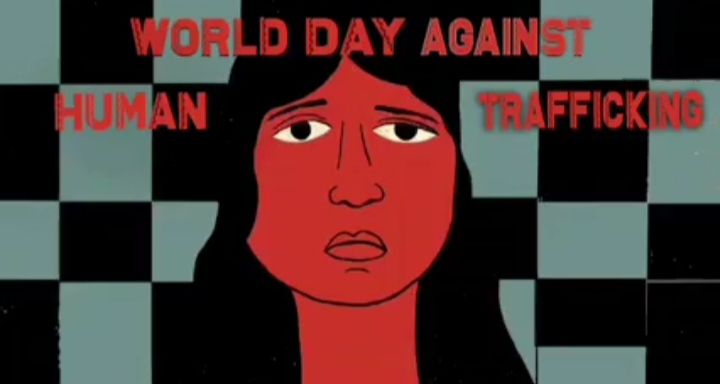
Every 3 minutes, a woman in our country reports a crime committed against her. Let that sink in while you scroll through your social media feed.
The sad reality of crime against women in 21st century India isn’t just statistics—it’s someone’s daughter, sister, or friend living in fear. Despite smartphones and space missions, we’ve failed spectacularly at providing basic safety.
I’ve spent months interviewing survivors, police officers, and activists to bring you the uncomfortable truth behind the headlines. Not because it’s sensational, but because understanding the problem is step one to fixing it.
But here’s what shocked me most: the solution might be simpler than we think—and yet nobody’s talking about it.
The Global Landscape of Violence Against Women
Statistical Overview: Trends and Patterns
What’s really shocking? These stats haven’t improved much in the past decade. Intimate partner violence is still the most common form, accounting for 58% of all female homicides globally. Think about that – women are most at risk from the people supposedly closest to them.
Regional Disparities in Women’s Safety
Walk down a street in Tokyo at midnight or in Johannesburg, and you’ll have completely different experiences as a woman. Safety isn’t distributed equally.
South Asia and Africa report the highest rates of intimate partner violence (35-37%), while Europe reports around 25%. But here’s the catch – reporting rates vary wildly. In countries with stronger legal protections, women might feel more comfortable reporting abuse.
Some sobering regional facts:
- In the Middle East, only 1 in 7 cases of violence are ever reported
- In Latin America, 14 of the 25 countries with the highest femicide rates are located here
- In North America, Indigenous women face violence rates 2.5 times higher than other women
Impact of Technology on Gender-Based Violence
Remember when technology was supposed to make our lives better? For many women, the digital revolution has just created new ways to be harassed.
Cyberstalking, revenge porn, online threats – they’re all explosively common now. About 73% of women have experienced some form of online violence. Dating apps have become hunting grounds for predators. Social media platforms struggle to protect female users from coordinated harassment campaigns.
And the worst part? Digital abuse often precedes physical violence. Those threatening DMs aren’t just words on a screen – they represent real danger.
The tech industry’s response has been tepid at best. Content moderation fails to address gendered hate speech. Platform algorithms actually amplify misogynistic content because it drives “engagement.”
Economic Costs of Violence Against Women
The price tag on violence against women isn’t just emotional – it’s astronomical in dollars too.
Global estimates put the cost at approximately $1.5 trillion annually. That’s roughly the size of Canada’s entire economy, wasted on violence that shouldn’t exist.
These costs break down across multiple areas:
- Healthcare for physical and psychological injuries
- Lost productivity and wages (about 2% of global GDP)
- Legal system expenses for prosecution
- Social services for survivors and their children
In the US alone, the lifetime cost for each rape survivor is estimated at $122,461. Multiply that by millions of victims worldwide, and you’re looking at economic damage that could otherwise fund education, healthcare, or climate initiatives.
The bottom line? Violence against women isn’t just wrong – it’s expensive for everyone.
Digital Age Crimes
A. Cyberstalking and Online Harassment
Women face a barrage of digital threats that their grandmothers never imagined. Cyberstalking isn’t just an annoyance—it’s psychological warfare. Creepy messages at 2 AM. Constant monitoring of social media activity. Unwanted explicit photos.
The numbers are shocking: nearly 70% of women have experienced some form of cyber harassment. What’s worse? Many don’t report it because they’ve been told to “just ignore it” or “that’s just the internet.”
The reality is brutal. Women change their online behaviors, delete accounts, and even move homes when digital stalking escalates. The psychological impact mirrors physical stalking, causing anxiety, depression, and constant fear.
B. Revenge Pornography and Image-Based Abuse
Think your intimate photos are safe with someone you trust? Sadly, for thousands of women, that trust gets shattered when private images go public.
Revenge porn destroys lives overnight. Jobs lost. Relationships ruined. Mental health devastated.
The worst part? Many victims didn’t even know they were being recorded. Hidden cameras, hacked devices, and manipulated images create a nightmare that can follow women for decades in our digital-footprint world.
And legal protection? Still catching up. Many jurisdictions lack specific laws against image-based abuse, leaving victims with little recourse.
C. Social Media Facilitated Trafficking
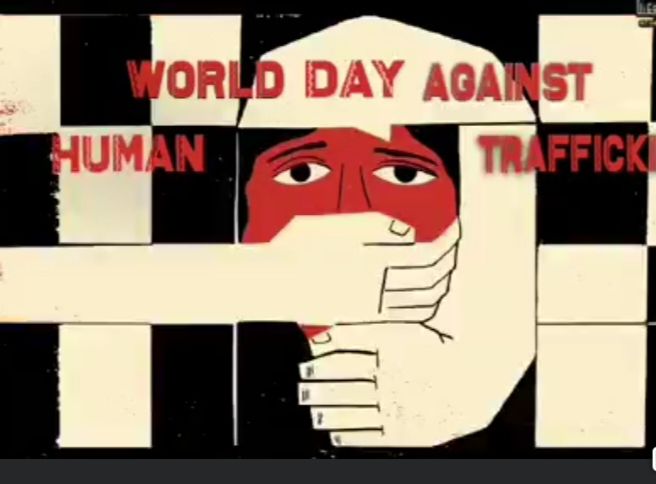
Human trafficking has gone high-tech. Traffickers now recruit through Instagram DMs, Facebook friend requests, and dating apps.
Here’s the terrifying truth: social media makes it easier than ever for predators to identify vulnerable women, study their interests and movements, and establish fake relationships. What looks like an innocent connection or job opportunity can be the first step in a calculated trafficking plan.
The pandemic made this worse. With more people isolated and online, traffickers exploited economic desperation and loneliness to target women worldwide.
D. Identity Theft Targeting Women
Women are prime targets for identity thieves, and the consequences go beyond financial loss.
Female-targeted identity theft often involves:
- Stolen photos used for fake dating profiles
- Medical identity theft during pregnancy
- Tax fraud using children’s social security numbers
- Stalkers creating false accounts to monitor victims
What makes this particularly dangerous is how it intersects with other forms of abuse. An abusive partner with access to personal information can weaponize identity theft during separation, destroying credit scores and financial independence when women are most vulnerable.
E. Dating App Violence
Dating apps were supposed to make finding love easier. Instead, they’ve created new pathways for violence against women.
The pattern is frightening: predators use the relative anonymity of dating platforms to target victims, often without consequence. Background checks are minimal. Verification processes are optional on most platforms. And reporting mechanisms? Frequently inadequate.
Women report being drugged, assaulted, and even trafficked after meeting matches. Yet the billion-dollar dating app industry has been slow to implement meaningful safety features.
The digital dating landscape puts the burden of safety on women: check his social media, meet in public, share your location with friends, use a safety call app. Women are essentially doing unpaid security work just to date safely.
Domestic and Intimate Partner Violence
Modern Manifestations and Warning Signs
The face of domestic violence has changed dramatically in the 21st century. Gone are the days when abuse was only physical. Today’s abusers have an arsenal of tools to control their victims.
Digital monitoring? That’s the new normal for controlling partners. They track locations through phone apps, demand passwords to social media accounts, and check message histories obsessively. Some even install spyware on their partner’s devices without consent.
The warning signs aren’t always bruises anymore. Look for these red flags:
- Constant texting demanding to know your whereabouts
- Isolation from friends and family through gradual manipulation
- Love bombing followed by cruel criticism
- Financial control disguised as “helping with money”
- Gaslighting that makes you question your own reality
“But he seems so nice in public!” Yeah, that’s part of the pattern. Many abusers maintain charming public personas while becoming monsters behind closed doors.
Economic Abuse as Control
Money is power. And abusers know it.
Economic abuse flies under the radar but devastates lives. It’s not just about controlling the bank account. It’s systematic financial sabotage.
Some tactics are brutally effective:
- Forcing partners to quit jobs or sabotaging work opportunities
- Creating debt in the victim’s name through fraud or coercion
- Demanding receipts for every penny spent
- Providing “allowances” like children rather than equal access
- Hiding assets while claiming poverty
The cruel math: without financial independence, leaving becomes nearly impossible. When you have no money, no credit history, and no recent work experience, where do you go?
Impact on Children and Families
Kids don’t just witness abuse – they absorb it like sponges.
Children living in violent homes often show trauma symptoms identical to combat veterans. The developmental impacts are severe and long-lasting:
- Academic struggles and reduced cognitive functioning
- Higher rates of anxiety, depression and PTSD
- Increased risk of substance abuse in adolescence
- Disrupted attachment patterns affecting all future relationships
The generational cycle is real. Boys who witness abuse are twice as likely to become abusers themselves. Girls often normalize violence and find themselves in similar relationships as adults.
Extended family members suffer too – grandparents separated from grandchildren, siblings torn between loyalty and safety, and entire family systems fractured by violence.
Breaking this cycle requires comprehensive support – therapy, economic assistance, legal protection, and community resources that make escape and healing possible.
Workplace Discrimination and Harassment
A. Sexual Harassment in Professional Settings
The office should be a place where women thrive, not where they’re afraid to speak up or wear certain clothes. Yet here we are in 2023, and nearly 60% of women still report experiencing workplace harassment.

What does this actually look like? It’s the boss who “accidentally” brushes against you. The coworker who won’t stop commenting on your appearance. The client who makes inappropriate jokes while everyone laughs uncomfortably.
Women aren’t imagining this stuff. They’re living it daily, often choosing between their dignity and their paycheck.
Companies love to brag about their zero-tolerance policies, but when Sarah from accounting files a report, suddenly it’s “a misunderstanding” or “just how Dave is.” The gap between policy and practice is where careers go to die.
B. Pay Gap as Structural Violence
The numbers don’t lie—women still make about 82 cents for every dollar men earn. This isn’t just unfair; it’s economic violence.
When you’re paid less for identical work, that missing money adds up. It’s your retirement savings, your kid’s college fund, your emergency cushion—gone.
What makes this worse? The gap widens for women of color, mothers, and women over 45. A Black woman might wait until August to earn what her white male colleague made by December 31st the previous year.
Companies defend this with excuses like “women don’t negotiate” or “career gaps for children.” But these justifications just mask a system designed to undervalue women’s contributions.
C. Corporate Culture and Safety Policies
Corporate America talks big about diversity and inclusion, but walk into most executive meetings and count the women. Yeah, exactly.
Safety policies look great on paper. The problem? Implementation is spotty at best. A handbook saying “don’t harass people” means nothing when HR prioritizes protecting the company over protecting employees.
Some red flags in company culture:
- Retaliation against reporters
- Promoting known harassers
- “Work hard, play hard” environments that normalize inappropriate behavior
- Keeping settlements confidential
Women shouldn’t need to form whisper networks to warn each other about predatory colleagues. That’s the company’s job.
D. Success Stories of Workplace Reform
Not all hope is lost. Some organizations are getting it right.
Take Salesforce, which spent $3 million adjusting salaries after discovering gender pay disparities. Or IBM, where comprehensive harassment training isn’t just a box to check—it’s an ongoing conversation.
The tech startup Buffer made all salaries public, eliminating the secrecy that often hides discrimination. When everyone knows what everyone makes, it’s harder to pay women less.
Small changes matter too. Companies implementing anonymous reporting systems see harassment reports increase—not because there’s more harassment, but because women finally feel safe reporting it.
The most successful reforms share common elements:
- Leadership that actually faces consequences
- Women in decision-making roles
- Regular pay audits
- Clear paths for advancement
- Zero tolerance that means zero tolerance
The companies fixing these problems aren’t just doing the right thing—they’re performing better financially too. Turns out, treating half your workforce with respect is good for business.
Trafficking and Modern Slavery
A. Global Trafficking Networks in the Digital Era
The internet has become a hunting ground for traffickers. Women and girls are targeted through social media, dating apps, and job listing sites with fake opportunities that sound too good to pass up.
What happens next? They’re lured across borders, their documents confiscated, and they vanish into networks so complex that finding them becomes nearly impossible.
Tech-savvy traffickers now use cryptocurrency to hide payments and encrypted messaging to coordinate operations. They’re adapting faster than law enforcement can keep up.
Ever noticed those pop-up ads for “modeling opportunities abroad” or “high-paying hospitality jobs”? Many are fronts for trafficking operations. The digital footprints disappear quickly, leaving families desperate for answers.
B. Sex Tourism and Exploitation
Countries with poverty and weak legal systems become magnets for sex tourism. Women are marketed as commodities, with entire underground economies built around their exploitation.
The numbers are staggering. Each year, millions of women are trapped in commercial sexual exploitation, many trafficked specifically to meet demand from tourists who travel with exploitation in mind.
“I thought I was going to be a waitress,” says Maria, a survivor. “By the time I realized what was happening, I was in debt, without a passport, in a country where I couldn’t speak the language.”
Sex tourism websites operate in plain sight, rating women like products and sharing tips on avoiding legal consequences. The digital era has only made this darker industry more accessible.
C. Forced Labor Exploitation
Women trafficked for labor often disappear into private homes as domestic workers or into factories with deplorable conditions. They work endless hours, receive little or no pay, face physical abuse, and live under constant threats.
The products you use daily—clothes, electronics, food—might be tainted by forced female labor. Global supply chains are notoriously opaque, making it difficult to identify where exploitation occurs.
Many victims are controlled through debt bondage. They’re charged exorbitant fees for recruitment, transportation, housing, and food. The debt grows faster than they can pay it off, creating modern-day slavery through financial chains.
Agricultural work, garment factories, and domestic service are hotspots for this exploitation. Women are particularly vulnerable because these sectors have less oversight and regulation.
D. Survivor Rehabilitation Challenges
Survivors don’t just walk away and resume normal lives. The trauma follows them. PTSD, depression, anxiety, and trust issues become daily battles. Many have been conditioned to fear authorities, making them reluctant to seek help.
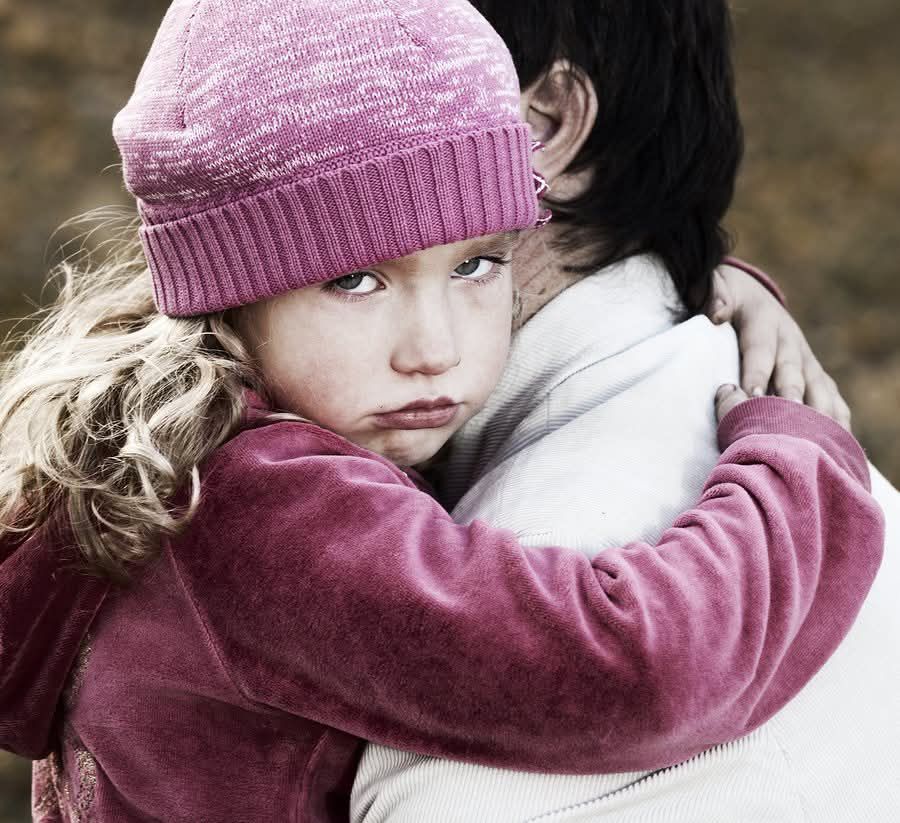
Healthcare systems aren’t equipped to handle their complex needs. Physical injuries, reproductive health issues, addiction (often forced as a control method), and psychological trauma require specialized, long-term care that most facilities can’t provide.
Economic reintegration? Nearly impossible without support. Gaps in employment history, limited education, and stigma create barriers to finding legitimate work. This economic vulnerability makes re-trafficking a real risk.
“Freedom isn’t just about escaping,” explains one rehabilitation counselor. “It’s about rebuilding an entire life from scratch when all your reference points have been destroyed.”
Legal status complicates everything. Many survivors were trafficked across borders without documentation. They face detention or deportation rather than protection, forcing them back into vulnerable situations.
Legal Frameworks and Justice Systems
International Laws Protecting Women
Women’s safety isn’t just a national issue—it’s global. The Convention on the Elimination of All Forms of Discrimination Against Women (CEDAW) has been around since 1979, but honestly? Many countries signed it with so many reservations that it’s like ordering a pizza but removing all the toppings.
The Istanbul Convention takes things further, specifically targeting violence against women. It’s the first legally binding instrument that explicitly recognizes gender-based violence as a form of persecution.
UN Resolution 1325? Game-changer for women in conflict zones. But implementation? That’s where things fall apart.
Gaps in National Legislative Protection
The law books might look impressive, but scratch the surface and you’ll find shocking gaps:
- 49 countries have zero laws specifically protecting women from domestic violence
- Only 76% of countries have laws on workplace sexual harassment
- Just 62 countries criminalize marital rape
The biggest issue isn’t just missing laws—it’s outdated ones. In some places, rapists can still avoid punishment by marrying their victims. Yeah, in 2023.
Barriers to Reporting and Prosecution
Why don’t women report crimes? The math is simple:
- Police stations staffed predominantly by men
- Victim-blaming questioning techniques
- Economic dependence on perpetrators
- Court proceedings that drag on for years
- Conviction rates so low they’re practically a rounding error
When only 14% of reported sexual assaults lead to arrests and a mere 3% result in jail time, can you blame women for staying silent?
Innovative Legal Approaches Worldwide
Some bright spots exist:
Spain’s specialized gender violence courts process cases faster and more effectively than traditional courts. Conviction rates? Up by 31%.
Rwanda’s “one-stop centers” combine medical, psychological and legal support under one roof.
Australia’s use of video testimony reduces re-traumatization while maintaining due process.
Technology-Assisted Evidence Collection
Digital evidence is revolutionizing prosecution. Apps now document injuries with time-stamped photos that maintain forensic integrity.
DNA collection kits are more portable and user-friendly than ever.
Blockchain technology is being explored to create tamper-proof evidence chains for court proceedings.
But there’s a dark side—these tools are often unavailable in low-resource settings, creating a two-tier justice system.
Prevention and Empowerment Strategies
A. Education and Awareness Programs
The harsh reality? Most women don’t recognize danger until they’re already in it. That’s why education is our first line of defense.
Schools need to start early, teaching kids about consent and respect before harmful attitudes take root. We’re seeing success with programs like “No Means No” in Kenya, which reduced sexual assault rates by 51% while empowering girls to speak up.
Community workshops aren’t just feel-good sessions—they’re lifelines. When women learn to identify warning signs of abuse or trafficking, they can protect themselves and others.
Digital literacy training has become non-negotiable. Women need to know how to:
- Recognize phishing attempts targeting their personal information
- Set privacy controls on social media
- Document online harassment
- Block and report abusers
B. Male Allyship and Engagement
We’ve tried solving gender violence without men at the table. Spoiler alert: it doesn’t work.
Men, you’re not the problem—you’re a crucial part of the solution. Programs like “HeForShe” and “Men Can Stop Rape” are proving that when men challenge toxic masculinity and call out abusive behavior, communities change.
The most effective male allies:
- Speak up when they witness inappropriate comments
- Believe women when they share their experiences
- Hold other men accountable
- Examine their own behavior and biases
C. Self-Defense and Safety Training
Self-defense isn’t about turning every woman into a ninja. It’s about confidence—the kind that makes predators think twice.
Modern self-defense courses teach practical skills:
- Situational awareness in public spaces
- Verbal de-escalation techniques
- Physical escape strategies
- Using everyday objects for protection
The psychological benefits are just as important as the physical ones. Women who complete these programs report feeling more in control of their lives and less fearful in daily situations.
D. Economic Empowerment Initiatives
Financial dependence traps countless women in dangerous situations. Economic freedom isn’t just about money—it’s about having options.
Microfinance programs have revolutionized women’s safety in developing regions. When a woman can support herself, she can leave an abusive partner or avoid trafficking schemes.
Workplace policies matter too. Companies that provide:
- Fair wages
- Flexible schedules
- Paid leave
- Clear harassment policies
create environments where women thrive safely.
The 21st century has seen alarming persistence in crimes against women worldwide, from traditional forms of violence to new digital manifestations. Despite legal frameworks established globally, women continue to face domestic violence, workplace harassment, human trafficking, and online abuse. The justice system often fails victims through inadequate enforcement, victim-blaming, and lack of accessible resources, perpetuating cycles of violence.
Addressing these crimes requires a multi-faceted approach combining stronger legislation, education, economic empowerment, and technology-based solutions. By supporting survivors, holding perpetrators accountable, and fostering a culture of respect and gender equality, we can work toward a world where women live free from fear and violence. Each of us has a role to play in creating this change—whether through advocacy, supporting women’s organizations, or simply speaking out against harmful attitudes in our communities.
