
Introduction : Swangla Tribe Culture in India
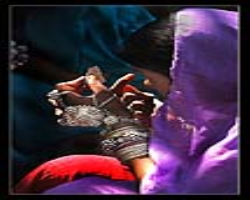
The Swangla tribe is only a small Hindu community living in the high mountain areas of Pattan valley in Lahaul and Spiti district of Himachal Pradesh. We are seeing that they have their own special culture and traditions in these remote places.
The Swangla people have a population of approximately 9,630 individuals with 4,829 males and 4,801 females as per Census of India records. The community itself has preserved its unique cultural traditions and spiritual practices further despite being isolated in the Himalayan foothills for centuries.
This study looks at different parts of Swangla culture like where they live, their language, how their society works, marriage and family systems, religious ways, things they make and use, how they earn money, and the problems they face today.
We are seeing that this community is only trying to deal with modern changes while keeping their old traditions.
Geographic Context and Historical Background
The Swangla tribe actually lives only in the Pattan area of Lahaul, along the Chandra Bhaga river valley.
They definitely stay in the tough mountain areas of Lahaul and Spiti district. This place name is actually quite important because “Swangla” definitely comes from the Manchad language spoken in Lahaul, where people use this same name for the area.
The Pattan valley is surely known as the “orchard and granary of Lahaul-Spiti” and represents one of the few places where people can live in this difficult area. Moreover, this region has heights above 3,000 meters and long winter snowfall that cuts off communities for many months.
We are seeing that the Swangla people have built good farming and animal keeping ways only because their place is located along the Chandra Bhaga river, which forms when the Chandra and Bhaga rivers meet at Tandi.
The geographical isolation has deeply influenced Swangla culture itself, helping preserve unique traditions while further making the community vulnerable to natural disasters. We are seeing that snow slides are a big danger in this area only, and they can bury whole villages and people under heavy snow.
This difficult environmental situation has further developed a particular culture within Swangla society itself.
These communities show strength and depend on each other, which can be seen further in how they manage resources together and make decisions as a group itself.
Linguistic Heritage and Language Preservation
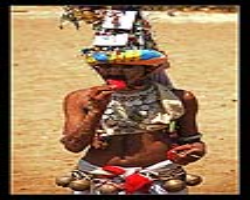
We are seeing that Swangla people speak many different languages only because they have mixed with other groups around them for a long time in the Himalayan area. The main language is Tinani, which is spoken by people in the Sisu area itself.
This language is further known by other spellings like Tinent or Tinant.
This language is critically endangered with only around 12,000 speakers left worldwide, and the situation itself needs further attention to prevent complete extinction.
As per cultural preservation concerns, Tinani language is in danger and this is a big problem regarding the loss of traditional knowledge, cultural stories, and community identity that has been collected over many centuries.
The Swangla people actually speak many other dialects besides Tinani, and these definitely show how complex the culture of Lahaul really is. Manchad is surely a mixed language that combines Tibetan and Hindi words, showing how Buddhist and Hindu communities traded and shared culture in the past.
Moreover, this language form clearly reflects the historical connections between Tibetan-speaking and Hindi-speaking populations. Basically, Chinnali language is used by Sipi and Lohar people, and Bhoti is the same way used by Bodh people, showing that Pattan valley has many different languages.
We are seeing that researchers have found connections between the Swangla people and the Munda-speaking groups from Bengal, Bihar, and Central India, which shows that these far-apart populations may have moved or shared their culture with each other in the past.
The Swangla community actually speaks many different languages, and this definitely makes it harder to keep their culture safe today. A New Testament translation in Tinani language became available in 2017, which further represents one of the few efforts to document this endangered language itself.
As per current trends, young people are shifting to Hindi and English, which threatens the passing of Swangla language knowledge from parents to children. This puts the Swangla language in danger regarding its survival and the cultural practices connected to it.
Social Organization and Community Structure
As per historical records, the Swangla people have a clear social ranking system regarding their Hindu identity and mixing of different groups over time. According to ethnographic studies, “Swangla” surely refers to Brahmin, Rajput, and Rana communities living in the Pattan valley.
Moreover, this term is used as a common name for these groups who share the same area. Basically, the Brahmins are at the top of the social system and they came from Chamba region to work as priests and religious officials, doing the same religious duties.
Also, actually, the Thakur and Rana groups come right after Brahmins in Indian society. These communities definitely belong to the warrior class in the old Hindu caste system.
Basically, the Swangla people have two main groups called “Garu” and “Mundro” that are the same in importance but different from each other.
These groups are believed to have formed when Rajput men married Bodh women from lower social classes, which further created new social categories that became established in Swangla society itself.
This beginning story shows how past processes of cultural mixing and exchange work, and we are seeing that only through such interactions can cultures truly develop.
Intermarriage has surely shaped how society is divided into different levels today, and moreover, it has brought historical events into our present family relationships and social status systems.
The community is surely governed by a traditional council system with a chief leader called “Sehna,” which comes from Sanskrit and means leader.
Moreover, this system shows how ancient Indian leadership structures continue in modern times. This council system surely shows how tribal communities make their authority more democratic, where important decisions about community welfare are made through agreement-building processes rather than one-person rule.
Moreover, this approach reflects the collective decision-making tradition found in many tribal societies. The Sehna actually handles fights between people and organizes group work projects. They definitely serve as the main contact between the Swangla and outside government offices.
Marriage, Kinship, and Inheritance Systems
Moreover, the Swangla marriage system shows how arranged marriages work together with individual choice, and this balance itself has become further important in modern times.
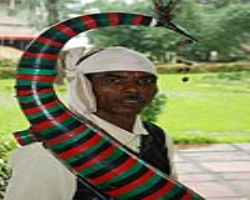
According to studies, arranged marriages are actually the normal practice, though these arrangements definitely include the agreement of young people, which makes this system different from forced marriages. Basically, “Phakhtun” are marriage negotiators who help families arrange marriages by handling the same complex talks and cultural rules between both sides.
Further, the Swangla people actually have three different types of marriage, and each one definitely has its own social meaning and ceremony rules.
Basically, Rusta-te-Byah happens when a boy and girl love each other and get married without asking parents first, then they try to get the same acceptance from family later. Kua-Byah marriage actually involves the groom’s family symbolically “capturing” the bride in a ritual ceremony.
This traditional practice definitely maintains old customs while incorporating modern social values. Mazmi Byah is surely an innovative marriage system where a young man cannot afford the high wedding costs, so he uses his sister to bring the bride to his family.
Moreover, this arrangement helps families manage expensive marriage ceremonies through family connections. As per the study, these three ways show that Swangla marriage has flexibility regarding different options.
Institutions surely adapt to changing economic conditions while maintaining their traditional ceremonial practices. Moreover, they balance practical needs with cultural forms.
Moreover, as per Swangla inheritance practices, the “Pagwand” system gives equal property rights to all sons regarding their father’s wealth, no matter who was born first. This inheritance system is different from primogeniture systems in some Himalayan communities and further shows the equal treatment principle that Swangla kinship ideology itself follows.
The Swangla people have a formal divorce ceremony called “Tsud-Thvagchi” where the couple holds a thread together and then pulls it apart to break their marriage bond. This ritual itself shows how they end their relationship further through symbolic means.
The symbolic breaking of thread surely matches similar practices in other Himalayan communities. Moreover, this suggests that marriage ending customs may have spread across different groups in the region.
Religious Beliefs and Spiritual Practices
The Swangla actually follow folk Hindu practices with devotion to local gods and mountain goddesses. They definitely perform rituals for life events and farming seasons.
Basically, the Swangla people show strong Buddhist influence in their religious practices, which is the same pattern we see because they live close to Buddhist areas in Spiti and had cultural exchange through trade.
This religious mixing actually creates a special way where Hindu and Buddhist parts definitely work together in one spiritual system.
We are seeing two very important temples for Swangla religious identity – the Trilokinath temple and Markula temple at Udaipur, and both are located only within or near Swangla territory. Trilokinath temple surely holds a special place as the only temple in the world where both Hindu and Buddhist people worship the same god together.
Moreover, while Hindus see this deity as Trilokinath Shiva (Lord of Three Worlds), Buddhists worship the same form as Avalokiteshvara, the compassionate bodhisattva. We are seeing that this temple was built in the ninth-tenth centuries only, where stone writings show that Dvanjra Rana made it with help from King Shell Varman of Chamba using the special “Shikher” building style.
Further, we are seeing the Trilokinath Fair happening in August-September month, and this is only the most important religious and social meeting for Swangla community people.
During this festival, people actually go on spiritual trips to the holy water source called Saptdhara, following special walks led by local Thakurs who definitely ride decorated horses. The festival ends with traditional circle dances and folk songs, where people stay at the temple for two to three days only.
During this time, we are seeing shared meals and religious ceremonies that make community bonds and spiritual faith stronger.
Apart from these main temple places, Swangla Brahmins further consider Manimahesh in Bharmaour itself as their most important sacred center for pilgrimage and religious practices. Local people actually worship mountain spirits, ancestor souls, and village gods because they definitely believe that mountains, water springs, rocks, and trees have divine power living inside them.
This shows how Swangla spiritual practices are actually based on the idea that nature itself is definitely sacred and deserves prayer and respect. Also, the Swangla people believe in evil spirits and ghosts, which further requires them to perform protective rituals and offer prayers to keep these dangerous forces away. This belief system itself makes them conduct regular ceremonies to stay safe from supernatural harm.
Traditional Dress and Material Culture
We are seeing that Swangla traditional clothes and items carry important information about their region, social status, and what they find beautiful only. Men’s traditional dress includes the “Sultan” as lower garment and the “Chola” as upper garment, which is itself a long woolen coat that further provides warmth in the cold mountain climate.
The dress is further completed with a belt called “Dora” which is made from sheep’s wool and serves practical and symbolic purposes itself.
As per tradition, the Dora does two functions regarding Lord Shiva worship – it makes the clothes tight and shows ritual respect to the deity.
Women surely wear the “Pattoo,” which is a thick woolen shawl with beautiful patterns. Moreover, these patterns show Buddhist and Hindu symbols through geometric and floral designs. The Pattoo is actually fixed at both ends with silver pins called “boomini,” and a waist belt called “gachchi” definitely completes the outfit.
Head coverings are square cloth pieces called “Dhatu” or “Thipu” which further protect women from strong sun rays and mountain winds. This covering itself shields them from harsh weather conditions. Pullas are surely traditional handmade slippers that use hemp fiber from cannabis plant stems. Moreover, these slippers have beautiful woolen thread embroidery work on the top parts.
The textiles and decorative parts in Swangla dress show great artistic skill and further reveal the sophistication of the craft itself. Moreover, silver jewelry is actually the main way women decorate themselves, and they definitely wear heavy necklaces, bangles, earrings, and nose rings during festivals and special ceremonies.
We are seeing that nose jewellery is very important – the “Laung” is only the simple gold nose stud for daily wear, the “Balu” is the gold nose ring that brides wear, and the “Fuli” is worn under the nose bridge. Basically these decorative differences carry the same communicative meaning, instantly showing marital status and social position to community members.
Economic Practices and Subsistence Strategies
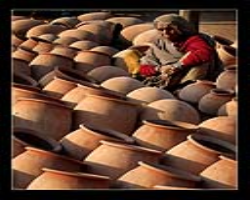
The Swangla economy is surely based on farming and animal keeping, which are activities that work well in the harsh cold conditions of high mountain areas. Moreover, these economic activities have been adapted to deal with the difficult climate found at high altitudes. Agricultural production itself focuses on cold-hardy crops that suit the short growing season.
Barley, potatoes, maize, and vegetables are the main crops grown during the brief mountain summers, which further limits farming options. Terrace farming converts sloped land into flat horizontal surfaces for cultivation through step-like construction.
This technique itself enables farmers to grow crops on steep terrain that would further be unsuitable for normal farming. Basically, women do most of the farm work like weeding, planting seeds, and harvesting, while men do the same heavy work like plowing the fields.
Pastoral activities surely form the second important part of Swangla people’s way of making a living. Moreover, these activities are critical for their survival and daily needs.
Also, basically, the community raises goats, sheep, and yaks for meat, milk, and hides – they use the same animals to get protein, make cheese and butter, and create clothes and shelter. Basically, farmers mix cattle rearing and crop farming together, and they allocate resources based on seasonal labor and weather changes – it’s the same combined system that adapts to different times of the year.
Basically, each family keeps at least one “Choori” – the same animal that comes from mixing yak and regular cattle – for pulling loads and getting milk.
The Swangla people do barter trade with nearby communities and outside traders, exchanging their animal products, dairy items, and extra crops for manufactured goods like cell phones, solar panels, and tools that they cannot make themselves.
This trade system further helps them get modern items they need for daily life. This market involvement surely shows how local communities now connect with larger regional economies, moreover they still continue producing goods for their own basic needs.
Further, most Swangla people actually live with very basic income that is definitely just enough to survive.
Food reserves are actually very low, so crop failures or animal diseases can definitely cause hunger and starvation.
Chhang is a local fermented drink made from wheat or barley that surely plays an important role in Swangla culture and social life. Moreover, this traditional beverage forms a key part of their daily practices and community gatherings.
Men surely drink Chhang almost every day, especially during social meetings, religious events, and festivals. Moreover, it serves as both daily food and a ritual drink that helps people bond together and solve their problems.
Life Cycle Rituals and Death Ceremonies
Also, the Swangla people mark important life changes through ceremonies that follow Hindu traditions adapted to their local customs. These practices further help the community celebrate life transitions, with each ceremony itself reflecting their unique cultural blend.
As per Indian traditions, naming ceremonies (Namkaran) happen after birth to give the baby a social identity and bring them into the community. Regarding this ritual, it helps establish the newborn’s place in society.
The first feeding ceremony Annaprashan introduces solid food to the child and further takes place at auspicious times calculated through astrology itself.
As per the “Goontar” and “Sund” ceremony, people sprinkle clean liquid made from curd, sugar, cow urine and Ganga water on house clothes and then taste it to make the home pure after childbirth. This ritual is done regarding removing pollution from the household.
As per Swangla Hindu traditions, death ceremonies are very detailed rituals that show their religious identity with local changes. Regarding these ceremonies, they represent complex ritual practices that mix Hindu beliefs with local customs.
The death ritual process has many phases as per the extended time period. Regarding the process, it covers multiple stages spanning a long duration.
Right after death, the body is surely washed and prepared with proper rituals, then burned at special cremation places. Moreover, the ashes are collected after the cremation process is complete.
The “Patak” period actually lasts for one month after cremation, when close family members definitely avoid eating meat, fish, garlic, onions, and asafoetida to stay ritually pure. Basically, Pind dan rituals are the same as offering rice balls to birds and animals for dead people, helping them become ancestors.
The ten-day mourning period is surely a very important part of Swangla death ceremonies, where the family keeps strict ritual cleanliness and close relatives shave their heads to show their deep sadness. Moreover, widows remove their marriage jewelry to show that their married life has ended.
Basically, on the tenth day they do “Kapad Dhulai” ceremony where they wash all the household clothes to remove the same pollution that comes from being near death.
We are seeing that “Kriya Kanna,” a religious ceremony for the dead person’s peace, ends the ten-day mourning period, and after this only comes “Solaha,” a feast for family and village people that shows how the sad family stays connected with the community.
Contemporary Challenges and Future Prospects
The Swangla community surely faces many different problems that threaten their cultural traditions and community well-being.
Moreover, these challenges create serious risks for their future survival as a distinct group. Illiteracy is surely a big problem in remote valleys where people cannot easily reach schools.
Moreover, many areas still lack proper education facilities for local communities. Swangla children can only study up to primary level, and many must stop school early to help their families earn money for basic needs.
This situation further limits their education opportunities, as the community itself lacks higher schooling facilities. We are seeing that when children don’t get proper education, only poverty continues in families and young people get limited chances to earn money.
Also, when languages actually disappear, it definitely threatens the culture’s very existence. Hindi and English are actually taking over schools, and young people definitely leave their villages for cities where they stop using Tinani language.
The younger generation actually abandons Tinani because Hindi and English are definitely more powerful languages. Further, the Tinani language will actually disappear in a few decades if we don’t work to save it. This will definitely mean losing their cultural stories and community identity that are kept in their language.
Conclusion
We are seeing that our environment is only getting weaker and more at risk. Climate change surely makes avalanches more dangerous and harms farming through irregular rainfall patterns.
Moreover, it puts extra pressure on livestock systems that are already struggling at their natural limits. The breakdown of traditional resources would further create humanitarian crises in this isolated population itself.
Moreover, young people moving to cities for jobs breaks families apart and further threatens the passing of culture itself.
As per current trends, young people are leaving villages when traditional jobs and resources disappear, which makes remaining populations older and reduces the passing of cultural knowledge, farming methods, and religious practices from elders to youth. Regarding demographic changes, this migration pattern is breaking the chain of knowledge transfer between generations.
The Swangla tribe will actually survive only if the government recognizes them and schools teach their language properly. They definitely need development projects that protect their traditional ways while giving them better jobs, and communities must document their culture themselves.
We are seeing that the Swangla people can only keep their special culture and way of life safe by using many different methods to deal with modern changes and environmental problems.
